
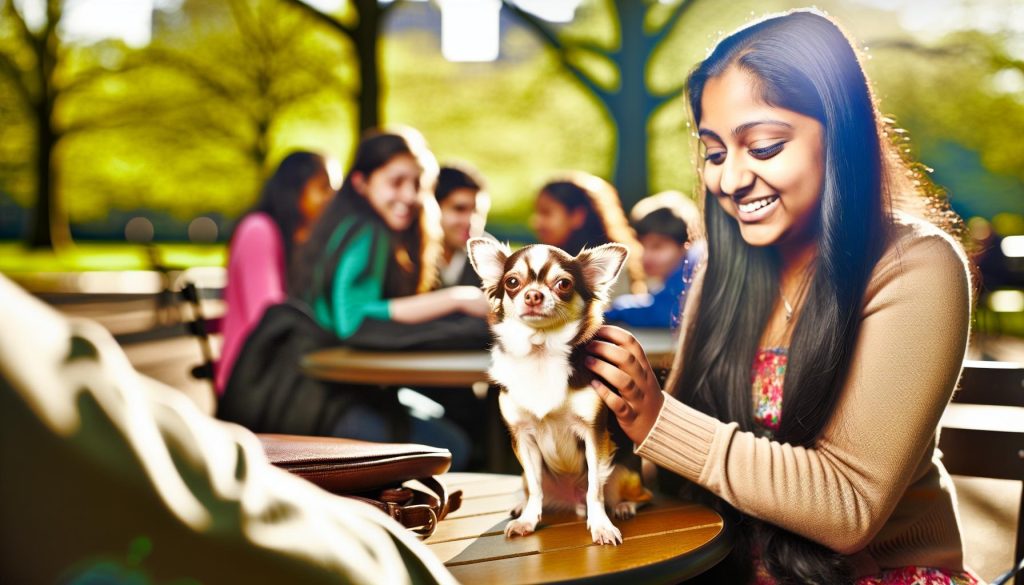
Chihuahuas, despite their tiny stature, boast a surprisingly large personality, especially when it comes to their territorial instincts. Known for being fiercely protective, these little dogs often view their homes-and their humans-as their domain to safeguard. Understanding why Chihuahuas exhibit such territorial behavior is essential for any owner; it helps in fostering a harmonious environment and reinforcing positive behaviors. Perhaps you’ve noticed your Chihuahua barking at strangers or claiming their favorite spot on the couch. This can be both charming and challenging, particularly for first-time owners. By exploring the protective nature of Chihuahuas, we can better appreciate their unique quirks and ensure they thrive in our families, transforming their instinctual protectiveness into a positive trait that strengthens the bond between you and your beloved companion. Let’s dive into this fascinating aspect of Chihuahua behavior and learn how to navigate their assertive tendencies with love and understanding.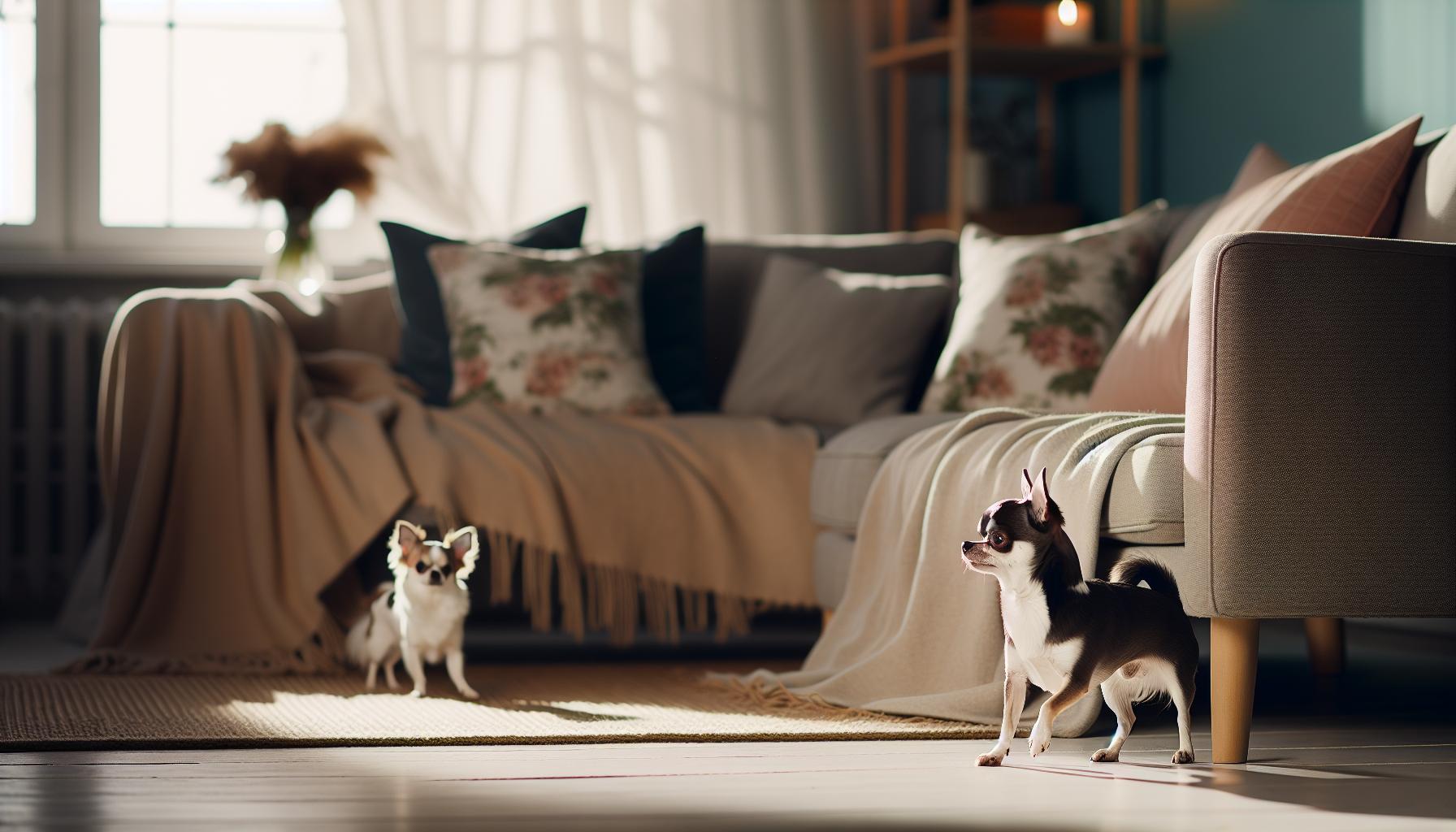
Understanding Chihuahua Territorial Behaviors
Every Chihuahua owner has likely witnessed their tiny companion transforming into a fierce guardian when they perceive a threat. Chihuahuas are inherently territorial, a trait deeply rooted in their history and personality. This instinct is not just a quirk; it combines elements of their ancient lineage and their deep bond with their human family. Understanding these territorial behaviors can help owners foster a harmonious living environment for both their beloved pet and themselves.
Chihuahuas have a long-standing reputation for being vocal and assertive, especially given their small size. They often view themselves as protectors of their home and family, engaging in behaviors such as barking at strangers or defending what they deem their territory. This protective nature stems from their need to safeguard their space, a behavior that’s often magnified by their intense loyalty and attachment to their humans. Owners might notice their Chihuahua becoming agitated when unfamiliar people enter their domain, or even when they hear sounds from outside.
To manage these territorial instincts effectively, consistent training and socialization from a young age are crucial. Exposing your Chihuahua to a variety of people, animals, and environments can ease their territorial tendencies. For example, encouraging positive interactions with visitors can help your Chihuahua feel more secure and less threatened. It’s also essential for owners to teach their dogs specific commands to help redirect their focus when they become overly protective, thus fostering a calm and secure home atmosphere.
Ultimately, understanding your Chihuahua’s territorial instincts and embracing their protective nature can lead to a rewarding relationship. By providing structure and positive reinforcement, you can help your little guardian feel secure while still allowing them to express their unique personality-ensuring that your home remains a loving and calm place for everyone involved.
The Evolution of Territorial Instincts in Chihuahuas
Chihuahuas possess a fascinating history that sheds light on their territorial instincts. Originally bred in Mexico, these tiny dogs were valued for their companionship and were often relied upon for their alertness to potential dangers. Their ancestors, much larger than today’s pint-sized cuties, served as guardians of temples and homes, a role that undoubtedly shapes the current Chihuahua‘s protective behaviors. Even today, despite their diminutive size, Chihuahuas exhibit a boldness that reflects this ancient lineage, often surprising owners with their fierce loyalty and assertiveness.
Understanding this evolution of territoriality is key to managing a Chihuahua’s behavior. As descendants of dogs that once roamed vast territories, modern Chihuahuas still demonstrate a strong urge to defend their space. This instinct can manifest in a variety of behaviors, from barking at unfamiliar noises to confronting new visitors with an assertive stance. Their protective nature is amplified by their close bond with their owners, leading them to consider their human companions as part of their pack. As a result, Chihuahuas may react vigorously to perceived threats, feeling that it’s their duty to safeguard their family and home.
To appreciate how these instincts impact daily life, consider this: many Chihuahua owners report that their dogs display noticeable changes in behavior when guests arrive. For instance, a normally calm and cuddly Chihuahua might transform into a vigilant protector, barking and positioning themselves between their owner and the newcomer. This is more than mere guarding; it’s a manifestation of a deeply rooted instinct to create a safe environment for their family. Acknowledging this behavior allows owners to work with their pets to channel these instincts positively through training and socialization, ultimately enhancing their understanding of both the breed and their furry companions.
Recognizing the historical context of these behaviors underscores the importance of consistency in training. Owners can foster a balanced environment by introducing their Chihuahuas to a variety of situations, people, and experiences. This proactive approach not only alleviates anxiety and over-protectiveness but also enriches their lives, ensuring that their natural instincts serve to enhance, rather than disrupt, the household dynamic. Embracing the blend of history, loyalty, and personality is essential in nurturing a healthy relationship with your magnificent little guardian.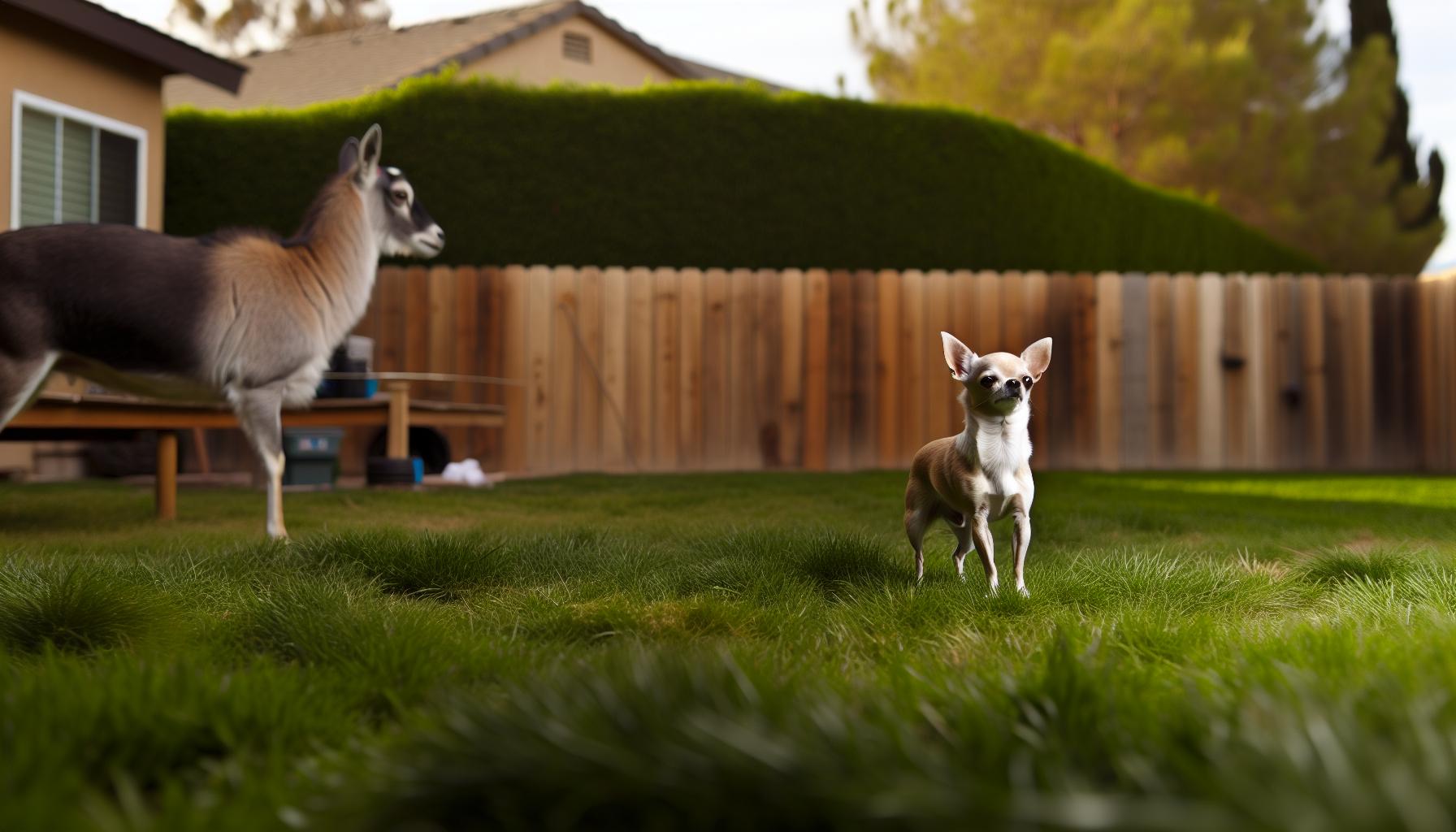
Key Reasons Behind Chihuahua’s Protective Nature
Chihuahuas, despite their small stature, possess extraordinary protective instincts that often surprise their owners. Their bold demeanor can be traced back to their ancient ancestors, who served as guardians. This protective nature is deeply ingrained in their DNA, making them vigilant companions. It’s fascinating to realize that these tiny dogs, bred for companionship, also carry the responsibility of alerting their families to potential threats, all while weighing in at just a few pounds!
One of the key reasons for their protective behavior is their innate sense of loyalty. Chihuahuas are known for forming strong bonds with their owners, viewing them as part of their pack. This connection motivates them to defend their territory and loved ones fiercely. For instance, many owners have witnessed their Chihuahua bark loudly or position themselves between their owner and an unfamiliar visitor, signaling their readiness to protect. This behavior often stems from their instinctive need to safeguard their family unit. New situations or encounters can trigger heightened alertness, turning their gentle nature into a spirited guardianship.
Additionally, Chihuahuas exhibit an impressive ability to assess their environment, often displaying a keen awareness of changes around them. This heightened sensitivity allows them to detect what others might overlook. It’s not uncommon for a Chihuahua to bark at the mailman or a passing car, prompting questions from amused onlookers who witness such spirited displays. This vigilance can be an endearing trait, albeit one that requires management through proper training to ensure it doesn’t escalate into excessive barking or aggression.
To help your Chihuahua channel this protective nature positively, consistent training and early socialization are essential. Introducing your dog to new experiences, people, and environments at a young age can mitigate unnecessary anxiety and over-protectiveness. For instance, taking her to dog parks or busy streets where she can observe various sights and sounds can reduce fearfulness and instill confidence. Emphasizing positive reinforcement during these experiences will encourage her to associate new encounters with rewards rather than threats. Recognizing and respecting your Chihuahua’s protective instincts while providing the right guidance is key to fostering a balanced, happy, and secure environment for both of you.
How Size Influences Chihuahua’s Assertiveness
Chihuahuas may be small, but their assertiveness often belies their size. This intriguing breed showcases a remarkable combination of confidence and territoriality, largely attributed to their perception of their own stature in comparison to larger breeds. Chihuahuas possess an innate belief that they are big enough to protect their territory, no matter how small it may be. This mindset not only fuels their bold behaviors but also shapes the way they interact with their environment and perceive potential threats.
Their compact size makes them uniquely positioned to be keen observers of their surroundings. Despite being only a few pounds, many Chihuahuas act as if they are guarding a vast kingdom. Owners often find their dogs bravely barking at larger breeds or even human visitors, displaying an admirable yet often amusing fearlessness. For instance, a Chihuahua named Bella once held her ground against a Great Dane at the local park, an act that left her owner both proud and slightly amused. This tenacity can be endearing, but it also highlights the necessity for proper training to ensure that this assertiveness doesn’t translate into aggression.
However, the very traits that make Chihuahuas protective also mean that learning to manage their assertiveness is crucial. As an owner, understanding how size influences their behavior is vital to providing a balanced life for your furry companion. Using positive reinforcement and consistency in training helps mitigate excessive displays of assertiveness. For example, introducing her to a variety of experiences in safe environments-like bustling streets or busy parks-can ease any apprehensions she may have about larger animals or unfamiliar people. This socialization not only builds confidence but can also diminish any potential anxiety that often accompanies her protective instincts.
In essence, the Chihuahua’s small size contributes significantly to its assertive nature, prompting protection measures that are both comical and commendable. By appreciating their unique personality traits and offering them the guidance they need, owners can cultivate a happy and secure environment for their tiny protector. Recognizing that this boldness is simply a part of who they are will allow you to enjoy your time together while preventing unwanted territorial behaviors from becoming overwhelming.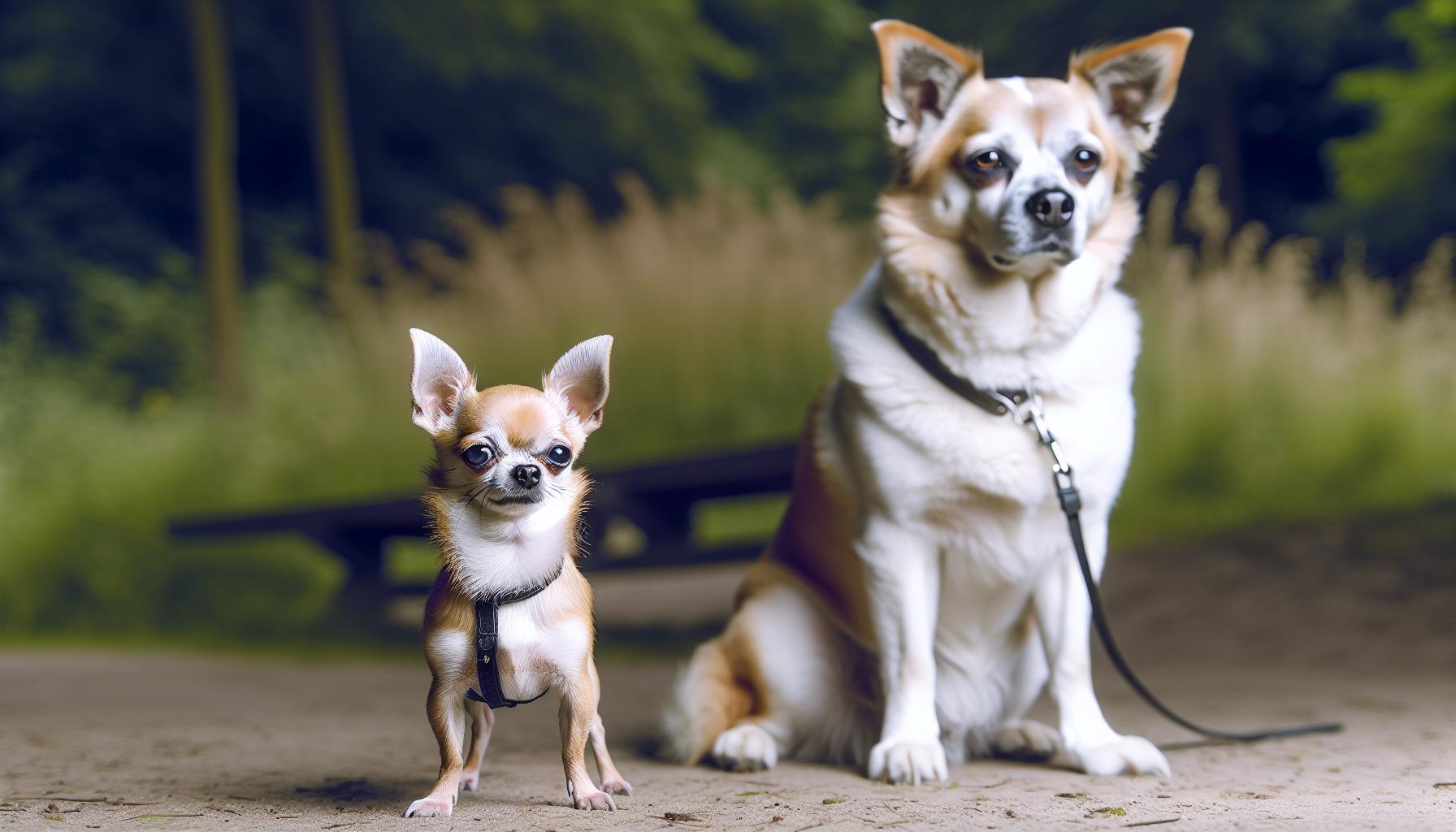
Common Signs of a Territorial Chihuahua
Chihuahuas are known for their big personalities packed into tiny bodies, often leading to some unmistakable signs of territorial behavior. If you’ve noticed your little one puffing up or growling at the slightest disturbance, you can bet that their inherent protectiveness is kicking in. The territorial nature of Chihuahuas can manifest in various ways, and being able to recognize these signs will help you understand and manage their behaviors better.
One of the most common indicators is vocalization. These little guardians often express their concerns through barking, whether at strangers, other animals, or even new sounds in the home. For example, Max, a five-pound apple-head Chihuahua, takes on the role of watch dog when the mailman arrives, barking furiously and letting everyone know that he’s on alert. This vocal alertness, while endearing, can become excessive if not addressed.
Another significant sign is body language. You might notice your Chihuahua standing tall with ears perked up, often accompanied by a tense posture. This alert stance communicates that they are ready to defend their space. Additionally, some Chihuahuas will also engage in stalking behavior, moving cautiously and keeping a close eye on what they perceive as intruders. For instance, Bella, a brown coat long-haired Chihuahua, circles around visitors, keeping an eye on them while maintaining her distance, showcasing her protective instincts.
Physical signs are just as important. If your Chihuahua engages in guarding behavior, such as positioning themselves in front of objects they consider theirs (like toys or their bed), you are witnessing a classic territorial display. They may also exhibit growling or snapping when someone approaches their favored spots, signaling that they mean business about protecting their “kingdom.”
Recognizing these signs is the first step in fostering a more harmonious environment. It’s important to approach their territorial instincts with empathy and training. Positive reinforcement techniques can help transform those protective tendencies into calm assurance, allowing your Chihuahua to feel secure while also making your home a welcoming place for visitors. By understanding and addressing these behaviors, you can ensure that your small protector thrives in a balanced atmosphere where their assertiveness becomes a charming quirk rather than a challenge.
Training Techniques to Manage Territorial Behavior
To effectively manage the territorial behavior of your Chihuahua, it’s crucial to implement training techniques that not only respect their protective instincts but also promote a more balanced demeanor. Start by establishing a solid foundation of trust and communication between you and your small guardian. Chihuahuas, whether they’re individual apple-heads or charming long-haired varieties, thrive on routine. Consistent commands and practices make them feel secure, helping to reduce their anxiety about perceived threats.
One effective approach is positive reinforcement. Reward your Chihuahua with treats or praise when they display calm behavior in situations where they typically exhibit territorial tendencies. For instance, when a visitor arrives, encourage your pup to sit and stay instead of barking. Gradually, he will learn that remaining calm leads to positive outcomes. This technique not only helps with managing barking but also fosters a sense of security in your dog’s environment.
Utilizing desensitization techniques can also be beneficial. This involves exposing your Chihuahua to the people or situations that trigger their territorial behavior in a controlled manner. Start with low-stress scenarios, gradually increasing the intensity as your Chihuahua becomes more comfortable. For example, if your pup barks at the doorbell, you can practice ringing it while rewarding him for staying quiet or sitting calmly. Over time, he’ll learn to associate the doorbell with positive experiences rather than threats.
Additionally, don’t underestimate the power of socialization. Introducing your Chihuahua to new environments, animals, and people in a positive way helps them become more adaptable and less territorial over time. Create opportunities for vet visits, dog parks, or playdates with well-mannered dogs. Early socialization is especially crucial for younger Chihuahuas, as their experiences shape their behavior for years to come.
Finally, establish specific areas in your home that can serve as safe spaces for your Chihuahua. This not only gives him a retreat when he feels overwhelmed but also signals that he doesn’t need to guard every part of your home. Creating a cozy corner with her favorite blanket or toys allows her to feel secure, reducing the urgency to bark or growl at perceived intruders.
By combining trust-building strategies with consistent training and socialization, you provide your Chihuahua with the tools to manage his territorial instincts. This approach encourages confidence while enabling his protective nature to shine in a more balanced way, making your home harmonious for both you and your adorable tiny protector.
The Role of Socialization in a Chihuahua’s Life
Many Chihuahua owners have observed that their pint-sized pals can be fiercely protective and territorial, leading to some interesting behaviors. This tendency to guard their space and loved ones is deeply rooted in their instincts, but socialization plays a crucial role in moderating these traits. Developing a well-socialized Chihuahua can significantly reduce territorial behaviors and enhance their adaptability to different environments and situations.
Introducing your Chihuahua to a variety of experiences during their early months helps them to understand the world beyond their immediate surroundings. Positive interactions with new people, animals, and places can demystify potential threats and reduce their aggressive reactions. For instance, one owner shared how consistent visits to the local park made her apple-head Chihuahua less anxious around other dogs. This gradual exposure allowed him to develop confidence in social settings, moving from barking defensively at new sights and sounds to playfully engaging with friends.
Regular socialization should ideally begin in puppyhood. Opportunities such as puppy training classes, supervised playdates, and controlled outings are fantastic ways to enable your Chihuahua to gain confidence and learn appropriate social cues. Owners often find that including their Chihuahua in family outings or bringing them along to dog-friendly cafes can enrich their social experiences. Even small encounters, like meeting a neighbor while on a walk, can positively impact your Chihuahua’s ability to accept new faces without viewing them as intruders.
Creating a supportive environment for socialization is essential. Use calm, encouraging tones and plenty of treats to reward your Chihuahua during these experiences. This reinforces their behavior, helping them learn that new interactions can lead to positive outcomes rather than threats. For example, when a delivery person arrives at the door, instead of allowing your Chihuahua to bark endlessly, practice rewarding quiet behavior. Gradually, this will help instill a sense of safety and reduce the need to assert dominance over every perceived intruder.
Ultimately, socialization is key to ensuring that your Chihuahua grows up to be a well-rounded companion. By exposing your dog to a diverse range of experiences and people, you not only cultivate a confident character but also help them embrace life with less anxiety and aggression. This investment in their social development may lead to a more harmonious household, where your tiny protector can comfortably coexist with the world around them.
Impacts of Environment on Territoriality
In many ways, the environment a Chihuahua calls home significantly influences their territorial behaviors. This breed, known for its often bold and vocal personality, is highly attuned to changes in their surroundings. A stable and familiar environment typically fosters a sense of security, which can help temper their naturally protective instincts. However, when faced with unfamiliar settings or unexpected stimuli, Chihuahuas may feel threatened, triggering their urge to assert dominance over what they perceive as their territory.
Creating a nurturing home environment is crucial. Chihuahuas are sensitive to the dynamics of their household, including household changes like new pets, visitors, or even furniture rearrangements. For example, a Chihuahua accustomed to a quiet home might react defensively to the arrival of a boisterous family member or a new dog, feeling the need to protect his space. One owner found that introducing her Chihuahua, Bella, gradually to her new puppy helped mitigate anxious territorial behavior. By giving Bella controlled exposure to the puppy, she allowed Bella to adjust without feeling overwhelmed, reducing the likelihood of defensive barking or growling.
The physical layout of your space can also impact your Chihuahua’s sense of territory. Smaller living areas can amplify their perception of space invasions, while larger homes with defined areas can offer them comfort within their “zones.” For instance, providing your Chihuahua with a cozy corner filled with blankets and toys may help him feel anchored, reducing his impulse to guard the entire household.
Moreover, outside environmental factors, such as neighbors’ pets or noisy streets, can exacerbate territorial tendencies. Engaging with your Chihuahua in positive outdoor experiences can help them navigate these challenges more effectively. A simple tactic like ensuring a serene walk or directing their attention away from barking dogs can teach them to approach their environment with curiosity rather than aggression. Regular socialization in varied settings, like parks or pet-friendly cafes, exposes them to different sights, sounds, and smells, which can transform their response to novel stimuli-shifting from fear to curiosity, and in turn, reducing territorial instincts.
By understanding and adapting to these environmental cues and experiences, you can help your Chihuahua grow into a well-adjusted and confident companion, maintaining their loyalty without the stress of over-protectiveness.
How to Create Safe Spaces for Your Chihuahua
Creating a safe space for your Chihuahua is vital to nurturing their well-being and managing their inherently territorial nature. These tiny guardians often feel the need to protect their domain, which can manifest as barking, growling, or other assertive behaviors when they perceive potential intruders. Providing a dedicated, secure area where they can retreat helps alleviate anxiety and fosters a sense of ownership over their environment.
Define a Personal Retreat
Your Chihuahua needs a cozy nook that feels like their own sanctuary. This can be a bed or a crate placed in a quiet corner of your home, making it their ‘safe zone.’ Consider these elements when setting up their retreat:
- Comfortable bedding: Use soft blankets and pillows to create an inviting space.
- Familiar scents: Include items that carry your odor or their favorite toys to reassure them.
- Low traffic area: Ensure the spot is away from high-activity zones to minimize disruptions.
One owner, Lucy, found that her Chihuahua, Max, greatly benefited from having a designated spot under the staircase, where he felt snug and secure. By giving him this space, Max became more relaxed during visits from new guests, which reduced his defensive barking.
Use Visual Barriers
Chihuahuas are keen observers, and visual stimuli can heighten their territorial instincts. Consider using barriers such as pet gates or furniture arrangements that limit their view of activities outside your home. This can prevent them from feeling overwhelmed by creatures or noises that normally trigger their protective reactions. For instance, Felicity noticed that by repositioning her furniture to create a visual shield against the street, her Chihuahua, Gigi, became less anxious during walks.
Engage in Positive Reinforcement
Encourage your Chihuahua to utilize their safe space by associating it with positive experiences. For example, you can reward them with treats or affection when they choose their retreat. This reinforces the idea that their designated area is a wonderful place to relax. By ensuring their space is a source of comfort, they’ll be more likely to seek it out instead of reacting defensively to perceived threats.
Over time, a well-defined and nurturing environment will help your Chihuahua feel more secure. This proactive approach not only diminishes their urge to guard unnecessarily but also promotes a calmer, more balanced temperament, allowing their playful, loving nature to shine through. Embrace their quirks while providing the safety they crave, and you’ll cultivate a trusting and enriching relationship with your little companion.
Addressing Anxiety and Over-Protection in Chihuahuas
Anxiety and over-protectiveness are common challenges for many Chihuahua owners, stemming largely from their deeply rooted territorial instincts. These spirited little dogs, often bold beyond their size, view their surroundings with an eye for potential threats. However, this vigilance can sometimes spiral into anxiety or excessive guarding behaviors, leading to a more stressed dog and a less harmonious home environment.
Creating a calm atmosphere is essential for your Chihuahua’s well-being. Start by establishing a routine that provides structure and predictability. Dogs thrive on familiarity, and a consistent schedule for feeding, walks, and playtime can help your Chihuahua feel more secure. Incorporate calming techniques into your daily interactions. For instance, regular massages or gentle petting sessions can soothe your anxious companion and reduce their need to be overly protective.
Furthermore, socialization plays a pivotal role in balancing your Chihuahua’s protective instincts. Gradual exposure to new people, pets, and environments can help desensitize their reactions to unfamiliar stimuli. For example, Emma found that her Chihuahua, Daisy, became less defensive when she encountered guests after being gently introduced to new faces and environments in controlled scenarios. Take it slow; positive experiences can transform your dog’s perspective on what constitutes a threat.
Additionally, using training techniques to redirect their focus can be particularly effective. When your Chihuahua starts to exhibit anxious or protective behavior-like barking at the mailman-distract them with a favorite toy or engage in a quick training exercise. Positive reinforcement, such as treats or praise, when they respond to distractions can reshape their behavior over time. Remember, the goal isn’t to eliminate their natural instincts but to help them express those tendencies in a way that’s healthy and manageable.
By nurturing a supportive environment and implementing strategies that promote relaxation and confidence, you not only enhance your Chihuahua’s happiness but also cultivate a deeper bond. With patience and understanding, you can help your little warrior feel secure in their world without feeling the need to guard it excessively.
Understanding the Balance: Loyalty vs. Over-Protectiveness
Chihuahuas are beloved for their fierce loyalty, often forming incredibly strong bonds with their owners. This loyalty can easily manifest as protectiveness, particularly because Chihuahuas tend to view their surroundings and loved ones as part of their territory. However, understanding the fine line between healthy loyalty and detrimental over-protectiveness is crucial for fostering a happy, well-adjusted pup.
A Chihuahua’s protective instincts stem from their natural desire to defend their home and family, which can be particularly pronounced in this tiny breed. While some degree of protectiveness adds to their charm-think of their bold bark and quick reactions to perceived threats-excessive vigilance can lead to stress both for the dog and household members. For example, a Chihuahua named Max would bark wildly whenever someone approached the front door. This behavior, while stemming from concern for his family, often escalated to growls and even lunging at visitors, creating an uncomfortable scenario.
To find balance, owners should encourage their Chihuahuas to express loyalty without tipping into over-protectiveness. Consistent socialization is key; exposing your little one gradually to unfamiliar people, sights, and sounds can greatly diminish anxious reactions. For instance, Lisa, an experienced Chihuahua owner, found that inviting friends over regularly and rewarding her dog for positive interactions significantly reduced his need to guard his territory. Additionally, reinforcing calm behavior around new stimuli-like using treats for quiet observation instead of barking-can help shift their focus towards a more relaxed demeanor.
It’s essential to nurture your Chihuahua’s loyal nature while gently guiding them away from feelings of constant vigilance. By establishing routines, providing mental stimulation, and ensuring regular social exposure, you can help your Chihuahua feel secure within their environment. This way, you foster a sense of safety that doesn’t rely on incessant guarding, allowing both you and your canine companion to enjoy a peaceful, loving home together.
Real Owner Experiences: Living with a Territorial Chihuahua
Living with a territorial Chihuahua can be both a rewarding and challenging experience. Many owners find that their tiny companions possess a fierceness that belies their size, often resulting in protective behaviors that can be amusing yet overwhelming. Consider Sam, whose apple-head Chihuahua, Bella, is quite the vigilant watch dog. Bella barks at every passerby and has even been known to stand her ground against larger dogs in the park. While Sam appreciates Bella’s loyalty, he also recognizes the need to help her feel more secure and less anxious about potential intruders.
One practical approach that has worked for many owners is establishing a routine that includes regular socialization. Facilitating Bella’s positive interactions with new people and pets has significantly diminished her anxiety. Sam began inviting friends over more frequently, rewarding Bella with treats when she remained calm around guests. This not only reassured Bella but also taught her that the presence of others didn’t threaten her territory. Such consistent exposure helps Chihuahuas understand that their home is a safe space, even in the presence of newcomers.
Another owner, Maria, discovered that incorporating fun distractions could redirect her Chihuahua Chico’s guarding instincts. She started using puzzle toys filled with treats to engage Chico, especially during moments when guests arrived. By keeping him mentally stimulated, she found that his anxiety levels decreased, and his need to bark at visitors gradually diminished. This technique has also proven helpful for evening routines, allowing Chico to wind down with activation rather than constant vigilance.
For Chihuahua owners, the journey involves understanding and embracing their unique personality traits while guiding them toward a balanced demeanor. Implementing a mix of socialization, mental stimulation, and consistent routines fosters an environment where your Chihuahua can express their loyalty without falling into patterns of excess protectiveness. Celebrate their quirks, enjoy their bold personalities, and watch them thrive in a nurturing and understanding home.
Frequently asked questions
Q: Why are Chihuahuas protective of their owners?
A: Chihuahuas are protective due to their loyal and alert nature. They have a strong bond with their owners and often perceive themselves as guardians, making them vigilant against perceived threats. Regular socialization can help balance this protective instinct while maintaining their natural alertness.
Q: What behaviors indicate a Chihuahua is feeling territorial?
A: Common signs include barking, growling, and displaying assertive body language when strangers approach. They may also try to block access to certain areas or objects. Understanding these signals can help manage their behavior effectively.
Q: How can I train my Chihuahua to be less territorial?
A: Training should focus on positive reinforcement techniques. Rewarding calm behavior around strangers and gradually introducing them to new people can reduce territorial tendencies. Consistency and patience are key in modifying their protective instincts.
Q: Do all Chihuahuas exhibit territorial behavior?
A: Not all Chihuahuas are territorial, as temperament can vary greatly among individuals. Factors such as genetics, upbringing, and socialization play crucial roles in determining how protective a Chihuahua will be toward their environment and owners.
Q: How does a Chihuahua’s environment affect its territorial behavior?
A: A Chihuahua’s environment, including its size and activity level, can significantly influence its territoriality. A stimulating environment with opportunities for social interaction can help reduce anxious and overly protective behaviors.
Q: Can I socialize my Chihuahua too much?
A: While socialization is crucial, overexposure can overwhelm a sensitive Chihuahua. It’s important to gradually introduce them to new experiences and settings, ensuring they remain comfortable and not stressed in social situations.
Q: At what age should I start training my Chihuahua against territorial behavior?
A: Training should begin as early as possible, ideally during puppyhood. Early socialization and training sessions help establish positive behaviors and mitigate any potential territorial instincts before they become ingrained.
Q: Why are Chihuahuas more territorial than larger breeds?
A: Chihuahuas tend to be more territorial due to their protective instincts and the stark contrast between their small size and perceived vulnerability. This combination often leads to a stronger assertiveness in defending their space compared to larger dogs, who may not feel the same urgency.
To Conclude
Understanding your Chihuahua’s territorial nature is key to fostering a harmonious environment at home. These tiny protectors, known for their bold and vocal personalities, thrive on positive reinforcement and socialization. If you’re facing challenges, don’t hesitate to check out our guide on effective training methods tailored specifically for Chihuahuas-it could make all the difference!
Ready to deepen your bond with your furry companion? Explore our resources on Chihuahua care, health tips, and socialization strategies to ensure your loyal friend feels secure and loved. And, if you haven’t already, sign up for our newsletter to receive expert advice and the latest insights directly to your inbox.
Every interaction counts! Share your thoughts in the comments below, or connect with fellow Chihuahua enthusiasts in our forum. Together, we can celebrate the vibrant personalities of our little guardians!
Get our latest guides, news, and insights highlighted in your Google Search & AI Overviews.