
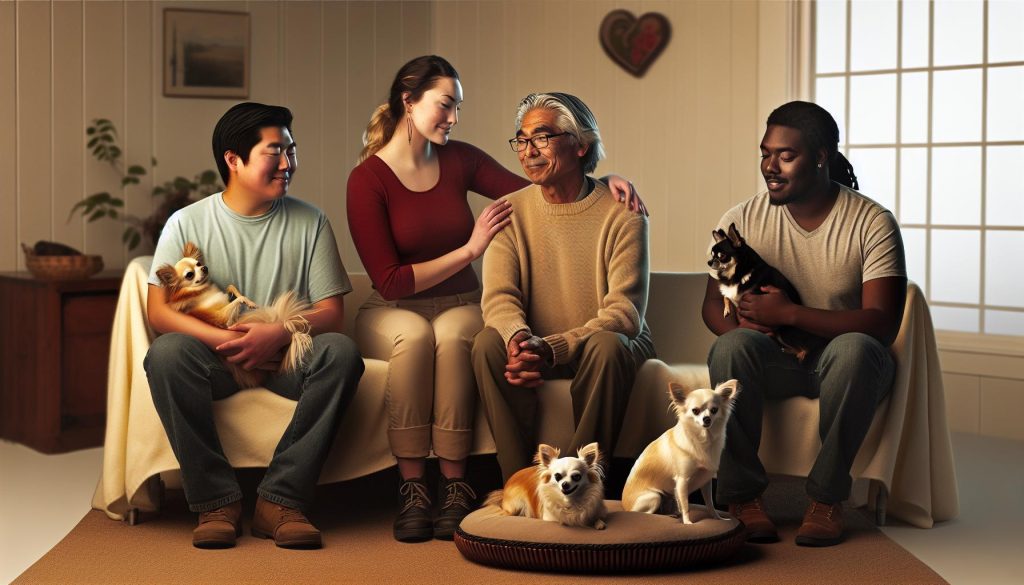
Are you curious about the lovable yet often misunderstood Chihuahua? These tiny dogs, with their bold personalities and fierce loyalty, can be both captivating and challenging. In “Are Chihuahuas Friendly: Temperament Truth Revealed,” we’ll dive into the intricate temperament of this breed. Understanding whether your Chihuahua will be a friendly companion or a more reserved protector is crucial for potential and current owners alike.
With their vibrant energy and sometimes vocal nature, Chihuahuas bring joy and companionship, but they also require patience and understanding. Many owners wonder how to navigate their unique quirks, from their spirited barking to their strong opinions about who belongs in their space. This article will help you uncover the truth about their friendliness, offering insights that will enrich your relationship with these delightful dogs. Whether you’re a first-time owner or have years of experience, understanding your Chihuahua’s temperament is essential for a harmonious home. Get ready to explore the fascinating world of Chihuahuas!
Understanding the Chihuahua Temperament
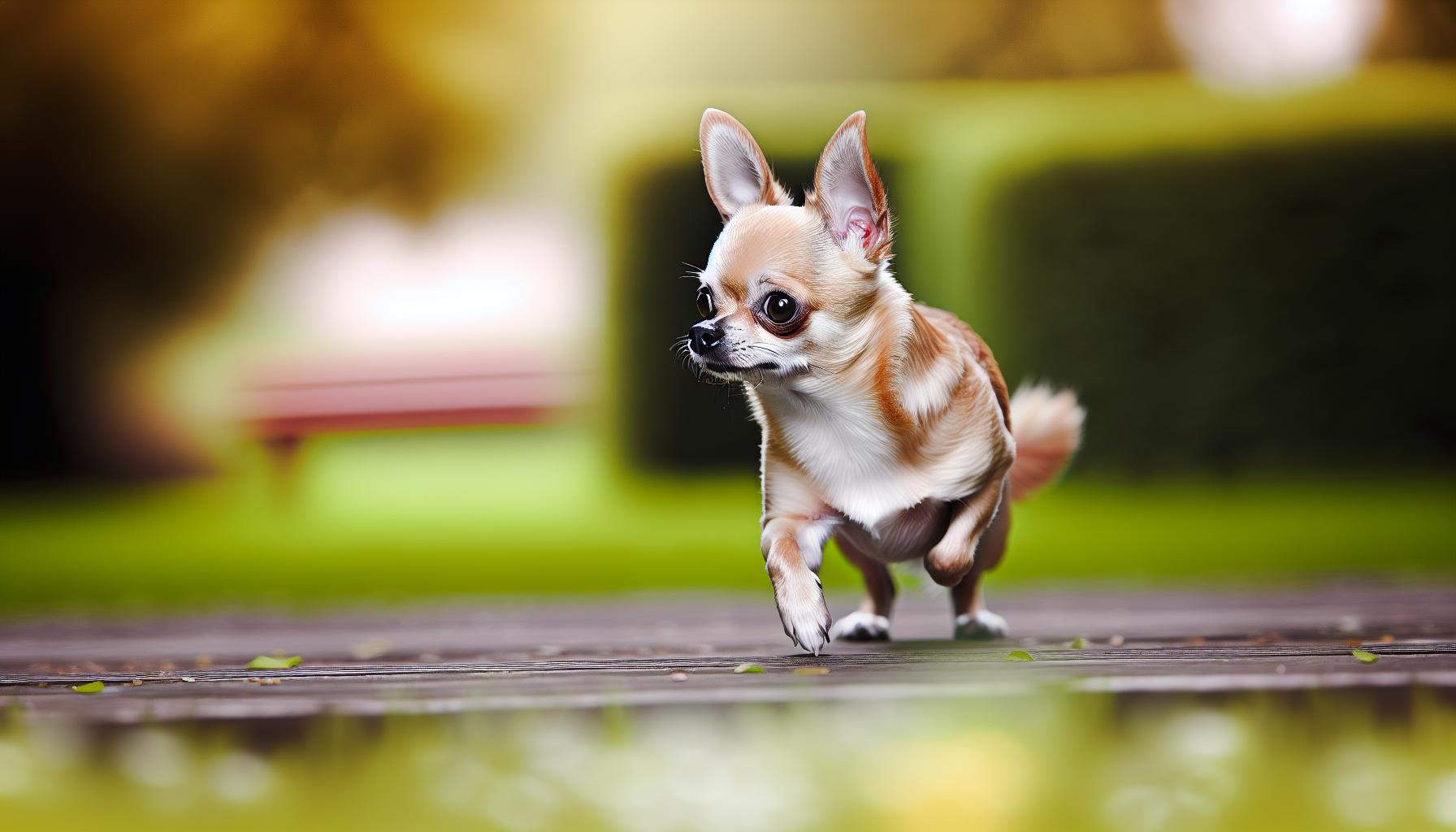
Chihuahuas are small dogs with big personalities, often surprising people with their boldness and loyalty. Their temperament is a captivating blend of confidence, affection, and occasional feistiness. These traits can vary widely, influenced by their individual experiences, genetics, and socialization. Understanding the nuances of a Chihuahua’s temperament is essential for fostering a strong bond and a well-adjusted pet.
One of the most distinctive aspects of a Chihuahua is their tendency to form strong attachments to their owners. This breed is known for being exceptionally loyal, often following their human companions around the house. They thrive on companionship and love to be included in daily activities. Regular socialization from a young age is crucial, as it helps mitigate any fearfulness or territorial tendencies that can arise. Introduce your Chihuahua to different environments, people, and other pets gradually to promote confidence and friendliness.
While some Chihuahuas exude warmth and affection, others might be cautious or even protective, particularly around unfamiliar faces. This protective nature can be seen as a form of loyalty but can also lead to aggressive behaviors if not managed appropriately. Understanding your Chihuahua’s body language-such as raised hackles, growling, or barking-can help you recognize their comfort levels in various situations. For example, a wagging tail often signifies happiness, but if paired with stiff body language, it may indicate anxiety or aggression.
To create a safe and enriching environment for your Chihuahua, establish routines and boundaries that help reduce anxiety. Engage with them through games and training exercises that cater to their intelligence. Use positive reinforcement techniques to encourage desired behaviors, fostering a trusting relationship. By celebrating their quirks and providing a nurturing atmosphere, you’ll be on your way to understanding and cultivating a harmonious relationship with your unique little friend.
What Makes Chihuahuas So Unique?
Chihuahuas captivate dog lovers with their petite size and audacious personalities. Often dubbed “tiny dogs with huge hearts,” their unique temperament is a blend of boldness, loyalty, and affection that can bring immense joy to their owners. One captivating fact about Chihuahuas is their remarkable vocal ability. Many owners find themselves endlessly entertained by their little companions barking fiercely at everything from a passing car to the mailman, showcasing their bravery despite their small stature. This spirited nature is complemented by their unwavering loyalty; Chihuahuas often form strong bonds with their owners, following them around the house and seeking to be part of every moment.
These little dogs come in varieties, such as the apple-head and deer-head, each bringing distinct physical attributes and temperamental nuances. The apple-head Chihuahuas tend to have smaller bodies with rounded skulls and are known to be particularly affectionate and playful, while the deer-head Chihuahuas, with their longer legs and straighter faces, may display a calmer demeanor. Regardless of type, their intelligence is unmistakable. They thrive on engagement, learning new tricks and commands with ease, especially when positive reinforcement is used-something every Chihuahua owner should embrace.
Moreover, Chihuahuas have a keen sense of their environment. This awareness contributes to their protective nature, making them excellent watchdogs. However, this trait can lead to some challenges, especially if they become overly suspicious of strangers. Understanding this aspect of their personality is crucial for owners who wish to provide a balanced life for their Chihuahua. Regular socialization is key; introducing your Chihuahua to new experiences, people, and other pets helps diminish fearfulness and boosts their confidence, ensuring they grow into well-rounded companions.
Caring for a Chihuahua means embracing their quirks and celebrating their individuality. Each Chihuahua has its own personality that reflects their past experiences and socialization. By creating a loving, engaging, and secure environment, you not only nurture their unique temperament but also enrich your own life. In essence, what makes Chihuahuas so unique is their capacity to fill any home with love, laughter, and loyalty-qualities that no other breed can replicate quite like they can.
Are Chihuahuas Naturally Friendly or Guarded?
Chihuahuas bring a delightful blend of charm and character, making them both beloved companions and, at times, little enigmas. One of the most fascinating aspects of the Chihuahua temperament is this breed’s dual nature-while many are naturally warm and affectionate, others may come across as more reserved or guarded, especially around new people or unfamiliar situations. This duality often surprises new owners, but understanding what drives these behaviors can significantly enhance your experience with your tiny friend.
Chihuahuas are instinctively vigilant, a trait that can sometimes be mistaken for being unfriendly. This breed has a keen ability to read their environment, and when they perceive a potential threat, their protective instincts kick in. Vocal and fearless, they often take on a “watchdog” role despite their small size. If you observe your Chihuahua barking at strangers or acting standoffish, it’s essential to remember that this reaction is part of their natural temperament. Socialization plays a crucial role in helping them learn to differentiate between true threats and everyday encounters. The more exposed they are to various people, pets, and settings from a young age, the more comfortable and confident they will become.
Positive reinforcement is a fantastic tool for shaping your Chihuahua’s behavior. Encourage friendly interactions by rewarding her with treats and praise when she exhibits calm behavior around new people or in busy environments. For example, if she greets a guest with a wagging tail instead of her usual barking, celebrate this moment with love and a tasty snack. These small, incremental changes can transform her demeanor over time. Real-life examples highlight this approach: many owners have reported that their Chihuahuas, once nervous with strangers, became social butterflies after consistent exposure to new experiences paired with gentle encouragement.
Creating a warm and inviting atmosphere at home also helps your Chihuahua feel secure, ultimately affecting her overall friendliness. By establishing a routine and providing a safe space where she can retreat when feeling overwhelmed, you foster a sense of safety-an invaluable asset for a creature so attuned to her surroundings. Chihuahuas thrive on love and connection. Remember, they may be tiny, but their hearts are large, filled with the capacity to love deeply and bond fiercely with those who care for them. Embrace this wonderful mix of traits, and you’ll discover just how affectionate and loyal Chihuahuas can be.
Socialization Tips for Your Chihuahua
To help your Chihuahua flourish socially, start by exposing her to a variety of people, environments, and situations from a young age. This early socialization is crucial for building her confidence and helping her differentiate between friends and potential threats. For instance, consider hosting small gatherings where familiar friends can gently engage with her. When she feels safe in these interactions, it lays a foundation for more extensive social experiences outside your home.
Another effective approach is to use positive reinforcement. When your Chihuahua displays friendly behavior-like calmly sniffing a new person-reward her with praise or a treat. This creates positive associations with new encounters. For example, one Chihuahua owner shared that their pup, previously shy around newcomers, started approaching guests after consistent praise for calm behavior during introductions. Over time, these interactions helped transform her fear into curiosity.
Consistency is key in any training. Establish a routine that involves daily walks in different locations, where she can encounter different sights, sounds, and smells. You might also consider enrolling her in puppy training classes, where she’s not only exposed to other dogs but also learns basic commands in a structured environment. These classes can enhance her social skills and give you valuable tools to manage her behavior.
Finally, be patient and observant of her reactions. Every Chihuahua has a unique personality; while some may be bold and adventurous, others are more cautious. Provide her with a safe space at home where she can retreat if she feels overwhelmed, ensuring she knows there’s always a haven to return to. By nurturing her social skills, you’ll help her grow into a well-rounded companion who cherishes both your bond and her interactions with the world.
Handling Aggressive Behaviors in Chihuahuas
While Chihuahuas are often seen as spunky little companions, some may exhibit aggressive behaviors that can be concerning for owners. Understanding the root causes of aggression in this breed is essential for fostering a safe and loving environment. Chihuahuas can be protective, and their small size sometimes leads them to adopt a ‘big dog’ mentality, which can manifest as barking, growling, or snapping when they feel threatened. Recognizing these instinctual behaviors is the first step in addressing aggression.
A critical strategy for managing aggressive tendencies is to focus on socialization from an early age. Exposing your Chihuahua to various people, pets, and environments helps to build their confidence and reduce fear-based reactions. For instance, one owner shared how her Chihuahua, initially reactive around larger dogs, became calmer after consistent interactions with friendly pups at a local dog park. Positive experiences encourage friendly behaviors and create a baseline of comfort for your pet.
Additionally, implementing positive reinforcement techniques can transform aggressive responses into more desirable behaviors. When your Chihuahua remains calm in potentially stressful situations, reward her with treats or praise. This helps to establish a connection between good behavior and positive outcomes. An owner successfully used this method when introducing her Chihuahua to new family members, rewarding her for sitting calmly rather than barking.
It is vital to address any signs of aggression promptly and consistently. If your Chihuahua shows persistent aggressive behaviors, consider seeking the guidance of a professional trainer experienced with small breeds. They can offer tailored advice and training strategies that resonate with your dog’s unique personality. By creating a structured approach to training and behavior management, you’re not just curbing aggression; you’re enhancing your Chihuahua’s quality of life and ensuring her social experiences are positive. Remember, with patience and the right techniques, you can nurture a more peaceful coexistence for your Chihuahua and everyone she meets.
How to Create a Positive Environment for Your Chihuahua
Creating an inviting and supportive atmosphere for your Chihuahua can significantly enhance his overall well-being and temperament. Known for their bold personalities and fierce loyalty, Chihuahuas thrive in environments that respect their unique quirks and offer a sense of security. One fundamental approach is to provide a cozy, designated safe space where your Chihuahua can retreat whenever he feels overwhelmed or just needs a moment of peace. Incorporating soft bedding, favorite toys, and perhaps a piece of your clothing can make this space especially comforting.
It’s crucial to establish a routine that includes regular playtime and gentle socialization. Chihuahuas may be small, but their energy levels can rival much larger breeds. Engaging in daily activities, such as leash walks or interactive play with toys, helps to fulfill their exercise needs while also aiding in building confidence. One owner shared that her Chihuahua, who was initially anxious around newcomers, blossomed into a more social butterfly after consistent playdates with familiar pets in a controlled environment. This not only lessened his guard but also made him more relaxed around new people.
Another vital component of creating a positive environment involves the application of training techniques rooted in positive reinforcement. Celebrating desirable behaviors, whether it be sitting calmly during meal prep or being gentle with children, fosters an encouraging atmosphere. Treats and praise can go a long way in making your Chihuahua feel like a superstar, reinforcing his understanding of appropriate behavior within the home. One successful experience involved using clicker training to encourage a Chihuahua to be gentle with younger family members, steadily reducing anxiety and fear.
Lastly, understanding Chihuahua body language is key to creating a harmonious environment. Recognize signs of discomfort such as tucked tails or flattened ears; these cues are crucial indicators that your dog might need space or a break. By learning to interpret these signals, you can promptly adjust the environment to better suit your Chihuahua’s emotional state, helping him feel safe and secure in his home. Overall, by cultivating a loving, organized, and responsive atmosphere, you’re setting the foundation for a happy, well-adjusted Chihuahua who can thrive amid the chaos that life often presents.
The Impact of Size on Chihuahua Behavior
Chihuahuas, though small in stature, possess a personality that is anything but diminutive. Their size not only influences their physical traits but also profoundly impacts their behavior and temperament. Being one of the tiniest dog breeds, their compact size can lead to unique challenges and advantages in social settings.
Despite their small frame, Chihuahuas often exhibit larger-than-life attitudes, displaying a boldness that might surprise you. A typical Chihuahua often feels a natural sense of confidence, leading them to engage in behaviors such as barking or posturing to assert themselves, especially when meeting new people or animals. This is not unusual; many owners find that their Chihuahuas act significantly braver than larger breeds. One owner shared that her Chihuahua, despite being only five pounds, would stand his ground against a much bigger dog, showcasing that courage often correlates with confidence rather than size.
However, this size can also lead to difficulties in social interactions. Because of their petite build, they can be easily overshadowed or intimidated by larger dogs, which might cause increased anxiety or defensive behaviors. This aspect makes it crucial for owners to facilitate positive introductions with other pets and people. Ensuring that your Chihuahua has regular interaction with well-behaved larger dogs under controlled circumstances can help alleviate anxiety over time. For instance, gradual exposure to gentle, friendly larger dogs can help your little one learn to feel secure in their presence.
The significance of size continues to play a role when it comes to training and family dynamics. With their compact frame, Chihuahuas can easily navigate spaces where larger dogs may struggle. This agility can be harnessed in training exercises that build confidence, like navigating obstacle courses or participating in agility training tailored for small breeds. Additionally, their size often makes them great companions for families with young children, provided that interactions are supervised and teaching boundaries are emphasized to prevent accidental harm due to their delicate limbs.
In sum, understanding how a Chihuahua’s size influences their behavior is crucial for any owner. Their small stature can amplify their boldness or vulnerability, shaping how they interact with the world around them. By recognizing these traits, and providing a nurturing and controlled environment, you can help your Chihuahua develop into a well-balanced companion who analyzes rather than reacts to their environment.
Understanding Chihuahua Body Language
Chihuahuas are known for their vibrant personalities, and one fascinating aspect of this breed is their unique body language. Understanding how your Chihuahua communicates through their body can enhance your relationship and help address any behavioral issues. For example, a wagging tail typically signifies excitement or happiness, while a tail tucked between the legs may indicate fear or submission. Being small and bold, Chihuahuas often express themselves dramatically, making their body language even more interesting to decode.
When your Chihuahua stands tall with their ears perked up, it often means they are alert and curious, ready to engage with their surroundings. Conversely, if you notice your pup’s ears flattening against their head, this could signal discomfort or aggression. It’s important to observe these cues in different situations to better understand your dog’s feelings. For instance, a Chihuahua who growls while their body is tense might be feeling threatened, whereas a relaxed, loose posture suggests they are at ease and enjoying the moment.
In addition to their tails and ears, facial expressions play a crucial role in your Chihuahua’s communication. A relaxed mouth and soft eyes convey comfort and happiness, while a stiff jaw and hard stare can indicate stress or aggression. Pay attention to the little things; even the slight lifting of lips can signal discomfort. For instance, one owner shared that her Chihuahua would bare his teeth not out of malice but as a sign of unease during playtime. Recognizing these subtle signals is key to ensuring a positive environment for your furry friend.
Creating a safe space for your Chihuahua involves recognizing their body language and responding appropriately. If your Chihuahua is nervous around larger dogs or unfamiliar people, try to create a calm introduction by using treats and gentle encouragement. Let her approach at her own pace, and watch for signs of relaxation, like a wagging tail or playful bow. By nurturing her comfort level, you’ll encourage more positive interactions and help her grow into a well-adjusted member of your family. Remember, understanding your Chihuahua’s body language is not just about decoding their mood-it’s about deepening the bond you share with your little companion.
Chihuahuas and Children: Can They Coexist?
Chihuahuas can indeed be wonderful companions for children, but understanding their unique temperament is key to fostering a harmonious relationship. These tiny dogs, often bursting with personality, can exhibit both playful affection and protective instincts. Chihuahuas tend to be fiercely loyal to their family members, including kids, but their boldness can sometimes translate into being overly protective, or even skittish around rowdy play.
To ensure that Chihuahuas and children coexist happily, it’s essential to supervise interactions closely. Kids should be taught to treat Chihuahuas gently, respecting their space and not engaging in rough play. Here are a few tips for fostering a positive environment:
- Teaching Respect: Encourage children to approach your Chihuahua calmly. Teach them to offer their hand for sniffing before petting and to avoid sudden movements that might startle the dog.
- Creating Calm Spaces: Provide a cozy retreat, such as a crate or a quiet room, where your Chihuahua can escape if they feel overwhelmed by children’s energy.
- Positive Reinforcement: Reward both your dog and your children for positive interactions. A treat for the Chihuahua and praise for the child can reinforce good behavior.
While some Chihuahuas may be naturally inclined to be social and playful, others can be more reserved. It’s important to understand that each dog is an individual-some may thrive in a bustling household while others may prefer a quieter environment. For example, consider the experiences of one owner whose Chihuahua adored her children, often curling up next to them during storytime. In contrast, another owner found that her Chihuahua, though loving, needed more alone time during chaotic playdates.
By understanding these nuances and providing a structured environment, you can help your Chihuahua feel secure and loved, reducing the chances of jealousy or anxiety. Ensuring that children are educated about dog behavior and fostering empathy will lay the groundwork for a lasting bond between your Chihuahua and your family. With patience and guidance, these tiny dogs can thrive alongside even the most rambunctious children, bringing joy and warmth to your home.
Training Chihuahuas for Better Social Skills
Training Chihuahuas can be a delightful journey filled with character-building moments, especially since these tiny marvels possess such vibrant personalities. Understanding their distinct temperament is critical to cultivating good social skills in these loyal companions. Chihuahuas thrive on positive interactions and need structured socialization to help them navigate the world confidently. Whether your Chihuahua is a bold, apple-headed firecracker or a more reserved, long-coated sweetheart, tailored training approaches can significantly enhance their social behaviors.
To start, expose your Chihuahua to different environments, people, and other animals gradually and positively. For instance, if your Chihuahua seems anxious in public settings, consider initial short trips to quieter areas. Gradually increase exposure to busier places while rewarding calm behavior with treats or praise. This approach not only builds confidence but reinforces positive associations with new experiences. Remember, Chihuahuas are prone to developing protective instincts, so early positive exposures can help mitigate overly cautious or aggressive responses later.
Another powerful strategy is to use positive reinforcement techniques during training sessions. This means rewarding desirable behaviors rather than focusing solely on correcting mistakes. For example, when your Chihuahua responds to another dog or a stranger with curiosity rather than barking, shower them with affection, or provide a treat. Over time, your Chihuahua will learn that friendly behavior garners positive outcomes, making them more likely to greet new situations enthusiastically. Regular social playdates with other friendly dogs can also be beneficial for building their confidence and teaching appropriate play behavior.
Moreover, creating a routine for training sessions can enhance social skills and overall behavior. Short, consistent training sessions that incorporate commands and social interactions can make learning enjoyable. Use a mix of commands like “sit,” “stay,” and “come,” rewarding cooperative behavior and ensuring your Chihuahua feels engaged and valued. Lastly, be patient and maintain a calm demeanor; Chihuahuas can sense stress and anxiety, which might hinder their learning process. With time, practice, and a sprinkle of fun, your Chihuahua will blossom into a well-socialized companion brimming with charm and affection.
Addressing Common Chihuahua Myths
Addressing common myths about Chihuahuas is essential for anyone looking to understand these spirited little dogs better. Many misconceptions arise from misunderstandings about their temperament and behavior, often leading to unfair stereotypes. One of the most prevalent myths is that Chihuahuas are inherently aggressive or unfriendly. In reality, a Chihuahua’s behavior is deeply influenced by socialization and training from an early age. With the proper exposure to different people, environments, and pets, many Chihuahuas are quite friendly, forming strong bonds with their families.
Another myth is that Chihuahuas are not good with children. While every dog is an individual and may react differently, many Chihuahuas can coexist happily with children if introduced properly. It’s essential for children to learn how to interact gently with them, respecting their space and handling them carefully. A well-socialized Chihuahua can be a loyal and protective companion to kids, often developing loving relationships that last a lifetime.
Additionally, some believe Chihuahuas are high-maintenance dogs due to their small size. While they do have unique needs, such as avoiding overly rough play or extreme temperatures, Chihuahuas can thrive in a variety of living situations, including apartments. Regular exercise, mental stimulation, and socialization are key to ensuring they remain happy and healthy.
Dispelling these myths allows potential and current owners to appreciate Chihuahuas for their vibrant personalities and loyalty. Real-life examples abound of tiny dogs displaying immense courage and affection, proving that love and devotion can come in small packages. Embracing their quirks and providing a supportive environment can lead to an enriching companionship filled with joy and laughter.
The Role of Breeding in Chihuahua Temperament
Breeding plays a significant role in shaping the temperament of Chihuahuas, influencing their behavior and personality traits from a young age. Understanding how breeding affects these delightful little dogs can help prospective owners make informed decisions and prepare for the unique challenges of raising a Chihuahua. Breeding quality matters; responsible breeders prioritize temperament alongside health, aiming to produce puppies that not only look good but also possess stable and friendly personalities.
The genetic background of Chihuahuas establishes a baseline for traits such as friendliness, sociability, and even tendencies toward guarding behavior. For example, Chihuahuas bred from ancestors known for their sociable nature are more likely to exhibit friendly behaviors. In contrast, those from a lineage that emphasizes protective traits might lean toward being more guarded or cautious. Therefore, when choosing a Chihuahua, look for breeders who focus on temperament and have a history of producing puppies with balanced personalities.
Another vital aspect influenced by breeding is the size and type of the Chihuahua. While they all share endearing qualities, differences can manifest in temperament depending on whether they are apple-head or deer-head Chihuahuas. Apple-heads, often perceived as more affectionate and lively, may show different behavioral tendencies compared to the typically taller deer-heads. Owners need to be aware of these nuances as they can affect training and socialization approaches.
Moreover, early socialization practices, which are often shaped by the breeder’s environment, are crucial in determining how a Chihuahua interacts with the world. Breeders who expose puppies to various stimuli-people, sounds, and situations-tend to produce dogs who are more confident and adaptable. Real-life experiences support this idea; many owners report that their well-socialized Chihuahua became a friendly and bold companion precisely due to proper early exposure facilitated by a good breeder.
In summary, the breeding of Chihuahuas directly impacts their temperament and behavior. By choosing a responsible breeder and understanding the inherent traits of your Chihuahua’s lineage, you set the stage for a positive and rewarding companionship filled with the loyalty and affection that make Chihuahuas so special.
FAQ
Q: Are Chihuahuas good family dogs?
A: Yes, Chihuahuas can be good family dogs if socialized properly from a young age. They tend to be loyal and protective, making them great companions. However, supervision is essential, especially around young children, to ensure both the dog and kids interact safely and respectfully.
Q: How can I tell if my Chihuahua is happy?
A: A happy Chihuahua displays a wagging tail, relaxed body posture, and playful behavior. They might also offer affection, such as cuddling or seeking your attention. Regularly engaging in play and providing a comfortable environment fosters happiness in your Chihuahua.
Q: Do Chihuahuas bark a lot?
A: Chihuahuas are known for their vocal tendencies, which can result in excessive barking if not managed. Proper training and socialization can help reduce unnecessary barking. Providing mental stimulation through play and toys can also channel their energy more positively.
Q: Can Chihuahuas get along with larger dogs?
A: Yes, Chihuahuas can get along with larger dogs, but introductions should be handled carefully. Monitor interactions to prevent any aggressive behaviors. Supervised playtime and positive reinforcement during encounters can foster a harmonious relationship between your Chihuahua and larger dogs.
Q: What are the most common behavioral issues in Chihuahuas?
A: Common behavioral issues in Chihuahuas include barking, anxiety, and possessiveness. Addressing these behaviors early through training and socialization is crucial. Consult a professional trainer if you encounter persistent issues to establish effective behavior modification strategies.
Q: How often should I train my Chihuahua?
A: Training sessions for Chihuahuas should be regular but short, ideally 5-10 minutes daily. Consistent training reinforces good behavior and helps prevent behavioral problems. Incorporate play and positive reinforcement to make training enjoyable for your Chihuahua.
Q: Why is socialization important for Chihuahuas?
A: Socialization is vital to help Chihuahuas develop confidence and friendly behavior towards people and other animals. Early and ongoing exposure to different stimuli, environments, and other dogs can prevent future anxiety and aggression. Always refer to the “Socialization Tips for Your Chihuahua” section in our guide for detailed advice.
Q: Do Chihuahuas like to cuddle?
A: Many Chihuahuas enjoy cuddling and being close to their owners. This affectionate behavior strengthens the bond between you and your pet. Encourage cuddling by creating a cozy space and showing affection through gentle petting and positive reinforcement.
In Conclusion
As we’ve explored, Chihuahuas can be incredibly affectionate and social with the right guidance. Their bold personalities and loyalty make them loving companions, but be aware of their unique quirks, like their vocal nature and sometimes stubborn behavior. If you’re considering welcoming a Chihuahua into your home, remember that early socialization and training are key to nurturing their friendly temperament.
Curious about how to effectively train your new furry friend? Check out our guide on Chihuahua training techniques or learn how to properly care for their specific health needs. Don’t forget to check our post on common behavioral issues to further prepare yourself for a happy, balanced relationship with your Chihuahua.
Ready to dive deeper? Subscribe to our newsletter for expert tips and owner stories that will help enrich your Chihuahua experience. Your future as a proud Chihuahua owner starts today! Share your thoughts in the comments-how has your Chihuahua’s temperament surprised you?
Get our latest guides, news, and insights highlighted in your Google Search & AI Overviews.