
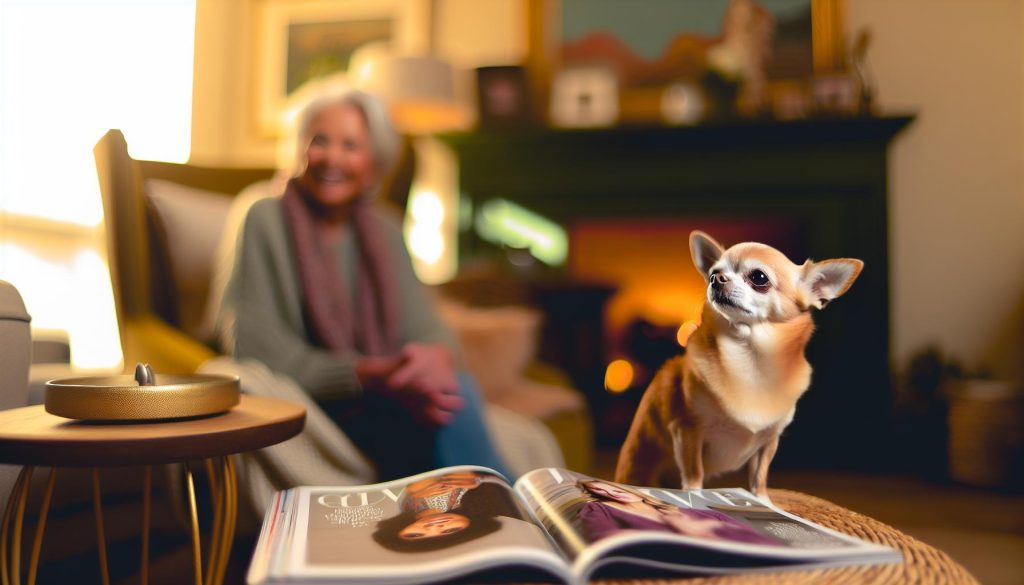
Chihuahuas are more than just adorable, tiny companions; they possess a rich tapestry of personality traits that contribute to their unique charm. Did you know that these little canines often exude a boldness that belies their size? Understanding the temperament of a Chihuahua is essential for nurturing a strong bond with your furry friend, whether you’re a first-time dog owner or a seasoned Chihuahua enthusiast. From their spirited loyalty to occasional vocal outbursts, their personalities can be as varied as their coat colors, which include smooth, long-haired, and more. This guide delves into the distinctive traits of Chihuahuas, helping you provide better care and training tailored to your pet’s needs. Join us as we explore the endearing quirks and potential challenges of this beloved breed, ensuring you and your Chihuahua can thrive together in harmony.
What Makes Chihuahuas Unique: An Overview of Their Temperament
Chihuahuas are often described as having a bigger-than-life personality packed into a tiny frame, making them one of the most beloved toy breeds. Their unique temperament is shaped by a combination of traits that create a vibrant and often entertaining dynamic in the home. For instance, Chihuahuas are renowned for their loyalty; they typically develop strong bonds with their owners and will often follow them around the house, ready to offer companionship at a moment’s notice. This loyalty can manifest in protective behaviors, as many Chihuahuas see themselves as guardians of their human family, regardless of their small stature.
Another distinctive aspect of a Chihuahua’s personality is their boldness. They often carry themselves with an air of confidence that can seem surprising for such a small dog. Many owners report that their Chihuahuas act as though they are much larger than they actually are, barking at larger dogs or strangers with a fierce determination. This fearlessness can be charming but also requires owners to provide proper training and socialization so their little companion learns when to be wary and when to relax.
Chihuahuas are also known for their vocal nature. They tend to be quite chatty, using a variety of barks and yips to express their feelings and alert their owners to changes in their environment. This vocalization can be a point of concern for some owners, especially in apartment settings, but it is simply part of what makes Chihuahuas unique. Understanding this aspect of their communication style can go a long way in helping owners connect with their pets, ensuring they feel heard and understood.
Ultimately, the loving but spirited temperament of Chihuahuas requires both patience and commitment from their owners. By embracing the quirks that come with this breed, from their fearlessness to their loyalty and distinctive communication, you will not only enhance the bond you share with your Chihuahua but also provide a rich and engaging environment for them to thrive. Whether you’re a first-time owner or a seasoned Chihuahua enthusiast, it’s the blend of these qualities that makes sharing life with a Chihuahua a truly rewarding experience.
Common Personality Traits of Chihuahuas: A Deep Dive
Chihuahuas are often described as having larger-than-life personalities that make them unforgettable companions. Their small size belies an astonishing array of traits that combine to create a vibrant and engaging temperament. From their unwavering loyalty to their spirited boldness, Chihuahuas bring both joy and unique challenges to their owners that are well worth understanding.
One of the hallmarks of a Chihuahua’s personality is loyalty. These little dogs are famously devoted to their humans, often forming incredibly tight bonds. Whether it’s snuggling on your lap or following you from room to room, your Chihuahua will likely become your shadow. Owners frequently report that their Chihuahuas act protectively, barking at perceived threats, which exemplifies their fearless nature. Despite weighing just a few pounds, their commitment and vigilance can make them feel like giants in spirit.
Chihuahuas also possess a distinctive vocal nature that can surprise new owners. They are known for their expressive barks and yips, using their voices to communicate everything from excitement to alarm. For instance, while many dogs may respond quietly to visitors, Chihuahuas often initiate a loud greeting, which can serve both as a warning and a welcome. This vocalization is not just a quirk; it’s an essential part of how they express themselves. It’s important to help your Chihuahua learn appropriate times to bark through consistent training and socialization.
Their boldness is another fascinating trait. Chihuahuas often carry themselves with surprising confidence, acting as if they are much larger than their actual size. This boldness can manifest in various situations, such as when they encounter bigger dogs or unfamiliar people. A Chihuahua’s fearlessness can be charming; however, it is also crucial for owners to provide guidance to prevent any aggressive behaviors from developing. Positive reinforcement techniques can be particularly effective here, reinforcing good behavior while teaching your little companion how to navigate interactions with others.
Understanding these personality traits-loyalty, vocal communication, and boldness-will not only enrich your relationship with your Chihuahua but also equip you to address common challenges unique to the breed. Whether you’re a seasoned owner or new to Chihuahuas, appreciating the intricacies of their temperament can lead to a fulfilling and joyful companionship. Embrace their quirks, and you’ll discover that life with a Chihuahua is not just about managing behaviors; it’s about sharing your life with a spirited little friend who has an abundance of love to give.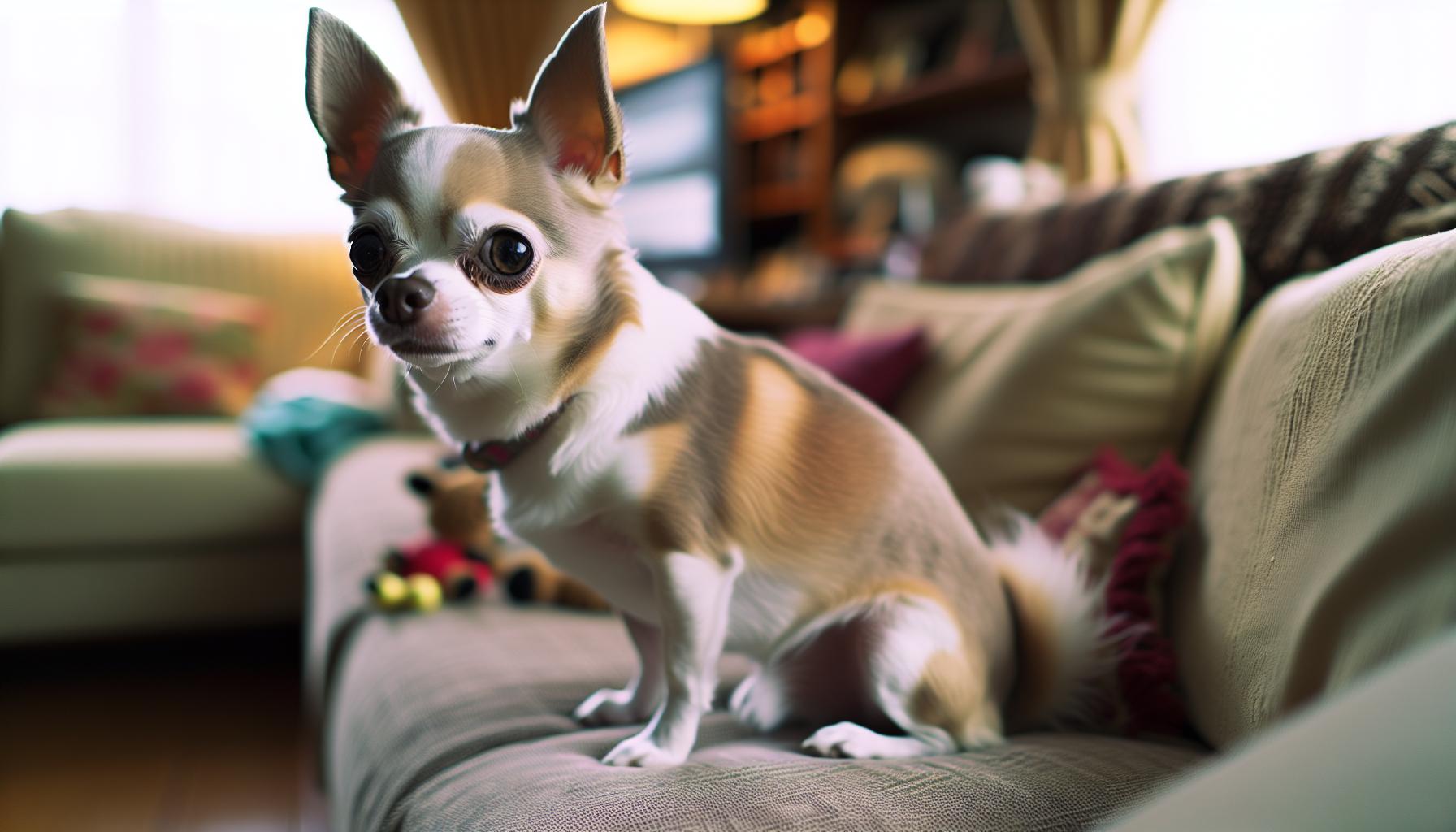
Understanding the Chihuahua’s Vocal Nature and Communication Style
Chihuahuas are not just small dogs; they are large in personality, and a significant part of that personality shines through in their vocalizations. You’ll quickly discover that your tiny companion has quite the big voice! Whether they are yipping with excitement when you come home or barking to alert you of an unfamiliar sound, understanding your Chihuahua’s vocal nature is essential to nurturing a strong bond with them. These little dogs have an impressive range of vocal expressions that reflect their emotions and reactions, making them engaging communicators in their own right.
Chihuahua Vocalizations Explained
Chihuahuas are known for their distinctive barks, which can vary widely in tone and intensity, depending on the situation. From enthusiastic greetings to assertive alerts, each bark conveys a different message:
- Excitement: When they are happy, their barks are typically high-pitched and fast. For example, when a Chihuahua sees their favorite toy or family member, you might hear a series of quick yips.
- Fear: A low, throaty bark may indicate fear. If your Chihuahua encounters a larger dog or an unfamiliar person, he may bark loudly as a way to ward off what he perceives as a threat.
- Attention-seeking: Sometimes your little one may bark just to get your attention, especially when he wants to play or thinks it’s time for a walk.
It’s vital to reassure your Chihuahua and set boundaries around when it’s appropriate to bark. Engaging in consistent training can aid in teaching them when to keep quiet, which is especially helpful when guests arrive or in quiet public spaces.
Developing Communication Skills
In addition to barking, Chihuahuas communicate through body language and facial expressions. Understanding these cues can enhance your relationship. For instance, a wagging tail or relaxed body signifies happiness, while ears pinned back may indicate discomfort or fear.
To help your Chihuahua develop his communication skills, consider these tips:
- Positive Reinforcement: Reward your Chihuahua for using quieter, calmer behaviors when you want him to be less vocal.
- Socialization: Expose your Chihuahua to various environments, people, and other dogs. This exposure will help him learn how to interact appropriately and reduce anxiety-induced barking.
- Engage in Play: Regular playtime can channel his energy into positive interaction, minimizing excessive barking out of boredom.
Recognizing and responding to your Chihuahua’s vocalizations not only helps manage their behavior but also deepens the bond you share. Embrace his vocal quirks, and you will discover a delightful chatterbox whose personality adds vibrancy and joy to your household. Whether it’s yapping at the mailman or excitedly greeting you after a day’s work, your Chihuahua’s voice is just one more way he expresses his love and loyalty.
Socialization Needs: How Chihuahuas Interact with Other Pets
Understanding how Chihuahuas interact with other pets is crucial for ensuring a harmonious household. These small dogs, often bursting with confidence despite their size, can exhibit a range of social behaviors that influence their relationships with both canines and felines. Chihuahuas are naturally spirited and bold, which means they may not hesitate to assert themselves, even against larger dogs. This assertiveness can sometimes be misinterpreted as aggression, so proper socialization is essential from an early age.
To foster positive interactions, start by introducing your Chihuahua to other pets at a young age, ensuring the encounters are safe and controlled. For example, consider organizing short, supervised playdates with gentle, well-mannered dogs of similar size. This approach not only helps your Chihuahua build confidence but also teaches them vital social skills like reading body language and understanding when to back off if another pet signals discomfort. Positive reinforcement is key here; reward your Chihuahua with praise or treats for calm and friendly behavior during these interactions.
One interesting aspect of Chihuahua behavior is their tendency to form strong bonds with their human companions, which can sometimes lead to jealousy when around other pets. To mitigate this, be mindful of how you allocate your attention. For instance, ensure that interactions with other pets do not overshadow time spent with your Chihuahua. Engage in activities like training sessions or cuddly playtimes that strengthen your bond while also making your tiny friend feel secure and valued.
Moreover, be aware of your Chihuahua’s unique communication style. They may vocalize with excitement or even protest if they feel another pet is encroaching on their territory. It’s important to teach your Chihuahua when barking is appropriate, as excessive barking can be a sign of anxiety or territorial behavior. Gradually exposing them to various pets, environments, and situations will help them adapt more comfortably, reducing the likelihood of fear-based reactions that could disrupt the peace in your home.
In summary, nurturing your Chihuahua’s socialization skills is a rewarding endeavor that enhances their quality of life and enriches your family dynamic. By taking small, consistent steps, celebrating their quirky personalities, and fostering a safe space for interaction, you can cultivate an environment where your Chihuahua thrives alongside other pets, regardless of their size or temperament.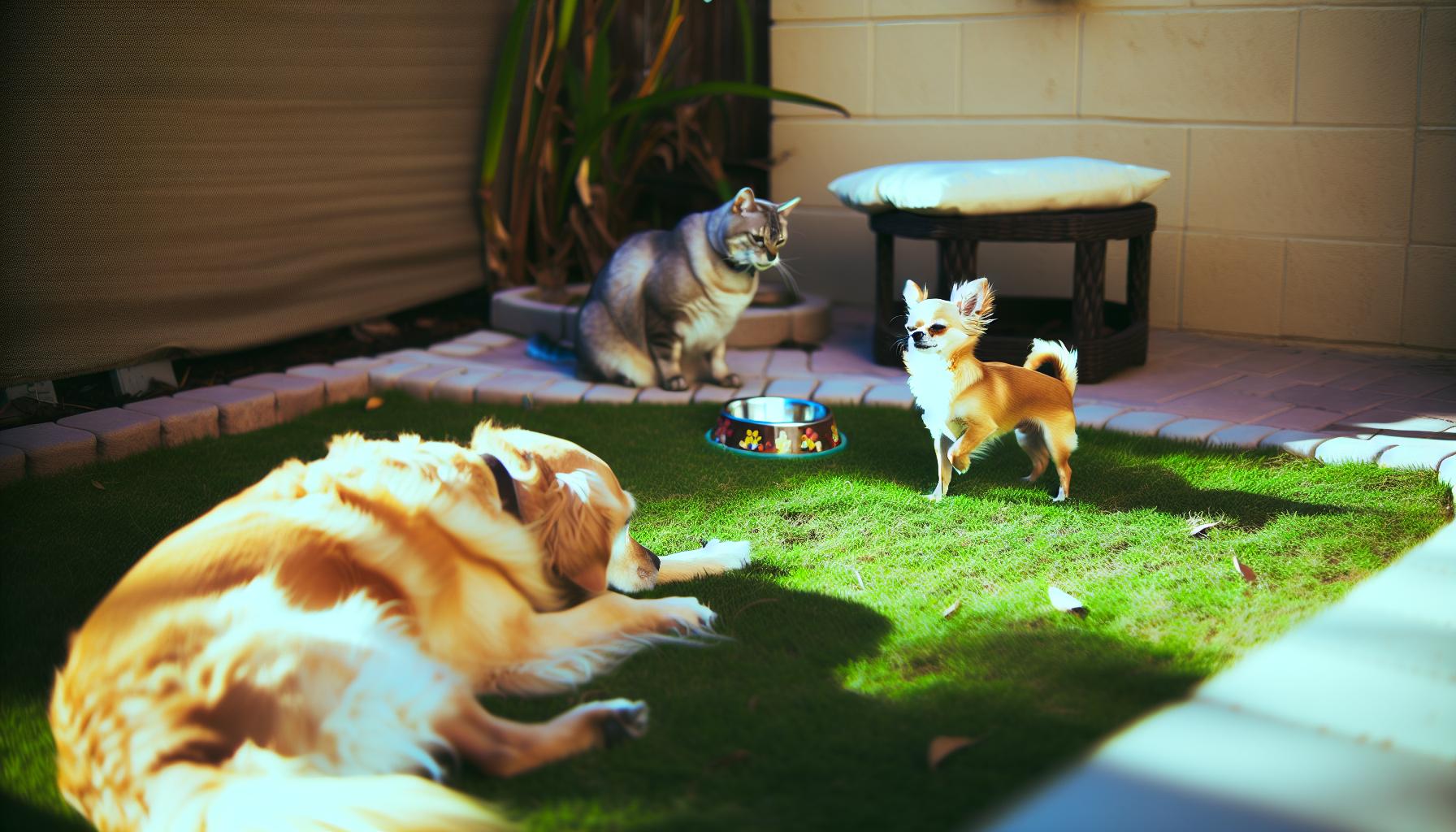
The Fearless Side of Chihuahuas: Boldness Explained
Chihuahuas are often characterized by their surprisingly bold personalities, a trait that can be both charming and challenging for their owners. Despite their small size, these dogs carry an enormous spirit, earning them the reputation of being “the big dog in a tiny body.” This fearless nature often manifests as confidence and determination that can lead to some amusing and occasionally concerning situations.
A great example is how Chihuahuas might react when encountering a much larger dog. Instead of backing down, you might find your little companion barking fiercely, ready to protect his territory. This brave demeanor comes from their instinctual desire to guard their home and loved ones. It’s essential to guide this instinct in a positive direction. Teaching your Chihuahua commands like “leave it” or “enough” can be beneficial. Strong vocalization, while often entertaining, can be a cue for potential anxiety or fear. Addressing this through training can foster a well-rounded and balanced temperament.
Understanding how to manage this boldness is key. Chihuahuas thrive on positive reinforcement; rewarding them for calm behavior around other pets and people can help mitigate aggressive tendencies. Regular socialization starting from a young age is critical. Attend puppy classes or arrange playdates with friendly dogs, allowing your Chihuahua to learn the appropriate ways to express his fearless nature without crossing into aggression.
As a Chihuahua owner, embracing and celebrating this boldness can deepen your bond. Join an agility class or dog sports that match your dog’s energetic spirit. Engaging in these activities can not only channel their feistiness into something productive but also strengthen your relationship. Your tiny but mighty companion will not only showcase his remarkable assertiveness but also develop invaluable skills and confidence along the way. Through patience and understanding, you can nurture this unique aspect of their personality, contributing to a fulfilling and joyous life together.
Loyalty and Affection: Building Bonds with Your Chihuahua
Building a deep bond with your Chihuahua is an enriching experience, as their loyalty and affection are unmatched. Chihuahuas are known for forming tight connections with their owners, often following them around and wanting to be involved in every activity. This loyal nature stems from their instinct to be part of a pack, and as their human companion, you become the center of their world. Their tiny size is no reflection of their capacity for unmistakable devotion; these spirited little dogs have hearts that are just as big as their personalities.
To cultivate this bond, it’s essential to engage with your Chihuahua on a daily basis. Regular playtime, cuddling sessions, and even quiet time together can greatly enhance your relationship. Chihuahuas thrive on affection, so be generous with your praise and gentle touches. They respond exceptionally well to positive reinforcement, making it easier to foster a strong emotional connection. For example, rewarding your little one with treats or affection when he behaves well or shows you love can reinforce his loyalty and make him feel secure.
Chihuahuas appreciate routine and predictability, which helps to build their trust. Establishing consistent feeding times, walk schedules, and moments for play can help him feel more comfortable and connected. Moreover, incorporating him into family activities, even if it’s just sitting next to you on the couch, can make him feel cherished and included.
Understanding your Chihuahua’s unique personality also plays a significant role in nurturing this bond. Each Chihuahua has individual quirks, whether he’s an apple-head with a sensitive temperament or a more robust deer-head with a playful nature. By paying attention to his needs and responding appropriately, you demonstrate your commitment to his well-being. This attentiveness not only strengthens your relationship but also cultivates a trusting environment. Your loyal companion will thrive on this loving foundation, ensuring a mutual bond filled with joy, understanding, and endless affection.
Handling Behavioral Challenges: Tips for Managing Chihuahua Quirks
Chihuahuas are endearingly quirky and can sometimes exhibit challenging behaviors that may baffle even the most experienced dog owners. Understanding how to handle these idiosyncrasies can transform potential stressors into delightful moments of companionship. Whether your little apple-head is barking up a storm or your robust deer-head is being overly bold, it’s essential to approach these behavioral challenges with patience, love, and consistent training.
One common quirk is excessive barking. Chihuahuas are natural watchdogs, equipped with a high-pitched bark that can be alarmingly loud for their small size. To manage this behavior, it’s crucial to teach your Chihuahua the “quiet” command. Start by allowing him to bark a few times, then gently hold his muzzle and say “quiet.” When he stops barking, praise him or give him a treat. Consistency is key-practice this regularly to reinforce the desired behavior. Engaging him in activities like interactive toys or puzzle feeders can also help channel that vocal energy into something productive.
Another aspect to consider is their fearless and sometimes aggressive nature toward larger dogs or unfamiliar people. This boldness can be charming but may lead to potential conflicts. Socializing your Chihuahua early on can help mitigate this issue. Exposure to different environments, people, and dogs from a young age helps him learn appropriate behaviors. If he shows aggression, redirect his energy with a toy or treat, and gradually introduce him to new situations while providing reassurance. Always monitor his interactions to ensure he feels safe and secure.
Additionally, Chihuahuas often exhibit tendencies toward separation anxiety. Their strong attachment to you may lead to stressful moments when left alone. To ease this anxiety, establish a positive routine where short departures gradually extend over time. Create a cozy space for him filled with his favorite toys and a piece of your clothing to comfort him while you’re away. Consider using engaging chew toys to keep him occupied and distracted.
In essence, embracing and managing your Chihuahua’s quirks involves understanding their unique personality and needs. With love, training, and a little creativity, you’ll not only handle these challenges but also deepen your bond with your spirited little companion. Identifying triggers and addressing them through positive reinforcement sets the stage for a well-behaved Chihuahua who is both bold and loving.
Training Your Chihuahua: Best Practices for a Well-Behaved Companion
Training a Chihuahua can be one of the most rewarding experiences, especially given their vibrant personalities and keen intelligence. These clever little dogs thrive on interaction and learning, making consistent training essential for a well-mannered companion. Establishing a positive relationship through training not only helps improve their behavior but also strengthens the bond between you and your furry friend.
One effective approach is positive reinforcement, which is particularly suited for Chihuahuas. Reward them with treats, praise, or play whenever they exhibit desired behaviors. For example, if your Chihuahua sits on command, immediately reward him with a tasty treat and enthusiastic praise. This method encourages him to repeat the behavior. It’s also important to keep training sessions short and engaging-around 5 to 10 minutes can be perfect, given their short attention spans. Incorporating fun, new tricks can keep your training dynamic and enjoyable.
Socialization is another crucial element in a Chihuahua’s training regimen. Early exposure to different environments, people, and other animals can help reduce fearfulness and aggression. For instance, take your Chihuahua to a park or a pet-friendly store where he can encounter various sights and sounds. Always supervise interactions, especially with larger dogs, and use treats and praise to reward calm behavior. This way, you’re not just training obedience; you’re fostering confidence in social situations.
Remember, consistency is key in training. Use the same commands and rewards for each behavior to avoid confusing him. For example, if you use “sit” consistently, he will quickly learn to associate the word with the action. Additionally, having a set routine can make your Chihuahua feel more secure and can also help reinforce good behavior. Whether it’s a morning command to sit before breakfast or a nightly welcome when you arrive home, these rituals can aid in developing a more responsive companion.
Incorporating agility training or simple puzzle toys that challenge your Chihuahua’s mind can also enhance his learning experience, making it less about just obedience and more about learning and problem-solving. These activities not only channel his energy but can help minimize behavioral challenges that arise from insufficient mental stimulation. Embrace the quirks of your Chihuahua, celebrate the little victories, and enjoy the beautiful journey of training your unique companion!
Understanding the Different Types of Chihuahuas: Coat and Size Variations
Chihuahuas come in a delightful array of shapes, sizes, and coat types, making them a uniquely charming breed that appeals to many dog lovers. These little companions typically weigh between 2 to 6 pounds, with an average height of 6 to 9 inches at the shoulder. Their small stature adds to their appeal, but size isn’t the only distinguishing factor. It’s essential to understand how these variations can influence a Chihuahua’s personality and care needs.
Coat Types
Chihuahuas are primarily classified into two coat types: smooth and long-haired.
- Smooth-Coated Chihuahuas: These Chihuahuas have a short, sleek coat that lies flat against the body. Their grooming needs are minimal; a weekly brushing is usually sufficient to remove loose hairs and keep their coat healthy.
- Long-Haired Chihuahuas: Featuring an elegant, flowing coat, long-haired Chihuahuas require more frequent grooming to prevent tangles and mats. Aim for at least two to three brushing sessions per week, and consider a grooming visit every few months to keep their coat looking its best.
Regardless of their coat type, both smooth and long-haired Chihuahuas share the same affectionate and bold disposition, making them incredibly endearing companions.
Size Variations
The differences in size among Chihuahuas can also be categorized, often influencing their temperaments. There are generally two recognized types:
- Apple-Head Chihuahuas: This type features a rounded skull and a short muzzle. They are typically more delicate in build and can be quite vocal, often showing a strong attachment to their owners.
- Deer-Head Chihuahuas: These Chihuahuas have a longer, flatter skull and a longer muzzle. They often resemble miniature deer and come across as more laid-back than their apple-head counterparts.
Understanding these distinctions can help future owners cultivate a better life for their Chihuahua. For instance, apple-head Chihuahuas may be more prone to certain health issues, such as dental problems or patellar luxation, whereas deer-head Chihuahuas might enjoy a bit more physical activity.
Each Chihuahua, regardless of type, brings a unique personality to their household. Embracing their quirks-whether it’s the bark of an apple-head or the playful nature of a deer-head-will enrich both your life and theirs, fostering a deeper bond built on love and understanding.
Emotional Sensitivity in Chihuahuas: Recognizing Their Needs
Chihuahuas are often characterized by their boldness and spunky personalities, but beneath their spirited exterior lies a deep emotional sensitivity that every owner should recognize. This small breed is highly attuned to their environment and the feelings of those around them. When a Chihuahua seems particularly attached or even anxious, it’s not just a quirk; it’s a reflection of their emotional state and needs. Understanding and acknowledging this sensitivity can enhance your bond and improve your Chihuahua’s overall well-being.
These little companions thrive on routine and the presence of their human family members. Chihuahuas can become quite attached to their owners, often following them from room to room. This attachment can sometimes lead to separation anxiety, especially if they’ve been spoiled with a lot of attention. If you find your Chihuahua getting distressed when you leave, consider gradually increasing the time apart and providing comforting items that have your scent. It’s essential to create a sense of security; often, the emotional health of a Chihuahua can be nurtured through consistent routines and a stable environment.
Moreover, Chihuahuas are keen observers of body language and tones of voice. They can pick up on subtle cues from their owners, which means they are highly sensitive to changes in mood or energy levels. If a Chihuahua perceives tension or stress in their environment, they may react by barking, becoming withdrawn, or even displaying signs of aggression. Creating a calm and positive environment for your Chihuahua will help mitigate these reactions. Use positive reinforcement training to boost their confidence, ensuring they know they can trust you to keep them safe.
Engaging in socialization activities can also serve to improve their emotional well-being. Introducing your Chihuahua to various experiences, people, and other pets in a controlled manner can help them build resilience and alleviate fears. Remember, each Chihuahua has its unique temperament; an apple-head might be more vocal about their discomfort than a laid-back deer-head. Observing your Chihuahua’s behavior and responding to their emotional needs will not only foster a deep bond but will also bring out the best in their personality.
Adapting to a Chihuahua’s Energy Levels: Playtime and Activity Needs
Chihuahuas may be small, but their energy can rival that of much larger breeds. Understanding how to adapt to your Chihuahua’s activity needs is crucial for their happiness and health. These spirited little dogs thrive on playtime, which not only helps channel their energy but also strengthens the bond between you and your furry companion. Regular play isn’t just a luxury; it’s a necessity that contributes to their physical and mental well-being.
When it comes to playtime, Chihuahuas enjoy a variety of activities that stimulate their minds and bodies. Here are some engaging options to incorporate into your routine:
- Toy Play: Investing in a selection of toys can offer a range of play experiences. Rope toys, squeaky balls, or even puzzle toys keep them engaged and entertained.
- Fetch: A classic game of fetch can be a great way to burn off energy. Due to their size, even a small space can suffice-just be cautious of any breakable items.
- Short Walks: Daily walks are essential. Chihuahuas may not need long distances, but regular short walks expose them to new sights, sounds, and smells, which is mentally stimulating.
- Socialization: Arranging playdates with other dogs-especially those of similar size-can help them learn social cues and develop better behavior around other pets.
Chihuahuas, particularly the apple-head variety, can have varying levels of enthusiasm for exercise. An owner might find that their apple-head is more adept at a quick sprint around the living room than a leisurely stroll around the block. On the other hand, a deer-head Chihuahua might possess a more laid-back demeanor, enjoying calm play and snuggling in between activity bursts. Tailoring activities to match your Chihuahua’s energy levels and preferences is key; what excites one dog may be overwhelming for another.
Consider your Chihuahua’s age and health when planning playtime. Puppies are usually bursting with energy and need frequent, shorter bursts of activity, while older dogs may prefer leisurely walks and gentle play. Observing your Chihuahua’s behavior during activity can help you identify when they’ve had enough or if they’re still eager to engage. Enhanced energy levels can sometimes lead to hyperactivity, so be mindful of their cues to avoid overstimulation.
Incorporating structured playtime into their daily routine not only keeps your Chihuahua fit and healthy but also nurtures their emotional well-being. As a proud owner, you’ll be rewarded with a joyful, well-adjusted companion ready for cuddles after a satisfying play session. Remember, your involvement is what makes the playtime truly special-every minute spent bonding through play enriches your relationship with your charming little friend.
Chihuahuas and Kids: Compatibility and Safety Tips
Bringing a Chihuahua into a home with children can be a delightful experience, but it requires thoughtful preparation and understanding of both the breed’s unique temperament and children’s behavior. Known for their bold and affectionate personalities, Chihuahuas can form strong bonds with their young human companions. However, their small size makes them vulnerable, and it’s essential to teach children how to interact safely and respectfully with these little dogs.
Chihuahuas are not typically aggressive, but they can be wary of spirited play, which could overwhelm them. Open discussions with children about the dog’s needs will go a long way. Explain the importance of gentle touches and calm voices; roughhousing could lead to anxiety or fear in your Chihuahua. Supervision is crucial, especially during playtime. For example, if your apple-head Chihuahua seems anxious when a toddler is too lively, gently redirect the child to a quieter game or suggest a cozy cuddle instead. This way, they can still enjoy each other’s company without causing stress.
Creating a safe environment is paramount. Secure areas in your home where your Chihuahua can retreat if feeling overwhelmed. Use baby gates to create boundaries that keep both your dog and children safe. When introducing a new Chihuahua to your home, have slow, supervised meet-and-greets. This allows both parties to get accustomed to one another in a relaxed setting. A calm introduction can establish trust and prevent the dog from feeling cornered.
It’s also beneficial to include your children in the dog’s care routine. Assigning them simple tasks like filling the water dish or helping with grooming can foster a sense of responsibility and strengthen their relationship. Kids learn empathy by caring for another living being, and this promotes a healthy bond with your Chihuahua. Always be there to guide interactions, praising both the child for gentle behavior and the dog for responding positively.
By respecting a Chihuahua’s boundaries and teaching children how to love and play with them safely, both your dog and your little ones can enjoy a happy and harmonious relationship, filled with joyous moments of companionship and affection.
Frequently asked questions
Q: What challenges do Chihuahuas face in understanding their owners?
A: Chihuahuas can struggle with interpreting their owner’s cues due to their strong independence. Consistent training and socialization help bridge this gap. Engaging in interactive games and positive reinforcement can enhance communication and strengthen your bond while addressing any misunderstandings.
Q: How do Chihuahuas exhibit their loyalty?
A: Chihuahuas show loyalty through protective behavior and strong attachment to their owners. They often follow their owners from room to room and may become vocal when they sense a threat. To nurture this loyalty, spend quality time and practice bonding activities, ensuring they feel secure and loved.
Q: Why are Chihuahuas considered sensitive dogs?
A: Chihuahuas are sensitive to changes in their environment and emotional states of their owners. Gentle training methods and a stable routine help them flourish. Recognizing and responding to their needs fosters a trusting relationship and minimizes anxiety-related behaviors.
Q: What is the ideal living environment for a Chihuahua?
A: Chihuahuas thrive in environments where they feel secure and stimulated. A cozy home that features soft places to rest and safe spaces to explore suits them best. Regular short walks and engaging indoor activities help keep them active, catering to their energy levels.
Q: How can you help a fearful Chihuahua build confidence?
A: To help a fearful Chihuahua build confidence, gradually expose them to new experiences. Positive reinforcement, such as treats and praise, can encourage them during socialization. Start with controlled environments and slowly introduce them to broader scenarios, always allowing them to retreat if overwhelmed.
Q: What should new owners know about Chihuahua vocalization?
A: Chihuahua vocalization can range from playful barks to serious alerts. New owners should understand that these dogs are naturally vocal and use barking to communicate needs. Training them to bark appropriately while redirecting excessive barking is crucial for harmony at home.
Q: Can a Chihuahua get along with other pet breeds?
A: Yes, many Chihuahuas can coexist peacefully with other pets, especially when socialized early. Supervision during interactions is important, as their bold nature may lead to confrontations. Gradual introductions and positive reinforcement can help facilitate harmonious relationships with other animals.
Q: What health factors influence a Chihuahua’s temperament?
A: A Chihuahua’s health can significantly impact their temperament. Conditions like dental issues or heart problems may lead to irritability or anxiety. Regular veterinary care and attention to their physical needs are essential for maintaining a balanced temperament and overall well-being.
To Wrap It Up
Understanding the temperament of a Chihuahua is key to nurturing a happy and healthy bond with your little companion. As we’ve explored, Chihuahuas display a vibrant mix of loyalty, boldness, and a sometimes feisty attitude. These remarkable traits make them uniquely lovable, but they also come with care considerations to keep them thriving. So, if you’re ready to dive deeper into enhancing your dog’s well-being, check out our guides on Chihuahua health tips and behavior training strategies.
Don’t forget to join our community of Chihuahua enthusiasts by signing up for our newsletter-stay updated on the latest insights and care tips to ensure your furry friend lives their best life! Share your own Chihuahua stories in the comments below; we love hearing from fellow owners about their experiences. Embrace the quirks that make your Chihuahua special, and remember, every moment spent together is an opportunity to deepen your bond. Your journey into the wonderful world of Chihuahuas is just beginning!
Get our latest guides, news, and insights highlighted in your Google Search & AI Overviews.