

Chihuahuas are more than just tiny companions; they possess a vibrant personality that can brighten any home. Known for their boldness and loyalty, these little dogs often defy their small stature, making them both entertaining and endearing. Understanding the unique temperament of a Chihuahua is essential for any owner-new or seasoned-as it lays the foundation for a fulfilling relationship.
With their vocal nature and need for social interaction, Chihuahuas can be wonderfully expressive and affectionate, but their feisty disposition can present challenges. This guide will delve into the distinct traits of Chihuahuas, including the nuances of their behavior, care requirements, and health considerations. By recognizing their quirks and needs, you’ll be better equipped to nurture a happy and harmonious life together. So, whether you’re considering adding a Chihuahua to your family or already enjoying life with one, join us in exploring what makes this breed so special!
Understanding the Chihuahua Personality Traits
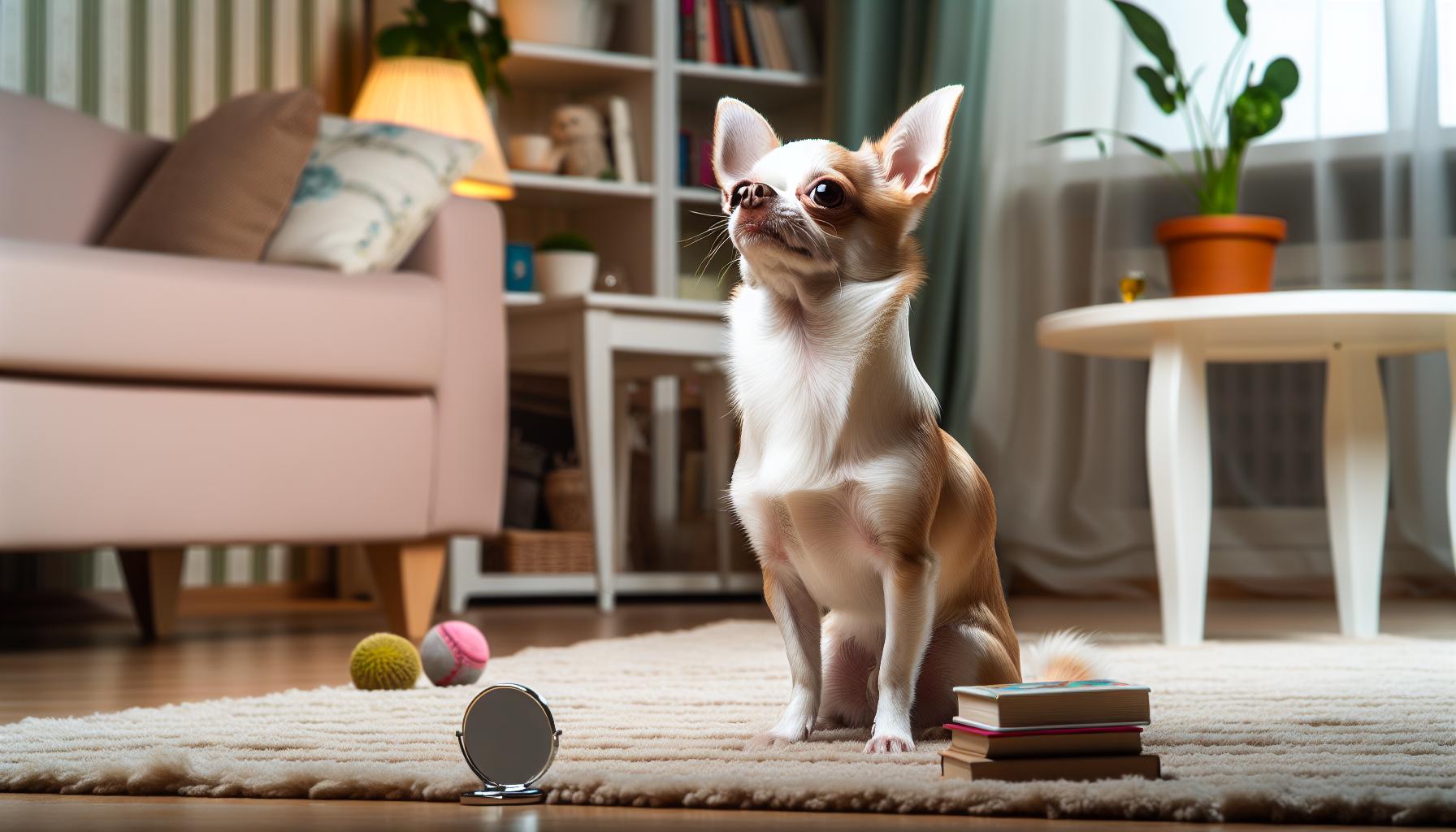
Chihuahuas possess a vibrant array of personality traits that can surprise even the most seasoned dog owners. Their tiny stature contrasts sharply with their bold spirit; this breed often believes they are much larger than they actually are. Known for their confidence and sometimes feisty nature, Chihuahuas can express a wide range of behaviors-from affectionate cuddling to spirited barking. They are incredibly loyal companions, fiercely attached to their owners, and will not hesitate to defend their territory, albeit in a limited space.
Understanding a Chihuahua’s temperament requires recognizing their need for social interaction and mental stimulation. While some individuals may exhibit shyness, many are outgoing and love to be the center of attention. It’s essential to socialize these dogs from an early age to cultivate a well-rounded personality. Regular exposure to new experiences, people, and other pets helps them develop a calm demeanor. Be prepared for a blend of playfulness and protectiveness, which makes them both entertaining and sometimes demanding companions.
Moreover, Chihuahuas can vary greatly in personality depending on their coat type and lineage. For instance, long-haired Chihuahuas might display a slightly more laid-back attitude compared to their short-haired counterparts, known for their high energy levels and zest for life. However, every Chihuahua is unique, and consistently providing loving training, patience, and appropriate outlets for their energy will foster a delightful bond with your furry friend.
In essence, embracing the Chihuahua’s spirited nature means celebrating their quirks and understanding their needs. When well-loved and cared for, these tiny dogs can bring immeasurable joy to your life, reminding you daily of their indomitable spirit and affectionate loyalty.
Temperament Differences by Chihuahua Coat Types
Chihuahuas come in two primary coat types-long-haired and short-haired-and each carries distinct personality traits that shape their interactions and behaviors. While the breed as a whole is known for its spirited and bold nature, the differences in coat type can influence a Chihuahua’s demeanor, energy levels, and even how they respond to their surroundings. Understanding these subtleties can help you provide an environment that caters to your dog’s specific needs, enhancing your bond and ensuring their happiness.
Short-Haired Chihuahuas
Short-haired Chihuahuas tend to embody the classic peppy and lively spirit the breed is famous for. These little dynamos often have more energy than their long-haired counterparts, displaying a zest for life that keeps their owners on their toes. Short-haired Chihuahuas are typically confident and may appear more outgoing, often seeking the spotlight in social situations. This energetic nature makes them enthusiastic playmates, but it also means they need regular engagement and mental stimulation to mitigate any potential behavioral issues, such as excessive barking or digging.
Long-Haired Chihuahuas
In contrast, long-haired Chihuahuas often exhibit a slightly more laid-back personality. While they certainly can be lively, they are generally perceived as a bit calmer and more relaxed than the short-haired variety. This doesn’t mean they lack energy; rather, they may choose to express it more selectively. Owners of long-haired Chihuahuas often notice a tendency toward snuggling and a desire for extended cuddle sessions, showcasing their affectionate nature. They may also be more tolerant of quieter environments, making them ideal companions for those who prefer a calmer household dynamic.
Individual Differences
It’s essential to remember that every Chihuahua is unique, influenced by factors such as genetics, upbringing, and individual experiences. For example, a short-haired Chihuahua raised in a bustling home filled with children may be more social and playful than a long-haired Chihuahua from a quieter background. The key is to recognize and embrace your dog’s personality traits, providing tailored training and socialization experiences that reflect their unique characteristics.
As you engage with your Chihuahua, whether short-haired or long-haired, be attentive to their cues. Understanding the differences among coat types can enhance your training techniques and help address any behavioral quirks. For instance, you might find that your short-haired Chihuahua responds well to high-energy games to channel their enthusiasm, while your long-haired friend might prefer interactive toys that stimulate their mind during quieter playtime.
In celebrating the diverse personalities within the Chihuahua breed, you’ll find that each coat type brings its own joys and challenges. With patience and a tailored approach, you can ensure that both you and your beloved companion thrive in harmony.
Managing the Energetic and Playful Nature

Chihuahuas are known for their lively and spirited nature, which can bring boundless joy to their owners. However, this energy also means that they require thoughtful management to ensure both their happiness and harmony within your home. Understanding how to channel their playful instincts effectively is key to a fulfilling relationship with your little companion.
To keep your energetic Chihuahua engaged, consider incorporating a variety of interactive activities into their daily routine. Short, frequent play sessions work wonders for these little dynamo personalities. Try engaging them in a game of fetch with a soft toy or use treat-dispensing puzzles to stimulate their minds while providing physical exercise. Chihuahuas thrive on interaction, so inviting them to join family activities can also be beneficial-whether that’s a stroll around the neighborhood or even simple training sessions disguised as playtime.
Creating a Structured Environment
A well-structured environment can help manage your Chihuahua’s energy levels. Establishing a consistent routine is crucial as it signals to your pup when it’s time to play, relax, or go for a walk. Consistency in schedules, such as mealtimes and playtimes, not only helps reduce anxiety but also sets clear expectations for your furry friend. Consider setting up an area in your home with designated toys and engaging activities that your Chihuahua can access whenever they desire, contributing to their well-being.
Recognizing Signs of Overexcitement
It’s essential to be aware of your Chihuahua’s excitement levels. Being such a small breed, they may easily become overstimulated, leading to unwanted behaviors such as barking or nipping. If you notice signs of overexcitement-a rapid tail wag, restless behavior, or constant yapping-try to redirect their focus with a calm command or by engaging them in a quiet activity, like snuggling on the sofa with a favorite toy. Teaching them to settle is an invaluable skill that can help manage their playful nature effectively.
By embracing your Chihuahua’s energetic spirit and channeling it into positive activities, you create a nurturing environment that fosters their happiness. Each play session, training moment, and cuddle time strengthens your bond while ensuring your spirited companion thrives in a balanced and loving home.
Addressing Common Behavioral Challenges

Chihuahuas, while charming and full of personality, can present some unique behavioral challenges that require your attention and understanding. These little dogs are known for their boldness and can sometimes exhibit behaviors that might be surprising given their size. From barking at every passerby to becoming overly protective, it’s important to navigate these challenges with patience and love.
One common issue is excessive barking. Chihuahuas are naturally vocal, often using their barks to communicate a range of emotions-from excitement and playfulness to anxiety or fear. To address this, it’s beneficial to teach your Chihuahua the “quiet” command. When she starts barking, calmly say “quiet” in a firm voice. Once she stops, even for a moment, reward her with praise or a treat. This consistency helps her understand that being quiet is desirable. Also, exposing your dog to various sounds and situations gradually can desensitize her to triggers, helping reduce unnecessary barking.
Another concern many owners face is anxiety and fear, especially in new environments or around unfamiliar people. Since Chihuahuas often bond closely with their owners, they can be sensitive to changes in their surroundings. To help your furry friend feel secure, create a designated safe space in your home, like a cozy crate or a bed in a quiet corner. Ensure she has her favorite toys and blankets there. Additionally, socialization is key; slowly introduce her to new people and situations, using treats and positive reinforcement to promote calm behavior.
Finally, nipping and biting behavior can also surface, particularly when a Chihuahua feels threatened or is playing too rough. Since they are tiny, their instincts can sometimes lead them to act defensively. To correct this behavior, it’s crucial to redirect her energy through play. When engaging in games, teach her bite inhibition; if she nips too hard, immediately stop the play session for a moment. This teaches her that rough behavior ends the fun. Provide plenty of appropriate chew toys to channel her chewing instincts positively.
By understanding and addressing these common behavioral challenges with love and consistency, you can foster a deeper bond with your Chihuahua, celebrating her unique personality while guiding her toward positive behavior. Remember, your patience and commitment to her training will reap long-term rewards in a happy, well-adjusted companion.
Socializing Your Chihuahua Effectively
Socializing a Chihuahua effectively is one of the most crucial steps you can take as a responsible owner. Chihuahuas, with their bold and sometimes boisterous personalities, thrive on interaction but can also be sensitive to new experiences. A well-socialized Chihuahua is more likely to grow into a confident, happy companion who adapts well to different environments and encounters.
To start, begin the socialization process early, ideally when your Chihuahua is still a puppy. This is a sensitive period where experiences can shape their attitude toward the world. Expose your little friend to various sights, sounds, and smells in a controlled manner. Take him to local parks, pet-friendly shops, and various outdoor spaces, allowing him to encounter new people and other animals. Always supervise these interactions to ensure he feels safe and secure. If you notice he seems anxious, take a step back and give him a moment to adjust before introducing him to more stimuli.
Positive Reinforcement Techniques
Incorporating treats and praise into your socialization efforts helps reinforce positive behavior. For instance, when your Chihuahua encounters another dog without barking or showing signs of distress, immediately reward him with a tasty treat and enthusiastic praise. Over time, he’ll learn that good things happen when he meets new friends. Consider setting up playdates with friendly dogs to help him practice his social skills in a familiar environment.
Addressing Fear and Anxiety
Some Chihuahuas may arrive at new situations with a sense of apprehension. It’s essential to recognize these feelings and manage them wisely. If your Chihuahua shows signs of fear, such as cowering or barking excessively, don’t force him to engage. Instead, help him feel comfortable by creating a calm environment. Use a favorite toy or blanket as a comfort item and let him approach new situations at his own pace. Gradually reduce anxiety by introducing him to various scenarios like car rides, busy streets, or crowded events, always moving slowly and allowing him to retreat to his comfort zone as needed.
By understanding his unique temperament and personality traits, you will better equip him to handle social situations. Chihuahuas are not just “tiny dogs”-they’re bright, feisty creatures with a lot to say. Socializing your Chihuahua not only enriches his life but also enhances your bond, leading to a rich, multifaceted companionship that reflects the vibrant character of this beloved breed. Creating a positive social experience takes time, but with persistence and patience, your Chihuahua will flourish into a well-rounded and confident companion.
Loyalty and Affection: The Chihuahua Bond
Chihuahuas are renowned for their immense capacity for loyalty and affection, qualities that have endeared them to dog lovers around the world. These tiny dogs may be small in stature, but their hearts are massive when it comes to forming bonds with their humans. Once you’ve earned a Chihuahua’s trust, they will shower you with unwavering loyalty, often following you from room to room, eager to be by your side. Whether it’s snuggling on the couch or standing guard as you cook dinner, Chihuahuas thrive on companionship and have a unique way of embedding themselves into your daily life.
Understanding the dynamics of the Chihuahua’s affectionate nature is crucial for building a strong relationship with your furry friend. For instance, many Chihuahuas develop a strong attachment to a single person in the household but can also show affection to other family members with proper socialization. This breed is known to be protective of their loved ones, which can manifest in barking at strangers-this can also be a reflection of their single-minded loyalty. Regularly spending quality time, such as through play, training, or simple cuddling, reinforces this strong bond and helps your Chihuahua feel secure in their relationship with you.
To nurture this connection, consistency is key. Chihuahuas appreciate routines, making them feel safe and loved. Simple actions like greeting your dog warmly after you’ve been away or offering a small treat when you come home can deepen your bond. Positive experiences, such as going for walks together or enjoying relaxed evenings at home, contribute significantly to their sense of loyalty. Building trust takes time; however, once established, you’ll find that your Chihuahua not only adores you but also responds to your emotions, often acting as a source of comfort during tough times.
Lastly, remember to celebrate the unique quirks of your Chihuahua’s personality. Their vocal nature often leads them to communicate with a range of barks and yips that express their excitement or concern. Encouraging them when they exhibit healthy vocalizations and engaging in playful interactions can strengthen your connection. By recognizing and appreciating their individual traits, you empower your Chihuahua to flourish as a loving, loyal companion. Embracing the bond you share will ensure that your relationship is rewarding and deeply fulfilling for both you and your spirited little friend.
Training Techniques Tailored for Chihuahuas
Training your Chihuahua can be an incredibly rewarding experience, tapping into their natural intelligence and eagerness to bond with you. These tiny dogs, often bursting with personality, thrive on positive reinforcement and a structured approach. Their spirited nature and strong will can sometimes present challenges, but with the right techniques, you can cultivate a well-behaved companion who understands the rules of your home.
One effective method is to incorporate positive reinforcement techniques, rewarding your Chihuahua with treats, praise, or playtime for desirable behaviors. For instance, if your Chihuahua sits on command, immediately reward her with a favorite treat and enthusiastic praise. This not only reinforces the behavior but also solidifies your bond. Given their sensitive nature, be gentle and patient; they can be easily discouraged by harsh words or actions.
Consistency is crucial when training Chihuahuas. Make sure everyone in your household uses the same commands and rewards to avoid confusing your little friend. For example, if “sit” is your chosen command, ensure that no one else uses “sit down” or another variation. Establishing a positive environment with routine and predictability helps your Chihuahua feel secure, making her more receptive to learning.
Socialization is another key component that enhances your Chihuahua’s comfort around people and other pets. Early exposure to different environments, sounds, and smells is beneficial. Organizing regular playdates with friendly, well-mannered dogs can help her learn appropriate behavior and reduce fears or anxieties. Remember, positive experiences in new situations can help her grow into a more confident adult.
Finally, embrace the unique quirks of the Chihuahua breed when training. They are known for being vocal, and while it’s essential to manage excessive barking, understanding their vocalizations as forms of communication can be beneficial. If she barks when she sees someone new, a simple ‘quiet’ command paired with a reward for silence can help curb this behavior without stifling her expressiveness.
By combining these techniques with your Chihuahua’s natural charm, you create a nurturing training environment that fosters both learning and a deeper connection. Training is not just about commands; it’s a deep, engaging journey that brings you closer together and celebrates her vibrant personality.
Health Considerations Impacting Behavior
Health issues can significantly impact a Chihuahua’s behavior and overall temperament. Understanding these health considerations can help you ensure your little companion remains happy and well-adjusted. For example, due to their tiny size, Chihuahuas are more susceptible to certain health conditions, many of which can affect their mood and demeanor.
One common issue is dental problems. Chihuahuas often face dental diseases due to their small mouths, which can lead to pain and discomfort if not properly managed. This discomfort might make your Chihuahua less sociable or more irritable, impacting how he interacts with both people and other pets. Regular dental check-ups, a proper diet, and appropriate dental care products can keep those teeth healthy and sparkly, promoting a happier disposition.
Another health consideration is patellar luxation, a condition where the kneecap dislocates from its normal position. This can cause significant pain and result in changes to your Chihuahua’s playfulness and energy levels. If your furry friend seems less inclined to engage in his usual antics or shows signs of limping, it may be time for a visit to the vet. Maintaining a healthy weight is essential, as excess weight can exacerbate the condition. Regular exercise in a safe, controlled environment will help keep him fit without putting unnecessary strain on his joints.
Additionally, Chihuahuas can be prone to heart conditions, such as mitral valve disease. This issue could lead to lethargy, coughing, or difficulty breathing, creating a noticeable shift in your Chihuahua’s behavior. If he seems unusually tired or is having trouble keeping up during walks, these may be signs to consult your veterinarian. Regular veterinary check-ups can catch these issues early, helping ensure he leads a healthy, active life.
Lastly, some Chihuahuas may experience anxiety or stress, often exacerbated by health problems. Consider their environment-loud noises, unfamiliar situations, or other pets can influence their stress levels. Providing a safe space where he can retreat during stressful times can greatly benefit his mental health. Congratulations on being an attentive owner who is looking out for your Chihuahua’s well-being! By recognizing these health factors, you can enhance your bond and help your friend live a fulfilling life.
Unique Quirks of the Chihuahua Breed
Chihuahuas are a treasure trove of unique quirks and personality traits that make them endearing companions. This breed, though small in stature, is massive in presence, exhibiting a variety of behaviors and traits that can amuse and surprise even the most seasoned dog owners. One of the most charming aspects of Chihuahuas is their boldness; they often carry themselves with the confidence of a much larger dog, effortlessly navigating their environment with a fearless attitude. This fearlessness can lead to hilarious interactions, such as when a Chihuahua stands its ground against a much bigger breed, showcasing their indomitable spirit.
Another delightful quirk is their vocal nature. Chihuahuas are renowned for their tendency to bark, and they don’t shy away from making their feelings known. Whether alerting you to an approaching visitor or expressing displeasure over things like being left alone for too long, your little companion’s barks can range from tiny yips to commanding barks that seem disproportionately loud for their size. This vocalization can become a charming conversation starter with visitors who are often taken aback by the volume that can come from such a petite pup.
Chihuahuas are also known for their “chihuahua dance”-a unique behavior where they may prance around with heightened energy when excited. This often occurs when they are anticipating playtime or mealtime, and it’s hard not to smile when your Chihuahua enthusiastically showcases this little jig. Another quirk prevalent among Chihuahuas is their preference for warmth. Many of them love to burrow under blankets or cuddle close to their human during colder weather, often seeking out the coziest spot to nestle into. A funny aspect of their love for warmth is how they might steal your seat as soon as you get up!
Moreover, the quirky little personality of Chihuahuas can sometimes lead to unexpected behaviors like “small dog syndrome,” wherein they may exhibit possessiveness or an inflated sense of self-importance. It’s essential to socialize and train them properly from an early age to curtail any behaviors that can stem from this attitude. Remember, while they may be small, they require the same amount of structure and guidance as any other breed. Embrace these unique characteristics, as they contribute to the vibrant personality that makes owning a Chihuahua a rewarding experience!
Understanding Vocalization: Why Chihuahuas Bark
Chihuahuas are famous for their vocalizations, which can be both charming and, at times, a bit challenging. Their barks can range from high-pitched yips to low, commanding sounds that might seem surprising for such a tiny dog. Understanding the reasons behind this vocal nature can help you appreciate your Chihuahua’s personality even more.
Barking is one way Chihuahuas communicate their feelings and alert their owners to various situations. This breed tends to be very protective of their home and family, often barking at the slightest hint of a visitor approaching. A common scenario is a Chihuahua energetically barking at the doorbell, displaying both excitement and a desire to protect their territory. Yet, it’s important to differentiate between alert barking and excessive barking, which can stem from anxiety or boredom.
To manage and reduce unwanted barking, it helps to identify the triggers. Some Chihuahuas bark when they’re excited or playing, while others might bark due to fearfulness or as a response to loneliness. Engaging your furry friend in frequent play sessions and providing mental stimulation through puzzle toys can alleviate anxiety and reduce the barking. For instance, one owner shared how she solved her Chihuahua’s incessant barking by incorporating daily training sessions that included commands to “speak” and “quiet.” This not only redirected the barking but also strengthened their bond.
Socialization is crucial; exposing your Chihuahua to various environments, people, and pets can ease their tendency to bark out of fear. Regular walks in busy areas or puppy playdates can increase their comfort level with new experiences, ultimately leading to less frequent barking. Reinforce good behavior with treats and praise when your Chihuahua remains calm in potentially triggering situations.
Your little companion’s vocalizations are part of what makes them special. By understanding and managing their barking behavior with patience and training, you enhance not only your Chihuahua’s life but also create a more harmonious home environment. Embrace their quirky voice; it’s just another facet of their bold and loving personality!
Adapting Your Home for a Happy Chihuahua
Creating a welcoming and safe environment is key to ensuring your Chihuahua’s happiness and well-being. Given their small size and energetic nature, Chihuahuas thrive in homes that accommodate their unique needs and vibrant personalities. An essential aspect of adapting your home is recognizing the spaces that resonate with their innate qualities, such as curiosity and loyalty.
Start by ensuring that your home is safe and free from hazards. Chihuahuas, especially the smaller varieties and puppies, are prone to injuries due to their size and adventurous spirit. Use baby gates to restrict access to stairs or areas that may pose a risk. Additionally, secure all cords and small items that they might chew on or swallow. This simple precaution will protect your little companion while allowing him to explore comfortably.
Comfort Zones are vital for any Chihuahua. These little dogs love to burrow and nest, so consider providing cozy blankets or dog beds in key areas around your home. Place their bed in a quiet corner where they can retreat for some downtime, away from the hustle and bustle of daily life. Many owners find that creating a designated space can help their Chihuahuas feel secure-the gentle warmth of a plush bed can be very soothing after a long play session.
Social Interaction is crucial for Chihuahuas, as they are naturally social beings. They thrive on companionship and often develop strong attachments to their owners. Designate cuddle time and play sessions, and consider involving your Chihuahua in family activities. This breed enjoys being involved, whether snuggled on your lap during movie night or playing fetch in the living room. Alternatively, building a small agility course in your backyard can stimulate their playful side and keep them entertained.
Temperature Control also plays a significant role in keeping your Chihuahua comfortable. With their small size and short coats, they can be sensitive to temperature fluctuations. Ensure your home is comfortably warm during colder months and consider using dog sweaters for walks in cooler weather. During summer, provide shaded areas and fresh water to prevent overheating, especially if your Chihuahua enjoys spending time outdoors.
Incorporating these practical adjustments can cultivate a happy home for your Chihuahua, nurturing his bold and affectionate nature. Understanding their specific needs and behaviors allows you to create an environment where he feels secure, loved, and engaged. As you adapt your space, remember that patience and understanding will enhance your bond, making each moment with your little companion even more special.
Tips for First-Time Chihuahua Owners
One of the most exciting aspects of welcoming a Chihuahua into your life is learning about their sparkling personality. These little dogs pack a big punch with their vivacious energy, boldness, and affectionate nature. However, owning one requires understanding their unique traits and quirks to foster a strong bond and a happy life together. Here are some essential tips tailored for first-time Chihuahua owners.
Invest time in understanding your Chihuahua’s behavior. Chihuahuas can be vocal, often expressing their emotions through barking. This is a part of their charm, but it’s essential to establish a balance to prevent excessive barking. Encourage calmness by rewarding quiet behavior with treats or affection. Also, remember that this breed can be a bit possessive. Socialization is crucial; expose her to different people and pets to help her develop confidence and reduce anxiety in new situations.
Creating a structure for daily routines can significantly benefit both you and your Chihuahua. Regular feeding, playtime, and walks will help her feel secure and understand what to expect. These routines can also help in house training. Be patient; puppies, especially, require frequent bathroom breaks. Many first-time owners find that establishing a designated potty area outside helps their Chihuahua develop good habits quickly.
Another vital aspect is understanding their health needs. Some Chihuahuas are prone to dental issues, so regular dental care-like brushing her teeth and providing dental treats-is essential for maintaining her health. Additionally, keep an eye on her weight, as Chihuahuas can easily become overweight, impacting their overall health and mobility. Regular vet check-ups will ensure that any health issues are caught early.
Lastly, embrace their playful nature! Chihuahuas love toys and games that stimulate their minds and keep them active. Consider puzzle toys or agility challenges tailored to her size. Remember, playtime is not just for physical exercise; it’s a way to deepen your bond. Many owners share delightful moments playing fetch or teaching simple tricks, reinforcing positive behavior while enjoying each other’s company.
By keeping these tips in mind and appreciating the delightful complexity of your Chihuahua, you’ll not only enhance her happiness but also create a rewarding relationship that lasts a lifetime. Remember, with patience and love, your bold little companion will thrive and fill your life with joy!
FAQ
Q: What are common behavioral traits of Chihuahuas?
A: Chihuahuas are known for their lively personalities and strong companionship. They can be sassy, playful, and exhibit a protective nature. These traits make them bold despite their small size, and they often form strong bonds with their owners, showcasing their affectionate side.
Q: How do Chihuahuas compare in temperament based on their coat type?
A: The temperament of Chihuahuas can vary slightly by coat type. Long-haired Chihuahuas often exhibit a calm demeanor, while short-haired Chihuahuas tend to be more active. Regardless, individual personalities will differ widely, influenced by genetics and environment.
Q: Why do Chihuahuas bark so much?
A: Chihuahuas are known for their vocal nature, often barking to express excitement, warn of intruders, or get attention. It’s essential to understand their vocalization as a part of their personality, and proper training can help manage excessive barking.
Q: How can I effectively socialize my Chihuahua?
A: To socialize your Chihuahua, start early with exposure to various environments, people, and dogs. Positive reinforcement during these interactions helps them build confidence. Incorporate playdates and group training classes to encourage friendly behavior.
Q: What are some common quirks of Chihuahuas?
A: Chihuahuas possess unique quirks such as cuddling in warm places, burrowing under blankets, and displaying a love for shiny objects. Understanding these behaviors enhances your bond with them and tailors your care approaches.
Q: How much exercise does a Chihuahua need?
A: Chihuahuas typically require about 30 minutes of exercise daily, which can include short walks and playtime. Regular activity helps manage their energetic nature and prevent behavioral issues stemming from boredom.
Q: What should first-time Chihuahua owners consider?
A: First-time owners should ensure a secure environment, as Chihuahuas can be prone to injury due to their size. Familiarize yourself with their training needs and prioritize socialization to develop a well-adjusted temperament.
Q: How can health issues affect a Chihuahua’s behavior?
A: Health problems, such as dental issues or patellar luxation, can alter a Chihuahua’s behavior, often leading to irritability or withdrawal. Regular vet check-ups and a proper diet are crucial to maintaining their overall well-being and vibrant personality.
Final Thoughts
As you dive deeper into the charming world of Chihuahuas, remember that these radiant little companions are not just pets; they’re family members with vibrant personalities that shine through their sly antics and unwavering loyalty. To ensure a happy journey together, prioritize their health, embrace their unique behaviors, and provide plenty of love and mental stimulation. Don’t miss our articles on “Chihuahua Care Essentials” and “Understanding Chihuahua Behavior,” designed to enhance your bond with your furry friend.
Ready to maximize your Chihuahua experience? Subscribe to our newsletter for expert tips, delightful stories from fellow owners, and exclusive resources just for you. Your furry companion deserves the best, and by exploring more of our content, you’re taking positive steps towards a fulfilling relationship. Share your Chihuahua stories in the comments-let’s celebrate the quirks and joys of these tiny, bold personalities together!
Get our latest guides, news, and insights highlighted in your Google Search & AI Overviews.