
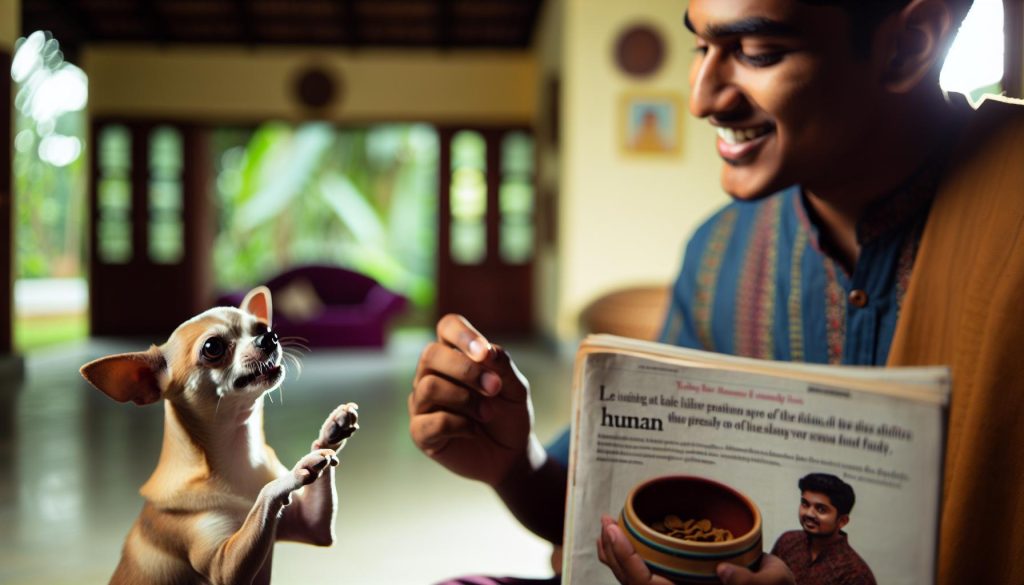
Chihuahuas are not just adorable little companions; they are vocal communicators with unique ways of expressing their needs. Did you know that a simple bark or a tilt of their head can convey a whole range of emotions, from excitement to anxiety? Understanding how our tiny, spirited friends communicate is essential for nurturing a strong bond and catering to their needs effectively. As a devoted Chihuahua owner, you may find yourself wondering if those little yips mean they’re hungry or just looking for some playtime. By learning to interpret their signals, you can enhance their well-being and ensure they feel understood and cared for. This guide will help you decode the charming quirks of Chihuahua communication, empowering you to respond to their needs with confidence and love. Let’s explore how to foster a deeper connection with your feisty furball and recognize what he or she is truly trying to tell you!
Understanding Chihuahua Body Language and Signals
Chihuahuas, with their bold personalities and expressive behaviors, communicate in myriad ways that reflect their unique traits. Understanding your Chihuahua’s body language is crucial for fostering a solid bond and ensuring they feel understood. Have you ever noticed how your little companion seems to strut with confidence, yet can quickly become defensive at the slightest provocation? This duality is a distinct characteristic of the breed, and being attuned to their signals can make all the difference in your relationship.
When observing your Chihuahua, one of the most telling aspects is their posture. A relaxed, loose stance often indicates comfort and confidence, while a stiff posture with raised fur signals alertness or potential aggression. Pay attention to their facial expressions: a relaxed mouth and bright eyes usually denote happiness, whereas a tightly closed mouth and narrowed eyes can indicate discomfort or fear.
Vocalizations are another key area to consider. Chihuahuas are known for their vocal nature, and each bark, whine, or growl can tell you something different. For instance, high-pitched barks could suggest excitement or playfulness, while low, guttural growls often signal distress or a defensive stance. Understanding these vocal cues aids in reading their moods effectively. Additionally, welcoming them into your home with a calm demeanor during introductions can help reduce anxiety, allowing you to decode their signals more clearly.
Eye contact also plays a pivotal role in communication. Chihuahuas may shy away from prolonged eye contact, which can be perceived as a threat in canine language. Instead, gentle, intermittent eye contact can reassure your dog and enhance trust. As you strengthen this mutual understanding, consider incorporating training techniques that involve positive reinforcement-this not only teaches commands but helps your Chihuahua feel more secure in knowing you are responsive to their needs.
In summary, the core of understanding your Chihuahua’s communication lies in keen observation of their body language, vocalizations, and interaction styles. By becoming attuned to the nuances of their behavior, you can better meet their emotional and physical needs, ensuring a happy and healthy life together.
Vocalizations: What They’re Trying to Tell You
Chihuahuas are known for their vocal flair, and their sounds often convey a rich tapestry of emotions and needs. From the enthusiastic yips of excitement to the low growls of discontent, understanding these vocalizations is essential for any Chihuahua owner. Each sound carries its own meaning, and attuning yourself to these vocal cues can help strengthen the bond between you and your tiny companion.
One of the most common sounds you’ll hear is the bark. Chihuahuas, especially the apple-headed variety, have a distinctive bark that can range from high-pitched and playful to deep and assertive. When your Chihuahua barks rapidly while wagging her tail, it typically signals joy and excitement-perhaps she’s asking you to play or alerting you to a new visitor. In contrast, a slow, deep bark can indicate a sense of territoriality or suspicion. Pay close attention to the context of the barking: if a stranger approaches, her barks might be protective, while barking at a squirrel might indicate pure curiosity.
Chihuahuas will also emit whines and whimpers to express their needs or discomfort. If your little one is whining persistently, it might be her way of indicating hunger, a desire for attention, or even the need to go outside. Identifying patterns in her vocalizations can help you respond quickly, reinforcing your connection. For example, if she whines as you approach her food bowl, it may signal she’s eager for her meal, enabling you to create a consistent feeding routine.
Another significant aspect of their communication is the growl. While it can be alarming to hear your Chihuahua growl, it’s often a way for her to express discomfort or a need for space. Understanding this sound as a signal rather than an aggressive warning is crucial. If you notice your Chihuahua growling when another pet approaches her, it may indicate she’s feeling overwhelmed and needs a break. Creating a safe, quiet space for her during stressful situations can mitigate this behavior.
Incorporating gentle verbal acknowledgment of your Chihuahua’s sounds can reinforce her feelings of being understood. Simple phrases like “I see you” or “Let’s go outside” can help clarify what you think she needs, enhancing your communication. Remember that every bark and whine is a step toward knowing your Chihuahua better, celebrating her unique voice within your home. By being observant and responsive, you cultivate an environment where she can express herself freely, leading to a happier and healthier relationship.
The Role of Tail and Ear Positioning
Chihuahuas are remarkably expressive little dogs, and their body language is key to understanding what they are trying to communicate. One of the most prominent signals comes from their tail and ear positioning. These features are not just physical attributes; they are indicators of your Chihuahua’s emotional state and needs.
When your Chihuahua is feeling relaxed and content, you’ll likely see her tail held low or gently wagging. This playful positioning can be particularly noticeable when she’s enjoying your company or feeling safe at home. Conversely, a high-held tail, especially when wagging vigorously, can indicate excitement or eagerness. If she’s ready to play or interact, her tail might even quiver with enthusiasm. However, a stiff, upright tail can signify that she is alert or agitated, perhaps responding to a perceived threat or new stimuli in her environment.
Just as important as tail position are your Chihuahua’s ears. Erect ears typically mean your little one is curious or attentive, tuning into her surroundings. If her ears are pinned back against her head, it may indicate fear, submission, or discomfort. For example, if your Chihuahua meets a new person and her ears flop back, she might not be ready for that interaction yet. In contrast, when she’s feeling playful, you may notice her ears perk up, showing that she’s engaged and ready for fun.
Understanding these subtle cues can enhance your bond with your Chihuahua and help you respond to her needs effectively. For instance, if you notice her tail becomes tense and her ears flatten when a loud noise occurs, it’s a signal that she needs your reassurance. You can comfort her with a gentle voice or by petting her, helping her feel secure.
By paying close attention to these signals and reacting appropriately, you create a safe space for your Chihuahua to express herself more freely, ultimately leading to a happier and healthier relationship.
Eye Contact and Its Significance in Communication
When you’re interacting with your Chihuahua, eye contact serves as a powerful form of communication. Unlike some dog breeds that may shy away from direct visual engagement, Chihuahuas often use their gaze to express a range of emotions-from curiosity and affection to anxiety and assertiveness. Understanding the nuances of how your little companion uses her eyes can deepen your bond and improve your interactions.
A prolonged, soft gaze can indicate trust and affection. For example, if your Chihuahua softly locks eyes with you while cuddling, this is often a sign that she feels safe and secure in your presence. On the other hand, if she avoids eye contact or turns her head away when you’re trying to engage with her, it might suggest she’s feeling submissive or uneasy. Pay attention to the context, as this small dog can be quite expressive. When she gazes at you with wide-open eyes, possibly coupled with a relaxed posture, it’s a clear invitation for connection and play.
However, eye contact can also indicate behavioral issues. If your Chihuahua is staring intensely with narrowed eyes and a stiff body, she might be feeling defensive or stressed. For example, during a barking episode at the neighbor’s cat, her intense gaze might signal her readiness to defend her territory. In such cases, redirecting her focus, perhaps with a toy or a command, can help her relax and feel more secure.
To foster positive eye contact, practice short sessions of gentle eye engagement, rewarding your Chihuahua with treats or praise when she makes soft, relaxed eye contact. This builds her confidence and reinforces that your gaze means comfort and security rather than confrontation. When you learn to understand the language of her eyes, your Chihuahua will communicate her needs more clearly, making your bond even stronger.
Social Interactions: How Chihuahuas Express Their Needs
Understanding how Chihuahuas communicate their needs through social interactions is essential for fostering a strong bond with your little companion. These tiny dogs may be diminutive, but they have a vibrant personality that is rich in expression. Their interactions with you and their environment help convey their emotions and desires, letting you know when they need attention, affection, or even a bit of personal space.
Chihuahuas are incredibly vocal, often using a range of sounds to express their needs. A high-pitched bark can indicate excitement or the need for playtime, while a low growl may signal discomfort or a desire to be left alone. For instance, if your Chihuahua barks in a playful manner while wagging her tail, she’s likely ready to romp. However, a barking fit when someone enters the home could mean she’s trying to establish her territory or alert you to potential intruders. Observing the context in which your Chihuahua vocalizes is key to understanding her intentions.
Physicality also plays a crucial role in communication. Chihuahuas express their needs through body language, often leaning toward you when they seek attention or curling up next to you for comfort. A wiggly, happy dance when you come home highlights her joy at seeing you, while a sudden stiff posture could indicate she’s uncertain or feels threatened. Recognizing these cues is vital for addressing her needs effectively. For example, if she leans in closer while you’re relaxing on the couch, that’s an invitation for snuggles and bonding time.
Moreover, the importance of routine cannot be overstated. Chihuahuas thrive on predictability, which helps them express their needs clearly. Establishing a consistent feeding, walking, and playtime schedule can minimize anxiety and allow her to communicate more effectively. After all, a well-adjusted Chihuahua is a happy one, capable of expressing her needs with confidence. If she knows that her playtime follows dinner, she will more readily anticipate and communicate that need.
In short, effective communication with your Chihuahua is a two-way street. By paying close attention to her vocalizations and body language, and by fostering a supportive routine, you can deepen your bond and ensure her needs are met consistently. Your appreciation for her quirky, loyal nature will only enhance this connection, allowing you both to enjoy a fulfilling companionship.
Common Behavioral Signs of Discomfort or Happiness
Understanding your Chihuahua’s emotional state is key to fostering a happy and healthy relationship with her. These tiny companions are full of character, and they express their feelings through a mix of vocalizations and body language. Recognizing the signs of discomfort or happiness not only helps you respond appropriately to her needs but also strengthens your bond.
Chihuahuas are known for their dramatic flair. A wagging tail is often a happy signal, but the speed and height of the wag can tell you more. When your Chihuahua’s tail wags enthusiastically and is held high, it typically indicates joy and excitement-perhaps she’s thrilled to see you after a long day! On the other hand, a tail tucked firmly between her legs suggests fear or submission. If you notice her ears flattening against her head, it might indicate that she is feeling anxious or threatened. Pay attention to how these expressions manifest in different contexts; for instance, both excitement and unease can occur when facing new people or situations.
Vocalizations also serve as crucial indicators of your Chihuahua’s emotional state. A high-pitched bark can signal excitement, especially during playtime or when anticipating a treat. Conversely, a series of discontented growls might suggest discomfort or a desire for space. For example, if your Chihuahua is barking sharply at a visitor, it might be her way of expressing that she feels her territory is being invaded. Conversely, if she lets out a series of soft yips while playfully bounding around, she’s likely in a happy, playful mood.
Another important aspect to consider is your Chihuahua’s overall posture. A relaxed demeanor, with a loose body and soft gaze, signals happiness. In contrast, a stiff body posture, combined with a lowered head and avoidance of eye contact, can indicate distress or discomfort. If she’s hesitant to approach you or seeks hiding spots, these might be signs that she needs a little extra comfort or reassurance. Attention to her unconventional yet telling signals will go a long way in understanding her emotional needs.
In summary, the subtleties of your Chihuahua’s behavior-from the wag of her tail to the timbre of her barks-serve as invaluable cues for her emotional well-being. By tuning into these signs, you can cultivate a stronger connection with her, ensuring she feels secure, loved, and understood in your home.
Training Techniques for Enhanced Communication
Understanding how to communicate with your Chihuahua is an essential part of building a strong relationship. Chihuahuas, though small, have strong personalities and are quite expressive, making effective communication crucial. Training your Chihuahua to communicate their needs can be both a rewarding and fun experience. By using clear signals and consistent commands, you can help her express herself and respond to your cues more effectively.
One effective training technique is the use of clicker training. This method involves using a click sound to mark a desired behavior, immediately followed by a reward. For example, if your Chihuahua gives you eye contact when you call her name, click and provide a treat. This not only reinforces the behavior but also teaches her that looking at you can lead to positive outcomes. Over time, this will encourage her to pay more attention to your cues and guide her in expressing her needs, whether it’s hunger, playtime, or a desire for affection.
Another key technique is to establish a routine. Chihuahuas thrive on predictability, so having a consistent schedule for feeding, walks, and playtime can help your dog feel secure. This sense of routine will also enable her to recognize when it’s time for certain activities, reducing anxiety and frustration. For instance, if you consistently play with her after dinner, she’ll learn to communicate that she’s ready for some fun by bringing her favorite toy or sitting by the door.
Incorporating body language training into your routine can also enhance communication. Spend time observing her natural body language signals and encourage her to express herself. For example, if she jumps up and down when she wants to go outside, acknowledge and reinforce that behavior with praise. Over time, you can start pairing these actions with verbal commands like “outside” or “play”, which helps her associate the behavior with the desired action.
Lastly, patience and consistency are key. Chihuahuas can be a bit stubborn, but with regular practice and positive reinforcement, they can become great communicators. Use small, achievable goals and celebrate the victories, no matter how minor. Keep training sessions short but frequent, and always end on a positive note-this will help keep her engaged and eager to learn more.
With these techniques, you’ll not only enhance communication but deepen the bond with your beloved Chihuahua. Celebrate her quirks and individuality as you teach her to express her needs, making your home a haven for understanding and love.
Building Trust: The Key to Understanding Your Chihuahua
Building a trusting relationship with your Chihuahua is essential for not only understanding her needs but also for enhancing her confidence and comfort in your home. Chihuahuas, known for their big personalities, can sometimes be cautious or anxious, especially in new situations or with unfamiliar people. Understanding how to cultivate trust will allow her to communicate her needs more effectively, leading to a more harmonious relationship.
One effective way to establish trust is through consistent and positive interactions. Start by creating a safe space for her-a cozy bed in a quiet corner where she can retreat when she feels overwhelmed. This designated safe zone allows her to feel in control of her environment. When approaching her, especially if she seems hesitant, use calm, gentle movements and soft tones. Avoid sudden gestures that may startle her; instead, allow her to come to you when she feels ready. For instance, sitting down at her level can make you less intimidating and more approachable.
Routine is another key component in building trust. Chihuahuas thrive on predictability, so maintaining consistent feeding times, walks, and play sessions will help her feel secure. When she knows what to expect, she’s likely to be more relaxed and open, making it easier for her to express her needs. For example, if you take her for a walk at the same time every day, she will soon learn to communicate her eager anticipation by bringing you her leash or following you to the door.
Moreover, recognizing and respecting her unique personality traits, such as her vocalizations and quirks, fosters a deeper bond. If your Chihuahua tends to bark when she wants attention or to express discomfort, listen to her cues and respond appropriately. Engaging with her when she communicates will not only reinforce her trust in you but will also help her learn that her expressions-be they through barks, body language, or tail wags-are valid and understood.
Ultimately, building trust with your Chihuahua requires patience and consistency, as you navigate her needs and preferences. Through gentle encouragement and understanding, your bond will grow stronger, empowering her to express herself freely and confidently in your presence. Enjoy this journey together; every small step in understanding is a victory worth celebrating.
The Importance of Routine in Their Communication
Establishing a predictable routine is one of the most effective ways to enhance communication with your Chihuahua. These little furballs thrive on consistency and clarity, which help reduce anxiety and foster a sense of security. When your Chihuahua knows what to expect throughout the day, she can better communicate her needs and desires, ultimately creating a more harmonious living environment for both of you.
Start by structuring key parts of her daily routine, including feeding, walks, playtime, and bathroom breaks. For example, if you feed her at the same time every day, she will quickly learn to associate that time with mealtime. You may even notice her patiently waiting by her bowl or engaging in playful antics to alert you when it’s feeding time. Similarly, if you walk her at a consistent time, she will learn to bring you her leash or lead you to the door, precisely tapping into her eagerness for her daily stroll.
In addition to facilitating her understanding of daily events, a routine helps you recognize her unique communication signals. Chihuahuas are masters of expression, and once routine is established, you’ll find it easier to interpret her specific vocalizations or body language. For instance, if she barks playfully right before her usual walk time, it’s a sign she’s learned the schedule and is eager to remind you. Over time, these cues become part of the language you both share, deepening your bond.
Furthermore, changes in routine can be unsettling for Chihuahuas, so it’s essential to be mindful of how alterations may affect her behavior. If you need to adjust feeding or walking times, gradually introduce the changes rather than making sudden shifts. This gentle approach can minimize stress and help her adapt, ensuring she feels safe throughout the process.
By embracing a consistent routine, you not only empower your Chihuahua to express her needs clearly but also enhance her overall well-being. With trust and understanding as your foundation, you both can enjoy a richer and more connected relationship. Every walk, playtime, and cuddle moment integrated into a routine brings you closer, allowing her to thrive as the bold little character she is!
Recognizing the Unique Traits of Different Coat Types
Every Chihuahua, regardless of coat type, has a unique personality that influences how she communicates. Understanding the nuances of different coat types can enrich your relationship and enhance your ability to interpret her signals. Chihuahuas come in two primary coat varieties: smooth and long-haired. Each type has distinct traits not only in appearance but also in how they may express their needs and emotions.
Chihuahuas with smooth coats usually have sleek, shiny fur that lies close to the body. Often perceived as more energetic and feisty, these pups might display their feelings more vocally and through more pronounced body language. For instance, a smooth-coated Chihuahua may bark or whine more when she wants attention or playtime, showcasing her eagerness and assertiveness. Their shorter hair leads to quicker body temperature changes, so they might communicate needs for warmth or comfort more visibly, such as burrowing under blankets or seeking out sunny spots.
In contrast, long-haired Chihuahuas boast plush, flowing coats that can give them a more regal appearance. However, their gentle demeanor often means they express their needs subtly. You might notice a long-haired Chihuahua using softer vocalizations, like whimpering, and more subdued body postures to convey her desires. Their fur can also create a cozy barrier against the cold, so be vigilant when the temperature drops; a long-haired Chihuahua might hesitate to go outdoors, signaling discomfort more passively than her smooth-coated counterpart.
Caring for your Chihuahua’s coat type also plays a crucial role in communication. Regular grooming not only keeps her looking her best but allows you to bond and create a space where she feels secure. For example, brushing your long-haired Chihuahua not only removes tangles but can also serve as a calming ritual, enhancing trust between you two. Pay attention during grooming sessions; her reactions can tell you a lot about her mood. If she seems particularly squirmy or fidgety, she might need a break or be signaling discomfort with the grooming tools or environment.
Understanding these unique traits allows you to cater to your Chihuahua’s individual communication style effectively. Tailoring your approach according to her coat type not only nurtures her needs but strengthens the bond you share. Every moment spent observing and interacting is an opportunity to deepen that connection and celebrate the bold little character she is!
How Aging Affects Communication in Chihuahuas
As Chihuahuas age, their communication methods can evolve significantly, and understanding these changes is crucial for maintaining a strong bond with your little companion. Just like humans, as dogs grow older, they may experience various health issues, cognitive changes, and shifts in behavior that can alter how they express their needs and emotions.
One of the most notable changes in aging Chihuahuas is their vocalization patterns. You might find that a previously vocal dog becomes quieter or, conversely, more vocal as they age. This can indicate discomfort or confusion; for example, a senior Chihuahua might whine more often if they are experiencing pain or anxiety. Being attuned to these vocal changes is key to understanding what your dog may be going through. Regular check-ups with your veterinarian can help diagnose underlying health issues that might be causing these shifts, ensuring your Chihuahua remains as comfortable as possible.
Another factor to consider is their body language. As Chihuahuas age, they may also experience stiffness or arthritis, which can affect their posture and movements. A younger, more active Chihuahua may communicate through high-energy play or jumping, while an older dog might express her needs through a slower approach or by seeking out a comfortable resting spot. Paying close attention to her body language during interactions will allow you to respond appropriately; for instance, if she suddenly avoids eye contact or seems to retreat, she might be signaling that she needs some space or is feeling unwell.
Moreover, cognitive decline in older dogs-commonly referred to as canine cognitive dysfunction-can lead to changes in how your Chihuahua manages stress and interacts with you. She might exhibit signs of confusion or forgetfulness, such as getting lost in familiar surroundings. To aid communication, establish a consistent routine; this not only provides a sense of security but also helps your Chihuahua feel more grounded. Gentle reassurance and engaging in familiar activities can help her navigate these changes, ensuring she feels loved and valued.
Finally, be vigilant about recognizing signs of discomfort or distress, such as excessive barking, pacing, or avoidance behavior. These can be indicators of physical pain or emotional discomfort, and your attention to her subtle cues becomes even more crucial in this stage of life. Engaging in gentle, reassuring training sessions can enhance her communication skills and help alleviate some of the anxiety she may feel as she navigates her golden years.
Adapting to the changes that come with aging can enhance your relationship with your Chihuahua, allowing you both to enjoy the time you have together. By observing her unique cues and adjusting your interactions, you’ll foster a deepened bond that celebrates her personality, no matter her age. Always remember, each moment spent together is a cherished part of her journey, and your understanding will be a source of comfort and joy for both of you.
When to Seek Professional Help for Behavioral Issues
It’s essential to recognize when our vibrant little companions are communicating distress or behavioral issues, especially since Chihuahuas are known for their bold and spirited personalities. Understanding your Chihuahua’s signals can sometimes be challenging, and there might come a time when professional intervention becomes necessary. If your Chihuahua exhibits sudden changes in behavior-like increased aggression, excessive barking, or sudden withdrawal-it’s a clear sign that something is amiss.
When looking for help, start by observing specific patterns in your Chihuahua’s behavior. Here are some behavioral signs that often indicate a need for professional advice:
- Severe Anxiety or Fear: If your Chihuahua seems excessively anxious during routine activities such as grooming or visiting the vet, or shows signs of trembling or hiding, it’s crucial to seek help.
- Aggression: If your little one starts showing aggressive behavior, such as growling or air snapping, especially toward people or other pets, it’s essential to consult a professional. This might indicate fear or a need for proper socialization.
- Destructive Behavior: Frequent or severe destructive behavior when left alone can be a sign of separation anxiety, which often requires specialized training techniques.
- Changes in Appetite or Bathroom Habits: A sudden loss of appetite or frequent accidents may signify stress or underlying health issues-both of which should be checked by a vet or behavioral expert.
Recognizing these signs early can prevent issues from escalating. Many owners find consultation beneficial even for less severe cases, like excessive barking or shyness. A trainer or a certified animal behaviorist can offer tailored strategies to help you improve your communication with your Chihuahua, tapping into their unique traits and quirks. Addressing behavioral problems sooner rather than later can contribute to a more harmonious environment for both you and your furry friend.
Always remember that you are not alone in this journey. Whether your Chihuahua is an apple-head or a larger deer-head breed, being proactive about behavioral concerns ensures their well-being and strengthens the bond you share. Engaging with professionals can lead to great breakthroughs in communication, allowing you to celebrate all the happiness and quirks that make Chihuahuas so uniquely wonderful.
Q&A
Q: How can I determine what my Chihuahua needs?
A: You can determine your Chihuahua’s needs by closely observing their body language, vocalizations, and behavior. Look for signs of excitement, fear, or discomfort. For example, a wagging tail often signals happiness, while a tucked tail may indicate stress. Regular interaction helps you learn their signals better.
Q: What do different barks mean in Chihuahuas?
A: Chihuahuas use various barks to communicate. A high-pitched bark may signal excitement or a request for attention, while a low growl can indicate discomfort or warning. Pay attention to the tone and frequency of their barks to better understand what they’re trying to convey.
Q: Why do Chihuahuas bark so much?
A: Chihuahuas are naturally vocal and may bark out of excitement, fear, or as a way to express their needs. This behavior often stems from their protective instincts. Providing adequate stimulation and training can help manage excessive barking and encourage more effective communication.
Q: How do I know if my Chihuahua is feeling anxious?
A: Signs of anxiety in Chihuahuas include excessive barking, pacing, or hiding. They might also exhibit excessive tail tucking or avoidance of eye contact. Creating a safe environment and maintaining a consistent routine can help ease their anxiety.
Q: What should I do if my Chihuahua is scared?
A: If your Chihuahua is scared, it’s essential to create a calming environment. Use gentle voice tones and avoid sudden movements. Offer treats or toys to distract them and gradually expose them to the source of their fear at their own pace.
Q: How can I improve communication with my Chihuahua?
A: Improving communication with your Chihuahua involves consistent training, using positive reinforcement, and developing a strong bond through play and care. Establishing routines also helps them feel secure and understand your expectations, enhancing mutual understanding.
Q: When is the best time to start training my Chihuahua?
A: The best time to start training your Chihuahua is as early as possible, ideally during puppyhood. However, adult Chihuahuas can also learn effectively. Consistency and patience are key, so start with basic commands and gradually build up to more complex tasks.
Q: How does my Chihuahua’s personality affect their communication?
A: A Chihuahua’s personality can greatly influence how they communicate. Some may be more vocal and expressive, while others might be reserved. Understanding their individual traits-like boldness or shyness-can help you interpret their signals and respond appropriately.
Final Thoughts
Understanding how your Chihuahua communicates her needs is essential for a happy and healthy relationship. By recognizing her vocalizations, body language, and behavioral signs, you can respond effectively and strengthen your bond. Remember, whether she’s barking to alert you or seeking attention, every interaction is a chance to support her well-being.
If you’re eager to delve deeper, check out our articles on Chihuahua behavior and essential care tips to become an even more informed owner. Don’t forget to sign up for our newsletter for the latest tips and resources delivered right to your inbox! Share your experiences in the comments-how does your Chihuahua express herself? Your insights could help fellow owners on their journey. Together, let’s celebrate the vibrant personalities of our beloved Chihuahuas!
Get our latest guides, news, and insights highlighted in your Google Search & AI Overviews.