

Chihuahuas are famous for their bold personalities and undeniable charm, yet many owners often find themselves frustrated by their antics. From relentless barking to stubborn behavior, these tiny dogs can present unique challenges. Understanding why Chihuahuas exhibit these behaviors is essential for creating a harmonious relationship with your furry friend. By exploring the quirks that make them both lovable and, at times, annoying, we can discover effective strategies to manage their spirited nature. Whether you’re a first-time owner or a seasoned Chihuahua enthusiast, learning how to address these behaviors can lead to a happier, more balanced life for you and your beloved companion. Let’s dive into the fascinating world of Chihuahuas and uncover the solutions to their most perplexing habits!
Understanding Chihuahuas: Their Unique Character Traits
Chihuahuas are a breed full of surprises, embodying an effervescent blend of traits that make them both fascinating and, at times, challenging companions. Their bold personalities often stand in stark contrast to their petite stature, leading to a unique juxtaposition that owners adore-and sometimes find perplexing. These spirited little dogs are renowned for their loyalty, often forming strong bonds with their humans, while their alert nature makes them excellent watchdogs despite their size. Understanding their distinctive character traits is essential not only for nurturing a harmonious relationship but also for addressing the behaviors that may be perceived as annoying.
One of the standout character traits of Chihuahuas is their instinct to vocalize. This vocal nature can be both an endearing quality and a source of frustration, particularly for those living in close quarters. A well-socialized Chihuahua will bark to communicate rather than out of fear or anxiety, often alerting owners to visitors or even just the rustling of leaves. However, managing excessive barking typically requires consistent training and positive reinforcement strategies. For instance, when you reward your Chihuahua for quiet behavior with treats or affection, you encourage a calmer demeanor while also reinforcing your bond.
Additionally, Chihuahuas are inherently curious and often possess an adventurous spirit. This trait can manifest as hyperactivity, with many Chihuahuas bouncing around and eagerly exploring their surroundings. To manage this energy, providing plenty of mental stimulation through interactive toys or training exercises can be highly effective. Regular short walks, combined with playtime indoors, can significantly reduce hyperactive tendencies. Owners frequently share that engaging their Chihuahuas in agility exercises or puzzle games keeps their minds sharp and helps to channel excess energy positively.
Chihuahuas often exhibit a brave demeanor, sometimes fearing no foe despite their small size. This fearless attitude can lead to challenging behaviors, such as aggression toward larger dogs or excessive barking at strangers. Socialization from an early age is crucial in helping them learn appropriate responses and develop confidence in various environments. Bringing your Chihuahua to puppy classes or dog parks can aid in fostering positive interactions with other dogs and humans alike, helping to temper any annoying behaviors associated with their protective instincts.
In caring for a Chihuahua, recognizing and celebrating these unique traits will not only enhance your understanding of their behavior but also enrich your relationship with your spirited companion. With patience, love, and appropriate training, Chihuahuas can blossom into well-mannered and delightful pets, ready to shower you with affection and loyalty.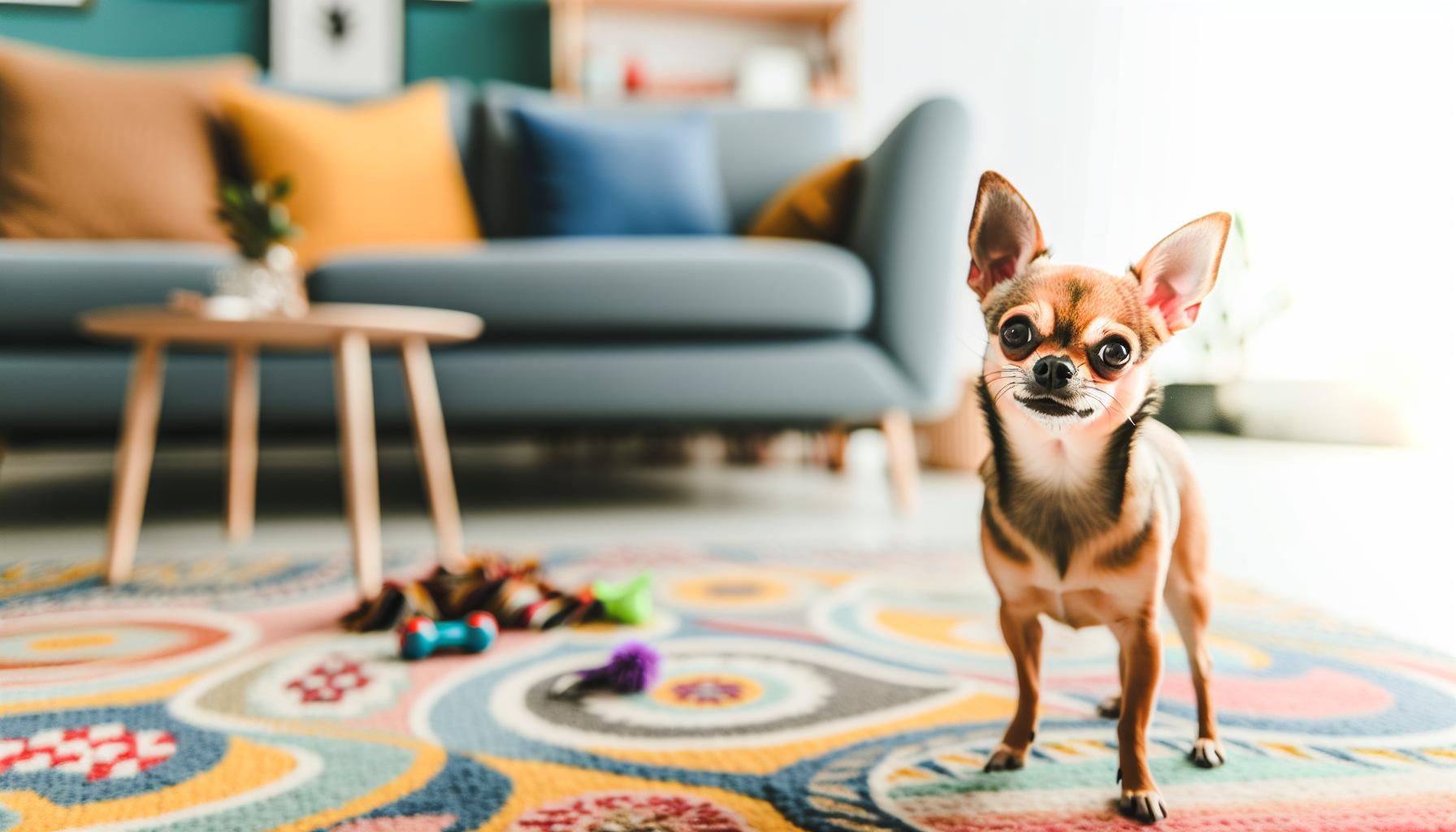
Common Annoying Behaviors in Chihuahuas
Chihuahuas may be small, but their personalities are larger than life, which can sometimes lead to behaviors that owners find frustrating. Many Chihuahua enthusiasts will tell you that as endearing as their quirks are, certain behaviors can border on annoying. From incessant barking to clinginess, it’s essential to navigate these challenges with love and understanding. Every Chihuahua is unique, and today’s insights will help you appreciate their idiosyncrasies while managing the behaviors that can test your patience.
One common behavior that many Chihuahua owners experience is excessive barking. These little dogs often use their vibrant vocal cords to express themselves, whether it’s alerting you to visitors or voicing their displeasure. While barking can be an endearing trait, it can become a nuisance if not managed properly. To combat this, it’s crucial to establish consistent training from an early age. Techniques such as the “quiet” command can be beneficial; when your Chihuahua barks, patiently ask for silence and reward them when they comply. Over time, they will learn that being quiet results in praise and treats, reducing unnecessary yapping.
Another behavior that can be bothersome is the tendency to follow their owners around relentlessly. Chihuahuas are known for their loyalty, but this can sometimes manifest as clinginess, making it challenging for owners to complete daily tasks. To help alleviate this behavior, providing a safe, cozy space for your Chihuahua to relax can encourage them to settle down independently. Consider creating a designated spot with a comfortable bed and some of their favorite toys, so they can feel secure even when you’re not in sight.
They may also have a penchant for digging and scratching, especially when they’re trying to make themselves comfortable or seeking attention. Implementing a structured playtime routine that includes plenty of interactive toys can keep them engaged and satisfied, minimizing these disruptive behaviors. For example, puzzle toys can provide both mental and physical stimulation, channeling their energy into fun activities rather than destructiveness.
In summary, while every Chihuahua has a unique personality that can lead to some delightful but sometimes annoying behaviors, understanding these traits is the first step in addressing them. With patience, appropriate training, and plenty of love, you can cultivate a positive environment where both you and your spirited companion can thrive together. Embrace their quirks, and remember that with a little guidance, your Chihuahua can become the well-behaved team member you envisioned when you welcomed them into your home.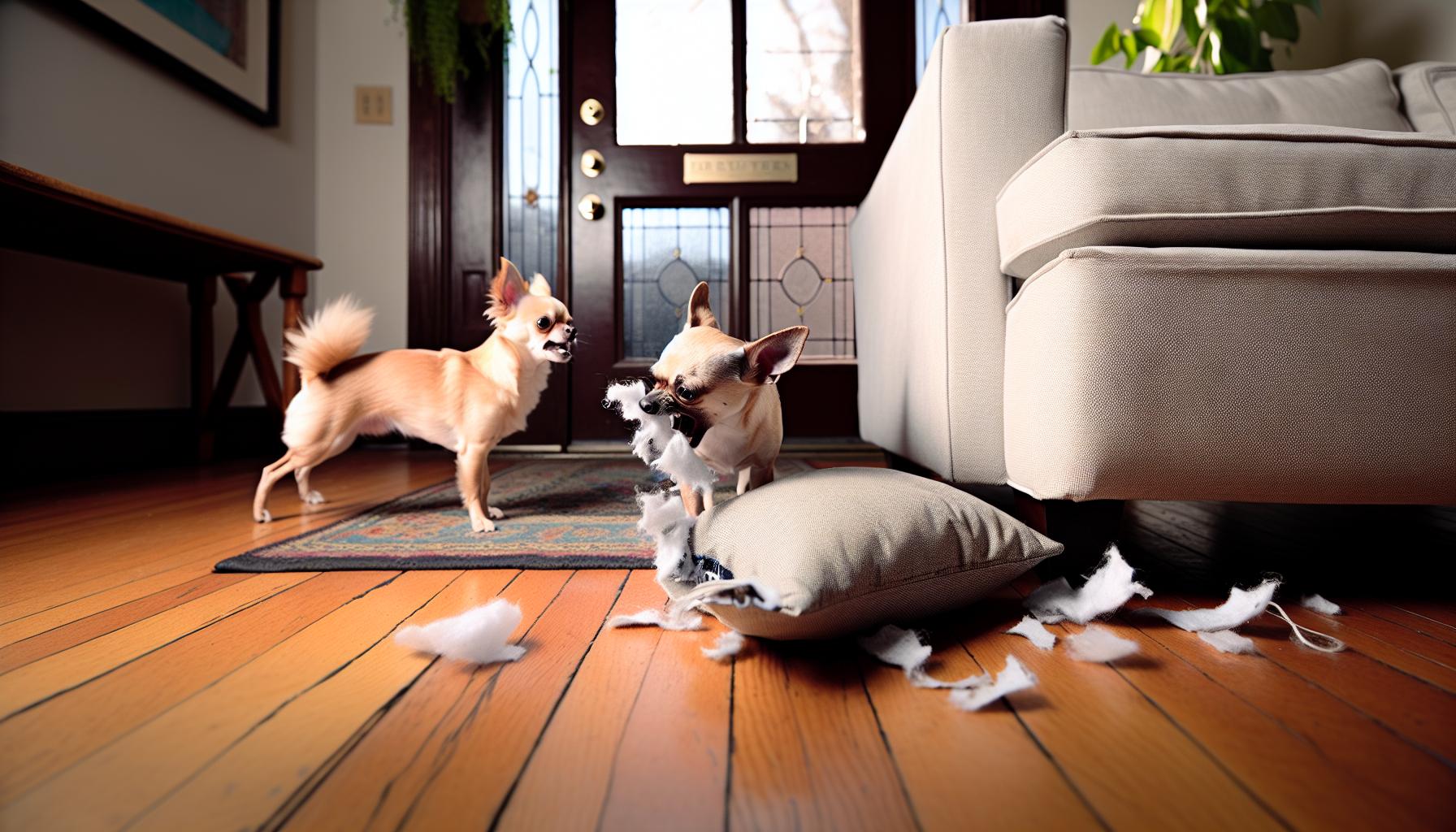
Why Chihuahuas Bark: Causes and Solutions
Chihuahuas are renowned for their vocal nature, and their barks can range from charming to downright disruptive. Understanding why your Chihuahua barks so much is key to managing this behavior. These spirited little dogs have a natural instinct to communicate, often using their barks to alert their families to what they perceive as potential threats-whether it’s a delivery person approaching the door or a bird fluttering outside. Their small size and bold personality contribute to their tendency to sound alarms, as they don’t shy away from asserting themselves in their environment.
To effectively manage barking, first, recognize the reasons behind it. Common causes of barking in Chihuahuas include:
- Alerting to Sounds: Chihuahuas are attentive and will bark at unusual noises or movements.
- Seeking Attention: If they are ignored, your dog may bark to gain your focus.
- Fear or Anxiety: Many Chihuahuas bark out of fear, especially if they feel threatened or are in unfamiliar situations.
- Excitement: Whether it’s playtime or greeting a family member, they often express their enthusiasm with barks.
Managing this vocal behavior requires a thoughtful approach rooted in positive reinforcement. Start by teaching a “quiet” command. When your Chihuahua barks, calmly say “quiet” and, once they cease barking-even for a moment-reward them with praise or a treat. Consistency is vital; over time, they will associate being quiet with positive outcomes. Additionally, consider addressing any underlying issues such as boredom or anxiety that may cause excessive barking. Increasing daily exercise and providing mental stimulation through interactive toys or puzzles can help channel that energy into more constructive activities.
For example, Maria, a proud owner of a feisty apple-head Chihuahua named Bella, found that introducing a structured play routine significantly reduced her barking. Bella loved her new puzzle toys, and as she became more engaged with these tasks, her barking became less frequent.
If barking becomes excessive, you might also explore creating a calm environment. Designate quiet spaces in your home where your Chihuahua feels secure, filled with cozy bedding and familiar toys. This can help reduce their anxiety and, in turn, their need to bark. Remember, patience and understanding are key. Chihuahuas have big personalities, and with love and attention, you can nurture their expressive voices while encouraging a peaceful coexistence.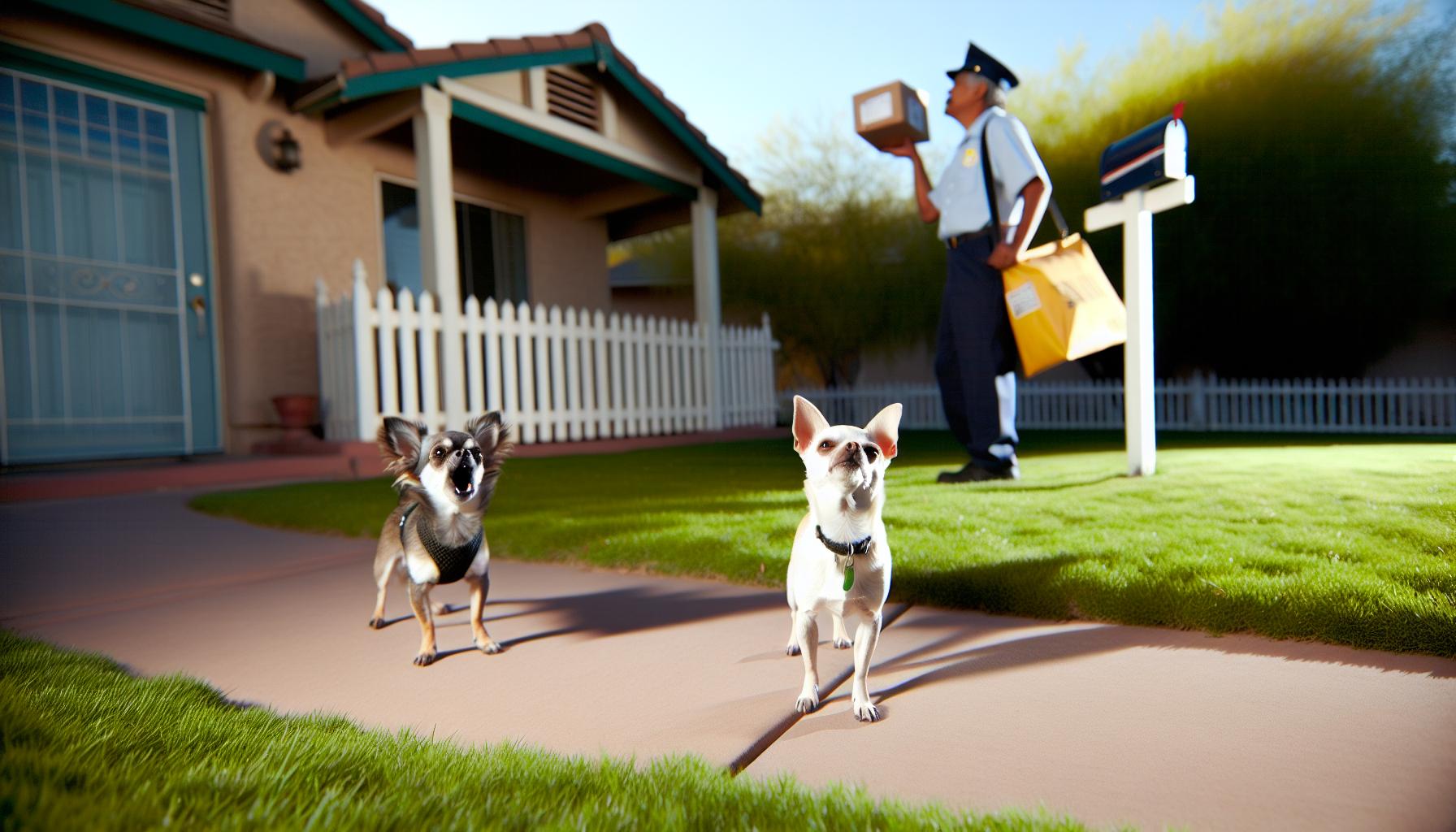
Managing Hyperactivity in Chihuahuas
Chihuahuas are vibrant, energetic little companions, but their high energy levels can sometimes translate into hyperactivity, which can be a handful for owners. These spirited pups thrive on interaction and mental stimulation, making it essential to channel their boundless enthusiasm into positive activities. Understanding how to manage your Chihuahua’s hyperactivity starts with recognizing their unique needs and quirks.
Regular exercise is crucial for keeping your Chihuahua both physically fit and mentally engaged. These tiny dynamos benefit from daily walks, but you can also incorporate playtime with toys that encourage energy release. Activities such as fetch, tug-of-war, or training sessions featuring tricks can help burn off excess energy while deepening your bond. For instance, Lucy, a dedicated Chihuahua owner, found that introducing short agility exercises in her backyard allowed her apple-head Chihuahua, Max, to expend energy in a fun and constructive way. Incorporating a mix of play and exercise not only helps manage their hyperactivity but also supports their overall well-being.
Another effective strategy is to enrich their environment. Boredom can exacerbate hyperactivity, so providing interactive toys, puzzle feeders, or even safe chew toys can keep your Chihuahua engaged for longer periods. A well-stimulated mind is less likely to lead to hyperactive behavior. Additionally, consider establishing a daily routine that includes set times for play, walks, and training, as consistency can help your Chihuahua feel more secure and reduce their tendency to become overly wound up.
Lastly, training plays a pivotal role in managing hyperactivity. Teaching commands like “sit,” “stay,” or “down” can help curb impulsive behaviors. Positive reinforcement-rewarding your Chihuahua with treats or praise when they exhibit calm behavior-encourages them to repeat those actions. For example, Jamie, who adopted a lively Chihuahua named Daisy, discovered that using a clicker to mark calm moments significantly improved Daisy’s ability to settle down during quieter times. With patience and dedication, you can guide your energetic Chihuahua toward a more balanced demeanor, celebrating their spirited nature while fostering a peaceful home environment.
Dealing with Chihuahuas and Separation Anxiety
Chihuahuas may be small, but their personalities are anything but! These loyal, bold little companions are prone to feeling anxious when left alone, leading to behaviors that can be challenging for their owners. In fact, separation anxiety is quite common among Chihuahuas, often stemming from their deep attachment to their humans. When you leave home, your Chihuahua may express their discomfort through barking, destructive behavior, or even potty accidents. However, understanding this behavior and implementing strategies can significantly help alleviate their anxiety.
Understanding Separation Anxiety
Chihuahuas thrive on constant companionship. Their strong bonds with owners often mean they dislike being left alone. This reaction can be intensified by changes in routine, new environments, or previous experiences of abandonment. To help your furry friend feel secure, it’s essential to gradually acclimate them to being alone. Start by leaving your Chihuahua in a safe space for brief periods, increasing the time as he becomes more comfortable. Consider using a cozy bed or crate, which serves as a secure space where he can feel safe when you’re not around.
Strategies to Reduce Anxiety
To ease your Chihuahua’s anxiety, here are several practical strategies:
- Create a Routine: Establish a predictable daily routine with set times for walks, meals, and play. Chihuahuas find comfort in knowing what to expect.
- Interactive Toys: Provide puzzle toys or treat dispensers to keep his mind engaged while you’re away. This can redirect his energy and focus away from anxiety.
- Training Sessions: Incorporating brief training sessions before you leave can stimulate his brain and reduce stress. Commands like “stay” or “settle” can reinforce calm behaviors.
- Calming Aids: Consider products designed for anxious pets, such as calming collars, pheromone diffusers, or natural supplements. Always ensure these are safe and appropriate for your Chihuahua.
- Practice Departures: Get your Chihuahua used to your leaving by performing practice runs. Go out for a short period without making a big deal of your departure or return.
Owner Experiences
Many Chihuahua owners have successfully navigated separation anxiety with patience and a consistent approach. Take the case of Emma, who adopted a spunky apple-head Chihuahua named Bella. By practicing short departures and gradually extending them, Bella learned that Emma would always return. Emma also made sure to leave behind her favorite toy, which provided Bella comfort in her absence. With time and effort, Bella grew more relaxed with being alone, demonstrating that with the right techniques, you can cultivate independence in your beloved Chihuahua.
By implementing these strategies, you can help your Chihuahua feel more at ease when you must step out. These small adjustments can lead to happier and more balanced behavior, allowing both you and your furry friend to enjoy a more harmonious relationship. Remember, every effort you make to understand and address your Chihuahua’s needs will pay off in the long run, ensuring a loving and supportive environment for your spirited companion.
Training Techniques for a Well-Behaved Chihuahua
Training a Chihuahua can be a delightful yet challenging experience. Known for their bold and often vocal nature, these tiny companions require a unique approach to training that respects their spirited personality while reinforcing good behavior. With a bit of patience and the right techniques, you can guide your Chihuahua to become a well-mannered member of your household.
To start, consistency is vital. Chihuahuas thrive on routine, and establishing a regular training schedule helps them understand what to expect. Use clear and concise commands paired with positive reinforcement. For example, when your Chihuahua sits on command, reward him with a treat and enthusiastic praise. This encourages him to repeat the behavior. Keep sessions short, around 5 to 10 minutes, as Chihuahuas can lose focus quickly. Mixing in playtime or a favorite toy as a reward can also keep training fun and engaging.
Socialization
Socialization is another critical aspect of training. Early exposure to different people, pets, and environments helps build confidence and reduces the likelihood of fear-based behaviors. Take your Chihuahua for walks in various neighborhoods, visit pet-friendly stores, or arrange playdates with other dogs. This not only helps him learn to interact positively but also allows him to experience new sights and sounds, which can mitigate excessive barking out of fear or anxiety.
Dealing with Common Behaviors
Chihuahuas have their quirks, such as being often overly protective or territorial. Address these behaviors early through training. If he barks when someone approaches the door, teach him a command like “quiet.” When he stops barking, reward him. This redirection technique helps him understand that being calm is more rewarding than being noisy.
Real-world examples illustrate the effectiveness of these strategies. Take Jamie, who struggled with her Chihuahua, Oliver, barking incessantly at passing cars. After identifying the behavior, she began a consistent training regime, using treats to reinforce the “quiet” command whenever Oliver would bark. With diligent practice over several weeks, he learned to remain calm during walks, much to Jamie’s relief.
With love and patience, along with these training techniques tailored for Chihuahuas, your tiny friend can grow into a balanced and well-behaved companion. Celebrate their lively spirit, and remember that each step in training is a step toward understanding and enhancing your Chihuahua’s quality of life.
Socialization Tips for Your Chihuahua
Socializing your Chihuahua is essential to helping him navigate the world confidently and comfortably. Chihuahuas, with their bold personalities, can be particularly expressive. If not properly socialized, they may develop behaviors like excessive barking or fearfulness. The good news is you can start early, setting a foundation for balanced behavior both in the home and when out and about.
Introducing your Chihuahua to different environments, people, and other animals should begin as early as possible. Take him on regular walks through neighborhoods that vary in sights and sounds. Consider visiting dog parks, but ensure he’s on a leash initially to manage introductions with larger dogs. Encourage positive interactions by allowing him to meet other dogs and friendly humans in a controlled manner. This exposure not only helps him build confidence but also reduces the likelihood of him feeling intimidated, thereby minimizing unnecessary barking or aggressive behaviors.
Another useful tactic is to organize playdates with other dogs that you know are well-socialized. Observing a calm, well-mannered dog can provide your Chihuahua with a model for his own behavior. Be patient during these interactions, as he may initially show signs of nervousness or excitement. Recognize those feelings, and reassure him with gentle encouragement or treats for calm behavior.
Incorporating socialization into his daily routine can vastly improve his confidence. For example, frequenting pet-friendly stores allows your dog to encounter varied scenarios (like the hustle and bustle of other shoppers or new smells). Encourage exploration by allowing him to lead the way, always keeping an eye on his comfort levels. Remember that socialization is an ongoing process; even adults can benefit from new experiences.
By guiding your Chihuahua through these interactions, you’re facilitating not just his acceptance of the world around him but also reinforcing your bond. Every step taken to ensure he feels secure and loved helps him grow into the delightful and well-adjusted companion he is meant to be.
Understanding the Chihuahua’s Brave Nature
Chihuahuas might be small in size, but they often compensate with an outsized personality and a fierce sense of bravery. Their bold nature can sometimes be mistaken for annoyance, especially when they display those loud barks or challenge dogs much larger than themselves. Understanding this brave spirit is key to appreciating these little companions. Chihuahuas, particularly the apple-head variety, possess a rugged tenacity despite their delicate appearance, making them unique among breeds.
One way to channel this bravery positively is through consistent socialization. Early exposure to different environments and interactions helps your Chihuahua learn that their courage can be beneficial rather than confrontational. For instance, a well-socialized Chihuahua may confidently greet new friends instead of barking excessively at intruders. You can start small, favoring controlled environments where he can feel secure while gradually introducing him to busier settings. This not only builds his confidence but also teaches him appropriate responses to various situations.
Another practical approach to harnessing your Chihuahua’s innate bravery is through training. Structured activities such as agility courses or obedience classes not only engage his mind and body but also instill a sense of accomplishment. When your Chihuahua learns to navigate challenges, he becomes more adaptable and less likely to react nervously to new experiences. Pair this training with positive reinforcement-praise and treats for calm behavior-and you’ll foster an environment where bravery is celebrated rather than fretted over.
Incorporating playtime with larger, calm dogs can also be beneficial. Observing more confident pups can be a game-changer for your Chihuahua, offering a model of brave behavior in a safe context. With time and patience, your little one will learn the ropes of social interactions, adapting his bold nature in ways that become charming rather than challenging. Each new experience not only reinforces your bond but also enhances his quality of life, transforming potential annoyances into endearing traits.
Health Concerns that Impact Behavior in Chihuahuas
Understanding how health issues can influence behavior is crucial for any Chihuahua owner. These little companions, known for their spirited personalities, can sometimes misbehave due to underlying health concerns rather than sheer annoyance. For example, if a Chihuahua frequently barks or acts aggressively, it might be signaling discomfort or pain rather than a quirky personality trait.
A common health issue in Chihuahuas is dental disease, which can lead to pain that makes your dog irritable, more vocal, or reluctant to engage in activities. Regular dental checks and cleanings are essential, especially since Chihuahuas are prone to periodontal disease due to their small mouths and crowded teeth. Neglecting dental health can turn a normally calm Chihuahua into a frustrated one, translating into annoying behaviors.
Another significant concern is patellar luxation, where the kneecap dislocates, causing pain and discomfort. Chihuahuas, especially those with certain conformation traits, may exhibit signs of annoyance through sudden yelps or refusal to play. If your dog seems to be limping or holding a paw up, a trip to the vet can help rule out this issue.
Lastly, obesity can affect behavior significantly. Chihuahuas are small, but they can easily gain weight if not monitored during treat time or exercise. An overweight Chihuahua may appear lethargic and less motivated to engage, impacting his typical lively demeanor. Regular exercise and a balanced diet tailored to their size and energy levels are key to keeping them happy and active.
For any behavioral changes, consulting your veterinarian is crucial not only for diagnosis but also for creating a care plan that encourages optimum health. By addressing these health concerns early, you pave the way for a happier, well-adjusted Chihuahua who can express his charming, bold nature without annoying distractions.
Creating a Calm Environment for Your Chihuahua
To ensure your Chihuahua thrives, creating a calm environment is essential. These spirited little companions can easily become overwhelmed, leading to behavior that might be perceived as annoying. Did you know that a quiet, comfortable space can help reduce anxiety and excess barking? By setting up a peaceful area, you can promote relaxation and cultivate a happier, more balanced Chihuahua.
Start by designating a cozy corner in your home for your Chihuahua. This shouldn’t just be any space; think about choosing a location that’s away from loud noises and foot traffic. A soft bed or blanket can make this area inviting. For example, many Chihuahua owners find that placing a favorite toy nearby provides comfort, turning this space into a little sanctuary. Incorporating calming items, such as a piece of your clothing, can also help her feel secure.
Reducing Stimuli
You can further minimize stress by reducing external stimuli. Keep windows closed during peak noise times, whether it’s construction or neighboring dogs barking. If your Chihuahua tends to be reactive to sounds, consider using white noise machines or soft music designed to soothe pets. There are even special playlists available to calm nervous dogs, which can create a tranquil atmosphere for her to relax in.
Routine and Structure
Consistency is key to maintaining peace. Chihuahuas thrive on routine, as they feel secure when they know what to expect. Establish regular feeding times, play sessions, and restroom breaks. This structure can help reduce anxiety, making her less prone to behaviors that might seem annoying. For example, setting aside quiet time after meals can help her wind down, preventing post-meal hyperactivity that might lead to barking or whining.
Incorporating gentle exercise can also aid in calming your Chihuahua. Short, regular walks and playtime allow her to expend excess energy without overstimulating her. Always keep these sessions positive with praise and rewards; your encouragement fosters a loving environment that reinforces good behavior.
By thoughtfully crafting a serene home and developing a steady routine, you’re setting the stage for a calm and content Chihuahua. Not only will this help diminish some of the quirks you might find frustrating, but it also enhances her quality of life, allowing her brave little personality to shine even brighter.
Positive Reinforcement: Training Your Chihuahua with Love
Training your Chihuahua through positive reinforcement is not only effective but also deepens the bond you share with your spirited companion. These tiny dynamos thrive on affection and approval, so when you couple training techniques with love, your Chihuahua learns with enthusiasm. For example, if your Chihuahua, whether an adorable apple-head or a longer-bodied variety, performs a command like “sit,” quickly rewarding her with a treat and gentle praise encourages her to repeat the behavior. This approach turns training into a fun game rather than a chore, making her eager to engage and learn.
To effectively implement positive reinforcement, consistency is key. Start with simple commands and always use the same word and gestures for each action. Chihuahuas are smart but can be stubborn; remaining patient is essential. Celebrate small victories! For instance, if she successfully responds to “come” during a play session, shower her with love and snacks. Choose her favorite treats – perhaps tiny pieces of cooked chicken or special dog treats – as these can be powerful motivators. Remember, what works for one Chihuahua might not work for another, so be mindful of her preferences.
Incorporating play into training sessions can also be a great way to keep her engaged. Chihuahuas can exhibit hyperactivity, and turning commands into a game can help burn off some extra energy while embedding valuable lessons. Try using her favorite toy as a reward after she successfully follows a command. It’s a simple yet effective way to reinforce desired behaviors while providing mental and physical stimulation.
As a devoted Chihuahua owner, it’s rewarding to witness her grow into a well-behaved companion. By using love and positive reinforcement, you’re fostering a trusting relationship that celebrates her unique personality. So, the next time you encounter a seemingly annoying behavior, channel that energy into training and watch as both of you flourish together.
Enhancing Your Chihuahua’s Quality of Life
Chihuahuas are small dogs with immense personalities and energy levels that can sometimes be overwhelming for their owners. Understanding how to enhance their quality of life not only makes them happier but can also curb some of the more frustrating behaviors associated with the breed. By focusing on their physical health, mental stimulation, and emotional well-being, you can create a more harmonious living environment for both you and your spirited companion.
Physical Activity and Engagement
Chihuahuas, although tiny, require regular exercise to keep their bodies strong and their minds sharp. Daily walks, even if short, are essential-consider multiple short walks throughout the day to match their energetic bursts. Engaging in interactive playtime with toys can also help burn off excess energy. Items like squeaky toys, tug-of-war ropes, and even puzzle toys that dispense treats can stimulate both their minds and bodies, making them less likely to engage in nuisance behaviors.
Socialization and Training
Socialization is vital for Chihuahuas. Introduce her to different environments, people, and other pets from an early age to build her confidence and reduce fear-based barking or aggression. Additionally, consistent training should be a part of your routine. Implementing basic obedience commands through fun and positive reinforcement not only teaches her how to behave but strengthens your bond.
Consider attending obedience classes where she can learn in a social setting. This not only helps her follow commands but also provides mental stimulation. Remember, Chihuahuas sometimes exhibit stubbornness, so patience and persistence are essential.
Mental Stimulation and Enrichment
Don’t underestimate the need for mental exercise. Engaging her with various activities can prevent boredom, which often leads to destructive behaviors. Examples include:
- Interactive puzzles: These can challenge her and keep her engaged while you’re busy.
- Training games: Incorporate learning commands into play, such as “hide and seek” where she has to find you or her favorite toy.
- Nose work activities: Hide treats around the house and let her search for them, utilizing her natural instincts.
Creating a Safe Environment
Lastly, creating a calm and safe home environment is crucial. Ensure she has her own comfortable space-like a cozy bed or crate-where she can retreat when feeling overwhelmed. Regularly inspecting her surroundings for potential hazards, such as small objects that could be swallowed, is important for her safety.
With these practices, you’ll not only enhance your Chihuahua’s quality of life but also enjoy her cheeky personality more fully. After all, the joy of having a Chihuahua is in their unique character-celebrating their quirks while providing a loving, stable environment ensures a happy, well-adjusted companion.
Frequently Asked Questions
Q: What are common reasons Chihuahuas may seem annoying to their owners?
A: Chihuahuas may appear annoying due to their tendency to bark excessively, display hyperactive behavior, or clinginess. Understanding their communication needs and energy levels can help mitigate these perceived annoyances. Discover effective management strategies in the section on Common Annoying Behaviors in Chihuahuas.
Q: How can I reduce my Chihuahua’s barking?
A: To reduce a Chihuahua’s barking, identify triggers and use positive reinforcement to reward quiet behavior. Consistent training and environmental management, like providing distractions during “bark” moments, also help. Check the Why Chihuahuas Bark: Causes and Solutions section for in-depth advice.
Q: What can I do to calm my hyperactive Chihuahua?
A: Calming a hyperactive Chihuahua involves regular exercise, structured playtime, and mental stimulation. Additionally, establishing a calm routine and incorporating relaxation techniques can greatly reduce hyperactivity. Learn more in the Managing Hyperactivity in Chihuahuas section.
Q: Why does my Chihuahua follow me everywhere?
A: Chihuahuas often follow their owners closely due to their loyal and protective nature. This behavior can be inconvenient if not managed, so providing independent activities can help them feel secure. Refer to the Dealing with Chihuahuas and Separation Anxiety section for more insights.
Q: Are Chihuahuas more prone to anxiety than other breeds?
A: Yes, Chihuahuas can be more prone to anxiety due to their sensitive temperament and strong attachment to their owners. Recognizing signs of anxiety and employing gradual desensitization strategies can help. Explore Managing Hyperactivity in Chihuahuas for further strategies.
Q: How can I socialize my Chihuahua to reduce annoying behaviors?
A: Socializing your Chihuahua early and often can minimize annoying behaviors by exposing them to various environments, people, and other dogs. Gradual introductions and positive experiences encourage balanced behavior. See the section on Socialization Tips for Your Chihuahua for detailed methods.
Q: What are effective training techniques specific to Chihuahuas?
A: Effective training techniques for Chihuahuas include using short sessions, positive reinforcement, and firm consistency. These dogs respond well to verbal praise and treats, making training a rewarding experience. For more tips, visit Training Techniques for a Well-Behaved Chihuahua.
Q: How does health affect my Chihuahua’s behavior?
A: A Chihuahua’s health can significantly impact their behavior; issues like dental problems or allergies can cause irritability or anxiety. Regular vet check-ups and attention to health concerns are vital for a well-adjusted Chihuahua. Read about this in the Health Concerns that Impact Behavior in Chihuahuas section.
Consider exploring these strategies further to enhance your Chihuahua’s quality of life!
Key Takeaways
Chihuahuas can be both endearing and frustrating, but understanding their behaviors is key to nurturing a harmonious relationship. Remember, these tiny dogs are fiercely loyal and often require extra socialization and training to curb pesky traits. Whether it’s learning how to manage your Chihuahua’s boldness or simply celebrating their vocal personality, a little effort goes a long way in enhancing your shared life.
If you found this guide helpful, dive deeper into our articles on top training tips for Chihuahuas or explore the best healthcare practices for your small dog to ensure your furry friend thrives. Don’t hesitate to reach out with comments or success stories-your input matters! Join our community of Chihuahua enthusiasts by subscribing to our newsletter for ongoing tips, tricks, and resources that can help you enjoy even more of what makes owning a Chihuahua special. Together, we can turn those annoying quirks into sources of joy!
Get our latest guides, news, and insights highlighted in your Google Search & AI Overviews.