

Chihuahuas are unlike any other breed, and their unique personality traits can leave many owners both puzzled and amused. Did you know that despite their small size, Chihuahuas often have a bold and confident demeanor, thriving on loyalty to their humans? Understanding the distinct traits of these little dogs is crucial for anyone looking to create a harmonious life with their feisty companion. Whether you’re a first-time owner or a seasoned Chihuahua enthusiast, unlocking the reasons behind their vocal nature, protective instincts, and playful quirks will enhance your relationship with them. Join us as we dive into the fascinating world of Chihuahuas, decoding their behaviors and uncovering the secrets that make them so special-and perhaps a little stubborn. Embrace their charm, and let’s explore what truly makes Chihuahuas who they are!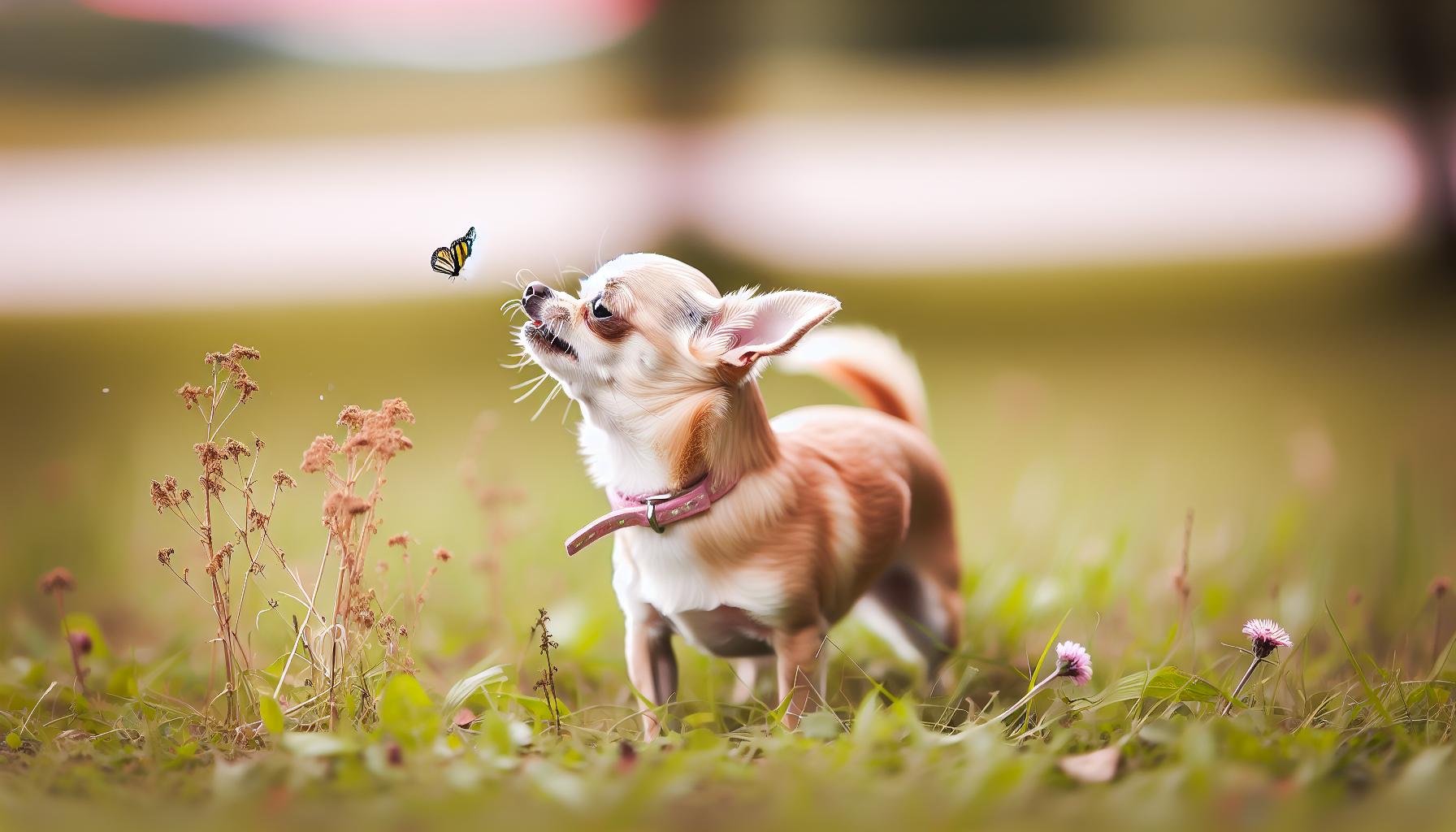
Understanding Chihuahua Personality Traits
Chihuahuas are a fascinating blend of personality traits that make them one of the most beloved and misunderstood breeds. Known for their boldness, these little dogs are more than just pocket-sized companions; they carry a big attitude. Their high-energy nature can turn into playful antics, capturing the hearts of their owners while simultaneously challenging their patience. The vibrant personalities of Chihuahuas often surprise newcomers to the breed, as their vocal nature makes them excellent guardians, alerting you to anything unusual.
The Bold and Vocal Nature of Chihuahuas
Chihuahuas are known for being vocal, often barking to communicate with their owners or assert their territory. This vocality can be both charming and a source of frustration, especially if they bark excessively. It’s important to channel this tendency positively. Engage him/her in interactive games or training sessions to minimize unnecessary barking while reinforcing good behavior.
Courageous Companions: Chihuahuas and Their Loyalty
One of the standout traits of a Chihuahua is his/her loyalty. Despite their small size, Chihuahuas are fiercely protective of their loved ones. They form strong bonds with their owners, often following them from room to room. This loyalty means they thrive on companionship, so it’s vital to ensure he/she receives ample affection and attention to avoid any signs of anxiety or insecurity.
Playfulness and Energy Levels in Chihuahuas
Chihuahuas possess a surprising amount of energy for their size, often requiring regular playtime to stay healthy and happy. Engaging him/her in activities such as fetch or agility courses can help burn off excess energy. Incorporating play into your daily routine will keep him/her stimulated, reducing potential behavioral issues stemming from boredom.
Affectionate Behavior: How Chihuahuas Show Love
Despite their independence, Chihuahuas are remarkably affectionate. They demonstrate love through cuddling, licking, and sitting in your lap. Each interaction strengthens the bond between you and your Chihuahua. It’s important to reciprocate this affection, as it not only makes him/her feel secure but also reinforces positive behavior.
In summary, understanding the unique traits of Chihuahuas-from their boldness and loyalty to their playful energy and affectionate nature-can help create a harmonious relationship between you and your little companion. By acknowledging and nurturing these characteristics, you lay the groundwork for a rewarding and fulfilling experience as a Chihuahua owner.
The Bold and Vocal Nature of Chihuahuas
Chihuahuas possess a vibrant and bold personality that often commands attention. Known for their vocal nature, these little dogs can fill a room with their expressive barks and yips, making them some of the most animated companions. This vocal trait is not merely an endearing quirk; it’s a key characteristic that plays into their role as guardians of the home. When a Chihuahua barks, it’s usually a mix of excitement, alertness, or a desire to communicate. Helping your furry friend channel this vocal energy positively can make a significant difference in both your lives.
When your Chihuahua barks, it can range from a friendly greeting to a warning of perceived threats. It’s important to remember that this behavior stems from their instinct to protect their territory and loved ones. To manage vocalization effectively, consider engaging him/her in stimulating activities. For instance, interactive toys that require problem-solving or training sessions that reward quiet behavior can help reduce excessive barking. A consistent routine of play and structured training reinforces positive communication, allowing your Chihuahua to feel heard while minimizing the need for loud alerts.
Moreover, recognizing the situations that prompt barking can help you address the triggers effectively. If he/she tends to bark at passersby or loud noises, you can introduce desensitization techniques by exposing him/her gradually to these stimuli in a controlled environment. Also, providing a cozy space where your Chihuahua feels secure can ease anxiety, leading to calmer behavior overall. When your little companion learns that barking isn’t always necessary for attention, you’ll enjoy a more peaceful home environment.
Embrace your Chihuahua’s vocal personality as part of what makes him/her uniquely charming. With love, patience, and a bit of training, you can celebrate their boldness while nurturing a calm and balanced home. It’s this blend of energy and affection that makes being a Chihuahua owner such a delightful experience, ensuring your bond grows with every bark and cuddle.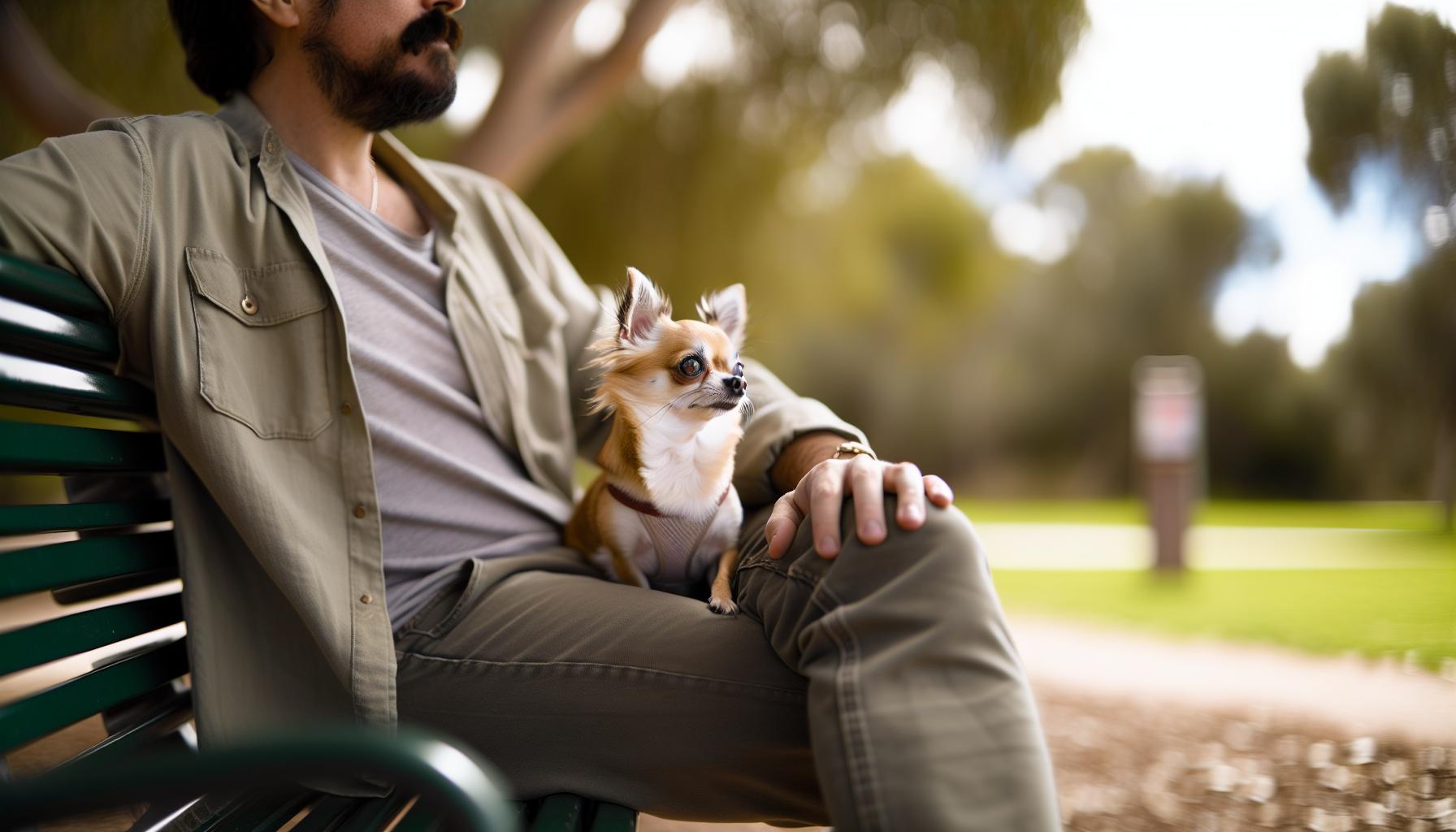
Courageous Companions: Chihuahuas and Their Loyalty
Chihuahuas are renowned for their remarkable loyalty, a trait that often surprises those unfamiliar with this small breed. Despite their tiny stature, Chihuahuas possess an enormous capacity for devotion, fiercely guarding their family and territory. This bold loyalty can manifest in various forms: from snuggling up for warmth and companionship to issuing vigilant barks at anyone they perceive as a threat. For Chihuahua owners, this endearing loyalty is both a comfort and a source of joy, creating a unique bond that can deepen as they navigate life together.
This loyalty is tied closely to the breed’s instinctual behaviors. Chihuahuas are notoriously protective of their owners, often forming a single person who becomes their “favorite.” They can be a one-person dog, sticking closely to their chosen human and even showing signs of jealousy if that human is giving attention to others. Such strong attachments highlight the importance of socialization at an early age. Introducing your Chihuahua to a variety of people and environments can help them feel secure, reducing anxiety and unwanted behaviors stemming from protectiveness.
Moreover, utilizing positive reinforcement when your Chihuahua displays loyalty in appropriate ways can foster a deeper connection. For example, if he/she alerts you to someone at the door but remains calm, reward him/her with a treat or praise. This reinforces the understanding that protecting you is valued, while also teaching them when it is appropriate to alert you versus being overly vocal.
In practical terms, creating a safe space for your Chihuahua can further enhance their loyalty. Providing cozy spots where they can feel secure while observing their environment helps reduce stress and anxiety, allowing them to remain the confident guardians they are. By understanding and embracing these loyal instincts, you enhance not only your relationship with your Chihuahua but also contribute to a well-adjusted and happy canine companion.
Playfulness and Energy Levels in Chihuahuas
Chihuahuas are often surprising in their energy and playfulness, traits that can sometimes be overshadowed by their small size. These little dogs are bundles of joy, always ready to engage in fun activities, which makes them delightful companions for both energetic outings and quiet moments at home. You might find your Chihuahua bursting with enthusiasm during playtime, whether that’s chasing after a toy or participating in a spirited game of tug-of-war. This spirited nature is part of what makes living with a Chihuahua a unique and fulfilling experience.
Understanding how to harness and direct your Chihuahua’s playfulness is essential. Regular playtime is crucial to keeping your furry friend stimulated both mentally and physically. Activities like interactive games, puzzle toys, and short daily walks can help manage their energy levels effectively. For instance, taking your Chihuahua to a secure, enclosed yard for a brief game of fetch can really allow him/her to stretch those little legs and burn off excess energy. These play sessions not only promote good health but also strengthen the bond between you and your canine companion.
Socializing your Chihuahua from an early age is equally important for managing their zest for life. Regular interactions with other dogs and people can help channel their playful spirit in positive ways, making them more adaptable and less anxious. Consider arranging playdates with other small breeds, as they usually match your Chihuahua’s energy and play style. Watching your dog romp and play with friends can truly highlight their joyful nature and deepens your understanding of their quirky personality.
Sometimes, this robust playfulness can lead to behavioral challenges, especially if your Chihuahua becomes overly excited or assertive. If you notice your dog tends to bark a lot during play, consider teaching them a cue to settle down for a moment, rewarding calm behavior. It’s all part of the process-embracing their vibrant spirit while guiding them towards appropriate play habits. With patience and practice, you can enjoy a happy, playful Chihuahua that knows when it’s time to have fun and when it’s time to chill.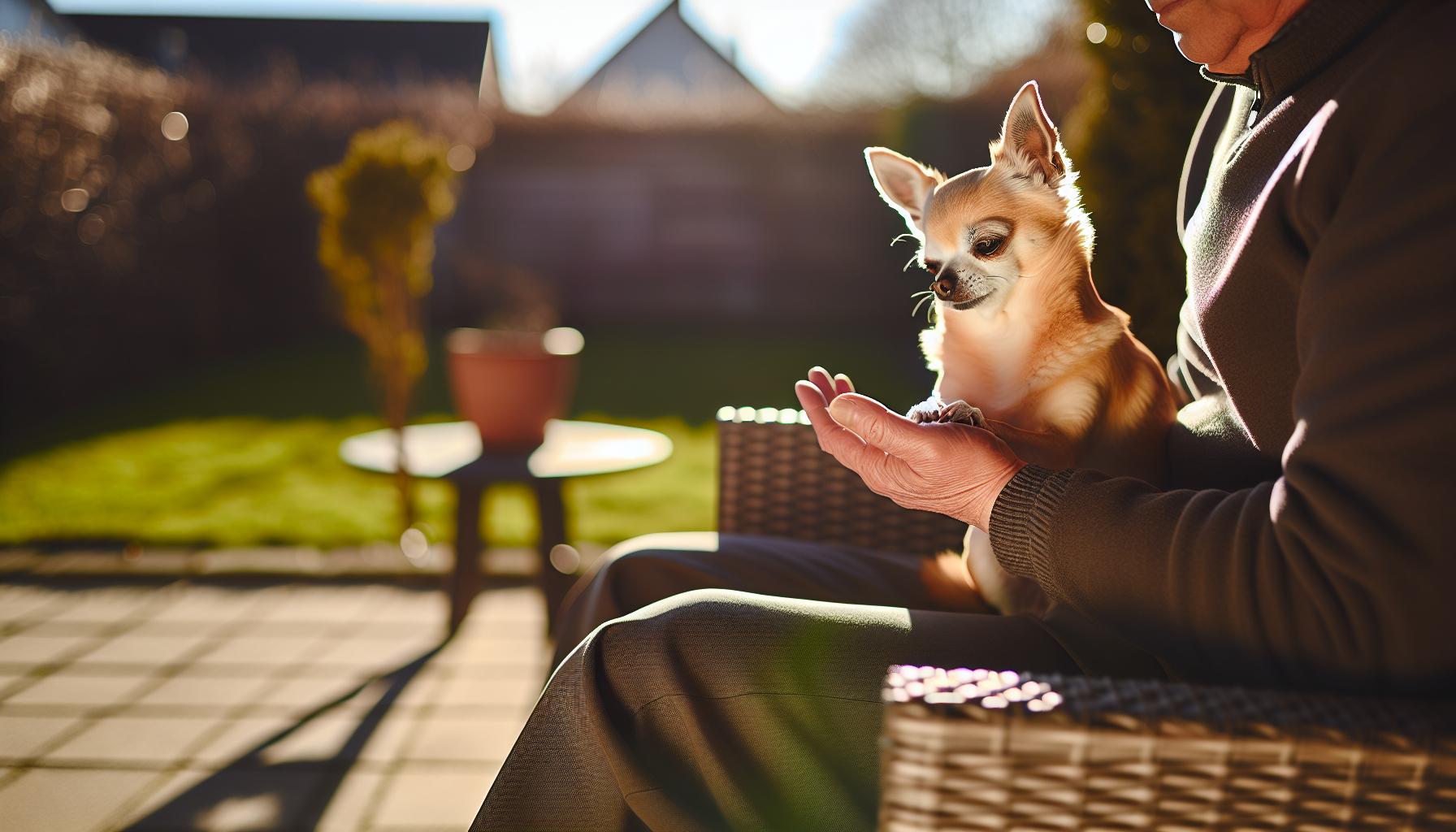
Affectionate Behavior: How Chihuahuas Show Love
Chihuahuas are often celebrated for their bold personalities, but one of their most endearing traits is how they express affection. These tiny pups have unique ways of showing love that are both charming and unmistakable. Whether he’s an apple-head or a deer-head, your Chihuahua’s affection can manifest in various delightful behaviors that will surely tug at your heartstrings.
One of the most common ways Chihuahuas demonstrate their love is through physical closeness. They are known for being lap dogs, enjoying the warmth and security that comes from snuggling with their humans. This need for closeness is not just a preference; it’s a vital part of their emotional well-being. When your Chihuahua curls up in your lap or nestles against your side, he’s not just seeking comfort; he’s bonding with you. This is where you can boost your relationship by offering regular cuddle time, creating a safe space where he feels loved and secure.
Vocalization is another hallmark of a Chihuahua’s affectionate nature. These little dogs are known for their vocal tendencies that range from sweet little whines to bold barks. A Chihuahua who happily barks upon your return home is expressing pure joy and excitement to see you, showcasing his loyalty and love. Encourage this behavior by positively reinforcing moments when he expresses excitement-reward him with treats or affection when he greets you with enthusiasm. This can help him understand that his vocalizations are appreciated and welcomed.
Moreover, Chihuahuas often display their affection through playful antics. He may bring you his favorite toy as an invitation to play, signaling a desire for interaction and connection. Engaging in play not only fulfills his need for activity but also reinforces your bond. You can deepen this connection by playing interactive games that encourage teamwork, such as fetch or hide-and-seek. When your Chihuahua actively seeks your involvement, it’s a genuine sign of his affection.
Lastly, consider how your Chihuahua shows affection through protective behavior. These tiny guardians may think they are much larger than they actually are, often barking to alert you of perceived threats. This instinctually protective nature is their way of confirming their loyalty to you. They feel safe with you and want to ensure your safety in return. Celebrate this trait by providing reassurance and positive reinforcement, letting him know his efforts are valued and appreciated.
By recognizing and nurturing these affectionate behaviors, you reinforce the loving bond between you and your Chihuahua, ensuring a fulfilling and joyful companionship.
Socialization Needs: How to Nurture Interaction
Chihuahuas may be small in size, but their socialization needs are large and essential for their overall well-being. Understanding your Chihuahua’s personality is key to helping them thrive in various environments and situations. These little dogs are naturally bold and vocal, which means they thrive on interaction, both with humans and other pets. By nurturing their social skills early on, you can cultivate a confident and well-adjusted companion.
One effective way to foster socialization is through regular exposure to different environments. Take your Chihuahua on outings, whether it’s a park visit or a stroll through pet-friendly stores. Introduce him to various people, pets, and experiences-this can include encountering children, adults, and even other dogs of different sizes. Start slow: let your Chihuahua approach new experiences at his own pace, ensuring he feels secure. If he seems overwhelmed, provide reassurance and comfort. This gradual exposure builds his confidence and reduces the likelihood of fearful reactions in new situations.
Playdates are another fantastic opportunity for socialization. Arrange meetups with other dogs, preferably those known to be friendly and well-socialized themselves. Supervised interactions will allow your Chihuahua to learn how to communicate and engage with his peers. He may exhibit his bold personality by initiating play, or he may take a step back to observe first. Both behaviors are completely normal; as your Chihuahua becomes more comfortable, he’ll engage more freely.
Also, consider incorporating training classes into your routine. Obedience training or puppy socialization classes provide structured environments where your Chihuahua can learn essential commands while interacting with others. These classes are invaluable for building a solid foundation of good behavior and social skills. Look for classes specifically designed for small breeds; they often cater to the unique needs of Chihuahuas while ensuring safety among smaller dogs.
Finally, every Chihuahua has his own unique personality. Monitor his behavior closely during social interactions. If he’s feeling anxious or stressed, it’s important to recognize these signs and give him the space he needs. With the right nurturing environment, your Chihuahua will learn to navigate the world confidently, bringing joy not only to himself but also to everyone around him.
Common Behavioral Challenges in Chihuahuas
Chihuahuas, while adorable and often seen as tiny bundles of joy, can present their owners with a unique set of behavioral challenges. Understanding these challenges is essential for nurturing a well-adjusted, happy Chihuahua. One common issue is their tendency to bark excessively. Chihuahuas are natural watchdogs-they feel it is their duty to alert you to any unusual noises. While this vocal nature can be charming, it can also become a nuisance if not managed properly. Providing consistent training on when to be quiet, along with positive reinforcement, can help mitigate excessive barking.
Another behavioral challenge is their propensity for anxiety, particularly separation anxiety. Since Chihuahuas bond closely with their owners, being left alone for extended periods can lead to stress and destructive behavior. To help alleviate this, consider gradually increasing the time you spend apart from your Chihuahua. Start with short periods and gradually extend the duration, paired with engaging toys to distract them and create a positive association with your absence.
In addition, Chihuahuas can sometimes exhibit possessive behaviors, especially when it comes to food or toys. This demeanor can lead to aggression if not addressed. To promote healthy sharing habits, utilize positive reinforcement techniques during feeding times and play, teaching your Chihuahua to behave appropriately around their treasures while remaining calm during interactions with others, humans or pets alike.
Lastly, many Chihuahuas have a tendency toward stubbornness, which can make training sessions challenging. Consistency is crucial. Use short, engaging training sessions filled with rewards and praise to keep their attention. Remember, patience is key; Chihuahuas may take a bit longer to grasp commands but celebrating small victories along the way can keep both you and your pup motivated.
By being aware of these challenges, embracing their vibrant personalities, and using thoughtful training techniques, you can help your Chihuahua flourish in your home while enjoying all the quirks that come with their breed.
Distinctive Traits: Apple-Head vs. Deer-Head Chihuahuas
The differences between apple-head and deer-head Chihuahuas are more than just aesthetic; these two types can exhibit distinct personality traits and health considerations that every owner should know. Apple-head Chihuahuas, characterized by their rounded skulls, short muzzles, and wide-set eyes, often display a bold and confident demeanor. Their adorable, compact appearance tends to make them a favorite for those seeking a “purse dog,” and they can be quite vocal, showcasing their big personalities despite their small sizes. Owners often find that apple-heads are highly affectionate and tend to bond closely with their families, frequently seeking attention and snuggles.
On the other hand, deer-head Chihuahuas have a longer, more refined appearance with a flat forehead and longer snout, reminiscent of a tiny deer. This breed type is generally known for having a calmer temperament compared to their apple-headed counterparts. Deer-head Chihuahuas can sometimes be less demanding of attention, which can make them easier to manage for first-time owners. However, they still possess the loyalty and protective nature typical of Chihuahuas, and many owners report that their deer-heads are just as playful and loving, albeit in a slightly more relaxed manner.
Understanding these characteristics helps in shaping your care approach. For instance, while apple-heads may thrive on social interactions and training sessions, deer-heads may require more encouragement to engage in play. Each type can encounter specific health challenges: apple-heads might be prone to certain respiratory issues due to their brachycephalic (short-nosed) face, while deer-heads may face concerns related to their longer bodies and joint issues. Adapting your care, including regular veterinary checks and tailored exercise plans, will greatly enhance the happiness and health of your Chihuahua, regardless of which type you choose. Always remember that every Chihuahua, whether apple-head or deer-head, is unique and will reflect their personality through a delightful combination of quirks and affections.
Training Tips for Chihuahuas’ Unique Personalities
When training your Chihuahua, it’s essential to recognize the unique personality traits that make this breed so special. Chihuahuas, whether apple-head or deer-head, are known for their boldness and strong personalities. They thrive on interaction and often respond best to positive reinforcement methods that celebrate their quirky behavior. Considering their small size, it’s easy to overlook the importance of consistent training; however, these little companions can develop bad habits if not guided properly.
Set Clear Boundaries
Begin training sessions with a set of clear commands and boundaries. Chihuahuas tend to exhibit strong personalities and might think they can get away with mischief. For instance, teaching commands like “sit,” “stay,” and “come” can help build a foundation of trust and respect. Use treats that your dog loves to reinforce positive behavior. This method works beautifully with their playful nature-most Chihuahuas will be happily motivated by food, play, or affection.
Socialization is Key
Socialization is particularly important for Chihuahuas, as they can be prone to anxiety and overprotectiveness if not exposed to various environments and people. Introduce them to different situations early on-go for walks in busy areas, invite guests over, or take them to dog parks where they can meet new friends. This exposure helps them feel more confident and reduces the likelihood of behavioral issues, such as barking or aggression toward others.
Patience and Consistency
Remember that patience is critical when training your Chihuahua. These dogs are intelligent, but they can also be a bit stubborn. If you find that your furry friend isn’t responding well, try breaking commands into smaller steps. For example, if teaching “down,” start with “sit” and only progress once she masters that. Additionally, consistency is crucial; use the same commands and signals for behaviors, ensuring everyone in the household is on the same page.
Training your Chihuahua is not just about obedience; it’s about building a bond based on trust and understanding. Embrace their exuberance and cheeky spirit while setting a structure that helps them thrive. With the right approach, your Chihuahua will not only learn commands but also how to channel their unique personality into being the wonderful companion they were bred to be.
Grooming Considerations for Different Coats
Grooming your Chihuahua is not just about aesthetics; it plays a vital role in their overall health and comfort. With two distinct coat types-smooth and long-haired-each requiring different care approaches, understanding these needs ensures that your small companion stays happy and healthy.
Chihuahuas with smooth coats need less frequent grooming but still benefit from regular brushing. A soft-bristled brush or grooming glove can help remove loose hair and dirt while promoting circulation. Aim for a thorough brushing once a week, and don’t forget to check their ears and skin folds for any signs of irritation or infection, as these areas can collect debris and moisture. Regular bathing is essential, but be cautious not to overdo it; bathing once every few months with a mild dog shampoo should suffice to keep your Chihuahua clean without stripping their natural oils.
For those with long-haired coats, grooming is a bit more involved. These beauties require more frequent brushing-ideally every other day-to prevent tangles and mats. Use a slicker brush to detangle and remove loose hair, and consider a metal comb for finer detail work. This regular care not only keeps their coat looking its best but also helps you check for any skin issues or parasites, which can be hidden under their luxurious fur. In addition to brushing, long-haired Chihuahuas may require occasional trimming around the paws and around the eyes to maintain visibility and cleanliness.
Bathing Schedule
Regardless of coat type, maintaining a proper bathing schedule is crucial. Here are some quick tips:
- Smooth Coats: Bathe every 2-3 months.
- Long Coats: Bathe every 4-6 weeks, or as needed.
Always ensure you use shampoo formulated for dogs, as human products can irritate their skin. After bathing, be sure to dry your Chihuahua thoroughly; they can get cold quickly due to their small size. If your Chihuahua has a specific smell or becomes dirty, don’t hesitate to give them an extra rinse between scheduled baths.
Proper grooming enhances your Chihuahua’s natural beauty and provides an opportunity for bonding and interaction, which aligns perfectly with their social nature. Establishing a routine will help your Chihuahua become accustomed to grooming, making it a positive experience for both of you. Celebrate their unique traits, and enjoy the process-your bond will only strengthen through this shared activity!
Health Considerations Affecting Personality
When it comes to Chihuahuas, their vibrant personalities are often shaped by a variety of health considerations that owners should keep in mind. Just like humans, a dog’s health can significantly impact their behavior and temperament. For instance, issues such as dental disease are particularly relevant in this breed, as Chihuahuas are prone to oral health problems due to their small mouths. Poor dental hygiene can lead to pain, which may cause a normally affectionate dog to become irritable or withdrawn.
Additionally, Chihuahuas are prone to specific conditions like patellar luxation and heart disease, which can affect their overall disposition. A Chihuahua suffering from joint pain or cardiac issues may be less energetic and more stressed, diminishing their playful spirit. Thus, regular vet check-ups are essential to catch any health problems early. Owners should look for signs of discomfort, such as limping or unusual vocalizations, which can provide valuable insight into their little buddy’s well-being.
Diet also plays a crucial role in a Chihuahua’s temperament. Feeding them a balanced, high-quality diet helps maintain their energy levels and contributes to their overall health. A well-nourished Chihuahua is often a happier, more vibrant participant in your family activities. Additionally, be mindful of their weight, as obesity can lead to a range of health issues affecting mobility and energy levels, ultimately influencing their personality.
Lastly, consider the impact of your Chihuahua’s environment on their mental health. Stressors-whether they be changes in the household, the addition of new pets, or loud noises-can lead to anxiety, manifesting in behaviors like excessive barking or destructive tendencies. Providing a stable, loving environment and engaging in regular mental stimulation and play can help mitigate these issues, ensuring your Chihuahua remains the spirited companion you cherish. Always remember, a healthy Chihuahua is not just about physical care; it’s about nurturing their emotional well-being too.
Adopting a Chihuahua: What to Expect
When welcoming a Chihuahua into your home, prepare for a delightful adventure filled with personality, quirks, and unwavering loyalty. Known for their boldness despite their small stature, Chihuahuas often carry a big presence in their adoptive families. These spirited little companions thrive on interaction and can quickly become the center of attention, showcasing their vibrant temperaments.
Before bringing one home, it’s important to understand the unique needs of this breed. Chihuahuas are often seen as fierce guardians, making them great watchdogs, but this also translates into a tendency to be vocal. Early socialization and exposure to various environments can help curb excessive barking and build their confidence. Consider engaging them in fun playdates and puppy classes, which not only promote socialization but also strengthen the bond you share.
In terms of health, be prepared to maintain a regular vet routine. Chihuahuas can be prone to dental issues, patellar luxation, and heart problems. Establishing a comprehensive healthcare plan early on can prevent many health challenges. Little Max, a long-haired Chihuahua, was adored by his owner not just for his charming personality, but also because she prioritized his dental care, leading to a happy, healthy life. Remember, a well-cared-for Chihuahua is likely to be a more affectionate and playful companion.
You’ll also want to consider their environment. Chihuahuas do best in homes where they feel secure and loved. Establish a cozy, safe space for your new friend, complete with a soft bed and toys to encourage play. Their small size makes them vulnerable to larger pets, so close supervision during interactions is necessary. With patience and understanding, these little companions will not only adapt to their new homes but also thrive, bringing endless joy and a splash of sass into your life.
FAQ
Q: Why are Chihuahuas so vocal?
A: Chihuahuas are naturally vocal due to their instinct to protect their territory and alert their owners. This bold trait is rooted in their history as watchdogs. To manage excessive barking, consider training techniques and socialization methods from the Bold and Vocal Nature section in the main article.
Q: What makes Chihuahuas affectionate companions?
A: Chihuahuas are known for their strong loyalty and affection toward their owners. They often bond deeply, seeking closeness and comfort. You can nurture this bond through consistent interaction and positive reinforcement, as mentioned in the Affectionate Behavior section of the article.
Q: Are Chihuahuas easy to train?
A: While Chihuahuas can be trained, their strong-willed nature requires patience and consistency. Start with basic commands and use positive reinforcement to encourage good behavior. More training tips can be found in the Training Tips for Chihuahuas’ Unique Personalities section.
Q: How do I socialize my Chihuahua effectively?
A: Socialization is crucial for Chihuahuas. Begin exposing them to various environments, people, and other pets at a young age. Gradual introductions can help develop confidence and reduce fearfulness. See the Socialization Needs section for detailed strategies.
Q: What health issues are common in Chihuahuas that affect behavior?
A: Chihuahuas may face health issues like dental problems and patellar luxation, which can influence their mood and behavior. Regular vet check-ups and proper care are essential. For insights on how health affects personality, refer to the Health Considerations Affecting Personality section.
Q: How can I reduce aggressive behavior in my Chihuahua?
A: To address aggression in Chihuahuas, consistent training and positive reinforcement are key. Focus on socializing your dog early and redirecting negative behaviors with treats and praise. The Common Behavioral Challenges in Chihuahuas section offers further assistance.
Q: Do male and female Chihuahuas behave differently?
A: Yes, male and female Chihuahuas can exhibit different behaviors. Males may be more assertive and territorial, while females can be nurturing but might show independence. Explore these distinctions in the Distinctive Traits section of the article to understand your pet’s behavior better.
Q: How can I tell if my Chihuahua is happy?
A: A happy Chihuahua displays behaviors like tail wagging, playful interactions, and seeking affection from their owner. Regular exercise and mental stimulation contribute significantly to their happiness. Check the Affectionate Behavior section for cues on your Chihuahua’s emotional well-being.
Insights and Conclusions
Understanding Chihuahuas truly enriches your experience as a pet owner. These spirited little companions are not just fiercely loyal; they also come with unique personality traits that can be delightful yet challenging. Remember their boldness and vocal nature! If you’re looking to dive deeper into your Chihuahua’s health and care specifics, check out our guides on Chihuahua nutrition and training tips.
Don’t miss out on more tips tailored for your furry friend-subscribe to our newsletter for insights directly to your inbox! Have questions or stories about your Chihuahua? We’d love to hear from you in the comments below; sharing helps our community grow stronger. Continue exploring our resources today, and embrace the marvelous quirks that make Chihuahuas a joy to have by your side!
Get our latest guides, news, and insights highlighted in your Google Search & AI Overviews.