

Is your Chihuahua suddenly turning up their nose at mealtime? You’re not alone! Many Chihuahua owners face this puzzling behavior. Understanding why your little companion might refuse food is crucial, as it can indicate health issues, stress, or simply a dislike for their current diet. In this guide, we’ll explore the common reasons behind this behavior and offer practical solutions to help your furry friend regain their appetite. Whether you’re a first-time owner or a seasoned Chihuahua lover, you’ll find valuable insights tailored to the unique quirks of this bold and loving breed. Let’s dive into the heart of the matter and ensure your Chihuahua is happy and healthy at mealtime!
Understanding Your Chihuahua’s Eating Habits
can reveal a lot about his overall health and wellbeing. Chihuahuas, with their bold personalities and tiny frames, often display unique eating behaviors influenced by their individual temperaments and physical needs. Some may nibble delicately at their food, while others dive right in, displaying a strong appetite-or a sudden refusal to eat. As a passionate Chihuahua enthusiast, it’s important to recognize that these small dogs are not just picky; they often have specific needs that dictate their eating habits.
To truly understand why your Chihuahua might be hesitant about meals, consider a few factors that might be at play. Chihuahuas can be influenced by their environment; for instance, if mealtime happens in a noisy kitchen or during a bustling family gathering, he may feel stressed or distracted. It’s also essential to note that Chihuahuas can be sensitive to changes in their food. A sudden switch in diet or new flavors might lead to refusal, as they thrive on consistency. Additionally, their small size means that even minor tummy upset can lead to temporary loss of appetite.
Bear in mind that health concerns can play a significant role in your Chihuahua’s eating habits as well. Tiny dogs can face various health issues that might affect their appetite, such as dental problems, gastrointestinal issues, or general discomfort. If your Chihuahua consistently refuses food or shows changes in behavior, it’s wise to consider a veterinary check-up to rule out any underlying problems. Just like their larger counterparts, Chihuahuas depend on a balanced diet to maintain their energy levels and vibrant personalities, so keeping an eye on their eating habits is crucial.
By paying attention to your Chihuahua’s preferences and aversions, you can create a positive eating environment that fosters better eating habits. Whether it’s choosing a quiet, cozy spot for meals or offering smaller, more enticing portions, small changes can make a significant difference. After all, understanding your furry friend’s eating habits isn’t just about nutrition-it’s about building a bond through mindful care and compassion.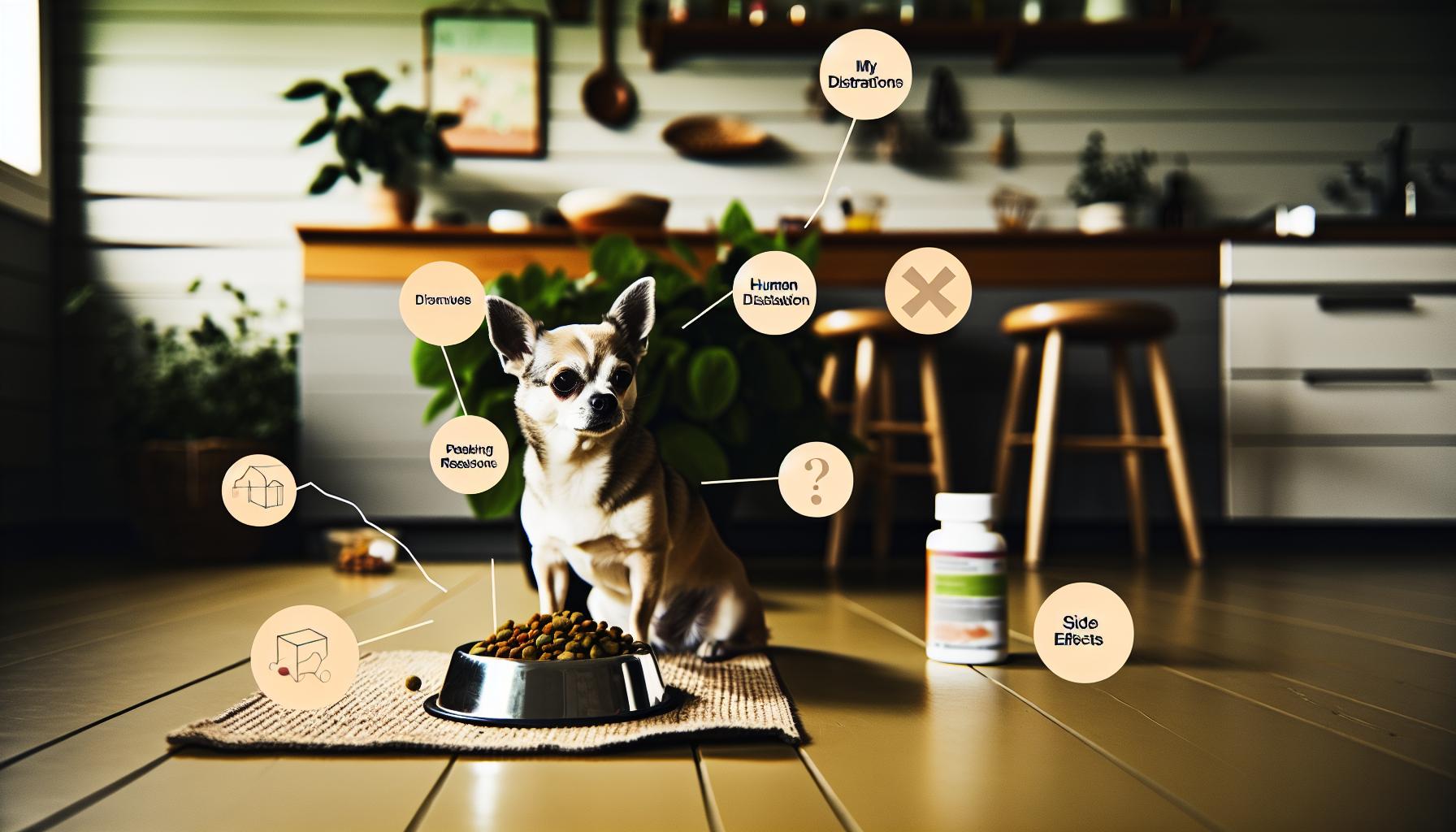
Common Reasons Why Chihuahuas Refuse Food
Chihuahuas, with their charming personalities and tiny frames, can sometimes exhibit puzzling eating behaviors. If your little companion is turning up their nose at food, it could stem from a variety of factors, some more common than others. Understanding these reasons can help you provide better care and ensure your Chihuahua stays healthy and happy.
One primary reason your Chihuahua might refuse food is environmental stress. These little dogs are known for their sensitivity to noise and commotion. For instance, if mealtime coincides with a busy household or loud noises, your Chihuahua may feel uneasy and choose to skip their meal. Creating a calm, quiet feeding area can dramatically improve their appetite.
Additionally, Chihuahuas are creatures of habit. A sudden switch in their diet or the introduction of new flavors can lead to reluctance at mealtime. If you’ve changed brands or tried to offer a different type of food, your Chihuahua might refuse it simply because they prefer the familiar taste and texture. This highlights the importance of gradually introducing any dietary changes and sticking to a consistent feeding routine.
Health issues can also influence your Chihuahua’s eating habits. Dental problems, such as tooth decay or gum disease, are not uncommon in small breeds and can make chewing painful. If you notice signs like excessive drooling or difficulty eating, it’s crucial to consult your veterinarian. Gastrointestinal issues, food sensitivities, or even stress-related conditions can further complicate their willingness to eat. Regular veterinary check-ups are essential in catching any potential underlying health problems early.
Finally, behavioral factors play a significant role. Chihuahuas can be quite particular about their food preferences, and they may also refuse a meal if they’re not feeling well or if they’ve recently had a change in routine. Watching for these indicators and providing a supportive environment can encourage your Chihuahua to enjoy their meals again. Always remember, your dedication to understanding their needs not only nurtures their physical health but also strengthens the bond you share.
Health Issues that Affect Eating in Chihuahuas
Chihuahuas are known for their bold personalities and tiny frames, but when it comes to mealtime, they can be surprisingly finicky. If your little companion is refusing food, it could signal underlying health issues that deserve attention. The most common contributors to their reluctance to eat include dental problems, gastrointestinal disorders, and potential food sensitivities.
Dental health is paramount for the Chihuahua breed. With their small mouths, dental issues such as tooth decay or gum disease can be particularly painful and can discourage her from eating. Look out for signs like excessive drooling, bad breath, or difficulty chewing. Regular dental checkups and cleanings can help maintain their oral health. Consider offering softer food or even specific dental treats designed to keep their teeth clean without causing discomfort.
Another area to consider is gastrointestinal upset. Chihuahuas can experience sensitivities to certain ingredients, leading to nausea or stomach upset, which could make her turn away from her bowl. If your Chihuahua is displaying signs like vomiting, diarrhea, or a bloated stomach, it may be time to review her diet. Consult with your veterinarian to identify any food intolerances or to rule out more serious digestive issues. They may recommend a special diet to help resolve any stomach problems and restore your furry friend’s appetite.
It’s also important to be aware of other health conditions that can affect her eating habits. Conditions like pancreatitis, kidney disease, or diabetes can manifest through a change in appetite. If your Chihuahua’s refusal to eat persists or is accompanied by other concerning symptoms, such as weight loss, lethargy, or changes in behavior, it’s crucial to seek veterinary advice promptly.
By paying close attention to her health and being proactive about regular checkups, you can help ensure that your Chihuahua enjoys her meals and stays happy and healthy.
Behavioral Factors in Chihuahua Feeding Challenges
When it comes to Chihuahuas and their eating habits, understanding their behavioral quirks is key to solving mealtime mysteries. These little companions are not only bold and spirited but can also be quite particular about their food preferences and eating environments. Behavioral challenges can often stem from their unique personalities; for instance, a Chihuahua may prefer to eat in a quiet, familiar space where they feel secure. If there’s too much noise or activity, she might be too anxious to enjoy her meal.
Additionally, Chihuahuas are notorious for their discerning palates. If previous meals have included higher-quality or particularly tasty options, a sudden switch to a less appealing brand or flavor can lead to food avoidance. Owners often find that their Chihuahua will refuse to eat if they sense that something is off with their food, even if there’s nothing wrong with it. Supplementing meals with a sprinkle of chicken broth or mixing in a small amount of wet food can sometimes coax your picky eater back to the bowl.
Another behavioral factor is their tendency to eat in dainty bites rather than gulping down their food. This can be a reflection of their playful side; they might prefer to take their time and savor each morsel rather than rush through a meal. Engaging your Chihuahua in a little fresh playtime before meals can help channel some of their energy and might improve their appetite. Moreover, offering treats during training or as rewards can create a positive association with their feeding time.
Finally, remember that many Chihuahuas are creatures of habit. Establishing a consistent feeding routine can promote a sense of security and predictability that encourages her to eat. Try to feed her at the same times each day, and if possible, use the same spot for meals. Over time, this routine can help alleviate anxiety around eating and might just encourage her to clear her bowl with enthusiasm. Keeping these behavioral insights in mind can empower you to create a more enjoyable dining experience for your little companion.
How to Encourage Your Chihuahua to Eat
When your spirited Chihuahua turns up his nose at food, it can leave you puzzled and concerned. These tiny companions often exhibit quirks during mealtime that can stem from their unique personalities, and understanding these behaviors can help you coax them back to the bowl. One effective method to encourage your Chihuahua to eat is to enhance the flavor and appeal of their meals. For instance, try adding a drizzle of low-sodium chicken broth or a small amount of wet food mixed in with their kibble. This not only entices their senses but also makes the food more enjoyable, especially for those picky eaters.
Creating a comfortable and inviting eating environment is equally important. Chihuahuas, being naturally sensitive to their surroundings, often prefer quiet and familiar spaces for their meals. Designate a specific spot in your home where he can feel secure, away from loud noises or bustling activities. Be consistent with the timing of meals, as a regular routine can create a sense of security that encourages him to eat. Feeding him at the same times each day helps establish predictability and comfort, which can alleviate anxiety around feeding times.
Additionally, incorporating playtime before meals can stimulate his appetite. Engage your Chihuahua in a short session of fetch or a playful tug-of-war; this can help burn off some energy and make him more inclined to eat afterward. Some owners have found success by using interactive feeding toys that dispense food gradually, making mealtime an engaging activity rather than a chore. By celebrating your Chihuahua’s unique quirks and understanding his needs, you create a positive and loving atmosphere that will not only encourage him to eat but also strengthen your bond.
The Role of Nutrition in Your Chihuahua’s Appetite
The importance of nutrition in your Chihuahua’s diet cannot be overstated, especially when it comes to their appetite. Chihuahuas, with their small stature and fast metabolisms, require carefully balanced meals to not only provide energy but also to maintain their unique health needs. A well-rounded diet specifically formulated for small breeds ensures that your tiny companion receives the right nutrients in every bite.
When considering nutrition, it’s essential to choose high-quality dog food that lists real meat as the primary ingredient, as Chihuahuas thrive on protein for muscle maintenance and energy. Foods enriched with omega fatty acids, vitamins, and minerals can also support their skin and coat health, which is particularly vital for those with longer fur. For example, a Chihuahua with a shiny coat is often healthier and tends to have a more robust appetite. If your dog seems disinterested in food, it may be worthwhile to reflect on the nutrient density of the meals you’re providing.
Moreover, the texture and flavor of their food play significant roles in appealing to your Chihuahua’s tastes. Many owners find success by incorporating a mix of dry kibble and wet food to create variety, as some Chihuahuas may have preferences for certain textures. It’s also beneficial to periodically switch flavors or brands to keep mealtime exciting. Just remember to do this gradually to avoid gastrointestinal upset.
Providing the right nutrition isn’t only about the food itself but also about how and when you feed. Establishing a routine helps Chihuahuas feel secure, which can improve their overall appetite. If your pup still shows reluctance to eat, it could be a matter of hydration. Ensure fresh water is always available, as dehydration can suppress appetite. If its hydration levels are low, even the most tantalizing meal may not attract your little one.
Understanding the nutritional requirements specific to Chihuahuas can help you create a tailored feeding plan that not only meets their caloric needs but also supports their individuality. With patience and some experimentation, you can help your furry friend rediscover the joy of mealtime.
Feeding Strategies for Picky Chihuahuas
Chihuahuas are known for their strong personalities, and sometimes that translates into being overly selective about their food. As a loving owner, it can be frustrating to see your little companion turn their nose up at meals meant to nourish them. Fortunately, there are several effective strategies to help even the pickiest of Chihuahuas develop a healthier relationship with their food.
To start, consider introducing variety and excitement to your Chihuahua’s meals. Just like us, dogs can grow bored with their food, particularly if they eat the same thing day in and day out. Mixing dry kibble with high-quality wet food can create a palatable blend that appeals to their taste buds. Furthermore, adding small amounts of warm water or low-sodium broth can enhance aroma and flavor, making mealtime much more enticing. Remember that Chihuahuas often enjoy different textures, so providing a combination can awaken their culinary curiosity.
Another way to encourage better eating habits is through meal scheduling. Establish regular feeding times that allow your Chihuahua to anticipate and prepare for mealtime. Creating a routine not only adds structure but can help him feel more secure. Be consistent, and remember to remove uneaten food after 15 to 20 minutes. By doing this, you send the message that mealtime is finite, which may make him more inclined to eat when food is available. Chihuahuas are smart and will quickly learn that mealtimes are their opportunities to enjoy what you are offering.
Additionally, you might want to experiment with homemade additions to their diet. Some Chihuahuas react positively to small amounts of fresh fruits or vegetables-think cooked sweet potatoes, green beans, or apples (without seeds). Always introduce new foods gradually and in moderation to monitor for any adverse reactions. For many dogs, particularly those as discerning as our tiny friends, the challenge might lie in their sensitive ranges of taste and smell.
Finally, create a positive eating environment that minimizes distractions. Keeping the feeding area calm and free of noise helps them focus on their meal. Some Chihuahuas might even prefer to eat in a cozy space, away from bustling household activities. An inviting atmosphere can alleviate any anxiety about eating, fostering a nurturing experience for your furry friend.
By employing these feeding strategies, you can transform mealtime from a frustrating ordeal into a delightful experience for your Chihuahua, ensuring she receives the nourishment she needs while respecting her unique personality.
When to Consult a Veterinarian About Eating Issues
If your Chihuahua has suddenly lost interest in food or is refusing to eat for an extended period, it’s essential to recognize that this can indicate underlying health issues. Chihuahuas, with their delicate frames and unique metabolisms, can be particularly sensitive to changes in their health. A dog who skips meals may be experiencing discomfort, pain, or even stress. Observing your Chihuahua closely can help you decide when it’s time to reach out to your veterinarian for guidance.
There are several red flags that should prompt a visit to the vet. If your little friend has not eaten for more than 24 hours or shows signs of lethargy, vomiting, or diarrhea, it’s crucial to seek professional help. These symptoms can signify serious conditions such as pancreatitis, gastrointestinal obstructions, or dental issues, especially common in Chihuahuas due to their small mouths and teeth placement. Additionally, if you notice sudden weight loss or unusual behavioral changes-like increased aggression due to discomfort-it’s time to consult a vet.
Another aspect to consider is age and overall health. Older Chihuahuas or those with pre-existing health conditions may struggle with changes in appetite more than their younger counterparts. Regular health check-ups can help catch potential problems early. If your Chihuahua has been diagnosed with conditions such as renal disease or diabetes, specific dietary adjustments may be necessary to maintain their health. In these cases, your veterinarian can recommend tailored feeding strategies that ensure your Chihuahua consumes adequate nutrition while managing their health requirements.
In summary, while it’s not uncommon for Chihuahuas to be picky eaters, persistent refusal to eat can be more than just a quirk-it’s often a signal that warrants prompt veterinary attention. Always prioritize your furry companion’s well-being and don’t hesitate to advocate for their health if you notice anything unusual. Remember, being proactive can enhance your Chihuahua’s quality of life and ensure they remain the vibrant, loyal companions you adore.
Understanding Chihuahua Allergies and Food Sensitivities
Chihuahuas, with their vivacious personalities and tiny frames, can sometimes have complex relationships with food, particularly due to allergies and food sensitivities. Many owners are surprised to learn that their furry companions can experience food-related issues, often leading to a refusal to eat. Just like humans, Chihuahuas can be allergic to certain ingredients, which may cause discomfort not only during meal times but also throughout their daily lives.
Identifying food allergies in your Chihuahua can be a nuanced process. Common allergens include certain proteins, grains, and additives found in many commercially available dog foods. If you suspect your Chihuahua might be reacting negatively to something they’re eating, consider their diet closely. Look out for symptoms such as itching, excessive licking, or gastrointestinal upset following meals. These signs could indicate that your little companion might need a change in diet. A food elimination trial, wherein you feed your Chihuahua a limited ingredient diet for several weeks, can help pinpoint specific sensitivities.
Common Allergens to Avoid
- Chicken: Frequently used in dog food, chicken can trigger allergic reactions in some Chihuahuas.
- Beef: Another common protein that may cause issues.
- Dairy: It’s a delight for some, but many dogs lack the enzymes to digest lactose properly.
- Grains: Wheat and corn can lead to allergies or intolerances in many dogs.
- Additives: Preservatives and artificial flavors are also culprits that can affect their appetite.
If your Chihuahua shows reluctance to eat after a dietary change or during fluctuations in their routine, this could be a reflection of their sensitive nature. Chihuahuas thrive on consistency and familiarity, so sudden changes-like a new food brand or flavor-might not sit well with them. An excellent way to manage this is by offering a balanced, high-quality diet that meets their nutritional needs while being careful not to mix too many new foods at once.
In cases where you suspect food allergies are affecting your Chihuahua’s appetite, it’s vital to consult with a veterinarian. They can recommend appropriate food trials or hypoallergenic diets that ensure your playful friend can enjoy his meals without discomfort. Remember, being attuned to your Chihuahua’s eating habits and potential sensitivities will contribute significantly to their overall health and happiness.
Choosing the Right Food for Your Chihuahua’s Needs
When selecting the right food for your Chihuahua, understanding their unique needs is paramount. These little dynamo pups have specific dietary requirements that can drastically influence their health, energy levels, and overall happiness. Chihuahuas typically weigh between 2 to 6 pounds, and their tiny sizes mean that even the smallest dietary imbalance can lead to significant health issues. This is why choosing high-quality food tailored to their size, age, and activity level is crucial.
Look for dog foods specifically formulated for small breeds, as these often contain the right amount of nutrients and energy. High-quality protein should be the first ingredient; sources like chicken or fish provide essential amino acids necessary for muscle maintenance and overall health. Additionally, healthy fats from sources like fish oil contribute to a shiny coat and skin health, which is important for many Chihuahuas who may have sensitive skin.
Chihuahuas also face specific health concerns such as dental issues. Choose kibble that is small and designed to promote dental hygiene, as the crunch can help reduce tartar buildup. If your Chihuahua has particular sensitivities or allergies, consider limited ingredient diets that avoid common allergens like chicken or grains. Brands offering grain-free options or those focused on novel proteins such as duck or lamb can be beneficial if you notice your pup reacting negatively to standard ingredients.
Don’t forget hydration; Chihuahuas can be prone to urinary tract issues, so ensuring your pup has access to fresh water at all times is essential. Additionally, monitor your Chihuahua’s weight and adjust portions accordingly to prevent obesity, which can further complicate their tiny bodies. If you’re ever uncertain about food choices, consulting with your veterinarian can provide tailored recommendations based on your Chihuahua’s specific health profile and lifestyle. Remember that the right food is key to keeping your bold little companion vibrant and full of life!
Tips for Creating a Positive Eating Environment
Creating a positive eating environment for your Chihuahua can make a significant difference in their willingness to eat and overall enjoyment during mealtime. A calm, familiar setting can alleviate stress and help foster a better relationship with food. Consider this: even the tiniest of Chihuahuas can be sensitive to their surroundings, so small adjustments can have a big impact on their appetite.
Start by selecting a quiet, consistent place in your home for meals. Chihuahuas, known for their bold personalities yet delicate natures, thrive in environments where they feel secure. Ensure this space is free from loud noises, hustle, and bustle that might distract or scare your pup. You might even notice your Chihuahua prefers dining at certain times of the day. Observing these patterns can guide you in establishing a routine that feels safe for him, which can help in overcoming any food aversion.
Next, consider the dining setup. Use a low, non-slip bowl specifically designed for small breeds. This not only ensures that he can easily access his food but also creates a sense of comfort. You can even add warmth by using mats or bedding that smells like home. If your Chihuahua is a bit finicky, try feeding him in a secluded area where he feels less vulnerable, away from the hustle of daily life. Some owners find that placing their Chihuahua’s food near their own dining area allows their pet to feel included and relaxed during mealtimes.
Lastly, engage positively during feeding time. Use encouraging tones, and maybe even some gentle praise when your Chihuahua approaches his bowl. Incorporating a short playtime before meals can also whet his appetite, making him more eager to eat. If he still seems hesitant, consider offering meals in smaller portions throughout the day rather than at the usual mealtime, which can prevent creating pressure around eating. Chihuahuas love routine but also enjoy variety, so mixing up flavors or textures with different food can add excitement to their mealtime as well.
In summary, a positive eating environment is all about making mealtimes stress-free and enjoyable. Pay attention to your Chihuahua’s preferences and habits, and create a space that feels safe and welcoming. Just like us, our little companions thrive when their surroundings are comfortable and reassuring-so take the time to craft an inviting atmosphere that caters to his needs, and watch as mealtime becomes a cherished part of his day!
Monitoring Your Chihuahua’s Weight and Health
Keeping an eye on your Chihuahua’s weight and overall health is critical, especially if she’s showing signs of reluctance to eat. Being a tiny breed, Chihuahuas are naturally more susceptible to health issues related to their dietary habits and weight fluctuations. A healthy Chihuahua typically has a weight range between 2 to 6 pounds, depending on her frame and age. Weight that strays far from this spectrum can lead to a host of problems, from joint issues to heart disease, so regular monitoring is essential.
To effectively gauge your Chihuahua’s health, start with a straightforward approach to weigh her. Use a digital scale, and do this weekly or biweekly. Remember, any sudden weight loss or gain should raise a red flag. You can also perform physical checks by feeling for her ribs. Ideally, you should be able to feel them without excessive pressure but not see them when she’s standing. Additionally, it’s a good idea to keep track of any subtle behavioral changes. If your usually sprightly companion becomes lethargic or disinterested in playtime, it might indicate something isn’t quite right.
Creating a feeding schedule can also play a vital role in both her appetite and weight management. Establish set feeding times rather than leaving food out all day; this routine can help in regulating her eating habits. When you do feed her, observe her eating patterns. If she consistently leaves food behind or shows disinterest, it’s time to reassess her diet. Sometimes, Chihuahuas can be particular about textures or flavors, so don’t hesitate to experiment with different high-quality small breed formulas that cater to her unique palate.
Consulting a veterinarian should be a priority if you notice persistent issues in her eating habits or major shifts in her weight. They can help rule out health concerns like dental issues, gastrointestinal problems, or even underlying metabolic disorders. A professional can also guide you in choosing the best food tailored to her specific needs, ensuring she receives the right balance of nutrients. Your commitment to can lead to swift action, ensuring her well-being and happiness as you both navigate the joys and challenges of pet ownership.
Frequently asked questions
Q: Why is my Chihuahua suddenly refusing to eat?
A: A sudden refusal to eat in your Chihuahua can stem from stress, changes in routine, or potential health issues. Monitor for other symptoms and consider environmental factors. If this persists for more than a day or two, consult your veterinarian for an assessment and tailored advice.
Q: How can I tell if my Chihuahua is sick if he won’t eat?
A: If your Chihuahua won’t eat, look for signs of illness such as lethargy, vomiting, diarrhea, or unusual behavior. These symptoms may indicate a more serious issue requiring immediate veterinary attention. Keeping a diary of changes in behavior and eating habits can also aid the vet in diagnosis.
Q: What are some solutions for a picky Chihuahua?
A: To address pickiness, try warming food slightly, mixing wet and dry food, or offering high-quality treats. Consistency is key; stick to a feeding schedule and avoid giving too many snacks to encourage better eating habits. Refer to our section on Feeding Strategies for Picky Chihuahuas for more tips.
Q: Could my Chihuahua’s allergies cause him to refuse food?
A: Yes, food allergies or intolerances can lead to a refusal to eat. If your Chihuahua shows signs like itching or gastrointestinal upset, consider an elimination diet under veterinary guidance to identify the allergen. Learn more in our article on Understanding Chihuahua Allergies and Food Sensitivities.
Q: When should I worry about my Chihuahua not eating?
A: If your Chihuahua hasn’t eaten for over 24 hours or displays additional concerning symptoms (vomiting, lethargy, diarrhea), it’s critical to consult a veterinarian promptly. Early intervention can prevent serious health complications.
Q: How does my Chihuahua’s environment affect his appetite?
A: Your Chihuahua’s eating habits can be influenced by their environment. High-stress situations or disruptions, such as loud noises and frequent visitors, can cause appetite loss. Creating a calm, quiet feeding space may help improve his willingness to eat.
Q: Is it normal for my Chihuahua to skip meals occasionally?
A: It can be normal for a Chihuahua to skip meals occasionally; however, consistency is vital for their health. If your Chihuahua frequently refuses meals, investigate potential underlying causes or changes in routine that could be affecting his behavior.
Q: How does the type of food affect my Chihuahua’s appetite?
A: The quality and type of food you offer can significantly impact your Chihuahua’s appetite. Premium dog foods with appealing flavors, balanced nutrition, and proper textures can stimulate interest. Always choose food that meets your Chihuahua’s dietary needs, ensuring it’s suitable for his age and health.
The Conclusion
If your Chihuahua isn’t eating, it’s time to act! Remember, understanding his unique needs is key to ensuring his health. Address his dietary preferences, consult your vet for any underlying issues, and be patient as you try new strategies. For more insights, check out our guides on “Understanding Chihuahua Behavior” and “Best Foods for Your Chihuahua”-these can provide deeper knowledge that enhances your care routine.
Don’t miss the chance to keep your Chihuahua happy and healthy! Sign up for our newsletter for more tips and support tailored just for Chihuahua owners. Your little companion deserves the best, and you have the power to make his meals a delightful experience. Ready to explore more? Share your thoughts in the comments, and connect with other passionate Chihuahua parents in our community. After all, we’re in this together to celebrate the unique joys and quirks of our beloved Chihuahuas!
Get our latest guides, news, and insights highlighted in your Google Search & AI Overviews.