

As a proud Chihuahua owner, you know that your tiny companion is more than just a pet; he’s a beloved member of your family. Chihuahuas, with their bold personalities and unshakeable loyalty, can sometimes disguise their discomfort, making it difficult to know when they’re in pain. Understanding the signs of pain in your dog is crucial for ensuring his well-being and happiness. From subtle behavioral changes to physical cues, recognizing pain early can lead to prompt veterinary care, helping maintain your Chihuahua’s quality of life. Let’s explore the common signs that may indicate your furry friend is suffering, so you can provide him the comfort and care he deserves. Understanding these signs will empower you to be a more attentive and compassionate owner, ready to respond whenever your little one needs you.
How to Identify Pain in Your Chihuahua
Recognizing pain in your beloved Chihuahua can be challenging, especially given their tiny stature and bold demeanor. Chihuahuas are known for their vivacious personalities, but when they are in distress, their usual spirit may diminish, leaving you worried and uncertain. A subtle shift in behavior can often be your first clue-small dogs like Chihuahuas can be particularly good at hiding discomfort.
One common sign of pain in Chihuahuas is changes in activity levels. Perhaps your once energetic pup now prefers to stay curled up in a cozy corner rather than join family activities. Pay attention to how your Chihuahua interacts with you and their environment. If he seems more withdrawn or reluctant to engage, it could indicate pain or discomfort. Look for signs like excessive licking or chewing at a specific area, which might suggest localized pain.
Behavioral changes often accompany physical symptoms. If your Chihuahua is whining, barking excessively, or even growling when usually calm, take note. These vocalizations are his way of communicating distress, whether from joint issues, dental pain, or a tummy ache. It’s essential to observe how he reacts when you touch certain areas; flinching or stiffening can indicate sensitivity or pain. Fostering a holistic understanding of your dog’s behavior-from their playful antics to sudden withdrawal-will empower you to identify when something is amiss.
As a devoted owner, your intuition plays a vital role. You know your Chihuahua best, so trust your gut feelings when something seems off. Addressing these changes early and compassionately can lead to timely interventions that make a significant difference in your pup’s quality of life. Maintaining a watchful eye and creating an environment where your Chihuahua feels safe to express himself will help you catch potential pain signs promptly.
Common Signs of Pain in Chihuahuas

Recognizing when your Chihuahua is in pain is a vital skill for any owner, especially since these spirited little companions often try to mask their discomfort. Given their daring personalities and small size, distinguishing subtle signs of pain can be challenging yet essential. Look for changes in behavior or activity levels. If your normally lively Chihuahua suddenly prefers to stay curled up rather than joining your family activities, it may signal something is wrong.
Pay close attention to specific behaviors, such as excessive licking, chewing, or biting at a particular area of their body. These actions may suggest they are trying to alleviate localized pain, perhaps from an injury or dental issue. Another red flag is a noticeable change in vocalization. If your Chihuahua becomes increasingly vocal-whining or barking more than usual-it’s crucial to observe the context. For example, if they yelp when being touched or flinch away from your hand, these reactions can indicate sensitivity or pain.
Additionally, monitor your Chihuahua’s overall demeanor. A once social and curious pup might become withdrawn, hiding in corners or showing reluctance to interact. This sudden change can point to emotional or physical pain. Understanding your Chihuahua’s unique personality traits will greatly enhance your ability to identify pain. The more observant you are, the quicker you can respond to your furry friend’s needs, which is essential for their comfort and well-being.
Behavioral Changes: A Cry for Help

When it comes to our beloved Chihuahuas, recognizing behavioral changes is crucial in understanding their pain levels. These little companions are masters at hiding discomfort; their brave and spirited natures can often mask underlying issues. As a Chihuahua owner, keeping an eye out for shifts in behavior can serve as an essential guide to their wellbeing.
A sudden decrease in energy or playful behavior can signal that something isn’t right. If your normally active Chihuahua, whether it’s an apple-head with a bold personality or a more reserved variety, starts showing less interest in their favorite toys or activities, it may be time to assess their health. These tiny dogs may curl up tightly in their bed rather than join the family for playtime, an action that could indicate physical discomfort.
Changes in social interaction are also significant. If your Chihuahua, known for their loyal and vocal nature, suddenly becomes withdrawn and prefers solitude over engaging with you or your family, this is a red flag. Owners often notice this behavior at home or in social settings, where their Chihuahuas might hide or avoid eye contact. For example, if your furry friend retreats to a corner during gatherings or does not come when called as they usually would, take it as a cue to check in on their health-and feelings.
Behavioral signs also encompass changes in grooming habits. Pay attention if your Chihuahua begins to excessively lick certain areas of their body, which may indicate localized pain or irritation. Some owners find that their dogs may nibble or chew at themselves more than usual, signaling discomfort, possibly from skin issues or injuries.
Remain attuned to your canine’s emotional state as well. Mental and emotional distress can also arise from underlying pain. If your Chihuahua’s behavior shifts-becoming irritable, anxious, or excessively vocal-it may be a cry for help that necessitates your attention. Understanding these unique traits and behaviors can help you respond promptly and ensure they receive the care they need.
In summary, actively observing and responding to your Chihuahua’s behavioral changes is integral to their overall health. Each minor quirk, from how they interact with you to their grooming habits, can be revealing. As a responsible owner, your keen observation can make a significant difference in navigating your Chihuahua’s pain and ensuring they continue to thrive by your side.
Physical Symptoms: What to Watch For

Recognizing physical symptoms of pain in your Chihuahua is crucial for their health and happiness. These spirited little companions can’t verbally express discomfort, so it’s up to observant owners like you to notice subtle signs that something might be amiss. With their feisty personalities and tiny stature, Chihuahuas can suffer from various health issues, from dental problems to joint pain. Understanding what to watch for can help you intervene early and ensure your furry friend remains comfortable.
One of the primary indicators of pain is a noticeable change in activity level. If your Chihuahua suddenly becomes more lethargic, is reluctant to jump onto the couch, or hesitates during walks, it may indicate discomfort. Pay attention also to their posture; dogs in pain often exhibit a hunched back or may keep one limb raised instead of placing it down normally. These physical alterations can be telling, especially in such an expressive breed.
Common Physical Symptoms to Monitor:
- Increased sensitivity in certain areas: Watch for flinching or pulling away when you gently touch different parts of their body.
- Changes in appetite: A sudden decrease in food intake or a reluctance to chew can signal dental issues or gastrointestinal discomfort.
- Excessive panting: Dogs may pant more than usual when in pain, even if the temperature is comfortable.
- Difficulty sleeping or finding a comfortable position: If your Chihuahua is restless or seems to be unable to settle down, it could be a sign of pain.
Additionally, look out for signs like limping, stiffness, or reluctance to engage in favorite activities, such as playing with toys or interacting with other pets. Chihuahuas can be particularly prone to patellar luxation and other joint issues due to their small size and structure, making it essential to keep an eye on their mobility.
Being proactive is key. Regular vet visits, especially as your Chihuahua ages, can prevent potential issues from escalating. Keeping a close watch on these physical symptoms will empower you to provide the best care for your bold, loyal little companion. Remember, early recognition can lead to timely intervention, allowing your Chihuahua to lead a joyful, pain-free life by your side.
Understanding Your Chihuahua’s Body Language
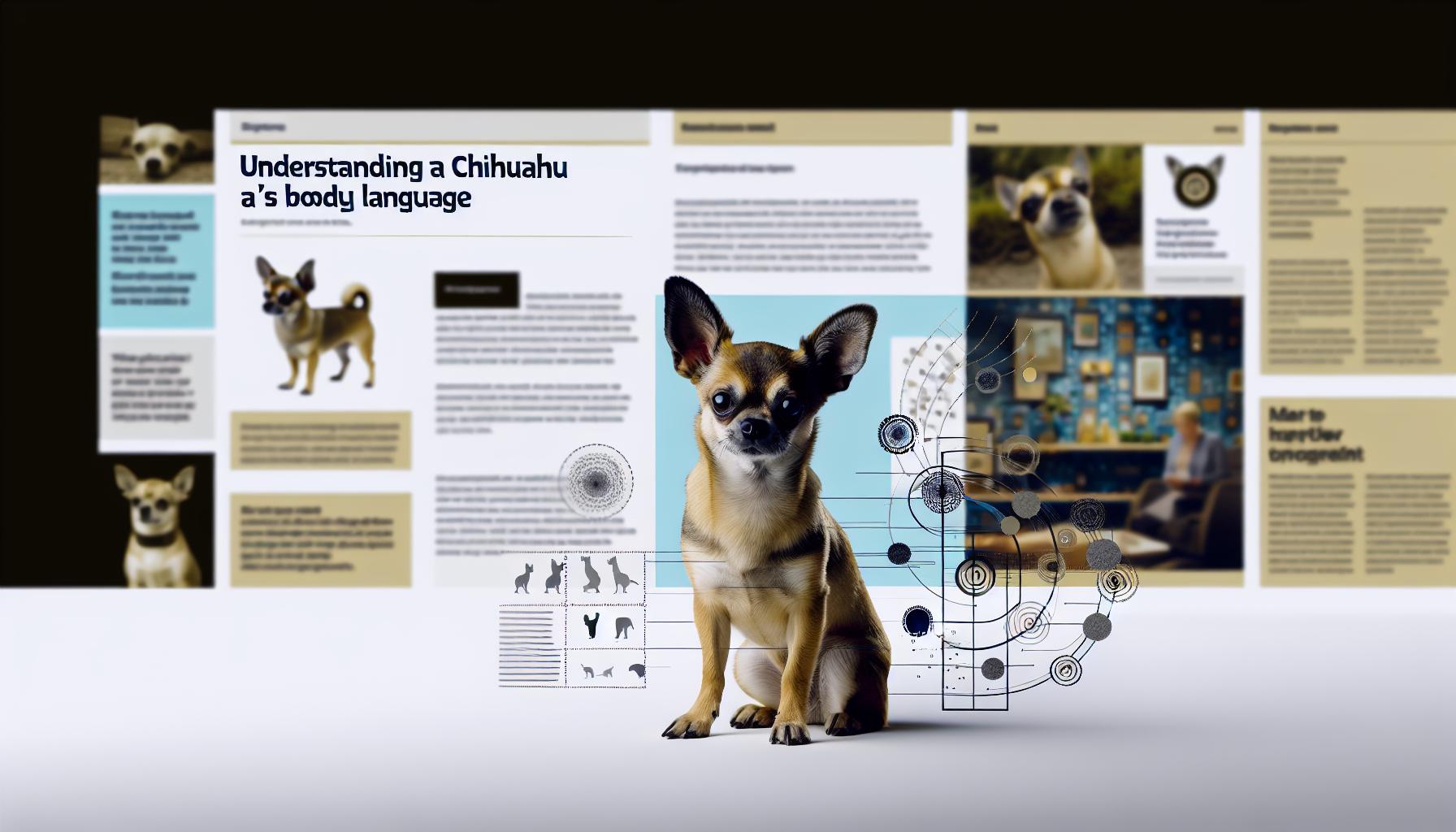
Recognizing your Chihuahua’s body language can be incredibly insightful, as these little dogs have a rich array of non-verbal cues. Understanding their postures, movements, and expressions is key to detecting any discomfort or pain they might be experiencing. For instance, when your bustling little friend is suddenly hesitant to leap off the couch or avoids playtime, their body language might be shouting that something is wrong. Instead of relying solely on vocalizations-a hallmark of Chihuahuas-tuning into their physical expressions can reveal a lot.
One significant way to interpret your Chihuahua’s feelings is by observing their tail position. A high, wagging tail generally signals happiness and excitement, but if it’s lowered or tucked between their legs, this could indicate fear, anxiety, or pain. Additionally, pay attention to their ears; when your Chihuahua’s ears are pinned back against their head, it can be a sign of discomfort or distress. A Chihuahua might also exhibit a “frozen” posture-standing still, with their head down and body tense, which is another red flag that they could be in pain.
Their facial expressions are just as telling. A relaxed face with a slightly open mouth is indicative of contentment, while a tight-lipped smile or a grimace can indicate discomfort. Watch for changes in eye contact too. Healthy Chihuahuas will often seek your gaze or blink gently; however, if your pup is avoiding eye contact or has a glassy look in their eyes, it may suggest they’re feeling unwell.
Another important aspect to consider is how your Chihuahua interacts with their environment. If you notice her becoming withdrawn or anxious about being picked up-a usual favorite pastime-it may signal pain. Look for changes in their usual behavior such as being unusually clingy or wanting to be left alone. Every little quirk and change in routine is a clue that might point to discomfort, so be observant. By staying attuned to these cues, you’re not just nurturing your bond; you’re also ensuring that your furry companion stays happy and healthy.
Pain Triggers: Causes Specific to Chihuahuas
Chihuahuas are remarkably resilient little dogs, but their small size also makes them more susceptible to certain pain triggers. Understanding these unique triggers helps you become a more attentive and proactive owner. One significant cause of discomfort in Chihuahuas is their genetic predisposition to specific health issues. Conditions like luxating patella (a dislocated kneecap), dental problems, and arthritis can emerge in these tiny companions. When they seem reluctant to jump or play, it might signal underlying joint or dental discomfort that warrants your attention.
Another common trigger is environmental factors. Chihuahuas thrive in stable, cozy environments, and any change-whether it’s new furniture, loud noises, or unfamiliar pets-can lead to anxiety and stress, resulting in signs of pain. For example, if your Chihuahua typically enjoys snuggling on the couch but suddenly hides during thunderstorms, listen closely; he might not just be scared-he could also be feeling pangs of pain from additional stress on his small body. Owners often overlook how closely emotional well-being impacts physical health.
Injuries also pose significant risks. Chihuahuas often have bold, fearless personalities, which can lead them into risky situations. A simple fall off the couch or an encounter with a larger dog can result in bruises, fractures, or soft tissue injuries. Even a minor incident can lead to pain that affects mobility or temperament. Owners should always supervise playtime, especially with other pets or when their Chihuahua is exploring unfamiliar places.
Lastly, obesity is a concern for this breed. Being small, even a slight excess in weight can put considerable strain on their joints and lead to other health complications. Keeping an eye on their diet and ensuring they get enough exercise can prevent many pain-related issues related to weight gain. Regular vet check-ups are essential to catch these problems early; you can make all the difference in maintaining your Chihuahua’s quality of life. By being aware of these pain triggers, you can respond quickly and compassionately, ensuring your beloved friend remains happy and healthy.
The Role of Vocalizations in Pain Indication
Chihuahuas are known for their vocal personalities, often expressing themselves with a range of barks, growls, and even high-pitched whines. Understanding their vocalizations is crucial for identifying when your little companion might be in pain. Unlike larger breeds that may have a more straightforward demeanor, Chihuahuas can be more nuanced in their expressions, making it essential for owners to tune in closely to their sounds.
When your Chihuahua vocalizes unusually, it can be a sign of discomfort. For instance, if you notice her letting out soft whines or yelps when standing, sitting, or being touched, these sounds are often a cry for help. Pay attention to the context; if she yelps while trying to jump onto the couch, it might hint at joint pain, while persistent whining during play could indicate tiredness or stress caused by hidden pain. Similarly, an increase in barking-especially if loud or frantic-can mean she’s feeling restless or distressed, perhaps due to underlying issues.
Another critical vocalization to monitor is the change in tone. Chihuahuas are quite expressive; a sudden shift to a more muted or hesitant tone may signal that something is wrong. For example, if your energetic little friend who loves to bark at the mailman suddenly becomes quiet or less enthusiastic about typical interactions, consider this a red flag. His reserved demeanor could stem from discomfort or anxiety about something that is causing pain.
Recognizing these vocal patterns can empower you as an owner to respond swiftly. If you notice a combination of unusual vocalizations alongside behavioral changes like hiding, decreased appetite, or reluctance to engage, it’s time to consult with a veterinarian. The quicker you act on these signals, the better you can ensure a timely response to potential health issues, keeping your Chihuahua happy and comfortable. Throughout all of this, love and attention are key; your cautious observation paired with affection will help your devoted friend feel more secure during tough times.
When to Seek Veterinary Help for Pain
If your Chihuahua is exhibiting signs of pain, knowing when to seek veterinary help can make a significant difference in her comfort and well-being. Chihuahuas, with their bold personalities and tiny stature, can sometimes mask their discomfort, making it vital to recognize the urgency of their situation. If you notice that your little companion is increasingly reluctant to engage in activities she typically enjoys-like playing or going for walks-it’s essential to take action. For instance, if she used to sprint to the door to greet you but now takes her time or hesitates, that’s a cue to investigate further.
There are several critical indicators that signal the need for a veterinary visit. If your Chihuahua displays any of the following symptoms, don’t wait to reach out to your vet:
- Persistent Whining or Whimpering: If her vocalizations change or she seems to be crying out more than usual, this could indicate significant discomfort.
- Changes in Appetite or Drinking Habits: A sudden disinterest in food or water can point to pain-related issues that need immediate attention.
- Difficulty Moving: If you’re observing limping, reluctance to jump or play, or stiffness, these signs often suggest pain that warrants examination.
- Behavioral Changes: Increased aggression, withdrawal, or hiding can be signs that your Chihuahua is in distress.
It’s also critical to monitor other symptoms that may accompany pain, such as vomiting, diarrhea, or lethargy. If these appear alongside her pain signals, don’t hesitate-contact your veterinarian right away. A comprehensive examination can help determine the underlying cause, whether it’s joint issues, dental pain, or something more serious.
Another crucial factor to consider is the duration and severity of the symptoms. If she has been in obvious pain for more than a day, don’t delay. Early intervention is key to effective treatment and can prevent potential complications. As responsible pet owners, being attentive to our Chihuahuas’ needs is our utmost priority. Your quick action can help ensure that your little companion receives the care she needs, allowing her to return to her playful self.
Caring for a Painful Chihuahua: Immediate Steps
Recognizing that your beloved Chihuahua is in pain can be gut-wrenching, especially since they often try to mask their discomfort. Chihuahuas are known for their vibrant personalities, but during tough times, they may exhibit quiet withdrawal or changes in behavior. If you suspect your little companion is feeling unwell, there are immediate steps you can take to help alleviate her suffering.
First and foremost, create a calm and safe space for her. This could be her favorite blanket or a comfortable bed in a quiet room where she feels secure. Ensure she has easy access to her bed and minimizes movement, especially if she appears to be limping or hesitant to walk. Soft bedding is essential, as hard surfaces can exacerbate discomfort. If your Chihuahua loves to cuddle, consider lying beside her to provide company and reassurance during this distressing time.
Next, monitor her health closely. Pay attention to any changes in her eating and drinking habits. If she’s refusing food or water, it’s crucial to consult with your veterinarian as dehydration or lack of nutrition can lead to further issues. If she’s on medications or has been prescribed pain relief, adhere strictly to the dosing schedule provided by your vet. Sometimes, administering the correct medications at the right times can significantly enhance her comfort and speed up recovery.
Also, keep a detailed log of her symptoms, including behavioral changes, appetite shifts, and any peculiar signs of pain like whining or reluctance to move. This information will be invaluable during veterinary visits, helping professionals pinpoint the underlying issue more effectively. While it might be an emotional time, staying organized and observant is key in providing the best care for your cherished companion.
Lastly, don’t hesitate to reach out to your veterinary team at the first sign of increased pain or distress. Your intuition as a pet owner is powerful. If something feels off, take action. It’s important to remember that prompt care can not only relieve pain but also facilitate a quicker return to her bright, energetic self. Your commitment to her well-being is the best support she can have during this difficult time.
Long-term Management of Pain in Chihuahuas
Understanding how to effectively manage chronic pain in your Chihuahua is essential for enhancing their quality of life. A proactive approach can provide significant relief and comfort. As tiny but mighty companions, Chihuahuas often hide their discomfort, making it crucial to stay vigilant. Cumulatively addressing long-term pain management can require a combination of methods tailored to your fur baby’s unique needs.
Nutrition plays a vital role in your Chihuahua’s long-term health and pain management. Look for high-quality, easily digestible dog food enriched with omega fatty acids. These ingredients can help reduce inflammation and support joint health. You might also consider consulting your veterinarian about supplements, such as glucosamine and chondroitin, which can aid in maintaining joint function, especially as your little one ages.
Maintaining a healthy weight is another critical aspect. Chihuahuas are prone to joint issues, and excess weight can exacerbate these problems. Regular monitor of her weight and implementing a controlled feeding regimen will contribute to her overall well-being. You can incorporate gentle exercises like short walks or play sessions that don’t pose a risk of injury but still keep her active and engaged.
Creating a soothing environment at home can further help in pain management. Make sure she has a soft, supportive bed in a quiet area where she can relax. Consider investing in orthopedic bedding to relieve pressure on her joints. If your Chihuahua enjoys warmth, using a heated blanket or pad can assist in alleviating chronic pain.
Finally, regular vet check-ups are vital for ongoing pain management. Keeping an open line of communication with your veterinarian allows for timely adjustments in her treatment plan as her needs evolve. They can provide pain relief options like medications or alternative therapies such as acupuncture, which some owners have found beneficial for their Chihuahuas.
By adopting a well-rounded approach to pain management that combines nutrition, weight control, a comfortable environment, and professional guidance, you can significantly improve her quality of life. Your dedication to their comfort will not only enhance her physical health but will also nurture her vibrant personality, allowing your cherished companion to live life to the fullest.
Creating a Comfortable Environment for Recovery
Creating a welcoming and comforting space for your Chihuahua is essential, especially when she’s dealing with pain or discomfort. These little furballs thrive on warmth and love, so a cozy environment can significantly aid in her recovery. Think about how you would want your own space set up if you were feeling under the weather. For your Chihuahua, this means a quiet sanctuary filled with soft textures and low stimulation, allowing her to relax and feel secure.
Start by selecting the perfect bed. Look for a soft, supportive bed that suits her size-consider an orthopedic option if she’s struggling with joint pain or arthritis, as they provide additional support where it’s needed most. Place the bed in a quiet, familiar area of your home, away from the hustle and bustle, so she can retreat when she needs some solitude. Many owners find that placing a few of her favorite toys nearby can offer comfort, too.
Heat therapy can be incredibly soothing; consider using a heated pet pad or a blanket that provides gentle warmth. Chihuahuas, especially with their short coats, can be more sensitive to cold, so a warm spot to snuggle up can alleviate discomfort. Just be sure to monitor her to prevent overheating. Additionally, if your Chihuahua enjoys being close to you, creating a little nook on the couch with soft pillows and blankets can foster that feeling of togetherness while also keeping her comfortable.
Lastly, ensure her recovery area is free from loud noises and distractions. Soft music or calming sounds can be beneficial, creating a peaceful ambiance. If she’s feeling up to it, light interactive toys that don’t require much effort can keep her engaged without overwhelming her. The goal is to support not just her comfort, but also her emotional well-being, helping her feel loved and secure during her recovery process. Each little adjustment contributes significantly toward her healing, allowing her vibrant spirit to shine again.
Support for Owners: Dealing with a Painful Pet
Every Chihuahua owner knows these tiny pups are spunky, loyal, and full of personality. However, they can be incredibly sensitive to pain due to their small size and unique body structure. Observing your furry friend closely can make all the difference when it comes to ensuring their comfort and health. Supporting an emotionally distressed pet can be challenging, but understanding their needs helps you navigate this journey with confidence.
When your Chihuahua seems off, you might notice changes not just in their physical behavior, but also in their emotional responses. They may seek out more affection than usual, or conversely, want to be left completely alone. Pay attention to their body language: a lowered tail, pinned-back ears, or reluctance to engage can signal discomfort. For example, if your little companion usually enjoys playtime but suddenly withdraws, it’s time to investigate further. Create an open line of communication with your pet by gently engaging her in quiet moments. Sit next to her, allow her to approach you, and offer soft words to bring her comfort.
Practical strategies for caring for a Chihuahua in pain include simple changes in daily routines. Ensure her favorite cozy blanket is always accessible, and consider investing in an orthopedic bed for added support, especially if she suffers from joint issues. Many owners find soft, calming music helps ease anxiety during painful episodes. Additionally, maintaining a consistent feeding and bathroom schedule can provide her with a sense of normalcy.
Moreover, don’t hesitate to reach out to your veterinarian for advice tailored specifically to her situation. They can recommend pain-relief methods that suit her needs, whether it’s medication, alternative therapies, or changes in diet. Remember, your emotional well-being impacts her recovery. Caring for a painful pet can take a toll on your heart, so ensure you’re taking care of yourself by connecting with other Chihuahua owners who can share their experiences. You’re not alone in this, and your sweet little companion will thrive on the love and support you provide.
Frequently Asked Questions
Q: What are common behaviors that indicate my Chihuahua might be in pain?
A: Common behaviors indicating pain in Chihuahuas include excessive whining, aggression, or withdrawal from social activities. You might also notice changes in appetite or reluctance to engage in play. Observing these changes can help you address their pain promptly. Consider reviewing the section on behavioral changes for more insights.
Q: How can I tell if my Chihuahua’s pain is severe?
A: Severe pain in a Chihuahua may manifest as intense vocalization, rapid breathing, or difficulty moving. If your dog shows signs of distress, such as pacing or seeking hiding spots, it’s critical to consult a veterinarian immediately. This can be explored further in seeking veterinary help section.
Q: Why is my Chihuahua shaking, and could it be a sign of pain?
A: Shaking or trembling in Chihuahuas can indicate pain, anxiety, or coldness. If the shaking is accompanied by other signs of distress or appears sudden, it’s important to contact your vet for a thorough evaluation. Check the physical symptoms section for additional details.
Q: What are some subtle signs that my Chihuahua might be in pain?
A: Subtle signs of pain include changes in sleeping patterns, reluctance to jump, or alterations in grooming habits. Pay attention to these minor behaviors as they may indicate discomfort. You can learn more about understanding your Chihuahua’s body language in the article.
Q: How does my Chihuahua’s vocalization relate to pain?
A: Vocalizations such as excessive barking or whining can signal that your Chihuahua is in pain. Each dog has a unique vocal pattern, so understanding his usual sounds is crucial. For more on this, refer to the role of vocalizations in pain indication section.
Q: When should I be concerned about my Chihuahua’s health?
A: Be concerned if your Chihuahua exhibits persistent pain signs for more than 24 hours, shows significant behavioral changes, or has difficulty eating or drinking. Early intervention can lead to better outcomes. Review the when to seek veterinary help guidance for timely action.
Q: Are there specific health conditions that cause pain in Chihuahuas?
A: Yes, common conditions that may cause pain in Chihuahuas include arthritis, dental disease, and injuries. Being aware of these conditions can help you monitor your pet’s health effectively. More details can be found in the pain triggers section of the article.
Q: How can I provide comfort to my Chihuahua if I suspect he’s in pain?
A: To comfort a painful Chihuahua, create a quiet, cozy space for him to rest, and provide gentle reassurance. Use soft bedding and minimize activity until you can visit the vet. For immediate steps, refer to the caring for a painful Chihuahua section for detailed advice.
Key Takeaways
Recognizing if your Chihuahua is in pain is crucial for his well-being. Keep an eye on his behavior, appetite, and any signs that he may be uncomfortable. Early detection can make all the difference-don’t hesitate to consult your veterinarian if you notice any concerning changes. For more insights, check out our guides on “Understanding Your Chihuahua’s Health” and “Common Health Issues in Chihuahuas” to deepen your knowledge.
If you found this information helpful, consider signing up for our newsletter for ongoing tips tailored just for Chihuahua owners. Your little companion deserves the best care, and we’re here to support you on this journey. Share your experiences in the comments or reach out with questions-we love hearing from fellow Chihuahua enthusiasts! Together, let’s ensure our tiny friends live happy, healthy lives.
Get our latest guides, news, and insights highlighted in your Google Search & AI Overviews.