
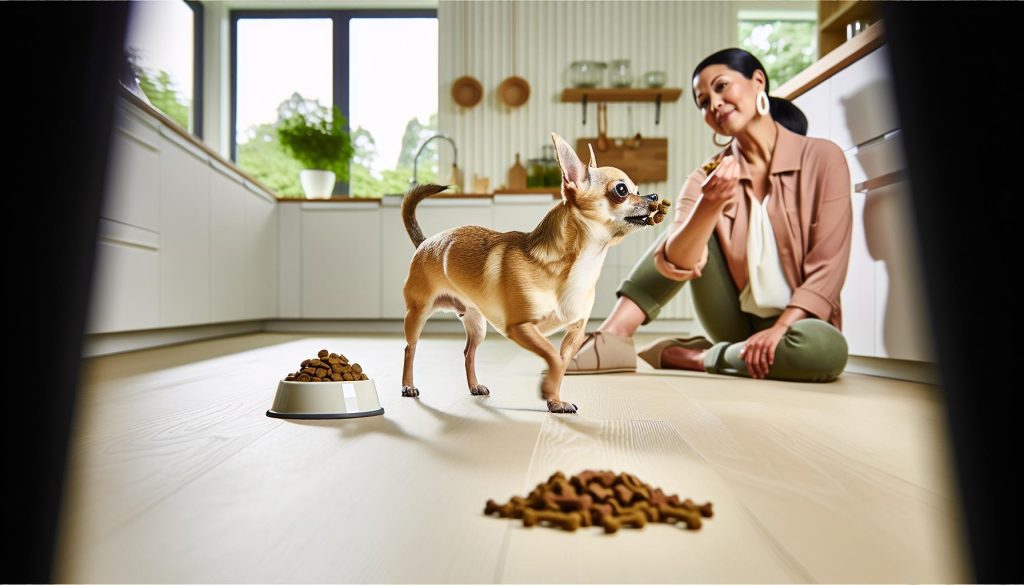
When it comes to keeping your cherished Chihuahua healthy and happy, choosing the right dog food is paramount. Did you know that their unique size and energetic nature require special attention to their diet? From the apple-headed pups with their charming quirks to the elegantly coated long-haired beauties, each Chihuahua has specific nutritional needs that reflect their vibrant personality. Understanding what dog food your little companion likes best not only ensures they thrive but also strengthens the bond you share through shared meals. In this guide, we’ll explore top favorites that cater to their unique tastes and health requirements, providing you with the insights needed to support their well-being and delight their discerning palates. Join us as we uncover the best dietary options for your spirited friend and learn how to keep them thriving one meal at a time!
Choosing the Right Dog Food for Chihuahuas
When selecting the right food for your beloved Chihuahua, it’s essential to consider their unique size, energy levels, and health needs. These spirited little companions do best with high-quality ingredients specially formulated to support their tiny bodies. Since Chihuahuas are prone to dental issues and obesity, finding a food that maintains their health while satisfying their distinctive palates is paramount.
Look for food that prioritizes high protein content, as Chihuahuas need it to sustain their active lifestyles. Ingredients like chicken, turkey, or fish should be at the top of the ingredient list. Additionally, smaller kibble sizes are crucial to accommodate their small mouths, making it easier for them to chew and enjoy their meals. Don’t shy away from premium brands that focus on wholesome, natural ingredients-this is a worthwhile investment in his health.
Another aspect that might surprise you is how texture can affect a Chihuahua’s eating habits. Many prefer wet food due to its aroma and palatability, while others might thrive on dry kibbles, especially if they are paired with a little water or broth to enhance flavor and moisture. Experimenting with different textures can help you determine what your Chihuahua loves best, ensuring mealtime is a delightful experience rather than a chore.
Always remember, introducing new foods should be done gradually to avoid digestive issues. If you’re considering switching brands or types, do so over a week, blending increasing amounts of the new food with the old. This thoughtful approach not only supports his stomach but also shows him that you understand his special needs. Keeping a close eye on his weight, energy levels, and coat condition will also guide you in making the right food choices. By watching your Chihuahua’s responses, you’ll find the food that delights him and keeps him healthy and vibrant!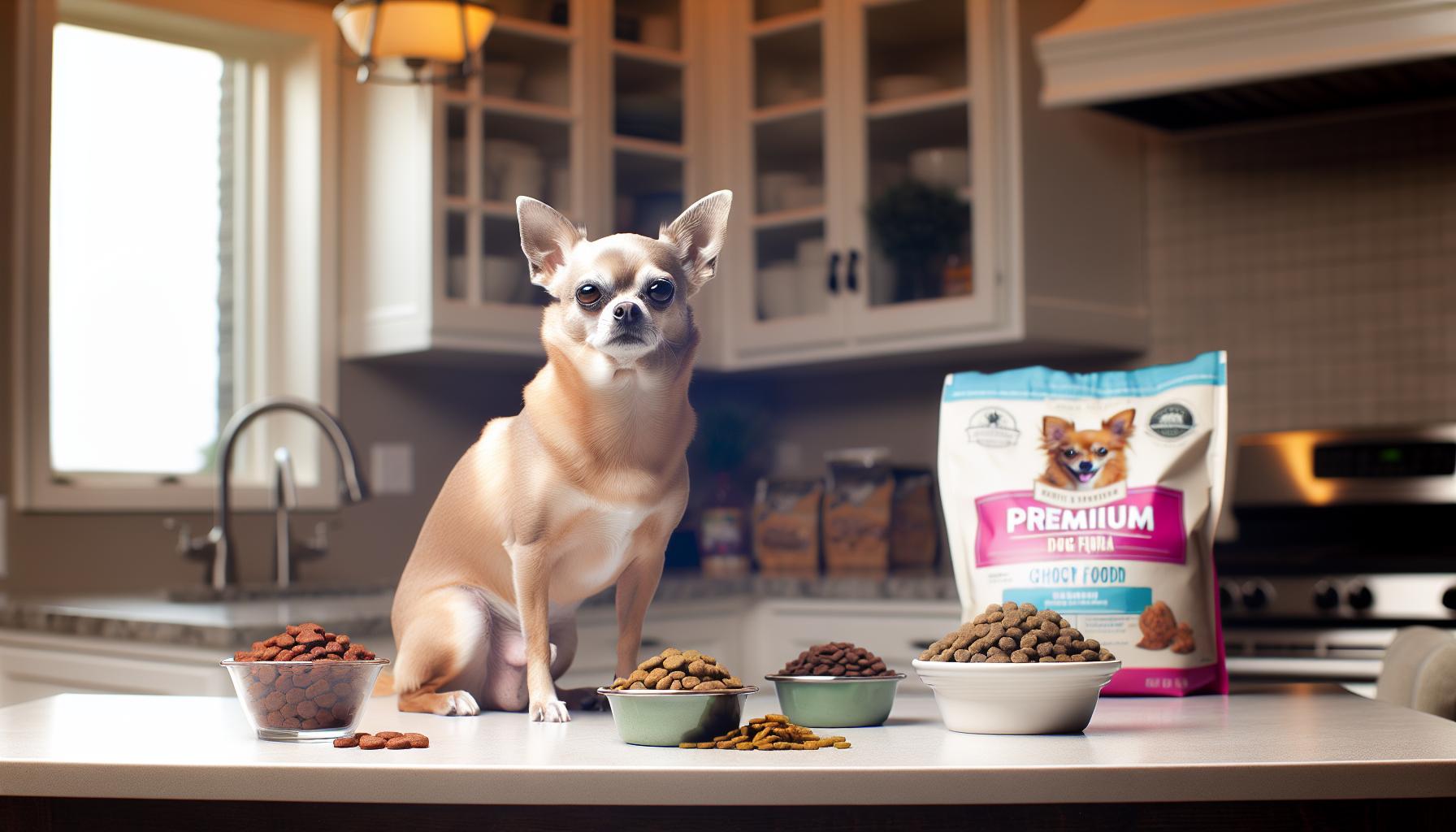
Top Ingredients Chihuahuas Love in Their Food
Chihuahuas have distinctive palates and dietary needs that call for a thoughtful selection of ingredients in their food. These tiny dogs thrive on high-quality, nutrient-rich meals that cater to their bold personalities and energetic lifestyles. When choosing food for your Chihuahua, prioritize ingredients that not only provide essential nutrition but also delight their taste buds.
One of the top ingredients that Chihuahuas love is animal protein, such as chicken, turkey, or fish. These proteins should be the cornerstone of their diet, providing the energy they need for their spirited play and exploration. For example, a small, active Chihuahua may particularly enjoy chicken-based formulas, which are both tasty and easy to digest. Alongside protein, look for healthy fats like omega fatty acids found in fish oil or flaxseed. This contributes to skin and coat health, keeping your Chihuahua’s fur shiny and soft.
Additionally, consider introducing fruits and vegetables rich in vitamins and antioxidants, such as blueberries, sweet potatoes, and carrots. These can be found in many premium dog foods and offer not only flavor but also valuable nutrients that support your dog’s immune system. When reviewing ingredients, ensure there are no fillers or low-quality additives, as these can lead to health issues over time.
Incorporating smaller kibble sizes is vital for your Chihuahua’s dining experience. Foods specifically formulated for small breeds often have petite morsels that are easier for Chihuahuas to chew and digest. You might notice that your little companion prefers certain textures; some Chihuahuas relish wet food due to its aroma, while others are keen on dry kibble. You can always experiment with mixing them to see what your Chihuahua enjoys most!
In summary, selecting food that contains high-quality proteins, healthy fats, and tasty fruits and vegetables will help keep your Chihuahua happy and healthy. Always observe how your dog responds to different foods and textures, adjusting their diet accordingly to ensure they are enjoying their meals. Remember, a happy Chihuahua is a healthy Chihuahua!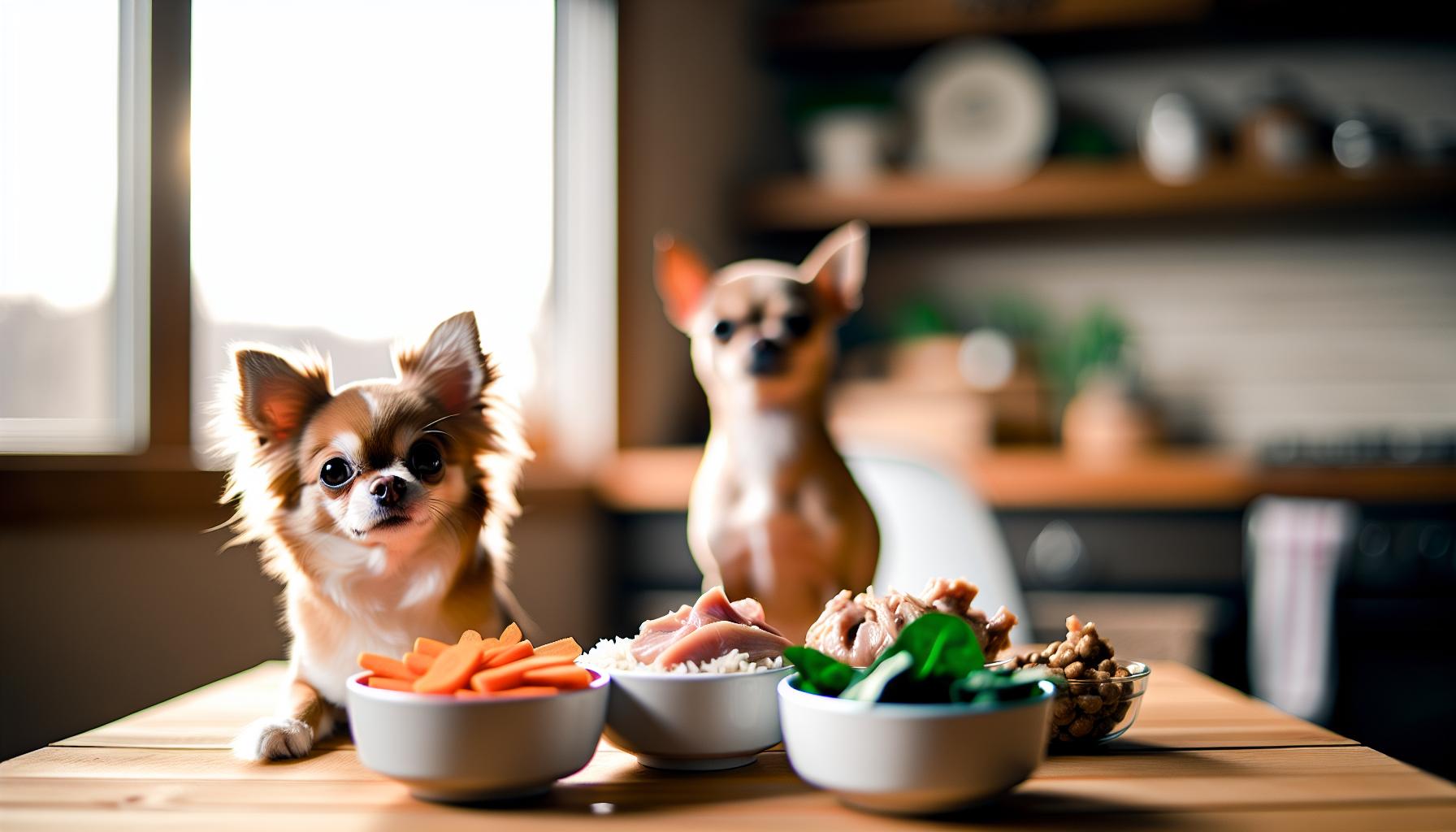
How to Read Dog Food Labels for Chihuahuas
When you’re standing in the pet food aisle, it can feel overwhelming to decipher the myriad of options available, especially for your beloved Chihuahua. Understanding how to read dog food labels is vital to ensure your tiny companion gets the nutrition he needs while enjoying every meal. The key is to look beyond the claims and focus on the actual ingredients listed.
Prioritize the Ingredients List
The ingredients list is the heart of any dog food label. For a Chihuahua, you want to prioritize high-quality protein sources that come at the top of the list. Look for specific meats like *chicken*, *beef*, or *fish*, rather than generic terms like “meat by-products.” Your little buddy thrives on digestible proteins that fuel his energetic lifestyle. For instance, a Chihuahua named Bella, who thrives on a chicken-based recipe, exhibits a shiny coat and vibrant energy.
Be Wary of Fillers and Additives
Chihuahuas are particularly sensitive to fillers, which can lead to digestive problems or allergies. Ingredients like *corn*, *wheat*, and *soy* should be approached with caution, especially if your Chihuahua has a history of stomach issues. Instead, opt for grain-free options or those with wholesome grains like *brown rice* or *oats*. Also, avoid dog foods with artificial preservatives, colors, or flavors-especially since we know how sensitive Chihuahuas can be to new or synthetic substances.
Check for Nutritional Adequacy Statements
A well-balanced diet for your Chihuahua should meet specific nutritional standards. Look for the Association of American Feed Control Officials (AAFCO) statement on the packaging, which indicates the food provides balanced nutrition as per their set guidelines. This is especially crucial for maintaining proper health as Chihuahuas often have unique dietary requirements due to their small size and fast metabolism.
Pay Attention to Texture and Size
Consider your Chihuahua’s preferences when it comes to kibble size and texture. Many Chihuahuas prefer smaller kibble, which is easier for them to chew. Some might also favor wet food for its enhanced flavor and moisture content. As Chihuahua parents often discover, mixing dry kibble with a bit of wet can entice even the pickiest eaters. Monitor how your Chihuahua reacts to different textures and adjust the feeding accordingly to maintain their interest in mealtime.
By focusing on these key aspects when reading dog food labels, you can confidently choose the right feeding option for your Chihuahua. A little diligence can go a long way in ensuring he stays healthy, happy, and ready for adventure!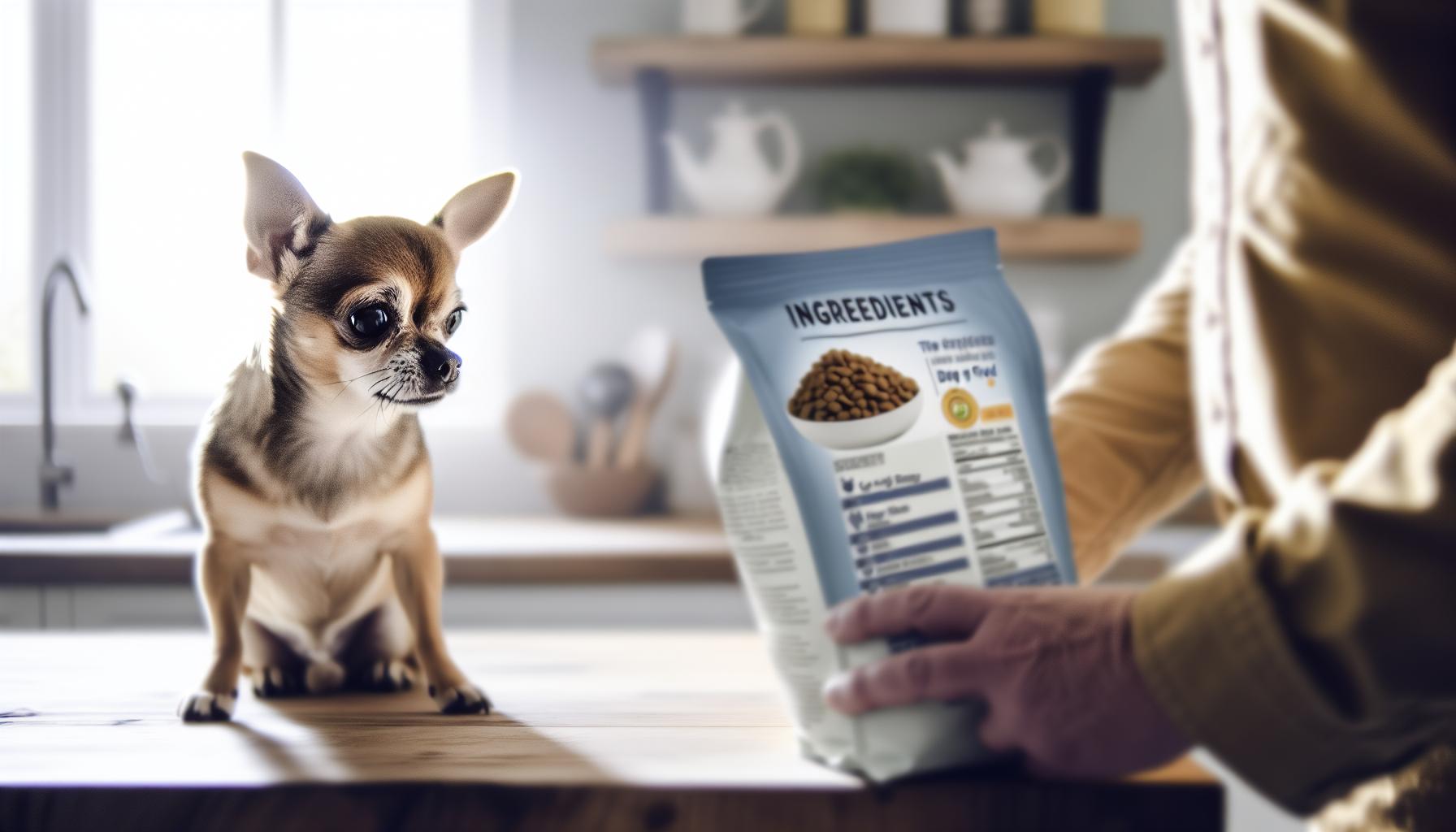
Understanding Chihuahuas’ Nutritional Needs
To ensure your Chihuahua thrives, it’s essential to grasp their unique nutritional needs. This breed, known for its petite size and vibrant personality, has specific dietary requirements that cater to their fast metabolism and small stature. Prioritizing nutritionally dense food helps maintain your furry friend’s health, energy levels, and overall well-being.
Chihuahuas generally do best on a high-protein diet made from quality sources. Proteins should be the first ingredient in their food, with identifiable sources like *chicken*, *beef*, or *fish*. These small dogs may also benefit from animal fats, which provide necessary energy and promote healthy skin and coat. Always ensure the food contains essential fatty acids, like Omega-3 and Omega-6, as these play a role in maintaining heart health and cognitive function.
Focus on Portion Control
Because of their small size, Chihuahuas are prone to obesity if allowed to overeat. Instead of free feeding, establish a regular feeding schedule with measured amounts to keep your dog fit. Depending on their age and activity level, adult Chihuahuas typically need about 1/4 to 1 cup of food daily, split into two meals. Monitoring their weight and adjusting their portions accordingly can prevent health complications down the line.
Watch for Allergies
Some Chihuahuas may develop food sensitivities or allergies, leading to skin issues or digestive discomfort. Common allergens include beef, dairy, and wheat. If you notice symptoms like itching, excessive shedding, or gastrointestinal upset, consider switching to a limited ingredient diet or consulting your vet for guidance.
Remember, every Chihuahua is unique. A dog’s preferences may vary widely, with some favoring kibble while others prefer wet food for its palatability. Experimenting with different textures can help you uncover what your little companion enjoys most. By focusing on quality nutrition tailored to their specific needs, you’ll ensure your Chihuahua remains both healthy and happy.
Homemade Dog Food Options for Your Chihuahua
Crafting homemade meals for your Chihuahua can be a rewarding way to ensure she gets the freshest and most nutritious ingredients. Unlike many commercial dog foods that may contain fillers or preservatives, homemade options allow you to choose high-quality ingredients tailored specifically to your furry friend’s tastes and health needs. Chihuahuas, known for their hearty personalities and tiny frames, thrive on wholesome, protein-focused diets. The best part? You can easily whip up meals that cater to their preferences while addressing any dietary restrictions.
When preparing homemade dog food, prioritize protein as the main component. Foods like lean chicken, turkey, or even tofu (for vegetarian options) make excellent bases. You can combine these proteins with safe vegetables such as carrots, pumpkin, or sweet potatoes to provide fiber and essential vitamins. Consider incorporating a small amount of healthy fats, like fish oil or a dash of coconut oil, to support her skin and coat health.
Sample Recipe
Here’s a simple recipe to get you started:
- Ingredients:
- 1 cup of ground turkey
- 1/2 cup of carrots, finely chopped
- 1/2 cup of green beans, chopped
- 1/4 cup of peas (fresh or frozen)
- 1/4 cup of quinoa (cooked)
- 1 tsp of fish oil (optional)
- Instructions:
- Cook the ground turkey in a pan until browned.
- Add in the vegetables and sauté until softened.
- Mix in the cooked quinoa and fish oil, if using.
- Let cool before serving to your pup.
Remember, when switching to homemade meals, it’s essential to consult with your vet. They can help you balance nutrients and make sure your meals are suitable for her specific health needs. You might also consider joining groups for Chihuahua owners who share recipes and tips, allowing you to learn from others’ experiences.
Preparing homemade meals allows you to take control of your Chihuahua’s diet, ensuring that every bite contributes to her overall health and happiness, resonating with her bold character and boundless energy. Embrace the joy of mealtime and watch your little companion thrive!
Allergies and Sensitivities in Chihuahuas
Chihuahuas, with their bold personalities and tiny frames, can be particularly sensitive when it comes to food. Just like humans, they can develop allergies or sensitivities to certain ingredients. Understanding these can help ensure that your vibrant companion stays happy and healthy. Common allergens for Chihuahuas include specific proteins like beef, chicken, or fish, as well as grains such as wheat or corn. An allergic reaction may manifest as skin irritations, such as itching or hotspots, gastrointestinal upset, or even respiratory issues.
If you notice that your Chihuahua is in discomfort after eating, it’s essential to keep a close eye on her diet. This may involve trying elimination diets, where you slowly reintroduce foods one at a time to identify potential triggers. Many owners have found success with single-protein dog foods, which can simplify the process of pinpointing allergies. For example, some dogs respond well to novel protein sources, such as duck or kangaroo, which might not be commonly included in their previous diets.
Identifying Food Sensitivities
To better address your Chihuahua’s specific needs, consider the following steps:
- Watch for symptoms: Note any changes in behavior, skin condition, or gastrointestinal health after meals.
- Consult your vet: A veterinarian can help you design an appropriate elimination diet and test for allergies.
- Choose high-quality foods: Opt for brands that use whole ingredients and avoid artificial additives.
It’s important to remember that each Chihuahua is unique. What works for one might not work for another, so patience and observation are key. A well-balanced diet free from allergens can greatly improve your Chihuahua’s quality of life, allowing her to revel in her spunky nature without discomfort. You’ll also find many dog food brands today cater specifically to small breeds with dietary sensitivities, providing delicious formulas tailored to her needs.
The Best Dog Food Brands for Chihuahuas
Chihuahuas may be small in size, but their palates and dietary needs can be quite discerning! Finding the right food for your furry friend not only supports their health but also caters to their vibrant personalities. With countless options on the market, it’s essential to select brands that prioritize quality ingredients and nutrition tailored for small breeds. Here’s a curated list of some of the best dog food brands that Chihuahuas tend to enjoy.
Top Dog Food Brands for Chihuahuas
- Royal Canin Chihuahua Adult Dry Dog Food: Specifically formulated for the unique needs of Chihuahuas, this brand offers small kibble sizes that are easy for tiny mouths to manage. The blend of nutrients supports heart health and helps maintain optimal weight.
- Hill’s Science Diet Small Paws Chicken Recipe: Known for its vet-recommended formulas, Hill’s provides a protein-rich option that supports lean muscle and overall vitality. Owners appreciate its digestible ingredients, which are crucial for the sensitive stomachs of Chihuahuas.
- Wellness CORE Small Breed: This grain-free option is packed with high-quality protein and healthy fats, promoting energy and muscle maintenance. It’s also rich in antioxidants, vitamins, and probiotics, making it a holistic choice for your lively companion.
- Nutrish by Rachael Ray: Featuring real meat as the first ingredient and no artificial fillers, Nutrish resonates with many Chihuahua owners who prefer a simpler ingredient list. The formula is also designed for small breeds, ensuring that your dog gets the right nutrition without unnecessary additives.
- Merrick Lil’ Plates: This brand offers recipes that cater specifically to small breeds and includes options with real meat, along with fruits and vegetables. The small kibble sizes are not only easy to chew but also deliciously palatable, ensuring your Chihuahua enjoys every meal.
- Purina Pro Plan Small Breed: This option contains live probiotics for digestive health, which is a plus for Chihuahuas prone to gastrointestinal issues. The high protein content supports muscle development and energy levels, keeping active Chihuahuas playful.
Choosing the right food for your Chihuahua can make a noticeable difference in their activity levels, coat health, and overall happiness. It’s always recommended to monitor how your dog reacts to their food; if you see positive changes in energy and coat shine, you’re likely on the right track! Additionally, consulting your veterinarian for tailored advice based on your Chihuahua’s specific health needs can further support their well-being. Finding a brand that resonates with both you and your beloved companion will help keep that bold, loyal spirit shining brightly!
Wet vs. Dry Dog Food: What’s Best?
When it comes to feeding your Chihuahua, the choice between wet and dry dog food can significantly affect her overall health, enjoyment at mealtime, and hydration levels. Each type of food offers distinct benefits, so understanding the nuances can help you cater to your dog’s specific needs and preferences.
Dry dog food, often referred to as kibble, provides convenience and can help with oral health. Many small breed kibbles are designed specifically for Chihuahuas, offering smaller pieces that are easier for their little mouths to handle. For example, brands like Royal Canin Chihuahua Adult Dry Dog Food create kibble shapes that not only fit their tiny jaws but also promote chewing. This mechanical action can reduce plaque buildup, helping maintain dental hygiene. Plus, kibble tends to be more calorie-dense, ensuring that your energetic Chihuahua is getting the nutrients she needs in smaller portions.
On the other hand, wet dog food offers an appealing texture and aroma that can entice even the pickiest eaters. The moisture content in canned food can be particularly beneficial for Chihuahuas, who are prone to urinary tract issues due to their small bladders. Hydration is crucial, and wet food provides an easy way to keep your pup well-hydrated. An excellent example in this category is Merrick Lil’ Plates, which offer flavorful options packed with real meat and wholesome nutrients that Chihuahuas love. Many owners report that their dogs prefer wet food, especially if they are picky eaters or have dental issues that make chewing kibble challenging.
For a balanced diet, you might consider mixing both wet and dry food. This approach allows you to keep the convenience of kibble while also harnessing the aroma and added moisture of wet food. A common practice among Chihuahua owners is to serve a small portion of kibble topped with a spoonful of wet food, enhancing the overall meal experience.
Ultimately, the best choice between wet and dry food will depend on your Chihuahua’s individual preferences, health requirements, and any specific dietary suggestions from your veterinarian. Always pay attention to how she responds, and don’t hesitate to experiment a little to find out what makes her tail wag the most!
Feeding Schedules for Chihuahuas
Establishing a routine feeding schedule for your Chihuahua not only helps with digestion but also instills a sense of stability that your tiny companion thrives on. Chihuahuas can be prone to picky eating habits, and a consistent feeding time can help alleviate fussiness at mealtime. These little dynamos are highly energetic and require proper fuel to maintain their vibrant, bold personalities. So how can you best coordinate their feeding times to reflect their unique needs?
Most adult Chihuahuas do well with two meals a day, typically spaced about 8 to 12 hours apart. This allows for ample digestion time and keeps their metabolism steady. For example, you might choose to feed your pup at 8 AM and 6 PM. Such a schedule works wonders for ensuring your Chihuahua is energized throughout the day without the risk of overfeeding, which can lead to obesity-a common issue in small breeds. Puppies, on the other hand, benefit from more frequent feedings, about three to four times per day, as they have higher energy needs for growth and development.
Portion Control and Monitoring
Paying attention to portion sizes is critical, especially for a breed known for its tiny stature. Using a combination feeding approach-where you mix dry kibble with wet food-can allow you to provide a balance of nutrients and hydration while keeping feedings interesting. Many owners find success by measuring out their Chihuahua’s food portions in advance, which not only helps maintain a healthy weight but also allows for easy adjustments depending on their activity level. For instance, if you and your Chihuahua enjoyed a lively play session, consider slightly increasing their evening portion, but always follow your vet’s guidance to avoid overindulgence.
Listening to Your Dog
As attentive Chihuahua owners, we must also tune in to our furry friends. Observe their behavior and appetite closely. Some Chihuahuas may require adjustments to their schedule based on their energy levels or specific health needs. For example, an apple-head Chihuahua encountering dental issues may prefer softer food and smaller portions, and it’s essential to cater to these needs. Should your darling become reluctant at mealtime, it might be time to reassess the type of food being offered or simply try a new feeding time.
Building a feeding routine not only aids in maintaining a healthy lifestyle but also strengthens your bond with your beloved Chihuahua. Celebrate their quirks, be consistent with their schedule, and always sprinkle a little love in their mealtimes!
Chihuahua Feeding Amounts: What You Should Know
Feeding your Chihuahua the right amount of food is essential to ensure a healthy and happy life. These little companions come with unique sizes and personalities, and understanding their feeding amounts is key to preventing common issues, like obesity, which is particularly prevalent in small breeds. While it might seem tempting to indulge your tiny friend with treats or extra portions, maintaining control over their diet is crucial for their health and longevity.
For adult Chihuahuas, the general recommendation is to feed them approximately 1/4 to 1/2 cup of high-quality dry kibble each day, divided into two meals. This not only supports their metabolism but also helps keep their energy levels optimal. Puppies usually require more, often needing about 1/2 to 1 cup spread across three to four meals, due to their rapid growth and higher energy demands. It’s important to choose a kibble designed for small breeds, as these formulations usually contain a higher calorie density tailored to their needs.
Adjusting Portions
Every Chihuahua is unique, and watching your pup’s weight and overall health should guide any adjustments in portion sizes. If your little one is active and energetic, they may require slightly larger portions, but on lazy days, it’s wise to scale back. Always monitor your Chihuahua’s body condition. A healthy Chihuahua should have a visible waist when viewed from above, and you should be able to feel their ribs without too much pressure.
Consider Life Stages and Health Needs
As Chihuahuas enter different life stages, their dietary needs may need recalibrating. Senior Chihuahuas may benefit from smaller, softer food and a diet lower in calories to prevent weight gain while still getting necessary nutrients. Likewise, if your Chihuahua has any health concerns-like dental issues or allergies-consulting with your vet is always best. They may recommend wet food or specialized diets that accommodate specific needs.
With care, monitoring, and love in your feeding practices, you can help your Chihuahua thrive. Ensuring he gets the right amounts, along with love and positive mealtime experiences, will not only enhance his health but also strengthen the beautiful bond you share.
Special Dietary Needs for Senior Chihuahuas
As your Chihuahua grows older, their dietary needs transform significantly. Senior Chihuahuas, particularly those over eight years old, require special attention to maintain their health and vitality. Aging can bring a host of changes, including reduced metabolism, dental issues, and sometimes, chronic health conditions. Recognizing these shifts and adapting their diet accordingly is crucial for ensuring they remain happy and active.
One primary concern for aging Chihuahuas is weight management. It’s common for them to become less active, so their caloric intake should be adjusted to prevent obesity, which can exacerbate health issues. Look for dog food that is specifically formulated for senior dogs; these diets are typically lower in calories but still rich in essential nutrients to support joint health and maintain muscle mass. Ingredients like glucosamine and omega fatty acids can help combat joint stiffness and promote a shiny coat-true signs of a healthy pup.
Texture Matters
As dental health becomes more of a concern, you might notice your Chihuahua prefers softer, easier-to-chew kibble. Incorporating wet food can be beneficial not only for their teeth but also for hydration, especially if they are less inclined to drink enough water. Many dogs find the texture of wet food more appealing, and it can be a great mixer with dry kibble to enhance flavor and moisture content.
Monitor Health Changes
Keep a close eye on any changes in appetite or bathroom habits, as these could signal underlying health issues. For instance, if your Chihuahua is showing a decrease in interest in food or struggling to eat, it may be time to consult your veterinarian. They might recommend specialized formulations to cater to any medical conditions like those involving kidneys or heart health.
Integrating senior-focused nutrition can significantly enhance the quality of life for your beloved Chihuahua, allowing them to enjoy their golden years with joy and energy. Feeding them well shows your love and dedication to their well-being, ensuring they remain the lively, loyal companions they’ve always been.
Faq
Q: What are the best food flavors for Chihuahuas?
A: Chihuahuas love a variety of flavors, with chicken, beef, and fish being top favorites. Look for high-quality dog food that features these proteins as primary ingredients. Treats with sweet potato and pumpkin can also be appealing and healthy options for your tiny companion.
Q: How often should I feed my Chihuahua?
A: Chihuahuas typically require two to three meals a day to maintain their energy levels. Consistency in feeding times helps regulate their metabolism and supports their health. Consult your veterinarian for personalized feeding schedules based on your dog’s age and activity level.
Q: Are there any dog foods specifically designed for Chihuahuas?
A: Yes, many brands offer formulas tailored for small breeds, including Chihuahuas. These foods often have smaller kibble sizes and optimized nutrient profiles to meet their specific needs. Always choose formulations that focus on high-quality ingredients and balance of protein, fat, and carbohydrates.
Q: What ingredients should I avoid in Chihuahua dog food?
A: Avoid foods with artificial preservatives, fillers, and by-products as these can be harmful to your Chihuahua’s health. Ingredients like corn, wheat, and soy can also lead to allergies or digestive issues. Check labels thoroughly and opt for brands that prioritize whole, natural ingredients.
Q: Can I mix wet and dry food for my Chihuahua?
A: Yes, mixing wet and dry food can be beneficial for your Chihuahua. It enhances flavor and texture, encouraging picky eaters to enjoy their meals. Just ensure that the overall caloric intake matches their dietary needs and consult with your vet if you have concerns.
Q: How can I tell if my Chihuahua likes their food?
A: A Chihuahua that enjoys their food will eagerly eat during meal times. Signs of dislike include hesitating or leaving food behind. If you notice consistent disinterest, it might be worth trying different flavors or brands, or checking for underlying health concerns.
Q: What are signs of allergies in Chihuahuas related to food?
A: Signs of food allergies in Chihuahuas can include itchiness, gastrointestinal upset, or ear infections. If you suspect allergies, consider a limited-ingredient diet and consult your veterinarian for appropriate testing and dietary adjustments.
Q: Should I consider homemade dog food for my Chihuahua?
A: Homemade dog food can be a healthy option for Chihuahuas if done correctly. Ensure it includes balanced nutrients tailored for your dog’s needs. Consult with a vet or a pet nutritionist to create safe and effective recipes that suit your Chihuahua’s health requirements.
Future Outlook
As we wrap up our exploration of the best dog food for Chihuahuas, remember that their unique health needs and vibrant personalities require tailored nutrition. From their crunchy favorites to those soft, meaty options, ensuring your little companion enjoys every bite is essential for their well-being. If you’ve found this guide helpful, don’t hesitate to share your thoughts in the comments below or explore our related articles on Chihuahua care and grooming tips to further enrich your understanding.
Ready to dive deeper? Check out our guides on the best treats for Chihuahuas and common health concerns in this breed. Ensuring he/she gets the right food can transform not just their mealtime, but their overall happiness too. Join our newsletter for more expert insights that support your Chihuahua journey and keep him/her thriving! Your loyal companion deserves the best!
Get our latest guides, news, and insights highlighted in your Google Search & AI Overviews.