
As a proud Chihuahua owner, you might wonder about your little companion’s nutritional needs. Did you know that these tiny dynamos require a carefully balanced diet to maintain their energy and vibrant personality? Understanding how many calories your Chihuahua needs is essential for keeping him healthy, happy, and full of life.
Chihuahuas have unique dietary requirements due to their small size, metabolism, and distinct behaviors. Overfeeding can lead to obesity, which poses significant health risks, while underfeeding can leave him lethargic and prone to health issues. Whether you’re a first-time owner or a seasoned Chihuahua enthusiast, mastering his daily caloric needs helps ensure he thrives. In this guide, we’ll delve into the specifics of what fuels these little warriors, considering factors like age, activity level, and health. So, let’s embark on this journey to provide your cherished friend with the perfect diet that matches his spirited nature!
Daily Caloric Needs of a Chihuahua
Chihuahuas are small but mighty companions, full of personality and energy, and understanding their caloric needs is crucial for their health and well-being. Generally speaking, an average adult Chihuahua requires about 40 to 50 calories per pound of body weight daily. Given their petite size, this often translates to around 200 to 400 calories a day depending on their weight, age, and activity level. For instance, your average five-pound Chihuahua might need approximately 250 calories, whereas a slightly heavier companion could require up to 300 calories if they are active.
The caloric needs of your Chihuahua can fluctuate based on a few key factors. Firstly, consider their activity level; a playful Chihuahua who loves to romp around will need more calories than a more sedentary one. Secondly, their age plays a role; puppies and young adults typically need more energy for growth and play, while seniors often require less as their activity levels decline. Additionally, certain health conditions may impact their dietary requirements, so always consult your veterinarian for tailored advice.
Monitoring your Chihuahua’s weight and adjusting their diet accordingly is essential. Keep in mind that these little dogs can gain weight quickly, which can lead to various health problems. Watch for signs of overfeeding, such as a noticeable belly, difficulty standing or moving, or a lack of energy. Providing a well-balanced diet and keeping a close eye on portions will not only help maintain your Chihuahua’s ideal weight but also ensure she remains vibrant and full of life.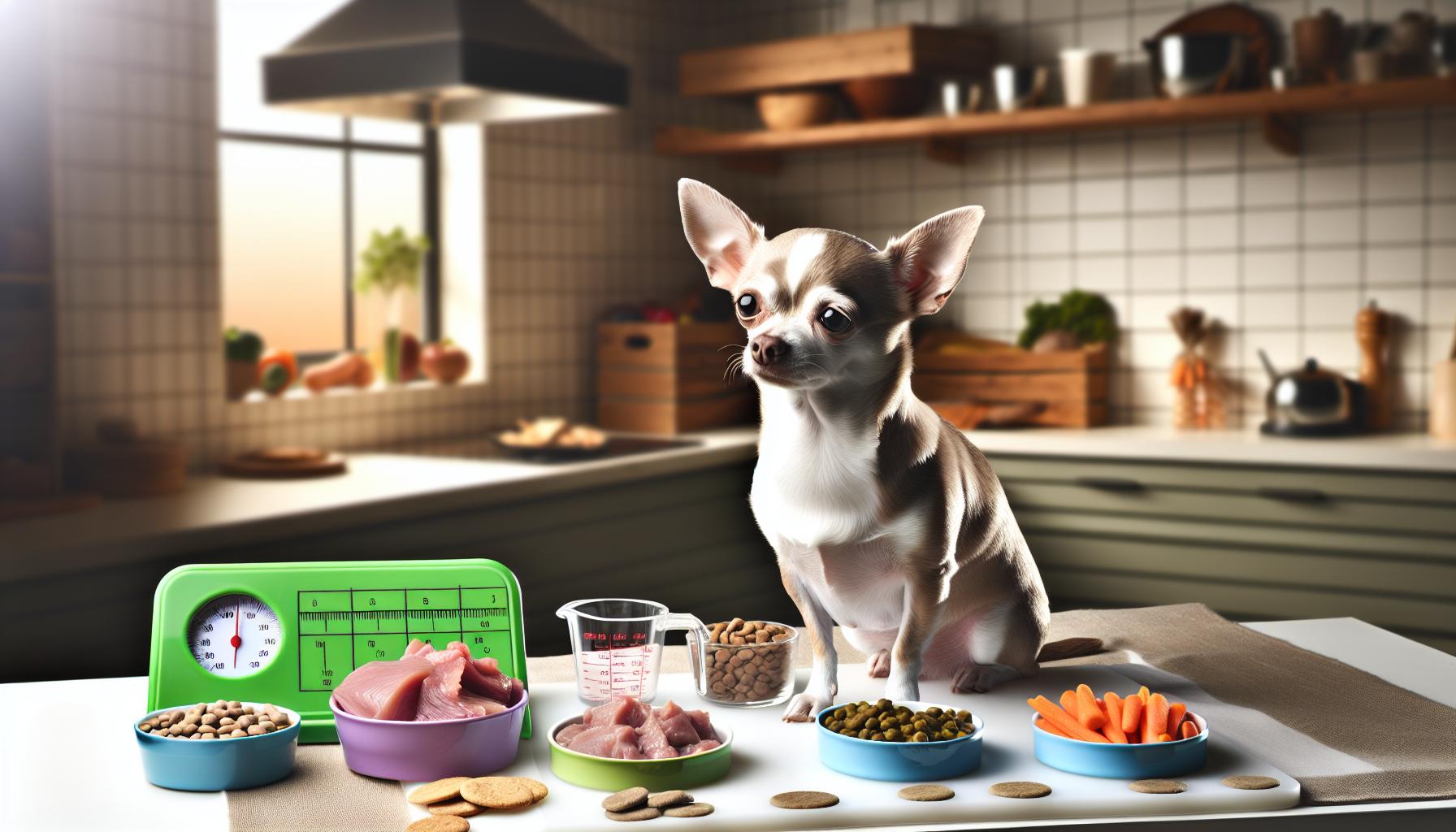
Factors Influencing a Chihuahua’s Caloric Intake
Chihuahuas, despite their tiny stature, require careful attention to their daily caloric intake due to the influence of several key factors. Understanding these elements will not only help you provide a balanced diet but also ensure your little companion remains full of energy and health.
A primary factor that affects your Chihuahua’s caloric needs is activity level. If your dog is a lively little character who enjoys playtime and short walks, their calorie requirements will naturally be higher than those of a more sedentary Chihuahua who prefers to lounge on the couch. Regular exercise helps maintain a healthy weight and stimulates their instant bursts of energy, which are characteristic of the breed. For instance, a Chihuahua that is active throughout the day might require an additional 50 to 100 calories compared to one that only engages in occasional play.
Another vital consideration is age. Puppies and young adults typically need more calories to support their growth and playful behavior, while older Chihuahuas might require fewer calories as their metabolism slows down. Weight gain can often sneak up on these small dogs if their diets aren’t adjusted with age. For example, a one-year-old, five-pound Chihuahua may need 300 calories, while a senior of the same weight might thrive on just 200 calories, particularly if they have adopted a more relaxed lifestyle.
Health conditions also play a critical role. Certain illnesses can increase energy requirements, while others might necessitate a reduction in calories. If your Chihuahua is dealing with an illness, consulting your veterinarian for personalized dietary advice is imperative. They can help tailor your dog’s food intake to not only meet but optimize your Chihuahua’s health needs.
Lastly, the unique size and build of your Chihuahua can greatly influence their caloric needs. For instance, apple-head Chihuahuas might have different energy requirements than their deer-head counterparts due to differences in metabolism and muscle mass. Paying attention to your dog’s particular characteristics will guide you in maintaining an appropriate calorie count.
By understanding and adjusting for these factors, you can keep your Chihuahua healthy, lively, and happy, ensuring they enjoy the vibrant life they deserve.
Understanding Chihuahua Size and Weight Requirements
To keep your Chihuahua vibrant and healthy, understanding their size and weight requirements is paramount. These little dogs come in various shapes and builds, with the most common being the apple-head and deer-head types. These distinctions not only affect personality traits-apple-heads tend to be bold and a bit more vocal, while deer-heads might convey a calmer demeanor-but also influence their caloric needs due to differences in metabolism and activity levels.
When determining how many calories your Chihuahua needs, their size is a critical factor. Typically, Chihuahuas weigh between 2 to 6 pounds, but even within this range, slight variations can make a significant difference in their dietary requirements. For instance, a toy-sized, energetic five-pound Chihuahua may require up to 300 calories per day, while a heavier, less active counterpart of the same weight might only need around 200 calories. Being attentive to your Chihuahua’s build and weight will help you tailor their diet precisely.
Also, remember that a Chihuahua’s weight isn‘t solely determined by their breed but also by their age and lifestyle. Puppies require more calories for their growth spurts, while seniors often benefit from a diet lower in calories. If you have an older Chihuahua who’s becoming less active, look out for changes in their weight. Keeping tabs on their physical condition and adjusting their food intake can prevent them from becoming overweight-a common issue with small breeds. Regular vet visits for weight checks can provide personalized recommendations based on their unique characteristics.
In conclusion, being mindful of your Chihuahua’s specific size and weight will empower you in providing an appropriate caloric intake and ensuring her health and happiness. By focusing on these unique traits, you’ll be well on your way to nurturing a happy, energetic companion who thrives on a balanced diet perfectly suited to her needs.
How to Calculate Your Chihuahua’s Daily Calories
To keep your lively little Chihuahua bursting with energy, it’s essential to calculate their daily caloric needs accurately. Determining how many calories they require isn’t just a matter of guesswork; it’s a personalized process. Each Chihuahua is unique, and factors like weight, age, activity level, and even metabolism all play crucial roles in establishing their nutritional needs.
Start with a foundational understanding: small breeds like Chihuahuas typically need about 40 calories per pound per day. For example, if your Chihuahua weighs 5 pounds, you would multiply 5 by 40, resulting in approximately 200 calories as a baseline. However, this number can vary. Active Chihuahuas-those who are playful and always on the move-might require more, while older or less active ones may need less to maintain a healthy weight.
### Factors to Consider
When calculating calories, consider these key aspects:
- Age: Puppies need more calories due to growth and development, while seniors may require fewer as their metabolism slows.
- Activity Level: Daily routines greatly influence caloric needs; a Chihuahua who enjoys frequent walks or play sessions will burn more calories than one who prefers lounging.
- Health Conditions: Any medical concerns or weight issues should be taken into account. Always consult your vet if in doubt.
### Adjusting for Weight Changes
It’s also vital to monitor your Chihuahua’s weight regularly. If she starts to gain too much, consider slightly reducing her daily calorie intake and increasing activity levels. Conversely, if she seems too slim or is losing interest in food, you might need to increase her calories or explore a more nutrient-rich food option.
By understanding these principles and paying attention to your Chihuahua’s individual needs, you can ensure that she receives the right amount of nutrition, keeping her happy, healthy, and ready to take on the world. And remember, the love and care you show by calculating her daily caloric needs is just one way to celebrate her vibrant personality and make sure she thrives!
Best Food Options for a Healthy Chihuahua
Finding the right food for your Chihuahua is essential to keep her healthy, energetic, and happy. These delightful little dogs, with their bold personalities, require a diet that meets their specific nutritional needs while respecting their small size. High-quality dog food designed for small breeds can help ensure that your Chihuahua gets the right balance of calories and nutrients without overloading her tiny stomach.
A good rule of thumb is to choose a food that lists meat as the first ingredient. Look for options that are specifically formulated for small breeds, which often contain smaller kibble sizes and a blend of protein, fats, and carbohydrates tailored to their needs. For instance, brands like Royal Canin and Wellness Small Breed offer excellent formulas that support muscle development and provide the energy your Chihuahua needs to stay active. Keep an eye out for proteins such as chicken, turkey, or fish and avoid fillers like corn and soy that can be harder for Chihuahuas to digest.
Wet vs. Dry Food
Both wet and dry food have their advantages. While dry kibble is great for keeping their teeth clean and easy to portion out, wet food can be more appetizing, especially for picky eaters or seniors whose teeth may not work as well. Mixing the two can also provide a balanced diet, ensuring your Chihuahua gets a variety of textures and flavors. Many owners report that their Chihuahuas thrive on a combination of high-quality dry food and wet food topped with a few fresh veggies or a spoonful of unsweetened pumpkin for added fiber.
Considerations for Treats
When it comes to treats, opt for healthy options that complement your Chihuahua’s main diet. Small pieces of cooked chicken, carrots, or specially formulated treats for small breeds can be great choices. However, be cautious with the portion sizes-it’s easy to overdo it, which can lead to weight gain. Remember, treats should only make up about 10% of her daily caloric intake.
Ultimately, every Chihuahua is unique, and it may take some time to find the perfect diet that keeps her thriving. Regular vet check-ups will help you monitor her weight and health, allowing you to make necessary adjustments to her diet. Happy feeding!
Importance of Nutritional Balance for Chihuahuas
Maintaining a balanced diet is crucial for your Chihuahua’s overall health and well-being. These little canines, often characterized by their sassy personalities and spunky behavior, require specific nutrients to thrive. A diet that emphasizes nutritional balance not only helps them maintain an ideal weight but also fosters their energy levels, promotes healthy skin and coat, and supports optimal organ function.
It’s essential to ensure that your Chihuahua’s food contains a proper ratio of proteins, fats, carbohydrates, vitamins, and minerals. Protein is particularly important, as it serves as the building block for muscles and tissues. Aim for high-quality animal-based proteins, such as chicken or fish, to support their lean body mass. Fats, specifically healthy omega fatty acids, are vital for a shiny coat and healthy skin, while carbohydrates provide the necessary energy for your little one to remain active and playful.
Key Nutrients for Your Chihuahua
Your Chihuahua’s diet should include:
- High-quality proteins: Look for foods where meat is the first ingredient.
- Healthy fats: Include sources like fish oil or chicken fat for overall health.
- Digestible carbohydrates: Options like brown rice or sweet potatoes offer energy without the fillers.
- Vitamins and minerals: Essential for immune system health and overall vitality.
Real owner experiences reveal how a balanced diet transforms their Chihuahuas. For instance, Rachel noticed her apple-head Chihuahua, Bella, had more energy and a shinier coat after she switched to a protein-rich formula designed for small breeds. Similarly, Mike has observed that his Chihuahua, Max, who previously dealt with digestive issues, thrived after incorporating a diet rich in wholesome, digestible ingredients, supporting his sensitive stomach.
It’s also vital to adjust your Chihuahua’s diet as they age or if their activity levels change. Regular veterinary check-ups can help identify any specific dietary needs or adjustments that would be beneficial. Celebrating your Chihuahua’s unique personality while providing them with a balanced diet will help ensure they live a happy, healthy life. Pay attention to their dietary habits, and always consult with your vet if you have any concerns about their nutritional intake.
Adjusting Calories for Different Activity Levels
Understanding and adjusting your Chihuahua’s caloric intake based on their activity level is crucial for maintaining their health and happiness. These tiny dynamos can have varying energy requirements depending on their lifestyle, which means that the same amount of food isn’t suitable for every Chihuahua. Whether your little one is a laid-back couch potato or an energetic explorer, knowing how to tailor their diet can make all the difference.
For instance, an active Chihuahua who loves to play fetch or go on long walks will require more calories to fuel their fun-filled days. An average active Chihuahua may need anywhere from 40 to 50 calories per pound of body weight. This means that a 5-pound Chihuahua could need around 200 to 250 calories daily. On the flip side, a less active Chihuahua, perhaps one who enjoys lounging more than running, may only need 30 to 40 calories per pound. This adjustment can prevent weight gain and related health issues.
Additionally, you might consider factors like age and health conditions, which can influence their energy needs. For example, senior Chihuahuas typically have lower energy levels and thus need fewer calories. It’s important to monitor their body condition and energy levels and adjust accordingly. A handy tip is to keep track of their physical activity and make gradual changes to their food intake, rather than drastic cuts or increases.
Always consult with your veterinarian for personalized advice tailored to your Chihuahua’s unique needs. They’ll help you determine the right balance, ensuring your spirited friend remains vibrant and healthy throughout their life. Regular exercise not only helps manage weight but also promotes mental stimulation, keeping your Chi both fit and happy!
Signs Your Chihuahua May Be Overweight
Recognizing when your Chihuahua may be tipping into overweight territory is essential for maintaining their health and happiness. Because our tiny companions carry their weight differently than larger breeds, a few extra ounces can lead to significant health problems. An overweight Chihuahua might struggle more with their joints, experience increased fatigue, or even face serious conditions like diabetes and heart disease. As a loving owner, being aware of specific signs can help you keep your furry friend in check.
One telltale sign is their body shape. A healthy Chihuahua should have a discernible waist when viewed from above, with their belly rising slightly when looked at from the side. If their waist appears round or has no defined shape, it’s time to reassess their diet and activity level. Additionally, you should be able to feel, but not see, their ribs without too much pressure. If you’re finding it challenging to locate their ribs through a layer of fat, your little one is likely carrying excess weight.
Pay attention to their energy levels and playfulness, too. Chihuahuas are known for their spunky attitudes and zest for life. If you notice your once-active buddy becoming lazier, reluctant to engage in play, or slower during walks, these could be signs of weight gain impacting their vitality. Regular playtime should excite him, not wear him out prematurely. Another helpful observation is their eating habits; watch for changes in appetite or food obsession, which can suggest he’s not getting the right nutrition or is too focused on food.
To support your Chihuahua’s healthy weight, it helps to monitor their food intake and provide appropriate portion sizes based on their caloric needs. Use a simple reminder system such as a feeding chart based on their weight and activity levels to avoid over-portioning. Remember, a proper diet combined with regular exercise is the best way to keep your little companion fit and full of life! Always consult your veterinarian for personalized advice if you suspect your Chihuahua might be overweight; they can help you devise a suitable plan for a healthier lifestyle.
Feeding Schedule Tips for Optimal Health
To keep your Chihuahua at a healthy weight, establishing an effective feeding schedule is crucial. These little dynamos have big personalities but small stomachs, making it important to optimize their nutrition through careful timing. A steady routine not only helps manage their caloric intake but also supports their digestive health. Chihuahuas thrive on predictability, so feeding them at the same times each day fosters security and can even minimize anxiety around mealtime.
A recommended approach is to divide their daily calorie allowance into two to three small meals. This helps prevent overeating and supports their metabolism. For instance, if your Chihuahua requires about 200 calories a day, consider offering 100 calories at breakfast and 100 at dinner, or splitting it into three meals with smaller portions. This technique keeps their energy levels stable throughout the day and reduces the likelihood of food obsession, which is a common challenge with the breed.
Be mindful of their unique behaviors around food. Many Chihuahuas are vocal about their cravings, and some may even try to beg for extra treats. This is where discipline comes in; it helps to resist those puppy-dog eyes and stick to your established feeding schedule. If you’re introducing new foods or treats, do so sparingly and consider the overall caloric intake to avoid excessive weight gain. You can also use feeding puzzles to make mealtime more engaging, catering to their cleverness while regulating how quickly they eat.
Finally, routine vet check-ups are essential to monitor your Chihuahua’s weight and overall health. Adjustments may be necessary based on factors such as age, activity level, and any underlying health conditions. Remember, these little companions count on you for their well-being, and a balanced feeding schedule paired with love and attention will ensure they remain sprightly and joyful throughout their lives.
Common Diet Mistakes Chihuahua Owners Make
Chihuahuas may be pint-sized, but their dietary needs can significantly impact their health and happiness. As passionate Chihuahua owners, we must navigate dietary choices wisely to avoid pitfalls that can lead to obesity or nutritional imbalances. One common mistake owners make is overestimating how much food their little companions require. Chihuahuas, depending on their activity level and weight, typically need about 200-400 calories per day. It’s all too easy to assume they need more just because they beg – those tiny faces can be hard to resist!
Another frequent issue is neglecting to provide a balanced diet. Chihuahuas thrive on high-quality kibble designed specifically for small breeds, as well as fresh vegetables and lean proteins. However, some owners may opt for cheap, mass-produced food that is low in essential nutrients. A diet lacking in variety can lead to deficiencies that affect your pup’s energy levels and overall health. For instance, if your Chihuahua is more sedentary, you should adjust their calorie intake accordingly, which often means skipping extra treats that could tip the calorie scales.
Additionally, many owners inadvertently feed their Chihuahuas human food without realizing it can be harmful. Foods like chocolate, grapes, and onions are toxic to dogs, and even seemingly harmless snacks may disrupt their digestive systems. If you’re tempted to share your food, it’s crucial to know which items are safe for your furry friend. Consider providing them with treats explicitly made for dogs, as these are designed with their unique needs in mind.
It’s also essential to keep their feeding moments structured. Many Chihuahuas develop poor eating habits due to free feeding or irregular schedules. Instead, stick to a routine – small meals at set times can prevent overeating and help regulate metabolism. Using measuring cups can keep their portions in check, especially for those who might not vocalize when they’ve had enough.
In summary, being mindful of calorie counts, providing a balanced diet, avoiding harmful foods, and sticking to a feeding routine are all critical steps for ensuring your Chihuahua remains healthy and vibrant. Adhering to these simple guidelines can help your little buddy thrive, reducing risks related to obesity and promoting a long, happy life.
Supplementing Your Chihuahua’s Diet: What to Know
Supplementing your Chihuahua’s diet requires a thoughtful approach, especially given their petite stature and distinct nutritional needs. This breed, known for its bold personality in a small frame, thrives on a balanced diet that can be enhanced with the right supplementary foods. Think of supplementation as an opportunity to provide a little extra love in their bowl, ensuring they receive all the nutrients necessary for a happy, energetic life.
When considering supplements, it’s essential to focus on high-quality options. Look for nutrient-rich additions, such as omega-3 fatty acids or probiotics, which can support your Chihuahua’s skin, coat, and digestive health. For instance, adding a fish oil supplement can contribute to a shiny coat and help alleviate dryness or itching, common issues in many Chihuahuas, particularly those with long hair. Probiotics, on the other hand, can enhance gut health, which is crucial given that smaller breeds often face digestive challenges.
Understanding the specifics of your Chihuahua’s needs also plays a critical role. For example, if your furry companion is more active, they may benefit from protein-rich supplements such as chicken or beef broth. Just be sure to choose options that are free from harmful additives and preservatives. As an owner of an apple-head Chihuahua, I’ve found that incorporating small amounts of cooked chicken into their diet not only boosts their protein intake but also makes mealtime more exciting for them – just remember to avoid any seasoning!
Common Supplementation Options
- Fish Oil: Supports skin health and reduces inflammation.
- Probiotics: Aids in digestion and gut flora balance.
- Vitamin E: Promotes a healthy immune system and skin.
- Calcium Supplements: Necessary for strong bones, especially in growing puppies.
Consulting your veterinarian before adding any new supplements to your Chihuahua’s daily routine is also highly recommended. They can provide personalized advice based on your dog’s weight, age, and overall health. It’s also vital to monitor your Chihuahua after introducing any new supplement; keep an eye out for unusual behavior or digestive issues. Small adjustments can make a big difference, so listen to your furry friend – they’ll let you know what works for them through their energy levels and well-being. With the right supplementation, your vibrant little companion can thrive and show off their loud, loyal personality to the fullest!
Homemade Diets: Pros and Cons for Chihuahuas
Creating homemade meals for your Chihuahua can be a rewarding way to provide a fresh and tailored diet, but it comes with both advantages and potential pitfalls. Many pet parents find that preparing food at home allows them to carefully select ingredients, ensuring their tiny companion receives the best nutrition possible. Plus, there’s something special about knowing exactly what goes into your pup’s meals-no more guessing about what’s in commercial foods or dealing with questionable ingredients!
However, it’s crucial to approach homemade diets with care. Chihuahuas are small yet mighty, often requiring precise nutritional balance to maintain their health and energy levels. A common mistake is to rely on general recipes that don’t meet the specific dietary needs of our pint-sized pals. For example, while chicken, sweet potatoes, and peas might be healthy, failing to include essential vitamins or fatty acids can lead to deficiencies over time. Consulting with a veterinarian or a pet nutritionist is vital to ensure that your homemade meals are complete and balanced.
Pros of Homemade Diets
- Control Over Ingredients: You know exactly what your Chihuahua is eating, reducing the risk of allergens or preservatives.
- Tailored Nutrition: You can adjust recipes based on your dog’s specific health needs, energy levels, and preferences.
- Variety: Homemade diets allow for a mix of proteins and vegetables, helping to prevent boredom at mealtime.
Cons of Homemade Diets
- Time-Consuming: Preparing fresh meals can be time-intensive compared to grabbing a bag of kibble.
- Nutritional Gaps: It can be challenging to meet all of your Chihuahua’s nutritional needs without careful planning.
- Risk of Overfeeding: Homemade diets can lead to higher calorie counts if portion control isn’t practiced, which might contribute to obesity in an already small breed.
Before embarking on a homemade diet journey, consider starting small. Perhaps try adding fresh vegetables or meats as toppings on top of their regular food to see how your Chihuahua reacts. This gradual introduction can help you gauge their tolerance and preferences while ensuring that they still receive any necessary nutrients from their primary diet. As with any dietary change, patience and observation are key. With careful planning, your Chihuahua can enjoy the benefits of a homemade diet while staying healthy and happy!
FAQ
Q: How many calories should a Chihuahua eat daily?
A: A Chihuahua typically needs between 200 to 400 calories daily, depending on factors such as age, weight, and activity level. For precise calculations, consider using the formulas outlined in the article section on calculating daily calories.
Q: What factors affect a Chihuahua’s calorie needs?
A: Several factors influence a Chihuahua’s caloric needs, including age, weight, activity level, and health status. For instance, active Chihuahuas require more calories than those with a sedentary lifestyle, as mentioned in the section on factors influencing caloric intake.
Q: How can I tell if my Chihuahua is overweight?
A: You can assess if your Chihuahua is overweight by checking if you can feel their ribs easily and if their waist narrows when viewed from above. The section on signs of being overweight in the article provides valuable insights on this.
Q: What are some common diet mistakes for Chihuahuas?
A: Common mistakes include overfeeding, not providing balanced nutrition, and relying too heavily on treats. For more information, refer to the section on common diet mistakes to ensure your Chihuahua maintains a healthy weight.
Q: Can I feed my Chihuahua homemade meals?
A: Yes, you can feed your Chihuahua homemade meals, but it’s essential to ensure they receive a balanced diet. The article’s section on homemade diets discusses the pros and cons to guide you in making informed decisions.
Q: How does my Chihuahua’s activity level affect their diet?
A: A Chihuahua’s activity level significantly influences their calorie requirements. More active dogs need more calories for energy. Refer to the section on adjusting calories for activity levels for detailed guidance.
Q: What are the best food options for a Chihuahua?
A: High-quality dog food specifically formulated for small breeds is ideal. Look for options with high protein content and essential nutrients. The best food options for a healthy Chihuahua section in the article suggests various brands and recipes.
Q: How often should I feed my Chihuahua?
A: It’s generally recommended to feed adult Chihuahuas two to three meals per day to maintain steady energy levels. The article’s feeding schedule tips can help you develop an optimal routine for your pet’s health.
In Conclusion
Understanding your Chihuahua’s caloric needs is crucial for their health and happiness. By tailoring their diet and ensuring they receive the right amount of nourishment, you not only support their energy levels but also bolster their unique, bold personalities. Remember, a balanced diet enhances their vibrant nature, keeps them agile, and prevents health issues common in small breeds.
If you’re eager to delve deeper, check out our guide on “Choosing the Best Food for Your Chihuahua” and explore tips on “Daily Exercise Routines for Small Breeds.” Don’t miss out on our newsletter, packed with expert advice and exclusive resources to help you care for your tiny companion. Your Chihuahua deserves the best, and with the right tools and knowledge, you can provide just that. Join our community, share your experiences, and celebrate the joys and quirks of your adorable little friend!
Get our latest guides, news, and insights highlighted in your Google Search & AI Overviews.