

When it comes to Chihuahuas, their small size holds a big secret: they often lead longer lives than many other breeds. On average, most Chihuahuas live between 12 to 20 years, but knowing what factors influence their lifespan can help you care for your tiny companion effectively. With their quirky personalities and loyal nature, it’s only natural to worry about their well-being as they age. Understanding common health issues and providing the right care can make a world of difference in ensuring they thrive for years. Join us as we explore the lifespan of Chihuahuas, uncovering essential facts that can help you enjoy every moment with your beloved friend and keep those wagging tails happy!
What Is the Average Lifespan of a Chihuahua?
Chihuahuas are well-loved for their spirited personalities and loyal nature, but potential owners often wonder about the longevity of these small companions. On average, Chihuahuas live between 12 to 20 years, with many living into their late teens. This impressive lifespan can largely be attributed to their small size and adaptability, making them resilient little dogs.
However, a Chihuahua’s lifespan can vary based on several factors. Genetics play a significant role, as some lines may have predispositions to certain health issues that can impact their longevity. Nutrition is another critical factor. A balanced diet tailored to your Chihuahua’s specific needs can promote overall health and vitality, helping to stave off obesity and other health-related problems. It’s not uncommon for seasoned Chihuahua owners to share stories about how proper nutrition and regular vet check-ups have given their pups many healthy years together.
Lifestyle choices also influence your dog’s longevity. Regular exercise, mental stimulation, and socialization contribute to a happy and fulfilled life. Despite their size, Chihuahuas have plenty of energy, and daily walks or playtimes can keep them fit and engaged. Moreover, some owners have noted that creating a safe, stress-free home environment helps their Chihuahuas thrive longer.
By understanding these factors and providing comprehensive care, you can ensure your Chihuahua lives a long, healthy life by your side. With proper attention and love, these tiny dogs can bring joy to your life for many years, making every moment spent together truly special.
Factors Influencing Chihuahua Lifespan

Chihuahuas are not just pint-sized companions; they’re spirited little beings that thrive on love and attentive care. Their lifespan is typically between 12 to 20 years, a remarkable range that offers plenty of time to bond and create memories. However, this impressive longevity can be influenced by several critical factors that every owner should understand.
One of the primary determinants of how long your Chihuahua will live is their genetics. Some bloodlines may be prone to specific health issues that can shorten their lifespan. For example, apple-headed Chihuahuas, known for their rounded skulls, may have a higher risk of developing certain health problems. Educating yourself about the pedigree of your pup can provide insights into potential health risks, allowing you to proactively manage their care.
In addition to genetics, nutrition is paramount. A well-balanced diet tailored to your Chihuahua’s unique needs helps maintain a healthy weight and supports vital bodily functions. Owners often share that investing in high-quality dog food, rich in necessary nutrients, has tremendously benefited their Chihuahua’s health. Regular vet check-ups are equally important; these allow for early detection of any emerging health issues.
Lifestyle choices play a significant role, too. Chihuahuas are energetic and need consistent exercise to maintain their physical and mental well-being. Regular walks and playtime not only keep them fit but also help prevent obesity, a common issue that can lead to serious health concerns. Moreover, fostering a stimulating environment with social interaction and safe play areas contributes significantly to their happiness and longevity.
A stress-free home environment is also crucial. Creating a safe space where your Chihuahua feels secure can reduce anxiety-related issues that might affect their health. Many experienced owners note that keeping routines consistent helps their dogs thrive emotionally and mentally.
By understanding and addressing these influencing factors, you can take proactive steps to ensure that your Chihuahua enjoys a long, vibrant life filled with joy and companionship. Embrace the quirks and bold nature of your tiny friend; with the right care, you can cherish their vibrant spirit for many years to come.
Common Health Issues Affecting Chihuahuas

Chihuahuas, with their big personalities packed into tiny frames, are delightfully unique companions, but their health can be a concern for even the most devoted owners. Understanding common health issues is key to ensuring your little friend lives a healthy, happy life. With a lifespan that can stretch from 12 to 20 years, you have plenty of time to enjoy with your Chihuahua-but certain health challenges can crop up along the way.
One prominent health issue in Chihuahuas is patellar luxation, which occurs when the kneecap dislocates from its normal position. This condition is particularly common in smaller breeds and can lead to pain and difficulty walking. Regular vet check-ups can help monitor any signs of this condition, and maintaining a healthy weight is essential to reduce strain on the joints.
Another concern is heart disease, especially in older Chihuahuas. They may suffer from conditions such as congestive heart failure or heart murmurs, often stemming from genetic predisposition. Keeping an eye on your pup’s activity levels and promptly addressing any breathing difficulties or lethargy can help in early diagnosis. A heart-healthy diet, rich in omega-3 fatty acids, can also support cardiovascular health.
Chihuahuas are also prone to dental issues due to their small mouths, which may lead to overcrowded teeth and gum disease. Be proactive by incorporating dental care into your routine-regular brushing, dental chews, and annual vet cleanings can keep their teeth and gums in great shape. For instance, many dedicated owners find that using specially designed dog toothpaste makes brushing easier and more effective.
When it comes to their eyes, Chihuahuas can face conditions like dry eye syndrome or progressive retinal atrophy. These can lead to discomfort or loss of vision, making it important to monitor your dog for excessive squinting or discharge. Regular veterinary visits allow for assessments that can catch these issues early.
Lastly, keeping your Chihuahua mentally stimulated and emotionally balanced is vital. Behavioral issues can arise from stress, leading to anxiety or destructive chewing. Creating a secure environment and providing engaging activities can significantly enhance their well-being.
By understanding these common health challenges, you can be better prepared to give your Chihuahua the best life possible. Your little companion relies on you not just for love and companionship but also for their health care, ensuring they remain vibrant and happy throughout their years.
Top Care Tips to Extend Your Chihuahua’s Life
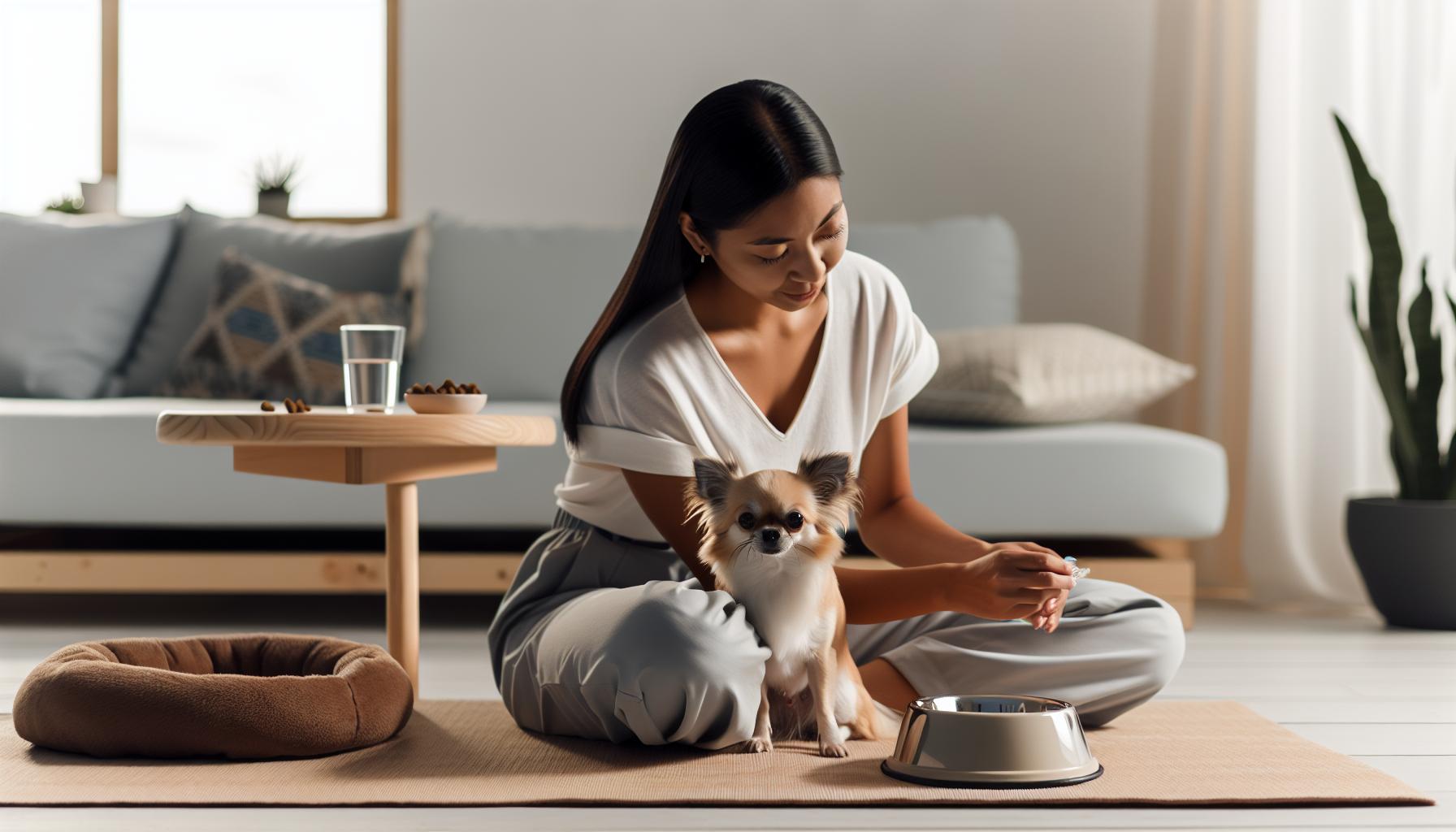
Chihuahuas are known for their vibrant personalities, and with a lifespan ranging from 12 to 20 years, there’s much to love about these little companions. To ensure your furry friend lives a long, fulfilling life, focusing on key aspects of their care is essential. Here are several practical tips to help you extend your Chihuahua’s life.
Healthy Diet
Nutrition plays a critical role in your Chihuahua’s longevity. Opt for high-quality, age-appropriate dog food that meets their specific needs. For example, many Chihuahuas thrive on diets rich in omega-3 fatty acids, which support heart health and maintain a glossy coat. Avoid overfeeding, as obesity is a common issue in Chihuahuas and can exacerbate health problems. Measure food portions, and consider consulting your veterinarian for tailored dietary advice.
Regular Vet Visits
Frequent veterinary check-ups are crucial for early detection of potential health issues. Schedule annual wellness exams and stay current on vaccinations. Your vet can provide valuable insights into common Chihuahua health concerns, including dental health, heart disease, and patellar luxation. Regular dental cleanings are especially important, as Chihuahuas are prone to dental problems. Incorporating dental care into your Chihuahuas’ routine-like brushing their teeth or providing dental chews-can minimize these risks.
Exercise and Mental Stimulation
Despite their small size, Chihuahuas are energetic and require regular exercise to stay healthy. Short, engaging walks and interactive playtime can keep them active while preventing obesity. Mental stimulation is equally important; puzzle toys and training sessions can challenge their minds and prevent boredom. For instance, many owners enjoy teaching their Chihuahuas simple tricks, which not only entertains them but also strengthens your bond.
Comfortable Living Environment
Creating a safe, comfortable space for your Chihuahua can significantly contribute to their well-being. Ensure they have a cozy bed, safe toys, and a designated area to retreat when they need quiet time. Chihuahuas can be sensitive to temperature changes, so keep them warm in cooler weather with stylish dog sweaters and blankets. Providing stability and security within their environment helps reduce stress, which is essential for a long, healthy life.
By implementing these care tips, you give your Chihuahua the best chance at a happy, extended life filled with laughter and love. After all, their joy is inextricably linked to the care and attention you provide, allowing both of you to enjoy every precious moment together.
Understanding the Different Chihuahua Types

Chihuahuas come in various types, each with unique traits that can influence their care and lifespan. Understanding these differences can enhance your relationship with your furry friend and help you provide the best environment for them to thrive. Primarily, Chihuahuas are categorized based on their head shape and coat type, which can play a role in their health and behaviors.
Head Shape
The two main head shapes seen in Chihuahuas are the apple-head and the deer-head.
- Apple-Head Chihuahuas: Recognizable by their rounded skulls and distinctive large eyes, these Chihuahuas often have a more delicate bone structure. This breed type tends to be more susceptible to certain health issues, including heart problems and dental issues, which can impact their lifespan.
- Deer-Head Chihuahuas: Characterized by their longer legs and a more elongated snout, these dogs are generally considered more robust than their apple-headed relatives. They may face fewer health complications, which can contribute to a longer, healthier life.
Coat Types
Chihuahuas also vary in their coat types, which include short coat and long coat.
- Short Coat: These Chihuahuas require less grooming, making them ideal for first-time owners. However, they may need extra warmth during chilly months.
- Long Coat: While they may need more grooming to prevent matting, the long coat can be a standout feature that requires regular attention to keep it healthy.
Each of these types, while distinct, shares common traits that reflect the Chihuahua’s vibrant personality-bold, loyal, and often quite vocal. Understanding these differences can empower you to cater your care more effectively, addressing specific health risks associated with each type and adapting your lifestyle to accommodate them. For instance, if you have an apple-head Chihuahua, regular veterinary dental check-ups are crucial, while ensuring that your deer-head Chihuahua gets ample exercise could help maintain its overall health. Recognizing these distinctions not only contributes to their well-being but also enriches your bond as you celebrate their quirks and unique characteristics together.
Nutrition and Diet for a Healthy Chihuahua
Providing your Chihuahua with a balanced diet is one of the most critical ways to influence their health and longevity. With proper nutrition, you can help ensure that your tiny companion remains vibrant, full of energy, and free from common health issues associated with poor diet. Chihuahuas, known for their lively personalities and small size, have specific dietary needs that you should pay careful attention to.
Chihuahuas are prone to obesity, which can significantly reduce their lifespan. It’s essential to feed her high-quality dog food that fits her size, age, and activity level. Look for food formulated specifically for small breeds, as these are generally higher in protein and contain smaller kibble sizes that are easier for her to chew. A popular choice among Chihuahua owners is kibble that lists meat as the first ingredient, ensuring your dog gets the necessary protein to thrive. Remember, a healthy adult Chihuahua typically requires about ¼ to ½ cup of food per day, spread across two meals.
- Include Fresh Foods: Adding fresh veggies like carrots and peas can enhance her diet and provide essential vitamins. Many owners find that their Chihuahuas love these crunchy snacks!
- Hydration is Key: Always ensure she has access to fresh water. Chihuahuas can be prone to dental issues; moistening her kibble helps with hydration and can promote better dental health.
- Beware of Human Food: While it’s tempting to share your meals, many human foods can be harmful. Avoid sugar-heavy snacks and those high in fat, like cheese and processed meats.
During their senior years, your beloved Chihuahua may need dietary adjustments. Consider switching to senior-specific dog food that supports joint health and contains more fiber to aid digestion. Many Chihuahua owners appreciate the benefits of adding omega fatty acids for their skin and coat health, especially in long-haired varieties. It’s not just about what she eats but also how you feed her; small, frequent meals can help prevent hypoglycemia, a common issue in smaller breeds.
Lastly, monitoring her weight and ensuring she remains active is crucial as a few extra pounds can lead to serious health complications. Regular vet check-ups can help fine-tune her diet and identify any adjustments needed based on her life stage and health status. Your commitment to her nutritional health will play a significant role in giving her those golden years full of joy, stability, and love.
The Role of Exercise in Chihuahua Longevity
To keep your Chihuahua healthy and in the best spirits for as long as possible, regular exercise is essential. While they are small in size, Chihuahuas have big personalities and even bigger energy levels. Engaging them in daily physical activity not only supports their physical health but also contributes to their mental well-being, helping to stave off behavioral issues that can arise from boredom or inactivity.
Chihuahuas, especially those with apple-heads or long coats, thrive on structured playtime and exercise. Consider incorporating activities like short walks, play sessions with toys, or even interactive games like hide and seek. These little dynamos love to explore their environment, so allowing them to sniff around during walks can provide them with both mental stimulation and physical exercise. Aim for at least 30 minutes of activity each day, spaced throughout the day to cater to their bursts of energy.
Adapting your exercise routine to your Chihuahua’s life stage is crucial. Puppies may need shorter, more frequent sessions filled with play, while senior Chihuahuas might benefit from gentle walks that keep them active without putting too much strain on their joints. For our seasoned companions, incorporating low-impact activities like swimming can also provide a great way to stay fit while minimizing stress on their bodies.
Incorporating socialization through playdates with other small dog breeds is also beneficial. Not only does it provide physical exercise, but it also enriches their social skills and helps prevent anxiety. Just remember to keep an eye on the energy levels and interactions within the group. Overexertion can be a concern, especially in warmer weather, so always ensure they are well-hydrated and not overly fatigued after playtime.
By maintaining a consistent routine that keeps your Chihuahua moving and engaged, you’re not just promoting a longer life but a happier one too. Let’s celebrate these tiny furballs by keeping them fit, active, and mentally sharp-because a happy Chihuahua is a healthy Chihuahua!
Signs of Aging in Chihuahuas: What to Watch For
As Chihuahuas gracefully age, it’s vital for owners to recognize the telltale signs that signal their beloved companions are entering their golden years. Aging can bring about a whole new set of challenges for these tiny dynamos, and being able to identify changes early on can significantly enhance their quality of life.
One of the most noticeable changes in a senior Chihuahua is a shift in energy levels. If your normally vibrant four-legged friend seems more lethargic, reluctant to engage in play, or prefers to snuggle rather than romp around, it could be an early sign of aging. Additionally, signs such as slower movements, stiffness after rest, or difficulty jumping onto favorite furniture can hint at arthritis or joint discomfort-common among older Chihuahuas. Monitoring these physical changes will help you adjust their daily routine and provide assistance as needed.
Behavioral Changes
Behaviorally, aging Chihuahuas may also exhibit shifts, such as increased clinginess or anxiety when separated from their owners. This change is not uncommon; many dogs seeking comfort may feel insecure as they grow older. They may also become a tad more vocal, trying to communicate their needs or discomfort. Keep an ear out for any unusual barking or whining, as these can indicate discomfort or confusion.
Lastly, observe your Chihuahua’s appetite and drinking habits. A sudden increase or decrease in food intake can signal dental issues or other health concerns that require attention. Weight loss or gain can impact their mobility and overall health, so keeping an eye on their dietary habits is crucial.
To ensure you’re supporting your Chihuahua as they age, frequent vet check-ups are paramount. Regular health screenings can catch potential issues early and guide you in making necessary lifestyle adjustments. Celebrate their quirks and provide them with comfort as they navigate these changes; your approach can truly enhance their golden years.
Life Stage Milestones of Chihuahuas
Understanding the life stages of your Chihuahua is crucial for providing the best care throughout their journey. Chihuahuas, typically living between 12 to 20 years, mark significant milestones that can guide you in meeting their ever-changing needs. From puppyhood to their golden years, these tiny companions evolve in health, behavior, and lifestyle, each phase requiring different approaches to care.
During the puppy stage, which lasts from birth until about six months, Chihuahuas are full of energy and curiosity. This is a critical period for socialization and training. Exposing your young pup to various environments, people, and other dogs helps develop a well-adjusted adult. Regular veterinary check-ups are essential to ensure they are receiving the necessary vaccinations and to monitor their growth. Remember, this stage is also when their personalities begin to shine-some may be bold and adventurous, while others might be more reserved.
As your Chihuahua transitions into the adolescent stage (approximately 6 months to 2 years), they may test boundaries and exhibit more independent behaviors. This phase can be challenging, as they become more vocal and may even try their hand at stubbornness. Consistent training is vital during this time, as positive reinforcement can help shape their behavior. Engaging in regular exercise not only helps manage their energy levels but also strengthens your bond through play and training sessions.
By adulthood (around 3 to 7 years), most Chihuahuas are settled into their quirky personalities. They can be fiercely loyal, often developing strong attachments to their owners. Their health is generally stable during these years, but regular vet visits are crucial for preventative care. Some owners may notice slight weight gain as their metabolism slows down, so monitoring their diet and ensuring adequate exercise remains important.
When entering the senior phase (8 years and older), you’ll likely observe a gradual decline in energy and agility. Chihuahuas may develop age-related health issues like dental disease, arthritis, or heart problems. Adapting their diet to include senior-specific food and maintaining a regular exercise routine-albeit with gentler activities-will help manage their health as they age. Additionally, observing behavioral changes, such as increased vocalization or clinginess, can be important indicators of their wellbeing. Regular check-ups can help catch any emerging health concerns early on.
Being aware of these life stages not only prepares you for upcoming changes but also enhances the quality of life for your cherished companion. Providing the right balance of love, care, and attention will ensure that your Chihuahua thrives at every age, allowing you to cherish many wonderful moments together.
Celebrating Your Chihuahua’s Golden Years
As your cherished Chihuahua enters their golden years, it’s a time filled with special moments and unique rewards. This phase of life offers you the opportunity to truly appreciate the vibrant personality that your pup has developed over the years. Whether your little companion is an apple-head or has a more elongated frame, each Chihuahua brings a spark of joy that only intensifies with age. It’s essential to celebrate their individuality, and here are some ways to ensure their twilight years are as fulfilling as possible.
Understanding Their Changing Needs
During this stage, your Chihuahua may experience a range of changes – both physically and behaviorally. Aging Chihuahuas often become more sedentary, which can lead to weight gain. Keeping your pup engaged with light playtime is crucial. Gentle activities like short walks, interactive toys, or puzzle games can stimulate their minds without overexerting their bodies.
Consider adjusting their diet to include high-quality, senior-specific dog food. This type of nutrition not only supports better digestion but also contains essential nutrients that can aid in joint health and overall vitality. For example, many experienced Chihuahua owners recommend foods enriched with omega-3 fatty acids for skin and coat health, particularly beneficial for those prone to dry skin issues common in older dogs.
Creating a Comfortable Environment
Your home can greatly impact your Chihuahua’s well-being as they age. Providing a cozy, quiet space for them to rest is essential. Elevating their bed to help cushion aging joints can make a significant difference. For Chihuahuas who love to stay close, consider setting up a warm nook where they feel secure yet connected with the family.
Additionally, maintaining a safe environment by minimizing steep stairs, slippery floors, or clutter can prevent accidents. Install ramps if necessary, making their navigation easier and less daunting, as many seniors benefit from gentle assistance.
Regular Veterinary Check-Ups
Regular vet visits become even more critical during your Chihuahua’s golden years. These check-ups can detect age-related health issues like dental disease, heart problems, or arthritis before they escalate. Keeping communication open with your vet about any behavioral changes, such as increased vocalization or unusual lethargy, allows for prompt care adjustments.
Many owners have found that their Chihuahuas thrive on regular wellness checks, leading to interventions that can enhance their comfort and quality of life. Documenting any changes you observe at home helps your vet tailor the best care approach for your aging companion.
Embracing your Chihuahua’s golden years means recognizing and celebrating their unique quirks while ensuring their needs are met with love and care. Each moment spent with them, whether it’s a snuggle on the couch or a leisurely stroll in the sun, creates cherished memories that enrich both your lives. With the right approach, your silver-haired friend can continue to fill your days with joy and companionship for years to come.
How to Prepare for End-of-Life Care
As you and your beloved Chihuahua approach the later stages of life, it’s important to prepare for the inevitable end-of-life moments with grace and love. Chihuahuas often form deep, loving bonds with their owners, making it essential to create a peaceful environment for your little friend as they transition. Understanding the signs of aging and being proactive about your Chihuahua’s needs can help you provide the best care possible in this challenging time.
Start by observing any changes in your Chihuahua’s behavior. If she seems more tired, has difficulty moving, or shows reluctance to engage in her usual activities, these may signal that she’s entering her final chapter. Open communication with your veterinarian is crucial. Discuss your observations, and seek advice on palliative care options, which may include pain management to keep your pup comfortable.
It’s also vital to create a nurturing and familiar environment. Make your Chihuahua’s space cozy and safe, with her favorite blankets and toys nearby. This helps reduce anxiety, providing comfort as she navigates her declining health. Many owners find that setting up a soft, quiet spot where she can rest while still feeling connected to the family can offer significant comfort.
Planning for end-of-life care involves thinking about practical aspects, too. Consider whether you would prefer at-home euthanasia or a visit to the vet. Many owners appreciate the option of allowing their Chihuahua to pass peacefully at home, surrounded by love, but the decision should be based on what feels right for both of you.
Finally, after she’s gone, honor her memory in a way that celebrates her unique personality. Whether you create a memory book filled with photos capturing her antics, such as her bold little leaps or her unmistakable vocal outbursts, or you plant a flower in her honor, these acts of remembrance can be healing. Every moment spent with her enriches your life, so embracing her memory can help bring comfort in the days ahead.
Supporting a Healthy Lifestyle for Senior Chihuahuas
As your Chihuahua ages, supporting her health becomes increasingly vital. With a lifespan that often reaches into the late teens, senior Chihuahuas can thrive with the right care, maximizing their quality of life during their golden years. Understanding the needs specific to older Chihuahuas, including diet adjustments, regular veterinary care, and gentle exercise, will help you keep your little companion healthy and happy.
Nutrition: The Foundation of Health
Tailoring your Chihuahua’s diet is essential as she matures. Older dogs may require fewer calories, but they still need a nutrient-rich diet to support their overall health. Focus on high-quality dog food that lists protein as the first ingredient and contains antioxidants for immune support. Many owners find success with senior-specific diets that cater to their dog’s changing nutritional needs. Supplements like omega-3 fatty acids can also help with joint health and reduce inflammation. Always check with your veterinarian before making any significant changes to ensure your Chihuahua receives the right balance of nutrients.
Regular Veterinary Visits
Frequent health check-ups become paramount as your Chihuahua ages. Annual visits may shift to bi-annual evaluations, allowing your vet to monitor potential health issues proactively, such as dental disease, heart conditions, or arthritis. Early detection is key-many health conditions are manageable if caught early. Discuss any behavioral changes with your vet, as these could be signs of discomfort or illness.
Exercise: Keeping Active
Just because your Chihuahua is a senior doesn’t mean she should lead a sedentary lifestyle. Exercise remains crucial; however, it’s essential to tailor activities to her energy levels. Short walks and gentle play sessions can keep her muscles active without overexerting. Engage in activities that stimulate her mind as well, like puzzle toys or training new tricks. A visually impaired or arthritic dog may enjoy indoor games or gentle fetch sessions in a safe space.
Creating a Comfortable Environment
A cozy living space can significantly enhance your Chihuahua’s well-being. As they age, they may become more sensitive to temperature changes, so provide a warm, comfortable bed in a quiet area. If you have a multi-level home, consider a ramp or stairs to help her navigate comfortably. Regular grooming not only keeps her coat healthy but also allows you to check for lumps or skin issues, providing a great opportunity for bonding time.
By understanding and addressing these unique aspects of your senior Chihuahua’s life, you help ensure that she enjoys her later years to the fullest. Celebrate her quirky personality and loyal companionship, knowing that your attentive care plays a significant role in her happiness and longevity.
Faq
Q: What factors contribute to the lifespan of a Chihuahua?
A: The lifespan of a Chihuahua can be influenced by various factors such as genetics, diet, exercise, and health care. Regular veterinary visits can help catch health issues early, while a balanced diet and consistent physical activity can keep your Chihuahua healthy and active longer.
Q: How can I ensure my Chihuahua lives a long life?
A: To help your Chihuahua live a longer life, focus on regular exercise, a nutritious diet, and routine vet check-ups. Additionally, providing mental stimulation and socializing with other dogs can contribute positively to their overall well-being.
Q: What are common health issues that shorten a Chihuahua’s life?
A: Common health issues affecting Chihuahuas include heart disease, dental problems, and patellar luxation. These conditions can significantly impact their lifespan if not managed properly, so regular vet visits for early detection are crucial.
Q: How does weight affect a Chihuahua’s lifespan?
A: Maintaining a healthy weight is crucial for your Chihuahua’s longevity. Obesity can lead to serious health issues such as diabetes and heart disease, which can shorten their lifespan. Ensure a balanced diet and regular exercise to keep your pup fit.
Q: When do Chihuahuas typically start showing signs of aging?
A: Chihuahuas may begin showing signs of aging around 7 years of age, which can include decreased activity levels and changes in appetite. Regular monitoring for health changes is essential to manage any issues that arise due to aging.
Q: What is the maximum lifespan of a Chihuahua?
A: The maximum lifespan of a Chihuahua can reach up to 17 years or more with proper care. Factors like genetics and lifestyle choices play a significant role in achieving this extended longevity.
Q: Do different types of Chihuahuas have varying lifespans?
A: Generally, the lifespan of Chihuahuas does not vary significantly among types, such as apple-head or deer-head. However, individual health differences may affect longevity. Therefore, responsible breeding and health care are essential for all types.
Q: How does stress affect a Chihuahua’s longevity?
A: Stress can negatively impact a Chihuahua’s health and longevity. Chihuahuas are sensitive and may experience stress from changes in their environment or routine. Managing stress with a stable home life, proper training, and social interaction can help promote a longer, healthier life.
To Conclude
Understanding the lifespan of Chihuahuas is crucial for providing them with the best care and maximizing their happy years with you. With most Chihuahuas living between 12 to 20 years, focusing on their health, nutrition, and regular vet check-ups can make a significant difference. If you’re wondering about how to keep your little one healthy and active, check out our guides on Chihuahua health tips and nutritional needs.
Don’t let worries hold you back-embrace each moment with your loyal companion! If you have questions or stories to share about your beloved Chihuahua, we’d love to hear from you in the comments below. For even more insights, consider signing up for our newsletter to stay updated on the latest Chihuahua care tips and community happenings. Your journey as a Chihuahua owner is just beginning; let’s explore together!
Get our latest guides, news, and insights highlighted in your Google Search & AI Overviews.