

Did you know that just like us, Chihuahuas can show signs of aging, including the appearance of grey hair? As devoted owners of these vibrant little companions, it’s important to recognize when your furry friend may be entering their senior years. Generally, you might start to notice the first hints of grey in a Chihuahua’s coat around the age of 7, but this can vary based on genetics, diet, and overall health. Understanding these changes not only helps you appreciate the beauty of their aging process but also empowers you to provide them with the best care during their golden years. By staying informed about common senior signs, you can ensure your Chihuahua remains healthy and happy no matter their age. Let’s explore what to look out for and how to support your joyful little companion as they navigate this new stage of life!
What Age Do Chihuahuas Typically Start Getting Grey Hair?
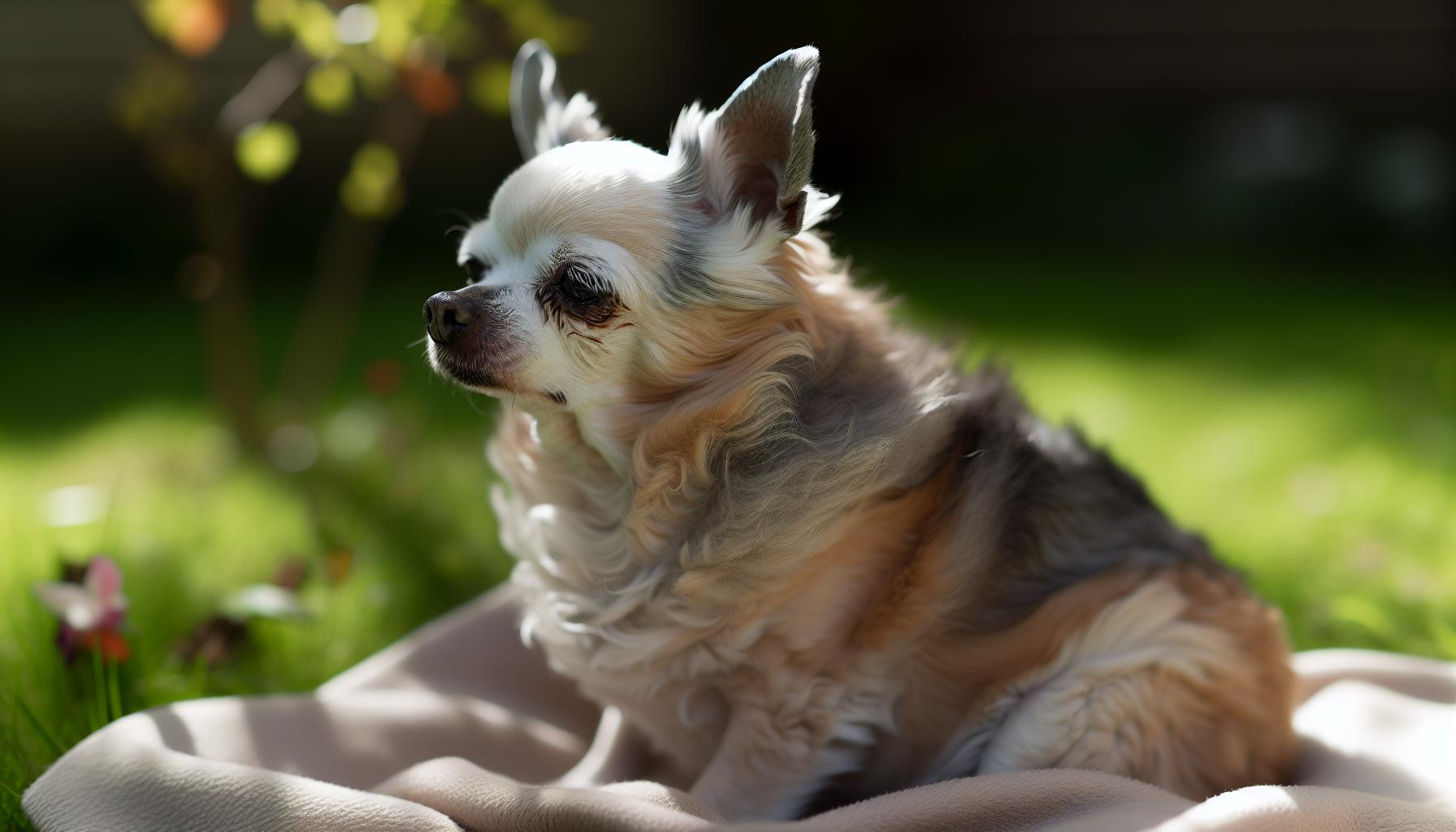
As your cherished Chihuahua matures, you may start noticing those intriguing flecks of grey in her fur, often around her muzzle or on her back. Generally, Chihuahuas begin to show signs of greying hair between the ages of 6 and 8 years. However, this can vary depending on genetics and individual health factors. It’s not uncommon for some Chihuahuas to age gracefully, showing little to no grey until they are well into their senior years.
Grey hair in dogs is largely influenced by genetics, as well as environmental factors. The process of greying can be accelerated by stress, health issues, or hormonal changes. For example, a Chihuahua who has experienced significant stress-whether from changes in the household or health problems-may show signs of greying sooner than others. Though this natural process can cause concern for some owners, it’s a normal part of growing older. Adding to their charm, many owners adore the distinguished look of a senior Chihuahua sporting some grey, which often reflects a life well-lived and filled with adventure.
Maintaining a healthy lifestyle through proper nutrition, regular vet check-ups, and appropriate exercise is crucial for managing the aging process in Chihuahuas. Foods rich in antioxidants and Omega-3 fatty acids can help keep her coat vibrant and may even delay the greying process. Furthermore, ensuring she has regular grooming sessions can help you monitor her coat’s condition while also pampering her. Embrace this delightful stage of life, celebrating your Chihuahua’s quirks-the vocal barks, the bold personality, and yes, even those adorable grey hairs!
Understanding the Reasons Behind Grey Hair in Chihuahuas

As your beloved Chihuahua ages, the transition to having flecks of grey in their coat can be one of the more noticeable changes. You might first spot those charming wisps of grey around her muzzle or back, typically emerging between the ages of 6 and 8 years. But why does this happen? Understanding the reasons behind your Chihuahua’s changing coat color can provide insight into her overall health and well-being.
Firstly, genetics play a significant role in when and how a Chihuahua starts to grey. Just like humans, dogs inherit traits from their parents, including the timing of greying. Some Chihuahuas might show signs of aging earlier, while others may retain their vibrant coats well into their senior years. Additionally, factors such as stress, health issues, or hormonal changes can affect this process. For instance, a Chihuahua that has gone through a traumatic experience or significant life shifts-like moving to a new home or losing a companion-might display greying hair sooner.
Alongside genetics and stress, overall health is pivotal. A well-nourished Chihuahua is more likely to maintain a healthy and shiny coat for longer. Foods rich in vitamins, antioxidants, and Omega-3 fatty acids can help in keeping that fur vibrant and may minimize premature greying. Regular visits to the vet are also crucial, allowing you to catch any underlying health problems that might accelerate the greying process. One owner in my circle reports that their Chihuahua, though in good health, started greying after a particularly stressful time during their family’s move-showcasing how life changes can impact our little companions.
Lastly, grooming plays a vital role too. Regular brushing not only helps maintain a healthy coat but also keeps your aging Chihuahua comfortable and feeling loved. It’s an opportunity to monitor her skin and coat condition while creating a bonding experience. Remember, those grey hairs are a badge of honor! They tell a story of a life filled with love, adventure, and maybe a bit of mischief. Embracing this new phase can foster a deeper connection with your loyal friend, enriching both your lives in the process.
Key Signs of Aging in Chihuahuas You Should Know
As your Chihuahua begins to transition into her senior years, knowing the signs of aging becomes vital for ensuring her well-being. While the appearance of grey hairs might catch your eye, there are several other key indicators to watch for that will help you identify how she is coping with the changes that come with age.
First and foremost, you may notice a shift in her energy levels. While Chihuahuas are typically lively and playful, an aging Chihuahua may not spring into action quite as enthusiastically as before. You might find her opting for longer naps and less vigorous playtime. This could be coupled with a decrease in her mobility; perhaps she’s hesitant to jump onto her favorite chair or is slower to rise after a nap. A great example of this is a Chihuahua owner who found that her seven-year-old apple-head mix began taking more time to get up after a cozy rest, signaling the need for more gentle encouragement during playtime.
Another significant aspect is changes in behavior and temperament. You may observe her becoming more withdrawn or less interested in socializing with other dogs or people. Conversely, some Chihuahuas may become more clingy, seeking out your companionship as they navigate their twilight years. Changes in sleeping patterns can also signify aging; these little companions might sleep much more than usual or struggle to find a comfortable position. In one example, a long-time Chihuahua owner noted that her once-curious pup began preferring to lounge by her side rather than explore the yard, a clear sign that she was adapting to a slower pace of life.
Physical changes also include weight fluctuations and dental issues. A senior Chihuahua might gain weight due to decreased activity or lose weight if her appetite diminishes, which can happen if dental pain makes eating uncomfortable. Keeping an eye on her weight and consulting with your veterinarian if you notice any significant changes is crucial. Remember, maintaining a healthy weight is essential for reducing stress on her joints, especially as mobility can decline.
Finally, regular health check-ups become even more important during her senior years. Observing things like differences in her breathing, changes in her bathroom habits, or disinterest in her favorite foods can all be vital clues about her health status. Aging comes with its challenges, but knowing what to look out for can help you provide the best care possible for your beloved Chihuahua as she enters this new and rewarding phase of her life. Every grey hair represents a cherished memory, and with the right attention, you can continue to create more beautiful moments together.
The Impact of Genetics on Grey Hair Development
As your beloved Chihuahua ages, the appearance of grey hair can be a poignant reminder of the many memories you’ve shared. Interestingly, genetics plays a significant role in when and how this coloration occurs. Just like people, some Chihuahuas are predisposed to grey hair at a younger age based on their genetic background, while others may maintain a youthful coat much longer.
Understanding Genetic Influence
The genetic makeup of your Chihuahua can affect not only the timing of grey hair development, but also the distribution and intensity of greying. For instance, some Chihuahuas may start to show signs of grey as early as five years old, especially among certain breeds or bloodlines known for early greying. In other cases, a Chihuahua might retain her vibrant color well into her senior years, reflecting a different genetic lineage. As a dedicated owner, knowing your dog’s heritage can give you insight into what to expect as she ages.
The Role of Coat Color
Chihuahuas come in a variety of coat colors and patterns, and this can also influence greying. For example, dark-coated Chihuahuas may display white or grey hairs more visibly compared to lighter-colored counterparts, making the transition more noticeable. A friend of mine has a chocolate brown Chihuahua who, despite being relatively young at seven, has started to show a few grey hairs, highlighting her unique genetic predisposition.
Reactions to Stress and Environment
Beyond genetics, environmental factors and stress levels can accelerate the greying process. Chihuahuas are sensitive little beings, and changes in their surroundings-like a new home, a new pet, or significant lifestyle shifts-can contribute to their physical appearance. If your Chihuahua has experienced significant stress, it might lead to premature greying. Regularly nurturing your furry friend with positive experiences can help minimize stress and keep her looking and feeling her best.
While it may be bittersweet to see those grey strands appear, remember that they represent the joy and love you’ve shared. Embracing these changes can deepen your bond, ensuring that her senior years are just as vibrant and exciting as her youth.
Nutrition’s Role in Keeping Your Chihuahua’s Coat Healthy
Feeding your Chihuahua the right diet is pivotal in maintaining the health of her coat, which can significantly influence the appearance of grey hair as she ages. A well-balanced diet rich in essential nutrients can help prevent premature greying and keep her coat vibrant and shiny. Just like humans, dogs require a mix of proteins, fats, vitamins, and minerals to support overall health, including skin and coat condition.
To keep your Chihuahua’s coat healthy, focus on high-quality, protein-rich foods. Look for dog foods that list real meat-like chicken, beef, or fish-as the first ingredient. Proteins help in the production of keratin, the primary protein component of hair. Essential fatty acids, particularly omega-3 and omega-6, are also crucial. These can promote a shiny coat and help fight against dryness and flakiness, which may exacerbate the appearance of grey hair. You can find these fatty acids in fish oil or flaxseed oil; consider adding a small amount to her meals or looking for dog foods that include these ingredients.
Hydration is equally important. Ensure your Chihuahua has access to fresh water at all times, as dehydration can lead to a dull coat and other health issues. Additionally, incorporating wet food into her diet can boost her water intake. Real owner experiences highlight that a three-ounce serving of wet food can make a noticeable difference in coat health.
Finally, supplements can play a beneficial role too. Some owners find that adding supplements like biotin, vitamin E, or specific coat-enhancing formulas can improve texture and shine as their Chihuahuas age. Always consult with your vet before adding new supplements to her diet to ensure they’re appropriate for her specific needs.
Taking care of your Chihuahua’s nutritional needs not only enhances her coat’s health but also supports her overall well-being, allowing her to age gracefully while embracing those charming grey strands as badges of honor.
How to Care for Your Senior Chihuahua with Grey Hair
As your Chihuahua gracefully ages, you might begin to notice those distinguished grey strands appearing in their coat. This transformation is a natural part of life, often marking a period of thoughtfulness and wisdom. While grey hair might seem like a cosmetic concern, it often signals the need for special attention in various aspects of care.
To keep your senior Chihuahua happy and healthy, consider adjusting a few key areas of her routine. Diet plays a critical role in maintaining her coat’s health and minimizing signs of aging. Ensure her meals are rich in high-quality proteins and essential fatty acids, which support skin and coat vitality. Fresh fruits and vegetables can introduce antioxidants that boost overall health. Remember, hydration is crucial as well; encourage her to drink plenty of water and consider adding wet food to her diet for added moisture.
Additionally, a gentle grooming routine can enhance her comfort and boost her confidence. Brush her coat regularly to reduce matting and promote a healthy shine. This not only helps with hygiene but also provides an excellent opportunity for bonding. Take note of any unusual changes, such as excessive shedding or skin irritation, as these could be signs that a vet visit is warranted.
Keep an eye on her overall health. Chihuahuas are prone to certain age-related conditions, including dental issues and joint problems. Regular vet check-ups can catch potential health issues early on. Modify her activities to accommodate her stamina-consider shorter walks and gentle play sessions that cater to her energy levels. Keep her environment cozy and accessible, allowing her to navigate comfortably, especially if mobility becomes a concern.
Lastly, cherish the unique characteristics that aging brings. Senior Chihuahuas carry a wealth of experience and personality, often becoming more affectionate and snuggly. Celebrate her quirks and tailor activities to her preferences, whether that’s finding a favorite sunny spot for a nap or discovering new toys that stimulate her mind. Through attentive care, you can ensure that your aging Chihuahua enjoys her golden years, sporting those charming grey hairs with pride.
Common Health Issues That Accompany Aging in Chihuahuas
As your beloved Chihuahua ages, you’ll start to notice not just grey hairs, but also potential health issues that can accompany this new phase of life. It’s essential to keep an eye on these common conditions, as they can significantly affect your dog’s quality of life. Recognizing early signs and making proactive adjustments can help your senior pup thrive during these golden years.
Chihuahuas, especially as they reach 7 years and older, may face a range of health challenges:
Common Health Challenges
- Dental Problems: Chihuahuas are prone to dental issues, including periodontal disease. Regular dental check-ups and appropriate dental care can help maintain their oral health.
- Joint Issues: As they age, many Chihuahuas can suffer from arthritis or other joint conditions. Look for signs like stiffness or hesitation to jump. Joint supplements can help ease discomfort.
- Heart Disease: Chihuahuas are at risk for heart conditions such as mitral valve disease. Regular vet visits can monitor heart health, and noticing increased coughing or lethargy may warrant an assessment.
- Obesity: Older Chihuahuas may become less active, leading to weight gain. Keep track of their diet and encourage light exercise to maintain a healthy weight.
- Vision Problems: Cloudiness or difficulty seeing can develop as sight diminishes with age. If you notice your Chihuahua bumping into things or hesitating in low light, a vet visit is important.
Being aware of these potential issues can help you manage your Chihuahua’s health proactively. Regular veterinary check-ups are crucial for early detection, especially as they relate to her age. Owners should also monitor changes in behavior, such as decreased activity levels or changes in appetite, which could signal health concerns. Adjustments in diet to support joint health or heart function-such as high-quality, age-appropriate dog food-can make a significant difference.
As you navigate this stage of life with your Chihuahua, remember to cherish her unique quirks and provide extra comfort through adjustments at home. A cozy bed, manageable exercise routines, and mental stimulation through toys and games can greatly enhance her quality of life. Engaging her with gentle play and shorter walks can keep her active without overexerting her.
By staying informed and attentive, you’ll ensure your senior Chihuahua remains happy and healthy, embracing those charming grey hairs with pride.
Boosting Your Chihuahua’s Quality of Life as They Age
As your beloved Chihuahua ages, ensuring her quality of life remains high is essential, especially as she may start sporting some distinguished grey hairs. Chihuahuas, with their bold personality and loving disposition, deserve to be pampered during their senior years. Small adjustments at home and in their routine can make a significant difference in her well-being.
One effective strategy to enhance your aging Chihuahua’s life is through tailored nutrition. High-quality dog food formulated specifically for senior dogs will provide the necessary nutrients while addressing any special health concerns. Many older Chihuahuas may have sensitivities or require joint support, so look for options that include glucosamine or omega-3 fatty acids which can help maintain mobility and reduce inflammation. Providing smaller, more frequent meals can also aid digestion and keep her energized throughout the day.
Engagement is another crucial aspect of maintaining her quality of life. Though she may be less adventurous than in her youth, mentally stimulating activities are vital. Try introducing puzzle toys that dispense treats, or simply spend time training her with new tricks-this not only provides mental exercise but strengthens your bond. Gentle playtime, such as short sessions of fetch or tug-of-war with soft toys, can keep her happy and active without overexerting her.
Creating a Comfortable Environment
Chihuahuas are particularly sensitive to temperature changes. Providing a warm, cozy space for her to relax is essential. Consider a plush, well-padded bed that’s easy for her to access, especially if she has joint issues. Some owners find success with heated beds or pads during colder months, ensuring she stays comfortable even when temperatures drop. Adding ramps or steps can also help her navigate furniture or get in and out of cars with ease, preserving both her mobility and dignity.
Lastly, regular vet visits are crucial in this stage of life. They can help monitor her health and make early diagnoses if any issues arise, but also serve as a resource for advice on care tailored to your Chihuahua’s specific needs. Observing her closely is vital-changes in behaviors, appetite, or energy levels can be indicators of health issues, so maintaining an open line of communication with your vet can yield better outcomes. Cherish her quirks, provide extra love and comfort, and together enjoy the journey through her golden years.
Grooming Tips for Maintaining a Healthy Coat
Maintaining a healthy coat for your Chihuahua becomes increasingly important as she ages, especially when those charming grey hairs start to emerge. Regular grooming is not just about aesthetics; it’s crucial for her overall health and comfort. A well-groomed coat helps to prevent matting, reduces shedding, and keeps her skin healthy. Plus, grooming sessions are an excellent opportunity for you to bond with your senior companion.
Start with a gentle brushing routine. For Chihuahuas, the frequency can depend on their coat type-smooth or long. Smooth-coated Chihuahuas can benefit from brushing once a week using a soft bristle brush or a grooming mitt to remove dead hair and stimulate the skin. If your Chihuahua has a longer coat, brush her several times a week to keep her looking her best and to prevent tangles. Look for detangling sprays specifically formulated for dogs if she has stubborn knots, and always be patient. Many senior Chihuahuas can be sensitive to touch, so take your time to make it a stress-free experience.
Regular baths are also essential, but frequent washing can strip her coat of natural oils, especially if she has sensitive skin. Aim for a bath every four to six weeks using a mild, hypoallergenic dog shampoo tailored to her needs, as these are less likely to irritate her skin. Consider adding oatmeal-based conditioners to keep her coat soft and help ease any dryness. After bathing, ensure she’s thoroughly dried, particularly if you’re in a cooler climate, as Chihuahuas can be prone to chills.
Beyond brushing and bathing, pay attention to grooming her nails and cleaning her ears. Keeping her nails trimmed to a comfortable length can help prevent discomfort while walking and reduce the risk of injury. Similarly, older dogs are more prone to ear infections, so check and clean her ears regularly with a vet-recommended solution. This not only helps prevent problems but also gives you a chance to check for any signs of discomfort.
Finally, celebrate her unique quirks during grooming. Chihuahuas often have spirited personalities, and turning grooming into a fun time with plenty of praise and perhaps a treat or two can help foster a positive grooming attitude. By keeping her coat healthy and your grooming ritual enjoyable, you ensure that your cherished companion remains both beautiful and comfortable as she gracefully ages.
Celebrating Your Chihuahua’s Senior Years: Activities and Care
As your Chihuahua starts to show those charming grey hairs, it’s a beautiful reminder of the years you’ve shared together. Embracing your pup’s senior years means celebrating her unique personality and adjusting her activities to suit her changing needs. Those tiny, bold spirits still thrive on love, attention, and meaningful interaction, even if their energy levels have shifted a bit.
Engaging your senior Chihuahua can be simple yet rewarding. Short, gentle play sessions with her favorite toys-perhaps a squeaky toy or a soft plush-can still bring her joy without overexerting her. Opt for low-impact activities like light indoor fetch, where she can trot at her own pace. Remember, her playtime should cater to her comfort level; if she starts to tire, it’s perfectly fine to call it a day. Frequent breaks during walks are essential too. These moments allow her to sniff around, bask in the sun, and engage her senses without wearing her out.
Maintaining a strong bond during this time is critical. Set aside a few minutes each day for cuddles and gentle grooming. This not only helps keep her coat healthy but also reinforces your connection. You might find that your Chihuahua enjoys close snuggles in her favorite spot on the couch, where you can watch a movie or read together. Using a soft brush during these sessions can soothe her and help manage any loose fur. It’s also a great opportunity for you to check for lumps or bumps that might require a vet’s attention.
Lastly, don’t forget the importance of mental stimulation. Puzzle toys filled with treats can challenge her mind while being physically manageable. Even a simple hide-and-seek game with her favorite toy can ignite her playful spirit. These enriching activities can help keep your Chihuahua happy and occupied while promoting a sense of well-being and fulfillment in her golden years. Celebrate the quirks that make her unique and cherish the little moments that define your relationship as she enters this lovely new chapter of life.
When to Consult a Vet About Aging Signs in Chihuahuas
As your beloved Chihuahua matures and begins to show those lovable gray hairs, it’s essential to remain vigilant about her health and well-being. The aging process can bring about various changes, and while some are perfectly normal, others may require the attention of a veterinarian. Recognizing when to seek professional help is vital for ensuring a good quality of life during your dog’s senior years.
Look for sudden changes in your Chihuahua’s behavior or health. If she becomes lethargic, loses her appetite, or experiences difficulties with mobility, it’s time to schedule a vet visit. These signs can indicate underlying health issues, such as arthritis, dental problems, or even more serious conditions that come with aging. Moreover, if she displays signs of discomfort or pain-such as whimpering when picked up or hesitating to jump-consultation is crucial. Remember, our tiny companions can’t always vocalize their discomfort, so observing changes in behavior is key.
Regular check-ups become even more critical as your Chihuahua ages. It is recommended to visit the vet at least twice a year during her senior years. These appointments allow the vet to monitor her overall health, conduct necessary screenings, and provide guidance tailored to her specific needs. They can assess her dental health, as small breeds often face dental issues that could affect her heart and overall health.
Consider health issues commonly associated with aging in Chihuahuas, such as heart disease, kidney problems, and diabetes. Any persistent coughing, urination changes, or noticeable weight fluctuations warrant a veterinary consultation. Early detection can make a significant difference in managing these conditions and ensuring your Chihuahua continues to enjoy her golden years comfortably.
In summary, your keen observation and prompt action can significantly impact your senior Chihuahua’s health and happiness. Embrace this time together by being proactive in her care, ensuring she gets the attention and love she needs as she grows older. Staying vigilant about signs of aging and understanding when to seek help from a vet will keep your cherished companion thriving well into her senior years.
Embracing the Quirks of Your Aging Chihuahua
As your cherished Chihuahua enters her golden years, you might find her sporting some adorable gray hairs. This is not just a sign of aging but also a beautiful testament to the adventures you’ve shared. Embracing the quirks that come with this stage in her life can deepen your bond and bring joy to both of you. Senior Chihuahuas often become more vocal, demanding, and sometimes even a bit quirky in their behaviors. This vocalization can be a way of expressing their needs or simply seeking attention, a trait that endears them even more to their families.
Routine changes can also accompany age. A once sprightly little companion who loved to race around the yard might now prefer a cozy lap to curl up in. It’s essential to adjust your daily activities to accommodate her comfort and energy levels. Shorter, more frequent walks can keep her engaged without overwhelming her. In fact, some Chihuahuas find joy in leisurely strolls where they can take in the sights and sounds around them. This is a perfect time to indulge in a little extra pampering-consider investing in a soft orthopedic bed just for her, and maybe even a warm sweater for those chillier days.
Another aspect to cherish is her personality. Senior Chihuahuas often display distinct character traits that are incredibly endearing. They may become more affectionate, wanting to be close to you more than ever. Or, they might develop strong preferences for specific toys or routines, signaling their unique tastes. Observe these changes and celebrate them-perhaps even document them. Creating a scrapbook of her quirky behaviors over the years can be a heartwarming keepsake.
In short, embracing the changes that come with aging means recognizing and celebrating your Chihuahua’s individuality. Engage her with gentle play, provide comfort during rest, and enjoy quiet moments together. It’s this shared journey through life’s seasons that enriches your relationship and deepens your love. So, pour in all the affection, patience, and understanding as she navigates her senior years; not only will it enhance her quality of life, but it will also add new chapters of happiness to your bond.
Frequently Asked Questions
Q: At what age do Chihuahuas generally start to show signs of aging like grey hair?
A: Chihuahuas typically begin to get grey hair around the age of 7 to 10 years. This is a natural part of the aging process, and factors such as genetics and overall health can influence the onset and extent of greying.
Q: Why do Chihuahuas develop grey hair as they age?
A: Grey hair in Chihuahuas results from a decrease in melanin production, the pigment that colors their fur. Aging, stress, and health issues can speed up this process, making it important to monitor your dog’s overall well-being as they age.
Q: How can I slow down the greying process in my Chihuahua?
A: To help slow down greying in your Chihuahua, focus on providing a nutrient-rich diet, regular exercise, and stress-reducing activities. Consult your vet for dietary supplements that support coat health and overall vitality.
Q: Are there specific health issues associated with grey hair in senior Chihuahuas?
A: Yes, grey hair can accompany several health issues, such as cognitive decline and skin problems. Regular veterinary check-ups can help identify and manage any associated health concerns early on.
Q: What signs of aging should I look for in my Chihuahua beyond grey hair?
A: Besides grey hair, watch for signs like decreased activity, changes in appetite, weight fluctuation, and behavioral changes such as increased anxiety. These can signal underlying health issues needing attention.
Q: How can I properly care for my aging Chihuahua with grey hair?
A: Caring for an aging Chihuahua involves maintaining a balanced diet, providing joint support through supplements, and ensuring regular vet visits. Grooming is also essential to keep their coat healthy and free of mats.
Q: Is it normal for Chihuahuas to get more vocal as they age?
A: Yes, it’s common for Chihuahuas to become more vocal as they age. This can be due to anxiety, changes in hearing, or simply a desire to express their needs. Providing comfort and maintaining a routine can help manage this behavior.
Q: What should I do if I notice sudden changes in my Chihuahua’s coat color?
A: If you notice sudden changes in your Chihuahua’s coat color, consult your veterinarian promptly. This could indicate underlying health issues, and timely intervention can help address potential concerns.
Future Outlook
As your cherished Chihuahua matures, recognizing the signs of aging-like the appearance of grey hair-can help you provide the best care possible. Remember, every dog is unique, and factors like diet and genetics play a crucial role in their health. Don’t hesitate to share your experiences or concerns with other owners in the comments below; your insights might help someone else navigating this journey!
If you want to learn more about maintaining your Chihuahua’s health, check out our guides on nutrition and common health issues. Plus, don’t forget to sign up for our newsletter for more tips and exclusive content tailored just for devoted Chihuahua owners like you. Let’s continue to celebrate and care for our loyal companions together! Your bond with your Chihuahua only grows stronger with knowledge and attention-so keep exploring!
Get our latest guides, news, and insights highlighted in your Google Search & AI Overviews.