

Did you know that the feeding schedule for your Chihuahua can significantly impact their health and happiness? These spirited little companions, known for their bold personalities and tiny size, require a specific meal routine tailored to their unique needs. Understanding how many times a day your Chihuahua should eat is crucial for preventing obesity and ensuring they get the right nutrition to thrive.
As a loving owner, you want what’s best for your furry friend, and establishing a consistent feeding schedule can help maintain their energy levels and support their overall well-being. Whether you’re a first-time Chihuahua parent or a seasoned pro, you’ll find that a well-planned feeding routine not only nurtures your pet but also strengthens the bond you share. Let’s dive into the best practices and tips for creating the perfect feeding schedule for your little buddy!
Understanding Chihuahua Dietary Needs: An Overview
Chihuahuas, with their vibrant personalities and small size, require specific dietary considerations to ensure they thrive. Understanding their unique needs is essential for every owner. These little companions have high metabolism rates relative to their size, meaning they may need to eat more frequently than larger breeds. It’s crucial to strike the right balance in their diet to promote healthy growth and maintain optimal energy levels.
Their dietary needs vary based on several factors such as age, activity level, and health conditions. For instance, a playful puppy will have different nutritional requirements than a senior Chihuahua. High-quality kibble or wet food formulated for small breeds often supports their unique metabolism and dental health. Many owners find success mixing dry food with wet options to enhance palatability and provide necessary hydration.
Moreover, Chihuahuas have sensitive stomachs, making them prone to issues like food allergies or intolerances. Observing their reactions to certain ingredients can help tailor their diet effectively. Always introduce new foods gradually to monitor for any adverse reactions while ensuring they receive all the essential nutrients. Regular vet check-ups can guide you in adjusting their diet as they age or if health concerns arise. Through mindful feeding practices, you can help your Chihuahua live a happy and healthy life, full of the spirited energy they’re known for.
Ideal Feeding Frequency for Your Chihuahua
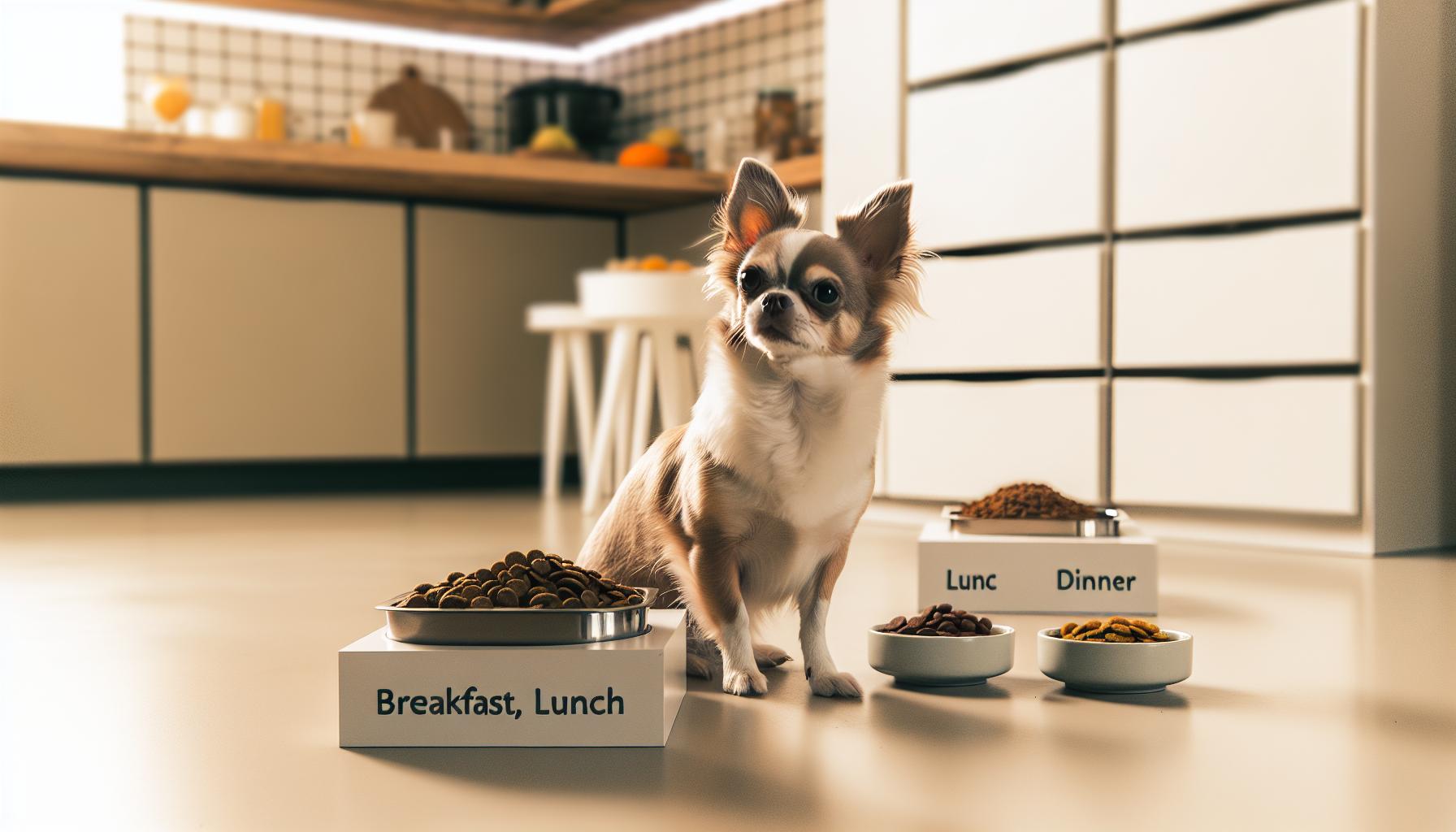
Chihuahuas thrive on routine, and understanding how often to feed them can significantly impact their energy and overall health. These tiny dynamos typically require multiple meals throughout the day, unlike larger breeds that can often manage with just one or two. A well-planned feeding schedule not only keeps your Chihuahua energized but also helps stabilize their metabolism, given their high energy levels and rapid metabolism rates.
Most veterinarians recommend feeding your Chihuahua three to four meals a day for puppies, as their growing bodies need more frequent nourishment. Smaller portions ensure they get enough calories without overwhelming their sensitive digestive systems. Once your Chihuahua matures-around 12 months old-you can reduce their feeding frequency to two meals a day. A consistent schedule aids digestion and helps prevent potential health issues, making it easier for you to monitor their eating habits over time.
If your Chihuahua has additional health considerations or is particularly active, adjusting meal frequency may be necessary. For example, a high-energy Chihuahua may benefit from four smaller meals, while a more sedentary dog might do well with two larger meals. Pay attention to your pet’s cues; if he seems particularly hungry or not finishing his meals, it might signal the need for a change in quantity or frequency.
Here’s a simple feeding schedule to consider:
| Age | Feeding Frequency | Meal Size |
|---|---|---|
| Puppy (8 weeks – 6 months) | 3-4 meals/day | Small, frequent portions |
| Adolescent (6 months – 12 months) | 3 meals/day | Medium-sized portions |
| Adult (1 year and older) | 2 meals/day | Standard portions |
By being attentive to your Chihuahua’s needs and sticking to a consistent feeding schedule, you’ll help her maintain a healthy weight and energy level throughout her life. Remember, every dog is unique, so it’s essential to adjust her diet according to her specific requirements and consult your veterinarian if you have any concerns. A happy, healthy Chihuahua is a well-fed Chihuahua!
Best Types of Food for Your Chihuahua
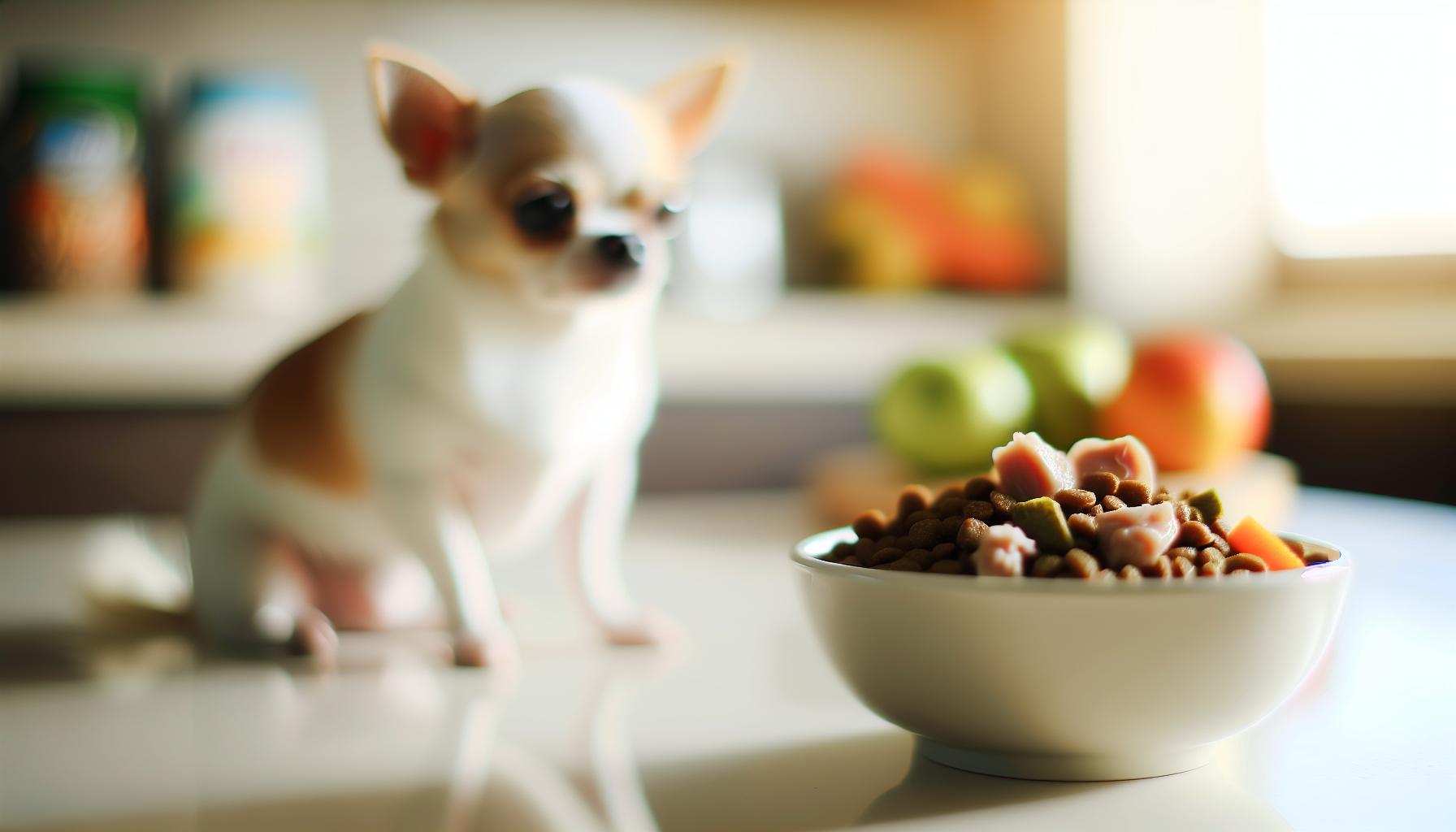
Chihuahuas, with their vibrant personalities and unique needs, thrive on high-quality, nutritious food that caters to their energy levels and small size. Choosing the right type of food is essential not only for their physical health but also for their overall happiness. A well-balanced diet helps maintain a healthy weight, promotes a shiny coat, and supports a robust immune system. As a thoughtful owner, it’s crucial to select foods specifically formulated for small breeds, which typically have higher calorie density to meet their energetic lifestyle.
When considering the , look for premium brands that prioritize natural ingredients. Commercial kibble designed for small breeds often strikes the right balance, providing essential nutrients while appealing to their tiny mouths. These kibbles are generally smaller in size, making them easier for Chihuahuas to chew and digest. Include options that contain real meat as the first ingredient, as protein is vital for muscle maintenance and energy. Keep an eye out for added omega fatty acids to help maintain a healthy coat, and look for foods that are grain-free or contain easily digestible grains like brown rice or oatmeal.
Wet food can also be a great addition to your Chihuahua’s diet, especially if she seems picky or has dental issues. Many owners find that mixing dry kibble with a bit of high-quality wet food not only enhances flavor but also adds moisture, which is essential for hydration. Just be mindful of calorie content-wet food can be richer than dry kibble, so portion control is key to prevent overfeeding.
Lastly, consider incorporating fresh, safe vegetables or fruits as treats. Foods like carrots, green beans, or apples (without seeds) make healthy snacks that align with your Chihuahua’s nutritional needs while satisfying her curious palate. Always ensure any additions to their diet are safe and appropriate for Chihuahuas, as some foods can be harmful.
By carefully selecting nutritious options tailored to your Chihuahua’s size and energy requirements, you foster a thriving, happy companion. Remember to transition gradually when changing their food to avoid digestive upset, and don’t hesitate to reach out to your veterinarian for personalized dietary advice based on your dog’s specific health profile and lifestyle. Your Chihuahua’s well-being is in your hands, and with the right food choices, you can ensure she lives her best life!
How to Create a Customized Feeding Schedule

To ensure your Chihuahua thrives, crafting a personalized feeding schedule can be one of the most beneficial steps you take as an owner. Chihuahuas, due to their petite size and unique metabolic needs, often require more attention to their feeding routines than larger breeds. The key is finding a rhythm that accommodates their energetic lifestyle and distinct personality traits. Whether you’re a first-time owner or a seasoned pro, understanding their needs can make mealtime a joy rather than a hassle.
Start by determining how many meals suit your Chihuahua’s age, energy level, and preferences. For most adult Chihuahuas, two meals a day work well, providing consistent energy levels and cutting down on the anxiety associated with long gaps between feedings. Puppies, however, typically thrive on three to four smaller meals a day to support their rapid growth and playful demeanor. Setting specific feeding times helps regulate digestion and can even aid in house training. For example, feed your little one in the morning and evening at the same hours each day-this predictability is reassuring for them.
Consider using a feeding log to track your Chihuahua’s eating habits. Not only does this help you notice any changes in appetite or preferences, but it allows you to adjust portions based on weight and energy levels. A chart can be as simple as a notebook entry or a digital app. Document when and what she eats, how much she consumes, and any other treats given throughout the day. This practice can help identify trends-like if she tends to be hungrier after walks or during colder days when she may need extra energy.
Also, remember that your Chihuahua’s hydration needs are just as critical as his meal schedule. Always have fresh water available, and encourage drinking, especially during active play or hot weather. A good habit is to refresh his water bowl each time you change his food, reinforcing healthy hydration practices.
Incorporate a few practical tips:
- Consistency is key: Stick to the same feeding times and avoid rowdy distractions during meals.
- Watch for cues: Pay attention to signs of hunger or fullness, and adjust portions accordingly.
- Gradual changes: If you need to switch brands or types of food, do so slowly over a week to avoid digestive upset.
By establishing a personalized feeding schedule, you ensure your Chihuahua receives the right nutrition while also respecting his quirky, spirited nature. With some patience and a few adjustments here and there, your little companion will not only enjoy his meals but also thrive as a result.
Signs Your Chihuahua is Over or Underfed
Determining whether your little Chihuahua is eating the right amount can feel like a delicate balancing act. These spirited, pint-sized companions have unique dietary needs, and ensuring they’re neither overfed nor underfed is crucial for their health and happiness. An overweight Chihuahua can struggle with joint issues, while one that isn’t getting enough nutrition may show signs of lethargy or developmental issues, especially in puppies.
Several signs can help you evaluate your Chihuahua’s feeding situation. Observe his body condition; you should be able to feel his ribs with a light touch without excess fat covering them. This is often referred to as a “waistline test.” When viewed from above, he should have a noticeable waist. If he has a rounded belly or excessive fat deposits, he may be overfed. Conversely, if his ribs are overly prominent or you can see his bones clearly, it’s a prompt to check his food intake.
It’s also essential to monitor your Chihuahua’s energy levels and overall demeanor. An overfed Chihuahua may become sluggish and less playful, preferring to lounge around rather than engage in typical Chihuahua antics like chasing a ball or barking at passing squirrels. On the flip side, if your little explorer seems constantly hungry, begging for food, or if he is uncharacteristically restless or irritable, it could signal that he’s underfed.
Behavioral Cues
Understanding what’s typical behavior for your Chihuahua can help in assessing his feeding status:
- Begging: Persistent begging can indicate he’s not getting enough food, while excessive attention to food might mean he’s overeating.
- Food motivation: A Chihuahua that is extremely food driven might need a meal increase, while one that ignores food might need a thorough check with a vet.
- Playfulness: Energetic Chihuahuas are often those getting the right nutrition; lethargy could suggest an issue.
Always remember to consult with your veterinarian if you’re ever in doubt. They can provide tailored advice based on your Chihuahua’s age, weight, and activity level, helping you create the perfect feeding strategy to keep your little companion vibrant and full of life. With careful observation and the right adjustments, you’ll ensure your Chihuahua continues to thrive.
Adjusting Food Portions Based on Age and Weight
Adjusting your Chihuahua’s food portions based on age and weight can significantly impact her overall health and well-being. These little companions have varying needs depending on their life stage; a growing puppy will require different nutritional support compared to a senior dog. It’s essential to tailor their diet to ensure they receive the appropriate amount of calories and nutrients.
For puppies, especially during the first year, it’s crucial to provide a diet that supports their rapid growth. Generally, a younger Chihuahua requires around 3 to 4 meals a day, with portions being slightly larger to accommodate their energetic nature. Depending on her weight, an average portion might range from ¼ to ½ cup of high-quality puppy food per day, divided into these meals. Always keep an eye on HER activity levels and adjust her portion accordingly; a bouncy, playful puppy may need a little more fuel.
As your Chihuahua matures into adulthood, usually around one year, you can transition to two meals each day. At this stage, the total daily food intake could decrease slightly to about ½ to ¾ cup, depending on her weight and activity levels. Adult Chihuahuas tend to have lower energy requirements, so adjusting her portions is vital to prevent weight gain. Monitor her condition through the “waistline test” and adjust portions if she seems to gain weight too quickly, as obesity can lead to health complications.
For senior Chihuahuas, age brings a need for a different approach. They often benefit from smaller, more frequent meals, especially if they show any signs of dental issues. Maintaining a feeding schedule of two to three smaller portions can help manage their metabolism and keep them comfortable. Additionally, consider senior-specific diets that support joint health and overall vitality.
Remember, every Chihuahua is unique! Factors like activity level, metabolism, and individual health concerns can affect feeding needs. Regularly consulting with your veterinarian will help ensure you adjust portions accurately and provide the best diet for your little one. By understanding her age and weight-related needs, you can help her lead a healthy, vibrant life filled with the spirited antics that make Chihuahuas so delightful.
The Role of Treats in Your Chihuahua’s Diet
Rewarding your Chihuahua with treats is not just a way to show affection; it plays a fundamental role in their overall diet and care. Chihuahuas, known for their bold personalities despite their tiny size, thrive on both nutritious meals and treats that enhance their engagement with you. However, it’s crucial to understand how to incorporate treats effectively to maintain a healthy routine and balance in their diet.
When considering treats, remember that all snacks are not created equal. Choose healthy options that complement your Chihuahua’s primary diet rather than replace it. Opt for treats high in protein and low in fillers. Look for natural ingredients, such as freeze-dried meats or fruits, which can offer a nutritious boost. Small training treats or soft chews can also serve dual purposes-rewarding good behavior while satisfying their natural chewing instincts.
Setting Treat Limits
It’s essential to keep treats within moderation. A good rule of thumb is that treats should not exceed 10% of your Chihuahua’s daily calorie intake. For example, if your Chihuahua needs about 300 calories a day, aim for around 30 calories from treats. This practice helps prevent weight gain and keeps obesity-related health problems at bay, which Chihuahuas are especially prone to due to their small stature.
Chihuahuas can be picky eaters, so experimenting with different treats to find what sparks her interest can be beneficial. If she’s turning her nose up at dinner but eagerly accepting a piece of chicken as a treat, you have a clue to her preferences. Use this knowledge to entice her during mealtimes or to motivate her during training sessions.
Including Treats in the Feeding Schedule
Consider timing when incorporating treats into your Chihuahua’s eating routine. By embedding treats within her feeding schedule, you can change it into a fun and rewarding experience. For instance, use part of her meal as training treats throughout the day rather than offering excessive snacks. This not only aids in training but also encourages her to view mealtime positively, forging a deeper connection between her eating habits and your interactions.
In summary, treats can be a delightful and beneficial addition to your Chihuahua’s diet when managed appropriately. They not only provide enjoyment but also reinforce training and daily interactions, making for a happier and healthier little companion. Whether it’s a crunchy carrot piece or a soft, meaty snack, finding the right balance will ensure your Chihuahua stays vibrant and engaged in her daily adventures.
Hydration Needs: How Much Water Your Chihuahua Requires
Chihuahuas, with their tiny frames and feisty personalities, require careful attention to their hydration needs. One would think that a small dog doesn’t need much water; however, Chihuahuas are susceptible to dehydration, which can lead to serious health issues. On average, a Chihuahua needs about 1 ounce of water per pound of body weight per day. For example, if your little buddy weighs around 5 pounds, ensure he has at least 5 ounces of fresh water available daily.
Hydration plays a pivotal role in your Chihuahua’s overall health. Water aids digestion, helps regulate body temperature, and is essential for kidney function. During hot weather or increased activity, your Chihuahua may require more water than usual, so always monitor his drinking habits. If he seems lethargic, refuses to drink, or has concentrated urine, these could be signs of dehydration. To encourage hydration, consider the following practical tips:
- Fresh Water: Provide clean, fresh water at all times. Change it at least once a day to keep it appealing.
- Water Bowls: Use shallow, stable bowls that are easy for your Chihuahua to access without spilling.
- Wet Food: Incorporate wet food into his diet, as it contains more moisture than dry kibble. This is a great way to increase his overall hydration.
- Ice Cubes: Small ice cubes can be a fun way for your Chihuahua to hydrate, especially during warm days. Some dogs enjoy chewing on them!
- Flavor the Water: If your pup is picky, try adding a splash of low-sodium chicken broth or an electrolyte solution specifically designed for dogs to make the water more enticing.
Being attentive to your Chihuahua’s hydration will not only promote better health but also enhance his energy levels and curiosity for daily activities. So, while you focus on what and how often to feed your affectionate companion, don’t forget that water intake is just as essential to his well-being. Happy sipping!
Feeding Tips for Picky Eaters
Some Chihuahuas have discerning palates, and if your little diva or gentleman refuses to eat, it can be frustrating. This is especially true when trying to establish a consistent feeding schedule that suits their tiny tummies. Understanding your Chihuahua’s unique preferences is key to transforming mealtime from a battleground into a delightful dining experience.
Start by exploring the textures and flavors your pup prefers. Chihuahuas can be sensitive to the scent and consistency of their food. Offering a couple of options, such as dry kibble alongside wet food or homemade meals, can help you pinpoint what excites their taste buds. For instance, many Chihuahuas enjoy the savory goodness of wet food with enticing smells, leading to a more favorable eating habit. So, if you find your Chihuahua nibbling on wet food but leaving kibble untouched, consider mixing the two for a tailored meal.
Another effective strategy involves creating a routine. Dogs thrive on consistency, so aim to serve meals at the same times each day. This not only sets clear expectations but also helps regulate their digestive system. Be mindful of portion sizes, as small dogs can be particularly inclined to overeat if given the chance. Remember, Chihuahuas don’t require as much food as larger breeds, and keeping portions appropriate will reduce the likelihood of them becoming picky due to feeling overstuffed.
Additionally, engaging your Chihuahua during mealtime can spark their interest in eating. Try using food-dispensing toys or engaging treats that stimulate their hunting instincts. This not only makes eating fun but also encourages them to work for their meals, a great way to keep them mentally stimulated. Just ensure that the treats you use fit within their daily caloric needs.
Lastly, ensure that his dining area is calm and free from distractions. A peaceful environment can help reduce stress during meals, making your Chihuahua more likely to eat. If your Chihuahua continues to be picky despite your efforts, consider consulting with a veterinarian to rule out any underlying health issues. Remember, every Chihuahua has its quirks, and finding the right combination of food, routine, and engagement can turn even the fussiest eater into an enthusiastic diner!
Monitoring Your Chihuahua’s Eating Habits
is a vital part of ensuring his overall health and well-being. Chihuahuas, with their petite frames and vibrant personalities, often exhibit unique eating behaviors that can vary greatly from one pup to the next. This makes it essential to keep a close eye not only on what he eats but also on how much and how often. Establishing a consistent feeding schedule is a great start, but understanding his individual patterns can help you adjust as needed.
Start by paying attention to your Chihuahua’s portion sizes. It’s common for these little guys to have a hearty appetite, but they don’t need large meals. Many Chihuahuas thrive on two to three small meals a day. If you notice that he often leaves food behind or seems disinterested at mealtimes, it may be a sign you’re offering too much. Conversely, if he eagerly devours every morsel, it might indicate he needs a bit more or that his previous meals lacked quality nutrients. Keeping a log of his eating habits can help you track patterns and make necessary adjustments.
Watch for signs of fussiness or preference. Chihuahuas can be quite vocal about their food preferences, and some may become picky eaters if they’re offered the same food repeatedly. If you detect a change in his enthusiasm for meals, consider rotating different high-quality proteins or accommodating textures. Most Chihuahuas enjoy the richness of wet food mixed with dry kibble, which can enhance their interest and help maintain hydration.
Additionally, monitoring his weight is crucial. Since Chihuahuas can easily become overweight, keeping an eye on his body condition will help you manage his food intake effectively. Use a simple scale to weigh him regularly and adjust his portions based on his activity level and age. For example, an active Chihuahua may require slightly more food compared to a senior who enjoys lounging around.
If concerns arise-maybe he’s eating less than usual or suddenly has a drastic change in his eating habits-don’t hesitate to consult with your veterinarian. Early intervention can make a significant difference in addressing any potential health issues, ensuring your tiny companion remains lively and spirited. By maintaining his feeding routine and closely observing how he eats, you’ll contribute to a healthier, happier life for your Chihuahua, allowing his bold personality to shine.
Common Dietary Issues in Chihuahuas
Chihuahuas, with their tiny frames and big personalities, often face specific dietary challenges. Understanding these issues can significantly enhance their well-being and help you maintain a healthy feeding schedule. One common problem is obesity, which many Chihuahuas are prone to due to their small size and tendency to enjoy food. If you’re noticing your little companion gaining weight, consider adjusting meal portions or reducing treat frequency. Regular weigh-ins can be a great way to monitor their condition and ensure they stay within a healthy weight range.
Another frequent concern is picky eating habits. Chihuahuas can be quite vocal and particular when it comes to their food preferences. If your pup suddenly shows disinterest in meals they used to love, it may be time to introduce variety. Experiment with different textures-mixing wet food with dry kibble can make meals more enticing. Remember, though, that constant changes can sometimes lead to further fussiness, so keep adjustments gradual.
Some Chihuahuas might struggle with digestive issues, which can manifest as diarrhea or vomiting. These problems can arise from sudden diet changes or allergies. Pay close attention to your Chihuahua’s reactions to new foods. If you identify any specific allergies or intolerances, avoid those ingredients in the future and choose a diet that promotes digestive health. Furthermore, always avoid feeding them human food, especially those rich or fatty snacks that can upset their stomachs or lead to pancreatitis.
Additionally, dental health is crucial for Chihuahuas, as their small mouths can accumulate tartar quickly. Incorporating dental treats or chews can help promote dental hygiene, but be mindful of their caloric intake while doing so. Regular dental check-ups are also recommended to ensure their pearly whites stay healthy and strong.
By observing these common dietary issues and adjusting your Chihuahua’s feeding habits accordingly, you’ll contribute to a happy and healthy life for your vibrant little companion. With a keen eye and a little flexibility, you can ensure your furry friend thrives!
Consulting a Veterinarian for Your Chihuahua’s Diet
To ensure your Chihuahua thrives, it’s crucial to involve your veterinarian when determining the best diet and feeding schedule. As an owner, you might find yourself navigating a sea of dietary options and advice that can be overwhelming. Consulting a professional not only brings peace of mind but also tailored recommendations suited to your pup’s specific needs. Chihuahuas, whether they’re sweet apple-heads or sturdy deer-heads, each have unique health considerations, and your vet can help you understand these factors better.
Regular vet visits provide insights into your Chihuahua’s health, which can significantly influence their dietary requirements. For instance, if your little one is struggling with weight management, your veterinarian can guide you on meal frequency and portion sizes tailored to her age, weight, and activity level. These consultations also allow you to discuss any behavioral issues related to food, such as fussiness or food avoidance, giving you the tools to introduce new flavors or textures effectively.
In addition to feeding schedules, veterinarians can also help you spot signs of common dietary issues in Chihuahuas, like food allergies or digestive disturbances. If your pup has an upset stomach or is exhibiting unusual eating behaviors, your vet can point to potential causes – be it a reaction to certain ingredients or something more serious. Over time, building this relationship with your vet can help you recognize what’s normal for your Chihuahua, making it easier to spot abnormalities early on.
Lastly, your veterinarian can recommend high-quality foods specifically designed for the Chihuahua breed, whether you’re considering dry kibble or wet food. They can also suggest appropriate treats that won’t interfere with your pup’s nutritional balance. Always remember that hydration is equally important; ask your vet how much water your Chihuahua should be drinking daily, especially during hot days or after playtime. Taking these steps can help ensure a long, happy, and healthy life for your beloved companion!
Frequently asked questions
Q: How often should I feed my Chihuahua?
A: You should feed your Chihuahua two to three times a day. This schedule helps maintain energy levels and prevent digestive issues, especially given their small size. For puppies, ensure more frequent meals to support their growth. Refer to the section on Ideal Feeding Frequency for more details.
Q: Can I free-feed my Chihuahua?
A: Free-feeding is generally not recommended for Chihuahuas. This breed can be prone to overeating and obesity, which can lead to health issues. Instead, establish specific meal times to help monitor their intake effectively. Check out tips on Creating a Customized Feeding Schedule for better management.
Q: How much food should I give my Chihuahua each meal?
A: The amount of food varies based on age, weight, and activity level, but a standard guideline is about 1/4 to 1/2 cup of high-quality dog food per day, divided into meals. Consult the section on Adjusting Food Portions Based on Age and Weight for personalized recommendations.
Q: What are signs my Chihuahua is hungry?
A: Signs your Chihuahua may be hungry include begging, pacing near the food bowl, or vocalizing more than usual. Also, observe their behavior around mealtime. For guidance on managing their appetite, check our section on Monitoring Your Chihuahua’s Eating Habits.
Q: How should I adjust my Chihuahua’s feeding schedule as they age?
A: As your Chihuahua matures, you may need to adjust their feeding frequency and portion sizes. Senior Chihuahuas often benefit from two smaller meals a day due to decreased metabolism. Refer to Adjusting Food Portions Based on Age and Weight for further insights.
Q: Is it okay to give my Chihuahua treats during mealtime?
A: Yes, treats can be incorporated into their diet, but they should not exceed more than 10% of their daily caloric intake. Use treats wisely to reinforce training or as rewards. Explore the section on The Role of Treats in Your Chihuahua’s Diet for tips.
Q: How can I tell if my Chihuahua is over or underfed?
A: To determine if your Chihuahua is over or underfed, monitor their body condition. Ideally, you should feel their ribs easily without seeing excess fat. If unsure, check the section on Signs Your Chihuahua is Over or Underfed for visual cues and weight guidelines.
Q: How does my Chihuahua’s activity level affect their food needs?
A: A Chihuahua’s activity level plays a crucial role in determining their food intake. Active Chihuahuas may need more calories, while less active dogs require fewer. Adjust their diet accordingly, and refer to Understanding Chihuahua Dietary Needs for tailored advice.
Final Thoughts
Understanding your Chihuahua’s feeding schedule is crucial for their health and happiness. Remember, these tiny companions thrive on regular meals tailored to their unique needs-whether they be spunky apple-heads or delightfully bold long coats. If you’re ready to optimize your Chihuahua’s diet, start by assessing their weight, age, and activity level. Need personalized advice? Check out our guide on the Best Foods for Chihuahuas or learn more about Common Health Issues that can affect their appetite.
Act now to ensure your furry friend enjoys a balanced diet by adjusting their feeding routine. Share your experiences in the comments below-your insights could help fellow Chihuahua owners! For more tips on keeping your little one healthy and happy, don’t forget to sign up for our newsletter. Together, let’s celebrate the quirks and charm of our beloved Chihuahuas, fostering a community that thrives on knowledge and passion for this remarkable breed.
Get our latest guides, news, and insights highlighted in your Google Search & AI Overviews.