
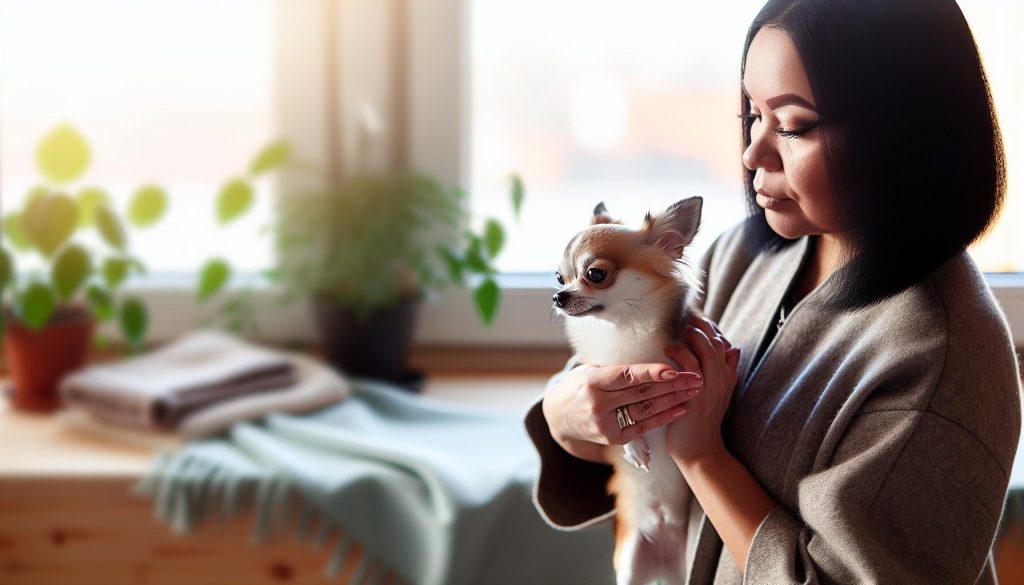
Chihuahuas, with their bold personalities and tiny frames, require special handling to ensure they feel secure and loved. Properly holding these little companions not only keeps them safe but also strengthens the bond between you and your furry friend. Whether you’re a first-time owner or a seasoned Chihuahua enthusiast, understanding the right techniques can help you navigate their unique needs-after all, these spirited dogs thrive on confidence and comfort. In this guide, we’ll explore essential techniques for holding your Chihuahua, from their distinct body types to their playful quirks. Dive in to learn how to make every cuddle session a joy for both of you!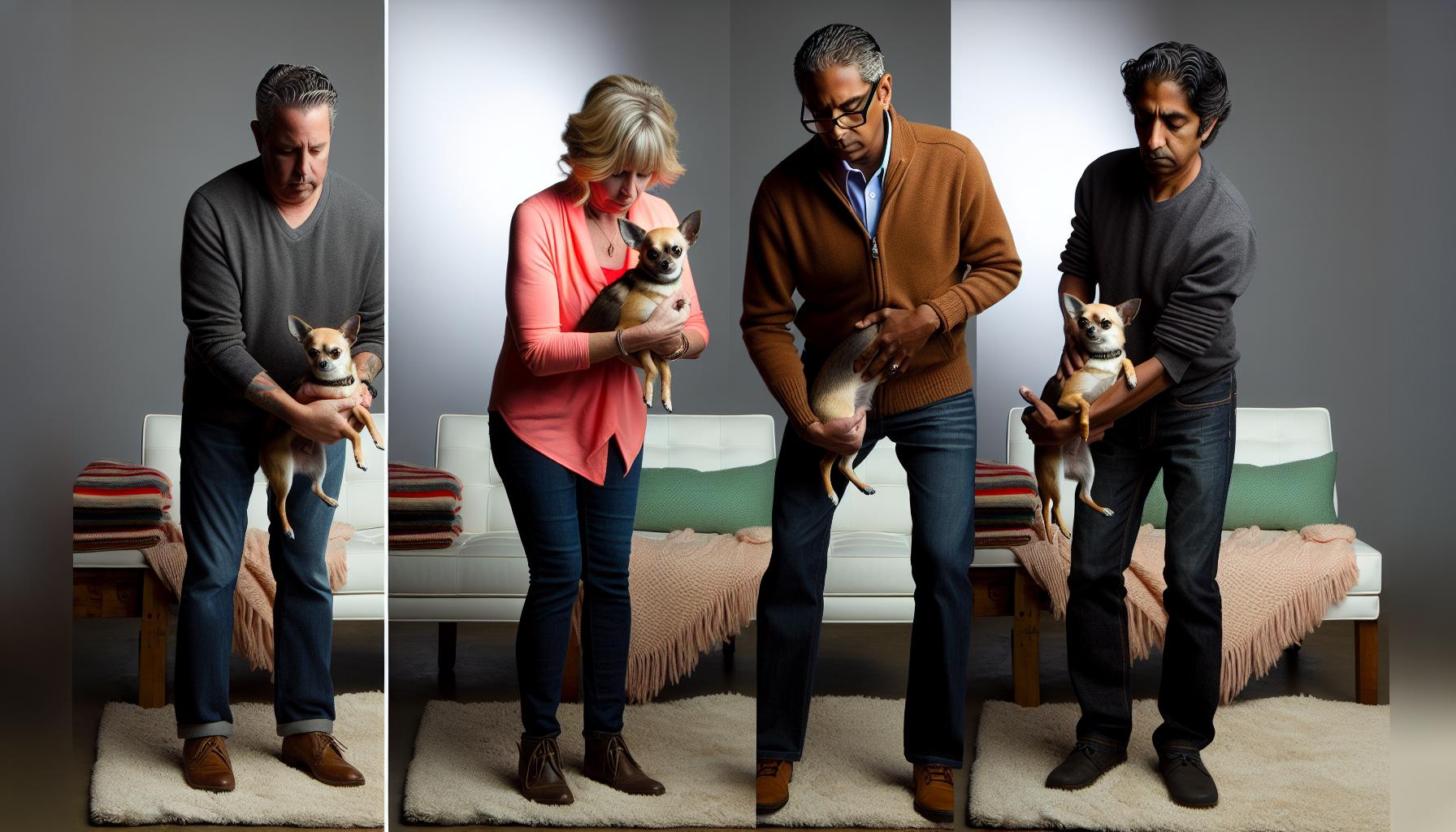
How to Properly Pick Up Your Chihuahua
Picking up your Chihuahua requires a gentle touch combined with a solid understanding of his needs and comfort. Given their tiny stature, a Chihuahua can feel vulnerable in your hands, so it’s essential to approach picking him up with care. Always remember that this breed is known for being bold and vocal, but they can also be sensitive and easily overwhelmed. The right technique not only ensures his safety but also reinforces the bond of trust between you.
Start by letting your Chihuahua see your hands before you pick him up, as this helps him feel secure. Position yourself beside him, bending at the knees instead of reaching down from above, which could startle him. Place one hand under his chest, just behind the front legs, and your other hand under his hindquarters. Support his body fully to make him feel secure. Lift him gently but confidently, keeping him close to your chest to provide warmth and reassurance.
It’s important to pay attention to your Chihuahua’s body language during this process. If he tenses up or tries to squirm away, give him a moment and try again when he seems more relaxed. Some Chihuahuas prefer being scooped up rather than lifted directly, so experiment to see what your pup responds to best. Also, avoid awkward positions that might put pressure on his delicate spine or joints.
By using these techniques and paying close attention to his reactions, you’ll not only master the art of picking up your Chihuahua but also help him feel safe and loved in your care.
Understanding Chihuahua Body Language
Understanding your Chihuahua’s body language is key to ensuring a safe and comforting experience for both of you during handling. These tiny dogs may be bold, but they are also incredibly sensitive creatures, and their body language can tell you a lot about how they feel at any given moment. Recognizing these cues can enhance your connection and ensure that your Chihuahua feels secure in your hands.
Chihuahuas often express their discomfort and excitement through a variety of physical signals. For instance, a relaxed Chihuahua will have a soft body posture, with ears up and a wagging tail. Conversely, if you notice your pup’s ears pinned back, a stiff body, or a tucked tail, it might indicate fear or discomfort. Always observe your Chihuahua’s immediate reaction when you approach. If he backs away, barks, or shows signs of agitation, give him space before trying to pick him up. Learning to read his signals will help you adjust your approach and make him feel more comfortable.
It’s also important to consider specific situations where body language can change dramatically. For example, many Chihuahuas display their characteristic loyalty by trying to be close to their owners, jumping up excitedly when they see you. Yet, when held, they might become overwhelmed if there is too much noise or unexpected movements around them. Start by allowing your Chihuahua to come to you first; this way, he feels more in control of the situation.
As you practice handling your Chihuahua, remember that building trust takes time. Try to incorporate positive experiences, like treats or gentle praise, during handling. Each positive interaction helps reinforce a sense of safety and affection, making it easier for your Chihuahua to relax and enjoy your company. By fostering this understanding of body language and responding appropriately, you can create moments of joy and connection that celebrate his unique personality.
Essential Gear for Safe Handling
When it comes to handling your Chihuahua, having the right gear is essential for ensuring both safety and comfort. Chihuahuas, with their delicate bones and spirited personalities, require a little extra thought when it comes to the equipment used for their care. By investing in specific tools designed for their small size, you can make every interaction smoother and more enjoyable for both you and your furry friend.
Harnesses: Unlike traditional collars, a well-fitted harness distributes pressure across your Chihuahua’s body, which is especially important given their susceptibility to tracheal collapse. Opt for a lightweight, padded harness that allows for some adjustment. This will not only help prevent injuries but also give your Chihuahua a feeling of security while you’re navigating through busy environments. Look for designs that fasten easily and provide comfort without limiting movement.
Carriers and Bags: For outings, a soft-sided carrier or a pet backpack is invaluable. Chihuahuas thrive on proximity to their owners, making a carrier that allows them to peek out appealing. Ensure the carrier is well-ventilated and has a secure closure to prevent any adventurous escapes! Long-time Chihuahua owners often recommend carriers with sturdy straps and a cushioned interior for those longer outings or trips to the vet.
Blankets & Soft Materials: Creating a cozy environment can greatly aid in calmer handling. Fleece or soft cotton blankets can help your Chihuahua feel secure and relaxed, which is particularly beneficial for anxious pups. You can also use these blankets for warmth, as small dogs like Chihuahuas can get chilled easily, especially during colder seasons.
Positive Reinforcement Tools: Never underestimate the power of treats! Keep a favorite treat handy during handling sessions. This not only rewards good behavior but also distracts your pup from stressors they may otherwise feel. There are numerous treat-dispensing toys available that can make handling feel like playtime, contributing to a stronger bond as trust builds between owner and pet.
By thoughtfully selecting the right equipment, you can transform how you handle your Chihuahua, making every experience one of joy instead of anxiety. With these items in your toolkit, you’re well on your way to giving your tiny companion the most comfortable and loving handling experience possible.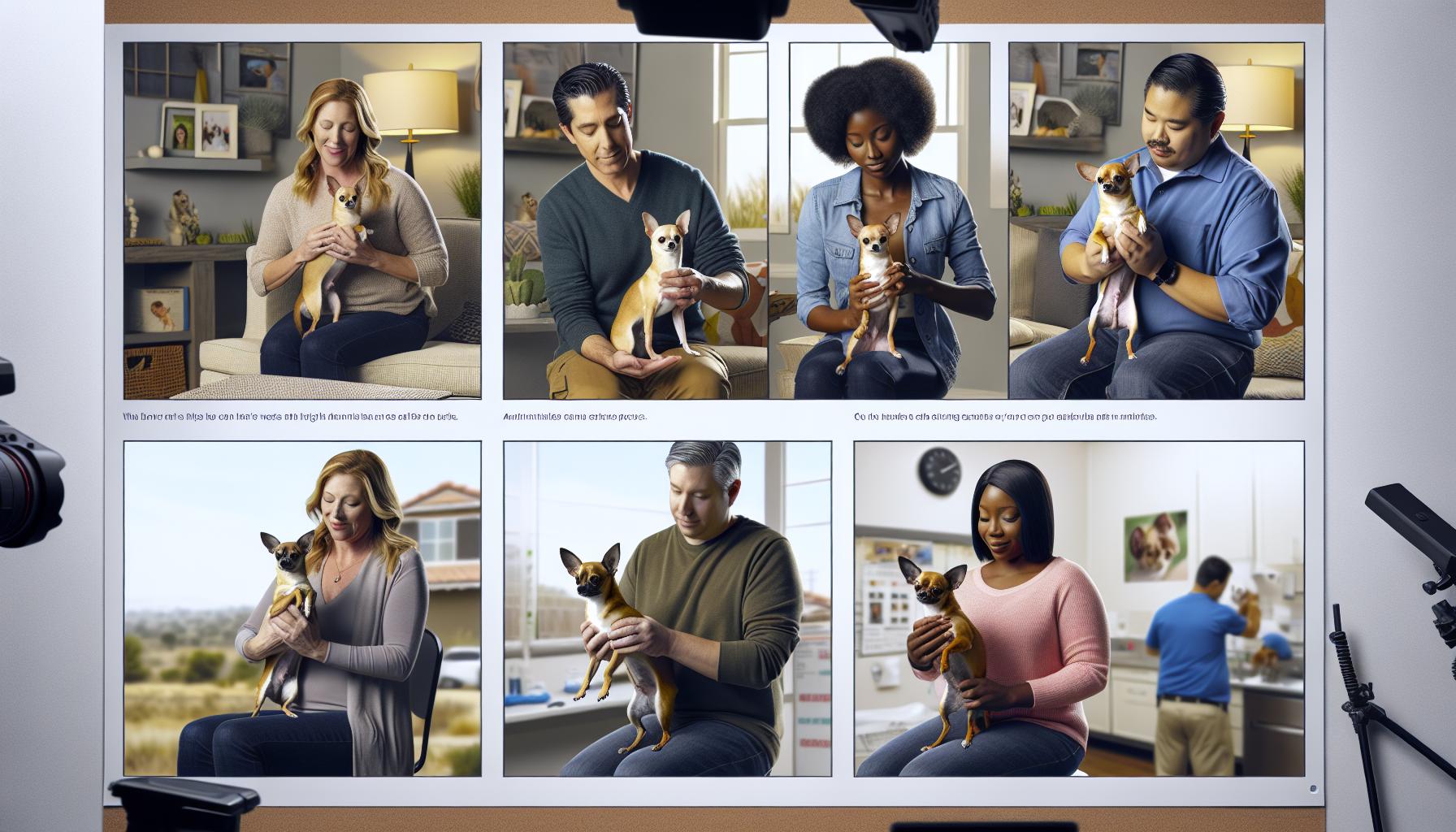
Best Techniques for Holding a Chihuahua
To create a safe and comfortable environment for your Chihuahua while holding them, start by being aware of how their small size correlates with their unique handling needs. Chihuahuas, especially the delicate apple-head types, often require special attention due to their fragile bone structure. The goal is to ensure that both you and your furry companion enjoy this intimate interaction without causing any stress or discomfort.
Begin by approaching your Chihuahua calmly, allowing him to feel at ease with your presence. It’s essential to let him sniff your hands and get used to your touch before attempting to lift him. When you’re ready, bend down to his level to reduce any feelings of intimidation. Using both hands is important; one should support his chest while the other cradles his hindquarters. This method not only provides stable support but also makes him feel secure.
One method that many Chihuahua owners find effective is the “football hold.” To do this:
- Gently place your hand under his chest.
- Using your forearm, support his back while securing him against your body.
- This hold allows you to carry him effortlessly while keeping him close to your heart, where he can feel your warmth and heartbeat.
This positioning is particularly comforting during stressful situations, like trips to the vet or navigating busy public areas.
Another technique involves cradling your Chihuahua in your arms as you would a baby. While supported head-to-tail, use your other hand to gently hold his back, providing a gentle squeeze that will let him know he’s secure.
Remember, every Chihuahua is unique, and their preferences in being held can vary widely. Sometimes, your little friend might prefer to be held upright, while other times he may want to snuggle into your chest. Pay attention to his reactions; if he squirms or seems uncomfortable, it’s crucial to adjust how you’re holding him.
Ultimately, the best techniques revolve around being attentive to your Chihuahua’s body language and preferences. This approach fosters trust between you and your pet, transforming each handling experience into a delightful bonding moment that celebrates their quirky, bold personalities.
Common Mistakes to Avoid When Handling
Handling a Chihuahua can be a delightful experience, but it’s crucial to do it right to ensure your little buddy feels safe and secure. One common mistake many owners make is underestimating their Chihuahua’s delicate nature. With their tiny frames and often fragile bone structure, mishandling can lead to injury or even fractures. It’s essential to always use both hands for support, ensuring you’re cradling your Chihuahua securely.
Another frequent error is failing to recognize their body language. Chihuahuas are vocal dogs, often using barks and whines to express discomfort. Ignoring these signals can lead to anxiety. For instance, if your Chihuahua squirms or tries to escape while being held, it may be a sign that he’s uncomfortable and needs to be repositioned or put down. Always pay attention to how he reacts during handling; this establishes trust and a sense of security.
Some owners mistakenly hold their Chihuahuas too tightly, thinking it will keep them safe. However, this can be quite the opposite, causing stress or even fear. Instead, aim for a gentle hold that provides support without constriction. Chihuahuas thrive on feeling secure yet free enough to move slightly, allowing them to settle comfortably into your arms.
Finally, transitioning too quickly from one handling technique to another can confuse your Chihuahua. If he’s used to being held in a certain way, suddenly changing may alarm him. Take the time to introduce new techniques gradually, allowing him to adjust to each method before moving on to the next. Over time, you’ll discover what he enjoys most, making your handling sessions a true bonding experience.
Comforting Your Chihuahua During Handling
Engaging with your Chihuahua during handling is as essential as the physical support you provide. Chihuahuas are known for their expressive personalities; they may be tiny, but they have big emotions! Understanding how to comfort your little companion can significantly enhance the bond you share. One of the best ways to ensure your Chihuahua feels safe is to establish a calm environment. This means choosing a quiet space away from loud noises or distractions, which can make even the most confident Chihuahua feel on edge.
When picking up your Chihuahua, speak softly to him, using a gentle tone. Words like “good boy/girl” or “you’re okay” can reassure him that he’s in safe hands. It’s surprising how much the sound of your voice can comfort him; after all, Chihuahuas thrive on emotional connections with their humans. You might even notice that some Chihuahuas respond positively to a comforting touch-running your fingers through his fur or giving a gentle pat can help ease any anxieties he may experience when being held.
Additionally, consider incorporating items that provide a sense of security during your handling sessions. A favorite blanket or toy can serve as a familiar object that makes your Chihuahua feel more at ease. Holding him with his comfort items can create a calming atmosphere, allowing him to relax into your arms. If your Chihuahua shows initial signs of anxiety-like trembling or whimpering-pay close attention and allow him to acclimatize gradually. Sometimes, just the act of holding him close while sitting on a soft surface can be profoundly soothing.
Finally, never underestimate the power of a quiet cuddle time. Holding your Chihuahua close to your heart while sitting on the couch can create an invaluable moment of comfort. This gentle close-contact interaction not only helps him feel secure but also reinforces the trust he places in you. Every Chihuahua is unique, so take note of what appears to make your little one the most comfortable, whether it’s a favorite position, soft speech, or cozy surroundings. By adapting your approach based on his reactions, you’ll master the art of comforting handling, turning every cuddle session into a cherished moment for both of you.
Managing Fearful or Anxious Chihuahuas
When it comes to handling your little Chihuahua, understanding their emotional state is crucial-especially if she’s one of the more fearful or anxious types. These small dogs may exhibit heightened sensitivity due to their size and the world around them often seeming overwhelming. By recognizing the signs of anxiety, you can create a safe and comforting environment that will not only ease her fears but also strengthen the bond you share.
Start by observing your Chihuahua’s body language. Signs such as flattening ears, a tucked tail, or avoiding eye contact indicate discomfort or fear. In these moments, approach her slowly and speak softly, reassuring her with your presence. Use a calm voice, as anxiety can often heighten when loud noises or sudden movements occur. You might want to kneel down to her level so she doesn’t feel towered over; this small action can help her feel more secure.
Offer her a reliable comfort item-like a favorite blanket, toy, or even a piece of your clothing. Familiar scents can act like a lifeline in anxious moments, allowing her to feel a sense of belonging. When picking her up, it’s best to keep the motion smooth and gentle; sudden movements can startle her. Use your other hand to support her bottom, ensuring she feels secure in your grasp. This positioning not only keeps her safe but also shows her that she can trust you to be her protector.
If your Chihuahua continues to show signs of anxiety-trembling, excessive barking, or trying to escape-don’t force the interaction. Give her space to calm down. Place her in a quiet area where she can retreat when she feels overwhelmed. Sometimes simply sitting near her or providing her with a safe, confined space may offer her solace. With time, gentle encouragement, and patience, she’ll learn to trust your handling and understand that she is safe in your arms.
Remember, every Chihuahua is unique. What calms one may not work for another. Engage with her during handling to discover her preferences. Whether through soft whispers, gentle touches, or a familiar toy, finding what resonates with her will lead to a happier, more confident companion. Your thoughtful approach will not only ease her anxiety but also celebrate her spirited personality, turning every handling into a joyful experience for both of you.
How to Transition Handling Techniques
As your Chihuahua grows and matures, it’s important to adapt your handling techniques to meet her evolving needs. Puppies may require more gentle and supportive handling, while adult Chihuahuas often appreciate a bit more independence-though they still enjoy close contact! Transitioning your methods is key to ensuring your small friend feels secure and loved throughout her different life stages.
Start by considering her current comfort levels. If she’s still getting used to being held, gentle encouragement is crucial. For instance, when transitioning from picking her up with both hands to just one, ensure that your other hand continues to support her bottom. This gradual shift keeps her feeling secure while allowing her to adjust. Pay attention to her reactions; if she seems more relaxed with one method, stick with it a little longer before trying to change again.
It’s also vital to recognize her unique personality traits. Some Chihuahuas thrive on affection and may even relish being held like a baby, while others might prefer a different approach, like being carried on your hip or resting beside you. Engage with her during this process-observe how she responds when you switch between methods. Perhaps she enjoys seeing the world from a higher vantage point one day, but prefers to be cradled against your chest the next. Documenting these preferences can guide your approach and help celebrate her individuality.
In cases where your Chihuahua might be timid or wary of new handling techniques, patience is your best friend. Transitioning her to new ways of being held should never feel forced. Instead, introduce changes slowly, allowing her to explore each method at her own pace. Use positive associations such as treats or praise whenever she accepts a new technique, reinforcing that these experiences can be enjoyable.
Finally, remember that your confidence plays a significant role in how your Chihuahua feels when you handle her. If you remain calm and gentle during transitions, she is likely to respond positively. By creating a safe and predictable handling routine, you not only help her adjust but also strengthen the bond you share as she learns to trust in your protection.
Health Considerations When Holding Your Chihuahua
Holding a Chihuahua requires more than just a gentle hand; it involves a deep understanding of their unique health needs and physical characteristics. Chihuahuas may be small, but their little bodies come with specific vulnerabilities that owners must be aware of. For instance, their delicate bones can be prone to fractures, especially in energetic pups or during exciting play. When you’re picking up your tiny friend, always ensure that you support both her front and back, holding her snugly against your body to prevent any accidental slips or falls that could lead to injuries.
Additionally, pay attention to her health conditions that can affect handling. Many Chihuahuas suffer from patellar luxation-a knee cap dislocation-which is especially common in smaller breeds. If your Chihuahua has this condition, modifying how you pick her up is crucial; avoid lifting her by her front legs which could put unnecessary strain on her knees. Instead, lift her with both hands, ensuring that her body is well supported. Lasers can help watch out for early signs of distress or discomfort when you hold her. If she tenses up or whines, it may be a sign that a particular position is uncomfortable for her.
Caring for a Chihuahua also includes keeping an eye on her overall weight. Obesity can lead to several health issues, including joint problems and heart disease. If she feels heavier than usual when you pick her up, it might be time to revisit her diet or activity levels. Regular handling can be a great opportunity to check her body condition; gently feel her ribs and observe her shape while you hold her.
Lastly, remember that Chihuahuas can be particularly sensitive to temperature changes due to their small size and low body fat. When handling her, ensure that she’s warm enough, especially during colder months. If she seems cold, consider using a soft blanket when you hold her, which not only comforts her but also keeps her snug and secure. Always prioritize her health and comfort during handling to cultivate a trusting and affectionate bond, ensuring that your time together is enjoyable for both of you.
Age-Specific Handling Tips for Chihuahuas
One fascinating aspect of Chihuahuas is how their handling needs change with age. From the exuberance of a puppy to the more sedate pace of a senior dog, understanding these shifts can enhance your bond and ensure your Chihuahua feels safe and comfortable. Puppies, in particular, are full of energy and curiosity. When handling your Chihuahua puppy, it’s crucial to support their growing body gently. Use both hands, placing one under their chest and the other under their hindquarters, to provide a secure lift that prevents any jolting movements. This method helps protect their fragile bones and joints, which are still developing.
As your Chihuahua matures, their temperament and handling preferences may evolve. Adult Chihuahuas often become more confident and may even enjoy showing off their personalities. During this stage, continue supporting them adequately, but be attentive to their body language. For example, some adults may prefer to be held high, enjoying the view from their owner’s shoulder, while others may feel more secure being cradled in the arms like a baby. Pay attention to your Chihuahua’s responses; if they wiggle or seem anxious, it might be best to shift to a different position or give them space.
In the golden years of your Chihuahua’s life, handling requires even more careful consideration. Senior Chihuahuas can have weakened muscles and joints, making them more susceptible to injuries. Always check in on their health; if your senior pet has conditions like arthritis, you might need to modify how you lift them. For instance, using a soft blanket or dog carrier can provide extra support and make the transition smoother. Always approach her gently, speaking soothingly to reassure her before picking her up. This not only helps maintain her comfort but also strengthens the trust between you both.
Ultimately, understanding where your Chihuahua is in their life stages allows you to adjust your handling techniques to their current needs. Each phase brings its own joys and challenges, but with a little knowledge and responsiveness, you can continue to foster a loving, secure environment for your beloved companion.
Building Trust Through Positive Handling
Building a strong bond of trust with your Chihuahua isn’t just about love-it’s about how you handle them, both physically and emotionally. These tiny dogs are known for their big personalities, and they thrive on consistent, gentle interactions with their humans. Every time you lift or hold your Chihuahua, you have the opportunity to reinforce a sense of safety and comfort, so it’s essential to approach handling with care and positivity.
One of the fundamental ways to build trust is through positive reinforcement. This means associating picking them up with good experiences. For instance, start by allowing your Chihuahua to come to you when he’s in a relaxed state. When he approaches, offer a treat or a soft, reassuring voice. As you begin to lift him, do it gently while continuing to speak soothingly, reinforcing the idea that being handled is a positive experience. You might say something like, “Let’s go up high for a view!” This kind of encouragement can reduce anxiety and fears, especially for Chihuahuas who may be more cautious or anxious.
Additionally, pay close attention to your dog’s body language. If he stiffens or tries to wriggle away, take it as a cue to ease up. Instead of forcing him into your arms, allow him to settle into your hold naturally. An attentive owner recognizes when to give space and trust the dog’s instincts, showing respect for his comfort zone. For many Chihuahuas, feeling secure during handling means being cradled against your chest or supported under his belly, where he can observe his surroundings while feeling safe.
Lastly, creating a routine around handling can greatly enhance your Chihuahua’s trust. Consistency helps him know what to expect and builds confidence. Set aside specific times for holding and bonding, which can include snuggle time on the couch or lifting him up to meet guests. This manner of regular, positive handling nurtures your bond and emphasizes the idea that he is cherished and secure in your care. Ultimately, the goal is to celebrate your Chihuahua’s unique qualities while ensuring he feels safe and loved in every moment spent in your hands.
Celebrating Your Chihuahua’s Unique Personality
Celebrating a Chihuahua’s unique personality involves recognizing and appreciating the vibrant traits that set them apart from other breeds. These little dogs, often weighing in at just four to six pounds, pack an impressive amount of charisma, making each interaction an opportunity for delight. Whether they are the bold and boisterous apple-heads or the sleek, elegant deer-heads, Chihuahuas express their individuality in ways that can surprise even the most seasoned owners.
One of the most charming aspects of Chihuahuas is their vocal nature. Many owners have stories of their Chihuahuas barking at passersby or carrying on whole conversations with their humans. Embracing this vocalization can enhance your bond. Instead of shushing your pup during a spirited bark-fest, you might consider engaging with them. Use playful tones or mimic their vocalizations to invite a dialogue-they thrive on interaction and attention. This playful behavior not only nourishes their spirit but also builds their confidence during handling times.
It’s also essential to recognize the affectionate loyalty that Chihuahuas often display. They are known to form close attachments to their owners, and this bond can be celebrated through gentle handling techniques that cater to their need for security. When holding your Chihuahua, support their body properly, ensuring they feel stable and secure. You might try cradling them close to your heart or allowing them to snuggle under your chin-these positions help reinforce their trust in you.
Moreover, Chihuahuas come with distinct personalities shaped by their individual histories and experiences. Some may be more outgoing and adventurous, while others might display a more reserved demeanor. Pay attention to their unique quirks-like a little one preferring to observe from a cozy spot instead of being carried around-so you can adjust your approach accordingly. This tailored handling not only celebrates their distinctive traits but also fosters a deeper understanding of their behavior, making your handling experience more enjoyable for both of you.
In summary, appreciating your Chihuahua’s personality is about recognizing their boisterous voices, loyal companionship, and unique quirks. By using handling techniques that respect and celebrate these aspects, you’ll not only enhance your own joy but also enrich the life of your beloved furry friend. Embrace each moment, and you’ll find that the bond you build through proper handling and understanding will be truly rewarding.
FAQ
Q: What is the safest way to hold a Chihuahua?
A: The safest way to hold a Chihuahua is by supporting their back and bottom securely. Use one hand under their chest and the other underneath their rear to ensure they feel safe. This method prevents any strain on their delicate spine and promotes comfort during handling.
Q: How can I tell if my Chihuahua is comfortable being held?
A: A comfortable Chihuahua will relax in your arms, may nuzzle against you, or enjoy being close. Signs of discomfort include squirming, growling, or trying to escape. Always pay attention to their body language to ensure they feel secure while you hold them.
Q: What common mistakes should I avoid when holding my Chihuahua?
A: Avoid holding your Chihuahua too tightly or in a way that makes them feel trapped. Don’t lift them by their limbs or collar, as this can cause injury. Always approach gently, and ensure they are calm before picking them up, which is discussed in more detail in the Common Mistakes to Avoid When Handling section.
Q: Are there specific ways to hold a Chihuahua with anxiety?
A: Yes, for anxious Chihuahuas, start by allowing them to approach you. Use a calm voice and gentle touch, and consider using a soft blanket for added security. Cradle them in a way that feels supportive, and gradually increase handling time. Refer to the Managing Fearful or Anxious Chihuahuas section for more tips.
Q: When should I start holding my Chihuahua puppy?
A: You can start holding your Chihuahua puppy as soon as you bring them home, ideally around 8 weeks old. Start with short, gentle holds and gradually increase the duration as they become more comfortable with you. Frequent, positive handling helps build trust.
Q: Why is positive reinforcement important when holding my Chihuahua?
A: Positive reinforcement, like treats and praise, encourages your Chihuahua to feel safe and relaxed during handling. Associating being held with positive experiences helps them enjoy the process, which builds trust and strengthens your bond. Explore more in the Building Trust Through Positive Handling section.
Q: How often should I practice handling my Chihuahua?
A: Regularly practicing handling is essential, especially during their early years. Aim for brief, positive sessions several times a week to ensure your Chihuahua remains comfortable with being held. Be sure to adjust based on their comfort level and reactions.
Q: What additional gear can aid in safely holding my Chihuahua?
A: Consider using a secure pet carrier or sling designed for small dogs, which can help when transporting them. Harnesses are also beneficial as they distribute weight more evenly and allow you to carry them comfortably. Refer to the Essential Gear for Safe Handling section for suggestions.
In Retrospect
Now that you know how to hold a Chihuahua with confidence and care, remember that proper handling is key to keeping your little friend happy and safe. Each dog has its unique personality, from that vocal apple-head to the bold, tiny rescuer. By applying these techniques, you’re investing in your Chihuahua’s health and behavior, fostering trust and companionship.
If you’re eager to learn more, explore our tips on enhancing your Chihuahua’s health and behavior or check out how to build a perfect environment for your beloved pet. Don’t forget to subscribe to our newsletter for updates, tips, and exclusive resources tailored for Chihuahua enthusiasts like you! Your feedback matters, so drop a comment below sharing your experiences or questions-let’s grow our community together. Remember, you’re not just holding a dog; you’re nurturing a loyal friend!
Get our latest guides, news, and insights highlighted in your Google Search & AI Overviews.