
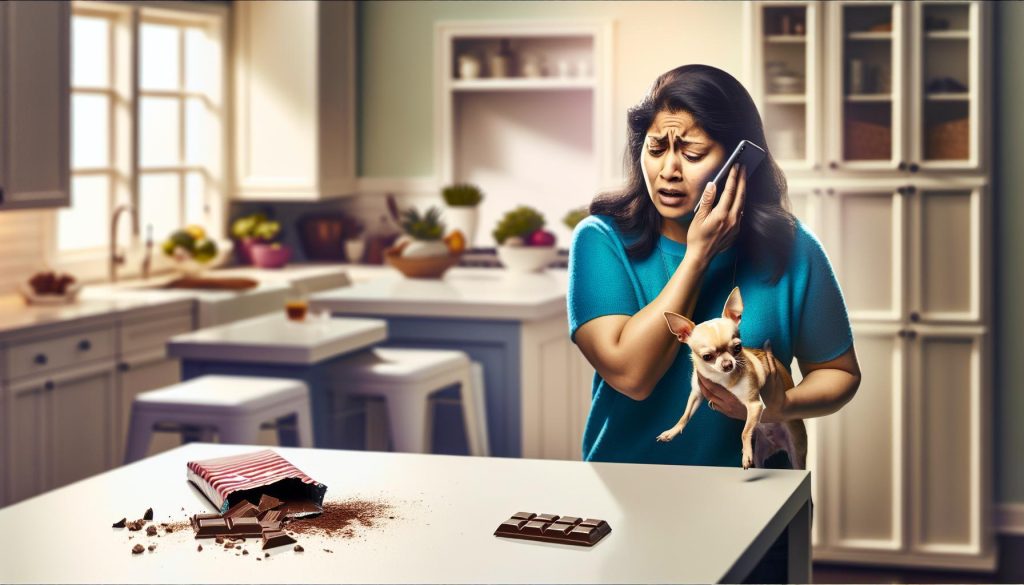
As a devoted Chihuahua parent, you know how curious and bold these little furballs can be. Their adventurous spirit can sometimes lead to dangerous situations-like the moment you discover your pup has nibbled on chocolate, which is toxic to dogs. Understanding how to act quickly is crucial. This guide will walk you through essential emergency steps to take if your Chihuahua has ingested chocolate, ensuring you’re prepared to help your beloved companion swiftly and effectively. With knowledge like this, you can protect your tiny friend and enjoy peace of mind, knowing you’re ready for anything that comes your way. Let’s dive into what steps to take to keep your brave little one safe!
What Happens When a Chihuahua Eats Chocolate?
When your Chihuahua accidentally munches on chocolate, it’s essential to grasp what could happen next. The danger of chocolate ingestion is real and can vary depending on the type and amount consumed. Chocolate contains theobromine and caffeine, both of which are toxic to dogs, especially smaller breeds like Chihuahuas. An alarming fact is that even a small amount of chocolate can lead to serious health issues due to their tiny size and high metabolism.
Keep a close eye on your little furry friend after ingestion. Within a few hours, symptoms may start to appear, ranging from increased heart rate and restlessness to vomiting and diarrhea. Chihuahuas are known for their vocal nature, so you may notice increased barking or whining as they become restless. Be attentive to any signs of distress, as early identification can be crucial.
In severe cases, consumption can lead to seizures, muscle tremors, or even be life-threatening. If you suspect your Chihuahua has ingested chocolate, you must take immediate actions to manage the situation effectively. Every second counts for these spirited little companions, and being proactive can make a significant difference.
Immediate Symptoms to Watch For in Your Chihuahua
It’s a heart-stopping moment for any Chihuahua owner when you discover that your little companion has snacked on chocolate. Understanding the immediate symptoms is crucial for ensuring the well-being of your furry friend. Chihuahuas are particularly sensitive to theobromine and caffeine found in chocolate, which can lead to serious health issues even from small amounts due to their petite size and unique metabolism.
Keep a close watch on behaviors that indicate something might be amiss. The first signs to observe typically include increased restlessness and hyperactivity. Your Chihuahua may become more vocal than usual-barking or whining as she expresses her discomfort. Other symptoms to look for are:
- Vomiting: This is often one of the first signs that something is wrong.
- Diarrhea: Loose stools can accompany vomiting, indicating distress.
- Increased heart rate: A rapid heartbeat may occur, which you can sometimes notice just by feeling her pulse.
- Muscle tremors: Shaking or trembling can be a concerning sign of chocolate poisoning.
- Seizures: In severe cases, your Chihuahua may experience seizures, an indication of a critical situation.
Each of these symptoms can occur within a few hours after ingestion but may also appear sooner. If you notice any of these signs, it’s essential to take action immediately. In this situation, your quick response can be lifesaving. Remember, every second counts with these spirited little companions, so always err on the side of caution. Watch for even subtle changes in behavior-it’s better to be proactive than reactive when it comes to the health of your Chihuahua.
Why Is Chocolate Dangerous for Chihuahuas?
Chocolate, while a beloved treat for many humans, poses a serious threat to our tiny companions, especially Chihuahuas, due to their small size and unique metabolism. The primary culprits in chocolate are theobromine and caffeine, both of which are toxic to dogs. Unlike humans, dogs metabolize these chemicals much more slowly, which can lead to dangerous levels in their system even if they consume a small amount.
Chihuahuas are particularly vulnerable; their petite bodies mean that even a small bite of chocolate can trigger a range of severe reactions. The severity of chocolate poisoning often correlates with the type and amount of chocolate consumed. Dark chocolate and baking chocolate contain much higher levels of theobromine compared to milk chocolate, making them far more dangerous. For instance, a tiny Chihuahua could experience symptoms from just a few ounces of dark chocolate, while the same quantity of milk chocolate might not pose an immediate risk but can still lead to unwanted health issues.
Symptoms can manifest rapidly, as the toxic effects start to work within a few hours of ingestion. Owners should be vigilant for signs like hyperactivity, restlessness, and vomiting, which could escalate quickly to tremors or even seizures. As loving Chihuahua owners, it’s vital to act swiftly; taking precautions to ensure that chocolate is never within reach of curious little paws is essential for keeping your furry friend safe. Building awareness around the risks associated with chocolate can make a significant difference in preventing emergencies and ensuring a long, healthy life for your loyal companion.
Emergency Steps: What to Do Right Away
When a beloved Chihuahua gets into chocolate, quick action is crucial! Time is of the essence because the effects of chocolate ingestion can worsen rapidly, especially in our petite companions. If you suspect your furry friend has consumed chocolate, here’s a solid plan of action to help you navigate this alarming situation.
First, stay calm and assess the situation. Observe your Chihuahua for any immediate signs of distress, such as excessive panting, restlessness, or vomiting. Remember that every moment counts! If it’s been less than two hours since she ate the chocolate, inducing vomiting may be effective. However, only do this if your veterinarian recommends it; some dogs are prone to aspiration, which can lead to more serious issues. If your vet advises you to proceed, use a 3% hydrogen peroxide solution at a dosage of 1 teaspoon for every 5 pounds of her weight, with a maximum of 3 teaspoons for larger breeds. Always follow up with veterinary care, even if vomiting occurs.
Next, calculate how much chocolate she ingested. Knowing the type of chocolate and the estimated amount helps your vet determine the appropriate treatment. Dark chocolate is more toxic due to its higher theobromine content, so if your Chihuahua has gotten into a chocolate cake or dark chocolate bar, the situation is more urgent. Use the following general guidelines for chocolate types:
| Type of Chocolate | Theobromine Content (mg/oz) |
|---|---|
| White Chocolate | 0.1 |
| Milk Chocolate | 150 |
| Dark Chocolate | 450 |
| Baking Chocolate | 800 |
After assessing the situation, contact your veterinarian immediately. Provide them with all the details about the incident, including the type and amount of chocolate consumed, your Chihuahua’s weight, and any symptoms she’s showing. Your vet may suggest coming in for treatment, which can include activated charcoal to block further absorption of the toxins or intravenous fluids to help with dehydration and filter out theobromine from her system.
Lastly, keep a close eye on her behavior. Chihuahuas can be vocal and may express discomfort through whimpering or agitation. Monitor her closely for signs of lethargy, tremors, or seizures. If these symptoms appear, it’s critical to seek emergency veterinary care as quickly as possible. With prompt action, the chances of a positive outcome improve significantly. Remember, being prepared can help keep your cherished companion safe from the dangers of chocolate!
Calculating the Amount of Chocolate Consumed
To ensure your beloved Chihuahua receives the best care after consuming chocolate, accurately calculating the amount ingested is crucial. Chocolate contains theobromine, a substance that is particularly toxic to dogs, especially small breeds like Chihuahuas. Even a small amount of dark chocolate can pose a significant risk, so knowing how much your furry friend has consumed can guide your next steps effectively.
Begin by determining the type of chocolate involved. Each type has a different theobromine content, which significantly affects toxicity levels. Here’s a quick reference guide:
| Type of Chocolate | Theobromine Content (mg/oz) |
|---|---|
| White Chocolate | 0.1 |
| Milk Chocolate | 150 |
| Dark Chocolate | 450 |
| Baking Chocolate | 800 |
After identifying the type, estimate how much chocolate your Chihuahua has consumed. For example, if she helped herself to a piece of dark chocolate cake (approximately 3 ounces), you can calculate her exposure as follows: 3 ounces of dark chocolate could contain about 1350 mg of theobromine (3 oz x 450 mg/oz), which is alarming for a tiny Chihuahua weighing around 5 pounds. This level of consumption could already be critical, emphasizing the need for immediate veterinary contact.
In addition to quantifying the chocolate, keep track of your Chihuahua’s weight, as the dosage can vary significantly based on size. As a rule of thumb, anything over 20 mg of theobromine per kilogram of body weight can be potentially toxic. For instance, if your Chihuahua weighs 5 pounds (about 2.27 kg), ingestion of just 100 mg could lead to serious health problems. Always convey this information to your veterinarian, as it will assist them in determining the most appropriate and timely treatment for your furry friend.
When to Contact Your Veterinarian Immediately
If your Chihuahua has just indulged in chocolate, the urgency of the situation cannot be overstated. Chihuahuas are particularly vulnerable to chocolate toxicity due to their small size and fast metabolism, which means that swift action is crucial. Immediate veterinary contact is essential if you know or suspect that your furry friend has consumed chocolate, especially if it’s dark, baking, or even milk chocolate, which have high levels of theobromine.
There are specific scenarios in which a call to your veterinarian should be made without hesitation:
- Excessive Consumption: If your Chihuahua has eaten a significant amount of chocolate-over 20 mg of theobromine per kilogram of body weight-this is a cause for alarm. For instance, a 5-pound Chihuahua can quickly face serious health risks from a small portion of dark chocolate.
- Appearance of Symptoms: Be vigilant for signs of chocolate poisoning, which may include vomiting, diarrhea, excessive panting, rapid heart rate, and restlessness. Any of these symptoms warrants immediate professional advice.
- Time Since Consumption: If it’s been more than a couple of hours since your Chihuahua ingested the chocolate, the sooner you act, the better. The longer you wait, the more theobromine can affect her system.
- Uncertainty About Amount: If you are unsure how much chocolate she has consumed or if she has eaten chocolate in a form you can’t easily quantify (like baked goods), calling your veterinarian is a wise decision.
In cases where you’re contemplating whether to go to the vet, always lean towards caution. In situations like these, it’s far better to err on the side of treating a potential chocolate poisoning than to delay and risk your Chihuahua’s health.
While every moment counts after chocolate ingestion, remember that your Chihuahua’s spirited nature deserves immediate attention and care. Don’t hesitate-reach out to your vet for guidance and support, ensuring your little companion gets the help she needs.
What to Expect During Veterinary Treatment
If your Chihuahua has ingested chocolate, understanding can ease your worries and help you support your little friend through this challenging time. As a devoted Chihuahua parent, you know how much your feisty companion relies on you for safety and comfort. This situation, while alarming, is manageable with the right knowledge and care.
Once you arrive at the veterinary office, your Chihuahua will likely be evaluated quickly. The vet will perform a thorough assessment, which can include taking vital signs like heart rate and temperature. Your vet may ask critical questions about the type and amount of chocolate consumed, the time since ingestion, and any symptoms your Chihuahua may be showing. This information helps the veterinarian determine the best course of action.
Treatment often begins with inducing vomiting if the chocolate was ingested recently. This step is crucial to remove the chocolate from your Chihuahua’s system before it’s absorbed. The vet may administer activated charcoal afterward to prevent further absorption of theobromine, the toxic component in chocolate. If your Chihuahua is showing symptoms of poisoning, such as rapid heart rate or restlessness, supportive care may include intravenous fluids and medication to control symptoms and stabilize them.
Monitoring is another key aspect of the treatment process. Your vet will want to keep an eye on your Chihuahua for several hours to ensure her condition is improving. While you may be anxious for news, this period is essential for your little one to receive the proper care. Be prepared to take notes and ask questions about her progress and potential follow-up treatments. Some Chihuahuas may require overnight observation if they show significant symptoms or if the chocolate consumed was particularly toxic.
Remember that every moment is an opportunity to ensure your Chihuahua receives the best care possible. Your bond with her is what will shine through during this crisis, providing her with comfort when she needs it most. Trust your veterinarian’s expertise, and don’t hesitate to express your concerns or seek clarity on her treatment plan. By understanding the steps that lie ahead, you can be a proactive and supportive advocate for your beloved Chihuahua.
Home Remedies: Do They Work for Chocolate Poisoning?
If your Chihuahua has ingested chocolate, it’s understandable to feel a wave of panic. We all know how curious and sometimes bold Chihuahuas can be, darting toward anything that smells interesting! However, before you jump straight into home remedies, it’s important to understand that chocolate is dangerous for Chihuahuas due to theobromine, a toxic compound these little ones metabolize poorly. While seeking immediate veterinary assistance is crucial, some owners may be curious about potential home remedies that could provide relief.
Most veterinarians will advise against the use of home remedies for chocolate poisoning. The primary reason is that timing and the type of chocolate consumed are critical. If it’s been a short time since ingestion, inducing vomiting through professional methods is often the most effective option to limit the absorption of theobromine. Some owners might think about giving their Chihuahua activated charcoal at home, which is sometimes used to absorb toxins, but it’s important to consult your vet before administering anything. Dosage and timing are key-what if your feisty little one consumes it after it’s too late?
In some cases, owners have reported using plain, unsweetened pumpkin or fiber-rich foods to help their Chihuahuas recover from mild stomach upset after an incident-though this does not specifically counteract the effects of chocolate. However, these measures should not replace veterinary treatment, especially if serious symptoms like jitteriness, increased heart rate, or gastrointestinal distress appear. Remember, your Chihuahua’s safety is the priority, and your vet is best equipped to handle emergencies.
While it can be tempting to look for quick fixes, there’s no substitute for professional veterinary care when it comes to chocolate ingestion. Always be vigilant about keeping chocolate well out of reach. Chihuahuas, with their insatiable curiosity and determination, can outsmart us at times, so make sure that chocolate is securely stored away!
Long-Term Health Effects of Chocolate Consumption
When a Chihuahua consumes chocolate, the immediate concern often overshadows potential long-term effects. However, understanding the ramifications of chocolate ingestion can offer peace of mind and bolster your knowledge as a devoted owner. Theobromine, the toxic compound in chocolate, can lead to serious health issues, not just during an acute episode but also with what might follow.
Firstly, repeated exposure to theobromine can cause lasting damage to your Chihuahua’s cardiovascular system. Even after recovery from an acute incident, dogs might experience ongoing heart irregularities or stress. This risk is particularly heightened for Chihuahuas, as their tiny size makes them more susceptible to fluctuations in heart rate. For instance, some owners have reported that their Chihuahuas exhibited increased anxiety or excitability in the weeks following an incident. Keeping an eye on your Chihuahua’s behavior and any changes in their energy levels is essential for detecting underlying issues.
Moreover, gastrointestinal problems can manifest long after a chocolate ingestion incident. Symptoms like diarrhea or vomiting may reappear if the gut struggles to process the residual effects of theobromine. A Chihuahua’s delicate digestive system can become sensitive after such an event, so monitoring their diet and incorporating bland foods for a while can prove beneficial. Many owners find that easily digestible options, such as boiled chicken or plain rice, help ease their furry friends back to normal.
Lastly, the mental impact should not be overlooked. Chihuahuas are known for their vibrant personalities, but an experience with chocolate poisoning can lead to behavioral changes. They might become more cautious or anxious, affecting their adventurous spirit. Ensuring a safe environment and providing plenty of positive reinforcement can help your Chihuahua regain confidence and stability after the scare.
In summary, the effects of chocolate ingestion don’t necessarily end with immediate symptoms. Long-term vigilance and care can ensure your Chihuahua remains a happy, healthy companion, showcasing that love and attentive care are as vital as ever, especially for our spirited little friends.
Preventive Measures: Keeping Chocolate Out of Reach
When it comes to keeping chocolate out of your Chihuahua’s reach, prevention is key. As a tiny but bold breed, Chihuahuas can be quite crafty when it comes to snatching a forbidden snack. With their keen sense of smell and energetic nature, it’s crucial to establish a chocolate-free zone in your home. After all, not only is chocolate incredibly tempting, but it’s also highly toxic to our little companions. The best approach combines practical measures with a bit of understanding about your Chihuahua’s behavior.
Start by storing all chocolate products in high, locked cabinets. This may sound obvious, but many owners underestimate how high a Chihuahua can leap! Even items like cocoa powder or baked goods that contain chocolate should be secured. Consider installing childproof locks on cabinets that hold these treats, ensuring that even the most determined little climber won‘t be able to access them.
Another effective strategy is to create a designated area for safe snacks and treats that your Chihuahua can enjoy. Fill this space with dog-friendly alternatives such as peanut butter, carrots, or sweet potato chews. This offers a positive reinforcement approach, as your furry friend will learn that delicious options do exist, just not the ones that can harm them. Additionally, training your Chihuahua to respond to commands like “leave it” can be invaluable during moments of temptation. Consistent practice will help reinforce good behavior during occasional lapses in focus when you least expect them.
Don’t forget to educate your family and friends about the dangers of chocolate for Chihuahuas. Share your knowledge and ensure that everyone knows not to leave chocolate out in the open, especially during gatherings or family events. A well-informed household is an integral step in keeping your Chihuahua safe and healthy.
Creating a safe environment for your Chihuahua means being vigilant and proactive. Celebrate their spunky personalities by providing them with safe, enjoyable experiences, and you’ll foster a loving home where your spirited little one can thrive without the threat of chocolate lurking nearby.
Understanding Your Chihuahua’s Behavior During a Crisis
When a crisis strikes, such as your beloved Chihuahua eating chocolate, it’s essential to remain calm and assess the situation effectively. This breed, with its vibrant personality and bold nature, may react differently than you might expect. Some Chihuahuas may become anxious or overly vocal, breaking into frantic barking or whining, while others may appear lethargic or even unbothered. Recognizing these diverse responses can help you better address their immediate needs.
The first step is to observe your Chihuahua’s behavior closely. Behavioral changes can often be telling. For instance, if he starts pacing or seems excessively clingy, it may indicate discomfort or fear. Prepare for a potential emergency by documenting any unusual behaviors, which can be useful information for your veterinarian. In the event of chocolate ingestion, look for signs like excessive drooling, vomiting, or restlessness. These symptoms may escalate quickly and require prompt action.
In such moments, it’s vital to communicate with your Chihuahua in a comforting, reassuring manner. Use a gentle tone and reassuring phrases to help diffuse anxiety. Often, physical touch-a nice pat or gentle rub-can be soothing, allowing your Chihuahua to feel secure amid the chaos. Given their small stature, a comforting lap can provide both safety and support.
Understanding your Chihuahua’s unique temperament-be it the spunky apple-head type or the petite deer-head variety-will also allow you to tailor your response. Each pup may have a different threshold for stress, so remain observant. If he retreats to a familiar spot, like his favorite blanket or toy, respect that need for security. Conversely, if he seeks out your presence, be there for him. Recognizing his behavior during this crisis not only aids in immediate management but also strengthens your bond, ensuring that your Chihuahua feels loved and protected in times of trouble.
Resources for Chihuahua Owners: Support and Information
When faced with the frightening situation of your Chihuahua consuming chocolate, it’s invaluable to have a reliable toolkit of resources at your fingertips. Every dog owner knows the bond they share with their furry companion, making knowledge not just power but a lifeline. Here’s how to equip yourself with the essential information and support necessary to ensure your little one stays safe and healthy.
First, familiarizing yourself with trusted veterinary clinics is crucial. Many veterinarians offer after-hours emergency services and hotlines specifically for pet poisonings. Programs like the ASPCA Animal Poison Control Center are also available 24/7, providing immediate guidance on how to proceed based on the amount and type of chocolate your dog has consumed. Keep contact numbers readily accessible, ideally saved in your phone or posted near your pet supplies, so you can act quickly when necessary.
In addition to seeking medical advice, connecting with Chihuahua-specific communities can provide emotional support and practical advice. Online forums and local breed clubs are treasure troves of shared experiences from fellow Chihuahua lovers who have navigated similar crises. You can learn from their stories-how they reacted, what worked, and the outcomes they faced. Websites dedicated to Chihuahua health and behavior often publish articles about emergencies, including chocolate ingestion, allowing you to become more informed and prepared.
It’s equally important to educate yourself about the specific health risks chocolate poses for Chihuahuas. Theobromine, a compound found in chocolate, is toxic to dogs and can lead to severe health issues like seizures or heart problems, particularly in small breeds. Knowing the symptoms and timing of potential reactions can enable you to act swiftly. Resources like the Merck Veterinary Manual or the Pet Poison Helpline offer in-depth information regarding toxicity levels and treatment protocols tailored for tiny dogs.
Lastly, remember that keeping a close eye on your Chihuahua’s everyday environment is essential for prevention. Use baby gates to restrict access to areas where food is stored, and always ensure any sweet treats are out of reach. Implementing these simple measures can help safeguard your plucky companion, giving you peace of mind and protecting them from unnecessary danger. Being proactive today will enrich your bond tomorrow, ensuring your Chihuahua remains the vibrant, loyal friend you cherish.
Faq
Q: What should I do if my Chihuahua ate chocolate?
A: If your Chihuahua consumes chocolate, act immediately. Assess how much chocolate was eaten and the type (dark, milk, or white). Contact your veterinarian right away or a pet poison hotline for guidance on emergency steps and treatment options.
Q: How long after eating chocolate will symptoms appear in my Chihuahua?
A: Symptoms of chocolate ingestion can appear within 1 to 4 hours after consumption. Watch for signs such as vomiting, diarrhea, or increased heart rate. If symptoms develop, seek veterinary help immediately, as quick intervention is crucial.
Q: Can I make my Chihuahua vomit if it ate chocolate?
A: Do not induce vomiting without veterinary guidance. While it can help in some cases, inducing vomiting improperly may cause additional harm. Consult your veterinarian before taking any action if your Chihuahua consumes chocolate.
Q: What are the signs of chocolate poisoning in Chihuahuas?
A: Signs of chocolate poisoning in Chihuahuas include vomiting, diarrhea, rapid breathing, increased heart rate, and seizures. If you suspect your Chihuahua has ingested chocolate, monitor for these symptoms and contact your vet immediately.
Q: What type of chocolate is most dangerous for Chihuahuas?
A: Dark chocolate and baking chocolate are the most toxic to Chihuahuas due to their high theobromine content. Even small amounts can lead to severe health issues, so be extra cautious with these varieties if you suspect ingestion.
Q: How can I prevent my Chihuahua from eating chocolate in the future?
A: To prevent chocolate ingestion, keep all chocolate products out of reach. Store them in sealed containers and educate family members about the dangers of chocolate. Consider offering dog-friendly treats as alternatives to discourage begging.
Q: What treatments can a veterinarian provide for chocolate poisoning?
A: A veterinarian may induce vomiting or provide activated charcoal to limit absorption of theobromine. IV fluids may also be administered for dehydration and to stabilize your Chihuahua. Immediate veterinary care is essential for effective treatment.
Q: Is there a safe amount of chocolate my Chihuahua can eat?
A: No safe amount of chocolate exists for Chihuahuas. All types of chocolate contain theobromine, which is toxic. If your Chihuahua consumes chocolate, it’s crucial to seek veterinary advice, regardless of the amount consumed.
The Way Forward
If your little guy has gotten into chocolate, don’t panic! Remember the key steps-act quickly, call your vet, and follow their guidance. Chihuahuas, with their tiny tummies, can be particularly sensitive to foods like chocolate that are toxic. They rely on us to keep them safe, and knowing what to do in emergencies is part of responsible pet ownership. For more on keeping your Chihuahua healthy and happy, check out our guides on “Nutrition for Chihuahuas” and “Common Household Hazards for Small Dogs.”
Your love for your pup is evident, and that’s why we’re here to help you navigate these challenges. Don’t forget to share your experiences in the comments below! Join our community of Chihuahua enthusiasts for tips, support, and to learn more about caring for your vibrant little companion. Sign up for our newsletter to stay updated on essential health tips and advice tailored just for your breed!
Get our latest guides, news, and insights highlighted in your Google Search & AI Overviews.