

As a devoted Chihuahua owner, you might find yourself wondering about what treats or foods are safe for your little companion. One common question many owners ask is, “Can my Chihuahua drink milk safely, or is it harmful?” While many of us enjoy a splash of milk in our coffee or cereal, our furry friends may react differently. Whether you’re easing your pup’s diet or indulging in the quirks of their personality-those charming barks and bold attitudes-it’s crucial to understand how milk affects their health. Curious about potential risks, digestive issues, or even benefits of milk for Chihuahuas? Join me as we explore this topic and help you make the best choices for your loyal, tiny buddy. Your Chihuahua’s health and happiness deserve it!
Can Chihuahuas Drink Milk: Health Impacts Explained
Chihuahuas, with their spirited personalities and often large attitudes, can have varying reactions to milk. While some owners consider milk a delightful treat to share, it’s crucial to understand how this dairy product affects your little companion. Many dogs, including Chihuahuas, are lactose intolerant, meaning they lack the enzyme lactase necessary to properly digest lactose, the sugar found in milk. When ingested, lactose can lead to gastrointestinal upset, making it essential for Chihuahua parents to tread cautiously.
If your Chihuahua eagerly licks up milk but then experiences gas, diarrhea, or an upset stomach, this could indicate lactose intolerance. It’s always best to monitor her response. For Chihuahuas that tolerate milk well, it can be offered in moderation. However, not all types of milk are created equal. Skimmed or low-fat options are generally better suited for your pup than whole milk due to the reduced fat content, which can sometimes be too rich for their small stomachs.
In considering the implications of milk consumption, remember that maintaining a balanced diet for your Chihuahua is paramount. Her overall nutrition should prioritize high-quality dog food tailored for small breeds, complemented by treats that fit her dietary needs. If you’re looking for protein sources or supplements, consider alternatives like yogurt, which contains probiotics and less lactose than milk. Always consult with your veterinarian before introducing new foods into your Chihuahua’s diet to ensure her health and well-being are safeguarded.
Understanding Lactose Intolerance in Chihuahuas
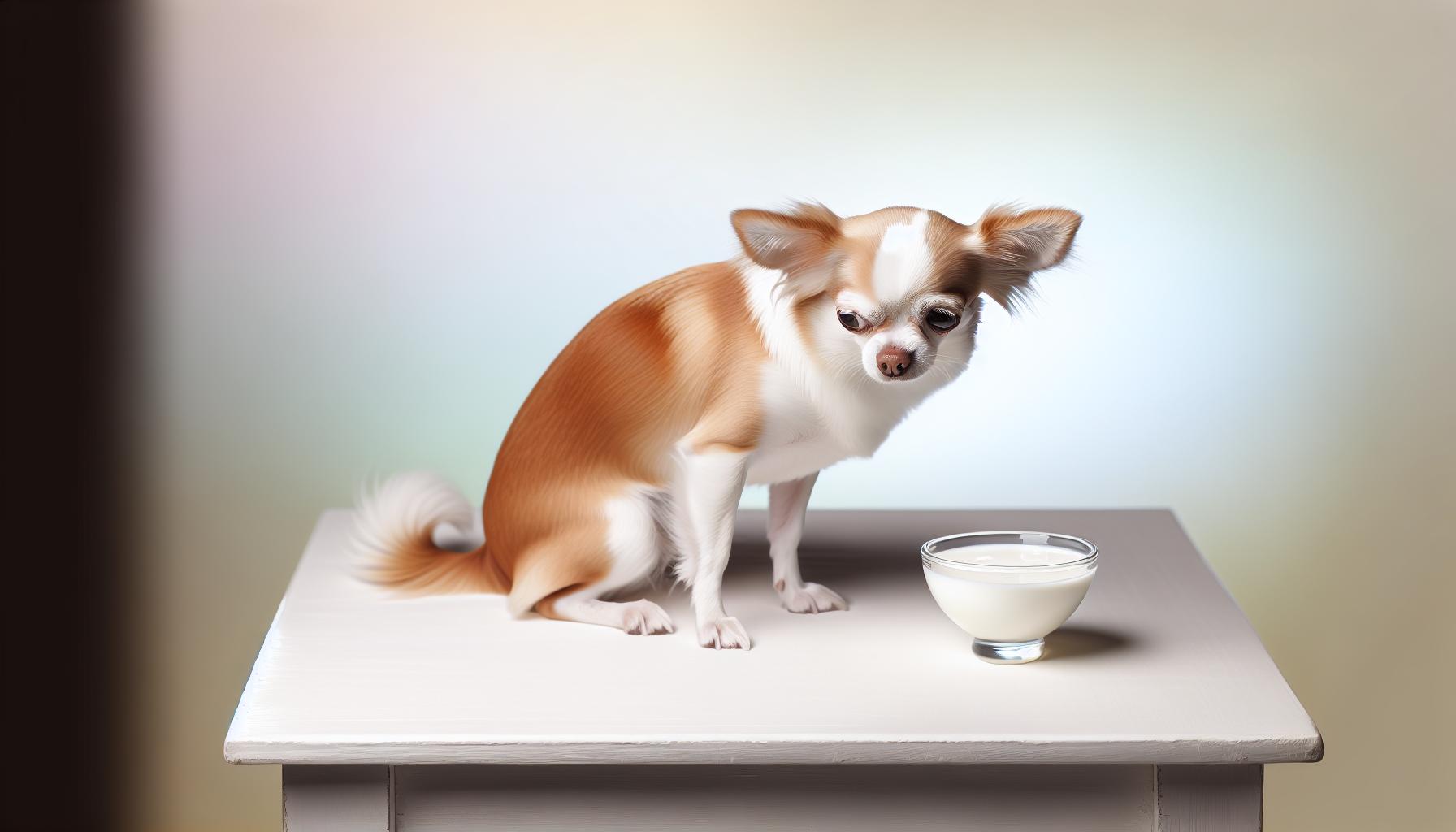
Many Chihuahuas, like humans, can be sensitive to lactose, the sugar found in milk. This sensitivity stems from a common condition known as lactose intolerance, which means your little companion may lack sufficient levels of the enzyme lactase to break down lactose properly. In fact, studies suggest that a significant number of dogs, including many Chihuahuas, experience some degree of lactose intolerance. This can lead to uncomfortable symptoms such as gas, diarrhea, and stomach cramps when they consume milk or dairy products.
Chihuahuas are particularly prone to digestive issues because of their small size and sensitive stomachs. If you notice your feisty friend showing signs of discomfort after enjoying a taste of milk, it’s important to reconsider including dairy in their diet. For instance, an apple-head Chihuahua named Bella took a few sips of milk one afternoon and ended up with an upset stomach for the rest of the evening, prompting her owner to investigate alternative treats that are kinder to her digestion.
To help you understand how to manage your Chihuahua’s diet, here are some important pointers:
- Signs of Lactose Intolerance: Look for symptoms like gas, bloating, diarrhea, or vomiting after your Chihuahua consumes milk.
- Type of Milk: If you decide to give your Chihuahua milk, opt for low-lactose options, such as lactose-free milk or small amounts of yogurt, which is generally easier to digest due to its lower lactose content.
- Moderation is Key: If your Chihuahua shows no adverse reactions to small amounts of milk, keep servings minimal. Treats should only make up a small portion of their overall diet.
By paying attention to your Chihuahua’s reaction and prioritizing their digestive health, you can provide a comfortable and satisfying treat experience without compromising their well-being. And remember, always consult with your veterinarian before introducing new foods into your Chihuahua’s diet, ensuring every culinary adventure is safe and enjoyable for both of you.
Milk Types: What’s Safe for Your Chihuahua?
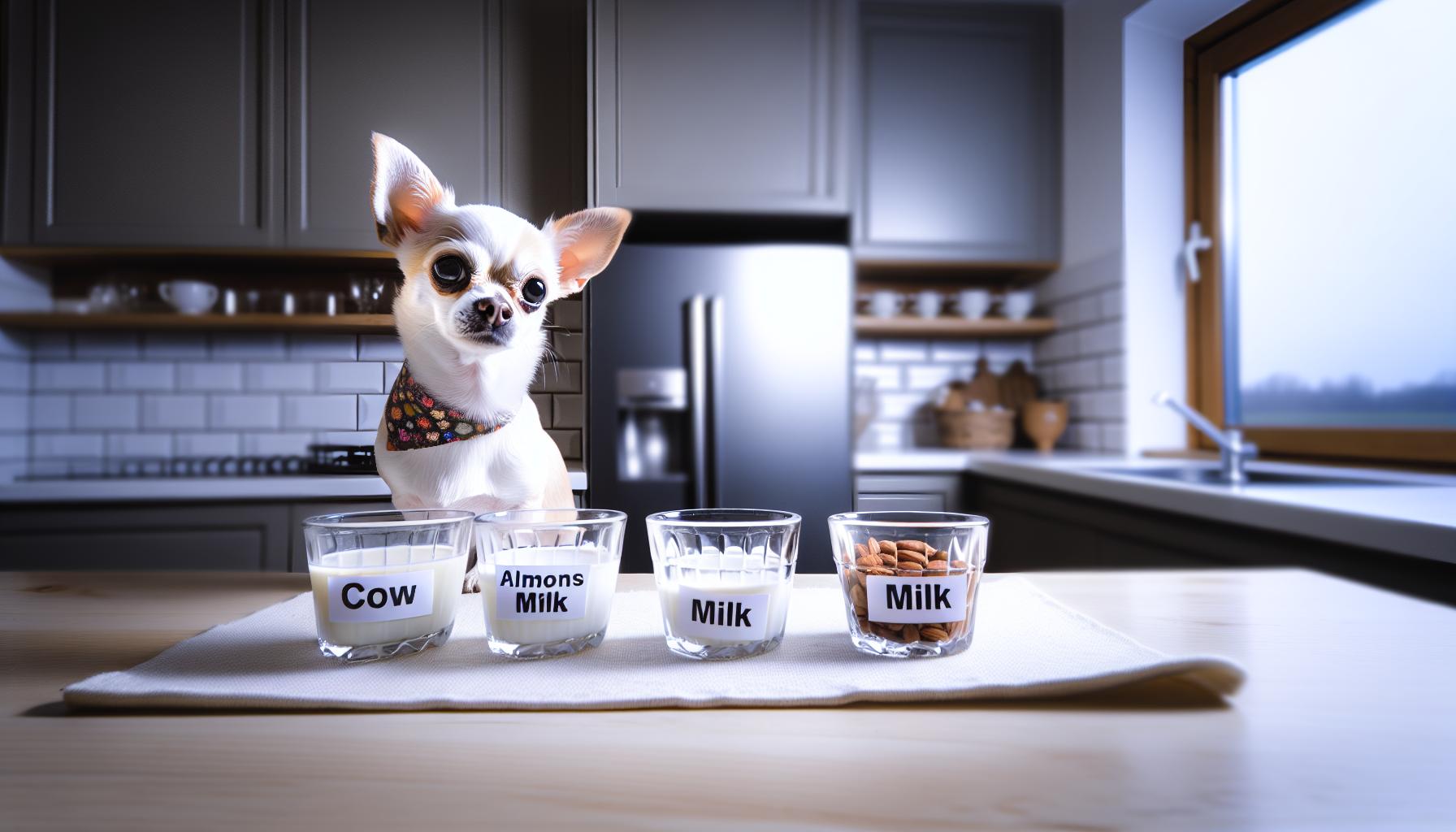
When considering what types of milk are suitable for your Chihuahua, it’s crucial to prioritize his delicate digestive system. Just like many little dogs, Chihuahuas can struggle with lactose intolerance, which means that traditional cow’s milk may not sit well with him. If you’re eager to offer a little milk as a treat or supplementary nutrient, there are safer options available that won’t upset his tummy.
Lactose-free milk is one of the best choices for Chihuahuas. It provides the creamy taste that many dogs enjoy without the lactose that can cause discomfort. Similarly, small amounts of plain yogurt can be a good alternative, as the fermentation process reduces lactose levels. Just be careful to choose yogurt that isn’t packed with added sugars or artificial flavors, which can be harmful to your tiny companion. For example, a long-haired Chihuahua named Coco loves a spoonful of plain yogurt on special occasions, and her owner reports that it never leads to tummy troubles.
Another option is plant-based milks, such as almond or coconut milk, but these should be given sparingly. Ensure that any plant-based option has no added sugars or harmful ingredients like xylitol, which is toxic to dogs. Always check labels and consult your vet if you’re unsure about a specific type.
Introduce any new milk type gradually. Observing his reaction is key; start with just a small amount to see how he digests it. If he enjoys it and shows no signs of upset stomach, you can consider it a safe occasional treat. Remember, though, these milk substitutes should only be a tiny part of his overall diet. Prioritize water as your Chihuahua’s primary source of hydration and use any milk or milk alternatives as a fun addition, not a staple. Enjoy these special moments with your delightful little friend!
Signs of Milk Sensitivity in Your Chihuahua
It’s important to be observant when introducing any new food, including milk, into your Chihuahua’s diet. Chihuahuas, with their delicate digestive systems, can be particularly sensitive to lactulose. If your furry friend shows signs of milk sensitivity, it’s vital to recognize these symptoms early to prevent discomfort.
Chihuahuas that are lactose intolerant may exhibit a variety of signs after consuming milk. Common symptoms include:
- Gassiness: Excessive flatulence is often one of the first indicators that milk isn’t settling well.
- Diarrhea: Loose stools or diarrhea can occur if their system struggles to break down lactose.
- Vomiting: Some Chihuahuas may vomit shortly after consuming milk as their digestive system reacts negatively.
- Abdominal Discomfort: Watch for signs of bloating or your Chihuahua seeming restless-these can indicate tummy troubles.
For example, a Chihuahua owner named Sarah found that when she gave her apple-head Chihuahua, Bella, a small amount of regular cow’s milk, Bella became noticeably gassy and uncomfortable. This reaction prompted her to switch to lactose-free alternatives, which allowed Bella to enjoy a tasty treat without the unpleasant side effects.
If you notice any of these signs after your Chihuahua consumes milk, it’s best to discontinue offering milk products and consult with your veterinarian for appropriate dietary guidance. Remember, early detection and care can keep your little companion happy and healthy, ensuring that treat time is a joy rather than a discomfort.
Benefits of Giving Milk to Chihuahuas
Chihuahuas are known for their bold personalities and unique quirks, and you might wonder if sharing a little milk can bring joy to your pint-sized companion. While it’s essential to tread carefully with any new addition to their diet, there are potential benefits to offering milk in moderation-especially if you choose lactose-free options.
One of the primary advantages is that milk can be a tasty treat that many Chihuahuas thoroughly enjoy. Just like us, they can appreciate a little indulgence! Milk contains protein, vitamins, and minerals that may complement their diet. For instance, calcium is crucial for their bone health, especially in this breed, which can be susceptible to certain joint issues as they age. A small amount of milk might provide some nutritional value while keeping them happy.
However, it’s vital to monitor your Chihuahua closely when introducing milk. Some owners, like Maria, discovered that her long-haired Chihuahua, Coco, thrived on a tiny splash of lactose-free milk added to his food. It made his meals more enticing, and she felt that he received a little extra warmth and nutrition without any digestive upset. On the other hand, if you notice any belly rumbles or discomfort, it might be a clear sign to cut back or opt for alternatives.
In essence, while milk can be a delightful treat, it’s all about balance and being attuned to your Chihuahua’s needs. Every pup is unique, and what works for one may not be suitable for another. By observing how your little friend reacts to milk and adjusting accordingly, you can ensure that treat time is a pleasure for both of you!
Alternatives to Milk for Your Chihuahua’s Diet
Chihuahuas are known for their lively personalities and special dietary needs, which can make finding the right treats a bit of a challenge. If you’re considering alternatives to milk for your tiny companion, there are plenty of safe and nutritious options that can delight your Chihuahua while keeping her health in check.
One popular alternative is lactose-free yogurt. This creamy treat is often better tolerated by dogs that are lactose intolerant, and it’s packed with probiotics that can support digestive health. A spoonful of plain, unsweetened yogurt can make a great addition to your Chihuahua’s diet. Just like little Bella, who loved her yogurt as a special snack after her walks, your pup may also enjoy this healthy indulgence!
Another excellent option is bone broth, which is not only flavorful but also provides hydration and essential nutrients. You can make your own by simmering bones with water and some pet-friendly vegetables. Just remember to strain it well and remove any bones that could be a choking hazard. Some Chihuahua owners, such as Tim and his pup, Rocco, found that adding a bit of broth to their dog’s food made mealtime much more exciting and palatable.
Lastly, consider pureed fruits and vegetables like pumpkin, sweet potatoes, or carrots. These options are high in vitamins and fiber, supporting digestive health while satisfying your pup’s taste buds. Just be sure to avoid toxic foods, such as grapes or onions. For instance, when Anna introduced her Chihuahua, Daisy, to mashed sweet potatoes, she noticed an increase in Daisy’s energy levels and a shiny coat, demonstrating how wholesome snacks can enhance her overall well-being.
When substituting milk or introducing new treats, always keep an eye on how your Chihuahua reacts. Every dog has unique preferences and tolerances, so try these alternatives in small amounts to gauge her response. By offering a variety of healthy snacks, you can ensure that treat time is just as enjoyable and fulfilling as sharing a splash of milk!
Expert Opinions: Veterinarians on Milk Consumption
While milk is a beloved treat for many pet owners, it’s crucial to understand how it impacts our beloved Chihuahuas. Many veterinarians agree that while a small amount of milk might not be harmful to all dogs, the reality is quite different for Chihuahuas, especially when it comes to lactose intolerance. With their tiny size and unique digestive systems, these little companions often struggle with milk and dairy products due to the presence of lactose, which many adult dogs cannot properly digest.
Chihuahuas are particularly prone to gastrointestinal issues, and introducing milk into their diet can lead to symptoms such as diarrhea, vomiting, or stomach upset. It’s common for veterinarians to advise caution, especially if your Chihuahua has never had milk before. Dr. Smith, a veterinarian with years of experience treating small breeds, suggests, “If you want to see how your Chihuahua reacts to milk, start with just a tiny amount. Monitor for any signs of distress, and know that even a little lactose can cause discomfort.”
In addition to lactose intolerance, some vets emphasize the importance of balanced nutrition. Instead of relying on milk as a treat, they recommend exploring alternatives that are nutrient-dense and better suited to your Chihuahua’s diet. For example, some experts suggest incorporating small amounts of lactose-free yogurt or plain pumpkin puree, which can provide a tasty treat without the digestive issues.
For a well-rounded perspective, many vet clinics also conduct workshops and Q&A sessions with pet owners. These platforms highlight real-life experiences shared by Chihuahua owners. For instance, one owner reported that after she replaced dairy treats with small servings of carrot sticks and green beans, her Chihuahua became more energetic and vibrant. Such anecdotes resonate well, reinforcing that there are plenty of fun and healthy alternatives to milk.
Ultimately, while it can be tempting to share a splash of milk with your Chihuahua, respecting their unique dietary needs will lead to a healthier and happier pup. Engaging with a veterinarian can provide tailored advice that respects your Chihuahua’s individuality and ensures they live their best life!
Common Misconceptions About Milk and Dogs
Many owners believe that milk is a nutritious and harmless treat for their furry friends, but this isn’t always the case, especially when it comes to Chihuahuas. The first misconception is that all dogs can handle dairy without issue. In reality, many dogs, including Chihuahuas, suffer from lactose intolerance, which means they can’t properly digest lactose, the sugar found in milk. This often leads to uncomfortable gastrointestinal symptoms like diarrhea, gas, and bloating. So, while your Chihuahua may beg for a taste, indulging her might not be worth the potential upset.
Another common belief is that milk provides essential nutrients that are beneficial for dogs. While milk does contain some vitamins and minerals, it’s not a necessary part of a Chihuahua’s diet. Instead, there are plenty of other nutrient-dense foods that can offer the same benefits without the risk of discomfort. For instance, foods rich in protein and healthy fats, such as lean meats or certain vegetables, can be much better suited for your little companion.
Moreover, some owners think that giving milk will soothe their Chihuahua when they’re feeling anxious. While it might seem comforting for a moment, this could backfire if she has a sensitivity to lactose. Instead, consider other soothing alternatives like offering a gentle massage, creating a cozy space for her, or engaging in a calm play session. These alternatives can contribute to her well-being without the digestive repercussions that milk might bring.
Understanding these misconceptions is crucial for keeping your Chihuahua happy and healthy. It’s fantastic that you want to share treats with her, but being mindful of what those treats are can make all the difference in her quality of life. If you’re ever uncertain about what’s best for her diet, consulting your veterinarian can provide clarity tailored specifically to your Chihuahua’s needs.
How to Introduce Milk Safely to Your Chihuahua
While the thought of sharing a bit of creamy goodness with your Chihuahua might seem irresistible, it’s essential to approach this treat with care, particularly due to the breed’s propensity for digestive sensitivities. Introducing milk into your Chihuahua’s diet should be done gradually and thoughtfully. Your little buddy’s health and comfort should always come first, and understanding how to introduce milk safely will help you avoid upsetting her delicate stomach.
Start by selecting a lactose-free milk or a milk alternative specifically designed for dogs, which can often be a better choice. Lactose-free options reduce the likelihood of gastrointestinal discomfort, allowing for a smoother introduction. When you’re ready to give milk a try, begin with just a teaspoon to gauge how she reacts. Observe her for signs of lactose intolerance-symptoms like diarrhea, vomiting, or excessive gas may indicate that this treat doesn’t agree with her.
Once you’ve determined your Chihuahua tolerates the small amount well, you can gradually increase to a tablespoon over subsequent days if she shows no adverse effects. It’s important to treat milk as an occasional indulgence rather than a regular part of her diet. Remember, Chihuahuas have unique nutritional needs, and the majority of their diet should consist of high-quality dog food that meets their health requirements.
Real-world experiences from fellow Chihuahua owners reinforce the importance of moderation. For example, one owner shared that they allowed their Chihuahua to enjoy a bit of milk after dinner as a reward. Initially, it was just half a tablespoon, and upon confirming the absence of digestive issues, they increased it slightly. However, they also made sure not to overdo it, ensuring that their pup’s primary source of hydration remained fresh water. Maintaining a balanced approach not only keeps your pup happy but also helps to avoid any health risks.
Ultimately, being mindful and attentive during the introduction process will enable you to create a positive experience for your Chihuahua, celebrating her quirks while prioritizing her health. Always consult your veterinarian if you’re unsure about specific dietary changes, ensuring you make the best choices tailored to your furry friend.
Hydration Needs: Water vs. Milk for Chihuahuas
Ensuring your Chihuahua stays hydrated is vital for their health and well-being. While the idea of sharing creamy goodness can be tempting, it’s important to remember that water should always be their primary source of hydration. Water is essential for your little one’s digestion, circulation, and overall bodily functions. On the flip side, milk-particularly regular cow’s milk-can sometimes lead to digestive upsets due to lactose intolerance, which is common in Chihuahuas.
Instead of viewing milk as a hydration substitute, it should be considered an occasional treat. Regular feeding of milk can lead to gastrointestinal distress, with symptoms like diarrhea or vomiting making for an unhappy pup. Many Chihuahua parents have found that their dogs thrive best when fresh water is the mainstay of their hydration. Experienced owners often share that their Chihuahuas will opt for a bowl of water over milk, which goes to show that while milk can be a fun addition to their diet in moderation, it’s not a necessary part of it.
If you’re considering offering your Chihuahua a splash of milk, choosing lactose-free options can mitigate potential digestive issues. Some owners have reported giving their Chihuahuas small amounts of lactose-free milk, especially as a reward after a walk or a training session. One owner mentioned their apple-head Chihuahua loves a tablespoon of lactose-free milk mixed with her kibble as a treat, but her owner always ensures she has access to fresh water first.
Ultimately, prioritizing water over milk will support your Chihuahua’s health better. If you’re ever in doubt about your dog’s hydration needs or mixing treats like milk into their diet, don’t hesitate to consult your veterinarian. Keeping your furry friend happy and healthy is always the goal, and navigating these dietary decisions carefully can lead to a joyful, tail-wagging companion.
Real Chihuahua Owner Experiences with Milk
Many Chihuahua owners have shared delightful experiences involving milk, often highlighting their dogs’ strong reactions to this creamy treat. For instance, one proud mom of a feisty apple-head Chihuahua named Bella discovered that a tablespoon of lactose-free milk can be an excellent reward after fetch sessions. Bella eagerly anticipates her post-playtime indulgence, which she sometimes enjoys mixed with her kibble. This owner finds joy in watching Bella’s delighted expression, but she always prioritizes hydration-ensuring Bella has fresh water readily available.
Another owner recounted experimenting with dairy when her Chihuahua, Rocky, seemed disinterested in his regular treats. Initially, she offered him regular cow’s milk, only to witness a stomach upset shortly after. After consulting her vet, she switched to lactose-free milk, which proved to be a game-changer. With this cautious approach, Rocky now savors his occasional milk treat without any digestive distress, proving that a little trial and error can lead to happy, healthy outcomes.
Chihuahuas are known for their spirited personalities, and their interactions with food reveal just how unique they are. Barkley, a spirited black and tan Chihuahua, has a peculiar quirk-he refuses to drink anything but filtered water but goes wild for yogurt. His owner learned that while milk isn’t a necessity, dairy-based treats like yogurt in moderation keep Barkley energetic and satisfied. This example emphasizes that while not every Chihuahua will have the same reaction to milk, finding alternatives like yogurt can be equally rewarding.
When it comes down to it, understanding your Chihuahua’s preferences and monitoring for any adverse reactions is key. Many owners agree that while sharing a splash of milk can be a nostalgic bonding experience, it should always be done with caution and accompanied by the basics-fresh water and a balanced diet. These personal stories capture the essence of living with Chihuahuas: they are vocal, bold, and full of personality, making every meal moment a memorable one for both dog and owner.
Key Takeaways for Chihuahua Parents
Chihuahuas are known for their bold personalities and unique quirks, making every moment with them a delightful adventure. When it comes to treats like milk, navigating their dietary preferences can be a fun yet cautious endeavor. Many owners, like the mom of Bella the apple-head Chihuahua, find that offering a small amount of lactose-free milk can turn playtime into a special reward, fostering a cherished bond. However, it’s essential to consider the individual needs of each dog before incorporating dairy into their diet.
One key point to remember is that not all Chihuahuas can tolerate milk due to lactose intolerance. This is common among many dogs, as their digestive systems may struggle with lactose, the sugar in milk. For instance, one owner shared how her Chihuahua, Rocky, experienced an upset stomach after trying regular cow’s milk. Switching to lactose-free options made all the difference, allowing Rocky to enjoy milk without discomfort. If you’re considering milk as a treat, monitor your Chihuahua for signs of sensitivity, such as diarrhea or vomiting, especially after their first few tastes.
Offering milk can be a delightful experience if introduced carefully. Start with a tiny amount, ensuring your Chihuahua’s hydration needs are met with fresh water alongside any new treat. Many owners have found that moderation is key; a couple of teaspoons can suffice as an occasional indulgence rather than a daily staple. For those looking for dairy alternatives, low-fat yogurt can be a healthier option packed with probiotics beneficial for digestion and overall health.
Ultimately, knowing your Chihuahua’s unique tastes and tolerances is crucial. Celebrate their individuality, and don’t hesitate to explore different treat options that suit their preferences. Whether it’s a splash of milk or a dollop of yogurt, the joy in sharing these moments will strengthen your furry friend’s bond with you, making every meal a memorable occasion.
Frequently Asked Questions
Q: Is milk good for Chihuahuas?
A: Milk can be beneficial for Chihuahuas in moderation, providing calcium and protein. However, many Chihuahuas are lactose intolerant, which means milk can lead to digestive issues. Always consult your vet before introducing milk to your dog’s diet and monitor for any signs of sensitivity.
Q: What should I do if my Chihuahua drinks too much milk?
A: If your Chihuahua consumes excessive milk, watch for symptoms like diarrhea, vomiting, or stomach cramps. Hydrate them with water and consult your veterinarian if symptoms persist. It’s best to limit milk to avoid these issues.
Q: Can I give my Chihuahua flavored or human milk?
A: Flavored or human milk, such as chocolate or sugary varieties, is unsafe for Chihuahuas and should be avoided. Stick to lactose-free options designed specifically for dogs, which are safer and easier to digest.
Q: How do I know if my Chihuahua is lactose intolerant?
A: Signs of lactose intolerance in Chihuahuas include gas, bloating, diarrhea, and abdominal discomfort after consuming milk. If you suspect lactose intolerance, eliminate milk from their diet and consult your vet for guidance.
Q: Are there any benefits to giving milk to Chihuahuas?
A: While some Chihuahuas can enjoy milk, benefits may include extra protein and calcium. However, it’s crucial to ensure the milk doesn’t upset their stomach. Always consult your vet and consider alternatives to meet their dietary needs.
Q: Can puppies drink milk safely?
A: Yes, milk is essential for puppies, especially during the first few weeks of life. However, once weaned, they should transition to solid food and water. Consult with your vet regarding any supplemental milk options for older puppies.
Q: What are some alternatives to milk for Chihuahuas?
A: Alternatives to milk for Chihuahuas include water, bone broth, or specially formulated dog milk. These options provide hydration and flavor without the risks associated with lactose. Always ensure any alternates are safe for your pup.
Q: How can I introduce milk to my Chihuahua safely?
A: To introduce milk to your Chihuahua, start with a small amount and observe for any adverse reactions. If there are no issues, gradually increase the portion. Always ensure it is lactose-free and consult your vet for the best approach.
In Summary
As a proud Chihuahua owner, it’s essential to know that while some Chihuahuas may enjoy a small taste of milk, it’s crucial to monitor their health closely, as lactose can upset their tiny tummies. Remember, every Chihuahua is unique, from the bold apple-head to the elegant deer-head. If you’re observing any signs of discomfort after feeding, consider substituting with lactose-free options or consulting your vet for personalized advice.
For more engaging content that celebrates your Chihuahua’s quirks and supports their health, check out our articles on “Best Foods for Chihuahuas” and “Understanding Chihuahua Behavior.” Don’t forget to subscribe to our newsletter for the latest tips and resources tailored just for you and your beloved companion. Share your experiences or ask questions in the comments below; we love connecting with fellow Chihuahua enthusiasts! Your journey of keeping your furry friend healthy is just beginning, so keep exploring and learning with us!
Get our latest guides, news, and insights highlighted in your Google Search & AI Overviews.