

Deciding when to spay your Chihuahua is a crucial step in ensuring their health and happiness. With their bold personalities and tiny frames, Chihuahuas require special consideration when it comes to surgery timing. Typically, experts recommend spaying between six to twelve months of age to prevent unwanted litters and certain health issues. However, each dog is unique, and various factors such as health, behavior, and lifestyle must be taken into account.
As a devoted Chihuahua owner, you may worry about the surgery’s impact on your little companion. You want to make the best choice for their well-being while preserving their lively spirit. Understanding the optimal timing for spaying can help alleviate these concerns and set your furry friend on a path of continued health. Join me as we explore the essential considerations and benefits of spaying your Chihuahua at the right time, so you can ensure a happy and vibrant life for your beloved pet.
When is the Best Age to Spay Your Chihuahua?
When considering the right time to spay your Chihuahua, it’s crucial to factor in both health and behavioral aspects unique to this vibrant breed. Most veterinarians recommend spaying between six to twelve months of age. By this point, your little companion is typically mature enough to undergo surgery, yet still young enough to avoid the risks associated with heat cycles. Early spaying, particularly before the first heat, can significantly reduce the likelihood of certain health issues, including mammary tumors, which are prevalent in females.
Chihuahuas, known for their spunky personality and small size, respond well to early interventions. If you’re a first-time owner, it’s understandable to feel apprehensive about the procedure. However, many experienced Chihuahua owners attest to the benefits of timely spaying. For example, Marissa, a devoted Chihuahua parent, shares, “Having Luna spayed at eight months not only eased my worry about unwanted puppies but also helped her focus better in training without the distractions of her heat cycles.”
On the other hand, if you miss the early window, spaying can still be beneficial at later ages, but it’s essential to consult with your veterinarian to assess any potential risks specific to your dog’s age and health condition. Each Chihuahua is unique, and factors such as breed type (like the apple-head), weight, and overall health can influence the optimal timing for spaying. By having an informed discussion with your vet, you can ensure that your Chihuahua receives the best care possible tailored to her specific needs.
Understanding the Health Benefits of Spaying
Spaying your Chihuahua comes with a host of health benefits that can significantly enhance her quality of life. One vital aspect to consider is that spaying drastically reduces the risk of certain health conditions. For example, spaying your female Chihuahua before her first heat cycle can diminish the chance of developing mammary tumors, which are particularly common in this breed as they age. Additionally, spaying eliminates the risk of pyometra, a severe and potentially life-threatening infection of the uterus.
Another noteworthy benefit is behavioral. Chihuahuas often exhibit heightened anxiety and distraction during their heat cycles, which can make training and socialization challenging. By spaying her, you may notice a more focused and relaxed demeanor, allowing for a better training experience. Many Chihuahua owners, like Sarah, who noticed an immediate improvement in her pup Rocco’s obedience after spaying him, report such positive changes. She shares, “Before he was spayed, Rocco was all over the place when he went into heat. Now, he’s much calmer and easier to train.”
Moreover, spaying can positively influence your Chihuahua’s longevity. Research shows that spayed females tend to live longer, healthier lives. While the average lifespan of a Chihuahua is around 12 to 20 years, spaying can help ensure that she remains free from diseases linked to reproductive health. Regular veterinary check-ups and spaying at the recommended age can lead to a happier, more vibrant life for your little companion.
While many owners may have concerns about the procedure, it’s essential to understand that the benefits of spaying often far outweigh the risks. Engaging with your veterinarian to discuss any specific questions or worries will help you make the best decision for her health and happiness.
Behavioral Changes After Spaying Your Chihuahua
Spaying your Chihuahua can lead to remarkable behavioral transformations that positively impact both her quality of life and your shared experiences. One significant change many owners notice is a marked reduction in anxiety. During heat cycles, Chihuahuas can become particularly restless and irritable, making them more vocal and less inclined to focus on training or social interactions. After spaying, many owners report that their pups seem calmer, more affectionate, and significantly easier to manage. For example, one owner, Jennifer, shared that her Chihuahua Bella used to bark incessantly during her heat. Since her spaying, Bella has not only stopped the excessive barking but has also become more eager to cuddle and bond.
Another vital aspect to consider is how spaying can enhance training outcomes. Females often display distraction during their heat cycles, which can make it challenging to instill good manners and obedience. By eliminating this recurring distraction, training tends to improve quickly. Chihuahua lovers like Mark have observed this firsthand; after spaying his Chihuahua, Daisy, he found that she was more responsive to commands, leading to a stronger bond between them. A compliant and well-behaved Chihuahua means happier outings and a more harmonious home environment.
Moreover, the behavioral changes aren’t just about obedience and anxiety levels. Spaying can surprisingly lead to a reduction in territorial behaviors that Chihuahuas are often prone to, such as marking or aggressive responses to perceived threats. A spayed female Chihuahua may be less likely to feel the need to assert dominance over her territory, allowing for a more relaxed atmosphere in multi-dog households. Owners like Lisa, who introduced a new puppy into her home post-spay, saw swift acceptance from her Chihuahua, Tia, who became more playful and welcoming rather than possessive.
In summary, transitioning through the spaying process can unlock a new, more relaxed side of your Chihuahua’s personality. With decreased anxiety, improved training potential, and calmer interactions with other pets, you can nurture a happier and healthier life for your little companion.
What to Expect During the Spaying Process
When preparing for your Chihuahua’s spaying surgery, understanding the process can help ease any anxiety you may have. The spaying procedure, also known as an ovariohysterectomy, involves the removal of the ovaries and usually the uterus. It is a surgical routine that many veterinarians are very familiar with, ensuring your little companion is in good hands.
The day of the surgery can be hectic for both you and your Chihuahua. You’ll likely begin with an early morning drop-off at the vet. Prior to the surgery, your veterinarian will perform a thorough examination and may recommend pre-surgical blood work to assess your Chihuahua’s overall health. This is especially important for our beloved little ones, as Chihuahuas can be prone to specific health issues. If you have any concerns, don’t hesitate to discuss them with your vet-having a clear line of communication is essential for ensuring the best care.
After the surgery, as your pup starts to wake up from anesthesia, you may notice her being a bit disoriented or groggy. This is entirely normal. Your vet will monitor her closely as she recovers from the anesthetic effects. Many owners find that their Chihuahuas tend to be a bit fussy initially, which is part of waking up from such a procedure. You’ll want to provide a calm space for her to rest, ideally away from other pets or distractions, allowing her to gradually regain her alertness in a comfortable environment.
Post-surgery, it’s essential to follow your vet’s instructions for care at home. This might include restricting her activity level to prevent any undue stress on her healing body. For example, you can designate a cozy spot with a soft bed for her to lounge in-your Chihuahua will appreciate having her own peaceful place. Keeping an eye on her incision site is crucial as well; you should look out for any signs of redness or swelling. If you notice anything unusual, don’t hesitate to reach out to your veterinarian for guidance.
In summary, knowing what to expect can transform a potentially stressful experience into a manageable one. Your vigilance and care contribute significantly to your Chihuahua’s successful recovery after her spaying. By offering her love, direction, and a comfy recovery space, you can aid her in bouncing back to her feisty, loving self in no time!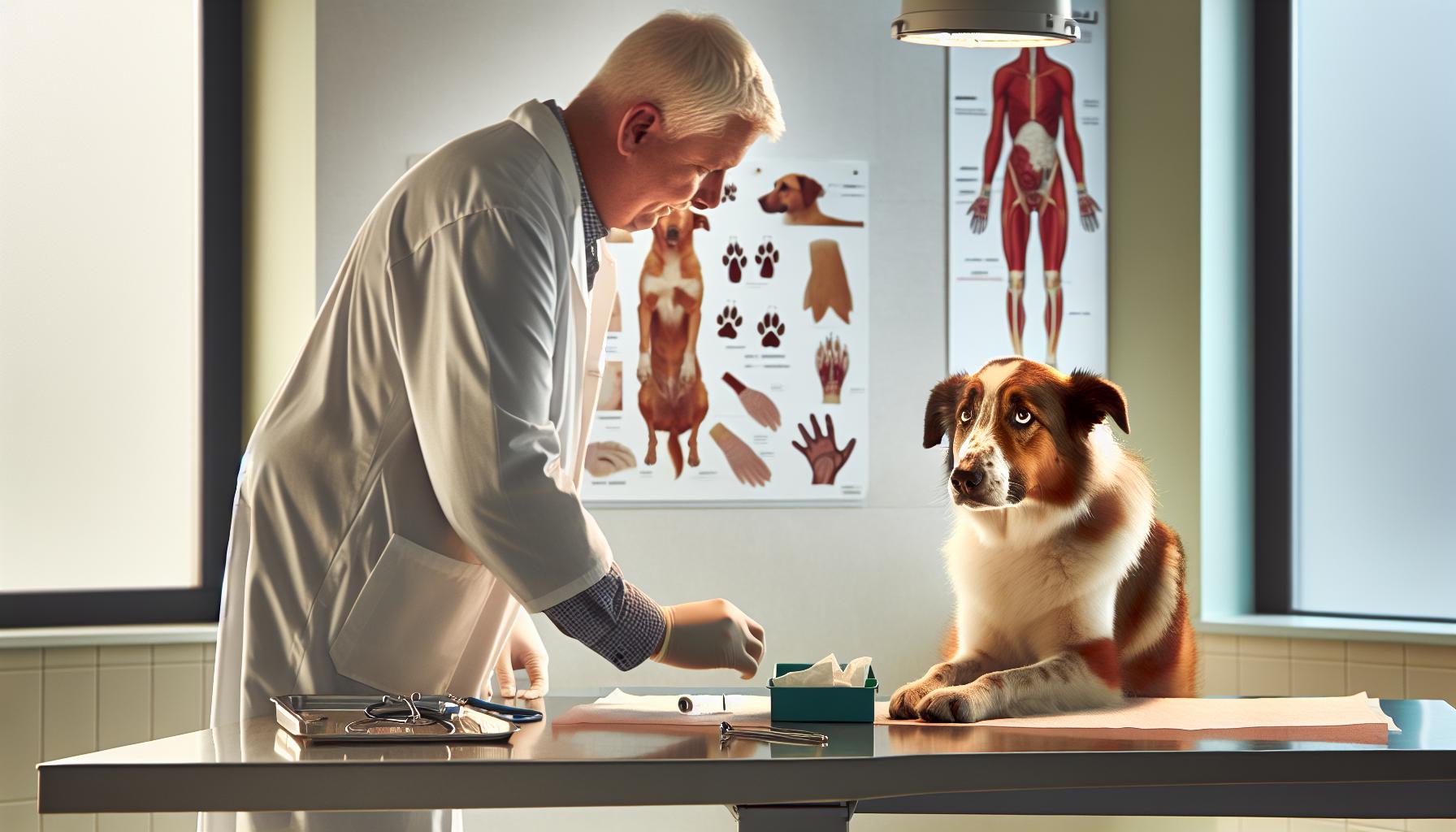
Risks and Complications of Spaying
While spaying can offer many benefits for your Chihuahua, like reducing the risk of certain health issues, it’s essential to be aware of the potential risks and complications associated with the procedure. Every pet parent wants their furry friend to have a smooth and successful surgery, but understanding the potential pitfalls can help you prepare and respond appropriately if complications arise.
One of the primary concerns during any surgical procedure is the reaction to anesthesia. Chihuahuas, especially those on the smaller side, can be particularly sensitive to anesthetic agents. It’s crucial to work with a veterinarian experienced in handling small breeds. They will typically evaluate your Chihuahua’s overall health through pre-surgical blood work to pinpoint any risks before proceeding with the spay. In rare cases, complications such as unexpected reactions or respiratory issues can occur, necessitating immediate veterinary intervention.
In addition, while spaying is generally safe, there is always the risk of postoperative complications. These can include infection at the incision site, which may occur if proper aftercare isn’t followed. Keep a close watch on the incision; inflammation, excessive licking, or discharge can be signs of infection. If you notice any of these symptoms, contacting your veterinarian is vital. It’s also important to manage your Chihuahua’s activity during recovery, as excessive jumping or running can lead to incision complications like dehiscence, where the incision opens up.
Lastly, some Chihuahuas may experience changes in behavior or weight gain after being spayed. Hormonal changes can affect her metabolism, which might lead to an increase in appetite or changes in activity levels. As a breed known for their spunky nature, it’s crucial to monitor her diet and engage her in regular play to maintain a healthy weight. Open dialogue with your veterinarian can help you tackle any behavioral changes that arise post-surgery, allowing for adjustments in care or training to ensure your pup stays happy and healthy.
Overall, while the risks associated with spaying a Chihuahua are generally low, being informed and vigilant can go a long way in ensuring your fur baby has a safe and uncomplicated experience. Your active engagement in her care, from pre-surgical preparation to monitoring post-operative recovery, is key to a successful transition after surgery.
Pre-Surgical Preparations for Your Chihuahua
Preparing your beloved Chihuahua for surgery can feel overwhelming, but taking thoughtful steps can make the process smoother for both of you. Understanding the intricacies of pre-surgical preparations is essential for ensuring a safe and successful spay procedure. As a breed known for their spirited and feisty personality, Chihuahuas are unique companions that require specific attention when it comes to health care.
First and foremost, scheduling a thorough pre-operative examination with a veterinarian is critical. This visit allows the vet to conduct necessary health assessments, including blood work, which can help identify any underlying conditions that may affect anesthesia or the surgical procedure itself. For instance, small breeds often have specific sensitivities, and your vet will want to ensure your Chihuahua is fit for surgery. If your Chihuahua has any pre-existing health conditions, discussing them openly with the vet can provide clarity on risks and necessary precautions.
Another important preparation step is to adjust your Chihuahua’s diet before surgery. Most veterinarians will recommend withholding food for at least 8-12 hours prior to the procedure to minimize the risk of nausea or vomiting during anesthesia. Remember to keep water available, as hydration is key! If your pup has a particular quirk, like being exceptionally vocal when hungry, it’s a good idea to provide extra cuddles and attention during this wait time to keep her calm.
Home Environment
Creating a quiet and comfortable space at home to recover after surgery is just as important as pre-surgical preparations. Prepare a cozy area with her favorite blanket and toys, ideally away from the hustle and bustle, where she can relax and feel secure post-surgery. As a tiny breed, Chihuahuas often appreciate an enclosed space where they feel safe-consider a quiet room or a soft crate, if your pup is accustomed to one.
Lastly, consider timing the surgery around her heat cycle if applicable. If your Chihuahua is in heat, it might be best to wait until she’s out of this phase for the spaying procedure. It’s always best to consult with your veterinarian about the optimal timing based on her specific circumstances. Some owners find that keeping a diary of their Chihuahua’s heat cycles helps monitor this effectively.
By taking these thoughtful steps in preparation for your Chihuahua’s spay surgery, you’ll set her up for a smoother experience and recovery. With love and patience, you’ll help her navigate this important health decision safely.
Post-Surgery Care and Recovery Tips
Following your Chihuahua’s spay surgery, your nurturing instincts will shine as you help her navigate the recovery process. It’s essential to create a supportive environment where she feels safe, comfortable, and loved. Remember, even though Chihuahuas are tiny, they have big personalities and need your care to thrive during this critical time.
Start by ensuring her recovery area is quiet and peaceful. This could be a cozy blanket fort in a calm room, away from the day-to-day hustle of the household. Use her favorite toys to help her feel at ease. She might be more vocal than usual post-surgery, expressing her discomfort or confusion, so prepare to offer extra cuddles and reassurance. Keeping her close will not only comfort her but also help you monitor her behavior more closely.
Pain management is crucial during recovery, and your veterinarian will likely prescribe pain relief medication. Ensure you administer these medications as directed, and always keep an eye on her for any signs of discomfort, such as whining or refusal to eat. If your Chihuahua is prone to being spirited, she might want to jump or run, so it’s vital to limit her activity. Short, gentle walks outside for potty breaks are perfectly fine, but refrain from allowing her to engage in her typical play until she has fully recovered.
Monitor her incision site for any abnormal swelling or discharge. Chihuahuas may have a tendency to nip at their surgery site, so consider using a cone or alternative recovery garment designed for small dogs. This will help prevent irritation and potential infection. If her behavior seems off or you notice excessive licking or chewing at the site, contact your veterinarian immediately.
Lastly, be patient with the process. Every Chihuahua is unique, and recovery times can vary. While many will bounce back within a week, some may require more time. Give her the love and attention she needs during this time, and soon enough, she’ll be back to her playful self, ready to explore the world with her usual zest. Just remember, your attentiveness during this recovery period will pave the way for a healthier future for your beloved companion.
Signs of Complications to Watch For
After your Chihuahua’s spaying surgery, it’s crucial to keep a close eye on her for any signs that something might be amiss. Although most Chihuahuas recover well, being aware of potential complications can make all the difference in ensuring her well-being. Remember, these tiny dogs-those bold little companions-may be small in size, but their recovery needs are just as significant.
Look out for any persistent signs of discomfort. While some whining or whimpering is normal due to the anesthesia and surgery, excessive or prolonged vocalization can indicate pain that isn’t being managed adequately. If she seems more subdued than usual or avoids her favorite activities (like barking at the mailman or coming up for cuddles), this could be cause for concern. Ensure you’re administering any prescribed pain relief as directed, and keep an eye on her behavior.
Pay particular attention to her incision site, as this is where many complications can arise. Check for abnormal swelling, redness, or discharge, which can signal an infection. It’s not uncommon for Chihuahuas to be curious about their wounds, and they may try to lick or bite at the stitches. If you see her licking excessively or if the area looks irritated, don’t hesitate to use an Elizabethan collar (or recovery suit) to prevent further irritation. If you suspect any issues, a quick call to your veterinarian can provide peace of mind and ensure she gets the proper care.
Lastly, watch for changes in her eating and drinking habits. A decline in appetite post-surgery can be normal, but if she refuses to eat for more than a day or two or shows signs of nausea like vomiting, it’s time to consult your vet. Hydration is essential, so make sure she has constant access to water; a lack of drinking can lead to dehydration, which is especially concerning in our delicate Chihuahuas.
Overall, by being observant and proactive, you can help navigate any complications that may arise after her spaying. Your close attention, combined with your Chihuahua’s spirited personality, will play a significant role in her recovery journey, getting her back to her playful self sooner.
How Spaying Affects Your Chihuahua’s Lifespan
Spaying your Chihuahua can significantly impact her lifespan and overall health, contributing to a longer, happier life. Studies show that spayed female dogs tend to live longer than their unspayed counterparts. One reason for this enhanced longevity is the reduced risk of certain health conditions, including uterine infections and mammary tumors, which are prevalent in unspayed dogs. For small breeds like Chihuahuas, where these health issues can arise even at a young age, spaying can be a proactive step toward a healthier future.
Additionally, spaying can influence your Chihuahua’s behavior, which in turn can contribute to her quality of life. Unspayed females often experience heat cycles, which may not only attract unwanted male dogs but can also lead to stress and anxiety. By spaying her, you’ll help manage these behaviors, resulting in a more relaxed and stable environment. This behavioral stability is crucial, as stress can take a toll on a dog’s overall health and potentially shorten her lifespan.
It’s important to consider the optimal timing for spaying, as this can affect health outcomes. Generally, neutering is advisable before the first heat cycle, which often occurs around six months of age. However, if you’re unsure, consult with your veterinarian to determine the best timing for your specific dog. Each Chihuahua is unique, and factors such as her size, health status, and lifestyle should guide the decision.
In summary, spaying your Chihuahua not only reduces the risks of certain cancers and infections but also helps to alleviate stress-related behaviors, leading to a fulfilled and vibrant life. Remember, maintaining a healthy lifestyle post-surgery with proper diet, exercise, and regular veterinary check-ups will further enhance her well-being and longevity.
Common Myths About Spaying Chihuahuas
Debunking common myths about spaying can help alleviate fears and uncertainties for Chihuahua owners. There are many misconceptions floating around that might make you hesitate to consider this beneficial procedure for your beloved companion. Let’s explore some of these myths and shed light on the truth behind them.
One prevalent myth is that spaying will change your Chihuahua’s personality. While it’s true that hormonal fluctuations during heat cycles can influence behavior, spaying actually promotes a more stable and calm demeanor. Many owners report that their Chihuahuas become less anxious and less prone to aggressive tendencies post-surgery. For example, an anxious apple-head Chihuahua might become more relaxed and content once she’s spayed, as the stress from heat cycles is eliminated.
Another common concern is that spaying leads to weight gain. This myth often stems from a misunderstanding of how metabolism and activity levels work. Spaying can lower a dog’s metabolic rate, but the key to maintaining a healthy weight lies in proper diet and regular exercise. Chihuahuas are naturally active and playful; encouraging playtime and walks can prevent weight gain. Owners should focus on providing balanced meals and keeping their furry friends engaged, ensuring that spaying does not lead to unwanted pounds.
Some Chihuahuas owners believe that spaying is unnecessary, thinking their dogs won’t contribute to pet overpopulation if kept indoors. However, even indoor dogs can escape and become pregnant, leading to unintended litters. Spaying not only prevents this but significantly reduces the risk of serious health issues like uterine infections and certain cancers. It’s a responsible choice that underscores the love and commitment you have for your Chihuahua.
Lastly, there’s a misconception that spaying is painful or dangerous for small breeds like Chihuahuas. While any surgery carries risks, the benefits heavily outweigh them. Vets use advanced techniques and anesthesia to ensure a safe and minimally invasive procedure. Additionally, Chihuahuas typically recover quite well, often bouncing back with their vibrant personalities intact. Always consult with your vet to discuss any concerns; they can provide reassurance and detailed care instructions to help your pet recover smoothly.
Spaying your Chihuahua provides numerous health and behavioral benefits. By dispelling these myths, you can make an informed decision that enhances your pup’s quality of life while ensuring her long-term health and happiness.
Alternatives to Spaying: What You Should Know
While spaying is a common procedure that can greatly benefit your Chihuahua, it’s essential to understand that it isn’t the only option available. For owners who are exploring alternatives, there are several approaches worth considering, depending on your dog’s health, lifestyle, and your personal beliefs. Here, we delve into some alternatives and their implications for your furry friend.
One option is keeping your Chihuahua intact and managing her heat cycles. This approach requires a committed routine, including extra care to prevent unplanned pregnancies. During heat, your Chihuahua may experience behavioral changes-becoming more vocal or restless-which can be challenging for owners to handle. Additionally, you’ll need to keep her safe from male dogs, especially if she has a tendency to escape. For example, a friend of mine who owns an apple-head Chihuahua chooses this path, ensuring she has a secure fenced area and is closely monitored whenever she’s outdoors.
Another alternative is ovarian hysterectomy, where the ovaries are removed, but the uterus remains. This procedure can prevent heat cycles, reducing the risk of certain cancers while keeping your dog’s hormonal balance intact. Some vets consider this option suitable for smaller breeds like Chihuahuas, as it involves fewer risks associated with full spaying. However, this isn’t widely available, and you’d need to consult with your veterinarian to see if it’s a viable choice for your pup.
A lesser-discussed option is hormonal treatments that can help manage the heat cycle or reduce the risks associated with intact females. These treatments can provide temporary relief from heat-related symptoms but may come with side effects, so it’s crucial to have an in-depth discussion with your vet to weigh the pros and cons based on your Chihuahua’s specific situation.
Lastly, it’s worth noting behavioral training and environmental enrichment as alternatives to spaying, especially for those concerned about behavioral issues related to hormonal changes. Investing in training classes can help address any anxiety or aggression you might notice when she is in heat. Engaging your Chihuahua in regular play, providing mental stimulation through puzzle toys, and ensuring she has a structured daily routine can make a significant difference in her behavior and overall quality of life.
By exploring these alternativeswith a careful consideration of your Chihuahua’s health, behavioral needs, and your lifestyle, you can make an informed decision that best supports your precious companion. Remember, every dog is unique, and what works for one may not work for another. Always consult with your veterinary professional to find the best path forward for your beloved Chihuahua.
Frequently Asked Questions
Q: What are the signs that my Chihuahua is in heat?
A: Signs that your Chihuahua is in heat include increased vocalization, a swollen vulva, and behavioral changes such as restlessness or seeking more attention. Knowing these signs can help you prepare for spaying. For more details, check the section on Behavioral Changes After Spaying Your Chihuahua.
Q: How long does the spaying surgery take for a Chihuahua?
A: The spaying surgery typically takes about 30 minutes to 1 hour. However, you should expect to spend additional time at the veterinary clinic for pre-surgery preparations and post-operative recovery guidance. For info on what to expect, see What to Expect During the Spaying Process.
Q: How can I prepare my Chihuahua for spaying?
A: To prepare your Chihuahua for spaying, ensure she is healthy and up to date on vaccinations. Discuss any dietary restrictions with your vet, as fasting may be required before surgery. Visit our section on Pre-Surgical Preparations for Your Chihuahua for more tips.
Q: What should I monitor after my Chihuahua is spayed?
A: After spaying, monitor your Chihuahua for signs of excessive bleeding, infection (such as swelling or discharge), or changes in appetite. Immediate veterinary care is crucial if you notice any concerning signs. Review Post-Surgery Care and Recovery Tips for further guidance.
Q: Can spaying change my Chihuahua’s personality?
A: Yes, spaying may lead to changes in your Chihuahua’s behavior. Many owners notice a decrease in aggression and marking behaviors. However, personality traits remain largely the same. For more on this topic, see Understanding the Health Benefits of Spaying.
Q: At what age can I start considering alternatives to spaying?
A: Alternatives to spaying, like hormonal treatments or behavioral modification, can be considered if your Chihuahua is older than 6 months and not showing symptoms of heat. Discuss these options with your vet to determine what’s best for your Chihuahua. For more about alternatives, refer to Alternatives to Spaying: What You Should Know.
Q: Will spaying my Chihuahua affect her weight?
A: Spaying itself does not directly cause weight gain, but it may lower metabolic rate. This can lead to weight gain if your Chihuahua’s diet and exercise are not adjusted accordingly. Consult your vet for a personalized weight management plan post-surgery. More is discussed in How Spaying Affects Your Chihuahua’s Lifespan.
Insights and Conclusions
As you consider the optimal timing for spaying your Chihuahua, remember that this decision is crucial for her long-term health and well-being. By spaying at the recommended age, you not only protect her from health issues like infections and certain cancers but also help curb unwanted behaviors. Don’t hesitate-discuss this with your veterinarian today to navigate any lingering concerns and to plan your next steps.
For more insights on enhancing your Chihuahua’s health, check out our articles on dog behavior training and nutrition tips tailored specifically for Chihuahuas. Your journey doesn’t end here; explore our resources to ensure your little companion thrives! Sign up for our newsletter to stay updated on helpful Chihuahua care tips and community stories. Share your own experiences in the comments below-we love hearing from fellow Chihuahua enthusiasts!
Get our latest guides, news, and insights highlighted in your Google Search & AI Overviews.