
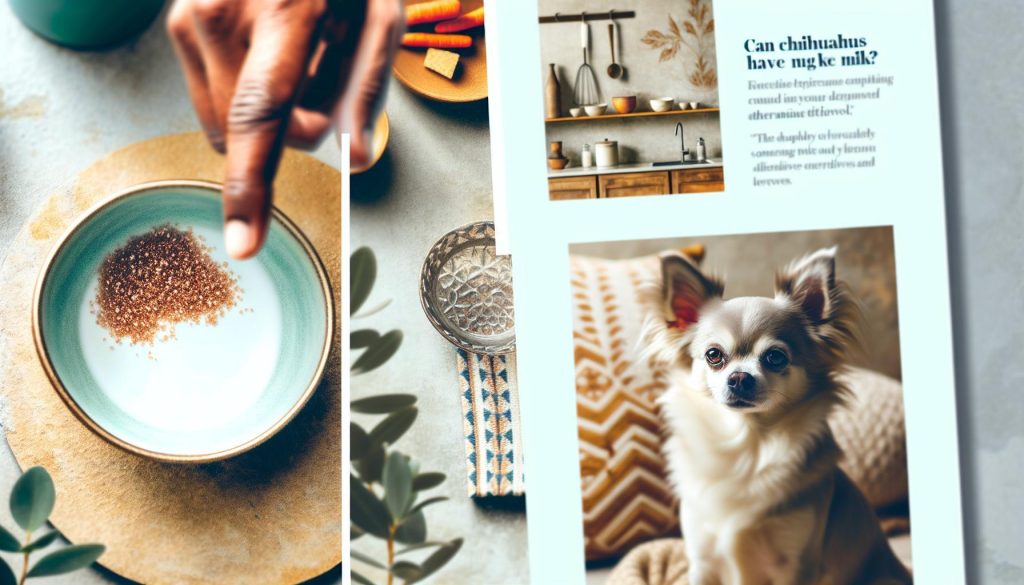
As a devoted Chihuahua owner, you might wonder how safe it is to share your favorite beverage-milk-with your pint-sized companion. Understanding whether Chihuahuas can have milk is crucial, as it relates to their delicate digestive systems and overall health. While milk might seem harmless, many dogs, including Chihuahuas, can be lactose intolerant, leading to uncomfortable tummy troubles.
Imagine watching your furry friend enjoy a treat alongside you, but you hesitate out of concern for her health. Balancing your desire to share experiences with the well-being of your loyal pet can be challenging. This article will explore the surprising answer to whether it’s safe for Chihuahuas to indulge in milk, considering their unique characteristics, dietary needs, and common health concerns. By the end, you’ll have the clarity you need to make the best choices for your beloved little companion, helping you foster a healthy and joyful bond.
Can Chihuahuas Digest Dairy Products Safely?
While many pet owners enjoy sharing a little bit of their own foods with their furry friends, dairy products can be a tricky area for Chihuahuas. These tiny, spirited dogs, known for their bold personalities and vocal nature, may not digest dairy like larger breeds. In fact, many Chihuahuas are lactose intolerant, a condition where the body cannot properly digest lactose, the sugar found in milk and other dairy products. This can lead to uncomfortable digestive issues, such as gas, bloating, and diarrhea.
Understanding your Chihuahua’s needs means recognizing that they might not process dairy well. Even a small amount of milk can cause a reaction in sensitive pups. If you’re considering giving your Chihuahua a taste of something dairy, it’s best to observe carefully. Start with minimal amounts to see how she reacts, and always prioritize her comfort and health.
Incorporating dairy into your Chihuahua’s diet may not be the safest option. Instead, consider safer alternatives like specially formulated dog-friendly yogurts or other non-dairy treats. Always ensure that what you’re offering aligns with your Chihuahua’s dietary requirements and preferences. Ultimately, caring for your Chihuahua means listening to her body and bending to her needs, ensuring her joyful and active lifestyle remains uninterrupted.
Understanding Lactose Intolerance in Chihuahuas
Chihuahuas are known for their vibrant personalities and small stature, but these charming little dogs can face unique health challenges, particularly when it comes to their diets. One notable issue is lactose intolerance, which is surprisingly common among Chihuahuas. This condition means that their bodies struggle to digest lactose, the sugar found in milk and other dairy products. It’s essential for owners to understand the implications of this intolerance because even a small amount of milk can lead to digestive discomfort, including gas, bloating, and diarrhea.
Recognizing the signs of lactose intolerance in your Chihuahua can be crucial. If you’ve noticed her experiencing an upset stomach or unusual bathroom habits after having dairy, it might be time to reconsider what you offer her. Most dogs, especially Chihuahuas, do not have the enzyme lactase in sufficient quantities to break down lactose effectively. As a result, it’s wise to approach dairy products with caution. For those eager to treat their pets, consider starting with minimal amounts and closely monitoring her reaction.
To ensure your little companion remains healthy and happy, it’s often best to seek out lactose-free alternatives, such as yogurt specifically designed for dogs. These options not only provide a tasty treat but also cater to her digestive needs. Emphasizing a diet that’s aligned with her unique physiology can help maintain her energetic and playful disposition. Remember, your role as an owner is to always advocate for her health and comfort, making informed choices about her food that align with her individual needs.
Health Risks of Feeding Milk to Chihuahuas
Feeding your Chihuahua dairy products like milk may seem harmless, but it’s essential to understand the health risks that can arise from doing so. Many Chihuahuas suffer from lactose intolerance, which means their digestive system can’t properly process lactose, the sugar found in milk. This can lead to unpleasant side effects, including severe gastrointestinal upset. Imagine your little companion enjoying a treat, only to find herself dealing with gas, bloating, or diarrhea soon after. These are not just hypothetical concerns; they’re real risks that could turn a fun moment into a stressful one for both you and your pet.
The consequences of lactose intolerance can vary from dog to dog. While some Chihuahuas may experience only mild discomfort, others could have severe reactions that necessitate a trip to the vet. For instance, a Chihuahua named Bella would eagerly lap up milk whenever her owner would pour it, blissfully unaware of the repercussions. Unfortunately, Bella soon faced a night of misery, resulting in repeated trips outside and an unsettled stomach. This scenario highlights how lactose can wreak havoc on our furry friends, leading to unnecessary stress and discomfort.
Beyond digestive issues, regular exposure to milk can exacerbate other health problems. For example, a Chihuahua with a sensitive stomach may be at a higher risk for pancreatitis-a painful condition that arises when the pancreas becomes inflamed. Symptoms can include vomiting, lethargy, and abdominal pain, which are distressing for both dogs and their owners. Managing a Chihuahua’s diet strictly is crucial, especially given their notoriously small size and susceptibility to food-related health challenges.
If you’re considering whether to share a bit of milk with your Chihuahua, think twice. Instead of risking her health with dairy, opt for safer alternatives that cater to her nutritional needs. There are numerous lactose-free treats available that can satisfy her cravings without the risk of digestive distress. Being proactive about her diet not only promotes her well-being but also helps maintain her energy and zest for life. Ultimately, our role as responsible owners is to keep our beloved Chihuahuas happy and healthy, navigating their dietary whims with informed choices.
Alternatives to Milk for Chihuahuas: Safe Snack Options
Chihuahuas are known for their bold personalities and strong opinions, and when it comes to treats, they’re no different! While milk might be a common indulgence for humans, it’s not the best option for your tiny companion, especially if they’re lactose intolerant. But fear not! There are plenty of delicious and safe alternatives to pamper your Chihuahua without risking an upset tummy.
One great option is lactose-free yogurt. This creamy delight can be a hit among Chihuahuas who enjoy something smooth and tasty. Look for varieties without added sugars or artificial sweeteners like xylitol, which is toxic to dogs. A spoonful can be a refreshing treat, perfect for hot days or a post-bath snack! For example, a proud Chihuahua owner, Sarah, shares that her little Coco loves to enjoy yogurt mixed with small pieces of fruit such as blueberries, providing both flavor and a nutritious boost.
Another fantastic choice is dog-safe peanut butter. It’s essential to pick a brand that doesn’t contain xylitol or added sugars. Peanut butter can be an exciting reward after a training session or given as a filling for puzzle toys that stimulate your Chihuahua’s playful side. Many dogs, including a lively Chihuahua named Max, thrive on this tasty spread. His owner often hides it inside a rubber toy, keeping him entertained and engaged for a while!
You might also consider carrots or apples as crunchy, healthy snacks. Chihuahuas often enjoy the satisfaction of crunching down on whole carrots or soft apple slices (be sure to remove the seeds and core). These snacks not only help in maintaining dental health but also provide fiber and vitamins that support their overall well-being. Little Bella, for instance, loves munching on carrot sticks during family movie nights, making it a fun and interactive experience.
Lastly, don’t overlook commercially available dog treats that are specifically formulated for small breeds. Look for options that are grain-free or specifically designed for sensitive stomachs. Many brands offer treats with appealing flavors tailored to your Chihuahua’s palate, ensuring they have something special to look forward to.
By exploring these alternatives, you can keep your Chihuahua happy and healthy while steering clear of lactose-related issues. Treat times can be exciting moments between you and your furry friend, so make them count with safe and enjoyable snacks!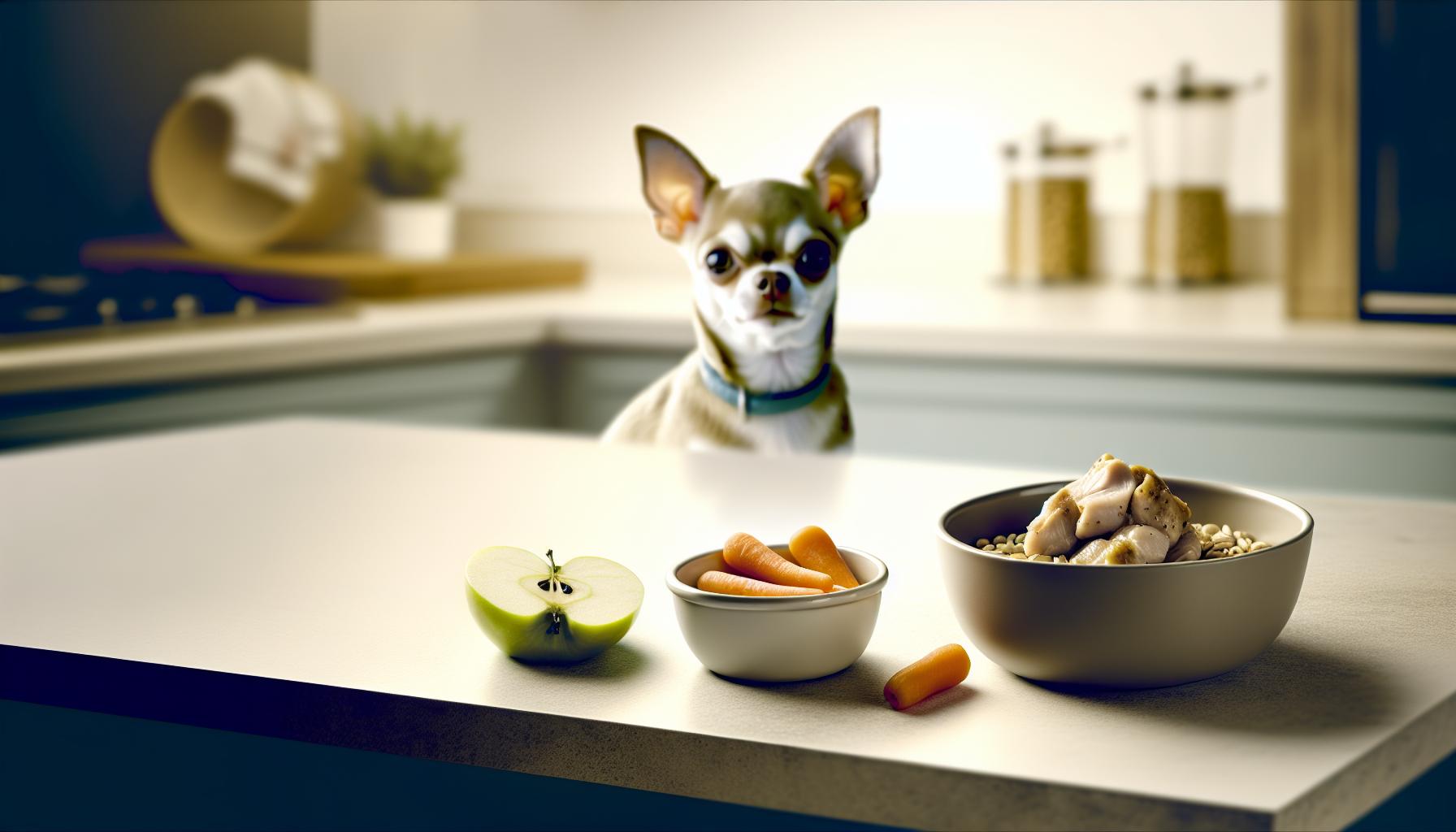
Signs Your Chihuahua Is Having a Bad Reaction
Recognizing when your Chihuahua is having a bad reaction to milk is crucial for their health. These tiny dogs often exhibit signs that can range from subtle to quite pronounced. Because Chihuahuas can be sensitive to dairy products, it’s essential to monitor their behavior closely after introducing anything new into their diet, especially if it includes milk.
One of the most common signs of lactose intolerance in Chihuahuas is gastrointestinal upset. If your little one experiences diarrhea, bloating, or gas shortly after consuming dairy, it is likely their body is struggling to process it. For example, a Chihuahua named Luna would skip her usual playful antics and appear lethargic after sneaking a few licks of milk, which distressed her owner. Keep an eye out for these upset tummy signs, as they can escalate quickly.
In addition to digestive issues, observe for behavioral changes. Your Chihuahua might vocalize more than usual, seeming anxious or uncomfortable. If she exhibits restless behavior, like pacing or whining, it may indicate she’s not feeling well. It’s essential to take these cues seriously; Chihuahuas, with their vocal and expressive nature, can be quite clear about their discomfort if you know what to look for. Another owner, Jason, noticed that his Chihuahua, Max, became unusually quiet and withdrawn after a milk treat, prompting a swift trip to the vet.
Lastly, be aware of any physical symptoms such as vomiting or excessive salivation. While these symptoms are more severe, they can also occur if the lactose is particularly bothersome. If you notice either of these signs after introducing milk into your Chihuahua’s diet, it is advisable to contact your veterinarian to discuss the best steps to take moving forward.
By staying vigilant about your Chihuahua’s reactions, you can foster a happier, healthier environment for your tiny companion while ensuring their dietary choices support their unique needs.
Common Questions About Chihuahuas and Dairy
Curious minds often wonder about their Chihuahuas and dairy-an interesting topic, but filled with nuances! Many Chihuahua owners question whether their little companions can enjoy a splash of milk without consequences. Given their petite size and sensitive digestive systems, it’s essential to approach dairy with caution. While some dogs may handle lactose better than others, it’s notable that many Chihuahuas are lactose intolerant, meaning their bodies struggle to process dairy.
Can Chihuahuas Have Milk?
Chihuahuas can technically consume milk, but it often leads to digestive distress. Common symptoms of lactose intolerance include diarrhea, bloating, and gas. So, if you notice your Chihuahua exhibiting any of these signs, it’s likely that dairy isn’t a good fit for her diet. For instance, Mia, a feisty apple-headed Chihuahua, loved sneaking a few licks of ice cream, but her owner noticed she became unusually gassy-definitely not the joyful outcome they expected!
What About Cheese or Yogurt?
These dairy products sometimes seem like safer bets because they are lower in lactose than milk. Some owners report that their Chihuahuas can handle small amounts of cheese or yogurt better. However, moderation is key! Experimenting with small quantities while monitoring for any adverse reactions can provide you with answers specific to your furry friend. Remember to always consult with your veterinarian before introducing new foods, especially if they include dairy.
Healthy Alternatives
If you’re aiming for safe snack options, consider alternatives to dairy. Chihuahuas enjoy a variety of healthy treats, such as:
- Carrots: Crunchy and sweet, they make a great snack!
- Blueberries: Packed with antioxidants-perfectly tiny for your tiny dog!
- Peanut Butter: Ensure it’s xylitol-free, and your Chihuahua will love it!
Introducing these healthy alternatives can keep your little companion happy without the tummy troubles associated with dairy.
In conclusion, while the occasional small amount of milk or cheese might not harm every Chihuahua, it’s wise to be cautious. Each dog is unique, and staying observant to your Chihuahua’s reactions will guide you in providing a diet that keeps them healthy and vibrant. After all, we want nothing but the best for our loyal, bold, and wonderfully quirky fur babies!
Owner Experiences: Milk and Their Chihuahuas
Many Chihuahua owners share a common curiosity about whether their furry companions can indulge in certain dairy products like milk. It’s fascinating to note that while some of these tiny bundles of joy might have a taste for milk, the majority may experience some unfortunate digestive repercussions. Take, for instance, Lisa, whose long-haired Chihuahua, Bella, loved to sneak a few sips from her morning cereal bowl. However, after a few sips, Bella often faced discomfort, showing signs of bloating and a little extra gas. Lisa learned right away that what might seem like a delightful treat could lead to quite an unpleasant experience for her pet.
Watching our Chihuahuas react to foods can be an adventure in itself. Many owners report similar stories. For instance, Tom’s apple-headed Chihuahua, Pippin, appeared to love a small piece of cheese; his owner assumed it would be a safe bet since it has less lactose than milk. Unfortunately, the next hour was a different story entirely, as Pippin experienced an upset tummy. These experiences highlight the need for cautious experimentation with dairy products. Owners quickly discover how individualized dietary needs can be, especially in a breed as diverse in personality and size as Chihuahuas.
Understanding the potential for lactose intolerance is essential. Many Chihuahuas may struggle to digest dairy, leading to symptoms like diarrhea or an upset stomach. However, some owners have found that small amounts of low-lactose options like plain yogurt can occasionally be tolerated without ill effects. It’s all about observing your dog’s reactions. If you decide to try dairy, consider starting with a tiny serving and watching closely. Every Chihuahua is unique; what works for one may not work for another.
Ultimately, the key takeaway for any Chihuahua owner is to prioritize your dog’s well-being. Healthy snacks like carrots, green beans, or small pieces of apple can make safe alternatives. Celebrate the quirks of your tiny friend and find treats that keep their tails wagging without the risk of tummy troubles. It might be a bumpy ride finding what works best, but it’s all part of the joyful journey of caring for your delightful little companion!
Understanding Nutritional Needs of Chihuahuas
Every Chihuahua owner knows that these little dynamos require careful attention to their nutritional needs. Their small size and unique metabolism mean that what works for larger breeds may not translate to our tiny companions. A balanced diet is paramount not only for maintaining a healthy weight but also for ensuring your Chihuahua is energetic and resilient. While many owners might wonder about the safety of feeding their furry friends dairy products like milk, it’s crucial to see the bigger picture-what does your Chihuahua truly require for optimal health?
One of the most significant aspects of caring for Chihuahuas is understanding their dietary sensitivities. Many of these spirited pups are lactose intolerant, which means they struggle to digest lactose, the sugar found in milk. Symptoms of lactose intolerance can be distressing, manifesting as diarrhea, gas, or tummy discomfort. Therefore, rather than focusing solely on whether milk is safe, consider what nutrients your Chihuahua genuinely needs for their diet. High-quality, protein-rich dog food should be the foundation of their meals, supplemented by occasional healthy treats.
For treats, focus on those that provide nutritional benefits without the risk of upsetting their stomachs. Here are some safe snack options:
- Vegetables: Small pieces of carrots, green beans, or sweet potatoes can be excellent low-calorie treats.
- Fruits: Slices of apple (without seeds) or blueberries are nutritious and often well-received by Chihuahuas.
- Commercial Treats: Look for options specifically formulated for smaller breeds, ideally without fillers or artificial ingredients.
When introducing any new foods, including these alternative snacks, patience is essential. Start with a small amount to ensure your Chihuahua doesn’t have an adverse reaction. Observe their behavior and digestion closely after they try something new. Just like their personalities, each Chihuahua is unique; what one enjoys may not necessarily sit well with another.
Ultimately, understanding your Chihuahua’s nutritional needs goes beyond just food choices. It’s about fostering a healthy relationship with their diet and being in tune with their reactions. By prioritizing nutritious, dog-friendly snacks and staying aware of how their little bodies respond, you can enjoy watching your loyal companion thrive. Balancing love and care with conscious choices will keep those tails wagging and spirits high!
The Right Way to Introduce New Foods to Chihuahuas
Introducing new foods to your Chihuahua can be a delightful yet delicate process. These fiery little companions may have strong opinions about what they eat, and their sensitive stomachs require careful consideration. Start by understanding that, much like us, Chihuahuas can have varied reactions to different foods, including dairy products like milk. While some may tolerate it, many Chihuahuas are lactose intolerant and could experience discomfort. So, approaching this with caution is essential.
When you’re ready to introduce a new treat, begin with a small amount. For example, if you want to try a tiny spoonful of yogurt, ensure it’s plain and low-fat, as this is generally safer. Monitor how your Chihuahua reacts for the next 24 hours. Look for signs such as flatulence, diarrhea, or changes in behavior. It’s best to keep a food diary noting what new items you’ve given and how she responded. One owner shared success in introducing mashed sweet potato-after the initial small taste test, they found their apple-head Chihuahua couldn’t get enough, proving that patience and observation pay off.
Pair the new food with something comforting from their usual diet, like their favorite kibble mixed with just a sprinkle of the new food at first. This keeps the experience positive and reduces the risk of an upset tummy. Always choose nutritious options that are appropriate for their small size and specific health needs. For instance, if they do well with sweet potatoes, you can gradually increase the quantity over time while still ensuring it complements their primary diet.
Ultimately, developing a healthy routine around food is a journey for both you and your little buddy. Be sensitive to her preferences, and don’t hesitate to experiment with textures and flavors that fit her personality. After all, every Chihuahua is unique, and finding what she loves while ensuring her health is the key to keeping those adorable tails wagging!
Expert Tips for Keeping Your Chihuahua Healthy
Introducing new foods to your Chihuahua can be a delightful challenge, especially when it comes to dairy products like milk. Knowing that many Chihuahuas are lactose intolerant, it’s wise to navigate these dietary questions with care and consideration. There are several expert tips that can help ensure your furry friend remains healthy and happy while exploring their culinary world.
First and foremost, your Chihuahua’s health should always come first. Introducing any new food, including milk products, should be done slowly. Start with a minuscule amount and monitor for any adverse reactions. Some owners have found success by initially offering plain yogurt, which tends to be easier to digest than milk. Remember to avoid flavored or sugary variants, as these can lead to additional health problems. A personal experience shared among Chihuahua owners includes one who found that their pup could handle dairy in small amounts, specifically low-fat plain yogurt, while others faced immediate digestive issues. Keeping track of these reactions in a food diary can help you understand what works best for your Chihuahua.
Understanding Nutritional Needs
Chihuahuas, with their small size, require precise nutrition. Their diets should be balanced and conducive to their unique metabolism. Consider incorporating healthy snacks that complement their main meals. Foods like cooked pumpkin or sweet potatoes provide fiber and nutrients without the risks associated with dairy. Additionally, always ensure that any treats or snacks are size-appropriate; cutting them to bite-sized pieces not only helps in digestion but also prevents choking.
Keeping an Eye on Behavior
Being vigilant about your Chihuahua’s behavior is key. After introducing something new, like dairy or any other treat, look for signs of discomfort, which can include gas, diarrhea, or unusual restlessness. If you notice these signs, it may be time to reconsider including dairy in their diet. Many owners report that their Chihuahuas exhibit clear changes in mood or energy following a bad reaction, which is a significant indicator that something isn’t sitting right.
By being attentive to your Chihuahua’s individual preferences and dietary needs, you can foster a healthy and enjoyable mealtime environment. Training sessions can also be an excellent time to experiment with new foods, as the positive reinforcement can make the transition smoother. For instance, if your Chihuahua thrives on praise for basic commands, incorporating healthy treats as rewards can make both training and dietary adjustments positively reinforced experiences.
Keeping these expert strategies in mind, you can navigate the world of Chihuahua nutrition with confidence and care, ensuring that every meal is a joyful occasion for your spirited little companion.
Fun Facts About Chihuahuas and Their Eating Habits
Understanding the quirky eating habits of Chihuahuas opens up a world of delightful facts that every owner should cherish. Did you know that despite their small stature, Chihuahuas often have larger-than-life personalities that can be reflected in their food preferences? For instance, many spirited Chihuahuas can be quite picky about what they eat, developing distinct tastes that may surprise you. Some have a knack for only enjoying gourmet treats, while others are perfectly content with simple kibble.
Their eating habits can be influenced by their backgrounds. Rescue Chihuahuas or those with previously poor dietary experiences might approach food with caution or even anxiety. It’s essential to create a calm mealtime environment, promoting positive associations with food. Owners often find success using slow feeders or interactive puzzles to make mealtime a fun, engaging experience. This playful approach not only keeps them mentally stimulated but can also help manage their eating speeds, reducing the risk of digestive issues.
In terms of nutritional preferences, Chihuahuas typically thrive on a balanced diet tailored to their size and energy levels. Many owners report that their furry friends enjoy a mix of dry food, wet food, and sometimes, small amounts of safe fresh fruits or veggies. However, introducing new foods should always be done gradually. An exciting example comes from a Chihuahua owner who discovered that her dog adored tiny bits of pumpkin added to his meals-an excellent way to incorporate fiber while delighting his palate!
Just remember, while they may eye your snacks with keen interest, not all human foods are safe for our tiny companions. It’s crucial to be aware of what’s harmful and ensure any new addition to their diet, including dairy products, is introduced with care. Keep an eye on any changes in their behavior or digestion, and always celebrate their unique personalities and preferences. Your Chihuahua’s mealtime can be a wonderful journey of discovery, bonding, and joy!
Faq
Q: Can Chihuahuas drink milk safely?
A: Chihuahuas can drink milk, but it may not be safe for all. Many adult dogs are lactose intolerant, meaning they lack the enzyme needed to digest lactose in milk properly. If you choose to give your Chihuahua milk, start with a small amount and monitor for digestive issues.
Q: What types of milk are safe for Chihuahuas?
A: If you decide to let your Chihuahua have milk, opt for lactose-free varieties or small amounts of goat milk, which is easier to digest. Always check for harmful additives like sweeteners before offering dairy products.
Q: How can I tell if my Chihuahua is lactose intolerant?
A: Signs of lactose intolerance in Chihuahuas include diarrhea, bloating, gas, or vomiting after consuming milk. If you notice these symptoms, consult your veterinarian and avoid dairy products in the future.
Q: Are there any benefits to giving milk to my Chihuahua?
A: While milk can provide calcium and protein, many Chihuahuas get adequate nutrition from their dog food. It’s best to focus on balanced meals rather than relying on milk for nutrients.
Q: What snacks are safe for Chihuahuas instead of milk?
A: Instead of milk, consider offering treats like baby carrots, apple slices (without seeds), or commercial dog-safe snacks. These options provide flavor and nutrition without the risks associated with dairy.
Q: How should I introduce new foods like milk to my Chihuahua?
A: Introduce new foods gradually to your Chihuahua’s diet. Start with a tiny amount of milk and observe how he reacts. If there are no issues after 24 hours, you might consider a slightly larger serving.
Q: Can Chihuahuas eat cheese instead of milk?
A: Cheese can be given to Chihuahuas in moderation, especially softer varieties like mozzarella, which are lower in lactose. Monitor for any adverse reactions and use it as an occasional treat rather than a regular part of their diet.
Q: What should I do if my Chihuahua has a bad reaction to milk?
A: If your Chihuahua exhibits symptoms like vomiting or diarrhea after consuming milk, stop giving it to him immediately and consult your vet. They can provide guidance on managing any discomfort and recommend alternative snacks.
Feel free to explore more about your Chihuahua’s nutritional needs in our article section on Understanding Nutritional Needs of Chihuahuas for valuable insights.
The Way Forward
Thank you for exploring whether Chihuahuas can have milk! As we’ve discovered, while a little may be safe, moderation is key to avoiding tummy troubles in your tiny friend. Remember, your Chihuahua’s unique health and personality traits-like their bold nature and playful demeanor-play a big role in their diet. If you’re curious about other snacks that suit their sensitive stomachs, be sure to check out our article on “Top Treats for Chihuahuas” or get tips on “Feeding Your Chihuahua for Optimal Health.”
Don’t hesitate to share your thoughts in the comments! We love hearing from fellow Chihuahua enthusiasts, and your experiences can help others in our community too. Before you go, consider subscribing to our newsletter for more insights and updates on caring for your furball. Keep celebrating those quirky little moments with your Chihuahua, and explore more articles to ensure a happy, healthy life together!
Get our latest guides, news, and insights highlighted in your Google Search & AI Overviews.