

Did you know that Chihuahuas, one of the smallest dog breeds, are also known for their impressive longevity? Understanding the oldest Chihuahua and the record age they can reach not only fascinates dog lovers but also reveals much about their care, health, and unique breed characteristics. With proper nutrition, a loving environment, and regular veterinary check-ups, these tiny companions can thrive well into their golden years. As a Chihuahua owner, you may wonder how to enhance your furry friend’s lifespan and ensure they remain healthy and active. This article explores the factors influencing the longevity of Chihuahuas, and shares heartwarming stories of record-breaking ages. Join us on this journey to discover how you can help your loyal little companion live a long, happy life.
Oldest Chihuahua Ever Recorded: A Remarkable Story
The story of the oldest recorded Chihuahua is one of heartwarming resilience and endearing companionship. Known by the name of “Megabyte,” this remarkable dog lived to be an astonishing 20 years old, a milestone that showcases just how exceptional these tiny companions can be. Megabyte, like many Chihuahuas, was full of personality, reflecting the breed’s characteristic traits: vocal, bold, and fiercely loyal to her owner. Her longevity is not just a testament to good genes but also to the love and care she received throughout her life.
Reaching such an advanced age is rare for Chihuahuas, who typically live between 12 to 20 years, depending on various factors. Owners of senior Chihuahuas often share stories of how their pets maintain a youthful spirit despite the challenges of aging. For instance, Megabyte’s owner attributed her long life to a balanced diet rich in nutrients, regular vet check-ups, and, importantly, a warm, loving environment that provided both mental and physical stimulation.
To emulate Megabyte’s success, focus on providing your Chihuahua with proper care tailored to their needs. High-quality nutrition, appropriate exercise, and routine health screenings can significantly influence longevity. Additionally, nurturing a strong bond through playtime, training, and socialization contributes to their happiness and well-being, further enhancing their life expectancy. Engaging your Chihuahua’s mind with puzzle toys or gentle training exercises can keep them sharp and active well into their later years. Ultimately, each one of these small practices combines to create a loving and supportive environment that celebrates the unique quirks and joyful spirit of Chihuahuas, ensuring that they not only live long but thrive throughout their lives.
Uncovering the Lifespan of Chihuahuas
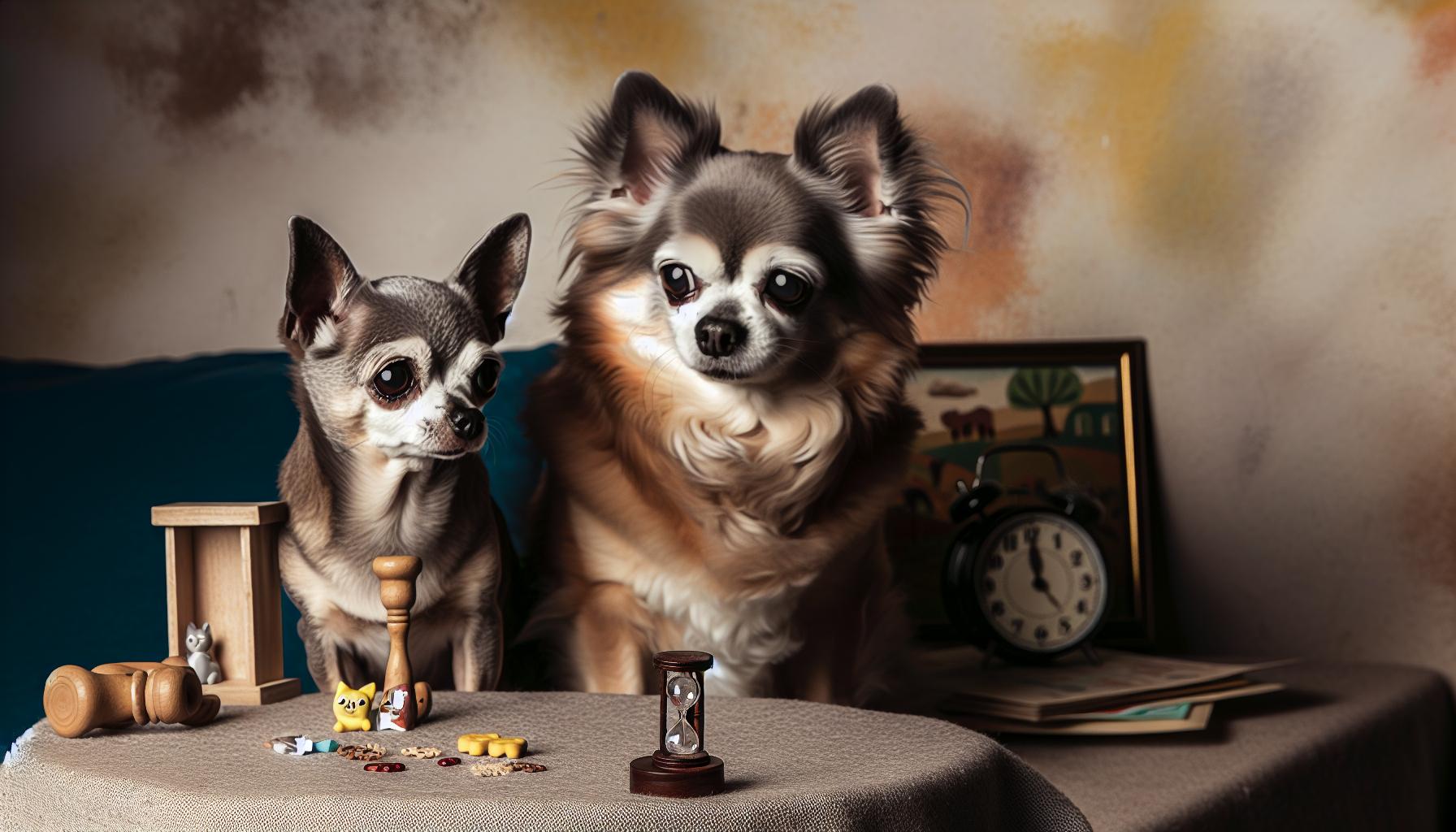
The lifespan of Chihuahuas can be an intriguing subject, especially when considering their relatively small size and spirited personalities. Generally, a well-cared-for Chihuahua can live anywhere from 12 to 20 years, with some exceptional cases, like Megabyte, pushing the boundaries of what we consider normal. This longevity is not merely luck; it’s closely linked to several key factors that every owner should acknowledge.
Health plays a significant role in a Chihuahua’s longevity. Regular veterinary visits ensure that any potential health issues are caught early. Common concerns for this breed include dental disease, heart conditions, and obesity. Maintaining a healthy weight is crucial as even a few extra pounds can lead to serious health complications. Owners are advised to keep an eye on their dog’s diet, opting for high-quality, breed-specific food that meets their nutritional needs.
Physical and Mental Stimulation
Chihuahuas thrive on engagement-both mentally and physically. Regular playtime not only satisfies their playful nature but also contributes to their overall health. Interactive toys and training exercises challenge their minds and keep them sharp as they age. owners often share anecdotes of how puzzle toys and training have kept their senior Chihuahuas vibrant and energetic, showing that a playful attitude can aid longevity.
Finally, the emotional environment is just as important as physical care. Chihuahuas are known for their deep bonds with their owners, often exhibiting loyalty and affection that can only be repaid with love and attention. A nurturing home environment that fosters social interaction and warmth can significantly enhance a dog’s quality of life. Owners should celebrate their Chihuahua’s unique characteristics, whether it’s their bold demeanor or quirky habits, ensuring they feel valued every single day. All these elements combine to not only extend the life of our tiny companions but to enrich their lives, leading to a happy, fulfilling existence.
Factors Influencing Chihuahua Longevity
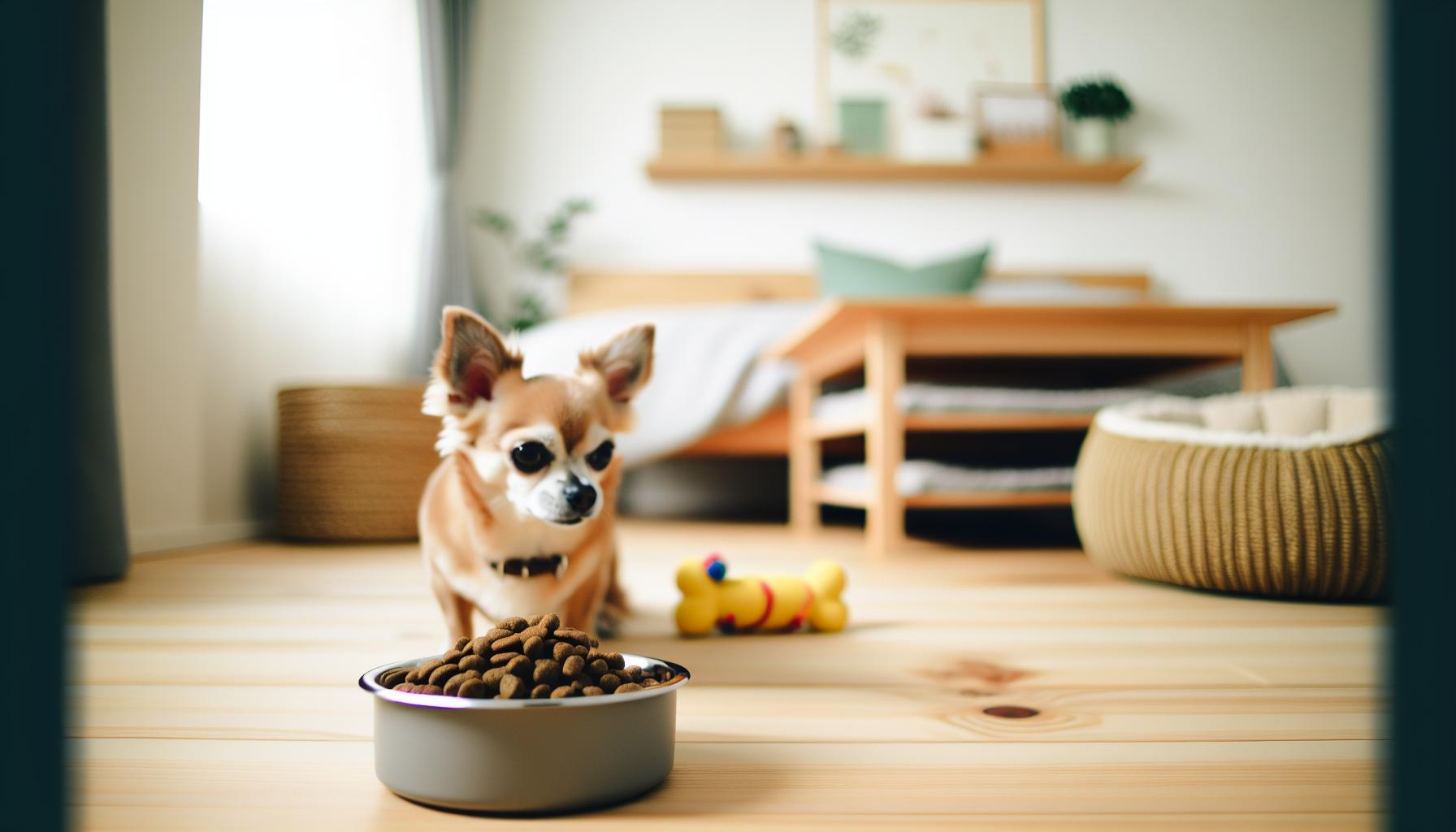
Chihuahuas are remarkable for their petite size and spirited personalities, but one of their most extraordinary traits is their longevity. With proper care and attention, these little companions can live an impressive 12 to 20 years. Several interrelated factors contribute to this remarkable lifespan, each one pivotal in shaping your Chihuahua’s health and happiness.
A strong foundation of healthcare is essential. Regular vet check-ups can help identify potential health challenges before they escalate. Chihuahuas commonly experience dental issues, heart disease, and obesity, so proactive care is key. Ensuring your furry friend maintains a healthy weight is vital; carrying extra pounds can lead to significant health problems. Opting for high-quality, age-appropriate food tailored to Chihuahuas can help support their unique nutritional needs.
The Impact of Environment
The environment in which your Chihuahua lives also plays a pivotal role. A nurturing and enriching home filled with love allows these dogs to thrive. Chihuahuas are notorious for their strong bonds with their humans; they excel when showered with affection and positive interactions. Create a stimulating atmosphere filled with toys and activities. For instance, many owners find that interactive play and short training sessions can keep their Chihuahuas engaged and mentally sharp, contributing to a happier and potentially longer life.
Genetic Factors
While much can be influenced by care, genetics cannot be overlooked. Some Chihuahuas come from bloodlines known for their longevity. When looking for a pup, consider adopting from responsible breeders who prioritize health testing. Knowledge of the health history of your Chihuahua’s lineage can give you insights into what potential challenges to prepare for as he or she ages.
Ultimately, ensuring a happy and fulfilling life for your Chihuahua encompasses a blend of healthcare, an engaging environment, and an understanding of their unique genetic background. By nurturing these aspects, you can help your tiny companion not only live longer but also enjoy every moment to the fullest.
Nutrition Tips for a Long Life
Chihuahuas have a remarkable ability to pack a lot of life into their tiny frames, and a key component of helping them live to their fullest potential lies in their diet. Proper nutrition is essential for maintaining their health, supporting their energy levels, and preventing common ailments, ultimately contributing to their longevity. With the right food and feeding strategies, you can support your beloved Chihuahua’s journey into old age.
To start, high-quality dog food specifically formulated for small breeds is crucial. Look for options that list real meat as the first ingredient, ensuring your Chihuahua receives adequate protein for muscle maintenance and overall vitality. Since Chihuahuas are prone to obesity, portion control is essential. A small dog really only needs a little food, so be sure to follow feeding guidelines and adjust based on your pup’s activity level and body condition. It’s also important to choose a food rich in essential fatty acids-these can contribute to a healthy coat and skin, keeping them stylish and comfortable.
Special Dietary Needs
As Chihuahuas age, their dietary requirements may change. Older Chihuahuas often benefit from diets that contain joint-supporting ingredients like glucosamine and chondroitin to combat arthritis and keep their little limbs agile. Additionally, incorporating antioxidant-rich foods can aid in combatting the effects of aging. Examples include blueberries and sweet potatoes, which can be easily mixed into their meals as special treats.
Hydration is another crucial aspect often overlooked. Ensure your Chihuahua has constant access to fresh water, especially if you’re offering dry kibble. Some owners find that adding a bit of low-sodium broth or transitioning to a blended diet that includes wet food can encourage hydration, especially in older dogs who might not drink enough water on their own.
Keeping up with dental health is also critical for a Chihuahua’s overall wellbeing. Dental issues can significantly impact their health and longevity, so consider providing dental chews or kibble designed to reduce plaque buildup. And don’t forget routine dental checks with your vet!
By tailoring your Chihuahua’s diet to their unique needs, you’ll not only support their health but also enrich their lives. Small adjustments can make a big difference-so take pride in being a loving, attentive owner who prioritizes their beloved companion’s nutrition and wellbeing.
Common Health Issues in Older Chihuahuas

Older Chihuahuas, with all their charm and quirks, can face a range of health issues that may not have been apparent when they were younger. As these little warriors age, their bodies begin to show signs of wear and tear, making it essential for you to be aware of common health concerns and proactive in their management.
Dental disease is one of the most prevalent issues among aging Chihuahuas. These tiny dogs often suffer from periodontal disease due to their small mouths, which can create cramped conditions for teeth. Regular dental check-ups are crucial, as maintaining oral health can prevent serious health complications, such as heart disease or infections. Consider incorporating dental treats or toys into her routine to promote gum health, and consult your vet about professional cleanings.
Another common issue is patellar luxation, a condition where the kneecap slips out of place. This can cause limping or difficulty in mobility, and it’s particularly prevalent in toy breeds like Chihuahuas. Regular vet visits will help monitor joint health, and you can look for supplements that support joint function, such as glucosamine and chondroitin.
As Chihuahuas age, they may also experience heart problems. This breed is predisposed to conditions like mitral valve disease, which can manifest as coughing, lethargy, or difficulty breathing. Keep an eye on any changes in her energy levels and schedule regular check-ups to catch any potential issues early.
Of course, weight management is vital for senior Chihuahuas. These dogs are prone to obesity, which can exacerbate existing health issues like joint pain and cardiac problems. Maintaining a balanced diet and regular exercise can help keep him fit. Small, short walks and gentle play sessions are perfect for their stamina.
Lastly, cognitive dysfunction syndrome (CDS) is another concern for elderly Chihuahuas, similar to dementia in humans. You might notice changes in behavior, such as disorientation or altered sleep patterns. Engaging her in mentally stimulating activities and maintaining a consistent routine can help remain mentally sharp.
By understanding and being attentive to these common health issues, you can help extend the joyful life of your beloved Chihuahua, making her golden years as vibrant as ever. Regular vet visits combined with preventive care will go a long way in ensuring she remains happy and healthy.
Essential Care for Aging Chihuahuas
As your beloved Chihuahua ages, ensuring they receive the best care is essential to maintain their quality of life. Did you know that with the right support and attention, many Chihuahuas can thrive into their late teens or even beyond? Emphasizing their physical and emotional well-being will help them enjoy their golden years with energy and joy.
First and foremost, regular veterinary check-ups are vital. These appointments allow your vet to catch potential health issues early and adjust care plans as needed. Routine blood work can help monitor kidney function and other internal health markers. Don’t hesitate to advocate for your Chihuahua during these visits; detailed observations about any changes in behavior, appetite, or mobility can provide your vet with valuable insights into their health.
Next, consider their diet and nutrition carefully. As Chihuahuas age, their metabolism slows, making weight management crucial. Opt for high-quality, age-appropriate dog food that caters to their specific nutritional needs. Many brands offer formulas for senior dogs, which often include joint support and low-calorie options. Supplementing their diet with fresh vegetables can be a healthy treat, but always consult with your vet before introducing new foods.
Maintaining an active lifestyle is equally important. While your aging Chihuahua may not be able to partake in the vigorous play of their youth, gentle exercise is still key to keeping their joints healthy. Short walks and interactive games can help stimulate their mind and body. Also, engaging them in mentally stimulating activities-like puzzle toys or teaching new tricks-can enhance cognitive health and mitigate the effects of cognitive dysfunction syndrome.
Another crucial element of care is paying attention to any behavioral changes. Aging Chihuahuas may become more anxious or exhibit signs of confusion. Providing a consistent routine and a comfortable, secure environment can ease their anxiety. Creating a cozy space with their favorite bedding or blankets provides comfort, while gentle praise can reinforce positive behaviors.
Finally, don’t overlook the importance of social interaction. Chihuahuas thrive on connection with their humans and can become lonely as they grow older. Regular socialization, whether through brief visits with familiar friends or polite introductions to other pets, can help keep their spirits high. Celebrating small milestones-like a birthday or a “gotcha day”-with a favorite treat or a new toy can reinforce their place in your heart and home.
By focusing on these key areas of care, you can help ensure your aging Chihuahua continues to live a happy, healthy life, filled with love and companionship. Cherishing every moment and embracing their quirky personalities will create lasting memories for both you and your cherished furry friend.
The Role of Genetics in Chihuahua Lifespan
Did you know that genetics play a significant role in determining how long Chihuahuas live? While love and care are crucial, the genetic background of your furry friend can set the stage for their health and longevity. Breeding history, family health records, and even the individual dog’s genetic makeup contribute to their overall lifespan and quality of life.
When considering the genetics of Chihuahuas, it’s essential to think about their breed-specific traits. For example, some Chihuahuas may inherit a predisposition to certain health issues such as dental problems, heart conditions, or patellar luxation. Knowing your Chihuahua’s lineage can provide insights into any potential health risks they might face. It’s always a good idea to consult with your veterinarian about any breed-specific concerns that may arise based on your dog’s family history.
As a loving owner, you can take steps to mitigate these genetic risks. Regular veterinary check-ups and preventive care are key. Keeping your Chihuahua’s weight in check plays a substantial role, as obesity can exacerbate genetic predispositions. Feeding a balanced, high-quality diet tailored to their age and activity level is critical. Additionally, consider incorporating supplements, like omega fatty acids for skin health or glucosamine for joint support, which can also be beneficial, especially for older dogs.
Moreover, genetics might influence not just physical health but also temperament and behavior. Some Chihuahuas are naturally more anxious or prone to stress than others. Understanding your individual dog’s personality can help you create a more nurturing environment that accommodates their quirks. Socialization and consistent training can ease behavioral issues and enhance your Chihuahua’s happiness, allowing them to thrive well into their senior years.
Ultimately, while genetics set the foundation for longevity, it’s the love, routine care, and attention you provide that truly make the difference in your Chihuahua’s life.
How to Ensure a Happy Senior Chihuahua
As your Chihuahua enters their golden years, ensuring their happiness and comfort becomes paramount. The bond you’ve formed over the years can be deepened by providing the appropriate care and attention that caters to their unique needs. An interesting fact: the oldest recorded Chihuahua, a remarkable little soul named Miracle Milly, lived to be 20 years old! This extraordinary longevity serves as inspiration for what is possible with diligent care.
To keep your senior Chihuahua thriving, focus on tailored nutrition. Older dogs often have reduced energy levels and specific dietary needs. A diet rich in high-quality proteins, appropriate fats, and essential vitamins can help maintain their health. You might want to consider food specially formulated for seniors, which usually includes ingredients to support joint health and digestion. Don’t forget about hydration-ensure fresh water is always available, as older Chihuahuas may be more prone to urinary tract issues.
Gentle Exercise and Mental Stimulation
Regular, gentle exercise is vital for maintaining your Chihuahua’s physical and mental well-being. Short, leisurely walks can boost their mood and keep their joints flexible. Playtime with their favorite toys not only promotes physical activity but also encourages mental engagement. Remember, Chihuahuas love to play, and keeping them mentally stimulated with puzzle toys or new tricks can help stave off cognitive decline.
Health Monitoring
Routine veterinary check-ups are key in ensuring your aging pup stays healthy. Be proactive about monitoring for signs of common senior health issues in Chihuahuas such as dental disease, heart problems, or joint pain. Regular dental cleanings are imperative to avoid complications from periodontal disease. If your Chihuahua shows signs of discomfort, lethargy, or changes in appetite, consult with your vet to adjust their care as needed.
Creating a cozy and safe environment is equally important. Older Chihuahuas often appreciate soft, warm spaces to rest their tiny bodies. Consider getting a supportive dog bed in a quiet area of your home where they can feel secure and enjoy peace.
By celebrating her special quirks-like her bold attitude and vocal personality-you’ll not only enhance her quality of life but also shower her with love that fosters happiness. Cherish every moment with your senior Chihuahua, and remember that the way you care for her now can positively impact her longevity and happiness for years to come.
Training Techniques for Older Chihuahuas
Training your older Chihuahua can be a rewarding journey that strengthens your bond while keeping her mentally sharp and physically active. Just like any other pet, seniors might have some quirks and challenges, but they also possess a wealth of experience and wisdom. You might be surprised to learn that training doesn’t just apply to young pups; many older Chihuahuas thrive on learning new tricks and routines.
Chihuahuas are known for their vibrant personalities, and this is especially true as they age. Use their natural curiosity and intelligence to your advantage by introducing simple commands or tricks. Start with basics like “sit” or “stay,” which can be easily reinforced with treats or affection. Positive reinforcement works wonders-offering her a small treat and lots of praise every time she successfully completes a command solidifies the learning experience.
Gentle training sessions of 5-10 minutes are ideal for older Chihuahuas. Keep sessions upbeat and fun to maintain her interest. For example, if she masters “roll over,” follow it up with a game of fetch (even if she mostly observes from her cozy spot!). Incorporating toys or puzzles can also keep her engaged mentally. Not only does this serve as a fun activity, but it boosts her confidence and reinforces her learning.
Patience is crucial when training a senior. Recognize the signs of fatigue and respect her limits. If she seems tired, give her a break and revisit the training later. Chihuahuas often need a sprinkle of encouragement, especially when trying new things, so don’t shy away from showering her with love and kindness. Regular interactions will not just maintain her skills but also contribute to her emotional well-being, making each moment spent together even more special.
Ultimately, training is about enhancing her quality of life in her golden years. Celebrate her small victories and adjust your approach based on her needs. Remember, training isn’t merely about commands; it’s also about creating a nurturing environment that fosters her happiness and creativity as she continues to bring joy into your lives.
Understanding Aging Symptoms in Chihuahuas
As Chihuahuas age, their distinctive personalities evolve, but certain symptoms can signal that they are entering their senior years. Understanding these aging signs not only helps you provide better care but also strengthens your bond with your beloved companion. Generally, a Chihuahua is considered a senior at around 7 years old, though some may show signs of aging earlier or later depending on individual health factors and genetics. Keep a watchful eye on changes in behavior, mobility, and health, as these can provide critical insight into their overall well-being.
Common symptoms of aging include decreased activity levels and changes in behavior. You might notice that your once-vibrant Chihuahua now enjoys lounging more than playing. This reduced energy can manifest as reluctance to participate in walks or playtime. Behavioral changes may also emerge-while he may have once been a vocal powerhouse, you might observe him being quieter or seeking your company more closely than before. It’s essential to adapt your activities to encourage gentle exercise that accommodates his new pace, such as shorter, leisurely walks or playful games that don’t strain his joints.
Physical signs can also surface, such as weight gain or loss, dental issues, and changes in coat quality. Keep track of her weight, as obesity can exacerbate health issues in older dogs, while sudden weight loss can signal underlying health problems. Additionally, watch for tartar buildup and gum disease, which are common in older Chihuahuas. Regular dental check-ups are vital as dental health significantly impacts overall health and comfort. A shiny coat might turn dull, or you may see thinning fur, which is normal but should be monitored closely.
Eyesight and hearing can decline as well. Your Chihuahua may start to show signs of confusion, bumping into furniture or failing to respond to commands. Regular vet check-ups will help monitor these changes, allowing early intervention if necessary. Providing a safe, predictable environment can help her navigate her surroundings more comfortably.
Small adjustments can make a huge difference in your senior dog’s life. Providing softer bedding, ensuring easy access to food and water, and creating quiet spaces for rest can enhance her comfort. Celebrate her wisdom and quirks during these golden years, as she continues to share her unique personality and love with you. Understanding and responding to these aging symptoms helps ensure that her later years are just as cherished as her younger ones.
Celebrating Your Chihuahua’s Milestones: A Tribute to Longevity
Celebrating the remarkable journey of your Chihuahua can be one of the most rewarding experiences as a pet owner. Each birthday, every milestone reached, and even the small victories in daily life, can serve as special moments to cherish. The oldest recorded Chihuahua lived to an astonishing 20 years, which vividly showcases the potential for longevity in this tiny, yet bold breed. By recognizing and honoring these milestones not only enhances your bond but also allows you to reflect on the adventures you’ve shared together.
To truly celebrate your Chihuahua’s life, consider creating a scrapbook that captures their extraordinary moments. Include photographs of their first days with you, snapshots from memorable trips, and milestones such as their first grooming or training achievements. You can even include notes about their quirks-like that adorable bark when they see a squirrel or the way they snuggle up during movie nights. This keepsake can be a wonderful way to reminisce and celebrate their influence in your life.
Another meaningful way to commemorate your Chihuahua’s milestones is to host a small gathering, inviting friends and fellow Chihuahua lovers to share stories. Whether it’s a birthday party or a celebration of their years together, engaging with others who understand the love and loyalty of Chihuahuas enriches the experience. Don’t forget to include pet-friendly treats and games to engage your furry friend!
Additionally, recognize your Chihuahua’s aging journey by tailoring their care. As they continue to thrive well beyond the average age for their breed, implement age-appropriate activities that allow for gentle exercise and engagement. Regular check-ups are crucial as well; these can help catch any potential health issues early and ensure your companion enjoys their golden years to the fullest. A well-balanced diet, filled with nutrients tailored for senior dogs, can significantly contribute to their overall well-being and longevity.
Every milestone is a testament to the unique bond you share, marked by loyalty, affection, and countless cherished moments. By actively celebrating these phases of life, you not only honor the journey of your Chihuahua but also create lasting memories that enrich your lives together. Acknowledging these achievements can help reinforce your commitment to providing them with the love and care they deserve at every stage of their life.
Faq
Q: How can I tell if my Chihuahua is aging?
A: You can tell if your Chihuahua is aging by observing changes such as decreased energy levels, more frequent sleep, or difficulty in moving. Look for signs like gray hairs, changes in appetite, and dental issues. Regular vet check-ups can help monitor these aging symptoms effectively.
Q: What is the average lifespan of a Chihuahua?
A: The average lifespan of a Chihuahua is between 12 to 20 years. Factors such as genetics, diet, exercise, and overall care contribute to their longevity. Prioritizing regular veterinary visits and proper nutrition can help ensure a longer and healthier life for your Chihuahua.
Q: What health issues should I be aware of in senior Chihuahuas?
A: Senior Chihuahuas are prone to health issues like dental disease, heart problems, and obesity. They may also experience arthritis and kidney issues. Providing preventive care and maintaining a healthy weight can significantly improve their quality of life.
Q: How can I improve my Chihuahua’s quality of life as they age?
A: To improve your aging Chihuahua’s quality of life, offer a balanced diet, gentle exercise, and mental stimulation. Regular vet check-ups, comfortable bedding, and maintaining a warm environment help cater to their changing needs. Engage them with low-impact activities like short walks and interactive toys.
Q: At what age do Chihuahuas typically become seniors?
A: Chihuahuas typically become seniors around 7 years of age. It’s crucial to adjust their diet, exercise, and veterinary care to accommodate their changing health. Early detection of health issues is vital for maintaining their well-being as they age.
Q: What are some dietary recommendations for aging Chihuahuas?
A: Older Chihuahuas benefit from a diet rich in high-quality proteins and lower in calories to maintain a healthy weight. Look for products formulated for senior dogs that include joint support supplements like glucosamine. Always consult your vet to tailor the diet to your dog’s specific needs.
Q: How can I celebrate my Chihuahua’s milestones as they age?
A: Celebrating your Chihuahua’s milestones can involve special treats, a small party with family and friends, or even a photoshoot! Recognize their birthdays and adopt “Gotcha Days” to reflect on memories. These celebrations strengthen your bond and make them feel cherished.
Q: What training techniques are effective for older Chihuahuas?
A: Positive reinforcement training is highly effective for older Chihuahuas. Use treats and praise to encourage learning new commands at a comfortable pace. Patience is essential, as older dogs may take longer to respond. Short, frequent training sessions can keep their minds engaged without overwhelming them.
Future Outlook
As we celebrate the incredible longevity of Chihuahuas, remember that providing the best care can help your furry companion live a long and happy life. Prioritize health, nutrition, and regular vet check-ups to ensure they thrive. If you loved learning about record-breaking ages, check out our articles on “Top 5 Health Tips for Your Chihuahua” and “Understanding Chihuahua Behavior” to keep the knowledge flowing.
Don’t wait-subscribe to our newsletter for ongoing tips and insights that honor your beloved breed. Have a memorable story about your Chihuahua? Share it in the comments below! Your experiences not only enrich our community but can help fellow owners too. Together, let’s embrace the charm and quirks of our vocal, loyal, and bold companions, ensuring they enjoy every moment they have with us!
Get our latest guides, news, and insights highlighted in your Google Search & AI Overviews.