

Did you know that Chihuahuas, despite their tiny stature, often boast impressively long lifespans? On average, a Chihuahua can live between 12 to 20 years, making them one of the longest-living dog breeds. Understanding the expected lifespan of your beloved furry friend is crucial-not just for preparing for their health needs, but also for cherishing every moment together. As a proud Chihuahua owner, you may wonder how their unique traits, from their spirited personalities to their specific health concerns, can impact their longevity. In this article, we’ll explore factors that influence Chihuahua lifespan, offer tips on how to care for your little companion, and celebrate the joys of sharing your life with such a bold and loyal pet. Dive in to learn more about keeping your Chihuahua happy and healthy for as long as possible!
What Is the Average Lifespan of a Chihuahua?
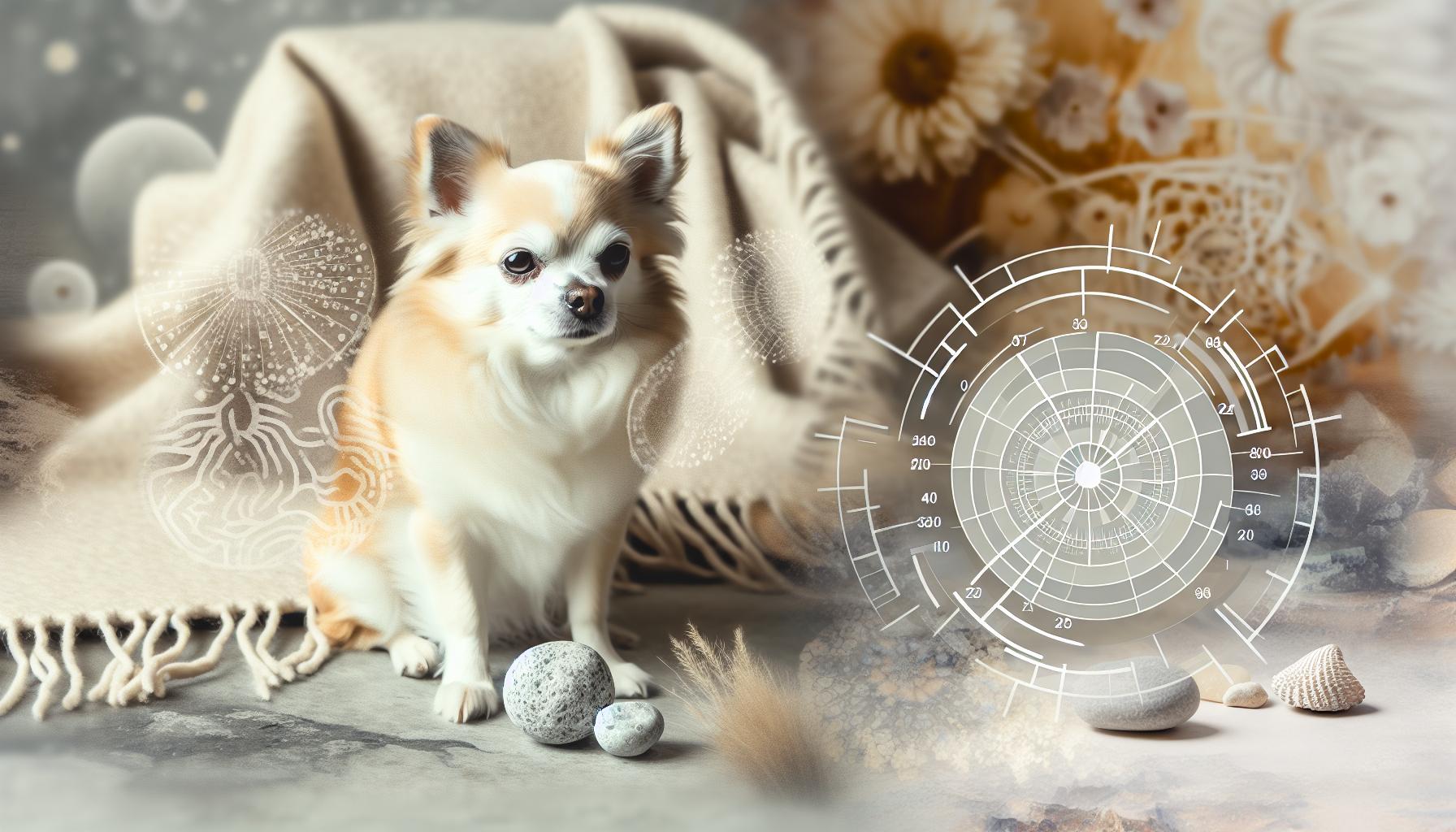
Chihuahuas, with their spunky personalities and compact sizes, typically enjoy a lifespan ranging from 12 to 20 years, making them one of the longer-lived dog breeds. Their spirited nature is matched by a remarkable longevity that often surprises new owners. Many factors contribute to this variance in lifespan, including genetics, diet, and lifestyle. A well-cared-for Chihuahua can thrive into their late teens, cherishing many joyful moments with their owners.
Several variables can greatly influence how long your Chihuahua will be by your side. Genetics play a crucial role, as some lines may be predisposed to certain health issues, while others are notably robust. Furthermore, elements like diet, exercise, and regular veterinary care are essential for maintaining their health. Keeping a watchful eye on your Chihuahua’s weight and ensuring they remain active can significantly bolster their health and longevity. Engaging in gentle play and short walks helps keep them physically fit, which is vital for their well-being.
Diet and nutrition cannot be overstated in their impact on lifespan. A balanced diet formulated specifically for small breeds supports their unique metabolic needs. Key nutrients, such as high-quality proteins and healthy fats, alongside ample hydration, will promote a longer, healthier life. Leading dog food brands often offer specialized formulas for small breeds, which can be a great option to consider for your Chihuahua.
Regular vet check-ups are equally important. Routine appointments can uncover health issues early, enabling timely interventions. Chihuahuas are prone to dental problems, heart disease, and patellar luxation, among other conditions. This is why a veterinarian’s expertise is crucial in managing these risks and providing preventive care. By conducting regular health assessments, you ensure that your Chihuahua receives the proper care to navigate through their golden years happily.
Factors Influencing Chihuahua Lifespan
Chihuahuas are remarkable little companions, known for their bigger-than-life personalities and their tendency to charm everyone they meet. These pint-sized pups usually live between 12 to 20 years, but several factors can influence their lifespan, making it essential for every owner to be informed about what contributes to their longevity.
Genetics is a major player in determining how long your Chihuahua will stay by your side. Some bloodlines are more robust, while others may carry predispositions to certain health issues. For example, a Chihuahua’s size-especially between apple-heads and deer-heads-can signal differing health considerations. Smaller Chihuahuas often have a higher risk of dental problems, making it essential for owners to monitor their oral hygiene. Also, specific coat types may be prone to unique skin sensitivities, requiring tailored care.
Diet and nutrition are pivotal elements in your dog’s health journey. A balanced diet specifically designed for small breeds meets their unique metabolic needs. For instance, high-quality protein sources support muscle maintenance and growth, while healthy fats play a key role in energy levels and skin health. Avoid feeding them human food or low-quality commercial diets, which can lead to obesity-a common issue for Chihuahuas that shortens their lifespan. Instead, consider premium dog food brands that specialize in small breed formulations, ensuring your furry friend thrives.
Another crucial aspect is regular veterinary check-ups, which can detect health issues before they escalate. Chihuahuas are vulnerable to various health conditions, including heart disease and patellar luxation, emphasizing the need for preventive care. Annual or bi-annual vet visits allow for necessary vaccinations, dental checks, and health assessments that keep your Chihuahua feeling energetic and vibrant.
Creating a nurturing environment is equally important. Chihuahuas thrive on love and attention, so maintaining a stress-free home with regular interaction encourages their emotional and physical health. Engaging in gentle play, consistent exercise, and mental stimulation not only supports their physical health but also enriches their life, helping them enjoy their golden years to the fullest.
How to Enhance Your Chihuahua’s Longevity

To ensure your Chihuahua has the longest, happiest life possible, consider integrating these best practices into your daily routine. These delightful little companions thrive on affection, healthy living, and consistent care, so making informed choices will help enhance their overall longevity. Start by focusing on a holistic approach encompassing diet, exercise, healthcare, and environmental enrichment.
Nutrition Matters
A well-balanced diet tailored to your Chihuahua’s unique needs is of utmost importance. Look for premium, small-breed formulas that provide high-quality protein and the right balance of fats. Chihuahuas can easily become overweight, which is a significant concern that can lead to various health issues. Avoid the temptation to share your food with them, as many human foods can be harmful. Instead, focus on nutritious treats and consider incorporating fresh vegetables or fruits like carrots or blueberries in moderation.
Regular Exercise
Though they are small, Chihuahuas need daily exercise to stay healthy and maintain an ideal weight. Regular walks, playful interactions, and short play sessions can keep your furry friend both physically and mentally stimulated. For example, a game of fetch in the yard or puzzle toys filled with their favorite treats can be delightful activities tailored to their energy levels.
Health Check-Ups
Routine veterinary visits are crucial for early detection and prevention of health problems. Chihuahuas are susceptible to several conditions, such as heart disease and dental issues. Regular vet appointments ensure vaccinations are up to date, and dental cleanings can help avoid serious health complications. It’s a great practice to track any changes in behavioral patterns, eating habits, or energy levels, as these can provide valuable insight for your veterinarian.
A Loving Environment
Creating a low-stress, loving home environment is just as vital as physical care. Chihuahuas are incredibly social and thrive on interaction and companionship. Leaving them alone for long periods can lead to anxiety and health issues. Make time to cuddle, talk, and engage with her every day. Building a routine that includes consistent playtime, training sessions, and bonding moments will not only strengthen your relationship but also promote emotional well-being.
By paying close attention to these aspects, you can significantly influence your Chihuahua’s lifespan and quality of life, allowing you to celebrate many joyful years together. Remember, each Chihuahua has a distinct personality and needs, so be attentive and responsive to hers, ensuring her golden years are filled with happiness and vitality.
Common Health Issues Affecting Chihuahuas

Chihuahuas, with their fierce loyalty and spirited personalities, are wonderful companions but are also prone to several health issues that can affect their well-being and lifespan. Understanding these common health concerns is essential for all Chihuahua owners wishing to ensure their beloved pet lives a long and healthy life.
One prevalent issue in Chihuahuas is dental disease. Their small mouths can lead to overcrowding and misalignment of teeth, making them more susceptible to tartar buildup and gum disease. Regular dental care, including professional cleanings and consistent at-home brushing, is vital in preventing these oral health problems. Many owners find that incorporating dental chews into their Chihuahua’s routine can also help maintain good oral hygiene.
Another health concern specific to Chihuahuas is patellar luxation, which occurs when the knee cap slips out of place. This condition is often hereditary and can lead to discomfort and difficulty walking. If you notice your Chihuahua limping or holding their leg up, it’s essential to consult your veterinarian for an evaluation. There are varying degrees of severity, often manageable with lifestyle changes, physical therapy, and in some cases, surgery.
Heart disease is also common among Chihuahuas, particularly as they age. They are at risk for conditions like mitral valve disease, which can lead to heart failure. Regular vet check-ups, a heart-healthy diet, and maintaining a healthy weight are crucial preventive measures. Pay attention to any signs of lethargy or unusual coughing; these can be early indicators of heart issues.
Additionally, Chihuahuas can develop hypoglycemia, especially in younger pups or those who are stressed or not eating enough. Symptoms include weakness, lethargy, and even seizures in severe cases. Providing small, frequent meals and ensuring they maintain a healthy weight can help mitigate this risk. Always be attentive to your Chihuahua’s eating habits and energy levels.
By being aware of these common health issues and taking proactive steps, you can greatly enhance the quality of life for your Chihuahua, ensuring those heartwarming years together are filled with joy and vitality. Embrace their quirks, from their little barks to their bold personalities, as you navigate their health care, ensuring they remain your cherished companion for many years to come.
Diet and Nutrition for a Longer Life

Providing your Chihuahua with a well-balanced diet is one of the most impactful ways to enhance her longevity and overall health. These tiny companions can live anywhere from 12 to 20 years, depending on their care and environment, so every meal counts! A carefully crafted diet tailored to her specific needs can help mitigate health risks and keep her lively and happy for many years.
First and foremost, nutritional quality matters. Look for high-quality dog food formulated specifically for small breeds. These diets typically contain higher protein levels and smaller kibble sizes, making them perfect for your little one. For instance, consider foods that list meat as the first ingredient, such as chicken or beef, which provide essential amino acids for muscle maintenance and energy. It’s also beneficial to include healthy fats, like omega-3 and omega-6 fatty acids found in fish oil, to promote a healthy coat and skin.
Moreover, portions are key. Given their small size, Chihuahuas only require modest portions, and overfeeding can lead to obesity-a common issue that can cause numerous health problems, including heart disease and diabetes. A good rule of thumb is to adhere to the feeding guidelines provided on the dog food package while adjusting based on your dog’s age, activity level, and body condition. Many Chihuahuas thrive on two or three small meals a day, which can help regulate their energy levels and prevent hypoglycemia.
Don’t forget the power of homemade treats and additions! Incorporating fresh fruits and vegetables like cooked carrots, blueberries, or sweet potatoes can be a delightful way to enhance her diet. These not only provide essential nutrients but also offer a change in texture and flavor she’s sure to love. However, be cautious and avoid toxic foods like grapes, onions, and garlic, which can be harmful to her health.
Just as important as the food you choose is the hydration aspect. Always ensure she has access to fresh water, especially if she’s eating dry kibble, to prevent urinary tract issues, which are common in small breeds.
By focusing on a nutrient-rich, balanced diet and being mindful of her specific needs, you’re laying down the cornerstone for a vibrant, long life full of joy, playful barks, and heartwarming companionship. Remember, every bite contributes to her happiness and well-being!
The Importance of Regular Vet Check-ups
Regular vet check-ups are essential for safeguarding your Chihuahua’s health and extending her lifespan. These small but spirited companions face unique health challenges, and proactive veterinary care is key to catching potential issues before they become serious. By making regular visits to the vet part of your routine, you’re not just keeping her shots up to date; you’re investing in her overall well-being.
During check-ups, your veterinarian will perform important health screenings, including dental assessments. Chihuahuas are particularly prone to dental problems, so monitoring her teeth and gums can prevent painful issues down the road. Vaccinations are crucial too, providing protection against serious diseases. Regular check-ups allow for timely vaccinations and boosters, ensuring she remains healthy and safe.
Moreover, routine visits provide an excellent opportunity for the vet to discuss any changes in her behavior or health. Have you noticed her being a bit more lethargic than usual or maybe a little picky with her food? Sharing these observations can help the vet identify problems early on. Remember, Chihuahuas are known for their bold and vocal personalities, so any deviation from her normal behavior can be an indication that something is amiss.
Consider scheduling the vet visits according to her needs. Puppies will require more frequent visits for vaccinations and spaying/neutering, while older Chihuahuas may benefit from semi-annual health evaluations to monitor for common aging-related health issues such as heart conditions or arthritis.
In addition to physical health, regular vet visits can also guide you on nutrition, exercise, and preventing obesity-an especially crucial aspect for our tiny friends, who are prone to weight-related issues. A good vet will offer personalized advice tailored to her unique quirks and needs. Celebrate this process as part of your bond with her; bringing your Chihuahua to the vet is not just a chore, but a vital part of keeping her vibrant and full of life as she grows older.
Lifestyle Tips for a Healthy Chihuahua
Chihuahuas, with their tiny stature and larger-than-life personalities, thrive best in environments that respect their unique needs and quirks. To ensure your little friend lives a long and vibrant life, it’s essential to adopt a lifestyle that nurtures their health and happiness. From proper socialization to the right nutritional choices, here are some vital tips to enhance your Chihuahua’s lifestyle.
Create a Comfortable Home Environment
Chihuahuas are sensitive to temperature and can easily feel cold or hot. Make sure your home is a comfortable environment where she can snuggle up in cozy blankets or enjoy a cool spot when it’s warm. Providing soft, accessible bedding, preferably in a quiet area, allows her to retreat and feel safe.
Socialization is Key
While they may be bold, Chihuahuas often benefit from early and ongoing socialization. Introduce her to various environments, sounds, and people gently. Whether it’s a trip to a pet-friendly café or a playdate with another small dog, these experiences can reduce anxiety and promote confidence. Remember, a well-adjusted Chihuahua is a happy Chihuahua!
Consistent Routine and Training
Establishing a routine can help your Chihuahua feel secure. Regular feeding times, walks, and play sessions not only enhance her well-being but also prevent behavioral issues. Positive reinforcement training methods work exceptionally well with Chihuahuas, who love the attention and approval that comes from learning commands. For instance, teaching tricks like ‘sit’ or ‘shake’ can stimulate her mind and strengthen your bond.
Activity and Mental Stimulation
Chihuahuas have loads of energy packed inside those small frames. Engage her with daily walks and interactive toys to satisfy her exercise needs and keep her mind sharp. Puzzle toys or treat-dispensing balls can provide health benefits while keeping her entertained and challenged. Regular playtime not only combats obesity but also helps channel her spirited nature positively.
Regular Health Monitoring
A significant part of maintaining a healthy lifestyle involves paying attention to her physical health. Monitor her weight closely, as Chihuahuas are prone to obesity, and ensure she gets adequate dental care, which is crucial given their susceptibility to gum disease. Regularly check her ears and coat for any signs of issues, and don’t hesitate to consult your vet if something seems off.
By following these lifestyle tips, you can create a loving and supportive environment that encourages your Chihuahua to thrive. Remember, the more you invest in her well-being today, the more joyous years you’ll have together in the future!
Understanding Genetic Factors in Lifespan
Genetics play a pivotal role in determining the lifespan of your beloved Chihuahua. While the average lifespan of Chihuahuas generally falls between 12 to 20 years, a variety of genetic factors influence longevity. Understanding these factors can help you provide the best care tailored to your Chihuahua’s individual needs, maximizing their time with you.
To start with, Chihuahuas come in two main types: the apple-head and the deer-head. Each type possesses unique physical traits, but both share a range of genetic predispositions that can impact health. For instance, apple-head Chihuahuas, known for their rounded skull shapes, might be more prone to certain health issues, such as hydrocephalus-a condition where fluid builds up in the brain. In contrast, deer-head Chihuahuas, with their longer snouts, may have fewer concerns regarding respiratory problems but can face issues more common in small breeds, like patellar luxation.
Another crucial genetic aspect is the dog’s lineage. Dogs that come from reputable breeders are often healthier, having undergone health screenings to minimize the risk of hereditary conditions. Ideally, you should seek a breeder who health-tests their breeding stock for common issues such as heart disease, dental problems, and other conditions prevalent in the breed. For this reason, getting a Chihuahua from a responsible source can be a significant factor in enhancing not just their longevity, but their quality of life as well.
In addition to selecting a good breed line, nurturing a Chihuahua’s genetics means understanding how their intrinsic characteristics affect their health management. For example, Chihuahuas tend to have a higher metabolic rate, which means they require more frequent meals without overfeeding, as they can become overweight due to their small size. This is vital, as obesity is a leading cause of reduced lifespan in many breeds, including Chihuahuas.
While genetics play a critical role, remember that lifestyle choices also significantly impact a Chihuahua’s longevity. Their lively personalities make them prone to accidents, so a safe home environment and supervised playtime are essential. Moreover, coupling genetic awareness with a commitment to healthful living creates the best chances for a long and happy life.
Ultimately, being an informed and attentive owner can bridge the gap between genetics and lifespan, ensuring that your tiny friend lives a vibrant, fulfilling life by your side.
Chihuahua Lifespan: A Comparison with Other Breeds
Chihuahuas, those spirited little companions, generally enjoy a lifespan of 12 to 20 years, showcasing their resilience and vitality. This impressive longevity can be compared to many breeds, and it’s essential to understand how their lifespan stacks up against smaller and larger dogs alike. For example, many small breeds such as Dachshunds or Pomeranians also tend to live long lives, often ranging from 12 to 16 years. In contrast, larger breeds like Great Danes and Saint Bernards typically face shorter lifespans, averaging around 7 to 10 years due to their size and related health issues.
While Chihuahuas share the longevity of other small breeds, their specific characteristics contribute uniquely to their life expectancy. The apple-head and deer-head varieties might face different health considerations, with apple-heads being more predisposed to conditions like hydrocephalus. However, when cared for responsibly-with attentive breeding and health screenings-these adorable dogs can thrive well into their late teens.
Chihuahua owners often note that maintaining a healthy weight, providing regular vet check-ups, and promoting an active lifestyle can significantly impact their furry friend’s lifespan. For instance, one Chihuahua owner shared that adhering to a balanced diet and keeping her pet engaged with daily playtime allowed her dog to remain sprightly well into old age, celebrating its vital personality even as it reached the age of 15.
Ultimately, understanding the health dynamics of Chihuahuas compared to other breeds enhances your capability as a devoted owner to ensure that your little friend leads a long, fulfilling life. Embrace their quirky, bold nature while being proactive about their well-being-it’s the best way to celebrate these mini dynamos!
The Role of Exercise in a Chihuahua’s Health
Regular exercise is essential for maintaining a Chihuahua’s health and longevity, given their spirited nature and unique anatomical make-up. These tiny companions thrive on activity, which not only helps to manage their weight but also supports cardiovascular health, muscle tone, and mental stimulation. A well-exercised Chihuahua is less likely to suffer from anxiety issues, which can sometimes manifest in this breed as excessive barking or destructive behavior.
Incorporating daily playtime into your Chihuahua’s routine is a fantastic way to ensure they stay fit and engaged. Short walks, interactive play sessions with toys, or even a nice game of fetch can suffice. These beloved little dogs often thrive in playful environments, so don’t shy away from engaging their curiosity! One experienced Chihuahua owner shared that her dog, Bella, noticeably perked up and became more social after she introduced daily 20-minute walks and playdates with other small breeds. This not only improved Bella’s physical health but also her confidence and overall happiness.
Types of Exercise
Chihuahuas enjoy a variety of exercises, and it’s important to keep things interesting. Here are some effective forms of exercise for your energetic friend:
- Walks: Short, regular walks allow Chihuahuas to explore their surroundings while also promoting cardiovascular health.
- Playtime: Engaging in interactive toys or games like tug-of-war can effectively stimulate your dog’s mind and body.
- Training Exercises: Simple training sessions that involve commands and tricks can combine physical activity with mental challenge.
- Social Play: Arranging meet-ups with other small dogs can help satisfy their socialization needs and keep them active.
As always, pay attention to your Chihuahua’s cues. While they may have bursts of energy, they can also tire quickly, especially in hotter weather. Always adjust the intensity and duration of activities based on their condition. Regular exercise not only fosters a healthier lifestyle but also strengthens the bond between you and your dog, leading to a longer and happier life together. Keep moving, and cherish those shared moments of joy with your feisty little companion!
Caring for Your Aging Chihuahua
As your Chihuahua ages, they will bring unique joys and challenges. Understanding how to care for them during their senior years is essential to ensuring their quality of life remains high. Typically reaching their golden years around 8-10 years of age, Chihuahuas can require special attention to their health, comfort, and overall well-being. This phase is a time for you-as a devoted owner-to adapt to their changing needs while still celebrating their vibrant personality.
One of the first adjustments you’ll want to make is to monitor their diet closely. Senior Chihuahuas may have different nutritional needs than their younger counterparts. Look for high-quality, age-appropriate dog food that offers balanced nutrients, particularly those that support joint health and digestive function. You might consider incorporating glucosamine supplements; many owners have discovered they help maintain mobility in their aging Chihuahuas. For example, one owner learned that switching to a senior formula not only helped manage her dog Charlie’s weight but also gave him more energy for his daily play sessions.
Regular veterinary check-ups become crucial as your Chihuahua ages. These visits can help catch potential health problems early, such as dental disease, heart issues, or arthritis, which are more common in older dogs. Make sure to discuss any noticeable changes in behavior, eating habits, or energy levels with your vet-these can be vital signs that something needs attention. Additionally, your vet may recommend altering their vaccinations or parasite control regimen as they age.
Comfort is another key aspect of caring for an aging Chihuahua. Many senior dogs, especially smaller breeds, may struggle with temperature regulation. Ensure they have a warm, cozy space to rest, away from drafts, and consider providing orthopedic beds that offer extra support for their joints. Soft blankets or even a heated bed can help keep them snug and comfortable. A seasoned Chihuahua owner once shared how adding a few plush blankets made a world of difference for her elderly pup, who had begun to slow down and needed that extra warmth to stay content.
Lastly, don’t forget to engage your Chihuahua mentally and socially! They may not have the same energy levels, but brief interactive games and gentle walks can keep their spirits high. Many experienced owners recommend adjusting the duration and intensity of exercises to match their mood and capabilities. For instance, instead of a long walk, focus on short walks with plenty of time for sniffing and exploring. Each moment spent together is a chance to bond and revel in those playful quirks that make Chihuahuas so special. Remember, taking it slow does not diminish the joy; it enhances the quality of time you share as your furry friend gracefully ages.
Celebrating Your Chihuahua’s Golden Years
As your loyal companion reaches the golden years of 8 to 10 years of age, it’s essential to recognize and celebrate the unique journey your Chihuahua has traversed. These little wonders, with their bold personalities and vibrant spirits, may slow down, but they still bring immense joy and love. This is a wonderful time to deepen your bond and create cherished memories together.
To truly honor your senior Chihuahua, consider integrating special experiences into their daily routine. Simple joys like cozy movie nights wrapped in blankets, or leisurely strolls around the neighborhood, can provide comfort and happiness. Chihuahuas thrive on attention and affection, so don’t underestimate the power of snuggling and one-on-one time. A veteran owner shared how her apple-head Chihuahua, Bella, lights up during afternoon sunbathing sessions, simply basking in the warmth as she sips her favorite broth-a reminder that small pleasures are often the most meaningful.
Diet adjustments also play a vital role in enhancing your Chihuahua’s quality of life during these years. Opt for high-quality, senior-specific dog food tailored to their nutritional needs-one filled with antioxidants and joint-supporting ingredients. Many owners find that adding in healthy treats like carrots or pumpkin can be delightful and beneficial, offering both nutrition and a satisfying crunch. Remember, the transition to a new diet should be gradual, allowing your Chihuahua’s system to adapt seamlessly.
Finally, don’t overlook the mental stimulation that keeps your Chihuahua alert and engaged. Interactive toys, gentle training sessions, or even puzzle games can be fantastic ways to keep their mind sharp and spirits high. Consider a rhythmic routine of play and rest, adjusting to their needs and preferences. Playtime should still be fun and low-pressure; think of it as an opportunity to celebrate the quirks and character of your beloved companion, embracing all that makes them uniquely “them.”
Cherishing these moments with your Chihuahua not only enhances their happiness but also enriches your shared experience. As they age gracefully by your side, these golden years can become some of the most rewarding of all, filled with laughter, love, and a legacy of unforgettable memories.
Q&A
Q: What is the maximum age a Chihuahua can live to?
A: The maximum lifespan of a Chihuahua can reach up to 20 years, though this is quite rare. Most Chihuahuas typically live between 12 to 20 years. Proper care, diet, and regular vet check-ups are essential for enhancing their longevity.
Q: At what age is a Chihuahua considered a senior?
A: A Chihuahua is generally considered a senior around 7 years old. As they age, it’s important to adjust their care, diet, and exercise routines to accommodate any health concerns and enhance their comfort.
Q: How can I tell if my Chihuahua is aging?
A: Signs that your Chihuahua is aging include decreased energy, weight changes, joint stiffness, and more frequent sleeping. Pay attention to changes in behavior, as these can indicate health issues related to aging.
Q: What are common health issues in older Chihuahuas?
A: Common health issues in older Chihuahuas include heart disease, dental problems, arthritis, and obesity. Regular vet check-ups can help in early detection and management of these conditions.
Q: How can I help my Chihuahua live longer?
A: To help your Chihuahua live a longer life, provide a balanced diet, ensure regular exercise, and schedule routine vet visits. Also, maintain a safe and comfortable environment to reduce stress.
Q: Do indoor or outdoor Chihuahuas live longer?
A: Generally, indoor Chihuahuas tend to live longer than outdoor ones due to reduced exposure to dangers such as predators, traffic, and harsh weather. Indoor living also facilitates better health monitoring.
Q: Are male or female Chihuahuas more likely to live longer?
A: There’s no significant difference in lifespan between male and female Chihuahuas; however, individual health factors and care practices play a more crucial role in determining longevity than gender.
Q: How does diet affect a Chihuahua’s lifespan?
A: A nutritious, balanced diet significantly impacts a Chihuahua’s lifespan. Quality food supports overall health, helps maintain a healthy weight, and can prevent obesity-related diseases, enhancing their longevity.
To Conclude
As a loving Chihuahua owner, understanding the average lifespan of your furry friend can help you provide the best care possible. Remember, these brave little companions typically live between 12 to 20 years, depending on factors like health, nutrition, and lifestyle. Keep an eye on their unique needs, from playful behavior to proper grooming, to ensure they thrive throughout their lives.
If you’re eager to learn more about enhancing your Chihuahua’s health, check out our guides on best dietary practices and essential exercise routines. Consider subscribing to our newsletter for the latest tips and resources tailored to keep your Chihuahua happy and healthy.
Share your experiences and any questions you might have in the comments below! Every Chihuahua has its own story-let’s celebrate them together. Your engagement helps us grow a vibrant community dedicated to these wonderful pets. Embrace their quirky nature and explore more about their care; there’s a wealth of knowledge waiting for you just a click away!
Get our latest guides, news, and insights highlighted in your Google Search & AI Overviews.