
Did you know that Chihuahuas, despite their tiny size, have big personalities when it comes to food? Understanding what food he enjoys is crucial for keeping your little companion happy, healthy, and well-nourished. Chihuahuas can be picky eaters, often influenced by their unique tastes and textures, which makes exploring their taste preferences essential for every owner. Whether you’re a first-time caregiver or a seasoned Chihuahua enthusiast, knowing his likes and dislikes will not only help you choose the right food but also enhance your bond with him. In this guide, we’ll delve into what truly satisfies a Chihuahua’s palate, offering insights into their dietary needs and preferences that will ensure he’s always excited for mealtime. Let’s uncover the flavors and foods that make your lovable pup wag his tail with delight!
What Do Chihuahuas Really Like to Eat?
Chihuahuas, with their fearless personalities and petite stature, often have surprisingly robust tastes in food. These little companions can be quite particular about what they eat, and understanding their preferences is key to keeping them happy and healthy. Many Chihuahuas enjoy a variety of flavors and textures, so it’s beneficial to experiment with different foods to discover what makes your furry friend tail-waggingly happy.
Chihuahuas typically respond well to high-quality protein sources, such as chicken, turkey, and fish. These meats are not only tasty but also essential for their energy levels and muscle health. It’s important to offer these proteins in small, easily digestible portions since Chihuahuas are prone to dental issues. You might also find that including vegetables like sweet potatoes and peas delights their palates while providing vital nutrients. On the other hand, be cautious with grains; while some Chihuahuas do well with them, others may have sensitivities, so monitor their reactions closely.
When it comes to treats, many Chihuahuas adore small, soft morsels. Homemade options like peanut butter bites or pumpkin cookies (made without sugar or harmful additives) can be healthy and delicious choices. The key is variety; keep the routine interesting by rotating flavors and textures. Remember to always use treats sparingly, as Chihuahuas can quickly gain weight, which is a common concern with this breed.
In summary, your Chihuahua likely thrives on a diet rich in protein and a mix of textures that keeps mealtime exciting. By paying attention to their individual preferences and sensitivities, you’ll create a balanced diet that not only meets their nutritional needs but also celebrates their finicky yet affectionate nature.
Exploring Chihuahua Taste Preferences
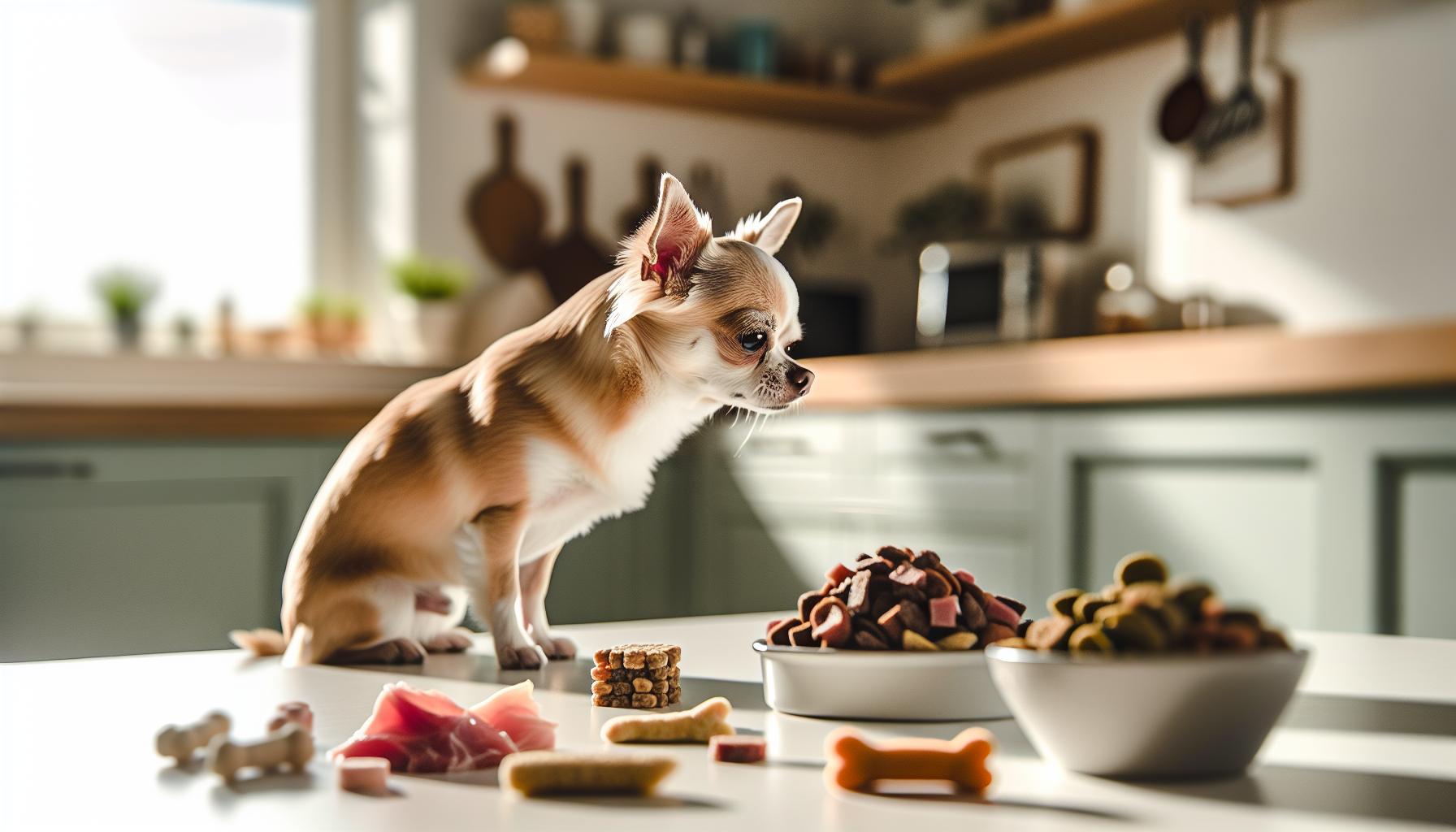
Chihuahuas, those delightful little dynamos, often surprise us with their sophisticated tastes when it comes to food. Despite their petite size, these spirited companions have preferences that can rival even the pickiest of eaters. Understanding what flavors and textures appeal most to your Chihuahua is essential for not only keeping mealtime exciting but also ensuring your pup remains happy and healthy.
One of the key touchpoints in understanding a Chihuahua’s taste preferences is recognizing their love for high-quality proteins. Chicken, turkey, and fish are not only favorites but are also vital sources of energy and muscle support. These meats should be presented in small, digestible portions, taking into account the dental health issues common in this breed. Chihuahuas, particularly those with apple-head shapes, might benefit from softer foods which can help avoid any dental discomfort while they enjoy their meals.
Vegetables can also play a significant role in your Chihuahua’s diet. Foods like sweet potatoes and peas not only provide essential nutrients but also add variety to their plates, keeping their dining experience engaging. However, grains warrant a more cautious approach. Some Chihuahuas may thrive on grains, while others might develop sensitivities. Always monitor their reactions when introducing new foods to ensure their digestive systems can handle them.
Lastly, let’s talk about treats, which can be a highlight of any Chihuahua’s day. Most of these tiny companions have a penchant for chewy, soft treats. Homemade options, such as small peanut butter bites or pumpkin cookies, can be delightful surprises that keep your Chihuahua’s tail wagging. Just remember to keep portions in check, as Chihuahuas are prone to weight gain. The trick is to offer a wide array of flavors and textures, rotating between different options to find those favorites that truly make your furry friend light up with joy. By paying attention to their preferences and adapting their diet accordingly, you’ll nourish not just their bodies, but also their spirits.
Top Foods for Your Chihuahua’s Delight

Chihuahuas are known for their vibrant personalities, but did you know they also have distinct culinary preferences? These small dogs often lean towards bold flavors and tender textures, making mealtime a delightful experience for both you and your furry friend. Understanding what foods resonate with your Chihuahua can lead to a happier, healthier pup and strengthen your bond during feeding time.
One of the top choices for many Chihuahuas is high-quality protein. Lean meats like chicken, turkey, and fish provide not just flavor but essential nutrients that support their energy levels and muscle health. These proteins should be served in small, bite-sized pieces to cater to their potential dental issues, especially for those with apple-head shapes. Soft, well-cooked meats can ensure mealtime is comfortable and enjoyable.
Additionally, don’t overlook the vibrant world of vegetables! Chihuahuas can benefit from the nutrients found in sweet potatoes, peas, and carrots. These veggies can be mashed or finely chopped to make them easier to chew. They add not only fiber but also a fun crunch that many dogs enjoy. However, be cautious with grains; some Chihuahuas may have sensitivities. Always introduce new ingredients gradually to assess your pup’s reactions.
When it comes to treats, the sweeter side of their diet shimmers with possibilities. Many Chihuahuas have a soft spot for chewy snacks-think small peanut butter bites, pumpkin cookies, or even homemade yogurt drops. These treats can brighten their day and are perfect for training. Yet, moderation is key since Chihuahuas can easily gain weight if overindulged.
Offering a variety of flavors and textures not only makes meals exciting but also allows you to discover what your Chihuahua truly loves. By rotating different proteins and introducing new veggies or treats every so often, you’ll keep your little companion engaged and tail-waggingly happy. Remember, every Chihuahua is unique-observing her preferences will help you customize her diet effectively, leading to a satisfying and healthful eating experience.
Understanding Chihuahua Dietary Needs
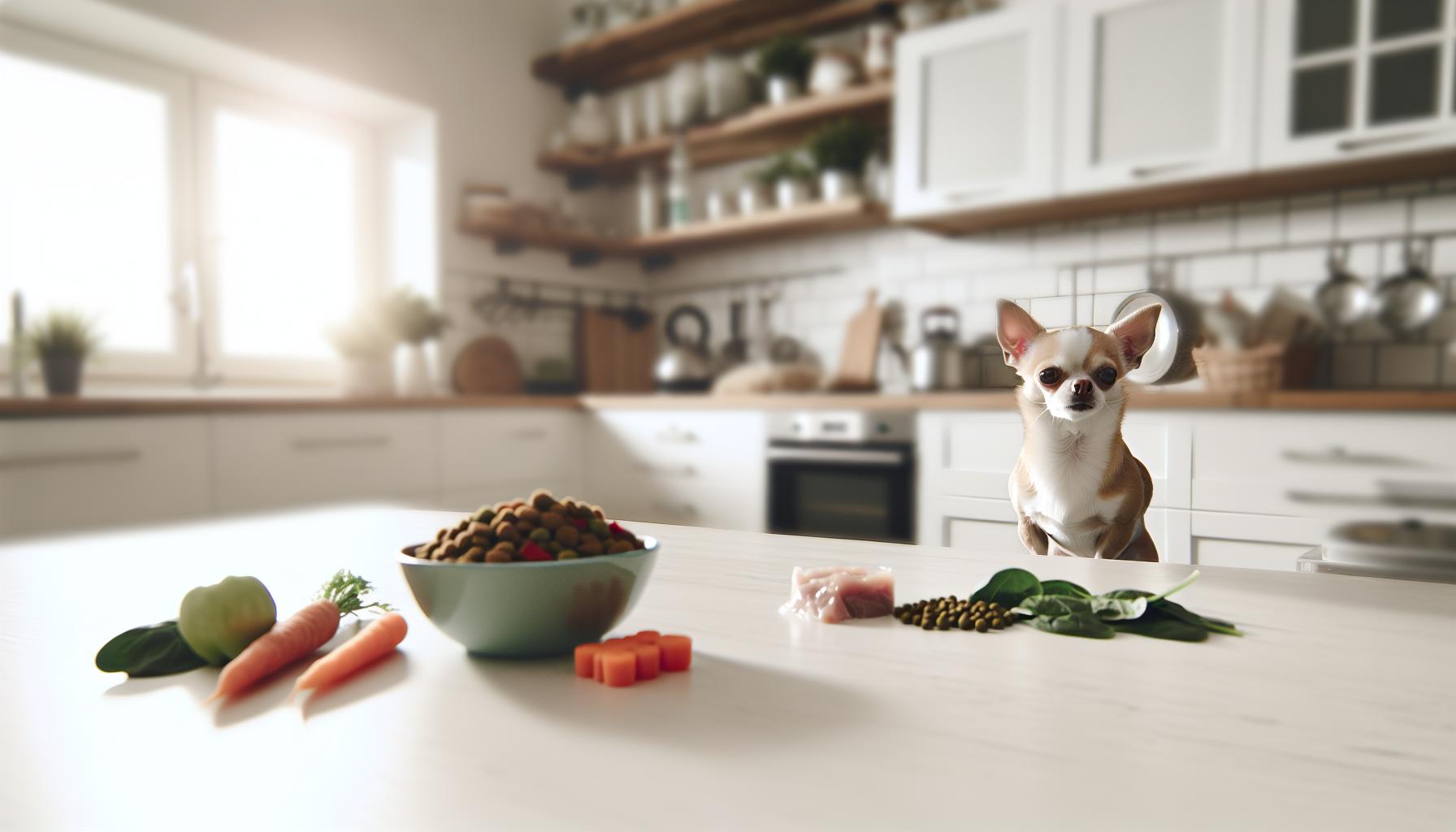
Chihuahuas are not just adorable little companions; they also have specific dietary needs that cater to their unique physical and behavioral traits. These pint-sized pooches thrive on a well-balanced diet rich in high-quality proteins and essential nutrients, which is crucial for maintaining their energy levels and supporting their active lifestyles. Given their small size, it’s imperative to focus on nutrient-dense foods that pack a punch in every bite.
High-quality protein sources are foundational for a Chihuahua’s diet. Lean meats such as chicken, turkey, and fish are excellent options since they provide the necessary amino acids for muscle health. It’s best to serve these proteins in small, manageable pieces, especially for Chihuahuas with dental issues, which are common in breeds with apple-head shapes. For added nutrition, consider incorporating small amounts of well-cooked eggs or low-fat yogurt, which many Chihuahuas find irresistible.
While proteins are crucial, don’t underestimate the importance of fruits and vegetables in their diet. Many Chihuahuas enjoy crunchy veggies like peas, carrots, and sweet potatoes, which can be served cooked and mashed or chopped into tiny pieces. These additions provide fiber and vitamins while keeping mealtime exciting. However, be cautious with certain foods like onions, garlic, and chocolate, which can be harmful. Always introduce new ingredients gradually to monitor for any adverse reactions.
Chihuahuas also have sensitive stomachs, so feeding them a diet specifically formulated for small breeds can help in preventing digestive upset. Look for dog food brands that emphasize high protein content, balanced fats, and include omega fatty acids to boost skin and coat health. Remember, hydration is key; always ensure your pup has access to fresh water, especially if you’re feeding them dry kibble. By keeping your Chihuahua’s dietary preferences and needs in mind, you’re nurturing their health and happiness, making your bond even stronger.
Homemade Treats Your Chihuahua Will Love
Chihuahuas are not just adorable companions; they are also food enthusiasts with distinct tastes! Crafting homemade treats for your little friend can be a delightful experience, not to mention a practical way to cater to their specific dietary needs. These tiny dogs often appreciate flavorful and textured foods that entice their curious palates. When preparing homemade treats, you can ensure they are packed with nutrients and free from harmful additives.
Consider starting with simple ingredients that are safe and enjoyable for your Chihuahua. Peanut butter is a classic favorite, as most dogs love its creamy texture and nutty flavor. Use natural, unsweetened peanut butter without xylitol, an ingredient toxic to pets. You can mix a spoonful of peanut butter with mashed bananas or pumpkin to create tasty morsels. Another excellent option is sweet potato-cooked and mashed, it’s rich in vitamins and fiber. Bake small pieces into chewy snacks or serve them plain for a nutritious boost.
For a crunchy option, try making chicken jerky treats. Slice chicken breast thinly and bake it at a low temperature until fully dehydrated. These treats are high in protein and easy for your Chihuahua to chew. Just remember to store them safely and make sure they’re completely cool before offering them to her. You might also consider creating tiny carrot snacks, which can be baked or lightly steamed. The natural sweetness of carrots makes them a perfect treat that many Chihuahuas adore.
It’s essential to monitor your Chihuahua’s reaction to new foods, especially since they can sometimes have sensitive stomachs. Start with small quantities and observe for any allergies or gastrointestinal issues. Homemade treats not only allow you to control ingredients but also provide an opportunity for bonding time in the kitchen. Your little friend will likely showcase their excitement as you mix and bake these delightful goodies, making mealtime a fun experience filled with love!
Common Foods to Avoid for Chihuahuas
When it comes to food choices, Chihuahuas can be quite discerning, and it’s crucial to understand which foods can be harmful or even toxic to their delicate systems. These tiny pooches may have bold personalities, but their digestive systems are often sensitive. By steering clear of certain common foods, you can help ensure your Chihuahua stays healthy and happy.
First on the list are chocolate and caffeine. These are highly toxic to dogs of all sizes, but the smaller the dog, the more susceptible they are to severe reactions. Chocolate contains theobromine, which can lead to symptoms such as vomiting, rapid heart rate, and potentially severe neurological issues. Always keep any chocolate products out of reach, especially around holidays when sweet treats are more abundant.
Next, avoid grapes and raisins. While the exact reason behind their toxicity is still unclear, these fruits can cause sudden kidney failure in dogs. Even small amounts can lead to severe symptoms, so it’s best to completely eliminate them from your Chihuahua’s food options.
Onions and garlic, whether raw, cooked, or powdered, are also big no-nos. They contain compounds that can damage red blood cells in dogs, leading to anemia. Symptoms might not appear immediately, making it easy to overlook the danger. If you’ve ever thought about treating your Chihuahua to a fancy human meal, double-check for any hidden onions or garlic.
Other common foods to watch out for include:
- Avocado: Contains persin, which can cause gastrointestinal upset.
- Macadamia nuts: Can lead to weakness, tremors, and hyperthermia.
- Xylitol: Found in sugar-free products, this artificial sweetener is extremely toxic and can cause liver failure.
- Alcohol: Even small amounts can lead to serious health issues.
Always consult your vet if you’re unsure about any food. By educating yourself about these common pitfalls, you help protect your little companion from harm. With so many safe and delicious options available, your Chihuahua can still enjoy a vibrant diet without the risks associated with these dangerous foods.
How Flavor and Texture Matter for Chihuahuas
Chihuahuas, despite their petite size, have distinct preferences when it comes to food, especially regarding flavor and texture. These tiny titans often exhibit a keen sense of taste that can surprise first-time owners. Many Chihuahuas lean towards rich, savory flavors, so it’s essential to consider how these tastes can influence their eating habits. Incorporating food that combines these flavors with the right textures encourages healthy eating and can make mealtime an enjoyable experience for your furry friend.
When it comes to texture, Chihuahuas generally prefer soft, moist foods. Their small mouths and teeth can make it challenging to chew hard kibble, which can lead to hesitation during mealtime. Consider options such as wet food or mixing kibble with a bit of warm water or broth to create a more palatable consistency. Chihuahuas also tend to gravitate towards meaty textures. Foods that incorporate shredded chicken or beef, for instance, can be particularly enticing. This is especially true for older Chihuahuas or those with dental issues, where softer options can make a significant difference in their willingness to eat.
Flavor is equally important. Many Chihuahuas are enthusiastic about savory and aromatic foods, such as those with a hint of beef or chicken. However, it’s crucial to ensure that these flavors come from high-quality sources rather than artificial additives. Offering a variety of flavors helps keep mealtime interesting. You might experiment with protein sources like turkey or fish on occasion, enhancing their dietary variety while appealing to their taste buds.
Lastly, don’t underestimate the role of presentation. A well-prepared meal served at an appropriate temperature can stimulate your Chihuahua’s appetite. For example, slightly warming their food can release enticing aromas that draw them in. Always monitor their response to different foods and adjust based on what excites them. With a little experimentation, you’ll find the perfect culinary delights that match your Chihuahua’s unique tastes, ensuring they thrive healthily and happily.
Feeding Guidelines for Healthy Chihuahuas
Feeding your Chihuahua is more than just filling a bowl; it’s about catering to their unique preferences and ensuring they thrive. These tiny companions have specific nutritional needs that hinge on their size and energy levels, making it essential to choose the right foods that resonate with their tastes while supporting their health. Chihuahuas often favor rich flavors and soft textures, so understanding how to provide a balanced diet tailored to their preferences is crucial.
Start by selecting high-quality dog food that lists real meat as the first ingredient. For instance, options with chicken, beef, or turkey will appeal to your Chihuahua’s love for savory tastes. Many owners find that combining kibble with wet food or homemade broths enhances palatability, making mealtimes much more appealing. Remember that the transition to new foods should be gradual; mix the new with the old to avoid upsetting their delicate stomachs. Always consult your veterinarian about portion sizes, as Chihuahuas can easily gain weight, which can lead to health issues.
Incorporate a variety of flavors and textures into their diet. Experiment with fish or lamb as alternate protein sources, and consider including small bits of vegetables like carrots or peas to provide additional nutrients. When serving food, pay attention to the temperature; warming their meal slightly can make it more aromatic and enticing. Always ensure they have access to fresh water, especially when feeding dry kibble.
It’s also vital to remain vigilant for any signs of food allergies, which can manifest as skin irritations or digestive issues. If your Chihuahua exhibits any unusual behavior or reactions to certain foods, consult your vet to determine the best course of action. Keeping meal times stress-free and enjoyable will not only enhance your Chihuahua’s feeding experience but also strengthen the bond between you and your little one.
Understanding Chihuahua Food Allergies
Understanding food allergies in Chihuahuas can feel like navigating a maze, especially since these loyal companions can be sensitive to certain ingredients. An intriguing fact to consider is that Chihuahuas, like many small breeds, tend to have more allergic reactions than larger dogs. This is largely due to their specific genetic makeup and the concentrated ingredients in their diets. By identifying and avoiding these allergens, you can enhance your Chihuahua’s health and overall well-being.
Chihuahuas may show signs of food allergies through a variety of symptoms, including itching, rashes, gastrointestinal upset, or even behavioral changes. For instance, if your little buddy is scratching more than usual or has recurring stomach issues, it could suggest a reaction to his food. The most common allergens for Chihuahuas include:
- Beef
- Dairy
- Chicken
- Wheat
- Eggs
If you suspect your Chihuahua has a food allergy, the best course of action is to consult with your veterinarian. They may recommend an elimination diet, where you gradually remove potential allergens from your pup’s meals and monitor for any improvements. This approach can be particularly effective for Chihuahuas, who may not always respond to traditional hypoallergenic diets.
Additionally, homemade treats can be a wonderful way to cater to your Chihuahua’s taste preferences while avoiding allergens. By using limited ingredients, you can ensure that the treats are safe and delicious. Consider baking small cookies with sweet potatoes or pumpkin-both are often well-received and excellent for their health. Remember to always introduce new foods gradually to avoid upsetting their sensitive stomachs.
Keeping an eye on your Chihuahua’s reactions to food is vital. Regularly checking their coat, skin, and digestion will help you spot any potential issues early. By being proactive and attentive, you not only safeguard your companion’s health but also deepen the bond you share. Embrace your Chihuahua’s quirks, and give them the joyful, healthy life they deserve through informed feeding choices.
The Impact of Age on Feeding Preferences
As your Chihuahua ages, their preferences and dietary needs can shift significantly, affecting everything from their energy levels to their taste in food. Puppies, with their boundless energy and playful attitudes, often enjoy a range of flavors and textures, while older Chihuahuas may develop specific likes and dislikes based on their health and mobility. Understanding these changes can help you provide a diet that suits your furry friend’s evolving palate and nutritional requirements.
Dietary Shifts Throughout Their Life Stages
In the puppy stage, Chihuahuas are more adventurous eaters-likely tempted by anything you offer. This period is crucial for their growth and development, so a high-protein, nutrient-rich diet is vital. As they transition into adulthood, their taste may become more refined, often favoring specific proteins like chicken or fish. By the time they reach their senior years, you might find your dog prefers softer, easily digestible foods, especially if dental issues arise-a common concern in older Chihuahuas.
For example, one owner shared how her senior Chihuahua, Bella, started preferring wet food over kibble, likely due to her dental troubles. Offering a variety of textures and flavors, such as chicken stew or lamb with vegetables, not only catered to Bella’s tastes but ensured she maintained her appetite and enjoyed mealtime.
Health Considerations Affecting Taste
Health problems can also influence food preferences. For instance, Chihuahuas are prone to conditions like heart disease and obesity, making it important to monitor their caloric intake and treat options closely. A decrease in activity might lead to a preference for lighter meals with lower fat content. If your Chihuahua has developed sensitivities, transitioning to limited ingredient diets or grain-free formulas can prevent adverse reactions while catering to their unique taste.
As you adapt your Chihuahua’s diet, pay attention to their response to various foods. Experiment with homemade options-simple ingredients like steamed chicken mixed with sweet potatoes or pumpkin can not only delight their taste buds but also provide essential nutrients without triggering allergies or sensitivity.
Practical Tips for Feeding Your Chihuahua
- Monitor Preferences: Keep notes on what foods your Chihuahua enjoys at different life stages.
- Consult Your Vet: Regular check-ups can help guide dietary choices based on health changes.
- Gradual Changes: Always introduce new foods gradually to prevent upset stomachs, particularly when your dog ages.
- Texture Matters: Consider shifting textures from kibble to wet food or homemade meals as needed.
Understanding how your Chihuahua’s age impacts their food preferences is essential to keeping them happy and healthy. Embrace their evolving tastes, provide varied and nutritious meals, and cherish the bond you share through those delightful mealtimes!
Chihuahua Behavioral Traits and Food Choices
Understanding the unique quirks of Chihuahuas can transform mealtimes into a delightful bonding experience. These little companions have distinct personalities that play a significant role in their food preferences. Known for their bold and curious nature, Chihuahuas often display specific likes and dislikes when it comes to food. For instance, while some may insist on nibbling on something crunchy and substantial, others may turn their noses up at kibble in favor of soft, flavorful options. This variance can be attributed not only to their individual taste buds but also to their behavioral traits, which can shape their eating habits.
Chihuahuas are instinctually loyal and love to be close to their owners. This affectionate nature makes them keen observers. They quickly learn to associate positive experiences-like treats or special meals-with their owners’ reactions. One owner shared how her Chihuahua, Coco, would perform tricks just to earn a taste of the special homemade chicken stew she prepared, showcasing how their cleverness can work in favor of securing their favorite dishes. This connection can lead to some playful negotiation over food, as Chihuahuas are not shy about expressing their desires, be it through vocalizations or adorable begging.
Another critical aspect of their behavior is their tendency to form strong attachments to certain foods, much like their attachment to their favorite toys or cozy spots. This loyalty extends to food, especially if it reflects the flavors and textures they enjoy. For instance, a Chihuahua may show a strong preference for moist food over dry kibble primarily because it satisfies their palate better. If you notice your pup seems to prefer snacking on softer food, consider incorporating options like wet food or lightly cooked veggies mixed with protein.
Additionally, it’s important to be mindful of their need for variety. A Chihuahua that eats the same thing every day may become finicky, leading to potential dietary issues or a lack of interest during mealtimes. Regularly introducing new tastes-while paying attention to any signs of allergies or upset stomach-is vital for keeping your Chihuahua excited about meals. Remember, tailoring the dining experience to your Chihuahua’s personality not only enhances their diet but also deepens the bond between you and your little friend.
Fun Ways to Test Your Chihuahua’s Favorite Foods
To truly discover what delights your Chihuahua’s palate, a fun and interactive taste test can be an exciting way to explore their preferences. These little companions are not only loyal but also discerning when it comes to food. By offering a variety of flavors and textures, you can gain insight into what makes their tail wag the most.
Start by gathering a selection of small samples of different foods. Consider including high-quality kibble, wet food, and even some safe human snacks such as cooked chicken, sweet potatoes, or pumpkin. Create a controlled tasting environment by setting up a clean area where your Chihuahua feels comfortable and relaxed. It’s essential to keep the atmosphere stress-free, allowing her to focus on the delicious samples.
During the test, observe how she reacts to each type of food. You can make this interactive by placing the samples on a tray and letting her choose which one to sniff first. Take note of her body language-does she show excitement with wagging tails or vocalizations? Does she eagerly chew or quickly move on? This engaging approach helps you understand not just what she likes, but also how she feels about different textures and flavors.
Tips for a Successful Taste Test
- Limit Portions: Offer small amounts to prevent overwhelming her and to make sure she doesn’t overeat.
- Take Your Time: Allow each food type to be savored. This ensures your Chihuahua gives her honest evaluation.
- Mix It Up: Don’t be afraid to introduce new foods periodically, as her preferences may evolve over time.
Remember that Chihuahuas can be particular, and what one dog adores, another might dismiss entirely. Celebrate their individuality! For many owners, conducting taste tests has led to delightful discoveries, such as a newfound love for veggies or a specific protein. This not only enhances their meals but also strengthens the bond between you and your beloved companion, as you work together to find her favorites.
Be patient and embrace the process. Through this tasting journey, not only will you identify her top picks, but you’ll also deepen your understanding of her unique food preferences, helping you tailor her diet for health and happiness.
Frequently Asked Questions
Q: What types of food are best for Chihuahuas?
A: Chihuahuas thrive on high-quality dog food that is rich in protein and low in fillers. Look for kibble specifically formulated for small breeds, which often includes essential nutrients like omega fatty acids for a healthy coat. Consider incorporating wet food or homemade meals for variety, as noted in the “Top Foods for Your Chihuahua’s Delight” section.
Q: Why do Chihuahuas prefer certain flavors?
A: Chihuahuas may show preferences for certain flavors due to their unique taste buds, which are sensitive to sweet and savory profiles. Foods with a strong aroma can entice them. Understanding *how flavor and texture matter for Chihuahuas* can help you choose the most appealing foods.
Q: How often should I feed my Chihuahua?
A: Chihuahuas typically require two to three small meals a day to manage their metabolism effectively. Strategically scheduling feeding times can prevent overeating and help maintain a healthy weight, as discussed in the “Feeding Guidelines for Healthy Chihuahuas” section.
Q: Can Chihuahuas eat human food?
A: Yes, but with caution. While some human foods are safe, many others can be harmful. Foods like cooked lean meats, certain fruits, and vegetables can be a great treat. Always refer to the “Common Foods to Avoid for Chihuahuas” section to ensure safety.
Q: What is the impact of age on a Chihuahua’s food preferences?
A: Age significantly influences a Chihuahua’s dietary needs and preferences. Puppies require high-energy food for growth, while older dogs may prefer softer textures and lower calories. The “The Impact of Age on Feeding Preferences” section provides detailed insights into transitioning their diet appropriately.
Q: How can I identify if my Chihuahua has food allergies?
A: Signs of food allergies in Chihuahuas include itching, gastrointestinal issues, or ear infections. If you suspect an allergy, consult your vet and consider an elimination diet to identify triggers. The “Understanding Chihuahua Food Allergies” section offers helpful strategies for managing food sensitivities.
Q: What are good homemade treat ideas for Chihuahuas?
A: Homemade treats can be tailored to your Chihuahua’s taste preferences. Consider simple recipes using ingredients like sweet potatoes, pumpkin, or chicken. Explore the “Homemade Treats Your Chihuahua Will Love” section for specific recipes and tips.
Q: How do I know if my Chihuahua likes a new food?
A: To determine if your Chihuahua likes a new food, introduce it gradually alongside their current diet. Observe their reaction; if they eat eagerly, it’s a good sign. The “Fun Ways to Test Your Chihuahua’s Favorite Foods” section suggests creative methods for finding their favorites.
Closing Remarks
Understanding what food your Chihuahua enjoys is key to their happiness and health. Remember, their tastes can vary significantly, so experimenting with different textures and flavors may help you discover their favorites. Whether they’re an apple-head or a long-coat, providing a well-balanced diet tailored to his unique needs is crucial for his well-being.
Want to learn more? Check out our guides on “Chihuahua Health Essentials” and “Top Treats for Your Chihuahua” for tips that keep your furry friend thriving. Don’t forget to subscribe to our newsletter for the latest insights, and share your Chihuahua’s favorite foods in the comments below! Engaging with our community not only helps you find support but also deepens your understanding of this vibrant breed. Keep exploring-your journey to being the best Chihuahua parent starts now!
Get our latest guides, news, and insights highlighted in your Google Search & AI Overviews.