
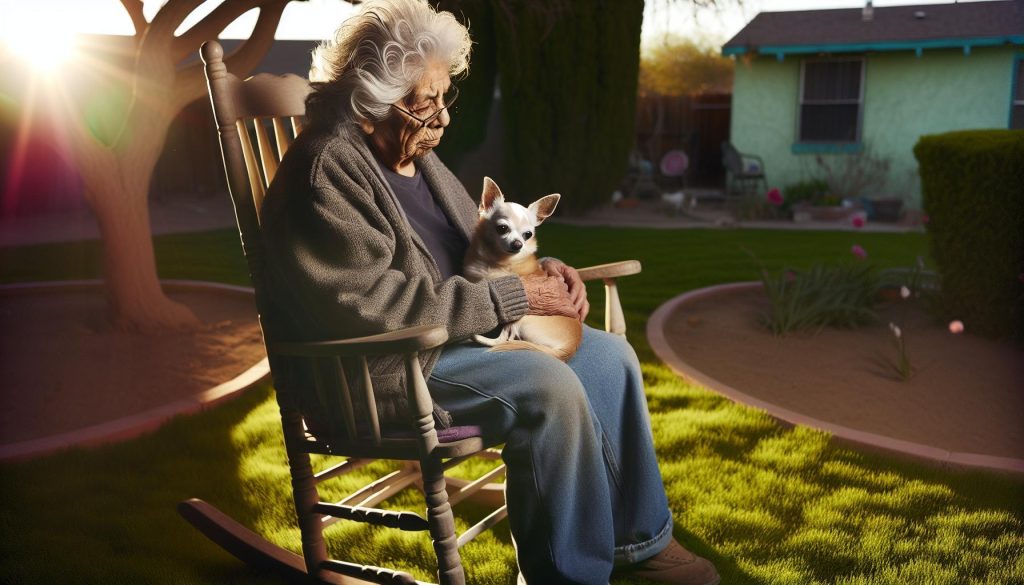
As a proud Chihuahua owner, you may naturally wonder about the lifespan of your tiny companion. Chihuahuas often live long lives, typically ranging from 12 to 20 years, thanks to their robust genetics and spirited personalities. Understanding the factors that influence their longevity-such as diet, health care, and environment-can help you ensure your beloved pup thrives.
Many Chihuahua owners share a bond with their dogs that feels almost like family. It’s important to be aware of their unique needs to maximize their years with you. This inquiry isn’t just about knowing when they might pass; it’s about being proactive in giving them the best life possible. Join me as we delve into lifespan statistics and discover key insights that will help keep your vibrant, vocal, and charming friend by your side for many happy years to come.
Understanding the Average Lifespan of Chihuahuas
Chihuahuas are remarkable companions, known for their lively personalities and towering spirit tucked into a tiny frame. On average, these little dynamos have a lifespan ranging from 12 to 20 years, with many factors influencing how long your cherished friend may live. Understanding the factors that play into their longevity can help you anticipate their health needs and offer the best care possible.
The genetics of Chihuahuas plays a significant role in their lifespan. Those with a well-bred lineage tend to be healthier overall, while mixed breeds may benefit from a diverse genetic background that can mitigate some hereditary health issues. Additionally, the size of your Chihuahua-whether they’re a toy or teacup variety-can impact health as smaller Chihuahuas may experience more significant health problems.
Regular veterinary check-ups, meticulous attention to diet, and a loving, stimulating home environment are essential for promoting a long and fulfilling life. Ensuring your Chihuahua receives proper vaccinations, dental care, and preventive treatments for parasites can ward off many health issues that shorter lifespans and chronic conditions are often associated with.
Moreover, keeping your Chihuahua’s weight in check cannot be overstated. These dogs can be prone to obesity, which poses severe risks to their health, including joint issues, diabetes, and heart disease. Movements like engaging in playtime or short walks help maintain their weight while also promoting strong mental well-being, which contributes to a longer life. Embracing the quirks of your Chihuahua-like their vocal nature or bold attitude-while ensuring their physical and emotional needs are met is key to enjoying many happy years together.
Factors Affecting Chihuahua Lifespan
Chihuahuas, with their big personalities wrapped in tiny frames, often surprise us with their longevity. While they typically live between 12 and 20 years, several factors can significantly influence how long our little companions will be by our side. Understanding these factors is crucial for those of us who cherish the joyful presence of a Chihuahua in our lives.
One of the primary determinants of a Chihuahua’s lifespan is genetics. Chihuahuas from reputable breeders who emphasize health tend to have fewer inherited health problems, which can lead to longer lives. For instance, a purebred Chihuahua with a strong lineage is often less prone to serious genetic conditions compared to a mixed breed, which might benefit from genetic diversity that lessens some hereditary risks. Additionally, the size of your Chihuahua-whether they fall under the toy category or the even tinier teacup-can also play a role. Smaller Chihuahuas often face more health complications, including heart problems or patellar luxation.
Another critical aspect to consider is the dog’s environment. Chihuahuas thrive in loving homes where they receive proper nutrition, regular veterinary care, and daily exercise. Proper vaccinations, dental care, and monitoring for common issues, like obesity, can significantly impact their overall health. Keeping your Chihuahua active helps prevent weight-related issues, as they are notorious for being couch potatoes! Real-life examples abound of Chihuahuas who love nothing more than to snuggle on the sofa, but making sure they also enjoy regular playtime in the yard can help keep them fit and mentally stimulated.
Mental stimulation is just as vital as physical activity. Chihuahuas are intelligent and need engaging activities to satisfy their curious nature. Puzzle toys, obedience training, or socialization with other dogs can enhance their quality of life and contribute to their longevity. Each of these factors-genetics, environment, diet, and mental engagement-intertwines to create the best conditions for your Chihuahua to lead a long, healthy, and happy life.
Common Health Issues in Chihuahuas
Chihuahuas, despite their small size, can face a variety of health challenges that may impact their lifespan. It’s essential for owners to be aware of these common health issues so they can take preventive measures and seek timely veterinary care. Understanding these health concerns not only keeps your furry friend happier but can also extend their years with you.
One prevalent health issue in Chihuahuas is heart disease, particularly patent ductus arteriosus (PDA) and mitral valve disease. These conditions occur due to genetic factors and are especially common in older Chihuahuas. Owners should watch for symptoms such as coughing, lethargy, or difficulty breathing, which can indicate heart problems. Regular check-ups with your vet can help catch these issues early.
Another common problem is dental disease. Chihuahuas are prone to plaque buildup due to their small mouths and crowded teeth. It’s crucial to maintain a proper oral hygiene routine-regular teeth brushing and dental check-ups can help prevent gum disease and tooth loss. Many owners find that using dental chews can also contribute to better oral health.
Moreover, Chihuahuas are at risk for patellar luxation, a condition where the kneecap dislocates from its normal position. This issue is prevalent in small breeds, causing pain and mobility problems. If your Chihuahua begins to show signs of limping or reluctance to jump, it’s vital to consult your veterinarian. Treatment can range from weight management to surgical intervention, depending on severity.
Lastly, obesity poses a significant threat to Chihuahuas, leading to various complications including diabetes, joint problems, and decreased lifespan. Owners should ensure that their companions are on a balanced diet and receive regular exercise. Engaging in daily playtime or walks can help keep your Chihuahua fit and active.
By being proactive and knowledgeable about these common health issues, you can significantly enhance your Chihuahua’s quality of life and longevity. Regular veterinary visits, a balanced diet, and attentive care will help you cherish many happy years with your beloved companion.
How to Extend Your Chihuahua’s Life
Chihuahuas are known for their spunky personalities and immense loyalty, but these little dogs require special attention to live long and happy lives. With a lifespan averaging between 12 to 20 years, understanding how to support your Chihuahua in achieving those benchmark years is vital. There are several key aspects of care that can significantly influence a Chihuahua’s longevity, from diet to regular check-ups.
Nutrition and Diet
A well-balanced diet is the cornerstone of a healthy life for Chihuahuas. These tiny dogs often have fast metabolisms, so providing them with high-quality, nutrient-rich food is essential. Look for brands that list meat as the first ingredient, as protein is crucial for their energy and muscle health. Many owners have found that incorporating a mix of dry and wet food not only keeps their Chihuahuas satisfied but also helps with hydration.
Consider portion control as well. Ask your vet for the appropriate feeding guidelines based on your dog’s weight and activity level. Some owners find that feeding smaller meals throughout the day helps prevent obesity, a common issue in Chihuahuas. Regular monitoring of their weight will also help catch any changes early.
Regular Veterinary Care
Prioritizing regular vet check-ups is another vital step in extending your Chihuahua’s life. Routine exams can catch potential health issues before they turn serious. For instance, regular dental check-ups are crucial since Chihuahuas are prone to dental disease. Many owners are surprised to learn that dental health can influence overall well-being and lifespan.
Vaccinations, parasite prevention, and dental cleanings should be on your yearly checklist. Keeping an open line of communication with your vet will help you stay informed about what might be best for your particular pup, considering their unique genetics and health background.
Exercise and Mental Stimulation
Don’t underestimate the importance of both mental and physical exercise to keep your Chihuahua vibrant. Chihuahuas are energetic and can be quite vocal, often needing an outlet for their energy. Short, daily walks are a great way to burn off excess energy while allowing them to explore and socialize.
In addition to physical activity, mental stimulation is equally important. Puzzle toys and interactive games can keep their minds sharp and help reduce anxiety or boredom. Engaging them in training sessions not only teaches them new tricks but strengthens the bond you share. For example, many owners report that teaching their Chihuahuas simple commands or fun tricks can enhance their overall happiness and health.
Adaptations for Aging Chihuahuas
As your Chihuahua ages, their needs may change. Making accommodations for joint support, such as providing soft bedding and limiting jumping on and off furniture, can be beneficial. Additionally, keep an eye out for signs of discomfort or changes in behavior; this can indicate underlying health issues.
Encouraging a calm environment and providing emotional support can drastically improve the quality of life for aging Chihuahuas. Simple activities like gently brushing their coat or spending quiet time together can make them feel loved and secure.
By embracing these practical strategies, you not only enhance your Chihuahua’s quality of life but also increase the likelihood of enjoying many joyful years together. Cherish each moment with your spunky friend, and you’ll both reap the benefits of a healthy, happy life!
Chihuahua Lifespan Compared to Other Breeds
While many dog breeds have lifespans that vary widely, Chihuahuas stand out for their impressive longevity. On average, these little companions enjoy a life expectancy of 12 to 20 years, which is considerably longer than many larger breeds. For instance, larger dogs like Great Danes typically range only from 7 to 10 years. This remarkable lifespan can be attributed to several factors unique to their breed, including their small size, which often insulates them from certain health issues that afflict larger dogs.
Chihuahuas also boast a range of quirkiness that contributes to their overall health and happiness. Their bold, lively personalities keep them active and engaged, which is crucial to longevity. Regular exercise, even in small doses, can help maintain their health. It’s not unusual for owners to share stories about how their Chihuahuas outlast some of their larger canine companions, embracing life with zeal well into their senior years.
When comparing Chihuahuas to other breeds, it’s essential to consider not just age but also the challenges they face as they age. For example, some toy breeds can be prone to dental issues, so maintaining proper dental hygiene becomes vital. In contrast, larger breeds might deal more with joint-related problems. This distinction places Chihuahua owners in a unique position where they need to be proactive about dental care while providing the necessary activity to mitigate health risks.
In addition to their breed-specific health considerations, Chihuahuas, particularly the apple-head variety, often require special attention to their delicate physique. Their smaller stature and unique head shape may predispose them to certain conditions, hence making regular vet check-ups even more critical. Embracing the unique aspects of Chihuahuas not only helps in carving out a long life for them but also enriches the owner-dog relationship, crafting a fulfilling journey together.
Signs Your Chihuahua is Aging
As your Chihuahua begins to age, subtle changes in behavior and physical appearance signal that he is entering his golden years. Recognizing these signs early allows you to adapt his care to meet his evolving needs. For instance, you might notice that your once-bold companion, who always barked at the mailman, now seems less enthusiastic about his daily patrols. This decrease in activity is often a telltale sign of aging, as older Chihuahuas may tire more easily and require longer recovery times after play.
Physical signs of aging can include graying fur, particularly around the muzzle and eyes, as well as loss of muscle tone. A common issue in older Chihuahuas is dental disease, which manifests as bad breath, difficulty eating, or reluctance to chew. Encouraging healthy dental habits can be especially important for preserving both their comfort and longevity. It’s beneficial to incorporate regular teeth cleaning into their routine using vet-recommended products.
Aside from physical changes, you may also witness behavioral shifts as your Chihuahua ages. He might become more clingy, seeking comfort from you or wanting to snuggle more than before. On the flip side, some Chihuahuas develop a bit of grumpiness, especially if they are experiencing discomfort or pain due to age-related health issues. Keeping an eye on his body language and vocalizations can help you gauge his comfort level and make adjustments based on what he communicates.
It’s essential to keep up with vet check-ups to monitor these changes. Regular visits can help catch age-related health issues like arthritis, heart disease, or even cognitive dysfunction syndrome, which can affect older dogs just like it does in aging humans. Being observant and proactive is the best way to ensure your Chihuahua continues to thrive, showing that love and attention can make a world of difference as he ages gracefully.
Nutrition’s Role in a Long Life
Providing your Chihuahua with the right nutrition is one of the most impactful ways to ensure a long and healthy life. Good quality food not only supports their growth and energy but also bolsters their immune system, reduces the risk of diseases, and can even affect their longevity. For such a tiny breed, the right diet is paramount; Chihuahuas have unique nutritional needs given their size, metabolism, and predisposing health issues like heart disease and obesity.
When choosing food for your Chihuahua, look for high-quality commercial dog food formulated specifically for small breeds. These foods often contain the right balance of proteins, fats, and carbohydrates tailored to support your little one’s energetic lifestyle. Always ensure that it lists meat as the first ingredient, as protein is vital for maintaining muscle mass and overall health. Some owners find that a grain-free diet works wonders for their Chihuahuas, especially those prone to allergies or sensitivities. Keeping a watchful eye on ingredient lists can help avoid unnecessary fillers that could lead to weight gain or digestive issues.
Another important aspect to consider is portion control. Chihuahuas, while bold and spirited, can easily become overweight due to their small size and lower exercise needs compared to larger breeds. Regular feeding schedules and measured portions keep their weight in check. Many owners find success by using a measuring cup to ensure accuracy and prevent overindulgence. Additionally, strive to include healthy treats in their diet but be cautious with quantities-guilt-free snacks like carrot sticks or small pieces of apple can keep their teeth clean while satisfying their need for a treat.
Don’t forget that hydration plays a crucial role in your Chihuahua’s diet. Always ensure they have access to fresh, clean water to keep them hydrated, particularly if they’re eating dry kibble. In some cases, adding a small amount of wet food to their diet can boost hydration and enhance palatability, especially for older Chihuahuas who may have less interest in food.
Finally, it’s essential to keep in mind that your Chihuahua’s nutritional needs may change as they age. Regular vet check-ups can provide personalized dietary recommendations to support their health throughout their life stages. From puppyhood to senior years, adapting to their changing needs ensures your Chihuahua can maintain their playful, loyal spirit for many years to come.
The Importance of Regular Vet Check-ups
Regular vet check-ups are the cornerstone of maintaining your Chihuahua’s health throughout her life, especially when it comes to extending her lifespan. This energetic, spirited breed is prone to certain health issues, including heart disease, dental problems, and patellar luxation. By ensuring your little one sees her vet regularly, you can catch potential problems early before they develop into more serious conditions. Early detection often means simpler, less invasive treatments, allowing your Chihuahua to live a happier and healthier life.
During these visits, your vet will assess not just your Chihuahua’s weight but also her overall health, which includes checking her teeth, heart, and joints. For example, many owners notice that dental disease can sneak up on their tiny companions due to their small mouths and the type of food they consume. Regular dental check-ups can prevent painful issues such as gum disease, which is common in Chihuahuas. If caught early, simple cleanings can make all the difference.
Additionally, your vet will provide ongoing vaccinations, parasite control, and advice tailored to your Chihuahua’s specific age, size, and lifestyle. Small dogs, especially Chihuahuas, face risks that larger breeds may not encounter-such as difficulty managing temperature changes. Regular vet visits can help ensure that you’re equipped to handle seasonal challenges, adapting care to keep your furry friend comfortable.
Lastly, it’s a great opportunity for you as an owner to ask questions and get tailored advice. Understanding your Chihuahua’s unique quirks-like her bold personality or her love for cozy spots-can greatly help when discussing how to optimize her health and wellness. For instance, if you’re curious about the best activities for her age or how to adjust her diet as she matures, your vet is an invaluable resource.
In summary, prioritizing regular vet check-ups for your Chihuahua not only helps prevent illness but also strengthens the bond between you and your beloved companion. After all, a healthy Chihuahua is a happy Chihuahua, and you both deserve many joyful years together.
Mental and Physical Activity for Longevity
Keeping your Chihuahua intellectually and physically stimulated is essential for extending her lifespan and promoting overall health. These lively little dogs thrive on routine and engagement, which not only supports their physical condition but also enhances emotional well-being. Regular activity helps prevent common obesity-related issues, maintains a healthy weight, and supports heart health, which is crucial for this breed known to be prone to heart conditions.
Physical Activities
Start with short walks. Chihuahuas usually enjoy strolls around the block, so aim for at least 20-30 minutes a day. For those chilly days, consider a cozy carrier or little doggy jacket to keep her warm during outings. You can also introduce gentle games like fetch or tug-of-war, which tap into her natural instincts and provide a great way to bond while burning energy. Just be mindful of her limits-little legs tire quickly!
- Playdates: Whenever possible, arrange playdates with other small dogs. Social interactions not only burn off energy but also help reduce stress and anxiety, reinforcing her sociability.
- Interactive Toys: Consider puzzle toys that dispense treats or toys that encourage hunting behaviors, keeping her mind sharp while rewarding her efforts.
Mental Activities
Chihuahuas are intelligent and can quickly become bored without sufficient mental stimulation. Incorporate basic obedience training sessions into her routine. Simple commands like “sit,” “stay,” or even fun tricks can provide her much-needed mental exercise. You’ll be amazed at how quickly she picks things up! Try to use positive reinforcement techniques with treats or praise; it’s an excellent way to strengthen your bond.
- New Tricks: Teach her new tricks monthly or even schedule play sessions where she can learn agility skills. Even a simple obstacle course combined with training can be stimulating for her both mentally and physically.
- Scent Games: Hide treats around the house or in your yard and encourage her to sniff them out. This taps into her natural curiosity and hunting instincts while providing a rewarding experience.
By combining both physical and mental activities, you can create a balanced routine that works for her unique personality, whether she’s a confident apple-head or a dainty deer-head. Remember, a well-exercised Chihuahua is not just healthier but also happier, leading to a more fulfilled life. With the right activities, you can help your beloved companion thrive well into her golden years!
Best Practices for Senior Chihuahua Care
As your Chihuahua ages, her care needs will evolve, making it essential to adapt your approach to ensure her health and happiness. These little companions, known for their vocal personalities and boundless loyalty, often continue to thrive well into their senior years, so embracing their quirks and accommodating their changing needs is crucial.
Nutritional Adjustments
Senior Chihuahuas benefit from a diet tailored to their age. As they slow down, their caloric needs may decrease. Transitioning to a high-quality senior dog food can help manage weight and support joint health, often enriched with omega fatty acids and antioxidants. It’s important to consult with your vet about portion sizes and whether your dog could benefit from supplements such as glucosamine or fish oil for joint mobility.
Regular Veterinary Visits
Consistent veterinary check-ups become increasingly important as your Chihuahua ages. These visits can help catch potential health issues early, such as dental disease or heart conditions, which are common in Chihuahuas. Your vet can tailor a wellness plan that includes routine blood work to monitor organ function and may recommend dental cleanings to maintain oral health.
Comfort and Environment
Creating a soothing environment greatly impacts a senior Chihuahua’s quality of life. Provide a cozy bed with supportive cushioning for her joints, and consider pet ramps or steps to ease movement to favorite spots or your bed. Keep her living space free of hazards to prevent slips or falls, especially if vision or mobility is compromised.
Social Interaction and Mental Stimulation
Seniors still enjoy social activities but may prefer calmer interactions. Gentle playtime and short walks will stimulate her mind without overexerting her. Incorporating puzzle toys that challenge her mentally can keep her engaged. Remember, she may not be as active as she once was, but spending quality time together is vital for her emotional well-being.
Recognizing and responding to her changing needs shows true dedication to your beloved Chihuahua as she enters her golden years. By staying attentive to her health, comfort, and happiness, you can help her enjoy her twilight time to the fullest.
Understanding Genetics and Lifespan in Chihuahuas
Understanding the intricate relationship between genetics and the lifespan of Chihuahuas reveals why some of these adorable companions live longer than others. Generally, Chihuahuas can live anywhere from 12 to 20 years, with genetics playing a crucial role in this wide range. For instance, well-bred Chihuahuas from reputable breeders often exhibit fewer genetic health issues, contributing to a longer and healthier life. In contrast, puppies from less careful breeding may inherit predispositions to certain health problems that can shorten their lifespan.
Various genetic factors influence health and longevity in Chihuahuas. Common genetic conditions include patellar luxation, heart disease, and dental problems, particularly in the more compact “apple-head” variety. For example, if your Chihuahua’s lineage has a history of heart issues, it’s essential to be proactive about veterinary check-ups to monitor for early signs of health decline. Regularly scheduled appointments can catch hereditary health issues before they impact quality of life.
Another crucial element is the impact of size and type. Chihuahuas come in different sizes and coat types, including smooth and long-haired variations, which can slightly influence health characteristics. For instance, smaller Chihuahuas, particularly those under five pounds, may face additional health challenges like fragile bones and increased sensitivity to temperature changes. This awareness can guide you in providing tailored care that suits your furry friend’s specific needs, such as ensuring they have adequate warmth during cooler months.
Ultimately, understanding your Chihuahua’s genetic background can empower you as an owner. It fosters informed choices about their diet, exercise, and routine care, helping to maximize their health and happiness. Engaging with other Chihuahua owners and communities can also provide valuable insights and shared experiences that contribute to a deeper understanding of your beloved pet’s needs. By prioritizing genetic health awareness, you not only enhance your Chihuahua’s quality of life but also create a more enriching experience for both of you.
Emotional Support and Well-being for Aging Chihuahuas
Chihuahuas, with their bold personalities and fierce loyalty, often provide emotional support just as much as they require it. As these tiny companions enter their golden years, their needs shift, and ensuring their emotional well-being becomes paramount. A happy Chihuahua is not only a joy to have around but can also contribute significantly to an owner’s mental health and happiness. Understanding and responding to the unique needs of an aging Chihuahua can foster a stronger bond and improve their quality of life.
Aging can bring about anxiety and insecurity in Chihuahuas, especially as they experience changes in their health and environment. To help soothe your senior pup, create a consistent daily routine that includes regular meal times, walks, and cuddle sessions. This predictability can be incredibly comforting, allowing her to feel more secure. Additionally, consider incorporating more quiet time into your day to allow for restful moments. A cozy, warm bed in a quiet nook can be a haven for your Chihuahua, especially if she enjoys the warmth that her body may require more as she ages.
Socialization remains essential, even for older Chihuahuas. Maintaining healthy relationships with other pets and social activities can thwart feelings of loneliness. Small gatherings with familiar friends-both human and furry-can stimulate her spirit and interest in life. Additionally, consider providing her with toys that challenge her mind, such as puzzle toys filled with treats. Engaging her intellect not only combats boredom but also reduces stress, keeping her emotions balanced and happy.
Monitoring emotional changes is crucial. You may notice shifts in behavior, such as increased vocalization (a signature trait of Chihuahuas) or changes in appetite. These could signify anxiety or discomfort. Engaging your veterinarian can help rule out any medical issues and guide you in reinforcing her emotional health. Sometimes, simple gestures like a gentle massage can soothe an anxious Chihuahua, reminding her of the love and attention she needs during her later years. By prioritizing emotional support, you can enhance the quality of life for your cherished companion, making her senior years some of the most fulfilling.
Q&A
Q: What is the average lifespan of a Chihuahua?
A: The average lifespan of a Chihuahua is typically between 12 to 20 years. Factors such as genetics, environment, and health care can influence this range. Providing a balanced diet and regular vet check-ups can help ensure your Chihuahua lives a long and healthy life.
Q: How can I tell if my Chihuahua is aging?
A: Signs that your Chihuahua is aging include decreased energy, graying fur, and changes in behavior such as increased clinginess or irritability. Monitoring these signs early can help you adapt their care for better comfort and health as they age.
Q: What are common health issues that can affect Chihuahua lifespan?
A: Chihuahuas are prone to specific health issues like heart disease, dental problems, and patellar luxation. Regular veterinary care and a healthy diet can mitigate these risks, enhancing their longevity.
Q: Can nutrition impact my Chihuahua’s lifespan?
A: Yes, nutrition plays a crucial role in your Chihuahua’s lifespan. A well-balanced, high-quality diet tailored to their age and health needs can prevent obesity and other diet-related issues, promoting a longer, healthier life.
Q: What factors can shorten a Chihuahua’s lifespan?
A: Factors that can shorten a Chihuahua’s lifespan include poor diet, lack of exercise, genetic predispositions, and insufficient veterinary care. Being proactive in their care can significantly affect their health outcomes.
Q: At what age should I start taking special care of my aging Chihuahua?
A: Begin taking special care when your Chihuahua reaches about 7 years old. This is generally when they start entering their senior years. Adjusting their diet, activity levels, and healthcare can ensure they age gracefully.
Q: Does spaying or neutering affect a Chihuahua’s lifespan?
A: Spaying or neutering can positively affect a Chihuahua’s lifespan by reducing the risk of certain health issues, such as cancers of the reproductive organs. It also helps curb behavioral issues and can lead to a calmer temperament.
Q: How can I help my Chihuahua stay active as they age?
A: To keep your aging Chihuahua active, engage in short, daily walks and provide mental stimulation through interactive toys. Tailoring their exercise to their energy levels and abilities will enhance their overall wellbeing and longevity.
To Conclude
As we’ve explored, the lifespan of Chihuahuas can vary, but understanding these factors empowers you as a responsible owner. Consider the health care tips shared, like regular vet check-ups and proper diet, to ensure your little friend lives a vibrant life. If you’re curious about how to keep your Chihuahua engaged and happy, don’t miss our articles on Chihuahua training techniques and exercise needs.
Join our community of Chihuahua enthusiasts by signing up for our newsletter to stay updated on invaluable tips and resources tailored to your beloved companion. Your Chihuahua’s health and happiness are paramount, so take action today! We’d love to hear your thoughts or experiences-drop a comment below! Remember, your tiny buddy deserves the best, and together, we can celebrate their joyful quirks and unique personalities!
Get our latest guides, news, and insights highlighted in your Google Search & AI Overviews.