
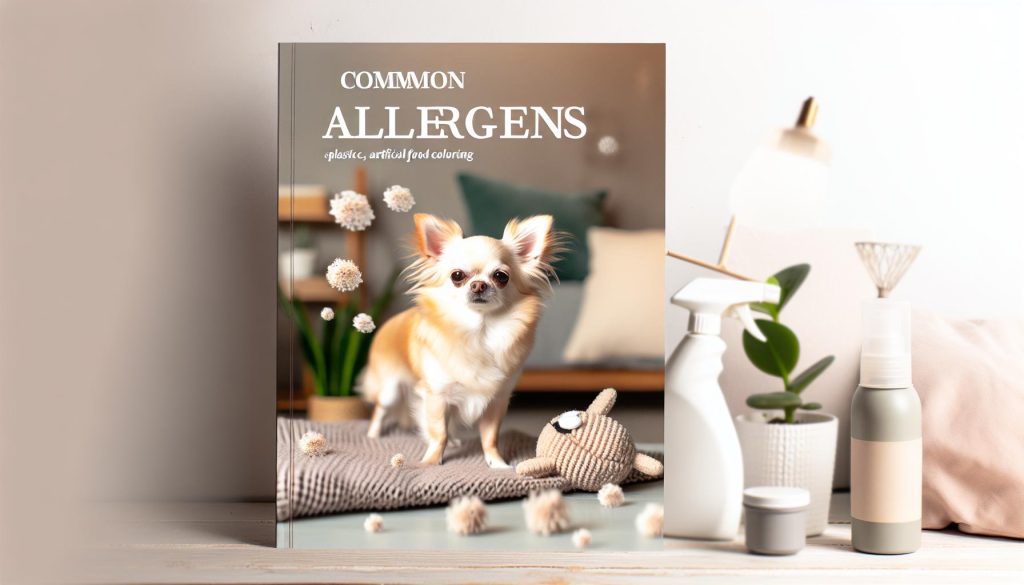
Chihuahuas are vibrant little companions, but their delicate systems can make them prone to allergies. Did you know that as many as 15% of Chihuahuas struggle with allergic reactions? This can affect their quality of life, leading to discomfort or even serious health issues. As a dedicated Chihuahua owner, understanding what allergens might be lurking in their environment is crucial. From common food sensitivities to seasonal irritants, identifying these triggers not only helps to maintain your pup’s overall well-being but also ensures they remain the sprightly, playful companions you adore. Join us as we delve into the common allergens that may affect your furry friend, empowering you to recognize symptoms and take action, so your Chihuahua can live his happiest, healthiest life.
Common Food Allergens for Chihuahuas
Many Chihuahuas, with their vibrant personalities and delicate digestive systems, may experience food allergies that can contribute to discomfort and health issues. Understanding these common allergens is crucial for helping your furry friend thrive. Some of the most frequent culprits include proteins, grains, and certain additives.
Common Food Allergens
Chihuahuas can be sensitive to various ingredients commonly found in commercial dog food. The following allergens are frequently reported among the breed:
- Beef: Many dogs, including Chihuahuas, can develop sensitivities to beef protein, which can lead to gastrointestinal distress and skin reactions.
- Dairy: Lactose intolerance is prevalent in dogs. Foods like cheese or milk can trigger digestive upset or skin irritations.
- Chicken: Surprisingly, chicken is another protein source that can cause allergic reactions, including itching and gastrointestinal issues.
- Wheat: As a common grain in dog foods, wheat can provoke allergic reactions in sensitive Chihuahuas. Symptoms may include itching or digestive upset.
- Eggs: While nutritious, eggs can also be allergenic for some dogs, leading to similar symptoms as other protein allergens.
Many Chihuahua owners have found that switching to a limited-ingredient diet can be beneficial. This type of diet allows you to isolate potential allergens while still providing balanced nutrition. For example, some pet parents have successfully transitioned their Chihuahuas to meals containing novel proteins like duck or venison and grain-free carbohydrates, often observing significant improvements in their pup’s overall well-being.
If you suspect your little buddy might have a food allergy, take note of any changes in behavior or health after introducing new foods. Keeping a food diary can help track which items might be straining your Chihuahua’s system. With patience and careful monitoring, you can help your beloved companion enjoy a happy, healthy life free from allergy-related discomfort.
Identifying Environmental Allergens Affecting Your Chihuahua
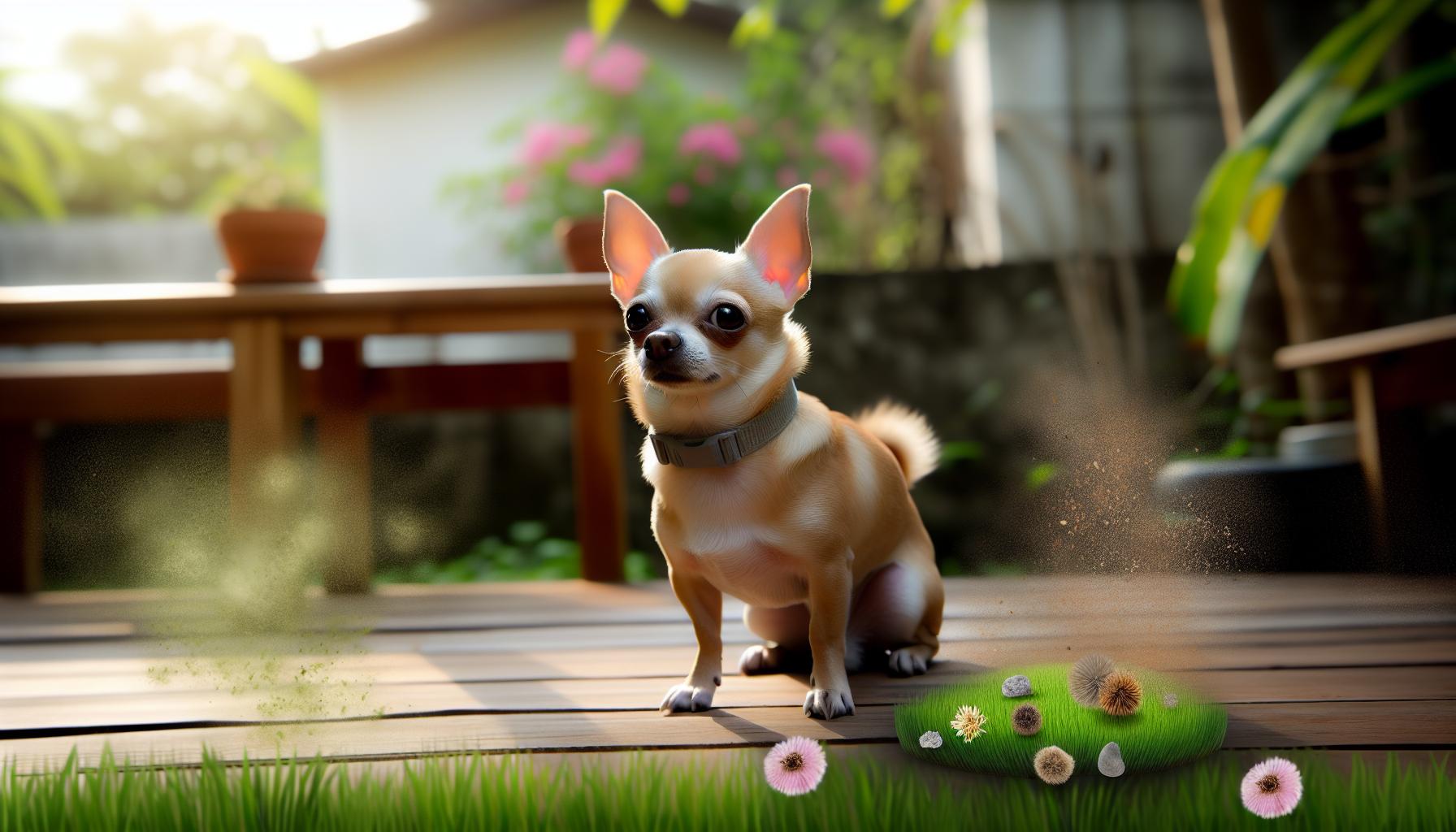
Many Chihuahua owners might not realize that their little companions can be just as sensitive to environmental allergens as they are to food. Chihuahuas are known for their bold personalities, but their tiny frames make them especially vulnerable to irritants in their surroundings. Identifying environmental allergens is essential for keeping your Chihuahua comfortable, happy, and healthy. Though these little dogs are resilient, their specialty coats, especially in apple-head varieties, can lead to increased sensitivity when exposed to common allergens.
One of the most prevalent environmental allergens affecting Chihuahuas is pollen from grasses, trees, and weeds. As seasons change, so does the type of pollen floating around, meaning your furry friend can suffer from allergies in every season. Other common triggers include dust mites, mold spores, and even certain household cleaning products or air fresheners. Notably, Chihuahuas that spend time outdoors may encounter various allergens, including insect bites or certain plants.
Recognizing the signs that your Chihuahua might be having an allergic reaction to environmental factors is crucial. Keep an eye out for excessive itching, red or irritated skin, sneezing, or watery eyes. Some Chihuahuas may even develop ear infections as a result of allergies. If you notice your pup exhibiting these symptoms, consider observing where and when they occur to identify potential allergens. For instance, if symptoms worsen after a walk in the park, it might be time to limit outdoor exposure during high pollen seasons.
To help ease your Chihuahua’s discomfort, try to minimize their exposure to identified allergens. Regular grooming and bathing can help reduce the amount of dust and pollen clinging to their fur. Keep your home clean by vacuuming frequently and using air purifiers to combat dust and pollen buildup. If you suspect your Chihuahua is struggling with environmental allergies, consult with your veterinarian, who can recommend appropriate treatments and potentially conduct allergy testing for a tailored approach. By being proactive, you can ensure your devoted little sidekick stays healthy and feels their very best.
Signs Your Chihuahua Might Have Allergies
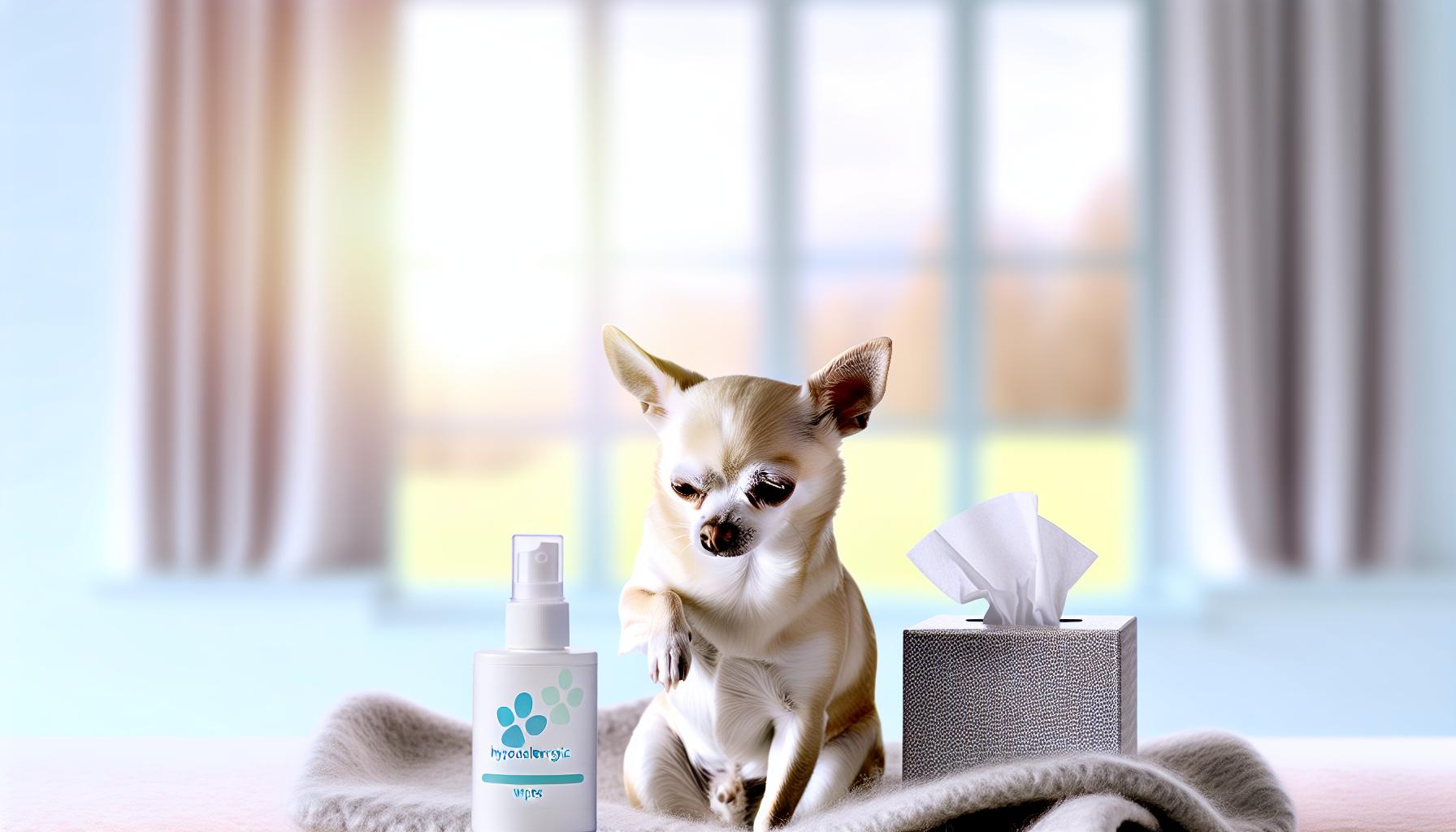
Often underestimated for their bold personalities, Chihuahuas can be surprisingly sensitive when it comes to allergies. Whether caused by food or environmental factors, the signs that your little friend may be struggling with allergies are essential for you to recognize. Being vigilant can lead not only to more comfortable days for your dog but also to appropriate actions that can help swiftly alleviate their discomfort.
One of the most common indications that your Chihuahua might be experiencing allergies is excessive scratching or licking. If you notice your furry companion has developed a sudden fixation on their paws, belly, or ears, this could signify irritation brought on by allergens. In addition to scratching, observe for any redness or inflamed areas on the skin, especially around sensitive areas like the face and paws.
Another telltale sign is changes in your Chihuahua’s behavior or physical condition. Allergies can lead to watery eyes, runny noses, or sneezing-even your typically lively Chihuahua might seem a little more subdued than usual. An ongoing ear infection is also a common reaction to allergies. If you see her shaking her head often or pawing at her ears, it’s a clear message that something isn’t right. These symptoms can escalate, leading to increased infections if ignored.
Chihuahuas are notorious for their vocal nature, and you may notice unusual whining or fussiness. If your little one starts to act restless or particularly clingy, this could indicate discomfort. Tracking those moments when symptoms flare up can provide clues about what might be triggering the reaction. For example, do symptoms appear after a walk in the park, or perhaps after a change in diet?
To provide the best comfort for your beloved Chihuahua, it’s crucial to remain proactive. Regular grooming to reduce allergens on their coat, monitoring their environment, and maintaining a clean home can significantly help minimize exposure to irritants. If the signs persist, consulting your veterinarian is imperative to tailor a treatment plan that suits your Chihuahua’s unique needs. After all, our little companions deserve to thrive in a world where they can run and play with boundless energy!
Homemade Diets: Safe Ingredients for Allergic Chihuahuas
When it comes to managing allergies in Chihuahuas, a homemade diet can be a great way to ensure that your furry friend is eating only what is safe and nourishing for them. The truth is, many commercial dog foods contain common allergens such as wheat, soy, and certain proteins, which can make it challenging to find a suitable option for your allergy-prone companion. Understanding safe ingredients allows you to create personalized meals that cater to your Chihuahua’s unique dietary needs, promoting not only comfort but also overall health.
Start by focusing on high-quality, single-source proteins. Many Chihuahuas are sensitive to chicken and beef, so consider alternatives like turkey, lamb, or even fish. These proteins are usually well-tolerated and can provide essential nutrients without the risk of upsetting your Chi’s stomach. For a thorough meal, pair these proteins with easily digestible carbohydrates like sweet potatoes or brown rice. These options are usually less allergenic and provide a good energy source.
Safe Ingredient Ideas for Homemade Meals:
- Protein: Turkey, lamb, fish (like salmon or sardines)
- Carbohydrates: Sweet potatoes, brown rice, quinoa
- Fruits and Vegetables: Blueberries, apples (without seeds), carrots, green beans
- Healthy Fats: Fish oil, flaxseed oil (for skin health)
When introducing a homemade diet, start slowly. Transition gradually to prevent digestive upset, mixing small amounts of the new food with your Chihuahua’s usual diet. Keep a close eye on her reactions-if you notice any signs of discomfort, such as vomiting or diarrhea, take note of the ingredients in that meal for further adjustments.
Another crucial aspect of cooking for your Chihuahua is to ensure that meals are nutritionally balanced. Consider consulting with a veterinarian or a pet nutritionist to tailor recipes to your pup’s specific needs. They can help you formulate meals that deliver the right ratio of proteins, fats, and carbohydrates, ensuring that your Chi thrives on a diet made at home. This hands-on approach not only contributes to your pet’s health but also deepens the bond you share, as you actively participate in her wellness journey.
In conclusion, crafting homemade meals for your Chihuahua requires attention to safe ingredients, a gradual introduction to new foods, and an eye on balance and nutrition. Your little one deserves the best, and by dedicating time to prepare her meals, you can ensure she remains healthy, happy, and allergy-free.
How to Conduct an Allergy Test for Your Chihuahua
Conducting an allergy test for your Chihuahua can be an invaluable step toward uncovering the underlying issues affecting her health and comfort. Chihuahuas, beloved for their bold personalities and tiny stature, can be particularly sensitive to various allergens. These might include common food components and environmental factors that could trigger itching, gastrointestinal distress, or other allergic reactions. Understanding how to properly conduct an allergy test will help you pinpoint these troublesome triggers and improve your Chi’s quality of life.
The most effective way to initiate an allergy test is through a process guided by your veterinarian. Generally, there are two main types of tests available: elimination diets and allergy skin or blood tests. An elimination diet requires you to feed your Chihuahua a limited ingredient diet for 8-12 weeks, excluding common allergens such as beef, chicken, dairy, and grains. The goal here is to identify which ingredients do not provoke symptoms. This method allows you to slowly reintroduce various ingredients one by one, observing her reactions closely. Keep detailed notes to help spot any correlations between specific foods and allergic responses.
Alternatively, allergy testing via skin or blood can provide a broader overview of environmental allergens, from pollen and mold to dust and specific food proteins. Skin tests involve your vet applying various allergen extracts to your Chihuahua’s skin and observing any reactions. Blood tests measure specific antibodies in response to allergens. Both methods can clarify what may be causing your Chi’s discomfort.
After identifying potential allergens, it’s crucial to develop a management plan. This may include switching to hypoallergenic dog food, implementing environmental modifications, or possibly discussing over-the-counter or prescription medications with your vet. Moreover, always remember to celebrate your Chihuahua’s unique traits during this process. Be patient and attentive, as each Chi has her own personality and might require a specific approach for achieving optimal health and happiness.
Understanding Seasonal Allergies in Chihuahuas
Chihuahuas, with their adorable size and vibrant personalities, often find themselves grappling with seasonal allergies that can disrupt their playful spirit. These tiny companions are not just fashion accessories; they are sensitive beings that can react strongly to various environmental factors. As the seasons change, pollen from flowers, grass, and trees flares up during spring and summer, while mold spores and dust become more prevalent in the fall and winter. Identifying the triggers of your Chihuahua’s seasonal allergies can significantly enhance her quality of life.
When your Chihuahua begins to scratch excessively, lick her paws, or show signs of irritability, it might be time to consider seasonal allergies. Symptoms can include runny eyes, sneezing, coughing, and skin rashes. Each Chihuahua, whether an apple-head or a deer-head, may react differently to allergens. For instance, an apple-head Chihuahua may develop skin irritations that require prompt attention, while a smaller, shyer deer-head may hide her discomfort. Paying close attention to her behavior during peak allergy times-like days when the pollen count is high-can provide insights into what she might be reacting to.
To help your little friend cope with seasonal allergies, there are practical steps you can take. Regular grooming is essential, as keeping her coat clean and free of pollen can minimize allergy symptoms. Consider using a hypoallergenic shampoo designed for sensitive skin to reduce irritation. Additionally, wiping her paws after walks can help remove any allergens she may have picked up outdoors. If her allergies seem particularly bothersome, consult your veterinarian; they may suggest antihistamines suitable for dogs, or even recommend allergy shots in more severe cases.
Maintain a cozy indoor environment to limit exposure to outside triggers. Using air purifiers can help reduce allergens inside your home, creating a safe haven for your Chihuahua. For those especially sensitive Chihuahuas, you might want to keep windows closed on high pollen days and ensure she has a clean, dust-free space to relax. Always celebrate your pet’s personality through all these adjustments-whether she’s barking at the mailman or burrowing into a blanket, each moment of joy is crucial for her well-being. Addressing her seasonal allergies with care and understanding can ensure many happy, healthy years together.
Effective Treatments for Chihuahua Allergies
When your Chihuahua’s nose twitches and her paws itch, it’s more than just a seasonal nuisance; it can lead to frustration for both you and your tiny companion. Understanding the effective treatments for allergies can make a world of difference in helping her live comfortably and happily. Whether she’s an apple-head with delicate skin sensitivities or a feisty deer-head with an adventurous spirit, there are several approaches to manage her allergic reactions effectively.
Medications
One of the first lines of defense against allergies is medication. Over-the-counter antihistamines, such as cetirizine or diphenhydramine, may provide relief, but it’s crucial to consult your veterinarian for proper dosing based on her weight and specific needs. For more severe cases, your vet might prescribe corticosteroids to reduce inflammation or even suggest allergy shots to desensitize her to specific allergens. Always monitor for any side effects from medications, as Chihuahuas can be more sensitive than larger breeds.
Dietary Adjustments
Food allergies can also be a significant issue. If you suspect her itching is related to food, you might consider a limited ingredient diet. This can help isolate specific proteins that could be causing reactions. Look for foods with novel protein sources like duck or lamb and add in foods that act as natural antihistamines, such as fish oil rich in omega-3 fatty acids. Besides providing relief, a balanced diet can strengthen her immune system.
Grooming and Bathing
Regular grooming and bathing can’t be overlooked either. Keeping her coat clean minimizes the allergens that cling to her fur. Use a gentle, hypoallergenic shampoo specifically designed for dogs to reduce skin irritation. Bathing her weekly can wash away pollen or dust that might worsen her symptoms. And when you come back from walks, gently wipe her paws to remove any allergens collected from outside.
Home Environment
Creating a safe indoor space can significantly alleviate allergy symptoms. Use air purifiers to reduce airborne allergens and ensure she has a snug place to relax, free from dust and dander. Regular cleaning, including vacuuming with HEPA filters, can help maintain a cleaner environment. Consider avoiding smoking indoors and keep windows closed during high pollen days to prevent an influx of outdoor irritants.
The key to managing your Chihuahua’s allergies lies in a combination of approaches tailored to her specific triggers and sensitivities. By working closely with your veterinarian and integrating these strategies, you can help your little friend lead a joyful, itch-free life. Your commitment to her well-being is essential, and taking proactive steps will make all the difference in ensuring many happy and healthy years together.
Natural Remedies: Soothe Your Allergic Chihuahua
When it comes to our beloved Chihuahuas and their pesky allergies, exploring natural remedies can be an effective way to provide relief. These little ones, with their bold personalities and delicate bodies, often suffer from a variety of allergies, whether environmental or food-related. Fortunately, there are several natural approaches that can soothe their symptoms and improve their overall quality of life.
One of the best places to start is with dietary supplements. Ingredients like fish oil rich in omega-3 fatty acids act as natural anti-inflammatories, helping to reduce skin irritation and promote a healthier coat. You can also consider adding coconut oil to their diet, which not only moisturizes their skin from the inside out but can also bolster their immune system. If your Chihuahua struggles with itching, a sprinkle of probiotics can enhance gut health, potentially reducing allergic reactions by improving their immune response.
Next, try incorporating herbal remedies into their routine. Chamomile tea or licorice root can be soothing when brewed and cooled, then applied topically to inflamed skin. This can ease redness and provide immediate relief from itching. Aloe vera gel, applied directly to areas of irritation, is another great option to cool and hydrate their skin naturally. Always ensure that any herbal remedies are safe for dogs, as some plants can be toxic.
Maintaining a clean and allergen-free environment is also crucial. In addition to using air purifiers, consider natural cleaning products that do not contain harsh chemicals. Routine cleaning with eco-friendly solutions can minimize exposure to dust, mold, and pollen that make your Chihuahua uncomfortable. On days when pollen counts are high, keep indoor activities more frequent and limit outside exposure.
Finally, consistent grooming is key to managing your Chihuahua’s allergies. Regular brushes not only eliminate loose hair and dander but also decrease the amount of allergens that land on your pup’s skin. Bathing your Chihuahua with a gentle, hypoallergenic shampoo can help wash away irritants, but be careful not to overdo it; bathing too often can strip essential oils from their skin, leading to dryness.
By taking these natural steps, you celebrate not just your Chihuahua’s spirit but also enhance their comfort. Every little action adds up, allowing them to enjoy life with fewer allergy-related issues. Always consult your veterinarian before starting any new treatments or remedies to ensure they fit your dog’s individual needs. These little creatures deserve all the care and love to thrive!
Preventive Measures for Allergy-Prone Chihuahuas
Taking proactive steps can make a world of difference for Chihuahua owners dealing with allergy-prone pups. Our tiny companions often react to the same environmental and food allergens that affect other breeds, but their small size can make even minor irritants feel magnified. Implementing a few key preventive measures can help you create a more comfortable life for your furry friend.
One essential strategy is to maintain a consistent cleaning routine. Chihuahuas can be sensitive to dust, pollen, and mold spores. By using an air purifier and regularly vacuuming with a HEPA filter, you reduce airborne irritants significantly. Additionally, wash your dog’s bedding frequently in hot water to eliminate potential allergens. When the weather allows, consider a weekly outdoor wash of his favorite toys, ensuring they remain free from dirt and dust.
Diet plays a crucial role in managing allergies. If your Chihuahua has food sensitivities, feeding a high-quality, limited ingredient diet can help. Look for formulas that are rich in protein but avoid common allergens like corn, soy, and artificial additives. Many owners find success with brands formulated for sensitive stomachs, which usually contain novel protein sources like duck or venison that your Chihuahua may not have tried before. Always consult your vet when switching foods to tailor the diet to your pup’s specific needs.
Another effective preventive measure is to be mindful of your Chihuahua’s exposure to outdoor allergens. During peak pollen seasons, keep her indoors during the hottest parts of the day when pollen counts are highest. After walks or playtime, wipe her paws with a damp cloth to remove any residual pollen. This simple act not only protects your home from allergens but also helps soothe her skin and paws.
Finally, grooming isn’t just about aesthetics; it’s a critical part of your Chihuahua’s allergy management. Regular brushing can help prevent matting and remove loose fur that may carry allergens. Bathing with a gentle, hypoallergenic shampoo every few weeks can soothe itchy skin and wash away irritants. Just be cautious not to over-bathe, as this can strip away essential oils.
By adopting these preventive measures, you’re not just enhancing your Chihuahua’s comfort-you’re also strengthening your bond through attentive care. Each little change contributes to a happier, healthier life for your beloved companion. Embrace your role as a loving owner; your Chihuahua deserves it!
Consulting Your Veterinarian: When to Seek Help
Consulting a veterinarian is a crucial step in ensuring your Chihuahua’s health, especially when it comes to identifying and managing allergies. Chihuahuas, with their sensitive systems, can develop reactions to a variety of environmental and food allergens, and recognizing when to seek professional help can make all the difference in your furry friend’s quality of life.
If you observe persistent symptoms such as itchy skin, excessive scratching, ear infections, or gastrointestinal issues, it’s time to make that call to your vet. These signs can indicate allergies that may require medical intervention. For instance, one Chihuahua owner noticed her little apple-head had recurrent ear infections and constant paw-licking. A visit to the vet revealed not only environmental allergies but also a food sensitivity, allowing her to make necessary changes to her pup’s diet and living conditions.
During your consultation, be prepared to discuss your Chihuahua’s symptoms in detail. Your vet will likely ask about her diet, environment, and any recent changes in her routine. Keeping a record of any reactions, including timing and severity, can be tremendously helpful. This information can lead to a more accurate diagnosis and effective treatment plan.
Understanding that allergies can manifest in various ways is key. Seasonal allergies might increase during spring and fall, while food allergies could develop at any time. A veterinary professional can assist in conducting an allergy test or even recommend an elimination diet to pinpoint allergens. Additionally, they may prescribe medications or suggest over-the-counter antihistamines specific to your dog’s needs.
Early intervention can help prevent more severe health issues down the line. Regular checkups are essential for all Chihuahuas, especially those that exhibit signs of allergies. Your veterinarian can guide you through ongoing management, recommend suitable diets free from allergens, and suggest lifestyle adjustments to keep your tiny companion thriving. By openly communicating your concerns and observations, you can work together to create a comprehensive health plan that keeps your Chihuahua comfortable and happy.
Real Stories: Managing Allergies in Chihuahuas
One of the most heartwarming aspects of being a Chihuahua owner is the strong bond we share with our tiny companions, especially when navigating challenges like allergies. Every Chihuahua has their quirks, but when it comes to allergies, these brave little pups can be especially vocal and demanding, making it crucial for us to understand their needs and address their symptoms effectively. Here, let’s explore some real stories from fellow Chihuahua lovers who have tackled allergy challenges head-on, providing insight and inspiration for those facing similar situations.
Take Bella, an adorable apple-headed Chihuahua who, at just three years old, seemed to scratch non-stop. Her owner, Sarah, initially thought it was just normal behavior. However, when Bella’s scratching turned into raw patches on her skin, it was clear something more serious was at play. After an exhaustive trip to the vet and some basic allergy tests, Sarah discovered that Bella was allergic to several common allergens, including specific types of dog food and environmental elements like pollen and dust mites. With this information, Sarah was able to switch Bella to a hypoallergenic diet and implement a regular cleaning schedule to minimize dust and allergens in their home. Not only did Bella’s coat regain its softness, but her energy levels soared as she felt more comfortable and pain-free.
Another inspiring tale comes from Tom, who noticed his Chihuahua Max would begin to sneeze and develop watery eyes every spring. This seasonal allergy symptom made Max miserable while outdoors. Tom decided to keep a close eye on his environment. His breakthrough came when he realized that Max’s symptoms flared up after a day at the park, laden with blooming flowers. By adjusting his walks to times when pollen levels were lower and using dog-safe wipes to clean Max’s paws upon returning home, Tom was able to reduce the frequency and severity of Max’s seasonal allergies. Now, they enjoy a delightful spring routine that embraces outdoor fun without compromising Max’s health.
Acknowledging the Allergies
These stories highlight how important it is to monitor your Chihuahua’s behavior and be proactive about their health. A simple scratch or sneeze shouldn’t be dismissed, especially in our little friends who often hide their discomfort. Engaging with fellow owners and sharing experiences can provide not only camaraderie but also practical solutions to common issues like allergies.
No matter the challenge, remember that you’re not alone in this journey. Regular veterinary checkups, open discussions about potential allergens, and community support can make managing allergies in Chihuahuas a little easier. Each story of survival and resilience brings us closer to understanding how to keep our cherished companions healthy, happy, and free from discomfort.
The Importance of Regular Checkups for Chihuahua Health
Regular veterinary checkups are a cornerstone of maintaining your Chihuahua’s health, particularly when it comes to identifying and managing allergies. Just like humans, Chihuahuas can develop sensitivities to various allergens-be it food, pollen, dust mites, or even certain fabrics. Missing an appointment may mean overlooking subtle signs that could lead to discomfort for your tiny companion.
During routine checkups, your veterinarian will not only assess your Chihuahua’s general health but also evaluate any emerging symptoms. For example, a little dog like Benny, whose owner noticed he was scratching more than usual, benefited from a vet visit that uncovered a food allergy to chicken. By promptly switching his diet, Benny’s skin cleared up, and his lively personality shone through once again. Regular visits provide an opportunity for vets to educate owners about common food allergens and environmental triggers specific to the breed, helping you recognize potential issues before they escalate.
Additionally, early detection through checkups can lead to proactive care. Conditions like atopic dermatitis, often stemming from environmental allergens, can be managed more effectively when caught early. Regular examinations allow your veterinarian to recommend appropriate tests, such as skin or blood tests, to pinpoint specific allergies. They can also suggest tailored preventive measures like dietary adjustments and proper grooming practices, essential for maintaining a Chihuahua’s sensitive skin and coat.
Investing time in routine checkups can seem like a minor task, but it pays off by ensuring your Chihuahua stays happy, healthy, and free from the painful effects of allergies. Whether it’s implementing an elimination diet or simply discussing lifestyle changes, your vet will be an invaluable partner in your pet’s overall well-being. Don’t underestimate the power of a knowledgeable consultation; it can transform your Chihuahua’s life, ensuring your loyal little companion remains vibrant and energetic.
Faq
Q: What are the most common environmental allergens for Chihuahuas?
A: Chihuahuas can be allergic to pollen, dust mites, mold, and pet dander. To minimize exposure, keep your home clean, use air purifiers, and consider hypoallergenic bedding. Regular baths can also help remove allergens from their coat. For more details, check our section on Identifying Environmental Allergens Affecting Your Chihuahua.
Q: How can I tell if my Chihuahua has a food allergy?
A: Signs of food allergies in Chihuahuas include gastrointestinal issues, skin problems, and ear infections. If you notice these symptoms, try eliminating common allergens like wheat, corn, and soy from their diet. Document any changes and consult your vet for an allergy test for a precise diagnosis.
Q: Can Chihuahuas develop allergies as they age?
A: Yes, Chihuahuas can develop allergies at any age. This may happen due to environmental changes or exposure to new substances. If your dog starts showing allergy symptoms, consult your vet to discuss potential allergens and testing options.
Q: Are there specific breeds of Chihuahuas that are more prone to allergies?
A: All Chihuahuas can be prone to allergies, but some may have a genetic predisposition. For example, certain lines may consistently show more sensitivity to common allergens. Keeping a close eye on your dog’s health and maintaining regular vet checkups can help manage this risk.
Q: What are the best homemade diets for Chihuahuas with allergies?
A: A safe homemade diet for allergic Chihuahuas often includes ingredients like rice, sweet potatoes, and lean meats such as chicken or turkey. Avoid common allergens like dairy and certain grains. For personalized advice, please refer to our section on Homemade Diets: Safe Ingredients for Allergic Chihuahuas.
Q: How can I naturally soothe my Chihuahua’s allergy symptoms?
A: Natural remedies like coconut oil and omega-3 fatty acids can help reduce inflammation and soothe skin irritations. Ensure to consult your vet before introducing new treatments. Our article on Natural Remedies: Soothe Your Allergic Chihuahua has additional options.
Q: What preventive measures can I take to protect my Chihuahua from allergies?
A: Regular grooming, minimizing outdoor exposure during high pollen days, and using specific hypoallergenic products can help prevent allergies. Additionally, maintaining a clean home environment is crucial. Explore more in our section on Preventive Measures for Allergy-Prone Chihuahuas.
Q: When should I consult a veterinarian about my Chihuahua’s allergies?
A: You should consult your veterinarian if your Chihuahua shows persistent symptoms like excessive scratching, ear infections, or gastrointestinal distress. Early intervention can help manage allergies effectively. Refer to our section on Consulting Your Veterinarian: When to Seek Help for guidance.
In Conclusion
As we’ve explored, Chihuahuas can be sensitive to a range of allergens, from common foods to environmental factors. Understanding these potential triggers is vital for your little companion’s health and happiness. If you suspect your Chihuahua might be experiencing allergies, don’t hesitate to consult your vet for tailored advice and potential solutions.
Want to dive deeper into Chihuahua care? Check out our guides on keeping your Chihuahua’s coat healthy or tips for managing anxiety in small breeds. Join our community by subscribing to our newsletter for updates and expert advice designed just for Chihuahua lovers like you. Share your experiences in the comments-how do you manage your dog’s allergies? Your insights could help fellow owners! Always remember, caring for a Chihuahua is a journey filled with love and learning, and we’re here every step of the way.
Get our latest guides, news, and insights highlighted in your Google Search & AI Overviews.