

Welcoming a Chihuahua into your home can be an incredible journey filled with love and laughter, but what if you or someone in your family suffers from allergies? Chihuahuas are often touted as hypoallergenic companions, but what does that really mean? Understanding their unique characteristics, such as their coat type and shedding habits, is crucial for allergy sufferers who want to enjoy the playful, bold spirit of these tiny dogs. In this article, we’ll dive into the truths about whether Chihuahuas can truly be an allergy-friendly option, helping you make informed decisions that benefit both you and your furry friend. Join us as we explore the facts that every future Chihuahua owner needs to know!
Are Chihuahuas Truly Hypoallergenic? Understanding the Myth
While Chihuahuas may be small in size, they hold a big reputation when it comes to myths about hypoallergenicity. Many potential dog owners wonder if these feisty little companions produce fewer allergens than larger breeds. The truth is, no dog is entirely hypoallergenic, and Chihuahuas are no exception. They do have unique characteristics that might make them more tolerable for allergy sufferers, but understanding these factors is essential.
Chihuahuas, known for their bold personalities and loyalty, come in two primary coat types: short-haired and long-haired. While the short-haired Chihuahuas typically shed less fur, which can help reduce the presence of allergens in your home, it’s not just fur that triggers allergies. Dogs produce a variety of allergens through their saliva, urine, and skin. When Chihuahuas shed, they release dander and saliva particles into the air, which can still pose a problem for those sensitive to these allergens. Some owners report that they experience fewer allergic reactions with the short-haired variety, but individual reactions can vary widely.
To mitigate allergies while enjoying the company of a Chihuahua, consider implementing a regular grooming routine to minimize shedding and dander accumulation. Frequent baths, using hypoallergenic shampoos, and brushing your Chihuahua’s coat can help keep allergens at bay. Additionally, maintaining a clean living environment-vacuuming often and using air purifiers-can significantly reduce allergens in your home. Implementing these practices not only benefits allergy sufferers but also promotes overall hygiene for your furry friend.
While some might find success with Chihuahuas in managing allergies, it’s essential to consult with an allergist before adopting any pet. This way, you can make a well-informed decision on whether this spirited breed fits into your life while keeping your health in mind.
What Makes Allergies Trigger in Dog Owners?
Living with a Chihuahua can be a joyful experience, but for many dog owners, the prospect of allergies can create concerns. Understanding what triggers these allergies is crucial for anyone considering welcoming a furry friend into their home. It’s not just a matter of dog fur; allergies can stem from various sources when it comes to our canine companions.
Chihuahuas, like all dogs, produce allergens primarily through their skin, saliva, and urine. When they groom themselves or shake, they dislodge dander – tiny flakes of dead skin – into the air. This dander can become airborne and linger in your living space, aggravating allergies, especially in sensitive individuals. Moreover, the saliva and urine of dogs contain proteins that can also trigger allergic reactions. Surprisingly, the long-haired variety might seem fluffier but can also hold onto dander more deeply within the coat, leading some owners to favor short-haired Chihuahuas for potentially lower allergenic exposure.
To manage these allergens effectively, dog owners can consider implementing a few simple practices:
- Regular Grooming: Frequent brushing with a high-quality brush helps reduce shedding and the amount of dander your Chihuahua spreads around your home.
- Frequent Baths: Using hypoallergenic dog shampoos can assist in removing dander and saliva from her coat, keeping allergens at bay.
- Air Quality Control: Investing in HEPA air purifiers and regularly vacuuming with pet-friendly vacuum cleaners can help create a cleaner living environment.
- Cleaning Routine: Establish a cleaning schedule for your home to regularly remove dander buildup on furniture and floors.
Real owner experiences vary, with some finding that their symptoms lessen significantly with a Chihuahua. For instance, one owner shared that switching to a short-haired Chihuahua provided her relief, as she realized less fur meant fewer allergens floating around her home. However, everyone’s sensitivity is unique, so discovering what truly works may require some trial and error and the guidance of an allergist.
In conclusion, understanding what causes allergies when living with dogs, particularly Chihuahuas, can empower owners to create a happy and healthy environment for themselves and their beloved pets. By being proactive and attentive, you can embrace the companionship of a Chihuahua while keeping allergies in check.
Exploring Chihuahua Coat Types: Do They Matter?
Choosing a Chihuahua often involves consideration beyond just their charming personality and compact size; their coat type plays a significant role, especially for those concerned about allergies. Chihuahuas come in two primary coat types: short-haired and long-haired. While no dog is completely hypoallergenic, understanding these differences can aid allergy sufferers in making informed decisions.
Short-haired Chihuahuas have a sleek, smooth coat that requires minimal grooming. This type of coat tends to shed less dander into the environment compared to their long-haired counterparts. Owners often report fewer allergy symptoms with short-haired varieties because the reduced fur means less potential for dander accumulation. One owner mentioned that after adopting a short-haired Chihuahua, their allergy flare-ups decreased significantly, allowing for a more enjoyable companionship.
On the other hand, long-haired Chihuahuas are undeniably adorable with their flowing locks but can hold onto more dander in their fur. This variation requires more frequent grooming to manage shedding effectively. If you’re considering a long-haired Chihuahua, commit to regular brushing sessions and baths using hypoallergenic shampoos to help minimize allergenic materials. Many owners find success in mitigating allergens through consistent grooming, ensuring their furry friends remain both clean and comfortable.
In general, the choice between short-haired and long-haired is also a matter of personal preference in aesthetics and care requirements. Whether you lean toward the glossy coat of a short-haired Chihuahua or the luxurious fur of a long-haired one, knowing how these coat types affect allergies empowers you to maintain a harmonious home environment. Regardless of coat type, fostering a loving relationship with your Chihuahua means committing to their needs and understanding how to balance your health with the joys of pet ownership.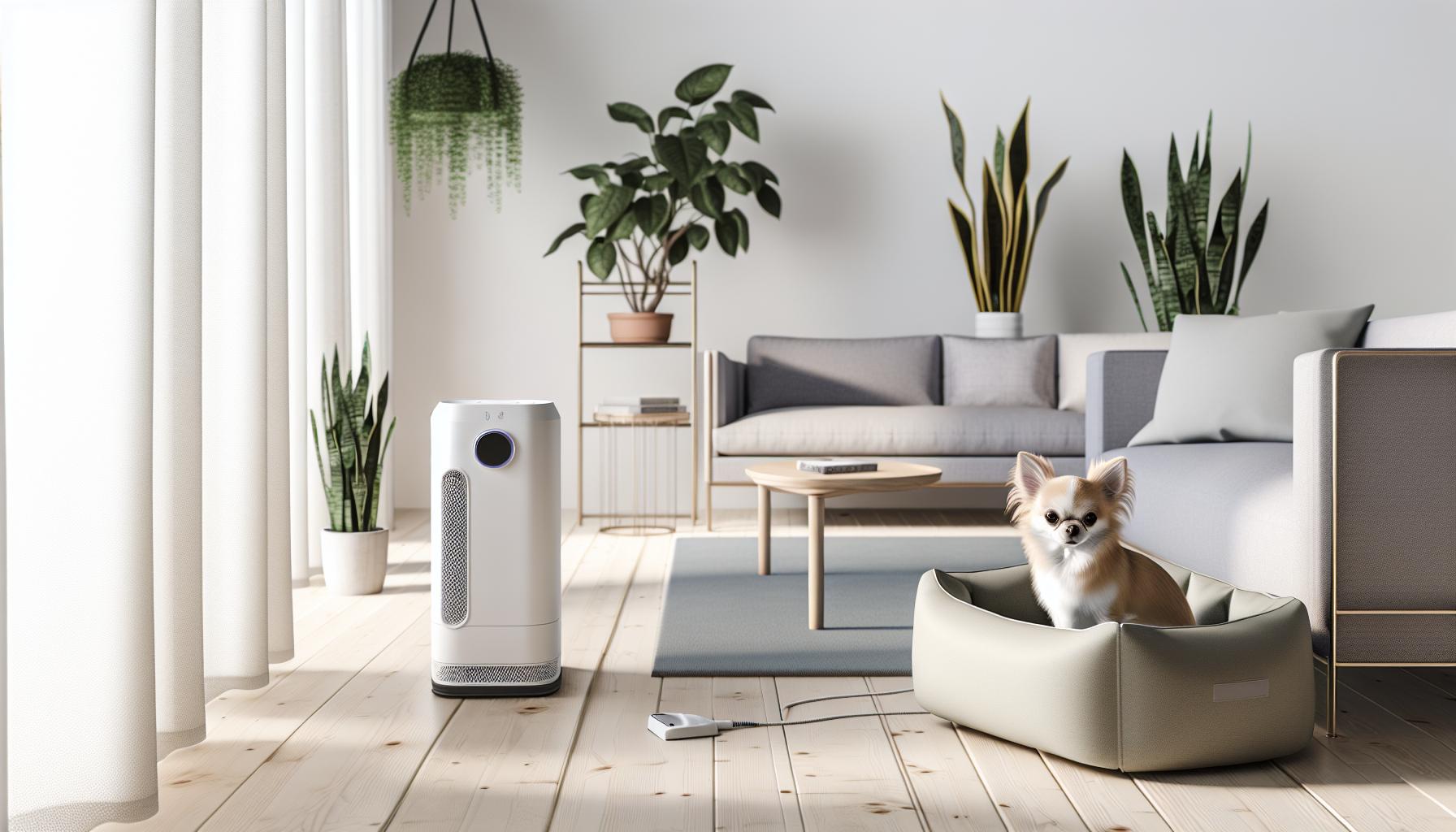
How to Reduce Allergens in Your Home with a Chihuahua
Having a Chihuahua in your home brings joy, companionship, and plenty of delightful antics, but for those with allergies, it can raise valid concerns about how to keep allergens at bay. While no dog can be deemed completely hypoallergenic, there are effective strategies to minimize allergens and create a comfortable living environment for both your furry friend and any allergy-prone family members.
One of the most important steps is maintaining a consistent grooming routine for your Chihuahua. Regular brushing helps to remove loose fur and dander before it has a chance to settle around your home. For short-haired Chihuahuas, a simple weekly brushing may suffice, while long-haired varieties benefit from more frequent grooming-ideally every few days. Using a rubber grooming mitt or a slicker brush can effectively capture loose hair and dander. Bathing your Chihuahua every month with hypoallergenic shampoo also helps to keep their coat clean and reduces potential allergens to a minimum. One owner found that after increasing her Chihuahua’s grooming frequency, her own allergy symptoms were noticeably less severe.
In addition to grooming, creating a pet-friendly space in your home is crucial. Designate specific areas for your Chihuahua to relax, preferably using washable blankets or beds that can be cleaned regularly. It’s beneficial to keep your dog off your furniture and out of the bedrooms, as this can significantly decrease allergen accumulation. Utilizing air purifiers with HEPA filters can also greatly reduce airborne dander and other allergens, contributing to a healthier environment.
Another effective strategy is to optimize your home cleaning routine. Regular vacuuming with a vacuum that has a HEPA filter can help capture pet dander, while Miele or Dyson vacuum cleaners are particularly good options for homes with pets. Don’t forget to wash your Chihuahua’s bedding, toys, and any fabrics they frequently come into contact with. A simple habit of washing these items weekly can do wonders for reducing allergens in your living space.
Lastly, consider talking to your veterinarian about potential dietary supplements that can promote skin health and reduce shedding. Omega-3 fatty acids, for instance, can improve your Chihuahua’s coat condition, leading to less dander in your home. Real-life experiences from Chihuahua owners show that prioritizing their dog’s health through diet and routine care has made a tangible difference in managing allergy symptoms. By implementing these strategies, you can enjoy the vibrant personality and loyal companionship of your Chihuahua without compromising your health.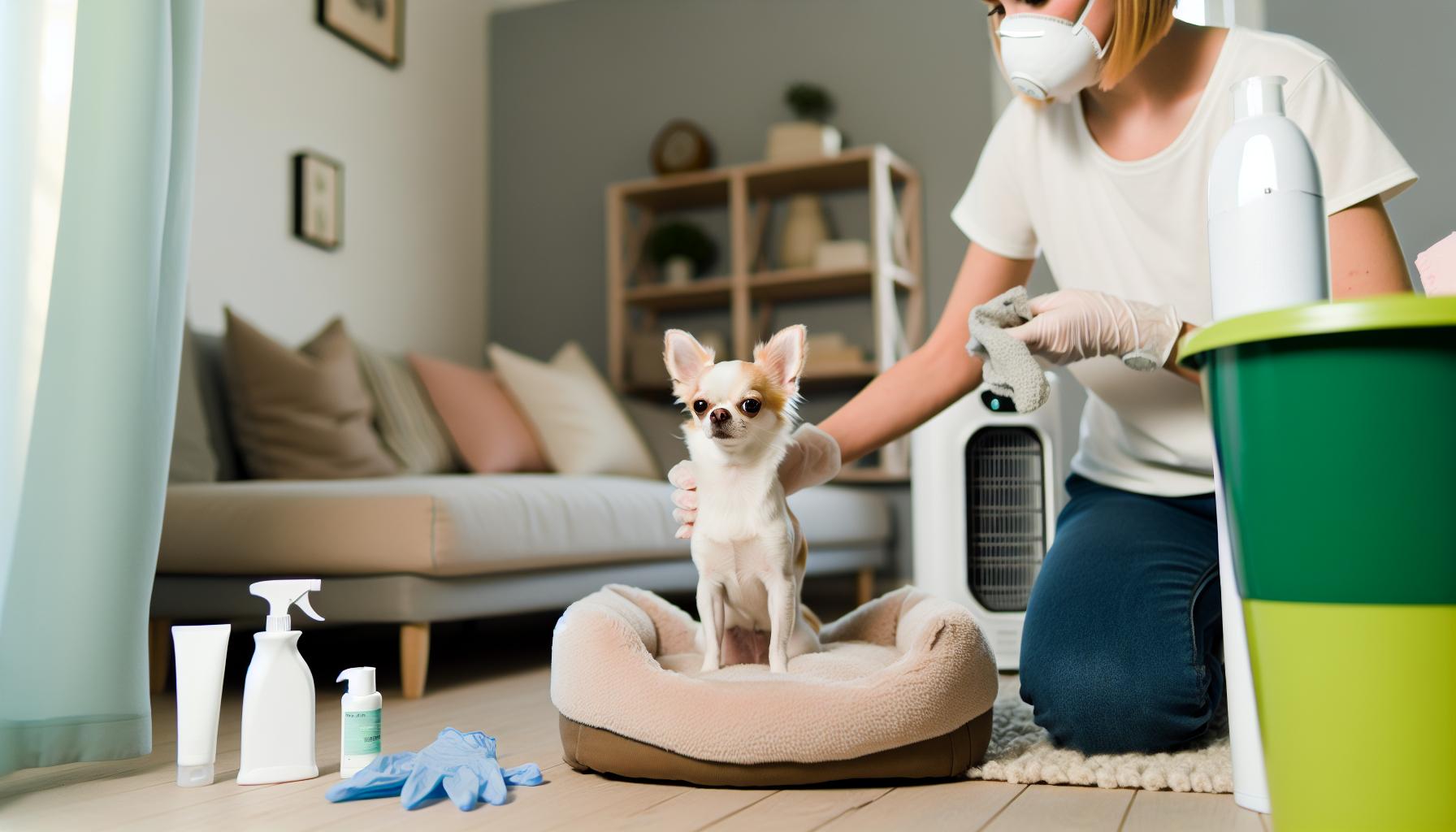
Caring for Your Chihuahua: Tips for Allergy Sufferers
Having a Chihuahua can bring immense joy, but for allergy sufferers, it requires thoughtful management. Despite common beliefs, Chihuahuas aren’t entirely hypoallergenic, but there are effective ways to minimize allergens and ensure a harmonious home environment. Owners often find success through a combination of proactive care and lifestyle adjustments that account for their dog’s unique needs and quirks.
Maintaining a meticulous grooming routine is essential. Regular brushing not only keeps your Chihuahua’s coat looking great but also significantly reduces dander and loose fur. Short-haired Chihuahuas may need a weekly grooming session, while long-haired Chihuahuas benefit from more frequent attention every few days. Use a rubber grooming mitt or a slicker brush to effectively capture dander. Bathing your Chihuahua monthly with hypoallergenic shampoo can further decrease potential allergens. One owner shared that increasing her Chihuahua’s grooming frequency led to noticeably fewer allergy flare-ups.
Creating a dedicated space for your Chihuahua can also help limit allergen exposure. Designate an area with washable bedding and toys to make cleaning easier. It’s advisable to keep your companion off furniture and out of bedrooms, as these areas can accumulate allergens quickly. Incorporating air purifiers with HEPA filters throughout your home can dramatically reduce airborne dander, contributing to a healthier atmosphere.
Lastly, remember that diet plays a pivotal role in your Chihuahua’s skin and coat health. Consult your veterinarian about supplements, such as Omega-3 fatty acids, that support skin condition and can reduce shedding. Through personal experience, many Chihuahua owners have noted that a well-maintained coat translates into less dander and fewer allergy problems. By adopting these strategies, you can celebrate the spirited and loving nature of your Chihuahua while minimizing potential allergy challenges.
Real Owner Experiences: Chihuahuas and Allergies
Many Chihuahua owners have shared their journeys navigating the world of allergies alongside their beloved companions. For some, the experience has been a mix of challenges and delightful discoveries. One owner, Karen, who has both asthma and a Chihuahua named Bella, found that daily routines can make a significant difference. Initially, she struggled with allergy symptoms every time she cuddled with Bella. However, after implementing a consistent grooming schedule-brushing every other day and bathing Bella with a gentle, hypoallergenic shampoo-she saw a marked improvement in her symptoms. Karen emphasizes that *”A clean Chihuahua equals a happier home!”*
- Dedicated Spaces: Another owner, Mike, created a special area for his short-haired Chihuahua, Rex. He made sure Rex’s bed was washable and kept his toys in a designated spot to limit dander accumulation. This thoughtful organization helped manage allergens in his living space effectively.
- Diet and Health: Health plays a crucial role in managing allergens. Sarah, who adopted her long-haired Chihuahua, Trixie, explained how switching Trixie to a high-quality diet with Omega-3 fatty acids improved her coat’s condition. Consequently, Trixie shed less, which kept allergy flare-ups at bay.
Living with a Chihuahua requires a little extra care, especially for allergy sufferers. It’s about understanding that while Chihuahuas aren’t entirely hypoallergenic, proactive measures can help. Enhancing air quality with HEPA filters, regular floor cleaning, and even allergy medications prescribed by a vet can all contribute to a more comfortable home environment.
Real-life experiences highlight how personality traits of Chihuahuas can ease anxiety for owners too. Despite their tiny frames, their loyal and bold nature brings immense joy and companionship. One owner, Tom, mentioned how spending time with his energetic Chihuahua, Daisy, helped alleviate his stress, making it worth the extra care taken to manage allergens. By sharing these tales, Chihuahua owners not only find practical solutions but also recognize they’re part of a community that celebrates the joy and challenges of having these loving pups by their sides.
How to Choose the Right Hypoallergenic Dog
When it comes to selecting the right companion for your home, especially as an allergy sufferer, there are a few key considerations to keep in mind, particularly if you’re drawn to the delightful Chihuahua. While Chihuahuas aren’t considered truly hypoallergenic, understanding their characteristics can help you decide if this breed is a good fit for you.
Coat Type and Shedding
Chihuahuas come in both short-haired and long-haired varieties, which can influence allergen levels in your home. Short-haired Chihuahuas may seem like a better choice for allergy sufferers due to less fur; however, all dogs produce dander, saliva, and urine, which can trigger allergies. Long-haired Chihuahuas, on the other hand, might require more grooming, but a well-maintained coat can actually reduce shedding and dander spread. Owners like Sarah, who switched her long-haired Chihuahua, Trixie, to a high-quality diet, noticed a healthier coat and less shedding-a key factor in managing allergens.
Personality and Behavior
Consider not just their size but also the lively personality traits that make Chihuahuas unique. These tiny dogs are vocal, loyal, and sometimes bold, which can be both charming and challenging. If you’re sensitive to allergens, it’s essential to manage the energy levels and behaviors of your Chihuahua effectively. Devoted routines such as regular walks, playtimes, and, importantly, grooming sessions, will be vital to keeping allergens down while ensuring your pup stays happy and healthy.
Assessment of Personal Allergies
Before bringing a Chihuahua into your home, spend time with the breeds you’re considering. It’s always a good idea to do a “test drive” with your potential furry friend. Interact with different Chihuahuas, noting your reactions over time. This hands-on approach helps you assess how your body responds to this specific breed in a practical setting. Owners like Karen, who initially struggled with asthma around her Chihuahua, Bella, found relief through diligent grooming and dedicated cleaning of their living space.
In conclusion, selecting a Chihuahua or any companion animal requires thoughtful consideration of your allergies and the breed’s characteristics. Every dog is unique, and some individuals may produce fewer allergens than others. Evaluating coat type, energy levels, and your own comfort can make all the difference. By embracing a proactive attitude, you can manage allergy symptoms effectively while enjoying the companionship of a loyal Chihuahua, bringing warmth and joy into your home.
Alternative Breeds for Allergy-Prone Families
When seeking a canine companion that aligns with a family’s allergy concerns, it’s essential to explore breeds known for lower allergen production. While Chihuahuas are charming and affectionate, their dander and saliva can trigger allergic reactions, prompting families to consider alternatives. Fortunately, there are several small dog breeds that are often deemed more suitable for allergy-prone households, allowing you to enjoy a furry friend without suffering from allergic reactions.
Optimal Breeds for Allergy Sufferers
Several breeds are recognized for producing fewer allergens compared to others:
- Shih Tzu: Renowned for their long, luxurious coats, Shih Tzus are less likely to trigger allergies because they shed very little and have hair similar to human hair. They do require regular grooming to maintain their coats, reducing any potential allergen buildup.
- Portuguese Water Dog: This energetic and intelligent breed boasts a curly coat that traps dander and hair, preventing it from spreading throughout the home. Their friendly disposition makes them great companions for families.
- Bichon Frise: Known for their playful and affectionate nature, Bichon Frises have a soft, curly coat that also minimizes shedding. Regular grooming is essential, but their lack of built-up dander makes them a good choice for allergy sufferers.
- Yorkshire Terrier: Another small breed with hair more akin to human hair, Yorkies are low-shedding and produce fewer allergens. Their spirited personalities make them delightful companions.
Understanding Each Breed
Choosing the right breed means considering not just their hypoallergenic qualities but also their temperament and lifestyle compatibility. For instance, Shih Tzus and Bichon Frises are typically easier to groom due to their manageable sizes. Yorkies, on the other hand, may need a bit more attention regarding their energetic needs but provide endless love and companionship.
Families should also spend time interacting with these breeds to gauge their allergy responses. Just like Karen with her Chihuahua, some dog owners discover that they can adapt with proper grooming techniques and home cleaning routines. For instance, regular vacuuming and using air purifiers can help keep allergens at bay.
In essence, while Chihuahuas bring a unique joy to many homes, those managing allergies can find comfort in exploring other promising, hypoallergenic breeds. Each breed comes with its own quirks and charm, ensuring that the journey of finding the perfect furry friend can still be a joyful and rewarding experience.
Recognizing Allergies: Symptoms and Solutions for Dog Owners
While the thought of bringing a Chihuahua into your home may spark joy, it’s crucial for dog owners, especially those with allergies, to recognize the symptoms that could indicate a reaction to their new furry friend. Allergies can vary significantly from person to person, but commonly reported symptoms include sneezing, runny or stuffy nose, itchy or watery eyes, cough, and skin reactions such as hives or rashes. For those who already have a dog, you might find these symptoms worsening when interacting with your Chihuahua, particularly if he tends to snuggle close or enjoy some playful wrestling.
To pinpoint whether your Chihuahua is indeed the trigger, it’s essential to monitor how your body reacts after spending time with her. Many owners have found that keeping a diary of their symptoms in relation to their Chihuahua’s behavior can illuminate patterns. For instance, if you notice increased sneezing when your pup is excited and playful, or perhaps after a grooming session, it may signal that your Chihuahua’s dander or saliva is contributing to your discomfort.
Implementing a few practical solutions can significantly enhance your living environment and alleviate allergy symptoms. Regular grooming is essential, especially if your Chihuahua has a longer coat or is particularly active. Brushing her outside to reduce the spread of dander indoors can be a game changer. Additionally, consider investing in high-efficiency particulate air (HEPA) filters for your home. These can trap allergens effectively, improving air quality. Washing your hands after handling your Chihuahua and keeping her off your bed and furniture can also minimize allergen exposure.
Furthermore, you are not alone in your journey. Many Chihuahua parents, like you, have managed their allergies successfully. One owner mentioned how using an air purifier and a consistent cleaning regime helped him comfortably coexist with his tiny, spirited companion. While precautions may require initial adjustments, the love and loyalty that Chihuahuas offer can make these changes worthwhile. Remember, understanding the relationship between your Chihuahua and your health is key to ensuring a happy and harmonious home.
The Best Practices for Grooming Your Chihuahua
Grooming your Chihuahua is not just a matter of aesthetics; it plays a crucial role in managing allergies and maintaining your pup’s overall health. Did you know that regular grooming can significantly reduce dander and saliva spread in your home? Keeping your tiny companion neat and tidy isn’t just about looking cute; it’s also about ensuring a comfortable environment for both of you, especially if allergies are a concern.
First, identify the coat type of your Chihuahua. Most Chihuahuas either have a short coat or a long coat. For short-haired Chihuahuas, a simple brushing once a week with a soft-bristled brush will help keep loose hair at bay. Long-haired Chihuahuas, on the other hand, may require more frequent grooming, ideally every few days, to prevent matting and tangles. Using a slicker brush can be effective, and don’t forget to maintain their nails-regular nail clippings are essential to prevent discomfort and injuries.
While grooming, try to do it outdoors whenever possible. This minimizes the amount of dander and hair that circulates in your home. Also, always clean your grooming tools after use to avoid cross-contamination of allergens. Consider bathing your Chihuahua once a month with a hypoallergenic dog shampoo to further reduce allergen buildup on their skin. Always rinse thoroughly to avoid any residues that could cause skin irritation.
Another best practice is to establish a grooming routine that your Chihuahua enjoys. Many pet owners find that engaging in a gentle, loving manner during grooming can create a positive experience. You can incorporate treats and plenty of praise to make grooming a bonding time. One owner shared that her Chihuahua, Bella, learned to look forward to grooming time because it always ended with some extra cuddle time and a special treat. This not only makes grooming easier for you but can also foster a wonderful bond between you and your furry friend.
By being consistent with these grooming practices, you can maintain your Chihuahua’s coat health while effectively managing allergens in your home. Remember, a well-groomed Chihuahua is a happy and healthy Chihuahua!
Living with a Chihuahua: Tips for Asthma and Allergy Sufferers
Living with a Chihuahua can be a delightful experience, especially for those of us who adore their quirky, bold personalities. However, for asthma and allergy sufferers, sharing your home with a tiny companion may come with unique challenges. While no dog can be truly hypoallergenic, Chihuahuas are often considered a better choice for allergy-prone families due to their small size and reduced shedding. Here are some practical tips to manage potential allergens and enjoy the company of your spirited friend.
Regular maintenance and grooming are crucial to creating a comfortable home environment. Chihuahuas, whether they have a short or long coat, can be groomed effectively to minimize dander and hair around your living space. Aim for weekly brushing if your Chihuahua has a short coat, while long-haired Chihuahuas may benefit from more frequent care. Set up a grooming station in a space that is easy to clean, such as a bathroom or a porch, to contain any mess. This helps keep allergens at bay and turns grooming into a bonding time, which many Chihuahuas eagerly anticipate with treats and praise.
Maintaining a clean environment is equally important. Frequent vacuuming-preferably with a HEPA filter-will help capture dander and hair. Consider using an air purifier to reduce airborne allergens. Creating a designated pet-free zone, especially in bedrooms, can provide a safe haven when symptoms flare up. Using washable bedding and regularly laundering all fabrics your Chihuahua frequents can also help control allergen exposure.
Lastly, understanding your Chihuahua’s behavior can aid immensely in managing allergies. Some Chihuahuas are known to have a bit of a “barker” personality, which can lead to increased stress if your allergies are triggered by excitement. Keeping your Chihuahua mentally stimulated can reduce excessive barking and help you both maintain a calmer household. Basic training and interactive play can divert their energy, preventing them from becoming overly excited and minimizing allergen release.
Incorporating these practical strategies can help you live harmoniously with your Chihuahua while managing your asthma or allergies. Every owner has a unique story, and many have found joy in navigating these challenges together. With the right approach, you can create a comfortable and loving environment for both you and your little furry companion.
Resources for Allergy Testing and Management for Pet Owners
Understanding how to manage allergies as a Chihuahua owner can greatly enhance your experience with your tiny, vibrant companion. With the right resources and approaches, you can create a comfortable environment for both you and your Chihuahua while minimizing allergy symptoms. Here’s a guide to help you navigate allergy testing and management effectively.
Allergy testing is a crucial first step in identifying what specifically triggers your allergic reactions. Consulting with an allergist or a healthcare provider can provide clarity. They commonly recommend skin tests or blood tests to pinpoint allergens, which might include pet dander, dust mites, or pollen. Knowing what you’re allergic to helps you tailor your management strategies.
Incorporating practical strategies at home can significantly reduce allergen exposure. Here are some resources and tips to consider:
- Air Purifiers: Investing in high-quality air purifiers with HEPA filters can help trap pet dander and other airborne allergens.
- Regular Grooming: Establish a grooming schedule that works for you and your Chihuahua. Bathing once a month and brushing frequently can reduce shedding and dander in your home.
- Cleaning Products: Use hypoallergenic cleaning supplies to avoid further irritation. Regularly vacuuming with a HEPA filter and washing your Chihuahua’s bedding and toys can help keep your environment cleaner.
- Pet-Free Zones: Designate certain areas in your home as pet-free zones, especially bedrooms, to create a safe haven when symptoms flare up.
Connecting with local support groups or online communities can also be invaluable. Many Chihuahua owners share their experiences and practical advice on how to manage their pets alongside allergies. They can offer personal insights into what has worked well for them. For instance, one owner discovered that using a specific pet shampoo drastically reduced their symptoms during allergy season, while another found that installing a dog door helped keep dander from other parts of the house.
Additionally, engaging with a veterinarian who understands the unique needs of Chihuahuas can provide further insights. They can recommend specific products or routines that can simplify your allergy management plan. Each Chihuahua is different, and learning what works best for you and your furry friend will create a healthier and happier living situation.
Embrace your quirks together-after all, every Chihuahua has its own personality and charm, and with the right resources, you can enjoy all the joys of companionship without compromising your health.
Frequently asked questions
Q: Do Chihuahuas shed a lot?
A: Chihuahuas can shed, but the amount depends on their coat type. Smooth-coated Chihuahuas tend to shed less than long-haired ones. Regular grooming helps manage shedding and reduce allergens in your home. For more details on grooming, check our section on Best Practices for Grooming Your Chihuahua.
Q: What are the signs of allergy to Chihuahuas?
A: Common signs of Chihuahua allergies include sneezing, itching, and watery eyes. If you notice these symptoms, it’s important to consult a healthcare professional for proper evaluation. Understanding your symptoms can help in managing allergies effectively.
Q: Are there hypoallergenic dog foods for Chihuahuas?
A: Yes, hypoallergenic dog foods are available and can help manage allergies. These foods limit the ingredients, decreasing the chance of allergic reactions. Consult with your veterinarian to find the best options for your Chihuahua’s specific needs.
Q: Can I train my Chihuahua to reduce allergy symptoms?
A: Yes, training your Chihuahua can help reduce allergy symptoms. Teaching them to stay off certain furniture and controlling shedding through grooming routines are effective strategies. For tips on managing living with a Chihuahua, refer to our Living with a Chihuahua section.
Q: How do I choose the best environment for a Chihuahua allergy sufferer?
A: Creating a clean, low-allergen environment is crucial. Use air purifiers, keep the home vacuumed, and avoid carpets where allergens can accumulate. This can greatly enhance the living experience for those with allergies. For more tips, see How to Reduce Allergens in Your Home with a Chihuahua.
Q: What should I do if my Chihuahua causes allergic reactions?
A: If your Chihuahua triggers allergic reactions, evaluate your environment and grooming routine. Regular baths, cleaning surfaces frequently, and consulting with an allergist can help manage symptoms effectively. Explore our Caring for Your Chihuahua tips for more strategies.
Q: Are Chihuahuas better for allergy sufferers compared to other breeds?
A: While some consider Chihuahuas better for allergy sufferers due to their size and grooming needs, they are not truly hypoallergenic. Each person’s allergies vary, so it’s vital to assess individual reactions. If exploring options, check our section on Alternative Breeds for Allergy-Prone Families.
Q: What cleaning products are safe for homes with Chihuahuas?
A: Using pet-friendly and hypoallergenic cleaning products is essential for homes with Chihuahuas. Avoid harsh chemicals that can irritate allergies. Regularly cleaning with safe products will help maintain a healthier environment. For more on living comfortably, see our Resources for Allergy Testing and Management for Pet Owners.
Wrapping Up
As you consider welcoming a Chihuahua into your life, remember that while some may say they’re hypoallergenic, individual experiences can vary. This lovable breed is known for its bold personality, tiny size, and vibrant health needs-perfect for those looking for a loyal companion. If you’re dealing with allergies, take proactive steps like creating a pet-free zone in your home or regularly grooming your pup to minimize allergens.
Curious to learn more about Chihuahua care? Check out our articles on “Chihuahua Grooming Tips” and “Understanding Chihuahua Temperament” to enhance your pet parenting journey. Don’t forget to subscribe to our newsletter for the latest insights into breed health and behavior! Your journey with your new furry friend is just beginning, so feel free to leave comments or share your thoughts-your experiences will help fellow Chihuahua lovers too. Celebrate the quirks of this magnificent breed with us, and let’s keep exploring together!
Get our latest guides, news, and insights highlighted in your Google Search & AI Overviews.