

When considering a Chihuahua as a family dog, it’s crucial to understand their unique personality and needs. Did you know that despite their tiny size, Chihuahuas are known for their bold attitudes and profound loyalty? This guide will help you explore their compatibility with family life, focusing on behavioral traits, health considerations, and training tips. Whether you’re a seasoned pet owner or a first-timer, learning about these vivacious little companions will equip you to make an informed decision. The goal is to ensure a happy, harmonious environment for both your family and your new furry friend. As we delve deeper, you’ll discover the joys and challenges of welcoming a Chihuahua into your home, enhancing your knowledge and nurturing a loving bond.
Is a Chihuahua Naturally Good with Kids? Understanding Their Temperament
Chihuahuas are often hailed as spirited companions, but when it comes to their compatibility with kids, some may question their temperament. Despite their small stature, these little dogs pack a punch in terms of personality. They are fiercely loyal and can be incredibly affectionate, making them loving companions for children when properly socialized and trained from a young age. Chihuahuas tend to bond deeply with their family members and are known for their protective instincts, which can sometimes manifest as barking. It’s essential to channel this behavior positively so that it doesn’t translate into aggression, especially around younger, more excitable children.
Engaging a Chihuahua in playtime can foster a harmonious relationship. Interactive activities such as fetch or gentle tug-of-war can not only entertain the kids but also help your Chihuahua feel included and happy. However, it’s important to supervise playtime, as Chihuahuas are small and might be unintentionally harmed by boisterous kids. Teaching children how to interact gently and respectfully with their furry friend can solidify the bond, leading to a happy household where both the child and the dog thrive together.
In terms of temperament, Chihuahuas can be quirky and a bit stubborn, characteristics that can be fabulous traits for families who appreciate their boldness. They offer a lively spirit that brings joy to any home. Families should also be aware of the need for socialization; exposing your Chihuahua to various environments and different people at an early age will help mitigate any fears or anxieties they might develop about strangers or new situations. With proper training and a nurturing atmosphere, a Chihuahua can undoubtedly be a joyous addition to family life, enriching both the lives of the humans and the dog alike.
Health Considerations: Common Issues in Chihuahuas

Chihuahuas are hearty little companions, but like all breeds, they come with their own set of health considerations. Understanding these issues can help you keep your spirited friend healthy and happy throughout his life. First-time Chihuahua owners might be unaware that the breed is prone to a few specific health problems, which can include dental issues, patellar luxation, and heart disease.
Chihuahuas often suffer from dental problems, primarily due to their small mouths. It’s crucial to maintain a regular dental care routine, including brushing their tiny teeth and scheduling veterinary cleanings. Left unchecked, dental disease can lead to serious health complications and great discomfort for your little buddy. Regular check-ups can help catch any issues early.
Another concern is patellar luxation, which occurs when the kneecap dislocates. This condition can range from mild to severe. If your Chihuahua exhibits limping or struggles to jump, it’s time for a vet visit. While some cases are manageable with rest and weight management, more severe cases may require surgical intervention. Keeping your Chihuahua at a healthy weight is key to minimizing strain on her joints.
Heart disease, particularly mitral valve disease, is another common concern in Chihuahuas, especially as they age. Regular veterinary check-ups can help monitor heart health. Signs to watch for include coughing, lethargy, and difficulty breathing. Early detection is crucial for better management of this condition.
Chihuahuas are also sensitive to temperature extremes due to their small size and short coats. Always provide them with a warm retreat during the chilly months and ensure they don’t overheat in hot weather. If you take your Chihuahua out on colder days, consider a cozy sweater to keep her snug.
By staying informed about these potential health issues, you can be proactive in your care. Regular vet visits, a balanced diet, and proper dental hygiene are fundamental practices that ensure your Chihuahua remains vibrant and lively for years to come. These steps empower you to enjoy the delightful antics of your little companion while minimizing health concerns that may arise.
Socialization Tips: Preparing Your Chihuahua for Family Life
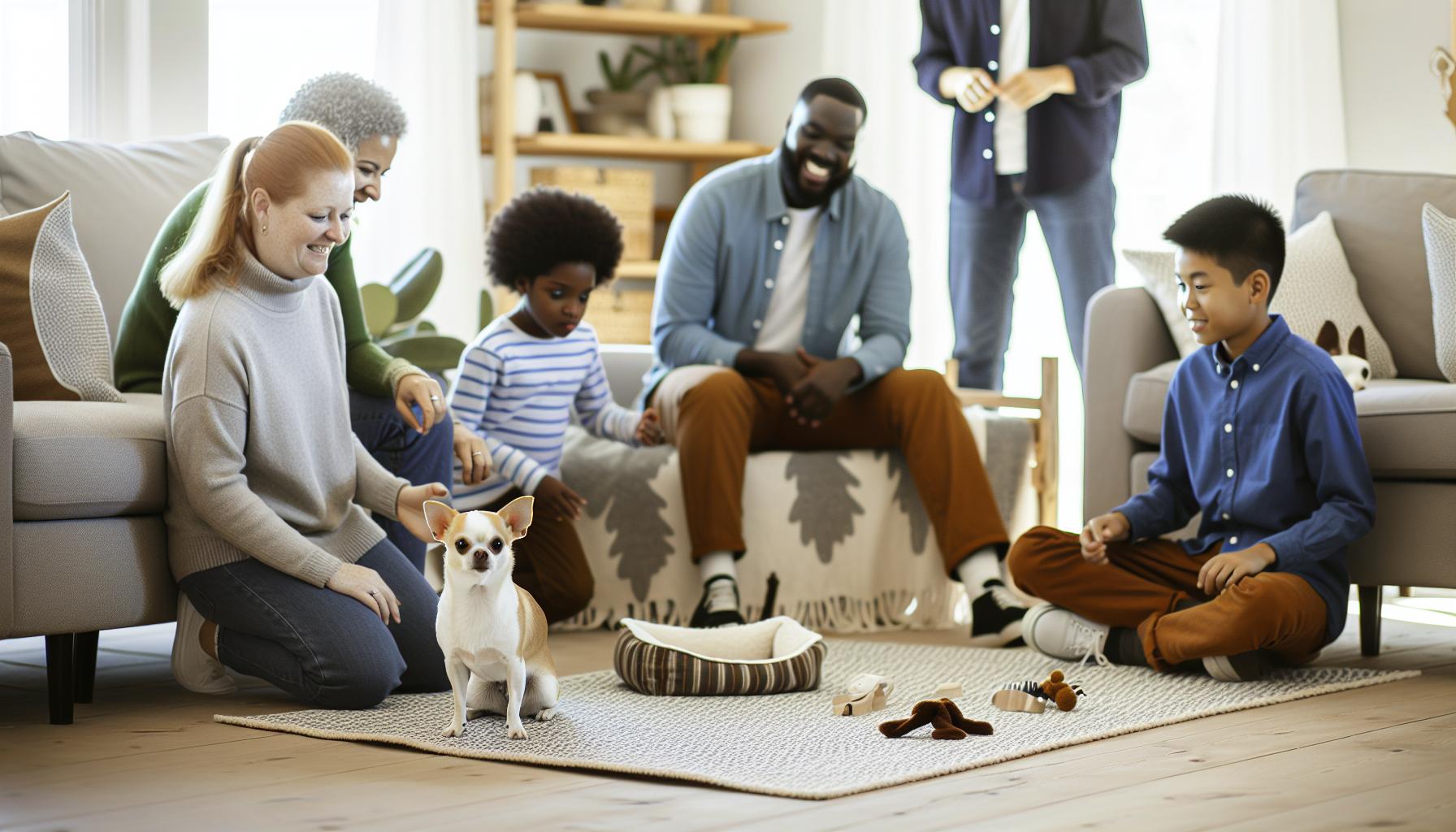
Preparing a Chihuahua for family life is an essential step to ensure your little companion thrives in a bustling household. Known for their spirited and sometimes sassy personalities, Chihuahuas can become excellent family pets when socialized properly. Start early! Introducing your Chihuahua to various people, environments, and other pets can help them develop confidence and adaptability.
One effective way to socialize is through positive exposure. Take your Chihuahua on outings to family gatherings, parks, or pet-friendly stores. Allow her to meet strangers and, if comfortable, other dogs. Always monitor her body language. If she seems frightened or overwhelmed, remove her from the situation to prevent negative associations. Remember, Chihuahuas are often vocal and may bark when startled. This behavior is normal, but training them to respond calmly can lead to more enjoyable experiences.
Another key aspect is fostering gentle interactions with children. Teach your kids how to approach and handle your Chihuahua gently, encouraging them to avoid loud noises and sudden movements. Demonstrating calm petting techniques while offering treats can help establish trust. For example, let your Chihuahua come to the child rather than forcing interaction. This respect creates a safe space for him to feel secure in the family dynamic.
Routine also plays a crucial role in socializing Chihuahuas. Implementing daily walks or playdates not only fulfills their exercise needs but also exposes them to new sights and sounds. Ideally, incorporate obedience training into these activities. Simple commands like “sit,” “stay,” and “come” can reinforce good behavior and assist them in navigating family life more smoothly. As they learn to follow commands, they’ll grow in confidence and integrate better with family members.
Lastly, remember that every Chihuahua is unique. Some may naturally adapt to family life, while others will need more time and encouragement. By being patient and consistent, you will help your Chihuahua grow into a beloved family member, bonding with your kids and adding unforgettable joy to your home.
Training Your Chihuahua: Best Practices for Families
Welcoming a Chihuahua into your family can be an incredibly rewarding experience, but effective training is the cornerstone of building a harmonious relationship. Chihuahuas, known for their bold personalities and loyalty, also exhibit some unique quirks that can present challenges for first-time owners. Understanding these traits is essential for training success.
When training your Chihuahua, positive reinforcement is your best ally. This breed thrives on encouragement and rewards, making treats and praise vital tools in your training arsenal. Begin with fundamental commands like “sit,” “stay,” and “come.” Teaching these basics not only helps your Chihuahua learn to respond to you but also reinforces good behavior. For instance, every time she sits on command, reward her with a small treat and verbal praise. This method strengthens her bond with you and builds her confidence.
Understanding your Chihuahua’s temperament can greatly enhance your training efforts. Chihuahuas are naturally curious and sometimes stubborn, so patience is key. Make training sessions short and engaging – around 5 to 10 minutes is ideal for their attention span. Incorporate their natural playful tendencies by using toys for fetch or tug-of-war during training. For example, throw a toy they love and ask them to “bring it back” as a fun way to practice recall.
Consistency is another crucial aspect of training. Ensure that all family members are on the same page regarding commands and rules. If one person lets your Chihuahua jump on the couch while another prohibits it, this inconsistency can lead to confusion and behavioral issues. Establish clear guidelines and make sure everyone adheres to them. For example, if you’re teaching her to stay off the table during meals, make it a family rule so she learns to respect that boundary.
Lastly, don’t forget about socialization. Exposing your Chihuahua to different environments, people, and pets will not only help her adapt but also enhance her training outcomes. Arrange playdates with other dogs or visit pet-friendly parks. Remember to always supervise interactions, especially with larger dogs, as your Chihuahua might feel intimidated. The goal is to create a well-rounded, confident dog who feels secure in various situations.
By employing these best practices – positive reinforcement, playful engagement, consistency, and effective socialization – you can cultivate a strong training foundation. This will not only enable your Chihuahua to thrive in a family setting but also deepen the bond between your furry friend and your loved ones. With time, patience, and lots of love, your Chihuahua will not only be a delightful companion but a beloved part of your family.
Daily Care: Meeting the Needs of Your Chihuahua
Welcoming a Chihuahua into your family requires a thoughtful approach to their daily care, ensuring their unique needs are met while nurturing their vibrant personality. Known for their bold spirit and strong loyalty, Chihuahuas thrive on attention and affection, making it essential for owners to engage with them regularly. These tiny companions have specific requirements that, when met, lead to a happy, healthy, and well-adjusted pet.
Feeding your Chihuahua should be done with care, as their small size makes them prone to specific health issues, including obesity. High-quality, age-appropriate dog food is key. Consider feeding them small, frequent meals throughout the day-two to three times is ideal. Ensure the food is rich in nutrients without fillers, adjusting portions based on their activity level and weight. Always have fresh water available, as hydration is crucial for overall health. Watch for any signs of food allergies as well, which can sometimes manifest as skin irritations or digestive issues.
Regular veterinary check-ups are vital. Chihuahuas should receive vaccinations on time and monthly flea and tick prevention. Dental care is often overlooked; these dogs are prone to dental disease, so regular brushing and dental chews can help maintain good oral hygiene.
Exercise is important despite their small size. Chihuahuas benefit from short walks and play sessions, which can include interactive toys that stimulate both their minds and bodies. Keep in mind, however, that strenuous activities should be avoided, as their fragile bodies can be easily injured. Regular socialization is equally important; calmly introducing your Chihuahua to new people, pets, and environments helps them develop confidence and reduces anxiety.
Lastly, grooming is essential for keeping your Chihuahua healthy and comfortable. Depending on whether your Chihuahua has a smooth or long coat, grooming needs will vary. Smooth-coated Chihuahuas require less frequent brushing, while long-haired varieties benefit from weekly grooming to prevent mats. Regular nail trimming, ear cleaning, and baths will also help maintain their hygiene and health.
By understanding and addressing these daily care needs, you ensure that your Chihuahua not only thrives physically but also enjoys a loving, nurturing environment that fosters their delightful personality. With attention to health, nutrition, exercise, and grooming, your Chihuahua can become a cherished and integral part of your family life.
Activity Level: How Does a Chihuahua Fit into Family Life?
Chihuahuas may be small, but their energy and vibrant personalities can fill a home with joy. Despite their tiny size, these charming companions have a surprisingly high activity level that fits well into many family lifestyles. They thrive on interaction, making them perfect playmates for children, and their bold nature often leads them into the center of family activities. A Chihuahua’s need for engagement means that they can adapt to various family dynamics, whether it’s a busy household or a quieter setting.
These little dogs benefit immensely from regular exercise and playtime. Short, lively walks are usually enough to keep a Chihuahua satisfied, along with interactive play sessions that stimulate their minds and bodies. Consider using toys that encourage problem-solving or games like hide-and-seek, which not only provide physical activity but also strengthen the bond between your Chihuahua and your family members. For example, one family discovered that their Chihuahua loved shaping the behavior of children during playtime, teaching them how to be gentle but also energetic during interactions.
Chihuahuas are also known for being quite vocal, often alerting the family to visitors or unusual noises-a trait that can serve as an extra layer of home security. However, it’s vital to manage their barking, especially in busy households, to maintain a balanced environment. Socialization is key in helping Chihuahuas learn when it’s appropriate to bark and when to remain calm, which helps them integrate seamlessly into family life. Regularly introducing your Chihuahua to different people and pets will also curb excessive barking and promote confidence.
In terms of daily routine, Chihuahuas typically find happiness in a structured environment, as it simplifies their needs while ensuring they receive the attention and love they crave. Setting aside specific times for walks, play, and cuddle sessions will help your Chihuahua feel secure and valued. This consistency not only benefits their mental health but also encourages positive behavior at home. Engaging with them through training and interactive play enhances their social skills and builds lasting connections with each family member.
Overall, a Chihuahua can be a dynamic and loving addition to your family. By understanding their unique activity level and incorporating regular exercise and engagement into your daily routine, you can ensure that your little companion thrives while providing endless joy to your household.
Grooming Needs: Keeping Your Chihuahua Healthy and Happy
Chihuahuas, with their dazzling personalities and unique quirks, require tailored grooming to keep them healthy and vibrant. These little companions come in smooth and long-haired varieties, each necessitating different grooming routines. Regular brushing is essential, especially for long-haired Chihuahuas, to prevent mats and tangles from forming. Ideally, a weekly grooming session with a soft-bristle brush should become a part of your routine, much like their daily walks-this not only keeps their coats clean but also strengthens the bond between you and your furry friend.
In addition to brushing, it’s crucial to pay attention to their dental health. Chihuahuas are prone to dental issues due to their small mouths, so regular teeth cleaning and dental check-ups should be a priority. Consider introducing dental chews or toys to your Chihuahua’s playtime; they can help reduce plaque buildup while keeping your pup entertained. Also, don’t forget to keep an eye on those little nails! Regular trimming every couple of weeks will prevent discomfort and potential injury.
Bathing is another key component. However, you don’t need to bathe your Chihuahua frequently-every month or so is usually sufficient, unless they get particularly dirty or start to smell. Use a gentle dog shampoo, as their skin can be sensitive. Bath time can be a fun bonding experience; just make sure to dry them off thoroughly afterward, particularly in cooler weather, to prevent chills.
Lastly, nurturing their ears and eyes is equally important. Check their ears weekly for dirt or wax buildup, and clean them gently with a vet-recommended solution if necessary. Unlike some other breeds, Chihuahuas can have prominent eyes that are susceptible to tears or debris. Wipe around their eyes with a soft, damp cloth to keep them clean and comfortable. With a little diligence and a lot of love, you can ensure your Chihuahua not only looks great but also thrives as a cherished family member.
Understanding Chili’s Unique Personality: What to Expect
Chihuahuas are often considered tiny guardians, brimming with personality and zest for life. These little dogs, known for their big barks and even bigger hearts, can be delightful companions for families. Understanding their unique temperament is key to ensuring a harmonious relationship between them and your family members. Known for their loyalty, Chihuahuas typically form a strong bond with their owners, and they can be quite protective. This trait makes them alert watchdogs, always on the lookout for potential threats, even if their size suggests otherwise.
Chihuahuas are incredibly sociable but can be somewhat reserved around new people or unfamiliar situations. Early socialization is crucial; exposing them to various environments, sounds, and people can help them grow into well-adjusted adults. A nimble Chihuahua often displays a strong sense of independence and boldness, sometimes leading to a slightly stubborn streak. This personality trait can mean they might have their own ideas about how things should go, so consistency in training is essential. Positive reinforcement works best; for instance, using treats or praise can motivate your Chihuahua to learn commands or good behaviors.
Another charming aspect of a Chihuahua’s personality is their playfulness. They excel in interactive play, often enjoying toys that challenge them mentally, like puzzle toys or squeaky items that pique their interest. Regular playtime is important, as it reduces excess energy and helps prevent behavioral issues. While they may be small, their spirited nature means they need both mental and physical stimulation. Providing engaging activities, like short walks and play sessions, can keep them not only healthy but also happy.
In households with children, Chihuahuas can thrive, but it’s important to maintain a safe environment for both the dog and the kids. Supervision during playtime is necessary, as their tiny stature makes them vulnerable to unintentional roughhousing. Teaching children how to approach and interact gently with Chihuahuas fosters a loving and respectful bond. By recognizing their distinct qualities and accommodating their needs, you can enjoy the vibrant companionship and affection that Chihuahuas so eagerly offer.
Success Stories: Real Families Thrive with Chihuahuas
Families across the globe have found delightful companions in Chihuahuas, with many heartwarming success stories showcasing the breed’s innate ability to integrate into family life. One engaging example comes from the Johnson family, who adopted a spirited apple-head Chihuahua named Bella. Initially hesitant about adding a dog to their busy household with three kids, they soon discovered that Bella not only adapted quickly but also became a beloved member of their daily routine. Her playful antics brought endless joy, from racing down the hallway to snuggling up during movie nights. The Johnsons learned the importance of patience and consistency in training, setting clear boundaries while allowing Bella to express her bold personality.
In another inspiring tale, the Lopez family harnessed the vibrant energy of their Chi named Max to teach their children valuable lessons about responsibility and empathy. The kids eagerly participated in Max’s care-feeding, grooming, and taking him for walks-translating into a nurturing bond between them. The family shared how Max’s protective instincts made him a natural watchdog, alerting them when visitors arrived while simultaneously showering them with love. They fondly recall the afternoons spent at the park, where Max formed a camaraderie with neighborhood children, showcasing how Chihuahuas can be social butterflies despite their small stature.
Moreover, Chihuahuas often prove to be excellent teachers for little ones. The Thompsons, for instance, reported that their Chihuahua, Coco, helped calm their anxious daughter during her school transition. With Coco by her side, big feelings turned into small moments of joy as they tackled the day together. Families like the Thompsons illustrate that Chihuahuas not only provide companionship but also support emotional growth, reinforcing their reputation as adaptable family pets.
Integrating a Chihuahua into family life doesn’t come without its quirks, but many owners attest that these little furballs bring immense joy and fulfillment. With the right socialization, training, and understanding of their unique personalities, families can thrive alongside their feisty companions, creating lasting memories and fostering deep connections.
Common Misconceptions: Debunking Myths About Chihuahuas as Family Pets
Chihuahuas are often misunderstood, leading to a plethora of myths about their suitability as family pets. One common misconception is that their small size makes them fragile and unsuitable for homes with children. In reality, Chihuahuas are surprisingly resilient and adaptable. Although they are tiny, many Chihuahuas possess bold personalities that can thrive in lively family settings. For example, families like the Johnsons have found that their Chihuahua, Bella, not only kept up with their three active kids but also engaged in playful activities, reinforcing the idea that temperament often outweighs size when it comes to compatibility with children.
Another myth suggests that Chihuahuas are overly aggressive or yappy, which can deter potential owners. While it’s true that some may be vocal, this behavior typically stems from a protective instinct rather than genuine aggression. Proper training and socialization play critical roles in shaping a Chihuahua’s behavior. With consistent guidance, they can learn to feel secure and confident around new experiences and people. The Lopez family, for instance, harnessed Max’s energy to teach their children about responsibility, showing how early and positive interactions can mitigate excessive barking and build a trusting relationship.
People also often believe that Chihuahuas cannot get along with larger pets. Although it is essential to supervise interactions, many Chihuahuas form delightful bonds with dogs and other animals of varying sizes. The Thompson family’s experience with their Chihuahua, Coco, demonstrates this well. Coco not only calmed their anxious daughter but also played wonderfully with larger dogs at the park. This showcases how Chihuahuas can be social and integrative members of a multi-pet household, provided they are properly introduced and socialized.
Lastly, there’s a perception that Chihuahuas require overly demanding care due to their delicate appearance. In reality, their grooming and health care needs are quite manageable. Short-haired Chihuahuas have minimal grooming requirements, while long-haired varieties require regular brushing to keep their coats healthy. Ensuring a balanced diet, regular vet check-ups, and exercise are the essentials, and they can easily fit into most family routines. Understanding these realities helps debunk the myths surrounding this charming breed, encouraging families to embrace the joy and companionship that Chihuahuas can offer.
Adopting a Chihuahua: Is It the Right Choice for Your Family?
Adopting a Chihuahua can be one of the most rewarding decisions your family makes. These tiny dogs often come packed with big personalities, making them a charming addition to most homes. But before welcoming a Chihuahua into your family, it’s essential to consider how well their unique traits align with your lifestyle and family dynamics. Known for their loyalty, playfulness, and a sometimes overzealous protective nature, Chihuahuas can bring a lot of joy but also require a commitment to training and socialization.
When considering a Chihuahua, think about your family’s activity level and environment. Chihuahuas, especially the smaller apple-headed variety, thrive in affectionate, engaging settings. The Garcia family found that their Chihuahua, Lola, quickly adapted to their evening playtime routine, showcasing how these dogs enjoy participating in family activities. However, they also found that Lola needed consistent boundaries to help manage her excitement, especially around young children, to ensure a harmonious home. Thus, establishing ground rules and a structured environment is key.
Health and Care Requirements
In terms of health, Chihuahuas are generally robust but can be prone to certain issues like dental problems and heart conditions. Regular vet check-ups are crucial for maintaining their health. Providing a balanced diet, tailored to their size and energy level, is vital. Families should also be prepared for regular grooming, especially if they adopt a long-haired Chihuahua who may need more frequent brushing. Short-haired varieties may require less attention but will still benefit from regular baths to keep their coats healthy.
Socialization and Training
Socialization from an early age is vital for Chihuahuas. They can be wary of strangers and new environments, so gradual introductions to new experiences will help them build confidence. The Williams family did this beautifully by enrolling their Chihuahua, Benny, in puppy classes, facilitating controlled interactions with other dogs and kids. This proactive approach not only reduced Benny’s anxiety but also fostered a sense of security, reinforcing that the world outside their family was safe and enjoyable.
In conclusion, adopting a Chihuahua can be a wonderful choice for families ready to embrace the breed’s quirks and charm. By understanding their needs, preparing for consistent training, and establishing a loving household, you can create an environment where your Chihuahua can thrive. Their loyalty, boldness, and playful nature can lead to countless heartwarming moments, making them a cherished member of your family.
Tips for First-Time Chihuahua Owners: A Solid Start
When you invite a Chihuahua into your home, you’re welcoming a lively spirit into your life. These little dogs, often weighing around 2 to 6 pounds, are famous for their big personalities and fierce loyalty. However, having a Chihuahua isn’t just about enjoying their charm; it requires understanding their unique needs and characteristics. Here’s a guide to help first-time Chihuahua owners hit the ground running.
Chihuahuas can be vocal, lacking in size but not in attitude. Establishing a calm yet assertive approach to training early on will help manage their bolder tendencies. They thrive in structured environments, so setting boundaries is crucial. For instance, the Martinez family found that teaching their Chihuahua, Pixie, clear commands helped her feel secure and less anxious, particularly around unfamiliar visitors. Consistency is key-use positive reinforcement like treats or praise to encourage desirable behaviors.
Health maintenance is another vital aspect. Chihuahuas, especially the apple-headed variety, often face dental issues, so regular oral care is essential. A daily teeth brushing routine not only helps prevent decay but can also become a bonding activity. Also, be mindful of their propensity to develop heart conditions; routine vet check-ups will help catch any concerns early. A balanced diet is essential, too. Look for high-quality dog food that caters to small breeds to support their energy levels and overall health.
Socialization should not be overlooked. Introduce your Chihuahua to various environments, people, and other pets gradually. The Thomas family shared how their Chihuahua, Max, learned to love trips to the park after several positive outings with well-behaved dogs. Setting up playdates or enrolling in puppy classes can ease anxiety around strangers and provide valuable experiences for your Chihuahua’s development.
Finally, remember that grooming habits differ, especially between short-haired and long-haired Chihuahuas. Short-haired fur requires less effort, but long-haired companions might need weekly brushing to keep their coats tangle-free. Regular baths-not too frequent, though-help maintain their overall cleanliness and comfort. Emphasizing these care routines early on will ensure you develop a happy, healthy relationship with your new furry friend.
By embracing a proactive mindset and prioritizing your Chihuahua’s health, training, and socialization, you set the stage for a fulfilling companionship filled with joyful adventures. Prepare to cherish their loyalty and sweet quirks as they become an essential part of your family.
FAQ
Q: Are Chihuahuas good with babies?
A: Chihuahuas can be good with babies if properly socialized from a young age. Their small size means they can be fragile, so supervised interactions are essential. Teaching children how to gently approach and handle Chihuahuas fosters safe relationships and helps them thrive in family environments.
Q: Do Chihuahuas bark a lot?
A: Yes, Chihuahuas are known for being vocal. They often bark to alert their owners or express excitement. Training and socialization can help manage excessive barking. Creating a calm environment and providing plenty of exercise will also reduce their need to bark.
Q: What is the best way to introduce a Chihuahua to a new family member?
A: Introduce a Chihuahua to new family members gradually. Allow your dog to sniff the newcomer while ensuring a calm atmosphere. Use treats to create positive associations. Supervised interactions will help your Chihuahua feel secure and comfortable with the new family member.
Q: How much exercise do Chihuahuas need daily?
A: Chihuahuas typically require about 30 minutes of exercise daily. This can include short walks and playtime indoors or in a secure yard. Engaging them in interactive games is also beneficial. Regular exercise keeps them healthy and provides necessary mental stimulation.
Q: Are Chihuahuas prone to separation anxiety?
A: Yes, Chihuahuas can experience separation anxiety due to their strong attachment to their owners. To alleviate this, practice gradual departures, provide enriching toys, and ensure they have a safe, comfortable space. Consistent training helps them feel more secure when alone.
Q: What should I know about feeding a Chihuahua?
A: Feeding a Chihuahua requires attention to their size and activity level. Choose high-quality dog food suitable for small breeds and monitor portion sizes to prevent obesity. Consult your veterinarian for personalized recommendations based on your Chihuahua’s specific needs.
Q: How do I know if my Chihuahua is happy?
A: A happy Chihuahua often shows signs like wagging their tail, playful behavior, and a relaxed posture. Look for engagement during playtime or cuddling with family. Regular affection and attention contribute to their happiness and overall well-being.
Q: What are common behavioral issues in Chihuahuas?
A: Common behavioral issues in Chihuahuas include barking, possessiveness, and fearfulness. These can often stem from inadequate socialization or training. Consistent positive reinforcement and early training can help mitigate these behaviors, fostering a balanced family life.
The Way Forward
Thanks for exploring whether a Chihuahua is the right fit for your family! Remember, these little companions bring vibrant energy and loyalty into your home, but it’s essential to match their unique needs with your lifestyle. If you’re still curious about their health, behavior, or training, check out our guide on Chihuahua care and see real stories from happy owners navigating life with their bold little friends.
Feel free to drop your thoughts or questions in the comments below! Engaging with our community can help you gain insights and confidence in your decision. And if you’re ready for more, explore our tips on managing a multi-dog household or understanding the quirks of your Chihuahua as they grow. Don’t miss out-sign up for our newsletter to stay updated on all things Chihuahua, and ensure you’re equipped with all the knowledge to provide the best home for your new furry family member!
Get our latest guides, news, and insights highlighted in your Google Search & AI Overviews.