
Chihuahuas are one of the most beloved small dog breeds, each type showcasing distinct characteristics and charm. Did you know that these tiny canines come in two primary coat types and various body shapes, including the apple-head and deer-head? Understanding the different Chihuahua breeds is essential for potential owners who want a loyal and vibrant companion. Each variety offers unique personality traits, care needs, and health considerations, making it crucial to choose the right fit for your lifestyle. Whether you’re a first-time dog owner or a seasoned pet parent, knowing the diverse Chihuahua types will empower you to make informed decisions that ensure a happy and fulfilling life for your furry friend. Let’s explore the enchanting world of Chihuahuas and discover which type might steal your heart!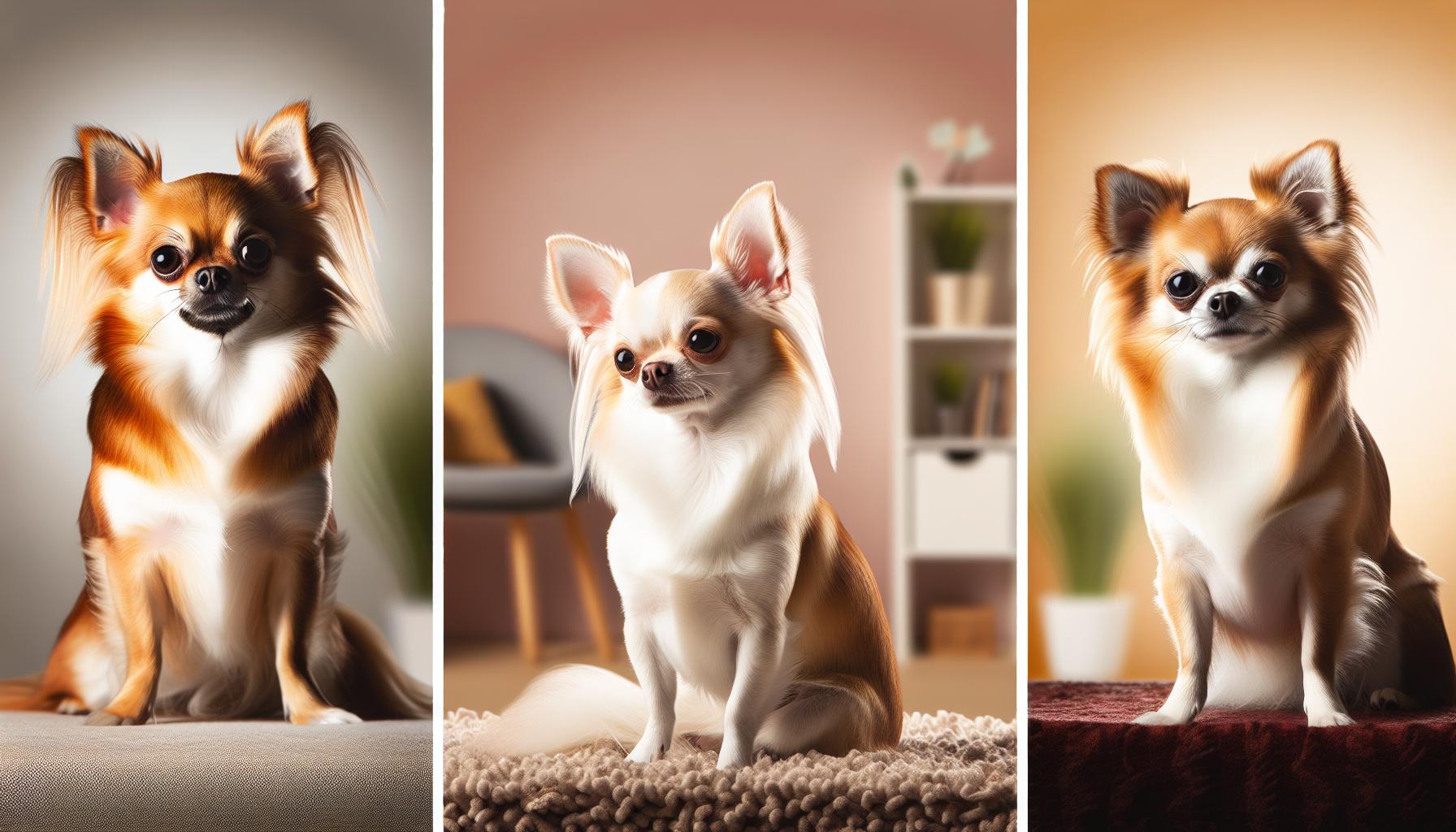
Different Types of Chihuahua: An Overview
Chihuahuas come in a delightful variety of types, each with unique traits that can greatly influence your experience as their owner. Understanding these variations is essential for making informed decisions and ensuring a harmonious relationship with your furry companion.
One of the primary distinctions in Chihuahuas is between the Apple-Head and Deer-Head types. The Apple-Head Chihuahua is characterized by its rounded skull and large, expressive eyes, giving it the quintessential “cute” Chihuahua appearance. Owners often find that these Chihuahuas have a particularly affectionate nature, always eager to snuggle and play. On the other hand, Deer-Head Chihuahuas feature a flatter face and a more elongated head. This type tends to have a wild appearance, reminiscent of a miniature deer, and often displays more energy, making them adventurous and playful companions.
In addition to head types, Chihuahuas vary in coat types, which can be long or short. Short-haired Chihuahuas are generally easier to groom and less prone to matting. They can be a great choice for first-time owners who desire a lower-maintenance pet. Long-haired Chihuahuas, while requiring more grooming, offer a stunning, flowing coat that many owners appreciate for its beauty. Regardless of coat type, regular brushing helps keep your Chihuahua healthy and bonded with you.
Size also plays a critical role in determining the best Chihuahua for your lifestyle. Whether you choose a teacup or a standard Chihuahua, each size comes with its quirks and care requirements. Teacups are even smaller, often weighing less than 4 pounds, and can be more delicate, requiring careful handling. Standard Chihuahuas, weighing between 5 to 6 pounds, may be slightly more resilient, but they all need gentle handling as small breeds can be susceptible to injury.
Being aware of each type’s temperament and health needs will make your journey as a Chihuahua owner fulfilling. Typically, Chihuahuas, regardless of type, are known for their bold and sassy personalities. They are fiercely loyal, often forming strong bonds with their owners and requiring social interaction. Additionally, each type has its common health issues to watch for, like patellar luxation or heart disease. Regular vet visits and attention to dietary needs are critical.
Ultimately, understanding the diversity within the Chihuahua breed helps you cater to their specific needs and enhances the joy they bring into your life. Each type has its charm, and with proper care, your Chihuahua will thrive, showcasing their unique personality while filling your home with love.
The Unique Traits of Apple-Head Chihuahuas
Apple-Head Chihuahuas are not just another pretty face; they embody the quintessential traits that make this breed so beloved. With their rounded skulls and strikingly large, expressive eyes, these tiny companions often capture the hearts of dog lovers at first glance. Known for their affectionate nature, Apple-Head Chihuahuas thrive on attention and are always eager to cuddle with their favorite humans. This breed often displays a playful yet bold personality, making them charming members of the family.
Personality and Behavior
What truly sets Apple-Head Chihuahuas apart isn’t just their appearance but also their behavior. They are famously vocal, known for expressing their feelings through a range of barks and whines. This vocalization can be an endearing trait, showcasing their protective instincts and attachment to their owners. As a proud Chihuahua owner shared, “My Apple-Head always lets me know when someone is at the door, and I wouldn’t have it any other way!” This alertness can make them excellent companions for families or those living alone, as they are always ready to defend their territory.
Moreover, they are renowned for their loyalty. These little dogs form incredibly strong bonds with their owners and often want to be by their side at all times. However, this can lead to separation anxiety if they are left alone for long periods. It’s important to gradually acclimate your Apple-Head to being alone and provide them with plenty of stimulating toys to keep them entertained while you are away.
Health Considerations
While the Apple-Head Chihuahua is a delightful companion, potential owners should be aware of some health considerations specific to this type. These dogs can be prone to conditions such as hydrocephalus (excess fluid around the brain) and dental issues, which require regular veterinary check-ups. Maintaining good oral hygiene is crucial, so daily teeth brushing is highly recommended. Additionally, their small size makes them more susceptible to injuries, so always handle them gently and supervise their play.
Care Tips
Caring for an Apple-Head Chihuahua can be a fulfilling experience with the right approach. Here are some practical tips:
- Routine Veterinary Care: Schedule regular check-ups to monitor their health.
- Dental Hygiene: Brush their teeth daily to prevent dental disease.
- Socialization: Expose them to various environments and people to foster a well-rounded temperament.
- Exercise: Despite their small stature, they need daily walks and playtime to stay active.
Embracing can lead to a joyful and enriching companionship. With the right care and love, these small but mighty dogs can fill your life with laughter and affection, becoming cherished members of your family.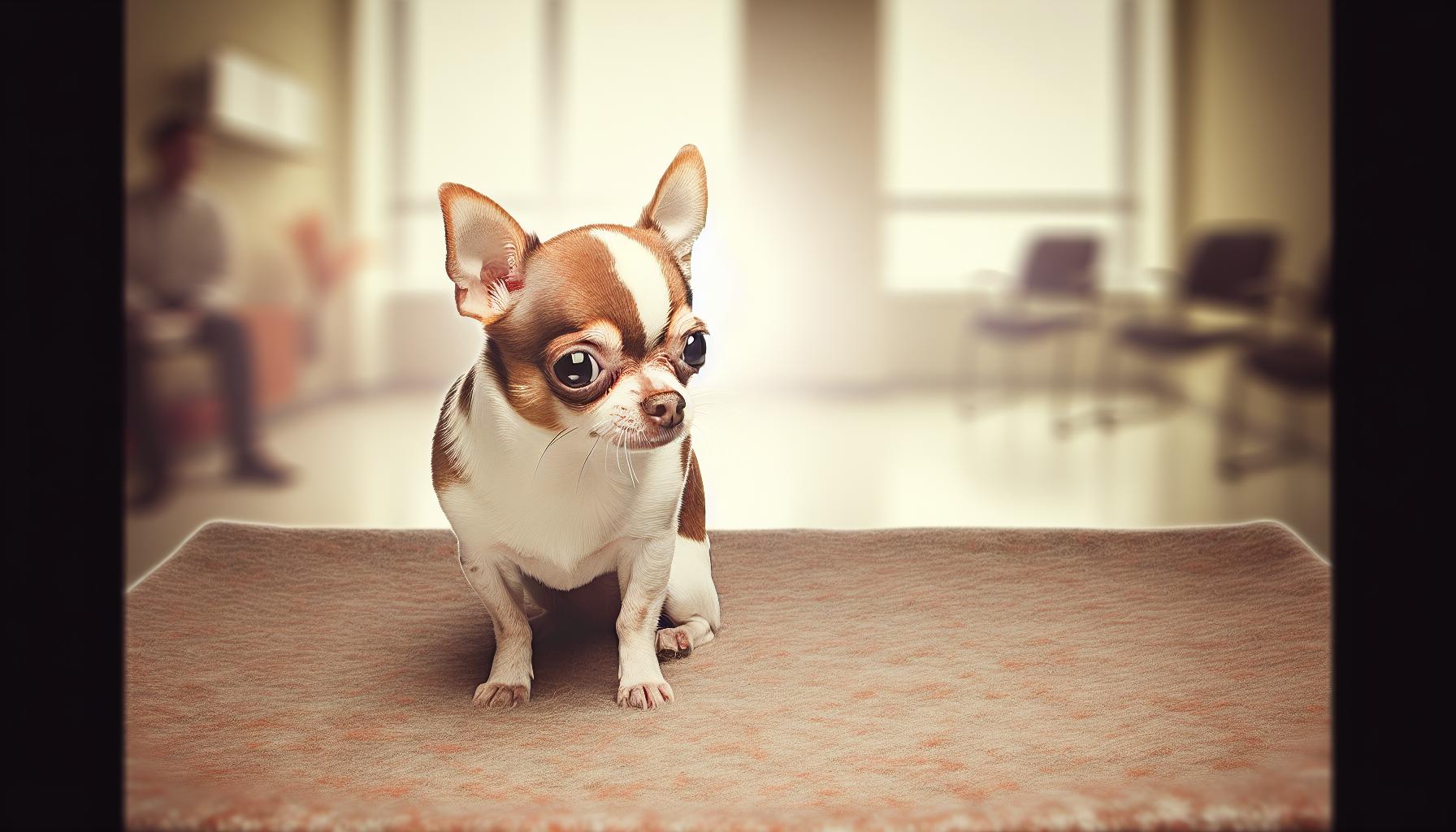
Understanding the Features of Deer-Head Chihuahuas
Deer-Head Chihuahuas possess a distinctive appearance that sets them apart from their Apple-Head counterparts. Characterized by their elongated heads and flat-shaped skulls, these charming little dogs often exude a more elegant demeanor. Many owners will tell you that the Deer-Head Chihuahua’s facial features can give the impression of a more fox-like appearance, making them unique in the Chihuahua world. Their typically larger ears are even more pronounced, enhancing their expressive nature and already adventurous spirits.
One standout feature of Deer-Head Chihuahuas is their robust bodies, which generally make them a bit sturdier than Apple-Heads. This can contribute to a lively and playful temperament, ideal for families with children or those seeking a spirited companion. Owners often find that Deer-Heads are incredibly affectionate, forming strong bonds not just with their immediate family, but even with friends and visitors. They can be quite social, thriving in environments where they can meet new people and enjoy the attention.
However, with this playful spirit comes a need for proper care and attention to health. Deer-Head Chihuahuas are often prone to certain health issues, such as patellar luxation or dental problems. To maintain their health, it is crucial to ensure they receive routine veterinary check-ups, a balanced diet, and adequate dental care. Many Chihuahua owners recommend establishing a consistent dental hygiene routine early on to prevent dental disease later in life.
When it comes to their temperament, Deer-Head Chihuahuas are known for being less prone to the anxious behaviors sometimes seen in their Apple-Head relatives. This resilience can make them easier to train and socialize. They are generally confident and fearless, often willing to take on larger dogs. This boldness is certainly a part of their charm, as they believe they are just as mighty as any larger breed. With patience and positive reinforcement training methods, you’ll find that your Deer-Head can learn a variety of tricks and commands, bringing an even deeper bond between you and your little companion.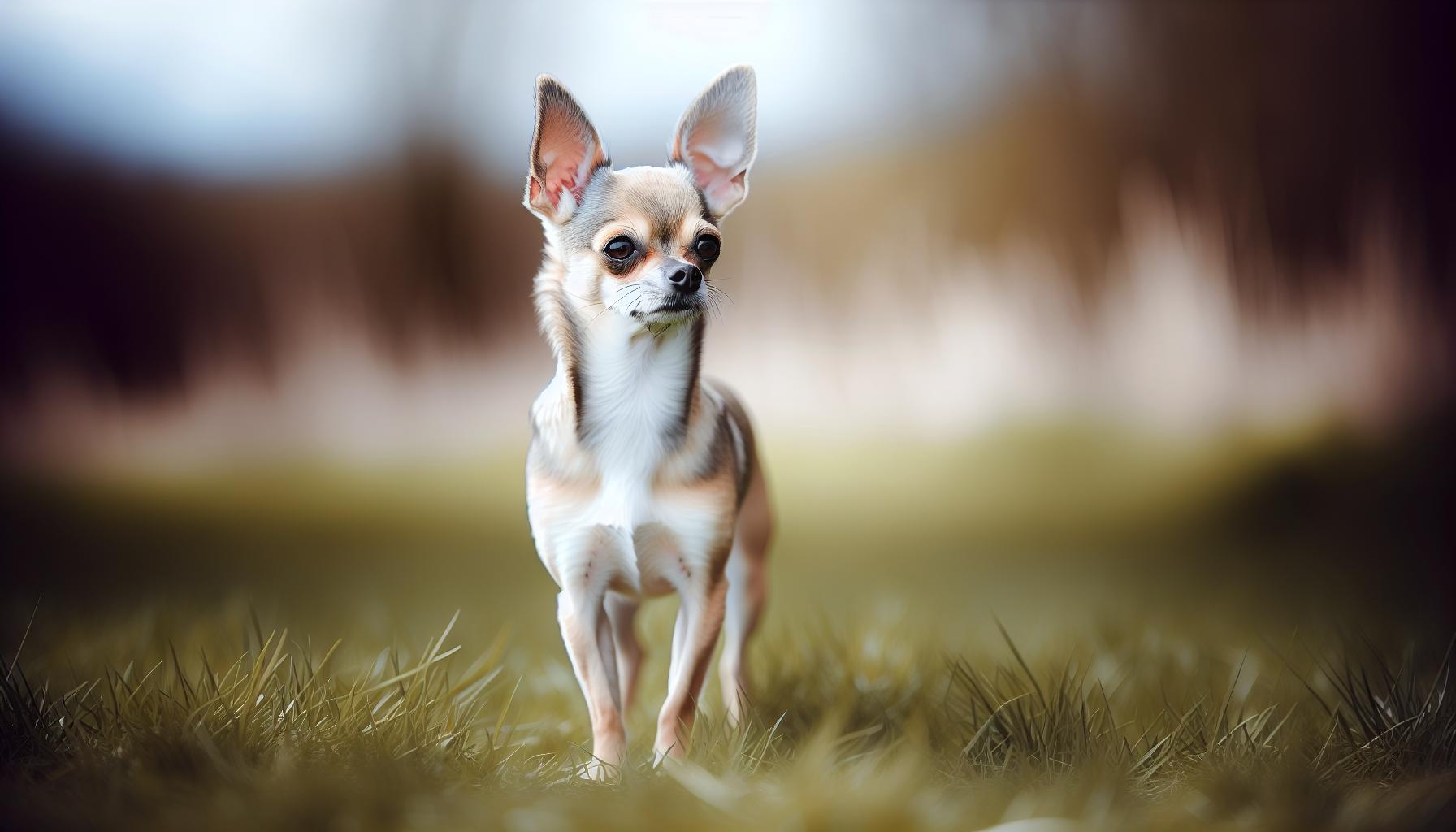
Coat Types of Chihuahuas: Short vs. Long Hair
Chihuahuas are known not only for their captivating personalities but also for their diverse coat types, which can influence their care needs and overall appearance. These little companions come in two primary coat types: short-haired and long-haired. Each has its own set of traits that can affect grooming routines, health considerations, and even temperament.
Short-haired Chihuahuas often have a sleek, shiny coat that lies close to their body. This coat is low-maintenance and requires minimal grooming, usually just a weekly brushing to remove dead hair and skin. Their skin is more exposed, making them slightly more vulnerable to temperature fluctuations, so they may need a cozy sweater in colder weather. Owners frequently appreciate their easy upkeep; for instance, Mia, a proud short-haired Chihuahua owner, shares that her pup loves to roll around in the grass without the worry of tangles. However, short-haired Chihuahuas can also be prone to skin issues, so monitoring for any rashes or irritations is crucial.
In contrast, long-haired Chihuahuas boast flowing, luxurious coats that can be straight or wavy. These tufted beauties require more extensive grooming, often needing daily brushing to prevent mats and tangles. Their coats can retain dirt and moisture more easily, which might lead to skin problems if not managed properly. Thankfully, many owners find that long-haired Chihuahuas like Lulu enjoy their grooming sessions; they can turn it into a bonding experience. Regular baths are important, specifically using gentle shampoos designed for sensitive skin, as long-haired Chihuahuas may be more prone to skin infections.
Understanding the care differences between these coat types is essential for every Chihuahua owner. Regardless of the length, both types will benefit from regular veterinary check-ups, a balanced diet, and consistent dental care to maintain overall health. Being aware of potential health issues, such as allergies or skin sensitivities, can help owners keep their furry friends thriving. Ultimately, whether he has a short or long coat, each Chihuahua’s unique personality shines through, making them lovable companions that bring joy into every household.
Chihuahua Size Variations: Teacup to Standard
Chihuahuas come in various sizes, each bringing its own unique charm and personality to the breed. From the tiny Teacup to the more robust Standard size, these little dogs capture the hearts of many with their spirited nature. Understanding these size variations is crucial for prospective owners, as it impacts everything from care requirements to lifestyle compatibility.
Teacup Chihuahuas are particularly captivating due to their diminutive stature, often weighing between 2 to 6 pounds and standing around 6 to 9 inches tall. While their petite size makes them adorable companions, potential owners should be aware of their specific health considerations. Teacup Chihuahuas can be more fragile than their larger counterparts, making them susceptible to injuries and certain health issues such as heart problems and dental concerns. Owners like Sarah, who has a Teacup named Bella, often find themselves extra cautious about their sweet girl’s environment to ensure her safety.
On the other end of the spectrum, Standard Chihuahuas typically weigh anywhere from 6 to 12 pounds and range in height from 8 to 12 inches. They retain the same bold personality of their smaller relatives but are generally more robust and easier to manage in terms of physicality. An example is Jake, an enthusiastic Standard Chihuahua who loves to accompany his owner on hikes and adventures, showcasing how a slightly larger size can lead to an active lifestyle.
When choosing a Chihuahua, size can affect care routines and daily interactions. Here are a few practical considerations:
- Living Space: Smaller Chihuahuas may be suited for apartments or smaller homes, but ensure there is enough safe space for them to explore.
- Socialization Needs: Regardless of size, early socialization is essential to help Chihuahuas become well-adjusted adults.
- Health Monitoring: Regular vet visits are key, especially for Teacups who might face more health challenges.
In summary, whether you are drawn to the ultra-small Teacup or the sturdier Standard Chihuahua, each size has its delightful traits. Understanding these variations enhances the ownership experience, allowing each dog to flourish within its chosen home. Embrace the quirks and characteristics of your Chihuahua, as they will add immeasurable joy to your life.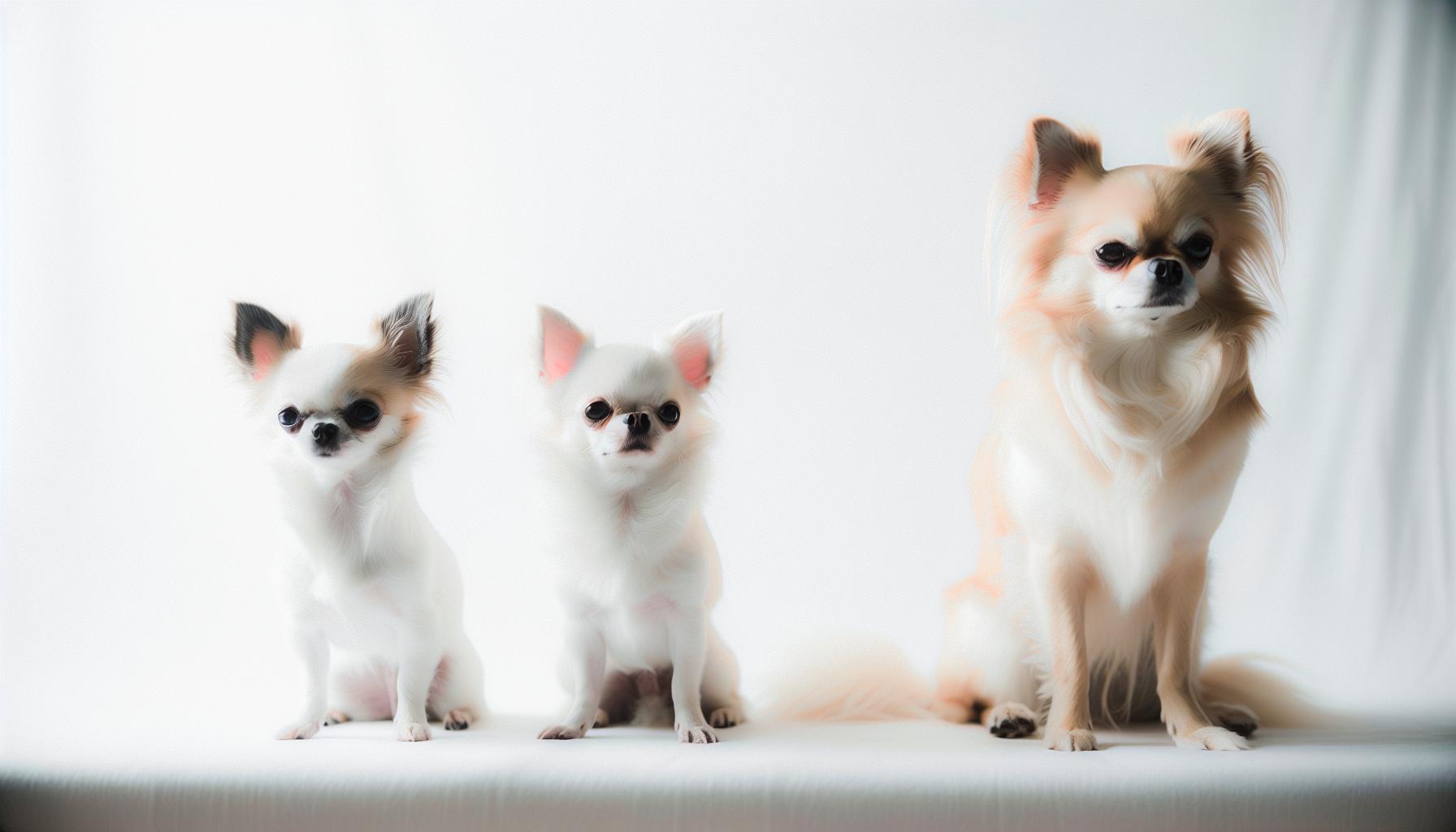
Health Considerations for Different Chihuahua Breeds
Chihuahuas, with their big personalities packed into tiny bodies, come with an array of health considerations that every owner should be aware of. Their unique traits, such as size and head shape, can influence their health profiles significantly. Whether you have a spirited Apple-Head Chihuahua or a robust Deer-Head variety, understanding these health aspects is vital for ensuring your furry friend’s well-being.
Teacup Chihuahuas, often weighing just 2 to 6 pounds, are particularly sensitive and can face specific health risks. They can be prone to heart murmurs, dental issues, and more fragile bones, making routine veterinary care essential. For example, Maria and her Teacup named Coco always keep a close eye on her during playtime to avoid any accidents, understanding that bumps and falls can be more dangerous for such a small dog. Regular dental check-ups should also be prioritized due to their small mouths, which can lead to crowded teeth and periodontal disease if not managed properly.
In contrast, Standard Chihuahuas are typically more robust but are still not immune to breed-specific concerns. Issues like patellar luxation-a kneecap dislocation-are common in both Teacup and Standard varieties due to their bone structure. Owners like Rick, who has a Standard Chihuahua named Max, find that keeping Max at a healthy weight helps mitigate stress on his joints and reduces the risk of this condition. Additionally, all Chihuahuas may be prone to hypoglycemia, especially during growth spurts or if they skip meals, so providing balanced meals and monitoring their feeding schedule is crucial for all sizes.
When considering health for your Chihuahua, keep these regular care routines in mind:
- Regular Vet Visits: Schedule check-ups at least once a year to monitor for common issues.
- Healthy Diet: Provide high-quality dog food appropriate for your breed and size.
- Exercise: Ensure daily activities that suit their energy levels without overexertion.
In conclusion, being informed about the health considerations specific to the breed can help you provide the best care for your beloved Chihuahua. Each dog, regardless of size or type, deserves a loving environment that promotes their health and happiness.
Chihuahua Temperament: What to Expect from Each Type
Chihuahuas are renowned for their undeniable charm and striking personalities, which can vary significantly between types. Understanding what to expect from their temperament not only enhances your bond but also informs how to best care for each unique breed. Regardless of whether you have a lively Apple-Head or a sturdy Deer-Head, these pint-sized pooches typically exhibit bold, confident natures that can be both entertaining and challenging.
Apple-Head Chihuahuas often embody the quintessential “big dog in a tiny body” persona. They tend to be particularly loyal and can form very close bonds with their owners. This breed may demonstrate a rich array of emotions, from loving companionship to spirited independence. Owners like Sophie, whose Apple-Head named Bella is known for her spunky nature, report that while Bella is affectionate, she also has a fierce attitude, often barking to assert her presence. The boldness of this breed can sometimes lead to overprotective behavior, so early socialization and training are crucial to managing their spirited tendencies effectively.
On the other hand, Deer-Head Chihuahuas generally showcase a calmer and slightly more laid-back demeanor. They tend to be sociable and may be more often seen mingling comfortably with both dogs and people. For instance, Jake’s Deer-Head named Charlie is a gentle soul who thrives on interaction and affection. He’s known for being more adaptable to new environments and situations, which makes him a great choice for families or individuals who value a friendly and approachable companion. However, while the Deer-Head may be a tad less territorial, they still benefit from training and socialization to ensure they are well-adjusted and confident.
When it comes to exercise and play, both types require regular activity to channel their energetic spirits. Chihuahuas, regardless of their head type, are social creatures who will thrive on interactive playtime. However, it’s essential to tailor play to their temperament. Owners should ensure a balance between play and restful downtime since Chihuahuas can tire easily due to their small stature.
Ultimately, understanding the different temperaments among Chihuahua types helps you meet their needs and celebrate their quirky personalities. Whether your Chihuahua is a fierce protector or a friendly greeter, embracing these traits will foster a vibrant and loving relationship, ensuring that you enjoy the many joys of Chihuahuas together.
Care Tips for Your Specific Chihuahua Breed
Chihuahuas, despite their diminutive size, require attentive care tailored to their specific breed type, whether you’re nurturing an Apple-Head or a Deer-Head. Recognizing these distinctions is essential not only for their health but also for their overall happiness. Each type boasts unique quirks and needs; understanding them can enhance the bond you share with your tiny companion.
To care for an Apple-Head Chihuahua, focus on their sensitive nature and strong attachment to their owners. This breed thrives on social interaction and positive reinforcement. Frequent short training sessions can help channel their energetic personalities and curb any potential stubbornness. Owners like Sophie have found that utilizing treats during training can significantly improve focus and behavior in her spirited Apple-Head, Bella. Additionally, due to their rounded skulls, Apple-Head Chihuahuas can be prone to certain health issues, so regular vet check-ups and being cautious of head trauma during playtime are crucial.
When caring for a Deer-Head Chihuahua, embrace their more sociable demeanor. Charlie, the Deer-Head owned by Jake, enjoys meeting new people and other dogs, so frequent exposure to various environments can be beneficial. This breed tends to adapt well to changing situations, but like all Chihuahuas, they require proper socialization to avoid fearfulness. Regular grooming is essential, especially for those with longer coats; owners should brush their fur at least twice weekly to prevent matting and to keep their skin healthy.
Key Care Tips for Chihuahuas
- Nutrition: Provide high-quality food tailored for small breeds. Measure portions carefully to avoid overfeeding, as Chihuahuas are prone to obesity.
- Exercise: Short but frequent play sessions are ideal. Chihuahuas are playful, but due to their small size, avoid overly strenuous activities; a few minutes of fetch is often sufficient.
- Dental Care: Chihuahuas are susceptible to dental issues. Incorporate dental treats and regular brushing into their routine.
- Socialization: Expose your Chihuahua to various sights, sounds, and people early in life to foster confidence.
Understanding the specific needs of your Chihuahua-be it grooming, nutrition, or training-ensures that you meet their unique personalities and health considerations. Keeping them engaged and well-cared-for will not only enrich their lives but also strengthen your cherished relationship.
Common Behavioral Traits Across Chihuahua Breeds
Chihuahuas, with their spirited personalities and compact stature, are a breed that often defies expectations. Known for their vibrant temperaments, these little dogs can be surprisingly expressive, showcasing a range of behaviors that underline their unique charm. Regardless of their type-be it Apple-Head or Deer-Head-certain behavioral traits make Chihuahuas distinctly recognizable.
One of the most striking common traits across all Chihuahua varieties is their loyalty. These dogs typically form strong bonds with their owners and often exhibit protective instincts. For instance, even a small Apple-Head like Daisy takes her role seriously, barking at anything that seems out of the ordinary. This loyalty means they thrive on companionship and can suffer from separation anxiety; ensuring they are not left alone for long periods is crucial.
In addition to their loyal nature, Chihuahuas can also be quite vocal. Their expressive barks often serve as their primary means of communication. Owners, like Mark with his Deer-Head named Max, find that this vocalization can vary from happy yips during playtime to sharp alerts when someone approaches the door. Early socialization helps curb excessive barking, but it’s essential to appreciate this vocal aspect as part of their charming personality.
Another notable behavior is their boldness, which can surprise those unfamiliar with the breed. Despite their tiny size, Chihuahuas often act like they own the room. Bella, an Apple-Head Chihuahua, adores strutting her stuff at the dog park, seemingly unaware of her small stature compared to larger breeds. This confidence can lead to playful antics or, in some cases, a bit of mischief if not properly channeled through training and socializing.
In summary, embracing these common behavioral traits of loyalty, vocality, and boldness can significantly enhance the bond you share with your Chihuahua. By understanding their innate tendencies, such as their need for social interaction and stimulation, you can provide a nurturing environment that meets their emotional and physical needs. Whether you’re a first-time owner or a seasoned Chihuahua enthusiast, recognizing and celebrating these quirks is part of what makes living with these little dogs so rewarding.
Exercise Needs for Different Chihuahua Types
Chihuahuas, despite their tiny size, have vibrant personalities that require appropriate outlets for their energy. It’s essential to understand that their exercise needs can vary based on breed type and individual temperament. Apple-Head and Deer-Head Chihuahuas both benefit from regular exercise, but each may have slightly different preferences based on their unique characteristics.
For instance, Apple-Head Chihuahuas often have a slightly more reserved demeanor, which may lead them to enjoy shorter, gentler walks around the neighborhood or playtime in a secure backyard. A typical session could involve a brisk 15 to 30 minutes of walking, along with some interactive play-think of games like fetch with a soft toy. On the other hand, Deer-Head Chihuahuas tend to possess a bolder personality. These little adventurers might thrive on longer walks or more robust sessions of play in spacious environments, as they enjoy exploring and engaging with their surroundings. It’s not uncommon for owners, like Julia with her energetic Deer-Head named Rocky, to take him on hikes or to dog parks where he can mingle with other pups.
Regardless of the type, the key to meeting your Chihuahua’s exercise needs is consistency and variety. Incorporating different forms of physical activity not only keeps your pup fit but also stimulates their minds. Consider these activities:
- Short walks: Aim for 20 to 30 minutes daily. Split these into two walks if necessary.
- Playtime: Engage in interactive play using toys suited to their size.
- Training sessions: Incorporate obedience drills or tricks. This can be mentally stimulating.
- Socialization outings: Take your Chihuahua to dog parks or dog-friendly cafes to encourage interaction.
Above all, always monitor your Chihuahua during exercise to prevent exhaustion, especially in hot weather. Their small size means they can find it easily overwhelming if activities are too vigorous. Understanding and adapting to your Chihuahua’s unique style will foster a healthy, happy life together.
Choosing the Right Chihuahua for Your Lifestyle
Selecting the perfect Chihuahua for your lifestyle is a vital step that can lead to a fulfilling bond with your pint-sized companion. These tiny dogs come in various types, each with unique traits that can influence how they fit into your daily routine. Understanding the differences between Apple-Head and Deer-Head Chihuahuas can guide your choice, especially if you have specific needs and preferences in mind.
If you lead a quieter life, an Apple-Head Chihuahua’s more reserved nature may suit you well. These little ones tend to enjoy cuddling and can be content with shorter walks and indoor playtime. Conversely, if you’re an active individual who delights in outdoor activities, you might find a Deer-Head Chihuahua to be a perfect match with their spirited personality and love for exploration. These adventurous souls thrive in environments where they can engage with their surroundings and may enjoy longer walks or trips to dog parks.
Consider also your living situation and family dynamics. If you have small children or other pets, a Chihuahua’s temperament can play a significant role. Some Chihuahuas can be protective and may not tolerate rough play well, while others are more sociable and adaptable. Engaging with real-life examples can clarify these traits-like Sarah, whose Apple-Head Chihuahua, Bella, snuggles all evening during movie nights, contrasting with Mike’s energetic Deer-Head, Max, who needs ample playtime and social interaction.
Finally, ensure you’re ready for the health needs of your chosen breed type. Chihuahuas can be prone to dental issues, patellar luxation, and heart problems. Prioritize a healthy diet, regular vet check-ups, and dental care to enjoy a long life together. Understanding these health considerations linked to breed types will help you provide the best care for your Chihuahua, ensuring they remain a joyful and vibrant part of your life.
Faq
Q: What are the different Chihuahua coat types and their care requirements?
A: Chihuahuas come in two primary coat types: short-haired and long-haired. Short-haired Chihuahuas require minimal grooming, typically needing only occasional brushing. Long-haired varieties need more regular grooming to prevent tangles and matting. Keep their coats clean and trimmed for optimal health and appearance.
Q: How can I identify a purebred Chihuahua?
A: To identify a purebred Chihuahua, check for distinctive characteristics such as a rounded “apple head” or a flat “deer head”, along with size (typically 6 to 9 pounds) and coat type. Always seek documentation from reputable breeders or breed registries to ensure authenticity.
Q: Are there any temperament differences between Chihuahua types?
A: Yes, different Chihuahua types can exhibit varied temperaments. Apple-head Chihuahuas may be more affectionate and loyal, while deer-head Chihuahuas often display a more independent nature. Familiarize yourself with breed traits to select the best fit for your lifestyle.
Q: What health issues are common in Chihuahua breeds?
A: Chihuahuas are prone to health issues like heart problems, patellar luxation, and dental issues. Regular check-ups and a balanced diet can mitigate these risks. Be vigilant for any signs of discomfort and consult a vet for personalized care tips.
Q: How does the size variation affect a Chihuahua’s care needs?
A: Size variations, from teacup to standard, influence care requirements. Smaller Chihuahuas may need extra caution during play and handling. Ensure that their living environment is safe, and provide tailored exercise to suit their size while preventing injury.
Q: What are the exercise needs for different Chihuahua types?
A: Generally, all Chihuahuas require daily exercise, but the amount can vary. Standard-sized Chihuahuas may enjoy longer walks, while smaller varieties might require less strenuous activities. Aim for 30 minutes of exercise daily to keep them happy and healthy.
Q: Can different Chihuahua breeds live together harmoniously?
A: Yes, Chihuahuas of various types can live together harmoniously if socialized properly. Introduce them gradually and monitor their interactions. Understanding each breed’s quirks can promote a peaceful coexistence in your household.
Q: What tips can help with Chihuahua training?
A: Training a Chihuahua can be rewarding. Use positive reinforcement techniques, such as treats and praise. Be patient and consistent, as their stubbornness can make training a challenge. Socialization from a young age helps develop a well-rounded dog.
Key Takeaways
Understanding the different Chihuahua breeds and types opens up a world of unique personality traits, sizes, and coat types that make each one special. Whether you’re drawn to the adorable apple-head or the spirited short-hair, knowing the specifics about health, care, and behavior can truly enhance your bond with your pup. Don’t miss out on more essential tips-check out our guide on Chihuahua care or explore how to train these vocal little companions effectively.
If you’re loving what you’ve learned, consider subscribing to our newsletter for ongoing tips and insights. Got questions or need help choosing the right breed for your lifestyle? Share your thoughts in the comments below; we’d love to hear your experiences! Remember, each Chihuahua has its own quirks, and your journey with them will be filled with joy and challenges alike. Keep engaging with us for more helpful resources tailored to every Chihuahua owner.
Get our latest guides, news, and insights highlighted in your Google Search & AI Overviews.