
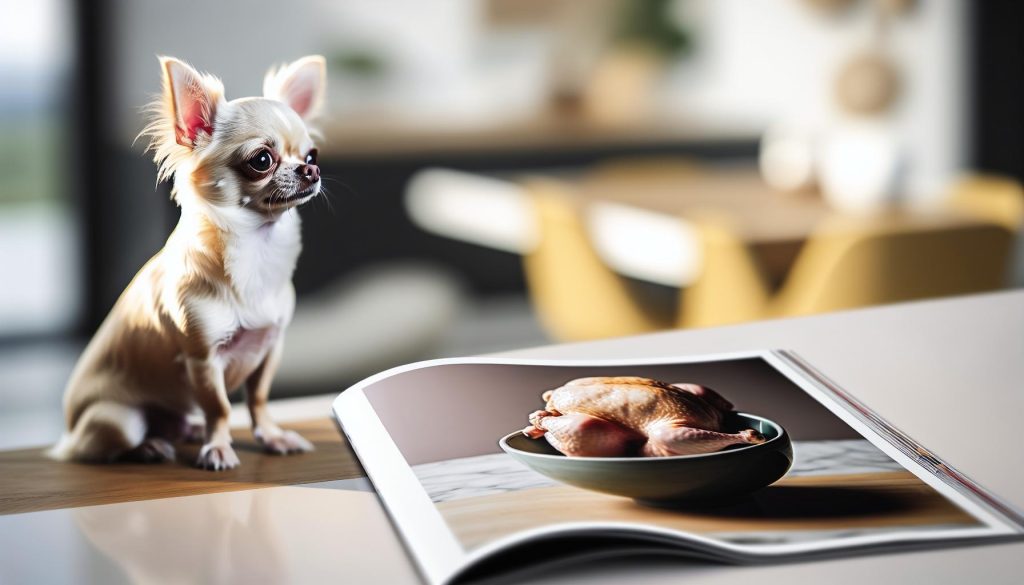
Did you know that Chihuahuas, with their tiny frames and bold personalities, can suffer from food sensitivities just like larger breeds? As a proud Chihuahua owner, you might have noticed your little one reacting differently to various foods, raising concerns about allergies-especially to common proteins like chicken. Understanding whether Chihuahuas are allergic to chicken is crucial for their health and happiness. This breed is known for its unique quirks, and caring for their dietary needs can greatly affect their well-being and energy levels. If your Chihuahua has shown signs of discomfort after meals or food-related behaviors that seem out of the ordinary, you’re not alone. In this article, we’ll dive deep into the topic of chicken allergy in Chihuahuas, equipping you with the knowledge needed to ensure your furry friend thrives. Let’s explore the facts and help you find the right diet for your beloved companion!
Understanding Chicken Allergies in Chihuahuas
can be crucial for ensuring your little companion’s health and happiness. These tiny dogs, full of personality, can develop food sensitivities just like any other breed, and chicken is a surprisingly common allergen. Many Chihuahua owners notice their pets exhibiting signs of discomfort after consuming chicken-based foods. It’s important to be vigilant and recognize that this breed’s unique metabolism might make them more susceptible to food allergies.
Your Chihuahua may experience a range of symptoms from a chicken allergy, including itching, digestive issues, or skin irritations. These reactions can manifest as excessive scratching or biting at their paws, which can lead to more serious skin infections. Understanding these triggers can be the first step toward alleviating discomfort and improving their quality of life. It’s always wise to consult your veterinarian if you suspect that your pup has a food sensitivity, as they can help you navigate a proper elimination diet and identify the specific cause.
If your Chihuahua has been diagnosed with a chicken allergy, the key to managing their diet is to switch to high-quality, hypoallergenic food. Many options are available that utilize alternative protein sources such as lamb or fish, which can provide the essential nutrients your pup needs while avoiding chicken. Remember that transitioning your dog to a new diet should be done gradually to ensure a smooth change and prevent any digestive upset. Monitoring any changes in your dog’s behavior and health during this transition can help you and your vet find the best feeding approach for your beloved companion.
Common Symptoms of Food Sensitivity in Chihuahuas
If you’ve noticed your Chihuahua scratching more than usual or experiencing upset stomachs, you may be dealing with food sensitivities, particularly to chicken. These tiny treasures have big personalities, but they’re also prone to certain health issues-food allergies included. Understanding the signs of food sensitivity is essential, as their symptoms can sometimes mimic other common ailments.
Chihuahuas may exhibit a variety of symptoms that indicate they’re struggling with food sensitivities. Some of the most common behaviors include:
- Itching and Scratching: Look for excessive scratching or biting at their paws and ears. This could manifest as red or inflamed skin, which can lead to infections if left untreated.
- Digestive Issues: Watch for signs of gastrointestinal distress, such as diarrhea, vomiting, gas, or bloating. These symptoms often suggest that the food isn’t sitting well with them.
- Ear Infections: Frequent ear infections can be a red flag, especially in small breeds like Chihuahuas. Allergies often lead to moist environments that bacteria love.
- Behavioral Changes: A normally energetic Chihuahua may become lethargic or irritable when they’re uncomfortable or in pain due to gastrointestinal upset.
If you find your pup displaying any of these signs, it’s wise to consult with your veterinarian. They can help you identify whether chicken is the culprit and guide you through an elimination diet process. Remember, when it comes to your beloved Chihuahua, knowing their body and responding to changes is key to keeping them healthy and happy. Your vigilance can make all the difference in ensuring a long, joyful life for your vibrant little companion.
Why Are Chihuahuas Prone to Food Allergies?
Chihuahuas, with their spirited personalities and diminutive size, are not just adorable companions; they also come with specific health considerations that can make them more prone to food allergies. One notable issue is their sensitivity to proteins, particularly chicken. The Chihuahua’s unique genetic makeup and digestive system can play a role in how their bodies react to certain foods. Smaller breeds often have more concentrated enzymes, which can lead to heightened sensitivity towards unfamiliar proteins, causing allergic reactions or food intolerances.
These little dogs possess an extraordinarily rich variety of coat types and colors, which adds to their charm but may also correlate with varying health profiles. Owners might notice that some Chihuahuas, especially those with apple-head shapes or those who are older, show increased susceptibility to allergies due to their unique physiological traits. Their skin, often thin and sensitive, can manifest allergies not just through gastrointestinal distress but also through skin irritations, leading to excessive itching or, worse, secondary infections.
Additionally, Chihuahuas are often fed commercial diets that may include common allergens without owners even realizing it. It’s easy to overlook that chicken is a primary ingredient in many dog foods. Since these little pals are usually spoiled with treats and mixed diets, even small amounts of chicken can trigger issues if they have developed an allergy. For pet owners, understanding this potential sensitivity is crucial. It’s not uncommon for first-time owners to introduce a new food without considering the possibility of allergies. Observing your Chihuahua’s response to food is key, and keeping a diet diary can help track reactions to various ingredients.
In summary, the combination of a Chihuahua’s unique physical characteristics, susceptibility to dietary changes, and the common presence of chicken in pet food makes it imperative for owners to stay vigilant. Identifying their dietary sensitivities through a process of careful observation and collaboration with your veterinarian can greatly improve your pup’s health and happiness, ensuring that your tiny yet mighty companion thrives.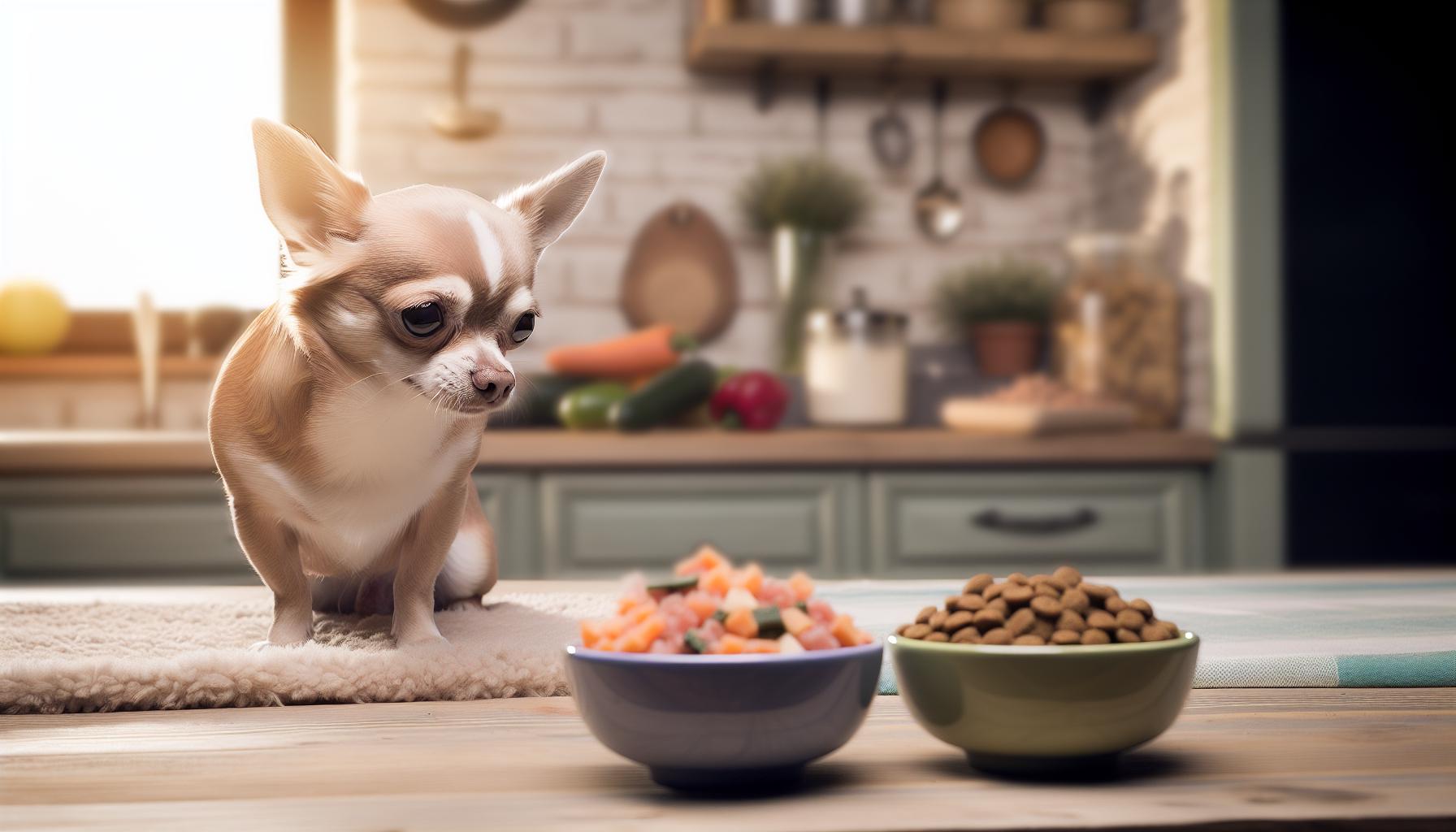
Identifying Chicken Allergy vs. Other Food Sensitivities
Identifying whether your Chihuahua has a chicken allergy or another food sensitivity can be a complex process, especially since these little pups can manifest symptoms in various ways. It’s not uncommon for Chihuahuas to display reactions to food, but distinguishing between a true allergy to chicken and an intolerance to another ingredient requires keen observation and a bit of detective work.
Chihuahuas are finely attuned to their environments, and their responses to food can vary widely. Typical signs of food allergies might include itching, gastrointestinal distress, or even more severe reactions such as swelling. Keep in mind that symptoms of a chicken allergy can be very similar to those caused by other food sensitivities. For example, if your Chihuahua develops skin irritations or digestive issues after eating a new treat that contains chicken, it’s essential to consider not only chicken but also other ingredients featured in that product, such as grains, beef, or lamb.
Common Symptoms to Watch For
When observing your Chihuahua, look for a combination of these symptoms that may indicate chicken allergy or other sensitivities:
- Skin irritations: Excessive itching, hot spots, and redness around ears or paws
- Gastrointestinal issues: Bloating, diarrhea, or vomiting after meals
- Behavioral changes: Increased fussiness or lethargy, which could indicate discomfort
To narrow down the cause, you might want to conduct an elimination diet. This approach involves removing all potential allergens from your pup’s diet for a few weeks and then reintroducing them one at a time. Begin with a protein source that is less commonly used in dog foods, such as duck or venison. During this process, note any reactions carefully. For example, if he responds negatively only when chicken is reintroduced but not with other proteins, that may suggest a chicken allergy.
Real-Life Example
Consider an apple-headed Chihuahua named Bella. Her owner noticed that Bella would scratch incessantly and had occasional ear infections. After consulting with the vet, they instituted an elimination diet, removing all chicken products. Within weeks, Bella’s symptoms significantly improved. When chicken was reintroduced, the problems returned, confirming an allergy. This kind of attentive observation is critical; each Chihuahua may react differently based on their individual health profile.
In conclusion, identifying a chicken allergy versus other food sensitivities involves a careful evaluation of symptoms and dietary habits. Keeping a detailed food diary and working closely with your veterinarian can provide clarity and ensure your tiny companion remains healthy and happy. Your Chihuahua’s unique quirks deserve the best care, and understanding their specific sensitivities is a fundamental part of that journey.
How to Test for Chicken Allergies in Your Chihuahua
To determine if your beloved Chihuahua is allergic to chicken, a systematic approach is essential. This process not only enhances your understanding of his health but also fosters a deeper bond between you both, as you learn to cater to his unique dietary needs. Start by observing any signs of discomfort or reactions after your Chihuahua consumes chicken or chicken-based foods. Look for telltale symptoms like excessive scratching, ear infections, or gastrointestinal upset, which are common indicators of food sensitivities in Chihuahuas.
One effective method to test for a chicken allergy is conducting an elimination diet. This involves removing all chicken-based products and possible allergens from his meals for about 8 to 12 weeks. During this time, monitor his behavior and health closely. Ensure that the diet consists of proteins and ingredients that he has never encountered before, such as duck or lamb. If, after this period, you see an improvement in his symptoms, it might indicate a food sensitivity, potentially to chicken.
Once the elimination phase is complete, begin the reintroduction phase cautiously. Introduce chicken back into his diet as the sole new ingredient and observe closely for any adverse reactions within a few days. If symptoms return, it strongly suggests a chicken allergy. For example, a Chihuahua named Max had frequent skin irritations that improved remarkably during an elimination diet focused on venison and sweet potatoes. Upon reintroducing chicken, his skin problems recurred, confirming the allergy.
It’s vital to document everything throughout this process, including any changes in diet, behaviors, and symptoms. Keeping a food diary can be invaluable for identifying patterns and discussing findings with your veterinarian, ultimately leading to a tailored diet plan that ensures your furry friend stays healthy and happy. This careful, compassionate approach not only helps you understand your Chihuahua’s unique health needs but also reinforces your role as a dedicated and informed pet parent.
Best Hypoallergenic Dog Foods for Chihuahuas
Choosing the right food for your Chihuahua can feel overwhelming, especially when you suspect food sensitivities like chicken allergies. Fortunately, there are excellent hypoallergenic dog food options designed to cater specifically to the needs of sensitive pups. Hypoallergenic foods are formulated with novel protein sources and limited ingredients, minimizing the risk of triggering allergic reactions while still providing the necessary nutrients.
One standout choice for many Chihuahua owners is duck-based dog food. Duck is a novel protein that many dogs haven’t been exposed to, making it less likely to cause allergic reactions. Many brands also include wholesome ingredients like sweet potatoes and peas, which are excellent sources of carbohydrates and fiber. Another great option is lamb, which is not only a tasty protein but also known for being gentle on sensitive stomachs.
When selecting a hypoallergenic dog food, check the ingredient list. Look for foods that avoid common allergens like corn, soy, and wheat. Instead, choose foods with labeled proteins that you know your Chihuahua hasn’t tried before. A lot of brands now offer formulas that contain single protein sources with no fillers-this makes it easier to pinpoint what may be causing digestive distress or allergies.
Here’s a quick list of some highly recommended hypoallergenic dog food brands for Chihuahuas:
- Hill’s Prescription Diet Z/D – Specifically designed to minimize allergic reactions with hydrolyzed protein.
- Royal Canin Hypoallergenic – Features carefully selected ingredients aimed at minimizing food sensitivities.
- Blue Buffalo Basics – A limited-ingredient diet with a refreshing line of protein sources like turkey and potato.
- Purina Pro Plan Veterinary Diets HA – Specially formulated for dogs with food sensitivities to provide complete nutrition safely.
As you make dietary changes, keep a close watch on your Chihuahua’s reactions. Introducing new foods gradually, perhaps by mixing them with his current diet, can help gauge his tolerance levels. Each Chihuahua is unique, and finding the right hypoallergenic food may take some trial and error, but the effort will be worth it when you see your little friend thriving!
Homemade Diet Tips for Allergic Chihuahuas
Creating a homemade diet for your Chihuahua can be a rewarding way to ensure he eats well while managing any food sensitivities, such as a chicken allergy. Many Chihuahua owners have found success by making their pups’ meals at home, allowing them to control every ingredient. If you’re navigating food allergies, it’s crucial to understand what foods are safe and nutritious for your little companion.
Start by focusing on high-quality proteins that are less likely to cause allergic reactions. Novel proteins such as duck, lamb, or venison are great alternatives to chicken. These proteins are often easier to digest for dogs with sensitivities. Pair these proteins with dog-safe vegetables like sweet potatoes, carrots, and spinach. These veggies provide essential vitamins and minerals while being gentle on your pup’s tummy. Always cook the vegetables to make them easier for your furry friend to digest.
When crafting a balanced homemade meal, consider including a source of healthy fats to support your Chihuahua’s skin and coat health. Ingredients like coconut oil or fish oil can be beneficial. Balance the meal with carbohydrates like brown rice or quinoa, which will give your pup the energy he needs to be the spirited, loving companion you cherish.
Here’s a simple recipe to get you started:
Duck and Sweet Potato Stew
- 1 lb ground duck
- 1 medium sweet potato, peeled and diced
- 1 carrot, diced
- 1/2 cup green beans, chopped
- 2 cups water or low-sodium chicken broth (ensure it’s chicken-free)
Simply combine all ingredients in a pot, bring to a boil, and then let simmer for about 30 minutes or until the vegetables are tender. Let it cool before serving it to your pup.
As you transition to homemade meals, monitor how your Chihuahua responds to the new diet. Each pup is unique, and finding what works for him may take a bit of experimentation. Real owners have found that keeping a food journal can help track which ingredients are safe and which may cause issues. Always consult with your veterinarian before making significant dietary changes to ensure your little one receives a balanced diet tailored to his specific needs.
Managing Your Chihuahua’s Diet: Practical Tips
Understanding how to manage your Chihuahua’s diet can be vital in avoiding food sensitivities, particularly allergies to common ingredients like chicken. These tiny, spirited companions have a knack for bringing joy into our lives, but they can also be a bit finicky when it comes to food. If your Chihuahua has shown signs of discomfort after eating, such as itchy skin or digestive issues, it may be time to explore new dietary options.
When considering alternatives to traditional dog food, start by observing your little one’s reactions to different proteins. For Chihuahuas, opting for novel proteins such as duck, lamb, or venison can be beneficial. These proteins are not only less likely to trigger allergic reactions, but they also provide essential nutrients that are easy on their sensitive stomachs. Introduce new foods gradually, ensuring that you give their systems time to adjust. A slow transition can help you identify any problematic ingredients while minimizing gastrointestinal upset.
It’s also crucial to pay attention to the overall balance of your Chihuahua’s diet. High-quality, easily digestible carbohydrates like sweet potatoes or brown rice should complement your chosen protein source. These ingredients not only offer energy but also support their active lifestyles. Additionally, incorporating healthy fats like fish oil can contribute to a glossy coat and healthy skin, which is particularly important for Chihuahuas that may suffer from skin sensitivities.
Maintaining a food diary can be an invaluable tool in managing your Chihuahua’s diet. Document what foods your pup eats, along with any reactions they have, to identify trends over time. Many experienced Chihuahua owners recommend using this method, as it can highlight which ingredients to avoid and help in making informed decisions. Always consult with your veterinarian before making major dietary changes to ensure your furry friend is receiving a balanced and nutrient-rich diet tailored to their needs.
The Role of Protein Sources in Chihuahua Nutrition
Understanding the importance of protein sources in your Chihuahua’s diet can make all the difference, especially if you suspect food sensitivities like chicken allergies. These tiny dogs, with their big personalities, require a balanced intake of protein to support their health, energy levels, and overall wellbeing. Since some Chihuahuas can be prone to allergies, recognizing which protein options work best for them is crucial.
When selecting a protein, consider the unique nutritional needs of your little companion. Chihuahuas thrive on protein that is both high-quality and easily digestible. High-quality sources such as venison, duck, fish, and lamb can often be better tolerated compared to more common proteins like chicken or beef. For instance, venison is an excellent alternative as it is not only rich in protein but is typically less likely to cause allergic reactions. Introducing such proteins gradually allows your Chihuahua to adapt without overwhelming their digestive system.
Incorporating a variety of protein sources can also help maintain nutritional balance. A mix of animal proteins and plant-based options, like peas or sweet potatoes, adds not just variety but essential nutrients to their diet. It’s also valuable to include healthy fats, such as fish oil, which not only support skin health but contribute to a shiny coat-vital for our often fluffy companions.
Remember to observe your Chihuahua closely when introducing new proteins. Every pup is unique; some may thrive on novel proteins while others might still be sensitive. Keeping a food diary can be incredibly beneficial for tracking what proteins produce positive results and which might cause issues. Ultimately, working with your veterinarian will ensure that whatever protein choices you make, they align with your Chihuahua’s specific health needs and dietary preferences. By choosing the right proteins, you can help your spirited little friend enjoy a healthy, energetic life.
Treatment Options for Chicken Allergies in Chihuahuas
Managing a Chihuahua with a potential chicken allergy requires a thoughtful approach. As a devoted owner, understanding the treatment options can help ensure your little buddy leads a happy and healthy life, free from discomfort caused by food sensitivities. Here are some effective strategies you can implement.
First and foremost, eliminating chicken from your Chihuahua’s diet is essential. This means not only avoiding chicken meat but also chicken by-products and any food that contains chicken meal. Instead, focus on high-quality proteins that are less likely to trigger allergies, such as venison, lamb, fish, or duck. Many owners have found success by transitioning their pets to hypoallergenic dog foods, which are specifically formulated to exclude common allergens and use novel protein sources that their Chihuahuas have never had before.
Consulting Your Veterinarian
Your veterinarian is your best ally in this journey. They can help pinpoint the specific allergies through tests and recommend the most suitable diet for your Chihuahua. Regular check-ups will allow you to monitor your pup’s progress as you make changes to their diet. Some vets may even suggest an elimination diet, where you feed your Chihuahua a limited number of ingredients and slowly introduce new ones to identify what causes a reaction.
Homemade Diet Options
If you’re inclined to take a homemade route, consult your veterinarian to create a well-balanced diet plan. Ingredients like sweet potatoes, peas, and quinoa can serve as excellent carbs, while various meats can provide protein. Just be careful to avoid grains if they are also part of your Chihuahua’s sensitivity. Proper preparation is key; ensure everything is cooked thoroughly and avoid seasonings that could be harmful.
Monitoring and Adjusting Diet
Keep a close eye on your Chihuahua’s behavior and health after changing their diet. Note any changes in their skin, coat, energy levels, and digestive health. Keeping a food diary can be tremendously helpful. It will allow you to track what they eat and how they respond, making it easier to identify any lingering sensitivities.
It’s a journey, but with attention to your Chihuahua’s unique needs, you can help her thrive in a chicken-free world. Many owners report incredible improvements in their pup’s overall wellbeing after making these dietary adjustments, and the bond you will strengthen with your little companion will make every effort worth it. Your dedication makes all the difference in ensuring she lives a vibrant, healthy life full of wagging tails and little barks!
Success Stories: Chihuahuas Thriving with New Diets
One of the most heartwarming aspects of being a Chihuahua owner is witnessing the remarkable transformations when our little companions thrive in ways we never thought possible. Many owners have shared inspiring success stories about how switching their Chihuahuas to a new, chicken-free diet has not only alleviated allergy symptoms but also boosted their overall well-being and happiness. With their vibrant personalities, these tiny dogs can truly shine once they are free from the discomfort of food sensitivities.
Take Bella, for example, an apple-head Chihuahua who struggled with itchy skin and digestive upsets for most of her young life. After a thorough vet consultation, her owner discovered that Bella had a chicken allergy. Transitioning her to a venison-based, hypoallergenic food was a game-changer. Within just a few weeks, Bella’s coat became shiny and healthy, and her playful, lively spirit returned. Her owner found joy in the little things-like Bella’s newfound ability to enjoy walks without the annoying itch!
Rudy, a proud long-haired Chihuahua, also exhibited noticeable improvements when his diet changed. His previous diet, which included chicken by-products, contributed to lethargy and constant gastrointestinal issues. After switching to a duck and sweet potato formula, Rudy not only regained his zest for life but also started exhibiting wonderful quirky behaviors-barking at the squirrels in the yard and demanding extra cuddles. His owner felt relieved and fulfilled, noting how happy it was to see her little friend bounce around like his old self.
Tips for Transition
To help your Chihuahua thrive like Bella and Rudy, consider these practical steps during the transition to a new diet:
- Gradual Shift: Mix the new food with the old over several days to ease the change.
- Observe Changes: Keep track of any positive changes in energy levels, coats, and behaviors.
- Vet Guidance: Work closely with your vet to ensure the new food meets all of your Chihuahua’s nutritional needs.
Your Chihuahua deserves the best, and many have found success in changing their diet out of love and dedication. The beautiful bond we share with our little pals is reflected in their health and happiness. As you explore dietary options, remember there’s hope and positivity out there, with many stories echoing the theme of triumph over allergy woes. Celebrate each little victory, and watch your Chihuahua thrive in a new diet that nurtures not just their body but their bubbly spirit!
Frequently asked questions
Q: How can I tell if my Chihuahua is allergic to chicken?
A: To determine if your Chihuahua is allergic to chicken, observe for signs like itching, vomiting, diarrhea, or ear infections after eating chicken. Keeping a food diary can help identify patterns. Consulting your vet for allergy testing is also recommended for accurate diagnosis.
Q: What should I feed my Chihuahua if he is allergic to chicken?
A: If your Chihuahua is allergic to chicken, consider hypoallergenic dog foods made with alternative protein sources like lamb, venison, or fish. Always check labels for potential allergens. Homemade diets can be beneficial-consult your vet for a balanced recipe tailored to your Chihuahua’s needs.
Q: Can chicken allergies develop in adult Chihuahuas?
A: Yes, chicken allergies can develop at any age, including adulthood. Changes in your Chihuahua’s immune system can trigger new food sensitivities. If you notice unusual symptoms, it might be time to reassess their diet and consult with your veterinarian.
Q: Are there specific breeds of Chihuahuas more prone to chicken allergies?
A: While all Chihuahuas can develop allergies, some lines may be more sensitive based on genetics. Monitoring any signs of food sensitivity is essential, regardless of breed. Genetics may influence tendencies, but environment and diet play significant roles too.
Q: How can I gradually introduce a new diet for my Chihuahua with chicken allergy?
A: To introduce a new diet for a Chihuahua with a chicken allergy, start by mixing a small amount of the new food with their current diet. Gradually increase the new food’s proportion over a week or more, watching for any adverse reactions during the transition.
Q: What are common misconceptions about food allergies in Chihuahuas?
A: A common misconception is that all dogs outgrow food allergies, which isn’t true. Food sensitivities, including allergies to chicken, can persist throughout a Chihuahua’s life. Proper nutrition and management are crucial to ensure their health and comfort.
Q: Can I use chicken as a training reward for my Chihuahua if he has a sensitivity?
A: If your Chihuahua has a sensitivity to chicken, avoid using it as a training reward. Instead, opt for hypoallergenic treats or alternative proteins like sweet potatoes or pumpkin. This prevents irritation while still providing positive reinforcement during training sessions.
Q: How often should I consult a vet about my Chihuahua’s diet and allergies?
A: Regular veterinary check-ups are recommended, especially if your Chihuahua shows signs of allergies. An annual visit is good for overall health, but if symptoms like itching or digestive upset occur, consult your vet sooner to adjust their diet appropriately.
The Conclusion
Understanding your Chihuahua’s dietary needs is crucial for their health and happiness. If you suspect chicken could be causing issues, consider alternative protein sources like turkey or fish, and always consult your vet for personalized advice. For more insights on Chihuahua care, check out our articles on the best foods for Chihuahuas and managing common health concerns.
Don’t forget to join our community-share your experiences or ask questions in the comments below! By subscribing to our newsletter, you’ll receive the latest tips and resources directly to your inbox, ensuring you and your furry friend thrive together. Remember, every little choice you make contributes to your Chihuahua’s well-being. Let’s keep exploring this journey together!
Get our latest guides, news, and insights highlighted in your Google Search & AI Overviews.