

Did you know that many Chihuahuas may struggle with lactose intolerance, much like some humans? As a proud owner of this tiny yet spirited breed, understanding your Chihuahua’s dietary needs is essential to keeping her happy and healthy. Dairy products can be a delicious treat, but they might not sit well with every little one. In this article, we’ll explore the important facts about lactose intolerance in Chihuahuas, helping you make informed choices about her diet. Whether you’re a new owner or have years of experience, learning how to safely incorporate dairy into her meals or avoiding it altogether will ensure that your playful companion remains joyful and energetic. So let’s dive in and uncover the truths about Chihuahuas and dairy safety!
Are Chihuahuas Naturally Lactose Intolerant?
Most Chihuahuas are indeed sensitive to lactose, meaning they often have a hard time digesting dairy products. This sensitivity generally stems from a decrease in lactase production-an enzyme necessary for breaking down lactose, the sugar found in milk. While some dogs can tolerate small amounts of dairy, many Chihuahuas may experience gastrointestinal upset if they consume it, leading to symptoms such as diarrhea, vomiting, or stomach discomfort.
It’s essential to recognize that each Chihuahua is unique. For instance, you might find that one of your friends’ Chihuahuas enjoys a bit of yogurt without issue, while another Chihuahua reacts negatively even to small amounts of cheese. Factors such as age, health, and diet can influence how well your dog handles dairy. In general, it’s prudent to approach dairy products with caution. If you’re unsure, starting with a tiny serving and observing your dog’s reaction can help you gauge their tolerance.
Remember, Chihuahuas thrive on a balanced diet tailored to their specific needs. If you’re considering incorporating dairy into your Chihuahua’s diet, it’s helpful to consult with your veterinarian to ensure it’s both safe and beneficial. This thoughtful approach will not only keep your furry friend healthy but also help you understand their preferences and potential dietary restrictions.
Understanding Dairy and Your Chihuahua’s Digestive System

Chihuahuas, those tiny bundles of personality and energy, come with their own unique set of dietary needs and quirks. One topic that often arises amongst Chihuahua owners is the impact of dairy on their furry friends. While you might enjoy a scoop of ice cream or a slice of cheese, it’s important to remember that many Chihuahuas struggle to digest dairy products due to lactose intolerance. This can be attributed to a decrease in lactase production-the enzyme responsible for breaking down lactose, the sugar found in milk.
For pet parents, understanding your Chihuahua’s digestive system is key to avoiding potential health issues. While some dogs can happily munch on yogurt or cheese, many Chihuahuas experience digestive upset after consuming dairy. Symptoms like diarrhea, vomiting, or gas can be distressing for both you and your pup. It’s essential to approach any dairy product introduction with caution, especially if your Chihuahua exhibits any signs of discomfort after consumption.
Every Chihuahua is distinct, with their own personal preferences and tolerances. For example, an apple-headed Chihuahua with a delicate stomach might react negatively to even the smallest crumb of cheese, while another might thrive on a bit of plain yogurt. Factors such as age, health, and existing diet play substantial roles in how well your Chihuahua can handle dairy. Therefore, if you’re considering introducing dairy into your Chihuahua’s diet, always start with a tiny amount and closely monitor her reaction. This gentle approach can help you determine her tolerance level and ensure her meals remain delightful rather than distressing.
When it comes to keeping your Chihuahua happy and healthy, understanding the nuances of their digestive system is crucial. If you ever feel uncertain about whether a new food is suitable for her, consulting with your veterinarian can provide peace of mind and ensure you’re making the best dietary choices for your beloved companion.
Signs of Lactose Intolerance in Chihuahuas

When sharing delicious snacks with your Chihuahua, it’s essential to recognize the signs of lactose intolerance, a condition that affects many dogs, especially the tiny and sensitive breeds like Chihuahuas. While you might indulge in creamy treats, your furry companion may not share the same digestive fortitude. Identifying lactose intolerance early can save your pup from uncomfortable experiences and keep their digestive health in check.
Watch for these common symptoms of lactose intolerance in your Chihuahua:
- Diarrhea: If your little friend struggles with loose stools shortly after consuming dairy, it could be a clear indicator of lactose intolerance.
- Vomiting: Frequent vomiting after dairy intake may signal that her tummy is unhappy with that cheese treat.
- Gas: An increase in gas or bloating can point to difficulty digesting lactose, leading to discomfort and restlessness.
- Abdominal Pain: Signs of discomfort, such as whining or turning in circles, can indicate that dairy isn’t sitting well in their system.
One real owner shared that her apple-headed Chihuahua, Lucy, began experiencing distressing symptoms after sneaking a bite of her ice cream. Suddenly, Lucy was often hiding away, refusing to play, which was unusual for her spirited nature. The moment her owner connected the dots and removed dairy from her diet, Lucy returned to her lively self. This example highlights the importance of monitoring your Chihuahua’s reactions to new foods and making adjustments when needed.
If you suspect that your Chihuahua is lactose intolerant, be proactive. Start by eliminating dairy from her diet or providing dairy-free alternatives and keep a journal of any food-related symptoms. Learning your pup’s unique tolerances will ensure she remains a happy, healthy little companion. Always consult with your veterinarian for tailored advice that suits the dietary needs of your specific Chihuahua.
Safe Dairy Alternatives for Your Chihuahua

Chihuahuas, with their tiny frames and bold personalities, often love to share in the joys of snacking. However, if your little buddy is lactose intolerant, dairy can be both harmful and uncomfortable for him. Fortunately, there are plenty of safe alternatives that let you indulge your pup without the tummy troubles.
When considering dairy substitutes, look for options that are often easier on canine digestive systems. Coconut yogurt is a favorite among dog owners; it’s creamy and provides a dose of healthy fats. Just make sure it’s unsweetened and free of additives. Another great choice is pumpkin (not the spiced pie filling), which is rich in fiber and good for digestive health. You can serve it plain or mix it with a bit of peanut butter for a tasty treat.
Nut-based cheeses made from almonds or cashews can also be a delightful option. They come in various flavors that will appeal to Chihuahuas’ adventurous palates, and most are lactose-free. There are also specially formulated dog treats that are made specifically without dairy, ensuring your Chihuahua gets to enjoy a snack tailored to his needs.
For a sweet treat, consider offering frozen banana slices or carob flavored cookies, which offer a satisfying chew without the risks associated with dairy. Many Chihuahuas adore these sweet fruits, and they can be a refreshing snack on warm days. Remember to introduce any new food gradually and observe how your pup reacts; you want his tail wagging, not his tummy aching! Taking these steps ensures your little companion can enjoy delicious snacks without discomfort while safeguarding his health.
Nutritional Needs of Chihuahuas and Dairy
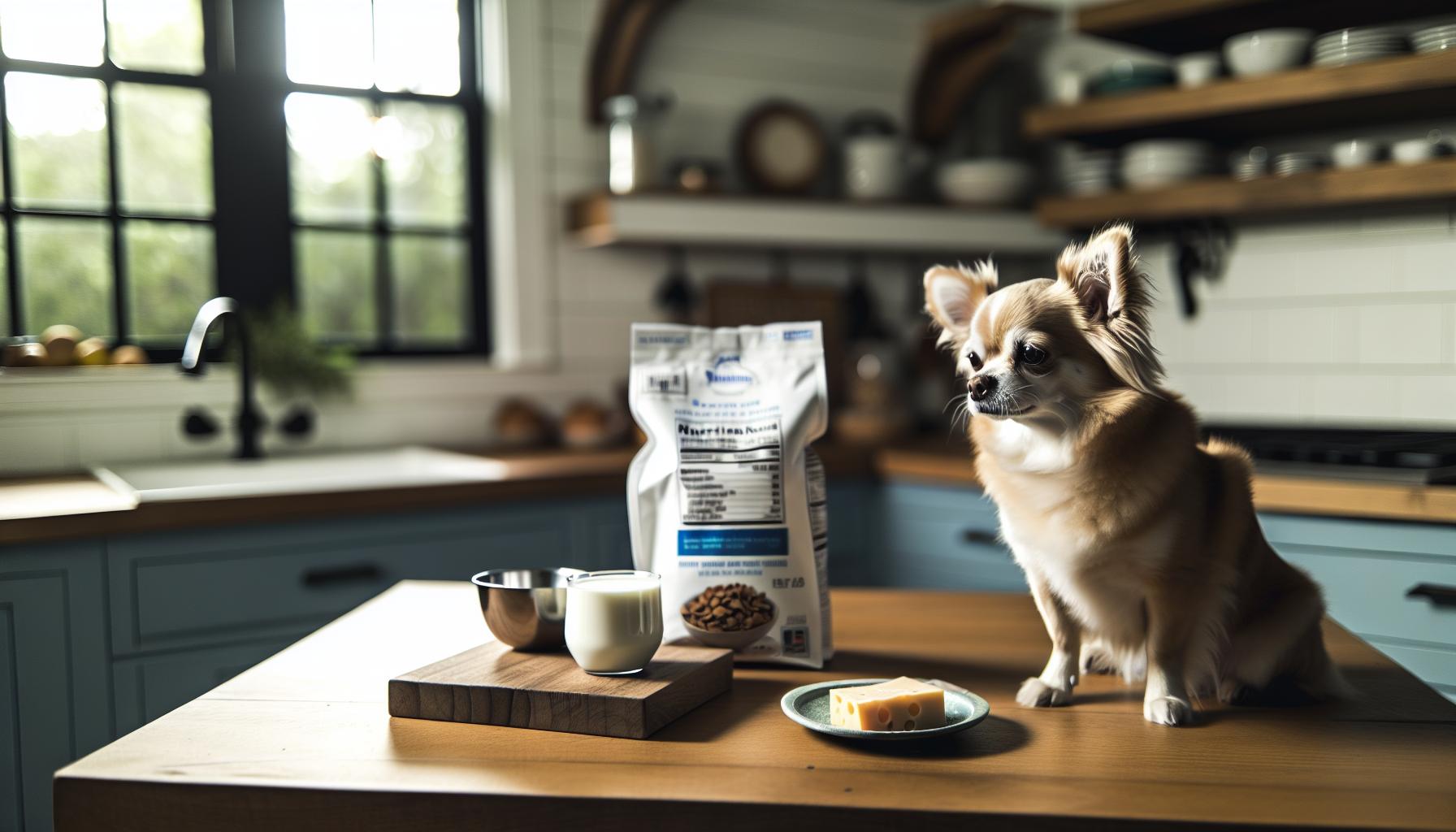
Chihuahuas are charming little companions with unique nutritional needs, especially when it comes to their diets. While you might be tempted to share that slice of cheese or dollop of yogurt, understanding how dairy impacts your pup’s health is essential. Many Chihuahuas are lactose intolerant, meaning their bodies struggle to digest lactose, a sugar found in milk and dairy products. This can lead to digestive distress, including diarrhea or an upset stomach. So, how do we ensure our feed is not just delicious but also nurturing for our petite pals?
Understanding Dairy in Your Chihuahua’s Diet
Dairy won‘t provide the same nutritional benefits to your Chihuahua as it might for some breeds. In fact, adult dogs generally lose the ability to digest lactose effectively, as the enzyme lactase decreases after weaning. Since Chihuahuas have smaller stomachs and faster metabolisms, they are often more sensitive to lactose. Consider this: a simple cheese treat could lead to discomfort for your enthusiastic little munchkin.
It’s critical to pay attention to the types of foods you offer. While some Chihuahuas may tolerate small amounts of low-lactose dairy like yogurt, it’s not guaranteed, and each dog’s tolerance can vary significantly. Always opt for plain, unsweetened varieties to avoid added sugars and artificial ingredients that may further irritate their delicate systems.
Considerations for Inclusion of Dairy
When it comes to including dairy, moderation is key. If you’re considering introducing dairy into your Chihuahua’s diet, start with tiny portions and watch for reactions. Here are some essential points to keep in mind:
- Small Portions: A tiny spoonful of yogurt can be a test run. Observe any immediate reactions.
- Lactose-Free Options: You might explore lactose-free products specifically designed for pets. They can offer a safe way to treat your Chihuahua.
- Nutritional Balance: Focus on providing a diet rich in proteins, healthy fats, and fiber instead. Consider high-quality kibble designed for small breeds or fresh foods that suit their needs.
- Hydration: Never forget the importance of fresh water, especially if you’re trying new foods! Keeping your Chihuahua hydrated is vital for digestion.
By keeping an eye on your little companion’s reactions and adjusting accordingly, you can ensure they enjoy a diet that supports their vibrant, energetic nature while steering clear of foods that might cause trouble. After all, every Chihuahua’s health journey is unique-make sure the path includes safe and healthy choices!
Impact of Dairy on Your Chihuahua’s Health
Many Chihuahua owners may not realize that dairy can significantly impact their little companions’ health. Chihuahuas, like many dogs, often lose the ability to produce the enzyme lactase as they grow, leading to difficulty digesting lactose, the sugar found in milk and dairy products. This is especially concerning given their small size and sensitive digestive systems. When dairy is introduced, it may result in symptoms such as diarrhea, bloating, or abdominal pain. Therefore, it’s crucial to understand the ramifications of including dairy in their diets.
For instance, a well-meaning owner might think a small piece of cheese is a harmless treat for their apple-head Chihuahua. However, if that little one develops a case of diarrhea afterward, it becomes clear that even small amounts of dairy can cause discomfort. It’s essential to observe how your Chihuahua reacts to any dairy-based products, and if you decide to try something like plain yogurt, do so with caution. Starting with a little can help you gauge their tolerance without overwhelming their system.
Introducing lactose-free products might be a safer option, as these have been formulated to eliminate lactose while still providing a creamy texture that dogs may enjoy. Keep in mind that while some Chihuahuas can tolerate small amounts of dairy, others might have no tolerance at all. Always prioritize a balanced diet that meets their specific nutritional needs, focusing on high-quality proteins, healthy fats, and ample hydration. This ensures that any treat, dairy or not, contributes to their overall well-being.
Ultimately, each Chihuahua is unique, and what works for one might not work for another. Regular vet check-ups and discussions about dietary choices can be invaluable, helping you to navigate the complexities of your fur baby’s health and dietary preferences. Emphasize variety and quality in their diet for a happy, healthy life.
How to Introduce New Foods to Your Chihuahua
Introducing new foods to your Chihuahua is an exciting yet careful process, especially when it comes to dairy products. Did you know that many Chihuahuas lose the ability to digest lactose as they age? This means what could be a delightful treat for some might cause tummy troubles for others. To keep your little companion happy and healthy, it’s essential to approach any new food, particularly dairy, with caution.
Start by selecting a small amount of the new food, whether it’s a slice of cheese or a dollop of yogurt. Begin with just a tiny taste to see how your Chihuahua reacts. Monitor for any signs of discomfort, such as gas, bloating, or diarrhea, which can indicate lactose intolerance. If your Chihuahua seems to handle the new food well, gradually increase the portion over several days. This slow introduction allows you to gauge their tolerance level without overwhelming their sensitive digestive system.
Remember, not all dairy is created equal. Some Chihuahuas may do fine with plain, unsweetened yogurt, while others might have an adverse reaction even to small quantities. Offering lactose-free options might also be a safer choice, providing a creamy texture that many dogs love without the lactose that could lead to digestive issues. Always be vigilant and observe your Chihuahua’s response, adjusting accordingly.
Sharing real-life experiences can be enlightening. For instance, one owner found that her apple-head Chihuahua adored a tiny spoonful of Greek yogurt mixed in with her kibble, while her long-haired companion developed an upset stomach after just a lick of ice cream. It’s crucial to recognize that each Chihuahua is unique; what works for one might not work for another. Consulting your vet for tailored dietary advice can also provide added peace of mind as you navigate these dietary changes together. Celebrate their quirks, and always prioritize their health-after all, a happy Chihuahua is a healthy Chihuahua!
Real Owner Experiences: Dairy and Chihuahuas
When it comes to sharing food with our beloved Chihuahuas, dairy can be a hot topic. Many owners have had firsthand experiences that shed light on how these little ones interact with dairy products. For instance, a proud owner of an apple-head Chihuahua recalls the delight on his pup’s face when given a taste of yogurt. After introducing a small spoonful of plain, unsweetened yogurt, he noticed that his dog didn’t just enjoy it-he thrived on it! No signs of discomfort were in sight, and the owner felt confident adding yogurt as an occasional treat to his Chihuahua’s diet.
On the other hand, there are cautionary tales. Another owner shared how her long-haired Chihuahua, who was always curious about food, seemed to love the taste of cheese. However, she learned the hard way after a comforting slice of cheese turned into a lesson about lactose intolerance. Within a few hours, her darling dog was clearly suffering from digestive upset. This experience prompted her to do more research about dairy and Chihuahuas, ultimately leading her to eliminate most dairy products from her dog’s diet and to stick with carefully monitored amounts of lactose-free options.
These unique experiences highlight an essential truth: each Chihuahua is different. While some may enjoy a creamy dollop of yogurt as a treat without issue, others might find themselves with an upset stomach after the slightest taste of dairy. It’s critical to try new foods slowly-start with a very small amount and observe how your Chihuahua reacts. If you notice any discomfort like bloating or diarrhea, it’s best to back off on the dairy and consider alternatives.
Overall, many Chihuahua owners find joy in experimenting with their furry friends’ diets, while maintaining a cautious approach. Sharing these stories and learning from one another can help create a safe and enjoyable feeding experience. Always remember to consult with your vet for tailored advice that suits your Chihuahua’s individual needs, ensuring that their health remains a top priority while celebrating their delightful quirks.
Common Misconceptions About Chihuahuas and Dairy
Many Chihuahua owners believe that their adored little companions can enjoy dairy products without consequence. However, this assumption can lead to misunderstandings about their dietary needs. Chihuahuas, like many dogs, often have varying degrees of lactose intolerance. This means that while some may handle a small amount of dairy without any issues, others can experience digestive distress that ranges from mild discomfort to more serious gastrointestinal problems.
One common misconception is that all dogs can digest dairy the same way humans do. In reality, many canines, including Chihuahuas, lose the ability to produce lactase-the enzyme needed to break down lactose-as they age. This can result in unexpected reactions when introduced to new dairy products. For example, the exuberant owner of a feisty apple-head Chihuahua might share how much his dog loved a lick of ice cream on a hot day, only to find himself cleaning up a watery mess later. Understanding that each Chihuahua is unique is crucial in avoiding these situations.
It’s also a myth that some dairy products are safe for all Chihuahuas. While certain dairy, like plain yogurt or small amounts of cheese, might be tolerated by some dogs, they can still cause bloating or diarrhea in others. It’s essential to introduce any dairy product slowly and watch for signs of intolerance. A careful approach not only prevents potential health issues but also helps you bond with your furry friend over new food experiences in a safe way.
Ultimately, dispelling these misconceptions can guide owners to make better nutritional choices for their Chihuahuas. As pet parents, we should embrace a trial-and-error approach while being mindful of our dog’s individual health needs. Consulting with a vet and observing your Chihuahua’s reactions to dairy can help create a healthier, happier feeding routine that supports their unique personality and quirks. Remember, just because one dog can enjoy a treat doesn’t mean yours can do the same!
Expert Tips for Feeding Your Chihuahua Safely
Feeding your Chihuahua safely involves understanding their unique dietary needs, particularly when it comes to dairy products. Chihuahuas, like many small dog breeds, can be more sensitive to certain foods than larger breeds. Their digestive systems may struggle with breaking down lactose, the sugar found in milk and other dairy products. To help navigate these waters, here are some expert tips tailored specifically for our pint-sized friends.
Start Slow with Introductions
Whenever you’re considering adding a new food to your Chihuahua’s diet, especially dairy, it’s crucial to proceed with caution. Start with very small amounts and observe her reaction over the next 24 hours. For instance, if you want to treat her to a bite of cheese, offer just a small piece and monitor for any signs of discomfort, such as bloating, gas, or diarrhea. If she digests it well, you might be able to gradually increase the portion. Just remember, patience is key-always allow some time before introducing another new item.
Stick to Safe Options
Not all dairy products are created equal for Chihuahuas. While many dogs might enjoy a lick of ice cream, this is often too rich for their sensitive stomachs. Instead, consider safer alternatives such as:
- Plain Yogurt: Look for options that are unsweetened and without artificial sweeteners, as these can be harmful.
- Hard Cheeses: Small amounts of hard cheeses like cheddar can be more easily digested compared to soft cheeses.
- Cottage Cheese: A little cottage cheese can be a nutritious treat, rich in protein and calcium.
These options can provide a tasty snack without overwhelming her digestive system.
Watch for Dairy Symptoms
Every Chihuahua is unique, so it’s vital to familiarize yourself with the signs of lactose intolerance specific to your furry companion. Symptoms can vary widely and may include:
- Diarrhea
- Vomiting
- Bloated stomach
- Gas
If you notice any of these symptoms following the consumption of dairy, it’s best to eliminate dairy from her diet altogether and consult your veterinarian.
Consult Your Veterinarian
When in doubt, never hesitate to reach out to your vet. They can provide personalized advice based on your Chihuahua’s age, health status, and dietary needs. They’re also equipped to help identify potential food sensitivities and suggest appropriate alternatives. Consulting your vet is especially important if you plan to include new foods over time, ensuring that your little one stays healthy and vibrant.
For the vibrant, lovable personality of your Chihuahua, mealtime should be a joyful experience. By following these guidelines, you can safely explore dairy options while keeping her health at the forefront. Remember, every dog is an individual; what works for one might not work for another, so be observant and responsive to her needs!
When to Consult a Vet About Food Sensitivities
When considering your Chihuahua’s diet, it’s essential to recognize when a visit to the veterinarian is necessary. These little personalities can be delicate when it comes to their digestive health, especially regarding food sensitivities like lactose intolerance. If you’ve noticed that your furry companion shows signs of distress after consuming dairy-such as lingering gas, stomach bloating, or any unusual behavior-it’s time to take a closer look and consult your vet.
Your Chihuahuas may not vocalize discomfort as you might expect, so understanding their body language is key. For instance, if they become restless, hide, or seem particularly lethargic after eating something new, do not hesitate to reach out to your veterinarian. Food sensitivities can manifest in myriad ways, and a professional can help distinguish whether it’s a common reaction or a sign of something more serious. Remember, your vet is an invaluable resource in navigating dietary challenges.
For first-time Chihuahua owners or those experienced in caring for this spirited breed, making adjustments to their diet can be daunting. If you’re introducing a dairy product, keep a detailed log of what your Chihuahua eats and any symptoms that follow. This way, you can provide your veterinarian with more accurate information to diagnose any potential issues. It’s vital to listen to your instincts-if it doesn’t seem right, consulting an expert can save you worry down the road.
Always trust your gut when it comes to the health of your little companion. If she continues to experience digestive discomfort or if you have other concerns-whether it’s a lack of appetite, excessive drooling, or unusual eliminations-schedule an appointment. After all, maintaining her health is paramount to ensuring that she remains the lively, loyal friend that adds so much joy to your life.
Q&A
Q: Why do some Chihuahuas show signs of lactose intolerance?
A: Some Chihuahuas may show signs of lactose intolerance due to their low levels of lactase, the enzyme needed to digest lactose. This can lead to digestive issues such as gas, diarrhea, or upset stomach after consuming dairy products. Always monitor your Chihuahua’s reaction to dairy to ensure their comfort.
Q: What types of cheese are safe for Chihuahuas?
A: Soft cheeses like cottage cheese or cream cheese can be more tolerable for Chihuahuas, as they typically contain lower lactose levels. Always introduce these in small amounts and watch for any adverse reactions. Avoid hard cheeses like cheddar or blue cheese, which may still cause issues.
Q: Can Chihuahuas eat yogurt safely?
A: Yes, Chihuahuas can eat plain, unsweetened yogurt in moderation. It contains probiotics that may benefit their digestive health. However, ensure the yogurt is lactose-free or low in lactose to prevent potential digestive upset.
Q: What should I do if my Chihuahua reacts poorly to dairy?
A: If your Chihuahua shows signs of lactose intolerance, such as vomiting or diarrhea, immediately cease feeding dairy products and consult your vet. They can provide personalized guidance and suggest safe alternatives that meet your Chihuahua’s nutritional needs.
Q: How can I determine if my Chihuahua is lactose intolerant?
A: To assess lactose intolerance, offer a small amount of dairy and monitor your Chihuahua for symptoms like bloating or diarrhea within 12 hours. If symptoms occur, it’s likely they are lactose intolerant. Keep a food diary to track any reactions over time.
Q: What are dairy-safe treats for Chihuahuas?
A: Dairy-safe treats like small amounts of plain yogurt or specially formulated dog treats made with dairy alternatives can be good choices. Always check ingredient labels to ensure they do not contain added sugars or unhealthy additives.
Q: How does lactose intolerance affect a Chihuahua’s overall health?
A: If untreated, lactose intolerance can lead to chronic digestive issues, impacting your Chihuahua’s overall health and energy levels. A balanced diet, free from lactose, should support their well-being. Consult your vet for a tailored dietary plan.
Q: Are there any benefits to giving my Chihuahua dairy?
A: Moderate dairy consumption can be beneficial if your Chihuahua tolerates it; products like yogurt provide probiotics. However, always prioritize lactose-free options and ensure it complements a balanced diet to avoid digestive discomfort.
In Retrospect
Understanding your Chihuahua’s dietary needs, particularly regarding lactose intolerance, is crucial for their health and happiness. Remember, not all Chihuahuas will react the same way to dairy, but it’s often best to play it safe and avoid giving them milk and cheese. If you’re looking for safe treat alternatives or tips on establishing a balanced diet, check out our guides on “Safe Foods for Chihuahuas” and “Healthy Treats for Small Breeds.”
Don’t forget to share your experiences in the comments below! Your stories can help other Chihuahua owners navigate similar concerns and ensure their furry friends stay healthy. For more expert tips and the latest in Chihuahua care, subscribe to our newsletter, and stay informed. Together, we can celebrate the vibrant and unique personalities of our little companions, ensuring they lead happy and healthy lives!
Get our latest guides, news, and insights highlighted in your Google Search & AI Overviews.