
Have you ever wondered why Chihuahuas are some of the tiniest dogs around? These little companions, often weighing just a few pounds, have captivated many with their bold personalities and unique quirks. Understanding their small size is not just a trivia topic; it has significant implications for their health, behavior, and care. As devoted Chihuahua owners, we need to appreciate how their tiny stature affects everything from their dietary needs to socialization challenges. By delving into the reasons behind their diminutive size, you’ll uncover essential insights that can enhance your care and deepen your bond with your furry friend. Join me as we explore this fascinating topic, celebrating the lovable Chihuahua in all her small yet mighty glory!
Why are Chihuahuas Naturally Small?
Chihuahuas are a delightful blend of personality and petite proportions, captivating dog lovers worldwide. One of the defining characteristics of this breed is their small size, which is primarily rooted in genetics. Chihuahuas typically weigh between 2 to 6 pounds, making them one of the smallest dog breeds. This diminutive stature isn’t merely a quirk; it’s influenced by various factors-including their ancestry and the specific genetic traits that have been favored over generations.
The Chihuahua’s origins trace back to ancient Mexico, where dogs similar to today’s Chihuahuas were revered. Historical records suggest that these tiny companions might have descended from the Techichi, a small dog kept by the Toltec civilization. As the breed evolved, selective breeding emphasized smaller sizes, perhaps as a reflection of cultural preferences and practical considerations. Notably, the compact size allowed Chihuahuas to thrive in human-centric environments, making them ideal companions for city dwellers and those seeking portable pets.
Chihuahuas also display a range of body types that contribute to their size dynamics. You’ll often hear discussions about “apple-headed” versus “deer-headed” Chihuahuas. The apple-headed variety typically has a rounder skull and a more compact build, while the deer-headed type sports a longer, more elegant frame. Each variant maintains the breed’s signature smallness, but their differing shapes add to the breed’s fascinating diversity. Understanding these traits can enhance your appreciation for what makes your Chihuahua not only small but uniquely charming.
As a Chihuahua owner, you’ll notice that this breed is not just about size; it embodies big personalities, boundless loyalty, and a tenacious spirit that often belies their tiny stature. Whether you’re new to the breed or a seasoned enthusiast, recognizing the significance of their size can deepen your bond with your furry companion.
Genetics: The Science Behind Chihuahua Size
Chihuahuas may be small in stature, but their size is a fascinating interplay of genetics and selective breeding practices. The genes that dictate a Chihuahua’s diminutive height and weight are particularly unique. The breed is characterized by the presence of specific alleles associated with short stature that lead to their petite frame. This genetic feature is often a result of centuries of breeding where smaller dogs were favored for various cultural and practical reasons.
In terms of genetics, Chihuahuas carry traits that have been passed down, which limit their growth. A study of dwarfism in canines highlights that mutations in genes responsible for growth can result in the small size seen in Chihuahuas. For instance, variations in the IGF1 gene (insulin-like growth factor) have been connected to the smaller size of certain dog breeds, including the Chihuahua. This genetic foundation not only determines their physical characteristics but also influences their metabolic rates, often making them more energetic and lively despite their small size.
Moreover, the variances you may observe within the breed, such as the “apple-head” and “deer-head” types, are a testament to how genetic selection has played a role. While both types share the charming compactness typical of the breed, their head shapes and body structures are refined through breeding preferences, further diversifying their appeal. This evolutionary journey reflects a blend of functional genetics and owner preference that has shaped the Chihuahua we adore today.
For owners, understanding these genetic nuances can deepen your appreciation for your Chihuahua’s unique attributes. Knowing that your little companion’s size is not random but rather a remarkable result of selective breeding can enrich your connection to them. Keep in mind that while small size does open the door to some health considerations, such as potential dental issues or luxating patellas, these challenges are manageable with proper care and veterinary support. Engaging actively with your Chihuahua’s needs and traits enriches both your lives, cementing the bond you share.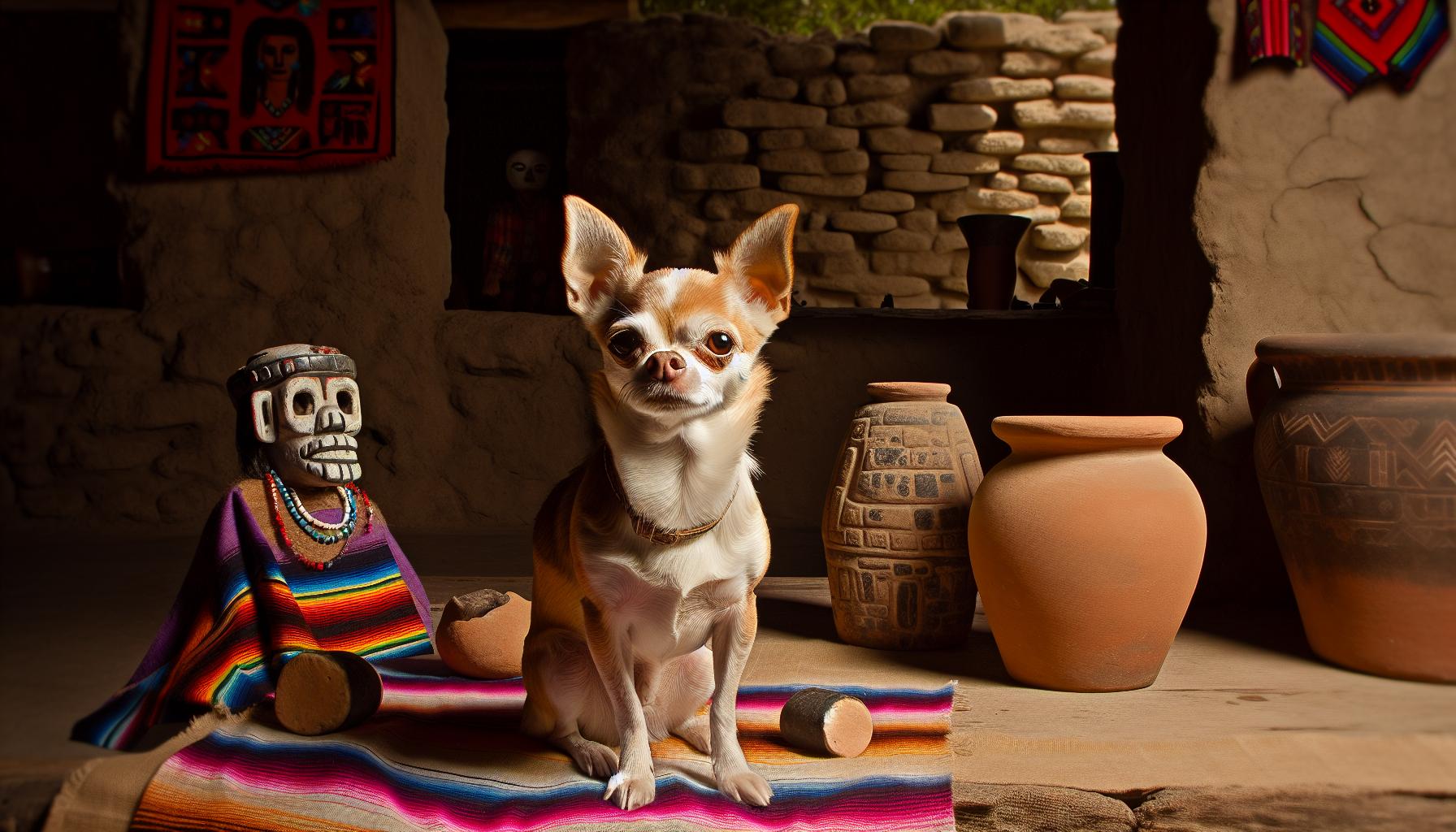
Historical Origins of the Chihuahua Breed
The Chihuahua’s tiny stature is steeped in a rich history that spans centuries and continents. Originating from Mexico, this breed’s lineage can be traced back to ancient civilizations, particularly the Techichi, a companion dog kept by the Toltec people around 300 AD. These small dogs were revered for their loyalty and were often depicted in Toltec art, hinting at their significance in both domestic life and spiritual practices. The slight build of the Techichi likely laid the groundwork for the Chihuahua’s characteristic small size, which has been further shaped by generations of selective breeding.
As the Chihuahua breed evolved, it also absorbed traits from various cultures and practices. Spanish colonists brought the breed to Europe in the mid-1800s, where they captured the hearts of noble families. Their compact size made them ideal companions, particularly in an era where smaller breeds were favored in royal circles. This popularity further cemented their petite frame as breeders selectively favored smaller specimens, leading to the distinguishable traits we recognize today, such as the iconic “apple-head” and “deer-head” types. Each type exhibits unique characteristics that reflect the breed’s adaptability and the preferences of their human companions.
In addition to their regal past, Chihuahuas have developed a personality that perfectly complements their size. Often characterized as bold and outspoken, these little dogs are known for their assertive presence, proving that size does not dictate personality. Their adaptability to various living situations, from apartments to large homes, makes them ideal companions for diverse lifestyles. As a Chihuahua owner, embracing these historical origins not only enriches your understanding of your furry friend but also enhances the bond you share. Their complex heritage, from ancient companions to contemporary family members, underscores the remarkable journey that has resulted in the Chihuahua’s beloved characteristics today.
Understanding this rich history allows you to appreciate the quirks and traits your Chihuahua brings to your life. Whether dealing with their sometimes vocal nature or their spirited attitude, recognizing their historic roots can be a source of pride and connection. The small size of Chihuahuas, shaped by centuries of cultural significance and selective breeding, makes these dogs not just companions but a link to a fascinating past.
Physical Traits: Understanding Chihuahua Body Types
Chihuahuas are among the smallest dog breeds, capturing the hearts of many with their compact size and vivacious personalities. Despite their tiny stature, Chihuahuas exhibit a striking variety of body types, which are often grouped into two main categories. Understanding these physical traits not only enhances your appreciation for this beloved breed but also helps you better care for your little companion.
One of the primary distinctions among Chihuahuas is between the apple-head and deer-head types. The apple-head Chihuahua features a rounded skull and a short muzzle, giving it a distinctly cute appearance. This head shape contributes to their characteristic expression, often perceived as alert and inquisitive. In contrast, the deer-head Chihuahua has a more elongated skull, a less pronounced stop (the area between the forehead and muzzle), and a slender build, resembling that of a young deer. This type typically stands a bit taller, with a leaner body, making them look more svelte compared to their apple-headed counterparts.
Beyond head shape, coat types also play a significant role in their physical characteristics. Chihuahuas come in both smooth and long-haired varieties. The smooth-coated Chihuahua has a short, glossy coat that lies close to the body, which is relatively easy to care for. The long-haired variety, on the other hand, features soft, flowing fur that adds to its adorable appeal but requires regular grooming to prevent matting. Regardless of the coat type, Chihuahuas’ sizes typically range from 2 to 6 pounds, highlighting their dainty nature.
When it comes to health, the small size of Chihuahuas does come with specific considerations. Their lightweight frames can make them susceptible to injuries, particularly if they engage in vigorous play with larger dogs. It’s essential to monitor their activity and ensure a safe environment to prevent accidents. Additionally, their small mouths can lead to dental issues, making regular vet visits, dental care, and appropriate chew toys crucial for maintaining their overall health.
Living with a Chihuahua means embracing their unique traits and quirks, from their bold personalities to their adorable size. By understanding the variations in body types and how these traits impact care and health, you can ensure that your canine friend thrives in a loving and safe environment. Whether your Chihuahua is an apple-head or a deer-head, each brings joy and companionship that truly enriches your life.
Health Considerations for Small-Sized Chihuahuas
Chihuahuas’ petite size adds to their endearing charm, but it also brings unique health considerations that every owner should be aware of. Their small stature makes them susceptible to certain health issues that larger breeds may not face. One crucial aspect to address is their dental health. Due to their tiny mouths, Chihuahuas often suffer from crowded teeth, leading to dental disease if not properly managed. Regular dental check-ups and providing appropriate chew toys can help mitigate these risks, ensuring your little companion maintains a bright smile.
Another important consideration is their susceptibility to injuries. Chihuahuas can easily be injured when playing with larger dogs or even by being stepped on inadvertently. It’s vital to supervise their interactions, especially in homes with bigger pets. Creating a safe play environment and teaching your Chihuahua commands can help keep them safe during playtime. For example, setting boundaries can prevent accidents and ensure they have a secure space to romp around in.
Temperature sensitivity is also a significant factor for our small friends. Chihuahuas are particularly prone to getting cold, so providing them with a warm sweater or a cozy bed is essential, especially in colder months. Their tiny bodies lose heat quickly, and a chilly environment can lead to stress or health problems. You want to make sure they have a comfortable place to retreat to that offers warmth and security.
Lastly, keep an eye out for signs of obesity, which can be an issue in small breeds. A balanced diet tailored to their size and activity level will not only help them stay fit but can also prevent the emergence of related health complications. Using high-quality, small-breed dog food and monitoring treat intake is a great start. Always consult with your veterinarian for recommendations on the best dietary approach for your Chihuahua.
By understanding these health considerations, you’re better equipped to provide the best care for your Chihuahua. Embracing their tiniest quirks and addressing their specific needs will lead to a happy, healthy life for both you and your vivacious little companion.
Life Expectancy: Do Smaller Dogs Live Longer?
Smaller dogs like Chihuahuas often pique curiosity regarding their life expectancy, particularly in comparison to larger breeds. While it’s a common belief that smaller dogs tend to live longer, the reality is far more nuanced. Chihuahuas typically have a lifespan of 12 to 20 years, which is notably longer than many larger breeds. Factors such as genetics, care, and overall health play critical roles in achieving these remarkable lifespans.
Genetics and Lifespan
Genetics significantly influence health and longevity in Chihuahuas. Breeding practices, for example, can lead to inherited health issues. Responsible breeding prioritizes health and temperament, giving your Chihuahua the best chance at a long life. Keep an eye on hereditary conditions like heart problems or patellar luxation, which are more prevalent in smaller breeds. Regular veterinary check-ups and a proactive approach to health care are essential in addressing these concerns early on.
Lifestyle Factors
Chihuahuas thrive with a lifestyle that suits their tiny stature. Keeping your pup at a healthy weight is crucial, as obesity can drastically reduce life expectancy. Monitor their diet closely and ensure they get plenty of exercise-though it might not take much to tire them out! Simple walks and playtime inside can keep them active and fit. Most importantly, create a safe environment free from hazards, as Chihuahuas are easily injured due to their small size.
Owner Lifestyle Impacts
An engaged, loving owner can make all the difference. Many Chihuahua owners find joy in socializing their little companions, but it’s essential to know your Chihuahua’s personality. Some may be bold and outgoing, while others are shy. Tailoring your approach to your dog’s unique temperament will foster their wellbeing and happiness, contributing to their longevity. Consistency in training and social interactions is key to ensuring they remain well-adjusted and confident.
In conclusion, while smaller dogs like Chihuahuas have the genetic potential for a longer life, their longevity is influenced by much more than just size. Focus on providing a balanced diet, regular veterinary care, a safe play environment, and plenty of love to ensure your little companion lives a vibrant, fulfilling life for many years. Embrace their bold, vocal nature and enjoy the unique bond that only a Chihuahua can offer!
Chihuahua Behavior: Adaptations of Tiny Dogs
Chihuahuas, with their petite stature, exhibit a rich tapestry of behaviors shaped by their small size. Known for their bold personalities, these tiny dogs often believe they’re much larger than they actually are. This fearlessness can be attributed to their historical role as companions and guardians. Despite their size, Chihuahuas are remarkably spirited and vocal, traits that make them unique and beloved by many. As a Chihuahua owner, understanding these behaviors not only enriches your bond but also enhances your ability to care for your loyal friend.
Chihuahuas have adaptations in behavior that suit their small build. For instance, their intense loyalty often leads them to form strong attachments to their owners, making them excellent companions but also prone to separation anxiety if left alone for extended periods. This attachment can necessitate a careful approach to training and socialization. Regular exposure to various environments and people can help mitigate anxiety and ensure your Chihuahua is well-adjusted and confident. Socialization is key; consider enrolling in puppy classes or arranging playdates to help your dog develop healthy social skills.
Moreover, their small size means they are highly alert and often take on the role of watchdogs. Their sharp barks can be fierce, announced with pride. It’s essential to channel this behavior positively through training. Providing mental stimulation through puzzle toys or engaging games can keep their minds occupied and reduce excessive barking. Remember, a bored Chihuahua may become a nuisance barker, so keeping them engaged is crucial.
In terms of care, understanding their unique body types-such as the apple-head or deer-head-can influence their behavior and interactions. For example, apple-head Chihuahuas often have a more delicate disposition, requiring gentle handling, while the more robust deer-head type might exhibit a more rugged playfulness. Tailoring your approach based on their physical traits can foster trust and comfort, reinforcing a deeper bond.
Being a Chihuahua owner means embracing the joy and challenges of their spirited behaviors. With the right care, attention, and understanding, you’ll not only enjoy their endearing quirks but also cultivate a lifelong friendship with your tiny powerhouse.
Feeding and Nutrition for Your Tiny Companion
When it comes to caring for a Chihuahua, their unique size doesn’t just influence their personalities but also significantly impacts their dietary needs. These pint-sized companions require a carefully balanced diet to ensure they meet their health requirements and maintain their lively spirit. Due to their small stature, Chihuahuas generally need less food than larger breeds, but what they consume is of utmost importance.
Understanding Nutritional Needs
Chihuahuas are prone to certain health issues, including dental problems and obesity. Their tiny mouths can sometimes lead to difficulty in chewing larger kibble, making it essential to choose a high-quality dog food that caters to their needs. Look for brands that offer small-bite formulas, which are easier for them to chew and digest. Focus on foods that list meat as the first ingredient, providing the necessary protein that fuels their energy and supports muscle health. Additionally, incorporate healthy fats, such as omega-3 and omega-6 fatty acids, for a shiny coat and overall skin health.
Feeding Schedule
Establishing a consistent feeding schedule is crucial for Chihuahuas. Unlike larger breeds that can be fed once or twice a day, Chihuahuas may benefit from three smaller meals throughout the day. This approach not only helps to keep their energy levels stable but also reduces the risk of digestive issues. It’s essential to monitor their portion sizes based on their activity level and condition. A usual serving might be a quarter to a half cup of high-quality dry food spread across their meals, but adjusting based on their specific needs is always advised.
Treats and Snacks
While it’s tempting to share your snacks and table food with your Chihuahua, it’s important to resist. These small dogs can be particularly sensitive to certain ingredients and preservatives found in human food. Instead, opt for healthy, breed-specific treats. Vegetables like carrots or green beans can serve as nutritious snacks that many Chihuahuas enjoy, while also being low in calories. You can also explore freeze-dried meat or fish treats, which are both palatable and beneficial for their diet.
In conclusion, a Chihuahua’s diet must be tailored to their unique size and health considerations. By focusing on high-quality nutrition, maintaining a consistent feeding schedule, and avoiding unhealthy treats, you will help your little companion thrive. With the correct approach to their nutrition, you can ensure that your Chihuahua stays happy, healthy, and full of that bold spirit that makes them so endearing.
Training Tips for Small yet Vocal Chihuahuas
The training of a Chihuahua can be an enjoyable experience, not only for you but also for your diminutive companion. Despite their compact size, these spirited dogs bring enormous energy and a bold attitude, which can sometimes make them a bit vocal. It’s essential to harness their natural tendencies early on to create a well-mannered and confident little dog. With the right approach, you can train your Chihuahua effectively while celebrating their unique quirks.
First, start with positive reinforcement. Chihuahuas are more responsive to kind words and treats than harsh commands. Use small, high-value treats to motivate your little one during training sessions. A simple “good girl” or “well done” goes a long way to encourage her to repeat the behavior. Of course, their vocal nature means they may bark during training; it’s important to acknowledge this without punishment. Instead, redirect this energy into active training through playful commands like “speak” or “quiet,” helping her understand when barking is appropriate.
Chihuahuas often have a tendency to assume themselves as the guardians of your household. This attribute can be both charming and challenging, especially when it comes to managing their barking. Teaching the command “quiet” can be particularly beneficial. When she barks, calmly say “quiet” and wait for her to stop. The moment she does, reward her with a treat and praise. Practicing this consistently will help her learn to moderate her vocalizations over time.
In addition to basic commands, socialization is key for your Chihuahua. Exposing her to different environments, people, and other animals will help diminish anxiety and reduce vocal tendencies associated with nervousness. Arrange playdates with other small dogs or take her to puppy classes. These experiences can teach her appropriate behavior and enhance her confidence. Keep in mind that socialization should be a gradual process, starting with short exposures and increasing over time as she becomes more comfortable.
Lastly, remember that consistency is vital. Establishing a routine with training sessions can make a significant difference. Short, daily sessions of 5 to 10 minutes work best; Chihuahuas can easily lose focus if sessions are too long. Use these moments to practice basic commands, tricks, and proper walking behavior. For instance, walking on a loose leash is an excellent way to ensure her bold personality doesn’t turn into stubbornness. Reward her for walking nicely by your side, reinforcing good behavior that will aid in her development.
With patience and consistent practice, you can enjoy the delightful yet challenging journey of raising a Chihuahua. Celebrate their small stature, big personality, and the joy they bring to your life!
Socialization: The Importance for Chihuahua Pups
The tiny Chihuahua, with its bold spirit and big personality, is a breed that thrives on social interactions. Despite their small size, these little companions need to feel confident and secure in their surroundings, and socialization plays a crucial role in achieving that. By exposing your Chihuahua to various environments, people, and other animals, you help diminish any apprehension they may feel, ultimately leading to a happier, more well-adjusted pet.
Socialization should start as early as possible, ideally during their critical developmental period, which runs from about 3 to 14 weeks of age. During this time, Chihuahuas are particularly receptive to new experiences. Make it fun! Arrange playdates with other friendly, small dogs or take your pup along to pet-friendly stores. This not only helps your Chihuahua learn to interact positively with others but also builds their self-esteem. Even brief exposures to different situations-like sounds, sights, and scents-contribute greatly to their comfort in the world.
It’s vital to approach socialization gradually. Chihuahuas can be sensitive, and overwhelming them with too much too soon can lead to fearful behaviors. Consider this process akin to introducing a toddler to a new playground: start small and gradually expand their experiences. Begin with quieter environments and gradually introduce crowds or bustling places. Each step should bring a sense of accomplishment and safety, making the world seem less intimidating.
In addition to formal socialization activities, daily life provides ample opportunities for learning. Take your Chihuahua for regular walks and let her encounter new sights and sounds. These walks serve as mini-adventures, teaching her how to cope with various stimuli-everything from the whir of a vacuum to the bark of a larger dog. Remember, the goal is to help her feel secure in her tiny paws, so offer praise and treats when she displays curious or calm behavior.
A well-socialized Chihuahua is more likely to exhibit confidence and less likely to develop behavioral issues such as excessive barking or fear-based reactions. As you nurture this aspect of her life, celebrate her uniqueness-her size may be small, but her heart is boundless! With love and patience, you’ll both enjoy the benefits of a well-rounded, sociable Chihuahua who can take on the world by your side.
Caring for a Chihuahua: Special Considerations
When you welcome a Chihuahua into your home, you’re not just bringing in a pet-you’re inviting a spirited companion who, despite their small stature, brings a wealth of joy and personality. Caring for a Chihuahua involves understanding their unique needs, which are shaped by their genetics and physical characteristics. These little dogs are often referred to as “pocket-sized” due to their petite size, making them excellent for apartment living, yet they require special considerations to ensure they thrive.
Chihuahuas are known for their bold and vocal nature, which reflects their heritage as watchdogs. To properly care for such an energetic and spirited breed, fostering an environment that both exercises their bodies and engages their minds is essential. Regular playtime, both indoors and outdoors, will keep energy levels in check. Since Chihuahuas are sensitive to temperature extremes, be mindful of the climate when planning walks or outdoor play. Engaging in gentle indoor games can also be a great way to bond, especially during colder months.
Nutrition plays a crucial role in the health of your Chihuahua. Given their small size, portion control is vital to prevent obesity, which can lead to serious health issues. Opt for high-quality dog food that meets their specific dietary requirements. Tiny dogs like Chihuahuas should be fed smaller, more frequent meals, rather than one large feeding. Additionally, be cautious about their treats-while it can be tempting to pamper your little friend, make sure that treats are appropriate for their size and caloric needs.
Health monitoring is another critical aspect of caring for your Chihuahua. Regular veterinary visits are essential to stay ahead of potential health concerns such as dental issues or patellar luxation, common in smaller breeds. Keeping an eye on their weight, coat condition, and activity levels can provide indicators of their health. Don’t hesitate to seek professional advice if you notice anything unusual. Simple routines, like brushing their teeth and regular check-ups, contribute significantly to their overall well-being.
Embrace the quirks of your Chihuahua, from their adorable shivers when excited to their bold attitude around larger dogs. With structured care and attention, you’ll not only ensure a healthy and happy life for your little companion but also create a deep bond that only grows with time and love. cherishing their unique quirks will undoubtedly bring endless joy to your journey together.
The Joys and Challenges of Owning a Tiny Dog
Owning a tiny dog is nothing short of an adventure, especially when it comes to Chihuahuas. These little companions pack an astonishing amount of personality into their petite frames, often surprising their owners with their boldness and vocal nature. From the moment you bring one into your home, you’ll discover that their small size does not diminish their capacity for love, loyalty, or mischief. Chihuahuas can brighten your day with their quirky antics and fierce loyalty; however, they also come with challenges that require special care and understanding.
One of the most delightful aspects of owning a Chihuahua is their boundless energy and affectionate nature. They thrive on companionship and are known for forming extremely close bonds with their owners. Whether you’re snuggling on the couch or going for a walk, your Chihuahua will be right there, eager to explore the world. Their small size also makes them incredibly adaptable to various living conditions, including apartments or homes with limited space. Regular playtime and mental stimulation are essential, as these spirited dogs are highly intelligent and need both physical and mental challenges to stay happy and healthy.
However, owning a Chihuahua isn’t without its hurdles. Their tiny size means they are especially vulnerable to injuries and can be easily intimidated by larger dogs or rough play. It’s crucial to supervise their interactions with other pets and young children to ensure they feel safe and protected. Moreover, Chihuahuas have a tendency to be vocal, which can be both charming and challenging; you may find that your little friend enjoys expressing their opinions, so early socialization and training are vital. Teaching them basic commands can help curb excessive barking and reinforce good behavior.
Furthermore, their delicate stature requires thoughtful health considerations. Regular veterinary check-ups can help catch any health issues early, as conditions like dental problems or patellar luxation can be common in this breed. Paying attention to their diet is equally important; small dogs can easily become overweight, so measuring food portions and providing balanced nutrition suited to their size is essential for maintaining their health. Remember, your tiny companion may be small, but caring for them involves a commitment that matches the joy they bring into your life. Embrace their quirks and protect their well-being, and you will be rewarded with a friendship like no other.
Frequently asked questions
Q: What factors contribute to the small size of Chihuahuas?
A: Chihuahuas are small due to a combination of genetics, selective breeding, and evolutionary adaptations. Their diminutive size helps them survive in various environments, and breeders often selected smaller individuals for desirable traits, further perpetuating the small stature of the breed.
Q: Are Chihuahuas considered a toy breed?
A: Yes, Chihuahuas are categorized as a toy breed. This classification includes small dogs bred primarily for companionship. Their small size and playful nature make them popular pets, especially for those in smaller living environments.
Q: How does the size of Chihuahuas affect their health?
A: The small size of Chihuahuas can lead to specific health issues, such as dental problems and heart disease. It’s essential for owners to monitor their Chihuahua’s diet and regular veterinary check-ups to ensure a healthy life. Learn more about health considerations in the section on Health Considerations for Small-Sized Chihuahuas.
Q: Why do some Chihuahuas have different body types?
A: Chihuahuas can have various body types, mainly due to their genetic diversity. Some may exhibit traits like the “apple-head” shape, while others may have a “deer-head” appearance. These variations stem from different breeding practices that emphasize particular physical traits.
Q: Do Chihuahuas require special training due to their size?
A: Yes, Chihuahuas may need specialized training approaches due to their size and spirited nature. Consistent, positive reinforcement methods work best. Building confidence through socialization during early stages can prevent behavioral issues later on. Check out the section on Training Tips for Small yet Vocal Chihuahuas for more insights.
Q: What is the average lifespan of a Chihuahua?
A: Chihuahuas typically have a lifespan between 12 to 20 years. Their smaller size often contributes to a longer life, but they can be prone to certain health issues. Regular care is crucial to ensuring they live a long, healthy life.
Q: How do Chihuahuas compare in size to other toy breeds?
A: Chihuahuas are among the smallest toy breeds, often weighing around 2 to 6 pounds. Compared to others, like the Pomeranian or Yorkshire Terrier, they typically rank lower in weight, making them a popular choice for those wanting a very small dog.
Q: What unique behaviors do Chihuahuas exhibit due to their size?
A: Chihuahuas may display unique behaviors like being exceptionally vocal or overly protective. Their small size often leads them to perceive larger dogs as threats, prompting them to bark or act bravely, showcasing their spirited personalities. For more on behavior, see the section on Chihuahua Behavior: Adaptations of Tiny Dogs.
Future Outlook
Chihuahuas may be small, but their personalities are larger than life! Understanding why these adorable pups are petite helps you appreciate their unique traits even more. From their bold nature to their loving companionship, every Chihuahua has a character waiting to be discovered. If you’re pondering how to care for your tiny friend or want tips on training and socializing, be sure to explore our detailed guides on Chihuahua care and behaviors.
Feeling inspired? Join our community of Chihuahua enthusiasts by signing up for our newsletter, where we share expert insights and heartwarming stories from fellow owners. Don’t forget to check out our article on the various Chihuahua types, like the apple-head and others, to delve deeper into their fascinating world. Your journey with your little pup is just beginning, and we’re here to help along the way-let’s celebrate the quirks that make Chihuahuas so special together!
Get our latest guides, news, and insights highlighted in your Google Search & AI Overviews.