

Nestled in northern Mexico, Chihuahua is not only the country’s largest state but also the namesake of the beloved Chihuahua breed. Understanding its geographic location offers insight into the diverse landscapes and climates that influence both the culture and the unique characteristics of these little dogs. Knowing where Chihuahua is located can help you appreciate the breed’s resilient spirit and vibrant personality, shaped by its Mexican heritage. Whether you’re a first-time owner or a seasoned Chihuahua enthusiast, exploring this region is essential to understanding why these loyal, bold companions have captured the hearts of dog lovers worldwide. Curious about the specifics? Let’s dive into the fascinating world of Chihuahua’s geography and how it impacts the breed we adore!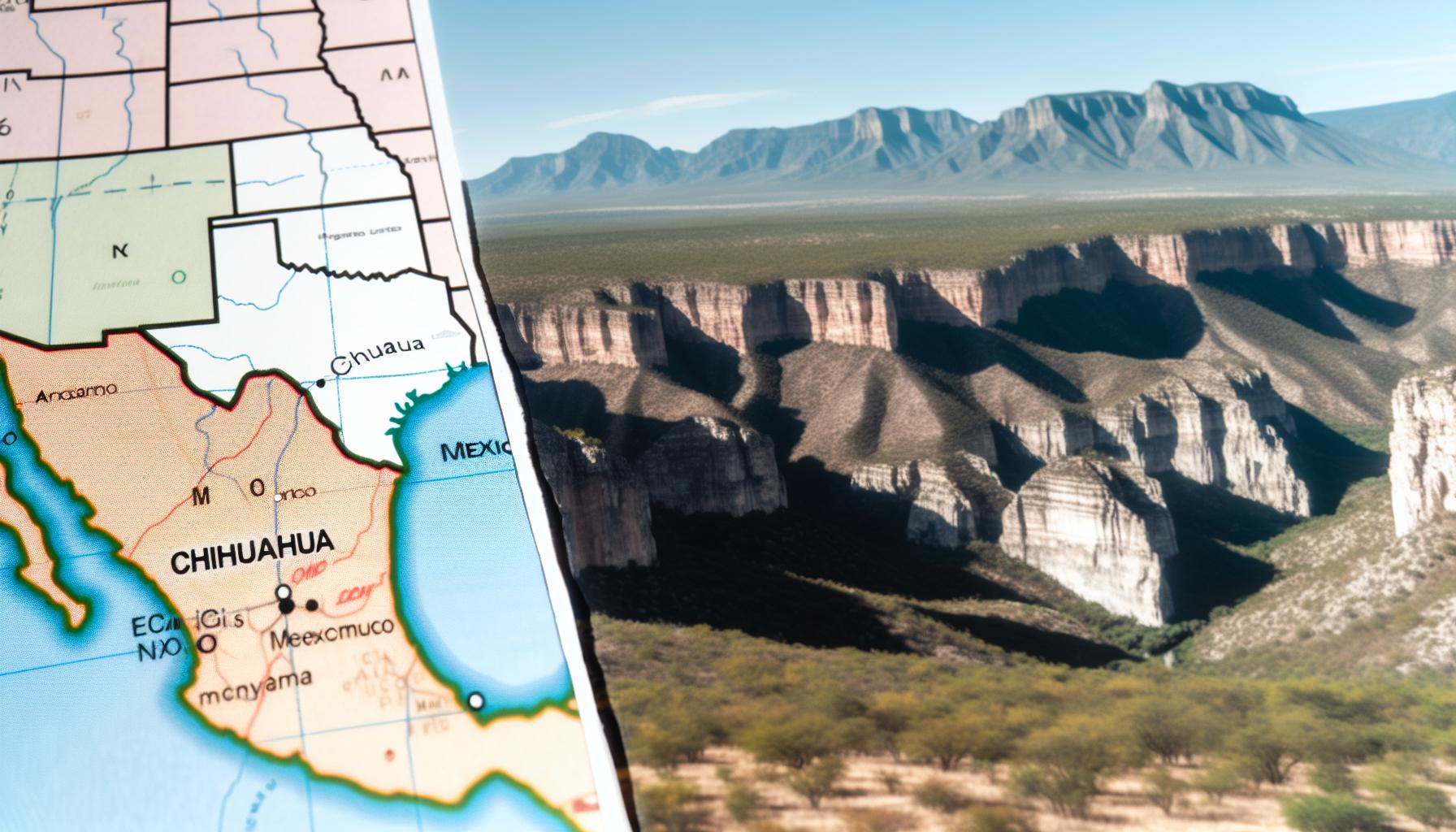
Where Is Chihuahua Mexico Located?
Chihuahua, a vibrant Mexican state, is located in the northern part of the country and is notable for being the largest state in Mexico by area. Its geographical coordinates are approximately 28.6321° N latitude and 106.0691° W longitude, placing it in a unique position that borders both the United States and several Mexican states. To the north, it shares an international border with Texas, making it a significant gateway for trade and travel. Surrounding Chihuahua are the states of Durango to the west, Coahuila to the south, and Sonora to the southwest, creating a diverse ecological and cultural tapestry influenced by both desert and mountainous regions.
The state’s landscape includes the Sierra Madre Occidental mountain range and expansive plains, with notable cities such as Chihuahua City serving as the capital. This central hub not only offers cultural and historical significance but also access to many regional attractions. Just of note, the city is rich in colonial architecture and lively markets, inviting visitors to explore its colorful streets and vibrant atmosphere. It’s worth mentioning that the natural beauty found here-from the dramatic canyons of the Copper Canyon to the desert landscapes-makes it a haven for outdoor enthusiasts.
Travelers should prepare for a high desert climate characterized by hot summers and mild winters. This diverse weather pattern influences the local flora and fauna, which are adapted to thrive in such conditions. The geographical location of Chihuahua not only enhances its cultural richness but also contributes to its role as a vital crossroads for commerce and migration within North America. Understanding Chihuahua’s location and its significance can greatly enrich your travel experience, offering deeper insights into what makes this state a unique part of Mexico.
Understanding Chihuahua’s Geographic Coordinates
Chihuahua, the largest state in Mexico, boasts distinctive geographic coordinates that place it at the heart of northern Mexico. Located at approximately 28.6321° N latitude and 106.0691° W longitude, this expansive region shares borders with the United States to the north, specifically Texas, which enhances its importance as a commercial hub. The coordinates are significant not just for mapping but also illuminate the state’s unique blend of natural beauty and cultural diversity.
The geography of Chihuahua is defined by striking contrasts, from the majestic Sierra Madre Occidental mountain range in the west to vast desert landscapes in the east. These geographic features contribute to its wide-ranging climate and ecosystems, making it an intriguing destination for nature lovers and outdoor enthusiasts. For instance, while you can experience the dry heat of the desert plains, just a few hours’ drive can transport you to cooler, mountainous regions ripe for hiking and wildlife observation.
Chihuahua’s positioning also creates accessibility to various notable landmarks and cities. Within close proximity, you can find places like Copper Canyon, a breathtaking natural wonder that draws visitors for its dramatic views and adventurous activities. The state’s geographic coordinates serve as a gateway, connecting you not just to local sites but also to larger cultural and economic corridors between Mexico and the United States. Understanding this geographical context helps underline Chihuahua’s role as both a natural treasure and a vibrant cultural center, inviting exploration and discovery.
Exploring Nearby Landmarks and Major Cities
Chihuahua is not just the name of a beloved dog breed; it’s also a state rich with diverse landscapes and fascinating landmarks. When you find yourself in this northern Mexican state, there are a myriad of nearby cities and natural wonders worth exploring, each contributing to the state’s unique character. For anyone looking to immerse themselves in the vibrant life of Chihuahua, understanding its geographical layout can enhance your experience tremendously.
One of the standout destinations is Chihuahua City, the state capital, which is steeped in history and culture. This lively city boasts impressive colonial architecture, including the stunning Palacio de Gobierno and the historic Cathedral of Chihuahua, making it an essential stop for history buffs. A short drive away, you’ll find Cuauhtémoc, known for its rich indigenous heritage and apple orchards, where visitors can savor local delicacies. For adventurers, the awe-inspiring Copper Canyon lies southwest of Chihuahua City, a sprawling network of canyons that is deeper and larger than the Grand Canyon, offering breathtaking views and a mix of hiking trails.
In terms of accessibility, Chihuahua’s location makes it a crucial transportation hub linking the U.S. and Mexico. Major highways connect it to El Paso, Texas, just across the border, allowing for a seamless travel experience between cultures. Whether you’re exploring the beautiful Sierra Tarahumara or the plains and dramatic cliffs of the Sierra Madre, Chihuahua serves as a perfect base for various adventures.
With its combination of urban charm and natural beauty, the area surrounding Chihuahua is packed with experiences waiting to be discovered. Prepare to be captivated by the warmth of its people, the richness of its culture, and the stunning landscapes that continue to draw visitors from around the world.
Chihuahua’s Climate: What to Expect
Chihuahua’s climate is as diverse as its landscape, offering visitors a mixture of warm days and cool evenings. Nestled in the northern part of Mexico, this state experiences a semi-arid climate with significant variations in temperature, making it a fascinating destination for outdoor enthusiasts and cultural explorers alike. Summer temperatures can soar, often exceeding 35°C (95°F), while winters can be chilly, dipping below freezing in some areas, especially in the mountainous regions.
When planning your visit, it’s essential to consider the time of year; from May to September, the state sees its warmest weather, combined with some rain, primarily in the form of afternoon thunderstorms. This season is perfect for exploring the lush landscapes and canyons, where vibrant flora comes alive. If you prefer milder temperatures for outdoor activities, the best time to experience Chihuahua’s beauty is during spring (March to May) or fall (September to November), when the weather is pleasantly cool and the scenery is breathtaking.
A vital tip for visiting Chihuahua is to stay hydrated and protect yourself from the sun, especially during the summer. Whether you’re hiking in the Sierra Tarahumara or strolling around Chihuahua City, having water on hand is crucial. Don’t forget to dress in layers during the cooler months to stay comfortable as temperatures can fluctuate significantly from day to night. With its unique climate, adventurers in Chihuahua will enjoy a broad range of activities, from exploring historical sites to trekking through stunning natural landscapes, all while experiencing the warm hospitality of its residents.
Cultural Significance of Chihuahua’s Location
Chihuahua, a region rich in history and culture, plays a crucial role in Mexico’s identity. Positioned in the northern part of the country, it serves as a crossroads between diverse cultures and geographical landscapes. The state’s unique location has contributed to its vibrant cultural significance, fostering a blend of indigenous and colonial influences that are reflected in its traditions, languages, and communities.
One of Chihuahua’s standout features is its proximity to the U.S. border, which has historically made it a gateway for trade and cultural exchange. This closeness has led to a lively interaction between Mexican and American cultures, seen in the region’s cuisine, music, and festivals. For instance, the annual Fiesta de Chihuahua, celebrating local music, dance, and food, attracts visitors from both sides of the border, exemplifying the area’s cultural connectivity.
The geographic diversity of Chihuahua also plays a significant role in shaping its cultural landscape. This state is home to the majestic Sierra Tarahumara mountains, which not only offer breathtaking scenery but are also the ancestral lands of the Tarahumara people, known for their remarkable endurance running abilities and deep spiritual connection to the environment. The integration of the Tarahumara traditions into the wider culture of Chihuahua provides a unique blend of ancient practices and contemporary life, allowing visitors to experience authentic indigenous culture through festivals, artisanal crafts, and local hospitality.
Furthermore, Chihuahua’s historical significance as a pivotal location during Revolutionary movements adds another layer to its cultural story. Cities like Chihuahua City, once the state capital, are filled with museums and landmarks that commemorate revolutionary heroes, showcasing the region’s enduring spirit of resilience and adaptation. Visitors can explore this rich tapestry of history while enjoying the warm, welcoming nature of the local people, who take pride in sharing their heritage and stories.
In embracing its unique geography, Chihuahua stands as a vibrant testament to the melding of different cultures, making it not only a destination for adventure seekers but also a living museum of history, art, and tradition that continues to evolve.
Historical Context of Chihuahua’s Geographical Position
Chihuahua’s unique geographic position has been pivotal throughout its history, making it a significant player in both Mexican and North American narratives. Nestled in the northern region of Mexico, Chihuahua borders the United States to the north and serves as a critical gateway for commerce and cultural exchange. Its location has not only influenced its economy but has also shaped its cultural identity, melding indigenous traditions with colonial legacies.
Historically, the vast landscapes of Chihuahua have been witness to countless significant events. The area was originally inhabited by numerous indigenous groups, including the Apache, Navajo, and the Tarahumara, who deeply connected to the land. Spanish colonization in the 16th century introduced new cultural elements, merging European traditions with the existing indigenous practices. This blend is evident in modern Chihuahua’s festivals, architecture, and daily life.
During the Mexican Revolution, Chihuahua emerged as a crucial battleground and a site of revolutionary fervor. Figures such as Pancho Villa, a prominent revolutionary leader, hailed from this state. The famous city of Chihuahua played a vital role in Villa’s campaigns, and visitors today can explore sites like the Pancho Villa Museum, which encapsulates the region’s revolutionary history. This historical context adds layers to understanding the state’s current identity, shaped by its past struggles and achievements.
Moreover, Chihuahua’s geographical diversity, featuring mountains, deserts, and fertile plains, has influenced settlement patterns and lifestyle. The Sierra Tarahumara, with its rugged terrain, not only harbors rich cultural histories but also presents challenges and opportunities for its inhabitants. Communities here have thrived by adapting their practices to the environment, creating a dynamic interplay between geography and culture that defines Chihuahua’s essence today. Understanding this historical context enriches any visit, providing deeper insight into the state’s vibrant and complex identity.
Transportation and Accessibility to Chihuahua
Reaching Chihuahua, a vibrant state in northern Mexico, is a journey worth taking. Its accessibility from various parts of Mexico and the United States makes it an excellent destination for travelers and locals alike. With its major backbone of highways and air travel options, getting to Chihuahua is both convenient and straightforward.
For those traveling by air, General Roberto Fierro Villalobos International Airport (CUU) serves as the primary gateway into the region. This airport is well-connected, offering flights from major Mexican cities like Mexico City, Guadalajara, and Monterrey, as well as some direct flights from the U.S. cities. For example, El Paso, Texas, located just across the border, often has convenient routes that make for an easy and quick trip. Once you’ve arrived, renting a car or utilizing local taxi services can help you navigate the area effectively.
Traveling by road is another popular option. Chihuahua is well-served by a network of highways, making it accessible from various directions. The Mexican Federal Highway 45 runs through the state, connecting it directly to cities such as Juarez to the north and other prominent locations in Mexico. The drive from El Paso, for instance, is approximately 4 hours, allowing visitors to enjoy the beautiful scenery of the Sierra Madre mountains along the way. It’s advisable to be mindful of driving conditions and local traffic laws, especially in rural areas.
Public transportation is also available for those who prefer not to drive. Buses from various parts of Mexico frequently arrive at the main bus terminal in Chihuahua City, providing an economical and comfortable way to travel. Reliable bus services such as Estrella Blanca and Ómnibus de México have routes covering significant urban centers. A well-known tip among travelers is to opt for the first-class buses, as they provide more comfort and often include amenities like air conditioning and more legroom.
In summary, whether you choose to fly, drive, or take a bus, Chihuahua’s transportation options cater to numerous preferences, ensuring that everyone can find a way to enjoy the state’s rich culture, stunning landscapes, and historical significance. As you prepare for your journey, be sure to take the time to explore the local offerings and experience the unique charm that Chihuahua has to offer.
Top Attractions in Chihuahua: A Geographic Guide
Chihuahua is not just a vast and beautiful state in northern Mexico; it’s also home to a plethora of stunning attractions that reflect its rich cultural heritage and breathtaking landscapes. One must-visit location is the Chihuahua Desert, where visitors can explore its unique ecosystem, featuring dramatic rock formations and diverse wildlife. Don’t miss out on taking a guided tour to learn about the flora and fauna that thrive in this arid environment.
In the capital city, Chihuahua City, you can find the impressive Pancho Villa Museum, dedicated to the famed revolutionary leader. The museum offers a fascinating look into the life of Villa through photographs and memorabilia. Close by, the iconic Centro Histórico showcases beautiful colonial architecture, with vibrant buildings and lively plazas that are perfect for a leisurely stroll.
Traveling a bit outside the city, the Basaseachic Falls National Park boasts one of Mexico’s tallest waterfalls, plummeting over 246 meters. This natural marvel offers panoramic views and treks that will appeal to adventure seekers and nature lovers alike. Additionally, the park is home to a variety of hiking trails where you can immerse yourself in the local flora and fauna.
For those interested in history and archaeology, the Cueva de la Olla, or the Pot Cave, is a site where ancient remains and artifacts have been discovered, offering a glimpse into the past civilizations of the region. Exploring these sites provides a deeper appreciation of Chihuahua’s historical significance.
Lastly, no visit to Chihuahua would be complete without indulging in the local cuisine. Dishes such as burritos and discada, a savory meat and vegetable dish, showcase the region’s culinary flavors, strongly influenced by both indigenous and Spanish cuisines. As you navigate through Chihuahua, each stop reveals a piece of its diverse geographical and cultural tapestry, making it an unforgettable experience.
Wildlife and Natural Features of the Region
In Chihuahua, the natural landscape is a vibrant tapestry that captivates all who venture into its majestic regions. This diverse state boasts a variety of ecosystems, from the expansive desert terrains to lush forested areas in its mountainous regions. Home to unique wildlife, Chihuahua offers opportunities for nature enthusiasts and adventurous spirits to connect with the environment in remarkable ways. Among these natural features, the Sierra Madre Occidental mountain range stands out, forming a stunning backdrop that shapes the region’s climate and biodiversity.
Flora and Fauna
The biodiversity in Chihuahua is extraordinary, showcasing a range of habitats that support various species. The state is filled with unique plants, including *yucca*, *sagebrush*, and several varieties of cacti, which thrive in the arid desert climate. As for wildlife, it’s not uncommon to spot animals such as the Mexican gray wolf, which is a symbol of conservation efforts in the region, as well as various bird species like the golden eagle soaring through the skies. The state’s numerous national parks, like Basaseachic Falls National Park, harbor rich ecosystems where visitors can observe wildlife in their natural habitat.
Unique Natural Features
Chihuahua is also home to remarkable geological formations. For example, the dramatic cliffs and canyons of the Copper Canyon system rival the Grand Canyon in size and beauty, offering a breathtaking canvas for hiking, rock climbing, and photography. Here, the confluence of rivers and rich geology creates stunning views and diverse habitats that attract both adventurers and researchers alike.
Additionally, the climatic variations across the state contribute to diverse wildlife. The southern parts of Chihuahua, characterized by a milder climate and higher altitude, support lush forests and a different array of species compared to the arid north. This unique blend makes Chihuahua a microcosm of ecological diversity, allowing nature lovers to explore everything from desert landscapes teeming with life to the cool, shaded woodlands that are perfect for relaxing nature walks.
Understanding and appreciating the wildlife and natural features of Chihuahua not only enriches your visit but also fosters a deeper connection to the stunning environment that defines this region. Whether you’re hiking in the mountains or exploring the desert, Chihuahua’s natural beauty offers endless possibilities for adventure and discovery.
Chihuahua’s Surrounding States and Borders
Chihuahua, Mexico, is uniquely positioned as it shares borders with several states and countries, creating a rich tapestry of cultural and geographical influences. To the north, it borders the United States, specifically the states of New Mexico and Texas. This proximity not only facilitates robust trade and travel but also enriches Chihuahua’s cultural landscape, bringing in elements from the southern U.S., which can be seen in the region’s cuisine and traditions.
Traveling east, Chihuahua is neighboring Coahuila, while to the west, it is flanked by Sonora. The rugged features of the Sierra Madre Occidental mountain range dominate much of the western landscape, offering stunning vistas and creating a natural barrier that influences both climate and biodiversity. This range is integral to the ecology of the region, serving as a habitat for myriad species and a playground for outdoor enthusiasts.
In addition to neighboring states, Chihuahua touches Mexico’s borders with the United States. Notably, the city of Ciudad Juárez sits opposite El Paso, Texas, served by several crossings, which enhances cross-border relations. This interaction has led to a vibrant binational culture, where traditions and languages blend seamlessly.
For those planning a visit, understanding Chihuahua’s borders also aids in logistics. Major highways connect these states and the U.S., providing options for road trips across the diverse landscapes, from deserts to mountains. Whether you’re exploring the historic sites in Juárez or the natural wonders of the Sierra, offer a wealth of experiences waiting to be uncovered.
Tips for Visiting Chihuahua: Geographic Insights
Chihuahua is a state that embodies a stunning diversity, rapidly transitioning from sweeping deserts to rugged mountain ranges. Whether you’re planning a road trip or a leisurely visit, understanding some geographic insights will enhance your experience greatly. For example, take note of the vast distances; Chihuahua is one of Mexico’s largest states, so always plan your travel times accordingly. Rent a car if possible, as this allows you to explore remote areas and mountains that aren’t easily accessible by public transport.
When venturing into the Sierra Madre Occidental, be prepared for varying climates. In the mountainous regions, temperatures can drop significantly, especially at night, contrasting with the warm days typical of lower elevations. Pack layers to accommodate these changes, and consider hiking gear if you plan to explore trails – your adventure will be more enjoyable if you are well-prepared!
Additionally, if you’re crossing into Mexico from the U.S., familiarize yourself with border crossings, especially at Ciudad Juárez and El Paso, Texas. These crossings not only offer crucial access points but also are bustling hubs of culture. Take your time to experience the local environment; the unique blend of Mexican and American influences is evident in everything from street food to festivals.
Finally, immerse yourself in the natural beauty of Chihuahua by visiting its national parks and wildlife reserves. Places like Parque Nacional Cascadas de Basaseachic are excellent for photography and witnessing native wildlife. Don’t forget to drink plenty of water and apply sunscreen during your explorations, as the sun can be quite intense, particularly in open areas. These small tips will ensure that your visit to this incredible state is not only memorable but also comfortable and safe.
Local Cuisine and Cultural Flavors of Chihuahua
The culinary landscape of Chihuahua is as rich and diverse as its geography, offering a flavorful journey that reflects both the state’s cultural heritage and its regional resources. One of the standout dishes you’ll encounter is discada, a hearty mix of meats-often pork, beef, and sometimes chicken-cooked in a large, plow disc over an open flame, and flavored with spices and vegetables. This traditional preparation embodies the spirit of communal cooking, making it a popular choice for gatherings and celebrations.
Chihuahua is also famous for its cheese, particularly queso Chihuahua, a creamy, mild cheese that’s perfect for melting. Many local dishes feature this cheese, from tacos to the beloved quesadilla. If you find yourself in the region, don’t miss out on trying burritos de machaca, a rustic but satisfying dish filled with shredded beef and served in a warm flour tortilla, often accompanied by fresh salsas.
Cultural influences from Indigenous communities and Spanish colonization merge delightfully in Chihuahua’s cuisine. Local specialties such as empanadas-delicious pastries filled with meats, beans, or fruits-showcase this blend. Street vendors and local markets are perfect spots to taste these culinary treats, offering a quintessential experience of Chihuahuan flavors.
Visitors can enhance their culinary adventure by participating in cooking classes, which often take place in local homes or community centers. Here, you can learn how to prepare traditional dishes while absorbing vital insights into the local customs and values surrounding food. After a fulfilling meal, wash it down with tepache, a refreshing drink made from fermented pineapple peels that not only quenches thirst but also provides a taste of traditional Mexican cultures. Enjoying these local flavors while absorbing Chihuahua’s vibrant atmosphere is an essential part of discovering where this remarkable state is located and the culture that thrives within it.
Q&A
Q: Where exactly is Chihuahua, Mexico located in relation to the United States?
A: Chihuahua, Mexico, is located just south of the United States border, with the city of El Paso, Texas, lying adjacent to it. Positioned in the north-central part of Mexico, Chihuahua serves as a key transit point between the two countries.
Q: What are the geographic coordinates of Chihuahua, Mexico?
A: Chihuahua, Mexico, is situated at approximately 28.6342° N latitude and 106.0809° W longitude. These coordinates place it in a region characterized by both mountain ranges and desert landscapes, making it geographically diverse.
Q: How does Chihuahua’s location influence its climate?
A: Chihuahua’s location contributes to its arid climate, featuring hot summers and mild winters. The surrounding mountains affect rainfall patterns, creating distinct climate zones within the region. This geographic aspect makes understanding the climate essential for visitors.
Q: What major geographical features are near Chihuahua, Mexico?
A: Chihuahua is surrounded by several significant geographical features, including the Sierra Madre Occidental mountain range to the west and expansive desert areas. These features create a varied landscape that is both beautiful and unique, attracting nature enthusiasts.
Q: What states border Chihuahua, Mexico?
A: Chihuahua shares borders with the U.S. states of Texas and New Mexico to the north and is flanked by the Mexican states of Durango to the southwest and Coahuila to the southeast. This strategic location enhances its cultural and economic exchanges.
Q: Is Chihuahua centrally located within Mexico?
A: While Chihuahua is in the northern part of Mexico, it is also regarded as central when considering the larger context of the country. Its capital city is a vital hub for trade and travel across regions, contributing to its significance in Mexico.
Q: What historical factors influenced the geographical development of Chihuahua?
A: Historical events, such as the Mexican Revolution and its role in trade routes during colonial times, have significantly impacted Chihuahua’s geography. Its location made it a crossroads for cultural exchange and economic activity, shaping its development.
Q: How accessible is Chihuahua from other major cities in Mexico?
A: Chihuahua is easily accessible by road and air from other major Mexican cities. Highways and an international airport facilitate travel, making it convenient for tourists and locals to explore other regions in Mexico.
To Conclude
If you’re curious about Chihuahua’s location and have enjoyed learning about its unique geography, don’t stop here! Explore more about this vibrant state, including its rich culture and breathtaking landscapes in our articles on “Chihuahua’s Cultural Heritage” and “Top Travel Destinations in Chihuahua.” Remember, taking the next step to discover more can enhance your understanding and appreciation of this amazing region.
Act now-subscribe to our newsletter for exclusive insights and tips that will keep you informed about all things Chihuahua and beyond! If you have any questions or want to share your experiences, drop a comment below. Your thoughts matter to us and could help fellow readers with their journey. Let’s continue this adventure together, and who knows what other fascinating facts you’ll uncover about Chihuahua, Mexico!
Get our latest guides, news, and insights highlighted in your Google Search & AI Overviews.