
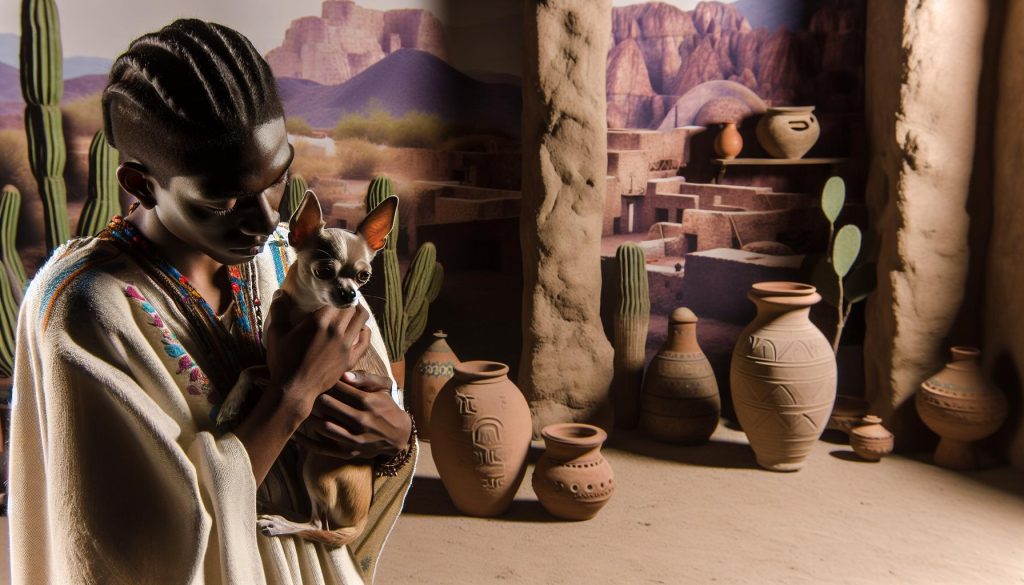
Have you ever wondered about the origins of our feisty little companions, the Chihuahuas? Believed to be one of the oldest dog breeds in the Americas, their early breeding history can illuminate not only their unique characteristics but also reveal the deep connection between humans and this tiny yet bold breed. Chihuahuas have captured hearts with their loyalty, spirited personalities, and vibrant energy-making them beloved pets worldwide. Understanding when and how Chihuahuas were first bred sheds light on their health needs, behavior, and care requirements that are essential for every owner, whether you’re a first-time dog parent or a seasoned aficionado. As we delve into the fascinating story of these pint-sized dogs, you’ll discover insights that can help you nurture your Chihuahua’s quirks and ensure they thrive in their home. Join me in exploring their rich past and how it impacts your joy with these delightful little creatures.
The Origins of Chihuahuas: A Look into Their Ancestry
Chihuahuas, with their lively personalities and petite sizes, trace their ancestry back to ancient civilizations in Mexico. While their precise origins are somewhat cloaked in mystery, archeological evidence suggests that they are descendants of the Techichi, a small companion dog kept by the ancient Toltec civilization. These dogs were revered not only as pets but also held significant spiritual roles, often accompanying their owners to the afterlife. This ancestral connection provides a fascinating glimpse into how the Chihuahua’s journey began, signifying their long-standing relationship with humans.
As the centuries progressed, the Chihuahua found itself evolving through various influences. The Spanish conquest in the 16th century introduced new breeding practices, likely incorporating European dog breeds that contributed to the distinctive characteristics we see today. Early Chihuahuas were generally larger and had more varied appearances compared to the breeds we admire now. Over time, selective breeding focused on size, coat type, and temperament, resulting in the uniquely charming Chihuahuas we love today.
Understanding their ancestry not only enriches our appreciation of these dogs but also helps current owners provide better care. For instance, knowing that Chihuahuas thrive on companionship can influence how you structure their daily lives. Whether they are curlers on your lap or bold little guardians, these quirks are part of what makes owning a Chihuahua so rewarding. It’s always thrilling to share your home with a breed that has been cherished throughout history, embodying a legacy of loyalty and joy.
The Historical Breeding Practices of Chihuahuas

The small yet vibrant Chihuahua is more than just a charming companion; she carries a rich history that has shaped her unique characteristics. Early breeding practices of Chihuahuas are rooted deeply in ancient cultures, particularly in Mexico, where these delightful dogs were cherished by civilizations like the Toltecs. Initially, the breeding of Chihuahuas revolved around their roles as companions and spiritual guides, integral to their owners’ lives and afterlives. This intimate relationship laid the groundwork for what would become one of the most recognizable toy breeds in the world.
As time progressed, the arrival of the Spanish Conquistadors in the 16th century initiated a significant change in Chihuahua breeding practices. These conquering forces brought with them various European breeds, introducing new genetic lines into the Chihuahua lineage. This blending of ancestral dogs with European counterparts influenced the Chihuahua’s physical traits and temperament. Early Chihuahuas boasted a larger size compared to the pint-sized versions we adore today, with a diverse range of coat types and colors. Owners began to favor certain traits, leading to selective breeding that emphasized smaller sizes and particular aesthetic characteristics.
In essence, understanding these historical breeding practices offers valuable insights for current Chihuahua owners. It illuminates the importance of companionship in maintaining your dog’s happiness and well-being. For example, many Chihuahuas seem to thrive in social settings, often displaying bold and vocal tendencies. Knowing that your Chihuahua comes from a lineage of devoted companions can encourage you to nurture her spirited nature through regular interaction and play. Providing an environment rich in social engagement not only respects her history but also enhances her overall quality of life.
Finally, while modern breeding continues to evolve, it’s crucial for both seasoned and first-time owners to be mindful of how these historical practices have shaped the breed. Consider the traits that make your Chihuahua unique and how they relate back to her early ancestors. Whether it’s her apple-head shape, assertive bark, or endearing loyalty, these characteristics are part of what makes your Chihuahua special, fashioned from a lineage filled with love and purpose. Embrace these traits, and remember that your care and attention are part of a long tradition of cherishing this remarkable breed.
Key Factors in Early Chihuahua Development

The early development of Chihuahuas is a fascinating journey that intricately weaves together history, culture, and the unique traits that define this beloved breed today. Originating from ancient civilizations such as the Toltecs, these tiny dogs were considered more than mere companions; they played significant roles in spiritual beliefs and daily lives. The reverence for Chihuahuas in these cultures laid a solid foundation for their future, highlighting their importance long before they became the popular pets we know.
One of the key factors influencing early Chihuahua development was their initial purpose as companion animals. Their small size allowed them to be easily transported and cherished as personal pets. This intimate human-dog bond fostered selective breeding practices focused on maintaining affectionate traits and desirable physical characteristics. As civilizations evolved, Chihuahuas adapted to various roles, from guardians to spiritual guides, leading to diverse traits that reflected their environments.
The arrival of the Spanish Conquistadors brought substantial changes to the breed. These explorers introduced European breeds, which intermixed with local canines, resulting in a variety of sizes, shapes, and temperaments that would influence the Chihuahua’s evolution. Early Chihuahuas were typically larger than the versions we adore today, displaying a range of coat types and colors. As owners sought to downsize their companions and refine specific traits-like the beloved apple-head shape-intentional breeding practices began to reshape the breed’s characteristics more dramatically.
The impact of geography cannot be overlooked in the development of the Chihuahua. In the mountainous regions of Mexico, adaptability became crucial. Chihuahuas had to thrive in varying climates, which influenced their coat types and health. Many owners today can see remnants of this diverse heritage; some Chihuahuas blossom in warmer climates, while others may require extra care during harsh winters.
Understanding these foundational factors is pivotal for any Chihuahua owner. By appreciating the breed’s rich history and the traits that have been carefully cultivated over generations, you can create an environment that respects their legacy. Every yappy bark, each little leap, and those proud, bold stances are echoes of the Chihuahua’s journey through time. Embrace these quirks not just as endearing traits but as connections to a vibrant past, enriching the relationship you share with your spirited companion.
Understanding the Chihuahua’s Unique Traits Through History

The Chihuahua, a breed that encapsulates the essence of companionship in its tiny frame, boasts a rich tapestry of unique traits that have been shaped over centuries. Their distinctive characteristics-such as spirited personalities and a bold demeanor-are not just products of modern breeding but are deeply rooted in their ancestry and the roles they fulfilled in ancient cultures. This unique lineage has cultivated traits that make Chihuahuas both fascinating pets and companions whose quirks we adore.
One remarkable feature of Chihuahuas is their renowned vocality. Throughout history, these little dogs have served as vigilant watchdogs in their owner’s homes, a trait that stems from their early roles in guarding and companionship. Their innate alertness and protective nature make them excellent guardians despite their small stature. Owners frequently share stories of their furry friends barking fiercely at even the slightest noise, showcasing that they possess the heart of a lion wrapped in a tiny body. This audacious behavior enhances their charm and makes them feel like true members of the family.
Another significant aspect of the Chihuahua’s development is their varied coat types and colors, which arise from their diverse ancestry. Early Chihuahuas varied widely in size, coat length, and color due to the mixing of local breeds with those brought by Spanish explorers. Today’s Chihuahuas can have smooth or long coats, and their colors range from fawn to black, chocolate, and even spotted patterns. Understanding these traits can help owners care for their pets more effectively; for instance, long-haired Chihuahuas require routine grooming to prevent matting, while short-haired ones may need less maintenance but can be more susceptible to colder temperatures.
Additionally, Chihuahuas are often recognized for their signature apple-head shape, a trait popularized in modern breeding. This unique physical characteristic not only gives them their distinctly adorable look but is also a result of selective breeding practices aimed at achieving specific aesthetic goals. Owners should be cognizant that this particular feature can sometimes lead to health challenges, such as dental issues or fontanelle concerns, so regular check-ups and appropriate dental care are essential for maintaining a healthy lifestyle for their pets.
The history and unique traits of Chihuahuas speak volumes about their resilient spirit and adaptability. Embracing these characteristics allows owners to create environments that cater to their furry friends’ needs, celebrating the bold bark, loving companionship, and timeless charm that make Chihuahuas such cherished pets. So whether you are a first-time owner or a seasoned Chihuahua enthusiast, understanding these unique traits enriches your experience and strengthens the bond you share with your spirited companion.
Important Breeds Influencing Chihuahua Lineage

Chihuahuas, adored for their spirited personalities and bold demeanor, owe much of their unique traits to the diverse breeds that have influenced their lineage over the centuries. Among these, the Techichi, a small companion dog of ancient Mesoamerican cultures, stands out as a foundational ancestor. These dogs were integral to the lives of the ancient Toltec and Aztec civilizations, serving not only as companions but also thought to possess spiritual significance. The Techichi’s gentle temperament and loyalty set the stage for the Chihuahua’s enduring reputation as a loving family companion.
Arriving alongside Spanish explorers, the introduction of European breeds further shaped the Chihuahua. The blending of Techichis with breeds such as the Chinese Crested and the Italian Greyhound introduced variety in size and coat type. It’s fascinating to note that many modern Chihuahuas display traits reminiscent of these breeds; for instance, the common apple-head shape and various coat patterns may reflect this rich heritage. As a Chihuahua owner, you might notice that these influences contribute significantly to your little friend’s personality-often lively, alert, and fiercely loyal.
One can’t overlook the role of location in the Chihuahua’s development. The breed’s name derives from the Mexican state of Chihuahua, and the surrounding environment and local customs influenced breeding practices. Breeders in this region valued compact size and bold temperament, crafting the modern Chihuahua from a mix of influences that prioritized their vocality and spirited nature. It’s a delightful contrast to observe how these ancient breeding choices have resulted in today’s Chihuahuas, who may bark assertively at unexpected sounds, showcasing their watchdog instincts.
Lastly, the recognition of various Chihuahua types today-like the apple-head and deer-head Chihuahuas-is a direct result of these historical breeding practices. As an owner, this means understanding the nuances in care. For example, apple-head Chihuahuas may require more attention regarding dental health due to their distinctive skull shape. Moreover, being aware of their lineage helps you appreciate their quirks and health needs better, whether it’s managing their lively spirits or ensuring their unique grooming requirements are met. Embracing their rich history ensures you’re providing the best care, allowing your Chihuahua to thrive both as a beloved pet and a vibrant member of your household.
The Evolution of Chihuahua Breeding Standards
The Chihuahua, known for its spirited personality and tiny stature, has undergone a remarkable evolution in breeding standards since its early days. Initially bred in the warm climes of Mexico, these charming companions were influenced by ancient dogs like the Techichi, prized for their manageable size and lively temperament. As breeders began to appreciate the distinct characteristics of the Chihuahua, standards evolved, reflecting both aesthetic preferences and health considerations.
Several factors influenced the standards we see today. Initially, Chihuahuas were bred with an emphasis on size and demeanor. A compact frame allowed them to thrive as companions, while their bold nature made them both affectionate pets and vigilant watchdogs. As the breed became more popular in the United States and around the world, the variety within the breed started to be formally recognized, leading to the identification of two primary types: the apple-head and the deer-head Chihuahuas. Each type exhibits distinct physical traits; for instance, apple-head Chihuahuas have a rounded skull and a softer expression, while deer-head types feature a longer, more elongated head and a slightly taller stature.
Changing Aesthetics and Health Considerations
Breeding standards also began to reflect changing aesthetic ideals and an increased awareness of health issues. Responsible breeders sought to ensure that physical traits did not compromise the well-being of these little dogs. This led to greater scrutiny over common health problems that can plague the breed, such as dental issues and patellar luxation. For example, potential owners should be aware that apple-head Chihuahuas often require diligent dental care, as their unique skull shape may predispose them to problems.
Breeders now emphasize a balance of conformation and health, which means that a focus on maintaining breed standards also includes a commitment to the overall health of the Chihuahua. Enthusiasts are encouraged to seek out reputable breeders who prioritize health screenings alongside traditional breed characteristics. Many dedicated Chihuahua owners advocate for responsible breeding practices and are active in supporting organizations that aim to promote the health and vitality of the breed.
Embracing these evolving standards ultimately allows for a more vibrant and diverse community of Chihuahuas. As a proud owner, your understanding of these standards not only enriches your appreciation of your little friend but also helps ensure their health and happiness. Whether you’re drawn to the charming apple-head or the regal deer-head type, each Chihuahua carries with it a wonderful legacy shaped by generations of conscious and caring breeding practices.
Famous Chihuahuas Throughout History
Among the many breeds that capture our hearts, Chihuahuas hold a unique spot in history, not just as beloved pets but as companions to influential figures and characters both real and fictional. The breed’s small stature doesn’t limit its impact; rather, it has often been associated with bold personalities that leave lasting impressions.
One of the most famous Chihuahuas is Taco Bell’s mascot, Gidget, who became a cultural icon in the 1990s. Known for her adorable face and spunky personality, Gidget’s advertisements famously featured her as the voice of the fast-food chain’s famous “Yo quiero Taco Bell” slogan. Her charm and wit resonated with fans, helping to elevate the Chihuahua breed’s visibility in popular culture, illustrating just how captivating these tiny dogs can be.
Also noteworthy is Rico, the beloved pet of former U.S. President George W. Bush, often seen accompanying the President and First Lady. This connection with such a public figure helped shine a spotlight on the breed, making them a symbol of loyalty and companionship, which are traits that Chihuahuas are renowned for.
The fictional world has its share of famous Chihuahuas too. Chloe from the “Beverly Hills Chihuahua” movies exemplifies the breed’s stylish flair and adventurous spirit while captivating audiences with her charm. These films not only entertained but also showcased the various personalities that Chihuahuas can embody-from pampered divas to brave companions on wild adventures.
In addition to their roles in entertainment, Chihuahuas have woven themselves into the fabric of myths and legends, particularly in Mexican culture where they are often considered symbols of fidelity and companionship. Ancient civilizations believed that Chihuahuas had spiritual significance, acting as guardians in the afterlife, which adds to their rich historical tapestry.
These famous representations highlight the Chihuahua’s ability to transcend their diminutive size, making them not just pets but noteworthy personalities in their own right. As you care for your Chihuahua, consider the legacy of these famous canines. Each one embodies the spirit unique to the breed-a mix of loyalty, courage, and charm that continues to capture the hearts of many. Embracing these quirks in your own Chihuahua can lead to a rewarding and joyful companionship that echoes the stories of those beloved dogs throughout history.
How Geography Shaped the Chihuahua Breed
The Chihuahua’s development as a breed is deeply intertwined with its geographic origins, primarily tracing back to Mexico’s highland regions. This small dog has roots in the ancient civilizations of Mesoamerica, where it is believed to have been prized not just as a companion but also for its spiritual significance. The elevation of the terrain and the climate of this region contributed significantly to fostering the breed’s distinct characteristics, allowing Chihuahuas to adapt to both the environmental conditions and the lifestyles of their people.
In the arid Mexican landscape, Chihuahuas evolved to be particularly resilient and resourceful. Their small stature allowed them to thrive in environments where larger breeds might struggle. The breed possesses a unique resistance to heat, making them suitable companions for those living in warmer climates. This adaptation is reflected in their coat types; Chihuahuas come in both short and long-haired varieties, each suited to different weather conditions. For instance, those living in hotter areas often choose short-haired Chihuahuas, while long-haired Chihuahuas might be preferred in cooler regions, showcasing the breed’s flexibility based on geographic needs.
Moreover, geographical isolation played a role in their breeding. Different communities across Mexico began to breed Chihuahuas with specific traits that suited their own cultural preferences and livelihoods. The region’s distinct populations favored certain features-such as the apple-head shape in some lines or the deer-head shape in others-leading to the diversity we see in the breed today. When searching for a Chihuahua, understanding these differences can help you determine which type best suits your lifestyle and preferences.
In addition to physical characteristics, geography has influenced the Chihuahua’s temperament. Living closely with humans in communal and often familial settings has cultivated their famously bold and loyal nature. These dogs thrive on companionship and exhibit personalities that are both feisty and affectionate. Owners often find that their Chihuahua’s behavior is not just a product of breeding but also deeply influenced by the environment in which they were raised. This connection to their geographic roots emphasizes the importance of socialization and environment in nurturing a well-rounded Chihuahua.
As you consider bringing a Chihuahua into your home, remember that their rich history and geographic origins shape their unique personality traits and behaviors. Embrace these quirks and characteristics-your bold little companion is as much a product of their heritage as they are a reflection of your own care and love.
Chihuahua Care Practices from Early Breeders
When it comes to the early care practices for Chihuahuas, understanding their historic treatment offers valuable insights for modern owners. Early breeders placed immense importance on the health and temperament of these small dogs, ensuring that they were not just companions but also resilient members of their households. Chihuahuas, known for their vocal and spirited nature, thrived in environments that emphasized their unique behaviors and compact size.
One key aspect of early Chihuahua care revolved around nutrition. Breeders in ancient Mesoamerica often prepared specially formulated diets, utilizing high-quality ingredients to support the small breed’s energetic lifestyle. Today, providing a well-balanced diet remains critical, focusing on premium dog foods that cater to their size and activity level. Many Chihuahua owners have found great success with high-protein kibble and adding variety with cooked lean meats or fresh vegetables, ensuring their loyal companions remain healthy and vibrant.
Socialization and Training
Alongside proper nutrition, socialization was a fundamental practice among early Chihuahua caretakers. Living in close quarters with families, these dogs were naturally exposed to various people and situations, which nurtured their confident and bold personalities. Modern owners should replicate this practice by introducing their Chihuahuas to different environments, other pets, and people from a young age, fostering well-rounded social behaviors. Engaging in training sessions that emphasize positive reinforcement not only helps mitigate any potential yappiness but also strengthens the bond between owner and pup.
Health Considerations
Early breeders also recognized the importance of health monitoring. Due to their delicate frames, Chihuahuas can be prone to specific health issues such as dental problems and patellar luxation. Regular veterinary check-ups are essential, and many owners incorporate dental care routines early on. Simple practices, such as brushing teeth with dog-friendly toothpaste and incorporating chew toys designed to promote oral health, can greatly enhance a Chihuahua’s quality of life.
Adopting the wisdom of past Chihuahua caretakers equips modern owners with tools to create a loving and nurturing environment for their tiny companions. By focusing on their health, maintaining socialization, and connecting through training, you can ensure your Chihuahua’s heritage of vitality and charm continues to shine bright.
Chihuahuas in Culture: Myths and Legends
Chihuahuas have long been woven into the fabric of cultural narratives, becoming symbols of loyalty and spirited companionship across various traditions. Many believe that these tiny dogs were linked to ancient civilizations, with their origins tracing back to the Toltec civilization in Mesoamerica. The reverence for Chihuahuas is highlighted in numerous myths and cultural stories, where they were often seen as sacred animals, companions to the gods, or even as protectors of the afterlife. Owners today may find it fascinating that their lively, little companions are direct descendants of dogs believed to carry the spirits of their human counterparts to the afterlife.
Throughout history, Chihuahuas have also become popular figures in folklore and pop culture. For instance, the “Tzitzimitl,” a celestial being in Aztec mythology, was depicted with dog-like features, symbolizing connections to the gods. Modern representation in films and media has solidified their status as beloved companions. One can think of the iconic Taco Bell chihuahua, which captured the hearts of millions, showcasing the breed’s charming personality and unique character traits, such as their bold vociferous nature.
Another intriguing aspect of their cultural significance lies in the belief that these dogs possess healing powers. Some Mexican traditions hold that Chihuahuas provide warmth and protection against ailments, reflecting the close bond formed between the breed and their owners. This cultural reverence translates into modern care practices, where owners often prioritize their Chihuahua’s well-being, ensuring they receive the love and attention reflective of their historical status.
In celebrating this legacy, Chihuahua enthusiasts can appreciate not only the breed’s unique quirks-such as their feisty attitude and size-but also their rich cultural background. Engaging with their heritage allows for a deeper connection, as owners acknowledge the centuries-long companionship that has evolved to create the spirited little dogs we love today. Whether you are a new owner or a long-time Chihuahua enthusiast, embracing these cultural tales can enrich your experience and understanding of this exceptional breed.
Breeding Challenges Faced in Chihuahua History
Breeding Chihuahuas has never been a straightforward endeavor, particularly because the breed’s development was influenced by both cultural practices and inherent physiological challenges. From their roots with the ancient civilizations in Mesoamerica to contemporary breeding practices, Chihuahuas have faced unique obstacles that have shaped their lineage.
One significant challenge has been the tendency to breed for exaggerated physical traits. Many owners want their Chihuahua to exhibit the often-coveted “apple-head” appearance, characterized by a round skull and short muzzle. While this may be visually appealing, it can lead to breathing issues, dental problems, and other health concerns. Responsible breeders work diligently to maintain genetic diversity and prioritize the health of their Chihuahuas over aesthetic preferences. It’s crucial for potential owners to choose breeders who are committed to ethical practices, ensuring the well-being of each dog remains at the forefront of their breeding program.
Another factor in breeding challenges stems from the Chihuahua’s small size. Birth complications can arise due to the relatively large heads of some puppies, which can lead to a higher risk of cesarean sections. This difficulty not only impacts the health of the mother but can also have implications for future breeding. As a result, it’s vital for owners to be informed and prepared when considering breeding their Chihuahuas, understanding the potential need for veterinary intervention during the birthing process.
In addition to physical challenges, the cultural significance of Chihuahuas has sometimes fueled irresponsible breeding practices for profit, rather than focusing on the welfare of the breed. This has led to an increase in puppy mills and unregulated breeders who prioritize quantity over quality. It’s essential for Chihuahua owners to advocate for the breed by supporting reputable breeders and rescue organizations that embrace ethical breeding practices and prioritize health and temperament.
Ultimately, navigating the historical breeding challenges of Chihuahuas necessitates a deep understanding of their unique needs and characteristics. By embracing knowledge from past and present breeding challenges, owners can contribute to a healthier future for this beloved breed, ensuring that Chihuahuas continue to thrive as loyal companions and cherished members of the family.
Modern Implications of Early Chihuahua Breeding
The legacy of early Chihuahua breeding has significant modern implications that every current or prospective owner should consider. This beloved breed, known for its bold personality and unwavering loyalty, has come a long way since its roots in ancient Mesoamerica. Today, understanding these historical contexts can help owners navigate challenges while celebrating the unique traits that define Chihuahuas.
One of the most pressing implications of early breeding practices is the health complications that have become prevalent in the breed. Many of today’s Chihuahuas exhibit the dramatic “apple-head” shape, a trait that became popular due to aesthetic demands rather than health. While this appearance might be charming, it often comes with a host of issues, including respiratory problems and dental issues. As a responsible owner, it’s crucial to remain vigilant about your Chihuahua’s health. Regular veterinary check-ups, an informed diet, and maintaining a healthy weight are essential. It’s also beneficial to seek out breeders who prioritize health over looks, ensuring the next generation of Chihuahuas is robust and thriving.
Furthermore, contemporary breeding ethics reflect the lessons learned from the past. The rise of puppy mills and profit-driven breeders remains a significant concern. The commercial pressure to produce “cute” puppies can lead to irresponsible breeding practices that adversely affect the breed’s health and temperament. As a community of Chihuahua enthusiasts, we can advocate for ethical breeding methods by supporting reputable breeders who adhere to high ethical standards. Larry, a Chihuahua owner from California, shares his journey of finding a responsible breeder, stating that his efforts have yielded a healthy, well-tempered companion who enriches his life daily.
The geographical and cultural diversification of Chihuahua breeding has also shaped their behavioral traits. Today’s Chihuahuas can display varying temperaments based on their lineage and upbringing. While some may be bold and confident, others might be more reserved. Recognizing these differences allows you to tailor your training approaches, ensuring your Chihuahua feels secure and loved. Regular socialization with other pets and people can help mitigate shyness or anxiety, creating a well-adjusted companion.
By grasping the implications of early Chihuahua breeding, you can make informed decisions that benefit your tiny friend. Understanding health risks, advocating for ethical breeding, and appreciating the diverse personality traits of Chihuahuas not only fosters a deeper connection with your pet but also plays a significant role in their overall wellness and happiness. Remember, every step you take contributes to a healthier, happier future for this vibrant breed.
Frequently asked questions
Q: When did Chihuahuas become popular as pets?
A: Chihuahuas started gaining popularity in the United States in the early 20th century, particularly after the 1940s. Their small size and bold personality made them appealing companions in urban settings. You’ll find more on their rise in pop culture in the Chihuahuas in Culture: Myths and Legends section of our article.
Q: What were the original uses for Chihuahuas?
A: Initially, Chihuahuas were believed to be companion animals for ancient cultures in Mexico, particularly by the Toltec civilization. They were also thought to have spiritual significance, as detailed in The Origins of Chihuahuas: A Look into Their Ancestry.
Q: How did early breeding affect Chihuahua health?
A: Early breeding practices emphasized size and appearance, which sometimes led to health issues such as dental problems and heart conditions. Understanding these challenges is essential for responsible ownership, highlighted in Breeding Challenges Faced in Chihuahua History.
Q: What unique traits developed during early Chihuahua breeding?
A: Early breeding focused on traits like a compact size and vibrant personality, giving Chihuahuas their distinct character. These unique features are well explored in our section on Understanding the Chihuahua’s Unique Traits Through History.
Q: What environmental factors influenced the early breeding of Chihuahuas?
A: Geography, particularly the warm climate of Mexico, influenced the breed’s size and adaptability, helping them thrive as companions. For more on geographical impacts, refer to How Geography Shaped the Chihuahua Breed.
Q: Why are Chihuahuas considered a unique breed?
A: Chihuahuas are unique due to their diverse lineage and distinctive physical traits, such as their small stature and varying coat types. Discover more about their diversity in Important Breeds Influencing Chihuahua Lineage.
Q: How can I learn more about Chihuahua care based on early practices?
A: Understanding early Chihuahua care practices, such as diet and exercise, can enhance modern ownership. Refer to the Chihuahua Care Practices from Early Breeders section for practical advice on maintaining health and wellness.
Q: What myths surround the Chihuahua’s history?
A: Various myths, including beliefs about their ancient origins and roles as guardians, enrich the Chihuahua’s historical narrative. To delve deeper into these fascinating stories, check out Chihuahuas in Culture: Myths and Legends.
To Conclude
Understanding the rich history of Chihuahuas not only deepens your appreciation for this loyal breed but also enhances your caregiving approach. With their unique personalities, such as being bold and vocal, Chihuahuas require a nurturing hand to thrive in your home. If you’re curious about their health tips, grooming needs, or training strategies, explore our guides on “Chihuahua Care Essentials” and “Training Tips for Chihuahuas” for more insightful information.
Don’t miss out on connecting with fellow Chihuahua enthusiasts! Share your thoughts or experiences in the comments below, and consider signing up for our newsletter to receive expert tips and updates directly. Your journey with your little companion is just beginning – dive deeper into our resources and celebrate every quirky moment together. Remember, whether you’re a seasoned owner or new to the breed, every Chihuahua brings joy and pride into our lives. Keep exploring to unlock the full potential of your bond!
Get our latest guides, news, and insights highlighted in your Google Search & AI Overviews.