
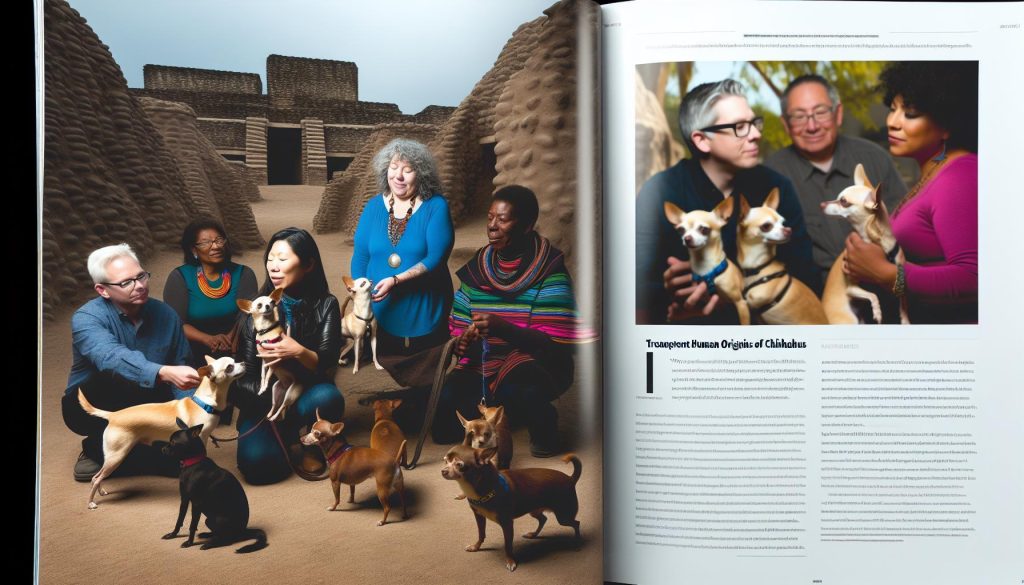
Did you know that the tiny Chihuahua is not just a modern companion but has ancient origins steeped in history? These delightful dogs, known for their bold attitudes and vocal personalities, trace their lineage back to ancient civilizations in Mexico. Understanding when Chihuahuas were discovered can deepen our appreciation for their unique quirks and characteristics. For first-time owners and seasoned enthusiasts alike, exploring their roots highlights the health, behavior, and care requirements essential for nurturing these beloved pets. Join me as we uncover the fascinating history of Chihuahuas, celebrating how their past shapes the affectionate companions we cherish today. Discovering their story will not only enrich your bond with your furry friend but also provide insights into their distinct needs and temperament. So, let’s dive into the ancient journey of Chihuahuas and see how these vibrant little dogs came to steal our hearts.
Origins of Chihuahuas: A Historical Overview
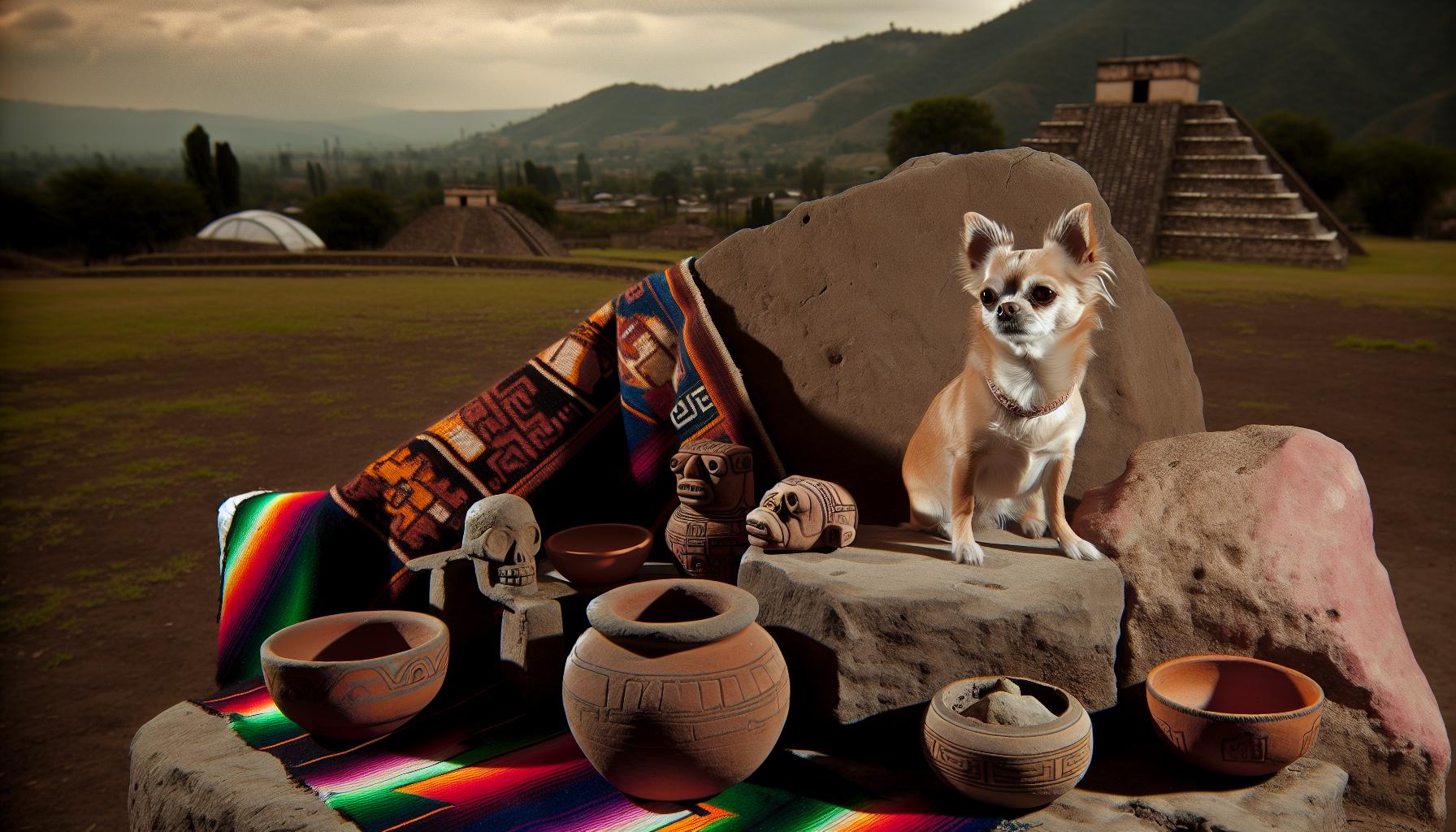
Chihuahuas, those tiny bundles of energy and personality, have a rich history that traces back thousands of years. Originating from Mexico, these little dogs are thought to descend from ancient breeds such as the Techichi, a companion dog cherished by the ancient Toltec civilization. Artifacts depicting dogs resembling Chihuahuas have been found in archeological sites, dating back to 300 BC, indicating the breed’s deep-rooted presence in the region. Over centuries, these dogs were not only beloved companions but also held significant cultural and spiritual value.
The Aztecs held the Chihuahua in high esteem, often associating them with various religious practices. They believed these small canines could guide the souls of the dead into the afterlife, making their presence sacred. This belief led to the careful breeding of these dogs, who were trained to be loyal companions on earth and protectors in the spiritual realm. Owners would often mourn the loss of their Chihuahuas, who were buried ceremoniously, sometimes even alongside their deceased masters-a testament to the bond shared between the two.
As the centuries rolled on, the Chihuahua’s popularity would wax and wane, but it was during the late 19th century that they truly began to capture hearts worldwide. American tourists visiting Mexico were enamored by the charming little dogs, which sparked an international fascination. This newfound love catapulted the Chihuahua into the homes of families across various cultures, reshaping their identity as a quaint yet bold companion.
Throughout this historical journey, a variety of Chihuahua types emerged, characterized by distinct features such as the beloved apple-head shape, short and long coat varieties, and unique patterns. Each Chihuahua carries a legacy interwoven with the stories of ancient cultures, showcasing their resilience and adaptability over time. Whether as a cherished pet, a cultural artifact, or a beloved companion, the Chihuahua’s origins are just as vibrant and lively as their personalities today.
Archaeological Evidence of Chihuahuas in Ancient Cultures
The rich tapestry of Chihuahua history is woven with threads of cultural significance and archaeological findings that paint a vivid picture of their ancient origins. Notably, these charming little companions have been unearthed in various archaeological sites across Mexico, dating back to around 300 BC. This evidence points to the fact that the ancestors of today’s Chihuahuas, likely the Techichi, were already enjoying the companionship of humans long before the breed as we know it emerged.
Artifacts such as pottery, carvings, and skeletal remains have provided invaluable insights into how these dogs were integrated into the daily lives of ancient civilizations. For instance, many burial sites contain remains of Techichis along with their human companions, suggesting a bond that transcended mere companionship. This connection indicates that they were more than pets; they also played significant roles in cultural and ritualistic practices. Many believe that the Aztecs considered Chihuahuas to be spiritual guides, helping souls transition to the afterlife. This underscores the deep emotional and spiritual ties between the breed and the civilizations that cherished them.
As you explore the archaeological evidence, you’ll also find fascinating stories about how these tiny dogs adapted through centuries of change. The varying examples of skeletal structure not only highlight the Chihuahua’s diversity in appearance-from the minuscule apple-headed type to those with longer, more elongated bodies-but also reflect how breeding practices influenced their development based on the needs and preferences of the people who kept them. Individual owners throughout history have cherished distinct traits, ensuring that what began as a tribal companion evolved into the vibrant breed loved around the world today.
In caring for your Chihuahua, it’s essential to understand this rich heritage. Recognizing the deep-seated value of this breed can enhance your bond with your dog. Whether he’s a vocal little watchdog or a brave, spunky terrier-like companion, your Chihuahua embodies a legacy of loyalty and spirit that has endured for millennia. Embracing this history not only enriches your experience as an owner but also fosters a mutual appreciation that celebrates your unique bond.
The Role of Chihuahuas in Aztec Society
In Aztec society, Chihuahuas were much more than mere pets; they were revered companions deeply embedded in cultural and spiritual practices. These little dogs, believed to be the descendants of the Techichi, played significant roles that transcended companionship, reflecting their pivotal place in the social fabric of the Aztec civilization. Many historians suggest that Chihuahuas acted as spiritual guides, assisting the souls of the deceased on their journey to the afterlife. This belief underscores the profound bond between the breed and the people who cherished them.
Moreover, Chihuahuas were often depicted in Aztec art and iconography, symbolizing not just companionship but also status and devotion. Their small size allowed them to accompany their owners easily, whether in daily activities or during ceremonial events. As you explore this unique relationship, you may discover that Chihuahuas were likely regarded as symbols of loyalty and protection, which resonates with the breed’s modern-day personality. They are known for being fiercely loyal and, while tiny, they possess a boldness that matches their larger canine counterparts.
Caring for your Chihuahua with this historical context in mind can enhance your bond. Understanding that your little friend embodies centuries of tradition adds depth to your relationship. Consider their temperament and needs-Chihuahuas thrive on companionship and interaction, much like their ancient counterparts. Engaging in play, training, and providing a secure environment helps honor their rich heritage while ensuring they thrive in today’s world. Just as the Aztecs valued their Chihuahuas for their companionship and spirit, you will find that nurturing those traits in your own Chihuahua fosters a loving and fulfilling relationship.
Chihuahuas also adapted to the varying needs of their owners over generations. Their distinct traits, such as the apple-headed description or varied coat types, showcase how breeding tailored them to be ideal companions in both ancient and modern households. By celebrating these traits, embracing their quirks, and ensuring your Chihuahua receives love and care, you perpetuate the legacy of a breed that has stood the test of time. Whether your pup is a vocal guardian or a delightful lap dog, he continues a story that has woven through the annals of history, bringing joy and companionship to many.
Genetic Insights: Where Do Chihuahuas Come From?
The Chihuahua, one of the world’s smallest dog breeds, boasts a fascinating genetic history that traces back thousands of years. Although these tiny companions are often associated with Mexico, their lineage is believed to delve even deeper into ancient civilizations. Genetic studies suggest that Chihuahuas are closely related to the Techichi, a small dog breed that was kept by the ancient Toltec civilization. These little dogs were not only valued for their companionship but also held significance in spiritual practices. Archaeological findings indicate that the Techichi may have been bred down over generations, leading to the emergence of what we now recognize as the modern Chihuahua.
Understanding the genetic roots of your Chihuahua can provide insight into his behavior and health. For instance, several health conditions can be traced back to specific genetic markers found in the breed. This makes it essential for owners to stay informed about their pup’s health risks, including patellar luxation and dental issues, both of which are common among Chihuahuas. Regular veterinary check-ups and an awareness of these conditions can help prolong your furry friend’s life and keep him thriving.
The adorable variations within the breed, such as the apple-head and deer-head Chihuahuas, are also products of genetics. Each type presents unique characteristics, from the roundness of the skull to the shape of the muzzle. While some prefer the classic apple-head for its more traditional appearance, others may gravitate towards the deer-head variant, which has a more elongated look. Embracing these genetic traits not only helps you better understand your Chihuahua’s personality but also enhances the bond you share with him.
Moreover, the Chihuahua’s remarkable adaptability and varied coat types-smooth, long-haired, and even hairless-can be seen as a testament to their evolutionary history. This adaptability allows them to thrive in diverse environments, whether they are nestled in your lap or parading in the park. By appreciating these unique genetic insights, you can ensure your Chihuahua receives the care and attention he deserves, ultimately celebrating the incredible heritage that shapes his identity today.
How Chihuahuas Became Popular Pets Worldwide

Chihuahuas have a captivating journey from ancient companions to beloved pets around the globe. Their transformation into popular household pets correlates greatly with cultural icons and shifting societal norms over the past century. Interestingly, Chihuahuas were introduced to a much wider audience in the early 20th century, gaining significant attention after the breed was officially recognized by various kennel clubs, which helped solidify their status.
One pivotal moment came with the rise of Hollywood in the 1990s, when notable celebrities began adopting Chihuahuas. This surge in fame can be largely attributed to films such as “Legally Blonde,” where a Chihuahua played a pivotal role, and the iconic Taco Bell commercials featuring the lovable Taco Bell Chihuahua. These pop culture references not only highlighted the breed’s charming size and spirited personality but also ignited a desire among the public to welcome Chihuahuas into their homes as companions.
As more people discovered the breed, the appeal of Chihuahuas grew. They became synonymous with urban living, perfectly suited for smaller spaces due to their diminutive size and relatively low exercise needs. Their bold personalities, coupled with a wide variety of coat types-smooth, long-haired, and hairless-means there’s a Chihuahua for everyone. Additionally, many owners are drawn to their fierce loyalty and protective nature, which are traits that go beyond their tiny frames.
Today, owning a Chihuahua is not just about having a pet; it’s about having a vibrant companion that brings joy, laughter, and a touch of sass to everyday life. Whether you’re a first-time dog owner or a seasoned pet lover, understanding the breed’s heritage and behavior will enhance your experience. Celebrate your Chihuahua’s quirks, from their vocal nature to their comedic antics, and embrace the deep bond that comes from being cherished by these delightful little creatures.
Distinct Traits of Chihuahuas: Size and Appearance
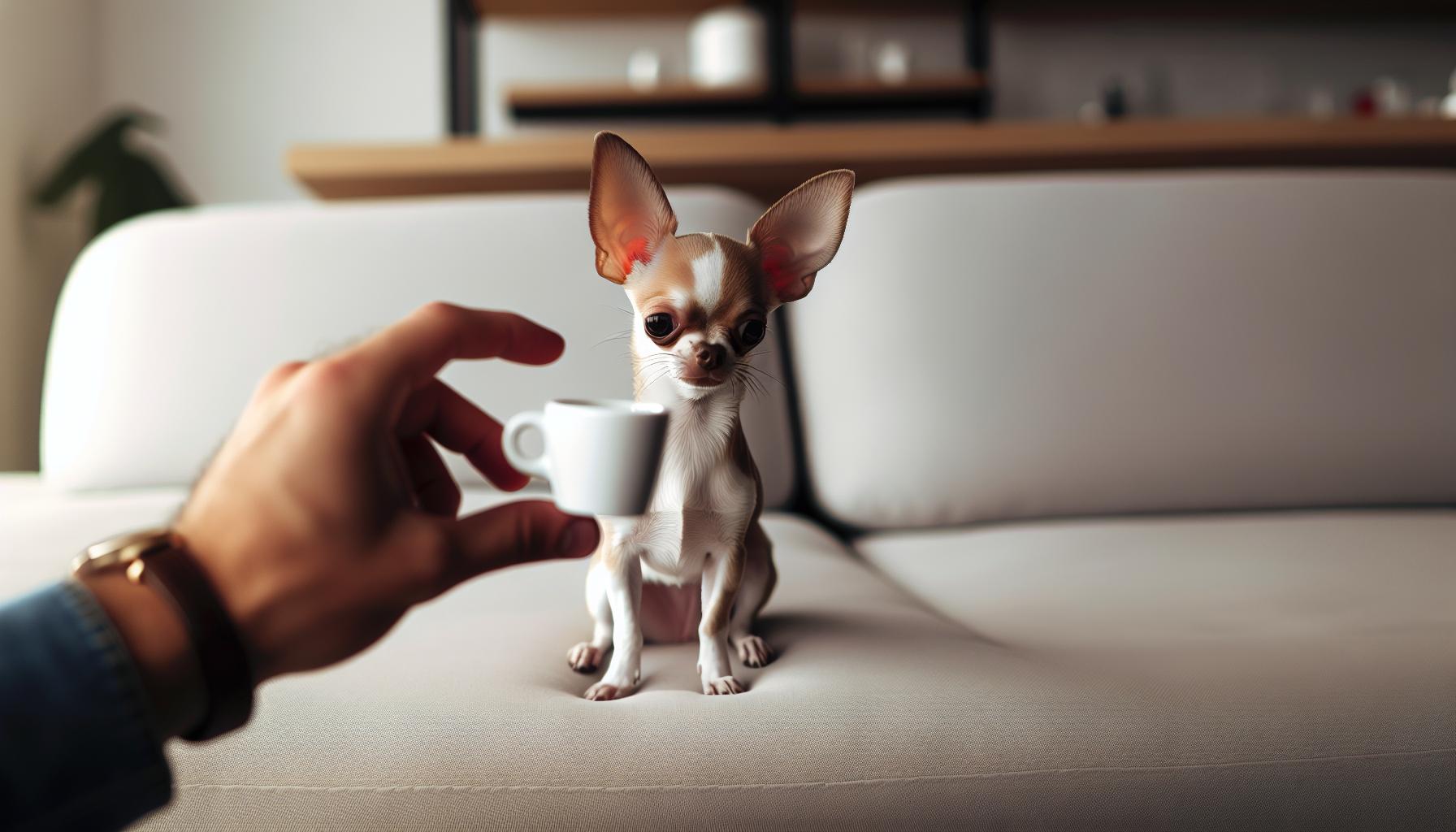
Chihuahuas, despite their tiny stature, possess a remarkable presence that belies their small size. These little companions are not only adored for their charming personalities but are also celebrated for their unique physical traits that set them apart in the canine world. Originating from ancient cultures, their appearance has remained a significant aspect of their allure, attracting dog lovers worldwide.
One standout feature of Chihuahuas is their size. Typically weighing between 2 to 6 pounds, they are one of the smallest dog breeds recognized. This petite frame makes them particularly well-suited for urban living, where space can be limited. The variety in their physical appearance is astonishing; Chihuahuas can be categorized largely into two head shapes: apple-headed and deer-headed. Apple-headed Chihuahuas have a rounded skull and a more prominent forehead, which contributes to their adorable look. In contrast, deer-headed Chihuahuas have a longer, more elegant shape, resembling a small doe, which some owners find equally endearing.
When it comes to coats, Chihuahuas are equally diverse. Owners can choose between smooth, short-haired types, which require minimal grooming, and long-haired varieties that boast a fluffy, luxurious coat. The coat colors range widely, from solid black and white to fawn, chocolate, and even spotted patterns. This variety allows each Chihuahua to have their own distinct flair, making them not only companions but also fashion icons in their own right.
Remember, their small size doesn’t come without its challenges. While they may be small, Chihuahuas are bold and often fearless, sometimes underestimating their own strength when interacting with larger dogs. It’s important for owners to supervise playtime and understand how to socialize their Chihuahua with other dogs safely. With their distinctive traits and spirited personalities, these dogs are truly irresistible, creating a bond with their owners that is both unique and rewarding.
Chihuahua Temperament: Personality Traits Explored
Chihuahuas are known for their larger-than-life personalities, defying their tiny size with an exuberance that captivates dog lovers around the world. This breed’s temperament is an enchanting mix of loyalty, boldness, and sometimes a feisty attitude. They thrive on companionship and are famously devoted to their owners, often forming strong bonds that are as deep as any larger breed’s attachment. When you own a Chihuahua, expect a tiny friend who will always be by your side, ready to provide unwavering loyalty.
One of the most interesting traits of Chihuahuas is their vocal nature. They are quite the chatterboxes, known for barking at the slightest hint of activity or intruders. This makes them excellent watchdogs, despite their size. Their barks can be surprisingly loud, serving as a deterrent for any unsavory characters. However, it’s important to help your Chihuahua manage their barking tendencies to maintain a peaceful home environment. Positive reinforcement techniques work wonders-rewarding quiet behavior can foster a calmer demeanor.
Their boldness is another notable quality. Many Chihuahuas don’t realize they are small and often take on challenges that seem well beyond their capabilities. This tenacity can result in comical situations, such as attempting to play with dogs several times their size. Supervision during playtime, especially around larger breeds, is essential to ensure your little one stays safe. Proper socialization from a young age can help cultivate confidence without leading to overly aggressive behaviors.
Chihuahuas also exhibit a range of personalities, with some being shy and others full of spunk. It’s fascinating to see how their background and early experiences shape their demeanor. For instance, a well-socialized Chihuahua will usually blend easily into family gatherings, while one that hasn’t been exposed to varied environments may display more anxious or territorial behavior. As an owner, understanding your Chihuahua’s unique temperament allows you to provide the proper support and training to help them thrive.
Whether it’s their spirited antics or the way they curl up next to you on the couch, Chihuahuas have a knack for showcasing their affection in charming ways. Embrace their quirks-each moment spent with your Chihuahua is a step toward building a delightful, lifelong friendship that keeps both of you engaged and entertained.
Health Considerations for Chihuahuas Through the Ages
Chihuahuas, with their tiny stature and vibrant personalities, have been part of human life for centuries, but caring for their health has always remained a top priority. Understanding the breed’s susceptibility to various health issues is essential for both new and seasoned owners. Historically, Chihuahuas were revered companions, a status that comes with its own set of health considerations that have evolved through the ages.
One significant aspect of Chihuahua health is the breed’s notable predisposition to dental issues. Due to their small mouths, Chihuahuas often suffer from overcrowded teeth, leading to periodontal disease if not managed correctly. Regular dental check-ups and consistent at-home care, such as using toothpaste designed for dogs, can help mitigate these risks. Owners should also be aware that bad breath isn’t just a nuisance; it often signals underlying dental problems.
Another prevalent issue in Chihuahuas is patellar luxation, where the kneecap dislocates, particularly troubling for active little ones. This condition can stem from both genetic factors and injuries, and it’s critical to keep an eye on your pup’s mobility. If you notice limping or reluctance to jump, a visit to the veterinarian is advisable. Owners can support their Chihuahuas by maintaining a healthy weight and ensuring they don’t engage in overly strenuous activities that could lead to injury.
Chihuahuas are also at risk of hypoglycemia, especially in puppies. This condition arises when blood sugar levels drop dangerously low. It’s vital for owners to keep an eye on their Chihuahua’s eating habits and lifestyle. Providing small, frequent meals rather than one or two large ones can help maintain stable blood sugar levels. Always have honey or Karo syrup on hand, just in case hypoglycemia strikes-administering a small amount can quickly remedy the situation.
Lastly, the breed’s thin skin and low body fat make them susceptible to temperature extremes. Chihuahuas should be protected from harsh weather; during winter, they need sweaters, and during summer, providing shade and water is essential to prevent overheating. Keeping a close watch on their behavior in different climates will help you understand their comfort levels better.
By staying informed about the common health issues your Chihuahua may face and following proactive health care measures, you can ensure your little companion lives a vibrant, happy life. Your unwavering dedication to their health will foster the strong bond that makes life with a Chihuahua so rewarding.
Caring for Your Chihuahua: Tips from History
Chihuahuas have been beloved companions for centuries, with their rich history informing the best ways to care for them today. These pint-sized pups, believed to be descendants of the Techichi, a small dog kept by ancient civilizations in Mexico, thrived alongside humans, adapting to various lifestyles and climates. Understanding how these dogs were cared for by their ancestral guardians can provide insights into practices that still benefit our modern-day Chihuahuas.
To start, Chihuahuas have always required warmth and comfort, given their small size and unique physique. Historically, they were often wrapped in blankets or carried close to the body, providing them with necessary warmth. Modern owners can continue this tradition by ensuring their Chihuahua has cozy bedding and, when the weather turns chilly, dressing them in sweaters or jackets. Remember, your furry friend’s comfort is paramount; many Chihuahuas thrive when snuggled up in a soft blanket at home or in a dog carrier on outings.
Nutrition has also evolved, but the principle remains the same: providing balanced meals that cater to their unique needs. While their ancient counterparts might have dined on local foods, today, it’s essential to offer high-quality dog food that’s appropriate for their size and energy levels. Chihuahuas have a faster metabolism than larger breeds, so small, frequent meals can help maintain their energy without overwhelming their tiny stomachs. Many owners find success by mixing wet and dry food, enticing even the pickiest eaters with a variety of textures.
In terms of health, Chihuahuas have historically been revered for their vitality, but they can be prone to certain conditions. Ancient practices included herbal remedies and natural diets, which many modern owners are now looking back to for inspiration. Consult your veterinarian about incorporating natural supplements or holistic approaches that have historical roots, such as fish oil for coat health or pumpkin for digestive support, while still relying on regular veterinary care to catch any issues early.
Lastly, socialization and training are vital for nurturing your Chihuahua’s bold personality. Historically valued as companions, these dogs flourished in supportive environments filled with interaction and love. Owners today should engage in positive reinforcement training, utilizing treats and praise to build confidence. Consistent socialization with other dogs and people can help prevent behavioral issues, ensuring your Chihuahua remains the sprightly and vocal companion that they are known for.
By embracing practices from history while tailoring them to fit our contemporary lifestyles, you’ll unlock the secrets to a happy, healthy Chihuahua. Their rich heritage deserves to be honored by continuing the traditions of care, compassion, and community that have sustained this cherished breed for generations.
The Unique Coat Types of Chihuahuas
Chihuahuas are renowned not only for their vibrant personalities but also for their distinctive coat types, which can be a fascinating topic for any owner or enthusiast. Did you know that these tiny companions come in two main coat varieties? The most recognized are the long-haired and short-haired Chihuahuas. Each type carries its own unique charm and care considerations.
Short-Haired Chihuahuas
The short-haired Chihuahua features a sleek, glossy coat that lies flat against the body. This coat type is often easier to maintain because it requires less grooming compared to its long-haired counterpart. Regular brushing, perhaps once a week, helps to remove loose hairs and keep his skin healthy. Short-haired Chihuahuas might be a great fit for first-time owners who prefer a low-maintenance dog. They are known for their vibrant colors, which can range from fawn to black, sometimes displaying patterns like brindled or spotted.
Long-Haired Chihuahuas
On the other hand, the long-haired Chihuahua sports a luxurious, flowing coat that adds to his elegance. This variety can come with a soft, feathered texture, especially around the ears, chest, and tail. Grooming for long-haired Chihuahuas typically requires more dedication, with owners needing to brush them several times a week to prevent matting. Their hair can come in just about any color and pattern, giving these Chihuahuas a uniquely striking appearance. Some owners may also find themselves opting for professional grooming to maintain that perfect look.
Common Coat Colors and Patterns
Chihuahuas boast a kaleidoscope of colors and patterns, which can make your selection process even more delightful. Here are some popular choices:
- Fawn: The classic color, ranging from light to dark shades.
- Black: A sleek and elegant option, often with tan markings.
- Chocolate: A rich, deep color that stands out beautifully against the standard fawn.
- Brindle: A striking pattern featuring a mix of colors, often in a striped or swirled appearance.
Regardless of which coat type your Chihuahua has, recognizing their historical roots can deepen your appreciation for them. Historically, Chihuahuas were often revered and treated with great care due to their unique status in ancient cultures. Their soft coats were a comfort to their owners, believed to provide warmth and companionship.
Today, whether you have a regal long-haired beauty or a spunky short-haired pup, understanding their coat characteristics not only enhances your bond but also ensures you meet their grooming and care needs effectively. Remember, a well-groomed Chihuahua is a happy Chihuahua, and embracing these care tips will pave the path for a strong and healthy relationship with your beloved companion.
Training Your Chihuahua: From Ancient Times to Today
Training a Chihuahua involves understanding their unique temperament and history, where these spirited little dogs have been companions for centuries. Originally bred in ancient Mesoamerican cultures, Chihuahuas were likely revered for their size and loyalty, serving both practical and ceremonial roles. To effectively train your Chihuahua today, it’s essential to recognize their intelligence and strong-willed nature. They may be small, but they possess large personalities that command your attention.
To start training your Chihuahua, consistency is key. Use clear commands and positive reinforcement to encourage desired behaviors. Short training sessions are especially effective; these tiny dogs can easily lose focus. For example, teaching basic commands like “sit,” “stay,” and “come” can be rewarding not only for you but for your Chihuahua as well. Since they are known for being vocal, integrating training with verbal cues and sound rewards can truly capture their interest. As they master each command, shower them with praise and treats, reinforcing their willingness to learn.
Another important aspect of training is socialization. Exposing your Chihuahua to a variety of environments, people, and other animals from a young age can help mitigate any tendencies toward anxiety or defensiveness. Because of their historically cherished status, many Chihuahuas may exhibit a protective nature. Gentle exposure to different scenarios will cultivate their confidence in various settings. For example, arranging playdates with other friendly dogs or taking them to pet-friendly stores can enrich their social skills.
Lastly, keep in mind their playful energy. Incorporating fun activities during training can transform lessons into enjoyable experiences. Use toys that cater to their small size and encourage games like fetch or hide and seek. Whether training in agility or basic obedience, the bond you build through these activities will last a lifetime. A well-trained Chihuahua is not only a joy to own; he becomes a kind and confident friend, making every moment more fun and fulfilling.
Famous Chihuahuas in History and Pop Culture
When you think of extraordinary small dogs, Chihuahuas often come to mind, not just for their diminutive size but for their captivating presence in both history and popular culture. These tiny companions have carved out significant roles, appearing alongside celebrities and standing in the spotlight of noteworthy events- elevating them from ancient reverence to modern-day stardom.
In the world of film, one of the most famous Chihuahuas is Bruiser Woods from the Legally Blonde series. Bruiser captured the hearts of audiences with his fashionable presence and loyalty to his owner, Elle Woods. This portrayal exemplifies the spirited and bold personality characteristics that this breed is known for. When he’s by her side, Bruiser embodies the quintessential Chihuahua: tiny in stature but enormous in attitude, perfectly showcasing their tenacity.
Additionally, the Chihuahua breed has left paw prints on the fashion scene. Taco Bell’s advertising campaigns in the 1990s featured a charismatic Chihuahua that famously uttered “¡Yo quiero Taco Bell!” His witty charm introduced many to the breed and helped establish Chihuahuas as trendy companions for individuals looking for a sprightly pet. This public exposure amplified their appeal and firmly planted them in the hearts of dog lovers everywhere.
Beyond entertainment, Chihuahuas have also made their mark in real life through notable figures. Paris Hilton, an infamous dog lover and socialite, often showcased her beloved Chihuahuas, which not only solidified her status as a fashion icon but also highlighted the breed’s aura of luxury and companionship. Hilton’s dogs often accompanied her on extravagant outings, demonstrating how integrated Chihuahuas have become within modern lifestyles.
In conclusion, the legacy of Chihuahuas in history and pop culture is profound. From ancient times, where they were cherished companions and spiritual protectors, to their modern representation in films and media, these tiny pups symbolize much more than just their size. Their character-vocal, loyal, and bold-ensures that they will continue to capture the imaginations of pet lovers and influencers alike for generations to come. Embracing a Chihuahua means embracing a history rich with culture, personality, and charm.
Frequently asked questions
Q: What is the historical significance of Chihuahuas in ancient cultures?
A: Chihuahuas have a rich historical significance, often linked to ancient civilizations such as the Aztecs, who valued them as companion animals. They were believed to have spiritual roles in society, often associated with the afterlife and family protection, reflecting their cultural importance.
Q: How did the Aztecs use Chihuahuas in their society?
A: The Aztecs utilized Chihuahuas not only as beloved pets but also in religious rituals. These dogs were considered sacred and were often included in funerary practices, believed to guide the souls of the deceased to the afterlife, showcasing their reverence for the breed.
Q: What do genetic studies reveal about the origins of Chihuahuas?
A: Genetic studies suggest that Chihuahuas share lineage with ancient companion dogs from Mesoamerica, indicating a history that closely intertwines with indigenous people and their cultures. These findings highlight the breed’s durability and adaptation over centuries.
Q: When did Chihuahuas become popular as household pets?
A: Chihuahuas gained popularity in households during the early 20th century, particularly after the breed was showcased in dog shows. Their small size, charming personality, and vibrant energy contributed to their rise as favored companions globally.
Q: What are the unique traits that distinguish Chihuahuas from other dog breeds?
A: Chihuahuas are notably small, often weighing between 2 to 6 pounds. They exhibit distinctive traits like large, expressive eyes and a variety of coat types, including short and long hair. Their bold personalities and loyalty also set them apart from other breeds.
Q: Why are Chihuahuas considered a good choice for apartment living?
A: Chihuahuas make excellent pets for apartment living due to their small size, minimal exercise needs, and adaptability. They thrive in smaller spaces and require less outdoor activity, making them suitable companions for urban dwellers.
Q: What health issues are Chihuahuas prone to throughout their lives?
A: Chihuahuas are susceptible to certain health issues, including dental problems, heart disease, and patellar luxation. Regular veterinary check-ups, proper dental care, and a balanced diet can help mitigate these risks.
Q: How can one effectively train a Chihuahua?
A: Training a Chihuahua requires patience and consistency. Positive reinforcement techniques, such as treats or praise, are highly effective. Early socialization and exposure to various environments are essential for developing a well-adjusted and confident dog.
The Conclusion
As you’ve discovered the fascinating origins of Chihuahuas, remember, their unique personalities make them a treasured companion. Whether you’re intrigued by their daring nature or their snug size, diving deeper into the history of Chihuahuas offers more than just insights; it enriches the bond you share with your loyal friend. Don’t hesitate to explore our articles on Chihuahua health tips and behaviors, which can help ensure your little one thrives.
If you have questions or want to share your own Chihuahua stories, drop a comment below! Your experience can empower fellow owners and create a vibrant community for Chihuahua lovers. Ready to learn more? Check out our guide on training your Chihuahua effectively or our resource on choosing the right diet for their specific needs. Engaging with your pet’s history is just the beginning-let’s keep exploring together!
Get our latest guides, news, and insights highlighted in your Google Search & AI Overviews.