
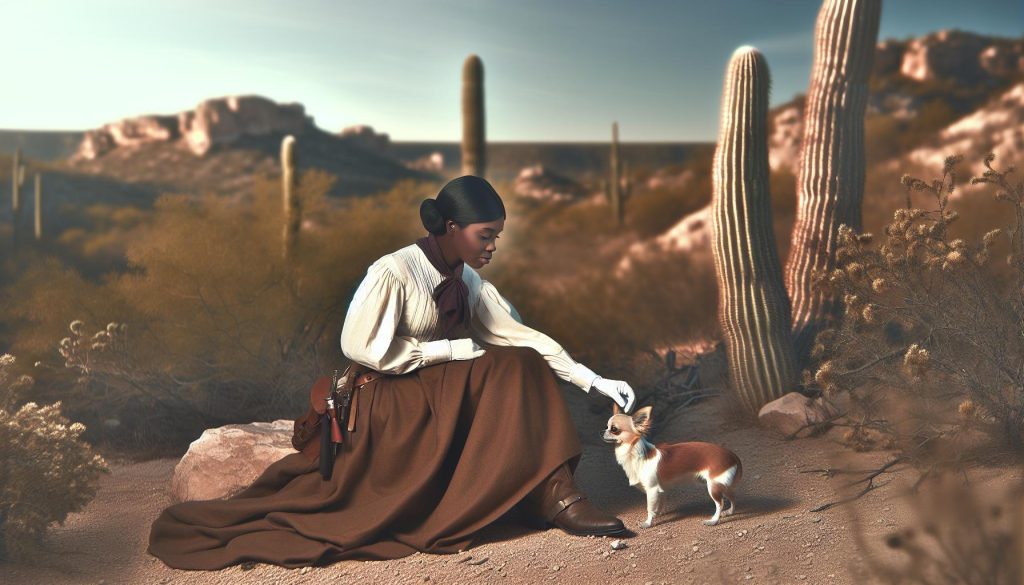
Did you know the Chihuahua is one of the oldest dog breeds in the Americas? With a history that intertwines with various cultures, from ancient civilizations to modern-day companions, their journey is captivating. Understanding when the Chihuahua was first discovered not only enriches our appreciation for these tiny, bold dogs but also highlights their unique traits-be it their vocal personalities, loyalty, or charming quirks.
For current and prospective Chihuahua owners, knowing this historical timeline can deepen the bond you share with your furry friend. Whether you’re a first-time owner or a seasoned enthusiast, learning about the breed’s origins can enhance your care practices and celebrate their heritage. Join us as we delve into the fascinating past of the Chihuahua, exploring key milestones that shaped this beloved breed. You might just discover insights that connect you even more with your little companion.
Historical Context of the Chihuahua Breed
The Chihuahua, often celebrated for its small size and bold personality, has a rich historical context that reflects its unique charm and resilience. Originating in Mexico, this breed’s lineage can be traced back to ancient civilizations. The most widely accepted theory suggests that Chihuahuas are descendants of the Techichi, a small companion dog kept by the ancient Toltec civilization, dating back over a thousand years. These dogs were believed to have spiritual significance, often accompanying their owners in life and death, which highlights the deep bond that has persisted through the ages.
Influence of Ancient Civilizations
As explorers and settlers journeyed through Mexico, they encountered these tiny dogs, further incorporating them into their lives. The Spanish Conquistadors were particularly taken by the breed and played a crucial role in spreading it beyond its native land. The Chihuahua we know today began to take shape during the late 19th century when American tourists discovered the breed during their travels to Mexico. They were charmed by the dog’s affectionate nature and compact size, which made them ideal companions. This newfound fascination led to the breed’s introduction to the United States, where it quickly gained popularity.
Modern Recognition and Culture
Today, Chihuahuas are recognized not only as beloved pets but also as cultural icons, making appearances in films and media that celebrate their vibrant character. Famous fictional Chihuahuas, like Gidget from the Taco Bell commercials, have endeared them to a wider audience, helping solidify their status in popular culture. This evolution is reflected in how the breed is perceived, transitioning from ancient spiritual companions to modern household pets. Chihuahuas exhibit various physical traits depending on lineage, primarily categorized as either apple-head or deer-head, which can influence not only their appearance but also their temperament.
As you welcome a Chihuahua into your life, understanding this historical tapestry can deepen your appreciation for their unique personality. They may be small, but their big hearts and bold antics promise to fill your home with joy and plenty of memorable moments. Whether you’re a first-time owner or an experienced dog lover, the Chihuahua’s spirited nature and endearing quirks are sure to create a special bond that reflects their rich heritage of companionship.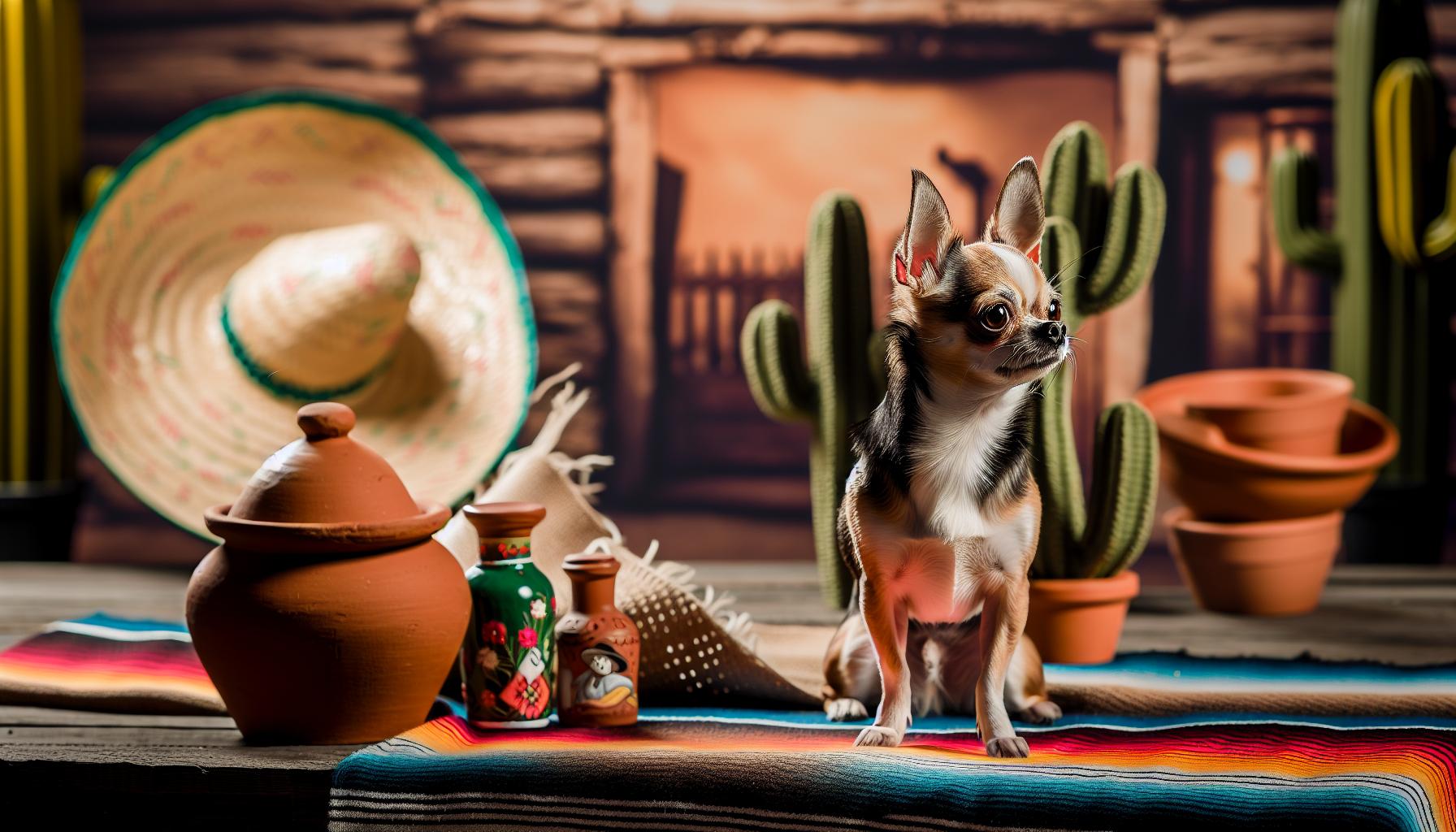
The Discovery of the Chihuahua: Key Events
The Chihuahua’s journey into the hearts and homes of dog lovers around the world began long before its name became synonymous with feisty companionship. Early accounts of these tiny dogs date back to ancient Mesoamerican civilizations, where they served as loyal companions and were intertwined with local beliefs and traditions. The key events surrounding the discovery of the Chihuahua not only shaped its place in history but also revealed the depth of its bond with humans.
The earliest known ancestors of today’s Chihuahuas are believed to be the Techichi, companion dogs of the ancient Toltecs. Evidence from archaeological sites suggests that these small dogs existed as far back as 100 AD, often accompanying their owners in burial rituals-highlighting their significance as spiritual companions. As the region evolved, so did the reputation of these small dogs; the Spanish Conquistadors, upon their arrival in the 16th century, encountered these lively canines and were captivated by their charming demeanor. They took these dogs back to Europe, unknowingly paving the way for the breed’s international recognition.
Fast forward to the late 19th century, when American tourists visiting Mexico stumbled upon the breed during their travels. Drawn by the Chihuahua’s petite size, bold personality, and affectionate nature, these visitors began bringing them back to the United States. This sparked a growing fascination with the breed, leading to the formal recognition of the Chihuahua by the American Kennel Club (AKC) in 1904. This pivotal moment in canine history marked the Chihuahua’s transition from a local companion to a recognized breed with a personality that’s both vibrant and distinctive.
As you delve into the rich tapestry of the Chihuahua’s history, you might recall that each dog embodies a story-a tale of survival, resilience, and steadfast companionship. From their ancient roots alongside human civilizations to their modern-day roles as cherished family members, Chihuahuas continue to amaze and delight those fortunate enough to have them as companions. Their vocal expressions, unwavering loyalty, and bold attitudes showcase their unique traits, making them stand out in the canine world.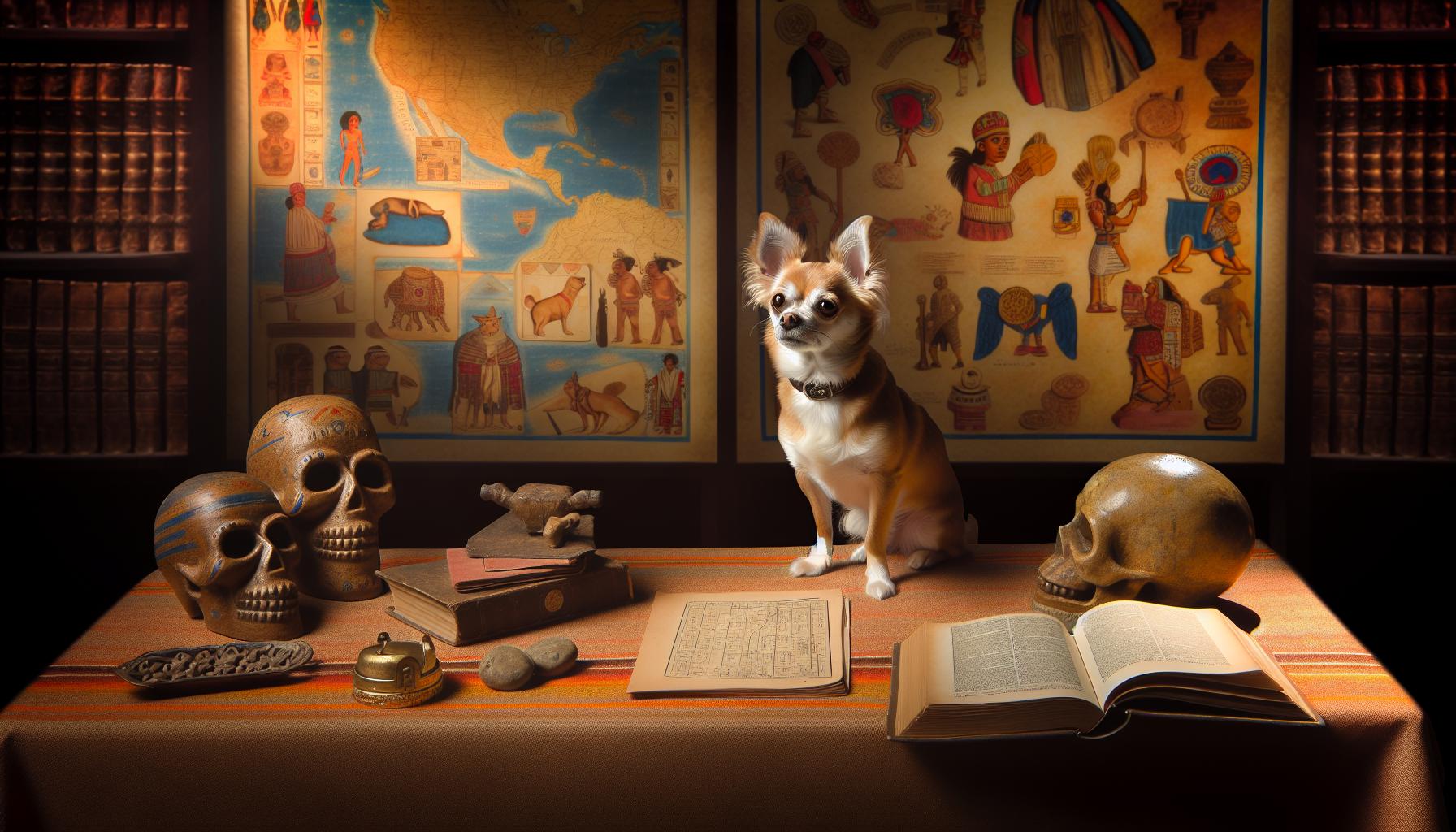
Ancient Civilizations and the Chihuahua’s Origins
The journey of the Chihuahua begins deep in the heart of ancient Mesoamerica, where these vibrant little dogs were cherished companions. The earliest ancestors of today’s Chihuahuas, known as the Techichi, were revered by the Toltecs-a civilization that flourished around 800 to 1000 AD. These small, sturdy dogs served more than just companionship; they were intertwined with local spirituality and rituals, often appearing in burial sites alongside their owners. Their presence suggested a bond so profound that the Techichi were considered essential for guiding souls in the afterlife, highlighting their importance in ancient cultures.
Historical Significance
As the centuries unfolded, the Techichi’s reputation evolved. With the arrival of Spanish Conquistadors in the 16th century, these explorers encountered the charming small dogs that roamed the villages and ruins. Captivated by their personality, they transported Chihuahuas back to Europe, igniting a newfound interest that would eventually lead to the breed’s recognition. Tales of these small, spirited dogs stirred curiosity among European nobility and commoners alike, effectively planting the seeds for the breed’s future popularity.
Cultural Connections
The Chihuahua’s history is deeply rooted in Mexican culture, where it has maintained its reputation as a symbol of loyalty and resilience. These dogs embody the spirit of their homeland, often seen as companions who share an unbreakable bond with their human families. For many owners, a Chihuahua is more than just a pet; they are a confidant, a playful companion, and a source of constant joy. With their unique personalities-whether it’s a bold Apple-Head or a graceful Deer-Head-Chihuahuas resonate with the values of tenacity and affection that are hallmarks of Mexican tradition.
As you delve into the origins of the Chihuahua, remember that these little dogs carry a tapestry of history wrapped in their small frames. Whether you are a first-time owner or a seasoned Chihuahua enthusiast, appreciating their rich background will deepen the connection you share with your canine companion. With their vibrant energy and undeniable charm, Chihuahuas have indeed earned their place as cherished members of families around the world.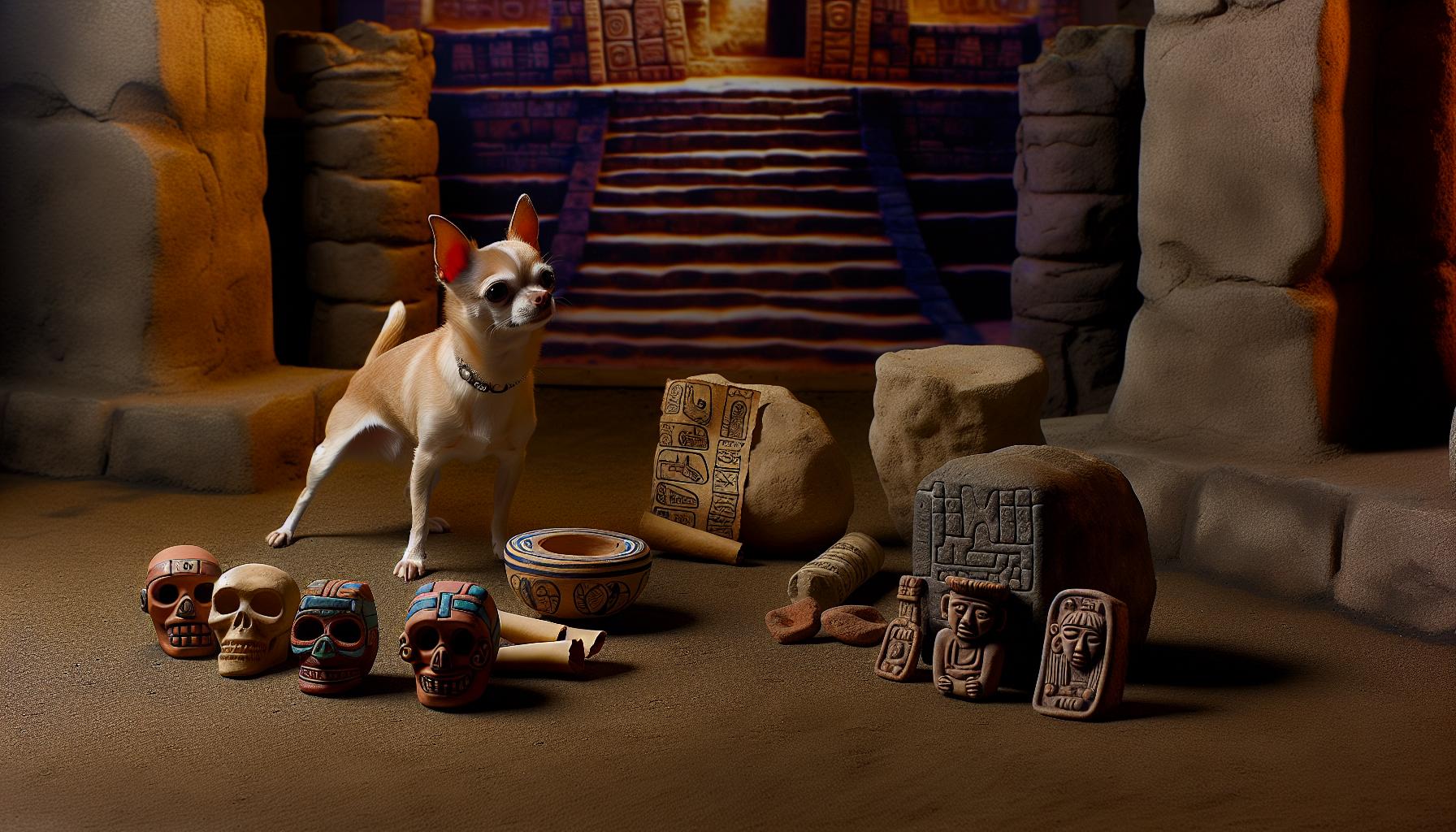
The Chihuahua’s Journey to the Modern Age
The path of the Chihuahua to the modern age is as vibrant and compelling as the breed itself. Emerging from ancient Mesoamerica, these diminutive dogs transitioned from revered companions of the Toltec civilization to trendy pets in contemporary households worldwide. By the 20th century, their popularity surged in the United States, largely due to their unique personalities and Hollywood’s infatuation with them.
Once the breed was introduced to the U.S., Chihuahuas captured the hearts of many, thanks to their compact size and spirited nature. In 1923, the American Kennel Club (AKC) began recognizing Chihuahuas as a distinct breed, formalizing their place in canine culture. This recognition not only solidified their status but also led to an influx of breeders striving to enhance the breed, leading to various recognized types, notably the Apple-Head and Deer-Head Chihuahuas. These distinctions would eventually contribute to a rich variety of Chihuahuas with differing attributes, cementing the breed’s diverse appeal.
During the latter half of the 20th century, Chihuahuas leapt into pop culture, thanks in part to movies and celebrity endorsements. Their charming personalities made them popular among various celebrities, leading to a trend that was seen on social media platforms even in recent years. Chihuahuas became icons of style and luxury, often spotted in designer handbags and glittering fashion shows, further boosting their appeal.
As a Chihuahua owner, it’s vital to embrace their unique quirks and characteristics. For example, Chihuahuas are known for their vocal nature, often expressing their feelings through barks and growls. Understanding this behavior can help foster better communication between you and your furry companion. The breed also requires regular exercise and mental stimulation, as their intelligent minds thrive on challenge and engagement. As you welcome a Chihuahua into your home, take the time to appreciate this rich history; it not only enhances your bond but also enriches your understanding of these remarkable little dogs. Whether you have an Apple-Head or a Deer-Head, each Chihuahua’s personality is a blend of centuries of heritage offering loyalty, affection, and a dash of boldness for your life together.
Key Milestones in Chihuahua Breeding History
Chihuahuas have a rich and storied history that reflects their evolution from ancient companions to modern-day trendsetters. The first significant milestone in their breeding history dates back to the ancient civilizations of Mesoamerica, where these tiny dogs were revered by cultures such as the Toltecs. Archaeological findings suggest that Chihuahuas were bred by these communities for their companionship and spiritual significance, often accompanying their owners in life and beyond as offerings in burial rites.
Fast forward to the late 19th century, when Chihuahuas were brought to the United States after being discovered in the Mexican state of Chihuahua. This event marked a pivotal moment, as the breed began to gain popularity among American dog enthusiasts. Their compact size and lively personalities made them ideal companions, culminating in the American Kennel Club (AKC) recognizing the breed as distinct in 1923. This recognition fueled widespread interest among breeders, leading to significant efforts to establish breed standards and enhance desired traits.
Breeding Developments
As the breed grew in popularity, key developments in Chihuahua breeding emerged. The late 20th century saw a distinction between two primary types: the Apple-Head and the Deer-Head. The Apple-Head Chihuahua, characterized by its rounded skull and large eyes, quickly became a favorite among pop culture icons, further solidifying the breed’s status. Conversely, the Deer-Head variety features a more elongated face and body, appealing to those who admire a slightly different aesthetic in their Chihuahua companions.
Important milestones continued into the 21st century, with increased focus on health and temperament. Awareness around breed-specific health issues, such as Patellar Luxation and heart disease, prompted responsible breeders to emphasize genetic testing and responsible breeding practices. This focus on health, combined with their undeniable charm, has contributed to the Chihuahua’s enduring popularity in homes worldwide.
Chihuahua owners often find joy in their pet’s vibrant personalities. Whether it’s their spirited barks or penchant for cuddling, these little companions bring energy and affection into any household. Embracing this breed’s quirks will not only enhance the owner’s experience but also celebrate the key milestones that have shaped this remarkable breed into the beloved companion it is today.
The Influence of Mexican Culture on Chihuahuas
The Chihuahua’s deep connection to Mexican culture is a rich tapestry woven from history, spirituality, and artistry. This breed is not just a charming companion; it embodies the essence of Mexican heritage. In ancient times, tiny dogs similar to Chihuahuas were revered by Mesoamerican civilizations, including the Toltecs and Aztecs. These cultures believed that these small dogs were guides to the afterlife, often buried alongside their owners as a spiritual offering. This historical significance has established the Chihuahua as a symbol of loyalty and companionship throughout the ages.
The Spiritual Role of Chihuahuas
Fast forward to modern-day Mexico, and Chihuahuas are often seen as much more than pets; they are integral to the cultural identity. In folklore, these dogs are considered protectors of the home. The popular image of a Chihuahua don’t just encapsulate the breed’s size and appearance, but also reflect deep-rooted beliefs about their role in family life. Owners across Mexico cherish their Chihuahuas for their bold personalities and vigilance, often referring to them as their “little guardians.”
Artistic Representations
The Chihuahua’s influence in Mexican culture extends into the arts. Various forms of traditional crafts and art feature Chihuahuas, from vibrant pottery designs to exquisite textiles. Artists often portray these dogs in scenes that highlight their spirited nature and importance in family settings, thereby preserving the archetype of Chihuahuas as beloved companions. For example, you’ll find Chihuahuas depicted in papel picado, a traditional Mexican decorative craft made of intricately cut paper, illustrating the breed’s charming quirks and vibrant spirit. This artistic presence not only celebrates their companionship but also educates others about the cultural significance that these little dogs carry.
Everyday Companions
Contemporary Chihuahua owners-whether in Mexico or around the globe-often find a profound connection to their pet’s personality. Many describe their Chihuahuas as lively, vocal, and fiercely loyal. The breed’s small size makes them ideal for urban living, yet their bold demeanor often draws attention and affection from strangers. Owners often share how their Chihuahuas thrive in social settings, from bustling markets in Mexico City to cozy gatherings in suburban homes, showcasing their adaptability and charm.
Whether you’re a first-time owner or a seasoned Chihuahua enthusiast, understanding the cultural context of this breed can deepen your appreciation for your vibrant companion. Embracing their quirks and history can enhance your bond and enrich your experience as an owner, reminding us all that these tiny dogs hold a monumental place in both our hearts and history.
Chihuahua Recognition and Breed Standards Over Time
The journey of the Chihuahua from its roots in ancient civilizations to modern breed recognition is marked by a series of significant milestones that have shaped the way we perceive this unique little dog today. Initially revered by Mesoamerican cultures, the importance of the Chihuahua began to solidify when this breed was officially recognized in the United States in the early 20th century. In 1904, the American Kennel Club (AKC) recognized the Chihuahua, establishing a formal breed standard that would guide breeders and ensure the preservation of its distinct characteristics.
As Chihuahuas gained popularity, especially after the 1930s, breed standards continued to evolve, influenced by cultural perceptions and the growth of dog shows. The breed’s defining traits-such as its small size, large ears, and distinct apple-head shape-were emphasized, with specific guidelines established. For instance, in the 1940s, the Chihuahua was categorized by various physical traits, leading to an increasing interest in the two primary types recognized today: the apple-head and the deer-head. The apple-head, with its rounded skull, is often seen in competitive shows, while the deer-head, which features a longer snout and a flatter skull, appeals to many pet owners for its charming demeanor.
Recognizing the Chihuahua involves meticulously adhering to these established standards, which not only ensure the breed’s integrity but also celebrate its personality traits. For example, the AKC’s standards highlight that a healthy Chihuahua should display a lively and alert behavior, underscoring their vocal and loyal nature. Owners often share amusing anecdotes about how their Chihuahuas can command a room with their bold barks and delightful personalities, enriching the breed’s allure across households.
Over time, famous Chihuahuas in pop culture, such as Gidget from the Taco Bell commercials and Bruiser Woods from Legally Blonde, have further bolstered the breed’s recognition. These representations have shaped societal views, making Chihuahuas not just companion animals but also cultural icons. As a Chihuahua owner, embracing the breed’s history and ongoing evolution can provide a deeper appreciation for your furry friend, reminding you that beneath their tiny stature lies a dog capable of immense personality and loyalty.
Famous Chihuahuas in History and Pop Culture
Chihuahuas have captured hearts around the globe, not only for their petite size and vivacious personality but also for their prominent roles in various facets of pop culture. One of the most iconic representations comes from the playful Taco Bell commercials featuring Gidget, the adorably endearing Chihuahua who became the face of the brand in the late 1990s. Her charming antics and confident demeanor made her a household name, showcasing how a small dog can have a big personality and stir affection among millions.
Another famous Chihuahua is Bruiser Woods, the beloved companion of Elle Woods in the film Legally Blonde. Bruiser quickly became a symbol of loyalty and charm, embodying the idea that Chihuahuas are not just pets but significant family members who accompany their owners through life’s adventures. This portrayal helped further solidify the breed’s place in popular culture, influencing many to see Chihuahuas as fashionable, lovable companions rather than just tiny lap dogs.
Beyond these iconic figures, Chihuahuas have appeared in numerous movies, TV shows, and advertisements, often embodying various traits-from sassy and spunky to sweet and affectionate. Their vibrancy and bold nature resonate deeply with audiences, leading to an increase in their popularity. However, it’s important to remember that behind these personalities lies the need for proper care and understanding of the breed’s health considerations. Being vocal and loyal, Chihuahuas thrive on social interaction and mental stimulation, so they require engaging activities and consistent training to be well-rounded pets.
Chihuahuas have an impressive ability to warm hearts and create connections, both on and off screen. Their place in history and pop culture reminds us that they are more than just small dogs; they are companions who bring joy, laughter, and a unique flair to our lives. As an owner, embracing the breed’s quirks-whether it’s their bold barking or their penchant for cuddling-makes your journey with them all the richer. Understanding their past allows you to appreciate their present, deepening the bond you share with your little friend.
Common Myths and Misconceptions About Chihuahuas
Chihuahuas are often misunderstood, and this small breed is surrounded by a cloud of myths that can lead to confusion for prospective and current owners alike. One of the most common misconceptions is that these tiny dogs are inherently aggressive. While Chihuahuas can be vocal and protective, their temperament largely depends on their upbringing and socialization. A well-trained Chihuahua, exposed to various environments and people from a young age, can be a sweet and affectionate companion. It’s essential to note that their boldness should be viewed as loyalty rather than hostility.
Another widespread belief is that Chihuahuas require minimal exercise due to their size. On the contrary, they need regular physical activity and mental stimulation to stay healthy and happy. Short walks, playtime, and engaging toys are crucial in keeping your Chihuahua active. Neglecting their exercise needs can lead to behavioral issues related to pent-up energy. Many experienced owners agree that a tired Chihuahua is a happy Chihuahua!
Additionally, there’s a myth that these dogs are not suitable for families with children. Though Chihuahuas can thrive in family environments, they might not handle rough play well due to their fragile bone structure. It’s important to supervise interactions with young children and teach them how to play gently. With the right guidance, Chihuahuas can form strong bonds with children, often becoming their loving protectors.
Lastly, the notion that Chihuahuas do not need to be groomed is misleading. While they may have a variety of coat types, from the smooth to the long-haired variety, all Chihuahuas benefit from regular grooming. This helps reduce shedding and keeps their skin healthy. Owners should also pay attention to dental care, as Chihuahuas are prone to dental issues. Regular brushing and vet check-ups are key to maintaining your little friend’s health.
Embracing these truths about Chihuahuas enriches the experience of ownership, allowing you to appreciate their unique personalities while providing them with the care they need to flourish. Engage with your Chihuahua’s vibrant nature, and you’ll find a loyal friend who defies the common misconceptions surrounding this fascinating breed.
The Evolution of Chihuahua Types: Apple-Head vs. Deer-Head
The Chihuahua breed is not only one of the smallest in the world but also one of the most distinct in terms of physical characteristics, primarily classified into two main types: the Apple-Head and the Deer-Head. Understanding the evolution and traits of these two types can offer deeper insights into the breed as a whole.
The Apple-Head Chihuahua is characterized by its rounded skull, large, expressive eyes, and short muzzle. This type is often seen as the more traditional representation of the breed, having been popularized through media and celebrity ownership. Owners often adore their Apple-Heads for their quirky, bold personalities and loyal disposition. Because of their unique head shape, they may also be more prone to certain health issues, such as hydrocephalus. Therefore, regular vet check-ups and monitoring for any neurological signs are crucial for their well-being. Owners who embrace this type often highlight the sweet and sometimes silly character that accompanies their lively antics.
In contrast, the Deer-Head Chihuahua possesses a longer muzzle, a flatter skull, and a more elongated body. This type often resembles a small deer, hence the name. The Deer-Head tends to have a calmer demeanor compared to the Apple-Head, making them a favored option for families seeking a more gentle companion. They are typically robust and can adapt well in varied environments, from bustling households to quieter settings. While they may lack some of the flashy features associated with the Apple-Head, their loving nature and sociability make them equally charming. Many owners appreciate how their Deer-Head Chihuahuas thrive in interactive environments, often becoming social butterflies in dog parks or family gatherings.
Both types of Chihuahuas share commonalities, such as their need for daily exercise, mental stimulation, and social interaction. The myths surrounding their exercise requirements often lead new owners to underestimate their activity levels. Regular walks, play sessions, and puzzle toys are essential for both Apple-Head and Deer-Head Chihuahuas to nurture their spirit and prevent behavioral issues.
The distinction between these two types reflects not just aesthetics but also a variety of temperamental traits and potential health considerations. Whether you’re drawn to the boldness of an Apple-Head or the calm nature of a Deer-Head, embracing these differences allows for a richer experience in understanding the unique world of Chihuahuas. Each type brings its own flavor to the dynamic personality of this beloved breed, contributing to a fascinating history that has evolved alongside human companionship.
Health and Care Considerations Throughout History
The journey of the Chihuahua, one of the tiniest canine companions, is intertwined with unique health and care considerations that reflect its long history. These little dogs have garnered much attention and affection throughout the ages, but this historical focus has also led to specific health challenges that owners should be aware of.
Historically, Chihuahuas were revered by ancient civilizations, such as the Toltecs and Aztecs, believed to possess spiritual significance. This reverence laid a foundation for their continued popularity, but it also set a precedent for breeding practices that sometimes prioritized aesthetics over health. Modern owners must navigate the legacy of selective breeding, particularly with Apple-Head Chihuahuas, who are prone to conditions like hydrocephalus due to their unique skull shapes. Regular veterinary check-ups become essential, as proactive monitoring can catch potential neurological issues early, allowing for a better quality of life.
Both Apple-Head and Deer-Head Chihuahuas require tailored care, emphasizing the importance of balanced diets and regular exercise. It’s not uncommon for first-time Chihuahua owners to underestimate their energetic needs, thinking their tiny size corresponds to tiny activity levels. In truth, these little dynamos thrive on daily walks and mental stimulation, needing the same attentiveness as larger breeds. Owners often share that engaging their Chihuahuas with interactive toys or training sessions can alleviate behavioral issues and strengthen the bond with their pets.
Additionally, dental health is a significant aspect that cannot be overlooked. Chihuahuas are prone to dental crowding, so maintaining good oral hygiene through regular teeth brushing and scheduled dental cleanings can prevent tooth loss and other complications. Owners can also incorporate dental treats into their pet’s routine, turning health care into a fun activity.
Understanding the nuances of the Chihuahua’s health needs is vital for providing a happy, well-cared-for life. In this intricate blend of history and personal care, each owner’s experience with their Chihuahua adds a vibrant thread to the rich tapestry that represents this beloved breed.
Owning a Chihuahua: Insights from Experienced Owners
Owning a Chihuahua is like embracing an exuberant little personality wrapped in a compact package. These spirited dogs, known for their loyalty and vibrant temperaments, bring joy and challenges alike. Experienced Chihuahua owners often share the importance of understanding both the breed’s quirks and its needs, which can vastly enhance the ownership experience.
One key aspect many seasoned owners emphasize is the Chihuahua’s vocal nature. They are not shy about expressing themselves and may bark at strangers or unfamiliar sounds, a behavior tied to their guarding instincts. For instance, Maria, who has owned Chihuahuas for over a decade, recounts how her little buddy, Bella, alerts her to every delivery truck, making their home feel securely watched, albeit sometimes a little noisy. Training for appropriate barking can be beneficial; owners can reward quiet behavior to encourage a more serene environment.
Chihuahuas thrive on routine. Their small size can lead to the misconception that they don’t require much exercise, but even this petite breed enjoys daily walks and playtimes. Many owners find that interactive play, such as fetch or agility games, stimulates their minds and bodies. James, another Chihuahua enthusiast, swears by daily outings to the park, sharing that his two Chihuahuas, Max and Daisy, are happier and more relaxed after a good romp outdoors.
Nutrition is another crucial component of Chihuahua care. Due to their tendency to develop dental issues, a balanced diet with an emphasis on dental health is essential. Many owners recommend high-quality kibble that supports oral health, supplemented with dental chews. Lisa, who has had her Chi, Coco, for five years, suggests incorporating vegetables like carrots into treats-both a nutritious snack and good for cleaning teeth.
In summary, owning a Chihuahua is a rewarding journey filled with love and laughter that necessitates attention to their unique needs and behaviors. As you navigate life with your tiny companion, embrace their quirks and remember: with proper care, positive training, and lots of love, your Chihuahua will flourish, enriching your life in ways you may never have imagined.
Frequently Asked Questions
Q: When did the Chihuahua breed gain popularity in the United States?
A: The Chihuahua gained popularity in the United States during the mid-20th century, particularly in the 1950s and 60s, as more people became fascinated by their small size and unique personality. This surge can be linked to their depiction in pop culture and the growing trend of small dogs in urban settings.
Q: What historical events led to the Chihuahua’s recognition by breed standards?
A: The recognition of the Chihuahua by breed standards was influenced by various key events, including the establishment of kennel clubs in the early 1900s and the dog shows that showcased Chihuahuas. The American Kennel Club officially recognized the breed in 1904, solidifying its place in dog breeding history.
Q: What are common misconceptions about the Chihuahua’s origin?
A: A common misconception is that Chihuahuas originated solely in Mexico. In reality, their lineage can be traced back to the Techichi, a companion dog of ancient Mesoamerican civilizations, and their modern breed traits were accentuated through selective breeding in the 19th century, incorporating various influences.
Q: How did Mexican culture influence the development of the Chihuahua breed?
A: Mexican culture greatly influenced the Chihuahua breed through festivals and art that celebrated these tiny dogs. They were seen as sacred in some ancient civilizations, and their presence in folklore and among royalty helped establish their stature and desirability as pets.
Q: What are the two main types of Chihuahuas recognized today?
A: The two main types of Chihuahuas today are the *Apple-Head* and *Deer-Head*. Apple-Head Chihuahuas have a rounder skull and shorter muzzle, while Deer-Head Chihuahuas resemble miniature deer with a longer snout and straighter back. Each type has its distinct characteristics and appeal.
Q: Why are Chihuahuas often associated with high energy and vocal behavior?
A: Chihuahuas are known for their high energy levels and vocal nature due to their background as alert watchdogs and companions. Their size does not diminish their spirited personality, making them lively and often quite vocal about their surroundings, which can be endearing to many owners.
Q: When did Chihuahuas first appear in historical records?
A: Chihuahuas first appeared in historical records during the late 19th century when they were discovered in Mexico. Archaeological evidence suggests their ancestors, the Techichi, were present as early as 100 AD, showing a long-standing history as companions.
Q: How can I learn more about Chihuahua care throughout history?
A: To learn more about Chihuahua care, consider reading sections dedicated to *Health and Care Considerations Throughout History* in your main article. Understanding their unique breed characteristics, health issues, and care needs can enhance both their well-being and your owning experience.
In Conclusion
As we explore the rich history of the Chihuahua, remember that these spirited companions are more than just a breed; they’re part of your family and your journey. From their fascinating origins to their bold personalities, understanding their history can enhance your bond with your little friend. If you’re intrigued by how their distinct traits, such as loyalty and vocal nature, impact their care and behavior, check out our guides on Chihuahua health and training tips to ensure a happy life together.
Got questions or personal experiences to share? Join the conversation in the comments or explore more about adapting to their unique quirks. For first-time owners or seasoned Chihuahua enthusiasts looking for deeper insights, our newsletter is packed with valuable resources tailored just for you. Embrace your journey with your Chihuahua today and keep discovering all the joys they bring into your life!
Get our latest guides, news, and insights highlighted in your Google Search & AI Overviews.