

Teething can be a confusing time for both you and your Chihuahua. Did you know that this tiny breed typically starts teething around three months of age? As their baby teeth fall out and the adult ones come in, you might notice increased chewing or fussiness. Understanding when Chihuahuas stop teething is vital for managing their dental development and ensuring their comfort. It’s crucial not just for their health but also for preventing behavioral challenges tied to teething discomfort. As a devoted Chihuahua enthusiast, I know how much you cherish your little companion’s unique quirks. With the right information, you can make this transition smoother, ensuring your pup stays happy and healthy. Let’s dive into the fascinating world of your Chihuahua’s teeth, exploring everything from teething symptoms to tips for care during this essential phase of development.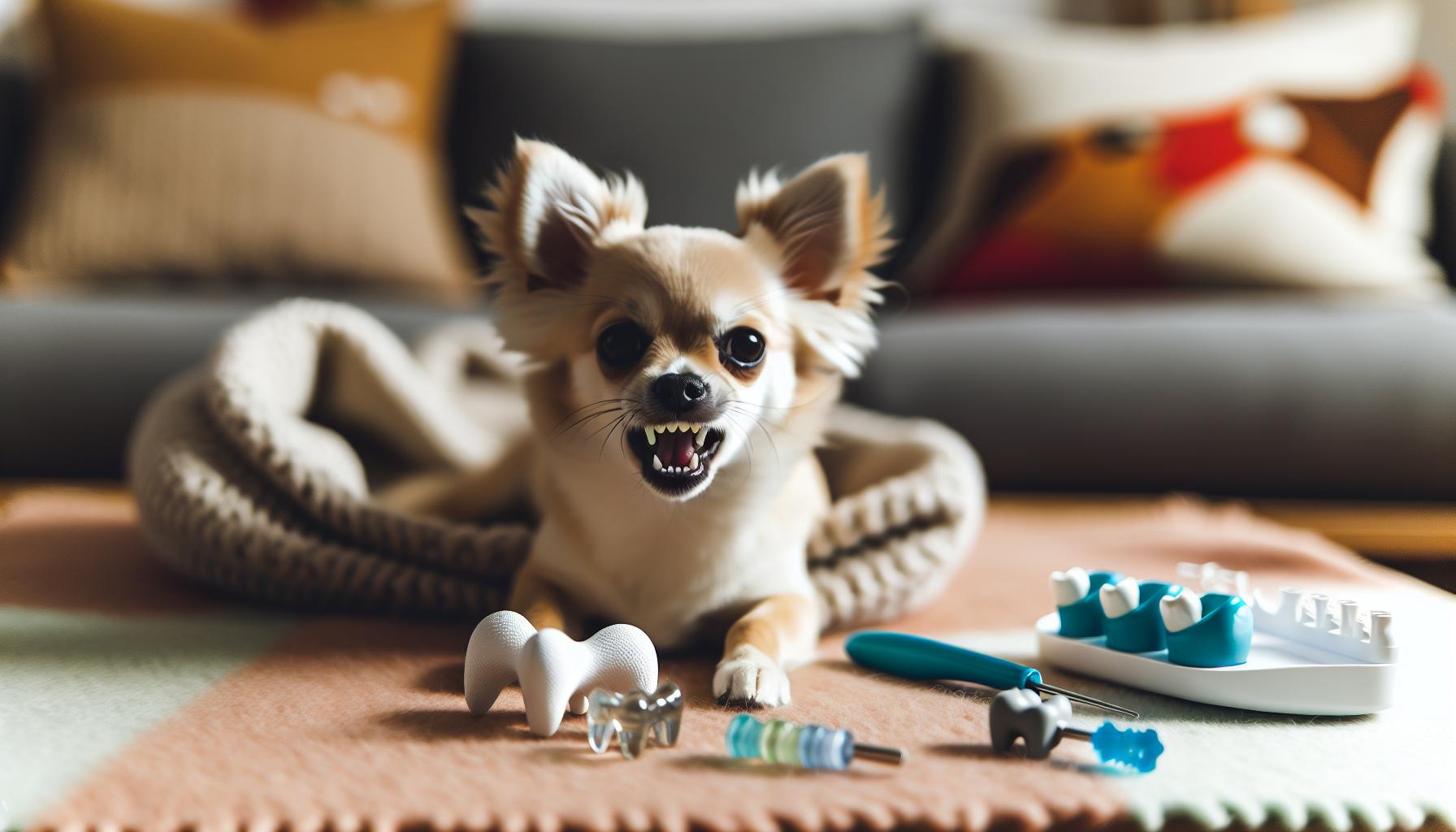
When Do Chihuahuas Start Teething? Understanding the Timeline
The teething phase for Chihuahuas is a crucial period in their early development, typically beginning around three to six months of age. During this time, your little furball will transition from his baby teeth to his adult set, an important process that mirrors the broader developmental journey of this lively breed. Chihuahuas, known for their spirited nature and bold personalities, often exhibit a range of behaviors that signal this change, including increased chewing and occasional fussiness.
As your Chihuahua ventures into this teething timeline, you might notice some distinct signs. By six months, he should start losing his primary teeth, which may lead to discomfort. While every dog is unique, many owners observe that their Chihuahuas’ baby teeth begin to fall out just as the adult teeth are making their appearance. This period can last until your pup is about eight months old, revealing a mouthful of new adult teeth. The timing can vary slightly based on genetics and individual development, but being proactive about dental health during this time will set the foundation for a healthy smile.
It’s also worth noting that our tiny companions may be more inclined to chew on anything they can find to help alleviate the discomfort associated with teething. Providing appropriate chew toys can help redirect this behavior while soothing their gums. Additionally, keep an eye on the process and ensure that your Chihuahua’s teeth are developing correctly, as irregularities can affect their future health. Embracing this stage with understanding and care will strengthen your bond and support your furry friend in this important developmental milestone.
The Teething Process: What to Expect for Your Chihuahua
The transition from baby teeth to adult teeth in Chihuahuas is an enthralling process that showcases your pup’s growth and development. Typically beginning between three to six months of age, teething is a phase that signals significant changes in your Chihuahua’s mouth. As those adorable little teeth make way for a stronger set, expect to see a curious mix of behaviors that reflect this journey, from playful chewing to moments of discomfort.
During this period, your Chihuahua may become increasingly eager to chew on just about anything within reach. While it’s not unusual for your furry friend to nibble on shoes or furniture, providing appropriate chew toys is essential. This not only helps soothe sore gums but also redirects his energy away from your belongings. Look for toys specifically designed for teething puppies, as these can provide added comfort and alleviate some of the pain that comes with this transition. Several owners recommend softer rubber toys that are gentle on your Chihuahua’s sensitive teeth and gums.
Around six months, you may notice your pup losing baby teeth, which can often lead to drooling and slight fussiness-an expected reaction as the adult teeth begin to emerge. It’s a good time to keep a close eye on your Chihuahua’s dental health. Regular inspections can help you catch any irregularities, such as misaligned teeth or abnormal growth patterns, early on, ensuring he develops a healthy grin. On that note, addressing any signs of discomfort-like reluctance to eat or play-can prevent more serious dental problems down the line. Understanding this teething timeline will not only ease your concerns but also allow you to support your furry companion through this essential part of his life.
Engaging with your Chihuahua in playful activities, particularly those that involve chewing (like tug-of-war with a safe toy), can really help during this phase. It strengthens your bond and creates positive associations with the teething process. Remember, every Chihuahua is unique, and the timeline may vary, but with your watchful care, he will emerge from this stage with a healthy and vibrant smile.
Identifying Teething Symptoms in Your Chihuahua
As your tiny Chihuahua begins the journey of teething, you may notice a variety of symptoms that signal this important phase in his development. Teething can sometimes be a challenging time for both pups and their owners, but recognizing the signs early can help you ensure your furry friend stays comfortable and happy. One of the first noticeable symptoms is often increased chewing behavior. Chihuahua owners frequently report their dogs becoming relentless chewers during this period. You may find your little buddy gnawing not just on designated toys but also on furniture, shoes, and anything else within reach!
Additionally, you might see some drooling or a little more messiness associated with food and water. This drooling can vary from slight to moderate and is usually linked to sore gums as those baby teeth start to loosen and fall out. Some Chihuahuas may also display fussiness, showing reluctance to engage in play or even eat their usual meals. If your pup seems less energetic or playful than normal, this could be a clue that discomfort from teething is at play.
To help gauge your Chihuahua’s comfort level, keep an eye out for pawing at his mouth or even rubbing his face against furniture or your leg. These behaviors can indicate that his gums are itchy or painful. If you notice any bleeding or signs of infection, it’s wise to consult your veterinarian to ensure his dental health is on track.
Providing appropriate chew toys specifically designed for teething pups can make a world of difference. Look for soft rubber options that won’t damage his sensitive gums and can help alleviate some of that discomfort. Offering a variety of textures can also keep him engaged, making teething a little less of a chore. Understanding these signs will better equip you to support your furry friend through this transitional phase, ensuring he emerges with a healthy, vibrant smile.
How Long Does Teething Last for Chihuahuas?
The teething phase for our beloved Chihuahuas can be both exciting and a bit challenging. On average, puppies begin to show signs of teething around three months of age, when their baby teeth start to loosen and fall out. This entire process typically spans a few months, lasting until about six months of age when most Chihuahuas have their full set of adult teeth in place. However, every pup is different-some might take a little longer, while others transition more quickly.
During this period, your Chihuahua will undergo several stages of discomfort as those sharp little baby teeth are replaced by adult ones. You’ll likely notice an increase in chewing on various objects, which helps soothe their sore gums. As a dedicated owner, it’s important to keep a close watch on your pup during these months. If you observe prolonged symptoms or any unusual behavior, remember to consult your veterinarian for further advice.
To mitigate the discomfort and make the teething process smoother for your tiny companion, you can provide several types of chew toys specifically designed for this stage. Look for options made from soft rubber that can massage their gums without causing additional pain. Textured toys can also help keep your Chihuahua engaged while serving the dual purpose of easing teething discomfort. Offering cold chew toys or even homemade frozen treats can be particularly soothing, giving your pup something safe and enjoyable to chew on.
In summary, the teething process for Chihuahuas usually lasts from around three to six months, with individual variations. Understanding this timeline and taking proactive steps to support your pup through it will ensure a smoother journey toward their dazzling adult smile. Remember, patience is key; this too shall pass, and soon you’ll have a playful, healthy furry friend!
Best Chew Toys for Teething Chihuahuas
While teething can be a bit of a trial for your tiny companion, the right chew toys can transform this uncomfortable phase into a more manageable experience. Chihuahuas, with their expressive little faces and boundless energy, often turn to chewing during this time to soothe their sore gums and explore their world. As a Chihuahua owner, selecting the best chew toys is crucial to not only help alleviate discomfort but also to encourage safe chewing habits.
One of the best types of chew toys for teething Chihuahuas is a variety made from soft rubber. These toys are gentle on the gums yet durable enough to withstand enthusiastic chewing. Look for rubber toys that are textured or have nubs; they not only massage sore gums but also engage your Chihuahua’s interest. Some popular rubber toys like the KONG Puppy can be filled with treats or peanut butter for added excitement, making them a double win!
Another fantastic option is fabric toys that are textured and come with crinkly sounds-great for those curious Chihuahuas. These toys provide sensory stimulation and can keep your pup entertained while soothing their aching teeth. Make sure to choose toys that are small enough for your Chihuahua but not so small that they pose a choking hazard. For example, brands like ZippyPaws offer adorable plush toys in various sizes that cater to small dog breeds.
Cold chew toys can also work wonders during this tender time. Freeze a wet washcloth or use freezeable chew toys to create a soothing relief for your Chihuahua’s gums. The cold helps numb the discomfort and keeps them busy with a fun challenge. Just be sure to supervise your pup with frozen items to avoid any choking risks.
Lastly, consider incorporating bully sticks or dental chews into playtime. These not only provide a satisfying chew experience but also promote dental health by removing plaque as your Chihuahua chews. Always opt for high-quality, natural chews to ensure your Chihuahua stays healthy while enjoying their teething toys.
In summary, providing a variety of chew toys-from soft rubber options to textured fabric toys-will significantly enhance your Chihuahua’s teething experience. It’s all about keeping playtime engaging while ensuring your little friend feels comforted. With the right tools in paw, your Chihuahua will transition through teething and come out on the other side with a shiny new adult smile ready to shine!
Tips for Easing Teething Discomfort in Your Chihuahua
As your Chihuahua embarks on the teething journey, it’s essential to remember that this phase, while sometimes challenging, can be managed with a few thoughtful strategies. Teething can cause discomfort as new teeth push through, but there are several effective ways to ease this transition.
One of the best ways to provide relief is through cold treatments. Chihuahuas often find comfort in cold sensations, which can numb sore gums. You can freeze wet washcloths or purchase freezeable chew toys specifically designed for teething pups. Just ensure you’re supervising your little one with frozen items to prevent any choking hazards. A popular method among Chihuahua owners is offering frozen carrot sticks, which not only soothe discomfort but also provide a healthy treat.
Soft rubber chew toys are another must-have during this period. Look for toys that are gentle on her gums yet durable enough to withstand a tiny pup’s enthusiasm. Toys like the KONG Puppy can be particularly beneficial since they can be stuffed with treats, keeping your Chihuahua engaged while providing relief. Additionally, textured fabric toys that crinkle can stimulate her senses and help distract from any discomfort.
Maintaining a consistent playtime routine can also help alleviate teething pain. Engaging your Chihuahua in regular play not only distracts her from the discomfort but can also strengthen your bond. Short, interactive games that involve her favorite toys can be beneficial. For instance, a gentle tug-of-war with a plush toy can provide both physical and emotional comfort.
Lastly, consider changing her diet slightly during this time. Softening her kibble with a bit of warm water can make it easier on her gums. Additionally, integrating natural chews like bully sticks or dental chews can offer comfort and promote dental health, ensuring she enjoys a variety of textures while soothing her teeth.
By employing these simple tactics during your Chihuahua’s teething phase, you’ll help her not only cope with the discomfort but also encourage healthy chewing habits. Remember, patience and attention are key as she transitions to her adult teeth, and with your love and support, she’ll emerge with a beautiful, healthy smile!
Signs Your Chihuahua’s Teeth Are Developing Normally
As your little Chihuahua transitions through her teething stage, observing her dental development can be both exciting and essential. Unlike larger breeds, Chihuahuas typically start teething around 3 to 6 months of age, and recognizing the signs of normal tooth development can help you ensure her oral health remains on track. With a keen eye, you’ll be able to foster an environment that supports healthy growth and eases any discomfort.
One of the first signs that your Chihuahua’s teeth are developing normally is the emergence of her baby teeth, which should start showing up around the three-month mark. These tiny, sharp teeth will begin to fall out as her adult teeth push through, usually starting at about six months. Thus, if you notice her baby teeth-generally smaller and sharper than adult teeth-alongside her more adult-like grin emerging, that’s a good indicator everything is proceeding well.
It’s important to keep an eye on how your Chihuahua reacts to this process. Signs of normal teething include some mild discomfort, which can manifest as increased chewing on toys or even her paws. You might also find her slightly more vocal or restless during this time. As an example, one Chihuahua owner reported that her pup, Bella, often gravitated toward her toy basket for assistance during teething, preferring to chew on her favorite plush toy-adopting a natural instinct to relieve the pressure on her gums. Additionally, you might notice a little drooling, which is completely normal and part of the process as new teeth come in.
Another vital aspect involves how her gums look during development. Healthy gums will appear pink and free from excessive swelling or discoloration. If your Chihuahua’s gums become overly red or inflamed, it can indicate potential issues, and consulting your veterinarian would be wise. To further monitor her dental state, make a habit of checking her mouth regularly; brushing her teeth at a young age can acclimate her to dental care and make examinations easier in the future.
Finally, tracking her overall eating habits is crucial. A Chihuahua that is developing healthily should maintain a decent appetite, even with the teething discomfort. Transitioning her food to softer textures or gently moist varieties can help her enjoy mealtime while she’s adapting to her new teeth. Always remember that diligent observation and regular dental check-ups can help keep your Chihuahua’s mouth in tip-top shape, ensuring her smile remains bright and beautiful as she grows. Through this journey, your love and attention will help her foster a solid foundation for lifelong dental health.
Understanding Chihuahua Dental Health Needs
Understanding your Chihuahua’s dental health needs is crucial, especially given their small size and unique mouth structure. These pint-sized companions often face particular dental challenges that require our attention. Take note: Chihuahuas are prone to dental issues such as overcrowding and early tooth loss, often exacerbated by their tendency to skip regular dental care.
To ensure your furry friend’s pearly whites remain healthy, establish a routine that includes regular vet check-ups and at-home dental care. Start by introducing her to tooth brushing at a young age. Use dog-friendly toothpaste and a soft-bristled brush designed for small breeds. Although she may not initially enjoy this process, early acclimation can make a significant difference. On top of brushing, consider incorporating dental treats that promote chewing, which can help reduce plaque build-up.
Another important aspect of your Chihuahua’s dental health is monitoring her diet. It’s essential to provide high-quality dog food that meets her specific needs. Soft food may be easier for her to manage during teething, but don’t forget to transition her to hard kibble gradually to support natural cleaning of the teeth. Additionally, including raw carrots or specially designed chew toys can help keep her teeth strong and her gums healthy while addressing that urge to chew.
While you’re fostering a healthy environment for her dental development, stay alert to warning signs. If you notice persistent bad breath, excessive drooling, or difficulty eating, it’s best to consult your veterinarian. Regular dental assessments are essential for spotting potential problems before they escalate. Your dedication to your Chihuahua’s dental health will not only ensure her comfort but also contribute to her overall well-being. Remember, a happy smile is a healthy smile!
Common Dental Issues in Growing Chihuahuas
Growing Chihuahuas can experience a range of dental issues that often stem from their unique mouth structure and small size. These adorable pups typically have 28 baby teeth that start to emerge around three weeks of age, and they transition to 42 adult teeth by six months. However, this process can lead to several challenges that require your attention as a loving owner.
One of the most common problems is overcrowding. Due to their small jaws, Chihuahuas can struggle with fitting all their teeth properly, which can lead to misalignment and pointed teeth causing discomfort. As these adult teeth push through, some baby teeth may not fall out as they should, resulting in double teeth. This not only leads to difficulties in chewing and eating but can also create spaces for bacteria to flourish, increasing the risk of dental disease.
Another prevalent issue is gum disease, which can manifest even in young Chihuahuas. Plaque buildup can occur quickly, especially if routine dental care is neglected. Pay close attention to your Chi’s breath; persistent bad breath can be a sign of gingivitis, the early stage of gum disease. Regular dental check-ups will help catch these issues before they escalate.
Chihuahuas are also prone to tooth fractures. Their playful and sometimes aggressive nature might lead them to chew on hard objects that can crack their delicate teeth. Whether it’s a stubborn dog toy or a bone, be cautious about what your Chihuahua is allowed to chew on. Opting for softer, vet-approved chew toys can help maintain dental integrity while satisfying their need to chew.
To mitigate these risks, carry out at-home dental care routines. Brush your Chihuahua’s teeth regularly with soft-bristled brushes designed for small breeds and use dog-specific toothpaste. Consider incorporating dental treats and chews that promote gum health and plaque removal. Always monitor your pup for any sign of discomfort when eating, and don’t hesitate to consult your veterinarian if you suspect any issues. Taking proactive steps will not only keep your Chi’s smile bright but will also contribute to their overall health and happiness.
Transitioning to Adult Food: Dietary Changes at Teething
As your Chihuahua transitions from adorable puppyhood to spirited adulthood, their dietary needs will shift, especially during teething-a sensitive time for their tiny mouths. Typically, this period begins around six months old when adult teeth start to replace baby teeth. Feeding your pup the right food at this juncture is crucial for their oral health and overall wellness.
When considering a switch to adult food, first recognize that Chihuahuas have unique nutritional requirements. Given their small size and energetic nature, it’s important to choose a high-quality dog food that caters specifically to small breeds. Look for a diet rich in protein, vitamins, and minerals that support their developing bones and teeth. Some dog owners prefer brands that focus on natural ingredients, allowing for better digestion and fewer gastrointestinal issues, which Chihuahuas can be prone to.
Introducing adult food should be done gradually to prevent digestive upset. Start by mixing a small amount of the new food with their current puppy formula. Aim for a ratio of about 75% puppy food to 25% adult food during the first week, then slowly adjust over the following weeks until you reach a full transition. This gradual approach helps your Chihuahua’s sensitive stomach acclimate to the new diet.
Additionally, during this transition, be mindful of your Chihuahua’s teething symptoms. As those sharp new teeth emerge, your pup may experience discomfort that affects their eating habits. Consider softening dry kibble with a bit of water or broth to make it easier for them to chew. You might also introduce some dental-friendly treats designed specifically for teething to promote oral health while satisfying their urge to chew. Remember, a healthy diet during this pivotal growth stage can contribute to stronger teeth and better gum health, ultimately setting your beloved Chi up for a lifetime of health and happiness.
In providing the right nourishment during this transitional phase, you’re not just caring for your Chihuahua’s current needs but also laying the groundwork for a vibrant and energetic adulthood.
Regular Dental Care: Setting Up a Routine for Your Chihuahua
Establishing a regular dental care routine for your Chihuahua is crucial, especially during their teething phase when their gums are sensitive and they’re adjusting to new teeth. Just like us, Chihuahuas are prone to dental issues, so getting them accustomed to dental care early on can lead to a lifetime of healthy teeth. Start by gently brushing their teeth a few times a week. Use a soft toothbrush and toothpaste specifically formulated for dogs. This not only helps remove plaque but also makes them comfortable with the process.
Frequent dental check-ups are your best defense against serious dental problems. Regular visits to the veterinarian will allow for professional cleaning and early detection of any issues, such as gum disease or excessive tartar buildup. As you build this routine, try to make visits enjoyable for your little companion. Bring along some of their favorite treats or toys to ease their nerves and create positive associations with the vet’s office.
In addition to brushing, consider incorporating dental chews and toys designed for teeth cleaning. These can help reduce plaque and tartar buildup while allowing your Chihuahua to indulge their natural desire to chew. Keep an eye on how your pup interacts with different toys; some prefer rubber toys while others may favor edible chews. Remember to always supervise chewing sessions to keep your Chi safe.
It’s also important to watch for signs of dental distress, such as bad breath, difficulty eating, or excessive drooling. If you notice any of these symptoms, don’t hesitate to consult your veterinarian. By staying proactive about your Chihuahua’s dental health, you’re setting your furry friend up for a vibrant and healthy life filled with plenty of tail wags and those signature barks we all adore. Embrace this journey of dental care not just as a maintenance task, but as a bonding experience that strengthens the connection between you and your beloved Chi.
When to Consult a Veterinarian About Dental Development
It’s a known fact among Chihuahua owners that dental development plays a crucial role in their overall health. Just like with humans, Chihuahuas face unique challenges during their dental growth phases. As a responsible owner, knowing when to seek veterinary advice can significantly impact your furry friend’s health and comfort. Chihuahuas typically start teething around three months, and by the time they’re six months, they should have their adult teeth firmly established. However, if you notice any irregularities or behavior that raises concerns, don’t hesitate to reach out to your veterinarian.
Here are some vital signs that indicate it’s time for a vet visit:
- Excessive drooling: A little drooling is common, but if it becomes excessive, it might signal discomfort or dental issues.
- Bad breath: While some odor is expected, an overwhelming smell could indicate a dental problem, such as decayed teeth or gum disease.
- Difficulty eating: If your Chihuahua struggles with food or refuses to eat, it could be a sign of teething pain or underlying dental issues.
- Swollen or bleeding gums: Healthy gums should have a pink hue; if you see swelling or blood, it’s essential to consult your veterinarian.
- Retained baby teeth: Chihuahuas sometimes retain baby teeth when adult teeth erupt. If you notice that the baby teeth have not fallen out, your vet can help with safe removal.
Being proactive about your Chihuahua’s dental care not only aids in preventing dental diseases but also ensures a more enjoyable teething experience. By establishing a routine with your vet and watching for these signs, you’re equipping yourself with the knowledge necessary to support your Chihuahua’s dental health. This not only helps your little companion’s smile shine but also enhances the special bond you share. Remember, it’s always better to ask than to wait. Your vet is there to help and make sure your spirited, little buddy stays happy and healthy as they grow!
FAQ
Q: When do Chihuahuas start losing their baby teeth?
A: Chihuahuas typically start losing their baby teeth around 4 to 6 months of age. This process can last several weeks as the adult teeth push through. Keep an eye on your puppy to ensure they’re comfortable during this transition. For more information, refer to the “When Do Chihuahuas Start Teething?” section.
Q: How can I tell if my Chihuahua is in pain during teething?
A: You can identify teething pain in your Chihuahua by observing behaviors such as excessive whining, reluctance to eat, or chewing on inappropriate items. Providing suitable chew toys can help alleviate discomfort. For tips on easing their troubles, check the “Tips for Easing Teething Discomfort” section.
Q: What dental health issues should I watch for in a teething Chihuahua?
A: While teething, Chihuahuas may experience issues such as gum irritation or retained baby teeth. Regularly inspecting their gums and teeth can help prevent further problems. If you notice anything unusual, don’t hesitate to consult your vet. More details are in the “Common Dental Issues in Growing Chihuahuas” section.
Q: Is it normal for my Chihuahua to bleed a little when teething?
A: Light bleeding during teething can be normal due to the baby teeth loosening. However, if bleeding persists or seems excessive, consult your veterinarian to rule out any serious issues. Be proactive in managing their dental health after teething, as discussed in the “Understanding Chihuahua Dental Health Needs” section.
Q: Should I change my Chihuahua’s diet during the teething process?
A: Yes, adjusting your Chihuahua’s diet during teething can be beneficial. Softening their food or providing wet food can help ease discomfort while they adjust to their adult teeth. For more dietary tips, refer to the “Transitioning to Adult Food” part of the guide.
Q: What types of chew toys are best for teething Chihuahuas?
A: The best chew toys for teething Chihuahuas are those made of soft rubber or fabric that won’t damage their developing teeth. Look for toys designed specifically for puppies to ensure safety and comfort. Explore the “Best Chew Toys for Teething Chihuahuas” section for recommendations.
Q: How can I tell if my Chihuahua’s teeth are developing properly?
A: Proper dental development in Chihuahuas is indicated by even spacing of teeth, healthy gums, and normal chewing habits. Regular check-ups and at-home assessments can help you monitor their dental progress. For more, check the “Signs Your Chihuahua’s Teeth Are Developing Normally” section.
Q: When should I take my Chihuahua to the vet for dental concerns?
A: It’s advisable to consult your veterinarian if you notice persistent bad breath, difficulty eating, or dental misalignment. Early intervention can prevent serious dental health issues. For more specific guidelines, see the “When to Consult a Veterinarian About Dental Development” section.
Insights and Conclusions
As your Chihuahua grows, understanding their dental development is essential for ensuring their overall health. Remember, teething is a natural phase, typically concluding by six months of age. During this time, providing chew toys can alleviate discomfort and keep them engaged. If you’re still wondering, “When do Chihuahuas stop teething?” or have concerns about your pup’s dental care, don’t hesitate to explore our articles on Chihuahua health tips and proper dental hygiene routines.
We’d love to hear your thoughts! Share your experiences in the comments below. If you found this guide helpful, consider signing up for our newsletter for more insights tailored to your Chihuahua’s needs. Together, let’s celebrate the joyful quirks of your tiny, bold companion! Explore our site further for more valuable resources and connect with fellow Chihuahua lovers who share your passion.
Get our latest guides, news, and insights highlighted in your Google Search & AI Overviews.