

Understanding when Chihuahuas get their periods is essential for every devoted owner. This often-overlooked part of their lifecycle, known as the heat cycle, significantly impacts their behavior, health, and well-being. Did you know that a female Chihuahua can go into heat as early as six months old? This can catch first-time owners off guard, as the signs may be subtle but are crucial for managing her care.
As a Chihuahua lover, you’ll want to be prepared for the changes she may experience during this time. From mood swings to physical symptoms, knowing what to expect will help you support her through this natural process. By learning about her heat cycle, you can help foster a safe and loving environment, ensuring she feels secure and comfortable. Join us as we explore the fascinating details of your Chihuahua’s heat cycle, providing you with the knowledge you need to navigate this aspect of her life with confidence and care.
Understanding the Chihuahuas’ Heat Cycle

Understanding your Chihuahua’s heat cycle is essential for any dedicated owner. Chihuahuas typically experience their first heat around six to twelve months of age, but this can vary based on individual factors like size and genetics. During this phase, her body undergoes significant hormonal changes that prepare her for potential mating. It’s fascinating to note that, unlike larger breeds that may go through this cycle twice a year, Chihuahuas often have more frequent heats, potentially three times a year.
Recognizing the signs that your little one is in heat is crucial for her care and comfort. Common indicators include swelling of the vulva, increased urination, and changes in behavior such as clinginess or restlessness. He or she may also become more vocal than usual, which is a characteristic trait of the breed. Keeping a close eye on her during this time helps ensure that she feels secure and is kept away from male dogs, as her instincts will be heightened.
It’s also vital to know the different phases of the heat cycle, which usually last about three weeks. The cycle is broken down into proestrus, estrus, and diestrus. During proestrus, which lasts about 9 days, you may notice her seeking attention and exhibiting the behavioral changes mentioned earlier. In estrus, she is fertile and may actively seek out male companionship. Diestrus is the recovery phase, lasting about 60-90 days, during which her body returns to normal if she isn’t pregnant.
Understanding these phases not only helps you support your Chihuahua through her heat cycle but also prepares you for any decisions regarding spaying or breeding in the future. By observing and caring for her during this time, you contribute to her emotional well-being and health, ensuring she remains the happy, lively companion you adore.
Signs Your Chihuahua is in Heat

Recognizing that your Chihuahua is in heat can significantly enhance her comfort and your ability to care for her during this sensitive time. As small as they are, Chihuahuas indeed have their own distinctive signals when they enter this phase, making it essential for owners to be attentive. These little furballs will often exhibit some noticeable behavioral and physical changes.
One of the most prominent signs is swelling of the vulva, which might become quite pronounced. Observing this change can help you confirm that she is in heat. Alongside this, you may notice an increase in urination; she might visit her potty spot more frequently. This urge often serves a dual purpose: marking her territory and signaling her availability to male dogs. So, don’t be surprised if she’s drawn outside more often.
Behaviorally, expect your Chihuahua to become a bit more clingy and restless than usual. It’s not uncommon for her to seek more attention and affection from you, or to express her feelings vocally with more barking and yapping. These vocalizations can be quite characteristic of the breed; her tiny body can carry quite the sound! For instance, one Chihuahua owner noted how her usually calm dog became a little chatterbox during her heat. It’s all part of their heightened emotional state.
In addition to these signs, keep an eye out for changes in her usual habits, including changes in appetite or even nesting behaviors, where she might seek out cozy places to retreat. Understanding these signs is crucial not just for managing her immediate needs, but also for effectively addressing the behavior changes that come with her heat cycle, ensuring she feels secure and understood during this time. Always remember, with your attentive care and love, she’ll navigate this cycle comfortably.
What Age Do Chihuahuas Start Their Heat?
Recognizing when your Chihuahua begins her heat cycle is crucial for her health and your peace of mind. Generally, Chihuahuas reach sexual maturity and experience their first heat anywhere between 6 to 12 months of age. Smaller breeds like Chihuahuas may have their first cycle a little earlier than larger breeds, often on the earlier end of that spectrum. However, it’s vital to note that some may not have their first heat until they are closer to a year old.
The initial heat cycle, also known as estrus, can vary from dog to dog. It’s typically characterized by a swelling of the vulva and may last anywhere from 2 to 4 weeks. During this time, she may exhibit behaviors signaling her readiness to mate, which is part of her natural instincts. Be prepared for a little extra excitement-or potential stress-during this phase. Many first-time Chihuahua owners find that keeping a close eye on her physical and emotional changes helps manage the situation appropriately.
You might also notice that her heat cycle isn’t a one-time event; it typically lasts several months, with periods of heat occurring approximately every 6 months thereafter. This regularity can change based on individual factors such as her health, environmental influences, and whether she is spayed. Real-life experiences shared by fellow owners highlight the importance of understanding this cycle; one owner emphasized how recognizing the signs early helped her prepare and avoid potential accidents in the house.
Should this be your Chihuahua’s first heat, brace yourself-her personality may shine even brighter-or perhaps more unpredictably-during this time. Many owners find their little companions become extra affectionate, more vocal, and, at times, a tad anxious. This behavior is entirely normal and can usually be managed with a little extra love, attention, and patience. Keeping her comfortable will ensure both of you get through this phase as smoothly as possible.
Duration and Phases of the Heat Cycle
Recognizing the duration and phases of your Chihuahua’s heat cycle is essential for providing her with the best care during this natural but often perplexing time. The heat cycle, also known as estrus, has several distinct phases. Typically, a Chihuahua’s heat cycle lasts about 2 to 4 weeks, but this can vary. Understanding this cycle not only prepares you for the changes she may undergo but also ensures her emotional and physical well-being.
Main Phases of the Heat Cycle
- Proestrus:
– Lasts about 3 to 17 days.
– Your Chihuahua’s vulva may swell, and you might notice a blood-tinged discharge.
– During this time, she may attract males, though she will not be receptive to mating yet.
– Behaviorally, she might become more clingy or anxious. Providing her with extra attention during this phase can help ease her stress.
- Estrus:
– This is the phase when she is fertile and ready to mate. It lasts roughly 5 to 14 days.
– The discharge usually becomes lighter, and her behavior may include increased affection and flirtation with male dogs.
– This is often the most challenging time for owners, as her instinctual urges will be heightened, leading to increased vocalization or attempts to escape.
- Diestrus:
– Lasting between 10 to 14 days, this phase occurs after estrus, whether she has mated or not.
– Her body will begin to return to a normal state. If she was not bred, her discharge will subside, and her vulva will return to its usual size.
– Behaviorally, she may seem more relaxed as the hormonal changes stabilize.
- Anestrus:
– This is the resting phase between heat cycles and can last several months.
– There are no observable signs of heat during this time. It’s important to monitor her health during this phase and ensure she remains active and healthy.
Communication and Comfort
As a devoted Chihuahua owner, it is your responsibility to keep an eye on her during these phases. Real-life experiences highlight the importance of recognizing these signs early. One owner shared that by understanding the phases, they could create a more comfortable environment-provisioning cozy spaces, extra potty breaks, and even calming toys to help soothe her anxiety.
Caring for your Chihuahua during her heat cycle requires a mix of understanding and practical adjustments. For example, if she becomes overly anxious or restless, consider implementing a more predictable routine. Dealing with a tiny but mighty Chihuahua during this time isn’t just about managing her physical changes; it’s also a chance to strengthen your bond through patience and love.
Behavioral Changes During Heat
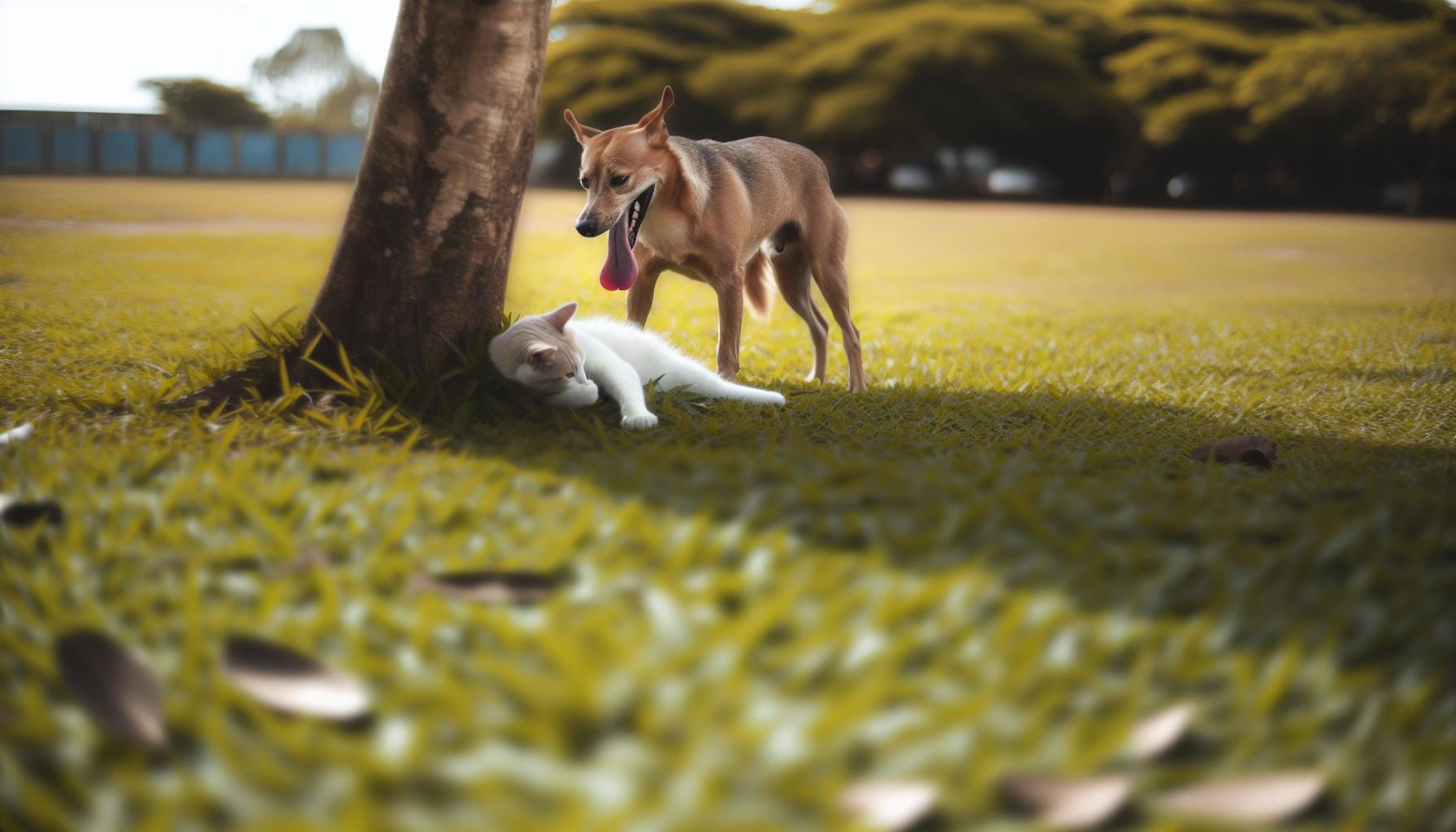
During her heat cycle, your Chihuahua’s behavior can shift dramatically, leaving you both fascinated and perplexed. These changes are a direct result of hormonal fluctuations that accompany the various stages of the cycle, and understanding them will help you provide the emotional support she needs.
One of the most significant behavioral changes occurs during the proestrus phase. During this time, your Chihuahua may become noticeably clingy, seeking your affection and comfort. She might follow you around the house more than usual and display signs of restlessness or anxiety. It’s essential to recognize her need for reassurance; providing her with a cozy space to nest or some extra playtime can help alleviate her stress. Many owners have found that creating a soothing environment with her favorite blankets or toys can significantly ease her discomfort during this period.
As she transitions into the estrus phase, you can expect her behavior to become even more pronounced. This is when she becomes more flirtatious and may actively seek the attention of male dogs. You might notice an increase in vocalization-this is her way of communicating her readiness to mate. Keep in mind that while her instincts may drive her to be more assertive, it’s crucial to monitor her closely to prevent unwanted interactions with other dogs. Some owners choose to limit outings during this time, opting for private play in a secure environment, which not only protects her but also helps maintain her calm.
In the subsequent diestrus phase, your Chihuahua’s behavior often stabilizes as her body starts to return to its normal state. During this time, you might observe a decrease in clinginess and a more relaxed demeanor. This transition presents an excellent opportunity for bonding through gentle activities, like short walks or quiet cuddle sessions, as she adjusts back to her regular routine.
Ultimately, patience and understanding are vital. Each Chihuahua is unique, and their responses to heat can vary widely. Keeping a close eye on her and being proactive about her emotional needs will help both of you navigate this natural phase with greater ease and confidence. Sharing experiences with fellow Chihuahua owners can also be enlightening; you may find that others have valuable tips and tricks to make this time smoother for their tiny companions.
Caring for Your Chihuahua in Heat
When your Chihuahua enters her heat cycle, it can feel like a whirlwind of emotions and changes. It’s crucial to provide understanding and proper care during this time to keep her comfortable and secure. Start by making her space as cozy as possible. Think about creating a designated area in your home with her favorite blankets and toys-this gives her a safe haven to retreat when feeling overwhelmed. Many owners have reported that a comfortable nest can help their furry friends relax and feel more at ease during this hormonal shift.
Monitoring her closely is key, especially as she may exhibit signs of anxiety or clinginess during the proestrus phase. Your Chihuahua might want extra attention or reassurance during this time, so be prepared for lots of cuddles! Engaging in gentle play or quiet time together can help channel her energy positively. It’s also essential to keep her on a leash during walks; her instinct to seek out male dogs increases, and keeping her close will help manage potential encounters.
Hygiene is another aspect to consider while your Chihuahua is in heat. Some owners choose to use doggie diapers to manage any discharge, especially if she is likely to have access to furniture or other areas where staining might occur. Make sure to change these regularly to keep her comfortable. Additionally, maintaining her routine is beneficial. Regular feeding, walks, and playtime will help provide a sense of normalcy amidst the changes she’s experiencing.
Finally, it’s essential to communicate with your veterinarian about any concerns or behavioral changes you’re witnessing. They can offer tailored advice based on her unique temperament and health needs, ensuring she’s supported through her heat cycle. Remember, each dog is an individual; your Chihuahua’s experience might not mirror another’s. By being patient, attentive, and loving, you’re already taking significant steps to care for her during this natural phase of her life.
Managing Heat Symptoms Effectively
Your Chihuahua’s heat cycle can be a time of significant change for both her and you. Understanding how to manage her symptoms effectively will ensure she is comfortable and her needs are met. Keeping your little companion calm and secure is key during this phase.
Establish a routine that allows her to feel safe and supported. During her heat cycle, she may become more anxious or clingy, reflecting her hormonal shifts. Maintaining consistency in her daily activities, like feeding and walks, can provide a comforting structure. Make sure she has a dedicated, cozy space in your home equipped with her favorite toys and blankets-a sanctuary where she can retreat when she feels overwhelmed.
Another important aspect is hygiene management. Many owners find that doggie diapers are a practical solution to manage any discharge. While it might seem a bit unusual, these can prevent unwanted messes in your home. Just remember to check and change them regularly to keep her comfortable. If your Chihuahua enjoys grooming, this can also serve as a bonding activity during her heat-brushing can help distract her and provide a sense of normalcy.
In terms of behavior, some Chihuahuas become more vocal or may exhibit a desire to escape. It’s crucial to keep her on a leash during walks, not just to prevent encounters with male dogs but to ensure her safety. If she seems particularly restless, swapping out typical play with soothing activities, such as gentle cuddles or calm interactive games, can help her channel her energy more positively.
Lastly, always keep an open line of communication with your veterinarian. If you notice any distressing symptoms or behavioral changes that seem out of character for her, don’t hesitate to reach out for professional advice. Your vet can provide tailored strategies that might better suit your Chihuahua’s unique temperament, ensuring she is truly supported and cared for throughout her heat cycle. By taking these steps, you’re not just managing symptoms; you’re enhancing her comfort and well-being during this natural phase of her life.
Common Myths About Chihuahua Heat Cycles
Chihuahuas are little dogs with big personalities, and their heat cycles often bring along a host of myths that can leave owners confused. One common misconception is that a Chihuahua will always show visible signs when she’s in heat. While some may notice obvious behavioral changes, many Chihuahuas can be quite subtle. You might see increased clinginess or restlessness, but not every little lady behaves the same way. Keeping an eye on her, knowing her normal patterns, and understanding her unique quirks will help you spot the signs more easily.
Another frequent myth is that heat cycles are just a minor inconvenience. In reality, a Chihuahua’s heat can lead to significant changes. During this time, she might be more vocal, marking her territory or trying to escape if she senses male dogs nearby. It’s vital to keep her safely leashed during walks to prevent unwanted encounters and protect her well-being. Remember, her preferences for play and cuddle time may also shift; she might need a little extra love or calming activities to feel secure and comfortable.
Some owners believe autumn is the best time to breed their Chihuahua because they will be more receptive. However, it’s crucial to understand that every individual dog has her own timeline for heat cycles, typically occurring every six to eight months. Instead of relying on seasonal patterns, focus on timing and the specific signs your Chihuahua exhibits.
Lastly, many think that spaying will cause their little friend to gain excessive weight and lose her personality. This isn’t necessarily true-it often comes down to diet and exercise management. Your Chihuahua’s vibrant character can remain intact with proper care and attention. Regular vet check-ups will also help ensure she maintains her health and happiness through this natural phase of life.
With all these myths swirling around, it’s important to rely on trusted sources and listen to your veterinarian. They can provide insights specific to your Chihuahua’s needs and help dispel any doubts you may have about her health, behavior, or care during her heat cycle. Be sure to approach this time with knowledge and empathy to give your dear little one the support she deserves.
When to Consider Spaying Your Chihuahua
When caring for your beloved Chihuahua, the decision to spay can be one of the most impactful choices you make for her health and well-being. Spaying, or ovariohysterectomy, is a surgical procedure that removes a female dog’s ovaries and usually the uterus. One of the primary reasons to consider spaying is to prevent unwanted litters. As Chihuahuas reach sexual maturity between six and twelve months, her heat cycles will begin every six to eight months. If you’re not planning to breed her, spaying at an appropriate age can help you avoid the stress and responsibility of potential puppies.
Beyond litter prevention, spaying significantly reduces the risk of certain health issues. Female Chihuahuas are susceptible to uterine infections or pyometra, which is life-threatening and requires immediate treatment. Spaying also lowers the risk of mammary tumors, especially if the procedure is performed before her first heat cycle. Many veterinarians recommend spaying prior to the first heat, ideally around six months of age, to maximize these health benefits.
Behavioral changes can also influence your decision. Chihuahuas in heat can become more challenging to manage; they may exhibit increased vocalization, marking behaviors, or even attempts to escape in search of a mate. These behaviors can cause stress for both you and your dog, making spaying an attractive option for maintaining a calm household. Experienced owners often share how spaying can lead to a more relaxed demeanor and improved focus in training, allowing your Chihuahua to shine even more brightly.
Every Chihuahua is unique, and it’s essential to have an open dialogue with your veterinarian about the best timing and reasons for spaying. They can provide insights tailored to your dog’s health, lifestyle, and breed-specific considerations. Ultimately, the goal is a happy, healthy Chihuahua who can enjoy a life free from the complications that heat cycles can bring. Embrace the journey of dog ownership with knowledgeable choices that prioritize her well-being.
Preventing Unwanted Litters: Best Practices
When you bring a Chihuahua into your home, you’re not just gaining a furry companion; you’re also embracing the responsibilities that come with pet ownership, especially during her heat cycles. One of the most effective ways to prevent unwanted litters is to thoroughly understand and navigate the heat cycle. This cycle usually begins between six and twelve months of age, occurring approximately every six to eight months. Recognizing the signs of her being in heat, such as behavioral changes or physical symptoms, is crucial in managing her environment.
To keep both your Chihuahua and potential suitors at bay, consider the following best practices:
Spaying as a Primary Preventative Measure
One of the most effective ways to ensure your female Chihuahua does not have unwanted litters is through spaying. Not only does this procedure eliminate the possibility of pregnancy, but it also significantly reduces health risks, including the development of certain cancers and infections. Most veterinarians recommend spaying before her first heat cycle to gain maximum health benefits and behavioral stability.
Monitoring Her Heat Cycle
If spaying isn’t an option for you at the moment, keep a close eye on your Chihuahua’s heat cycle. Document the start and end dates, as this can help you anticipate her next cycle. During this time, exert caution and limit her exposure to intact male dogs. Keeping her on a leash during walks can prevent unwanted advances and help you maintain control of the situation.
Environment Management
Create a safe space for your Chihuahua. If possible, restrict her access to areas where intact males might be present. Use baby gates or keep her indoors during her heat. If your Chihuahua stays at home while you’re out, consider providing her with toys and distractions to minimize stress and anxiety that can be heightened during heat.
Communication is Key
Engage your whole household in understanding her needs during this time. Just like every Chihuahua has its personality quirks, they also respond differently to the changes their bodies go through. Share responsibilities with family members to ensure she receives the attention and care she needs. By being proactive and smart about managing her heat cycle, you can foster a happy and healthy environment for her.
In protecting your Chihuahua from the complications of heat and unwanted litters, you’re not only ensuring her well-being but also enjoying the vibrant personality we all love about this tiny breed. Through education, management, and, if necessary, medical intervention, you can focus on the joy of Chihuahua companionship rather than the stress of unplanned breeding.
How Heat Affects Chihuahua Health
During her heat cycle, your Chihuahua can experience a range of physical and emotional changes that could affect her overall health. Understanding these effects is vital for ensuring her comfort and well-being. You might notice that she becomes more anxious or restless, and this behavioral shift can stem from hormonal fluctuations. It’s not uncommon for Chihuahuas to vocalize more during this time, expressing their discomfort or need for attention. As a loving owner, being patient and attentive to her needs will help her navigate this natural phase with ease.
Physically, some Chihuahuas may experience mild swelling in the vulva or a slight increase in urination. It’s crucial to monitor her closely and keep her environment clean. Regularly changing her bedding and ensuring she has access to fresh water can help manage any discomfort. Engaging her in gentle playtime or using calming aids, like anxiety wraps or natural calming treats, can also alleviate stress associated with her heat.
One significant health concern during this time is the risk of pyometra, an infection of the uterus that can occur if she is not bred. This condition is life-threatening and its likelihood increases as she goes through multiple heat cycles. For this reason, spaying is often recommended as an effective way to prevent health issues associated with the reproductive system. If spaying isn’t an immediate option, maintaining a consistent veterinary check-up is essential to catch any potential health issues early.
As her owner, you’ll want to create a supportive environment where she feels safe and secure. A calm space with her favorite toys, along with plenty of love, can make all the difference. By understanding how her heat affects her health and being proactive in your care, you not only contribute to her well-being but also enrich the joyful bond you share with her. Through patience and attentiveness, you can make this time a little easier, ensuring that she remains her vibrant self.
FAQs About Chihuahuas in Heat
Understanding the heat cycle of your Chihuahua can be overwhelming, especially for first-time owners. One common question many might have is whether her behavior changes during this time. It’s not unusual for a Chihuahua to become more vocal or clingy when she’s in heat. These changes are mostly due to hormonal fluctuations, which can make her feel anxious or restless. As a responsible owner, observing her closely and providing a comforting environment is key to helping her through this phase.
Another frequent question revolves around the typical age when Chihuahuas will first experience their heat cycle. Generally, small breeds like Chihuahuas can go into heat as early as six months of age, though it can vary. making it important to be vigilant about her health and behavior. Each heat cycle lasts about three weeks, but for some, it may vary slightly, marking the different stages known as proestrus, estrus, and diestrus. During the estrus phase, she will attract male dogs, indicating she is fertile.
Many owners are concerned about the best ways to care for their Chihuahua during her heat cycle. Keeping her environment clean is crucial. Regularly changing her bedding and providing her with a soft, quiet space can help ease any discomfort. Additionally, consider using doggy diapers if you notice spotting around the house. This not only keeps your home clean but helps your girl feel more secure.
Finally, you might wonder about the long-term implications of repeated heat cycles on your Chihuahua’s health. While some owners may want to breed, it’s important to be aware that not spaying after multiple cycles can increase her risk of serious health issues, such as pyometra. This life-threatening condition is an infection of the uterus that becomes more likely with each heat cycle she experiences.
In essence, being proactive, attentive, and educated about her heat cycle will not only improve your Chihuahua’s quality of life but also strengthen the special bond you share. By understanding her needs and responding with care and kindness, you can both navigate this natural phase together.
FAQ
Q: When do Chihuahuas typically have their first heat cycle?
A: Chihuahuas usually experience their first heat cycle between 6 to 12 months of age. However, it can vary depending on individual factors like genetics and health. Monitoring your Chihuahua closely during this time is crucial to ensure proper care.
Q: How long does a Chihuahua stay in heat?
A: A Chihuahua remains in heat for about 2 to 3 weeks. This cycle consists of several phases, with the most fertile days occurring about halfway through. Be attentive to your dog’s needs and behavior during this period for her comfort.
Q: What are the signs that my Chihuahua is approaching her heat cycle?
A: Signs that a Chihuahua is approaching her heat cycle include increased urination, behavioral changes such as being more affectionate or restless, and swelling of the vulva. Observing these subtle changes can help you prepare for her heat.
Q: Can Chihuahuas experience irregular heat cycles?
A: Yes, Chihuahuas can have irregular heat cycles due to factors such as stress, health issues, or age. If you notice significant changes in her cycle, consult your veterinarian for advice. Regular check-ups can help maintain her health.
Q: What should I do if my Chihuahua attracts male dogs during her heat?
A: If your Chihuahua attracts male dogs during her heat, it’s best to keep her indoors and supervise her closely. Use baby gates or leashes to prevent unwanted mating. Consider discussing spaying options with your vet to avoid future heats.
Q: How can I help my Chihuahua feel comfortable during her heat cycle?
A: To help your Chihuahua feel comfortable during her heat cycle, provide a quiet space, keep her clean, and offer extra affection. Using doggy pads can also help manage any discharge and keep her comfortable.
Q: Are there health risks associated with Chihuahuas in heat?
A: Yes, health risks can arise during a Chihuahua’s heat cycle, including the potential for infections or complications if pregnant. Regular veterinary check-ups are essential to manage her health effectively during this time.
Q: What are common myths about Chihuahuas and their heat cycles?
A: Common myths include the belief that all Chihuahuas should be spayed during their first heat or that they won’t have behavioral changes. Understanding the truth behind these myths can help you care better for your Chihuahua and her unique needs.
Wrapping Up
Understanding your Chihuahua’s heat cycle is essential for any dedicated owner, ensuring she stays healthy and happy. As you learn more about these loyal companions, remember to check out our other guides on Chihuahua health and behavior, such as “Caring for Your Chihuahua’s Coat” and “Chihuahua Behavioral Traits.”
Act now and subscribe to our newsletter for the latest insights, tips, and expert advice directly to your inbox. Keeping informed about your Chihuahua’s needs not only enhances her well-being but also strengthens your bond.
Discuss your thoughts or share your experiences in the comments below; we love hearing from fellow Chihuahua enthusiasts! Your feedback is vital, and together, we can build a supportive community for all who cherish these tiny, bold personalities. Remember, every moment counts in nurturing your Chihuahua’s life-let’s explore this journey together!
Get our latest guides, news, and insights highlighted in your Google Search & AI Overviews.