
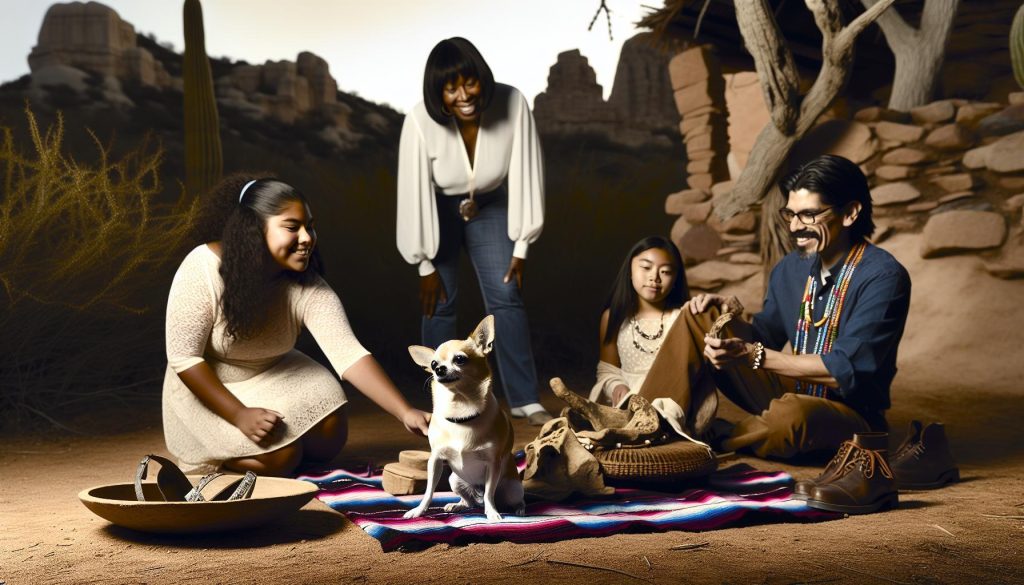
Chihuahuas, with their vibrant personalities and tiny stature, have a rich history that dates back to ancient civilizations. Understanding when Chihuahuas first came into existence not only sheds light on their fascinating lineage but also deepens our appreciation for these bold little companions. From their roles in pre-Columbian societies to their rise in modern homes, knowing their timeline can help us appreciate their unique behavioral traits and health needs. Do you ever wonder why your feisty little friend seems so regal or why she has that spirited attitude? By exploring the ancient roots of Chihuahuas, we can better understand their quirks and elevate our care for them. Let’s journey back in time to uncover the history of this beloved breed and celebrate the qualities that make Chihuahuas such cherished family members.
When Did Chihuahuas First Appear in History?
Chihuahuas are a breed with deep historical roots, often thought to have first appeared in the ancient civilizations of Central and South America. Archaeological evidence suggests they may have originated from the Techichi, a companion dog valued by the Toltec civilization around 300 AD. As loyal companions, these small dogs were included in various cultural practices, including burial rites, emphasizing their significance in ancient life.
This tiny breed has an intriguing past intertwined with Mexican history. The Chihuahua region, after which the breed is named, became a focal point of their development. It is believed that during the 19th century, the breed encountered new influences as American tourists and settlers began to take an interest in these adorable companions. Their popularity surged, leading to the modern Chihuahuas we know today, which exhibit a variety of coat types and shapes, including the beloved apple-head variety.
Chihuahuas were not only adored for their diminutive size and lively disposition but also for their bold nature. In the context of their historical significance, they reflect the rich cultural tapestry of Mexico, symbolizing loyalty and companionship through the ages. Understanding their roots can help current owners appreciate their breed’s unique character and value. Remember, whether you’re just discovering the joys of owning a Chihuahua or you’re a seasoned owner, knowing where your furry friend comes from adds another layer of richness to the bond you share.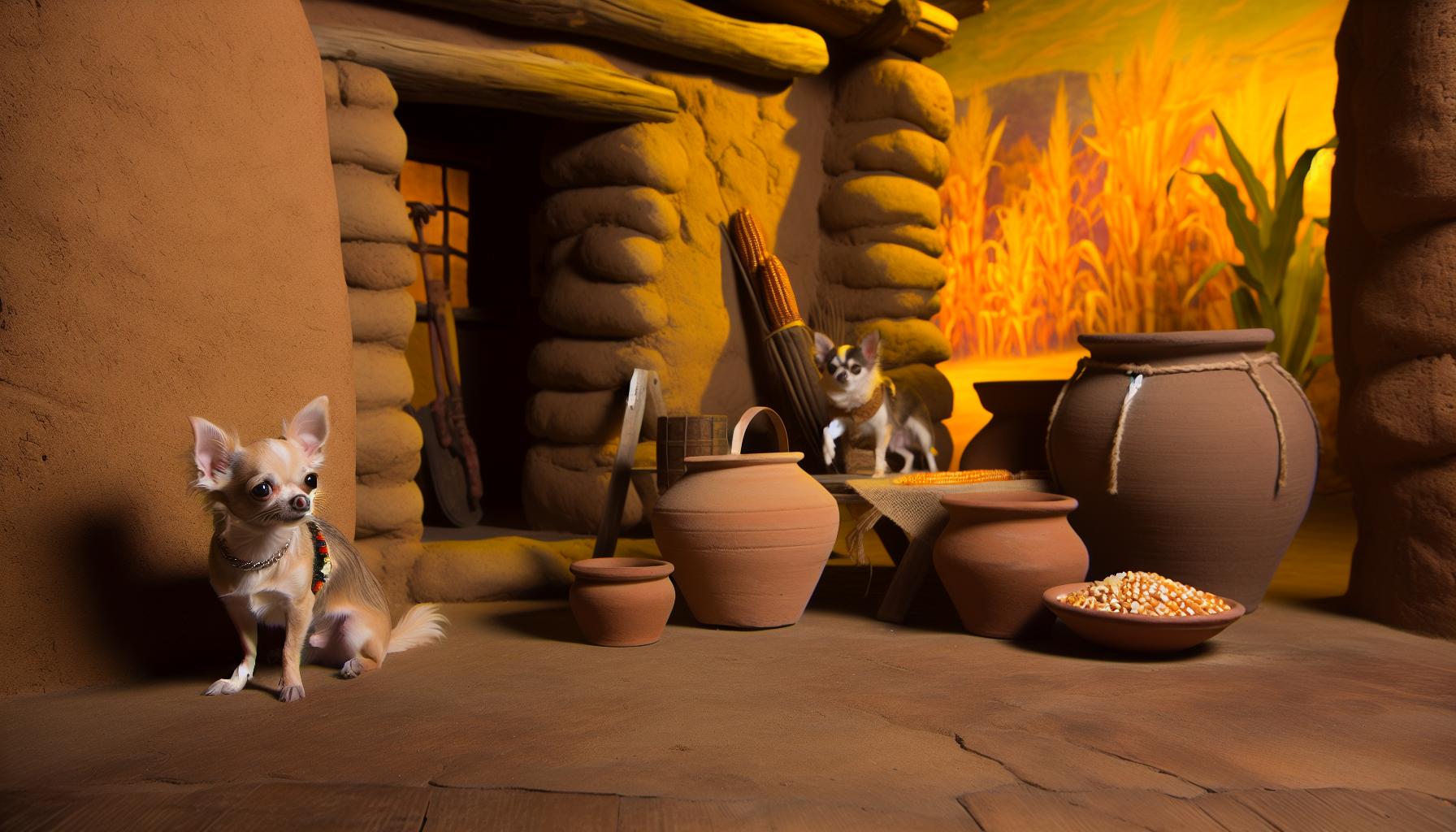
The Ancient Roots of the Chihuahua Breed
The Chihuahua breed boasts a rich and captivating history, originating from ancient civilizations in Central and South America. These little dogs are believed to be descendants of the Techichi, a companion dog revered by the Toltec people around 300 AD. Not merely pets, Techichis played crucial roles in cultural practices, including burial rites, showcasing their deep connection to human companions and their significance in spiritual beliefs. Their small stature and loyalty made them indispensable in ancient life, serving as both friends and protectors.
As these tiny dogs transitioned through history, their evolution was closely tied to the region of Chihuahua in Mexico-a name that now represents one of the most recognizable dog breeds. In the 19th century, the breed began capturing the hearts of American tourists, leading to a renewed interest and the eventual emergence of the modern Chihuahua we know today. This era introduced variations in size and coat types, such as the beloved apple-head and deer-head Chihuahuas, which have contributed to their immense popularity.
Understanding the ancients’ reverence for Chihuahuas helps contemporary owners appreciate their unique personalities. These dogs are not just small; they are spirited and bold, often exhibiting a larger-than-life demeanor that belies their size. As you navigate the joys of owning a Chihuahua, it’s essential to remember that their rich historical background deeply influences their behavior and traits today. Knowing where your loyal friend comes from adds a special dimension to your bond, enriching both your life and theirs as you celebrate their quirks and individuality.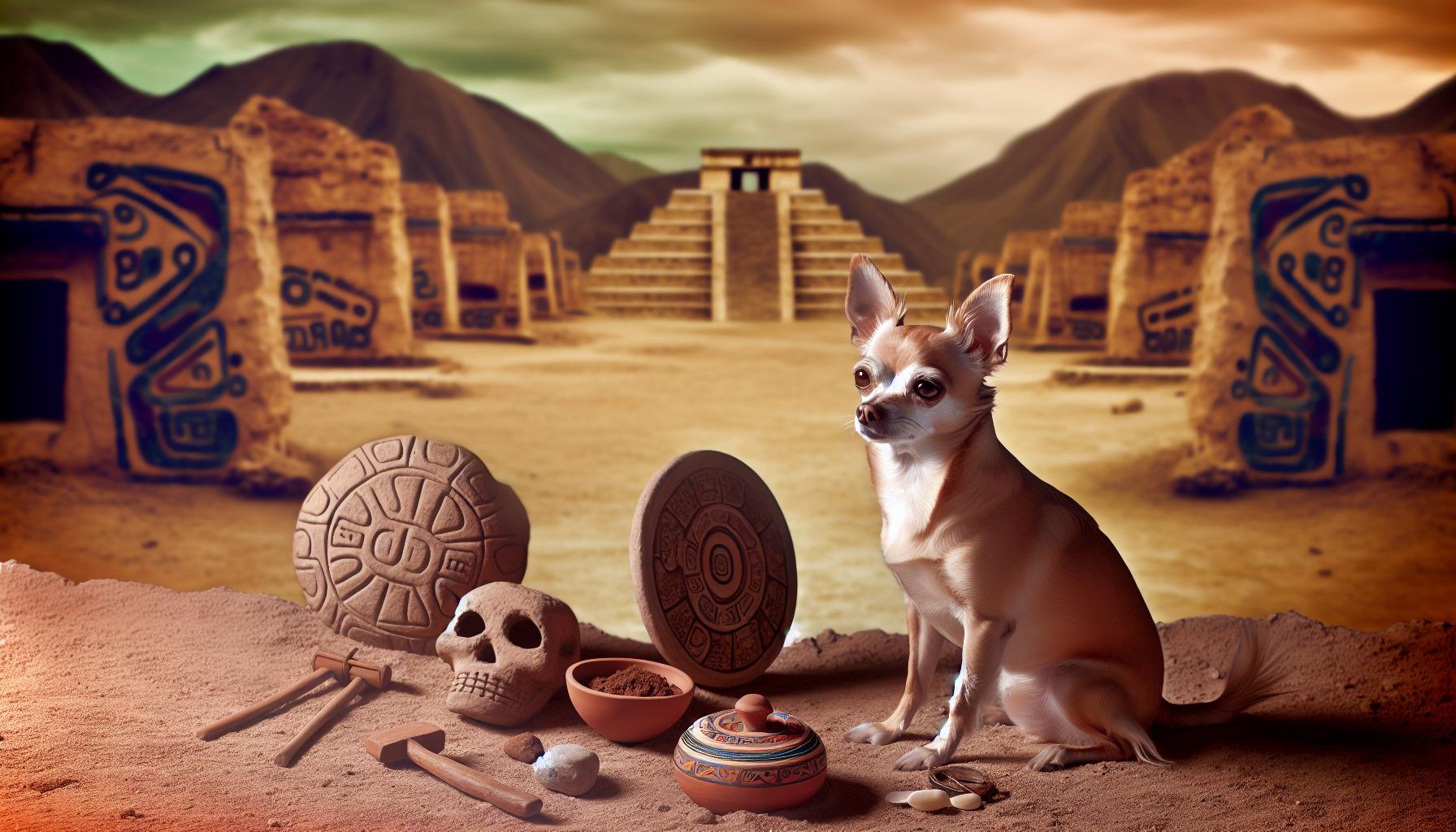
Evolution of Chihuahuas: From Ancients to Modern Times
The Chihuahua’s evolution is a fascinating journey that beautifully intertwined with the cultures that revered them. Dating back to the ancient civilizations of Central and South America, these spirited companions are thought to descend from the Techichi, a small dog cherished by the Toltec society around 300 AD. These early dogs were not only beloved pets but also played significant roles in religious and cultural practices, including serving as companions in the afterlife. This enduring bond between humans and Chihuahuas began long ago, establishing traits that continue to define the breed today.
As we moved into the age of European exploration and colonization, the Chihuahua’s presence grew, particularly in the region named after the breed-Chihuahua, Mexico. In the late 19th century, American tourists visiting Mexico discovered these tiny dogs, leading to a surge in popularity that transformed local admiration into widespread affection. This newfound interest in Chihuahuas opened the door to selective breeding, which resulted in the distinct variations we recognize now, including the famous apple-head and deer-head types. Each type not only showcases different physical attributes but also brings unique personality traits, enriching the diversity of this beloved breed.
Modern breeding practices have had a profound impact on Chihuahuas, both positively and negatively. While careful breeding emphasizes health and friendly temperaments, there are challenges, such as genetic predispositions to certain health issues. First-time owners should be aware of these considerations while also embracing the delightful personality traits that make Chihuahuas so special. Known for their bold and vocal demeanor, these little dogs often capture the hearts of everyone around them, effortlessly projecting a larger-than-life presence.
Caring for your Chihuahua today means honoring this historical legacy while ensuring a loving, health-conscious environment. Familiarity with their ancient roots can deepen your appreciation for their spirited nature, and understanding their unique traits-from their energizing barks to their affectionate cuddles-will help you forge a strong bond. By learning from the past, you can provide a fulfilling life for your Chihuahua, celebrating the distinct qualities that have made these dogs cherished companions for centuries.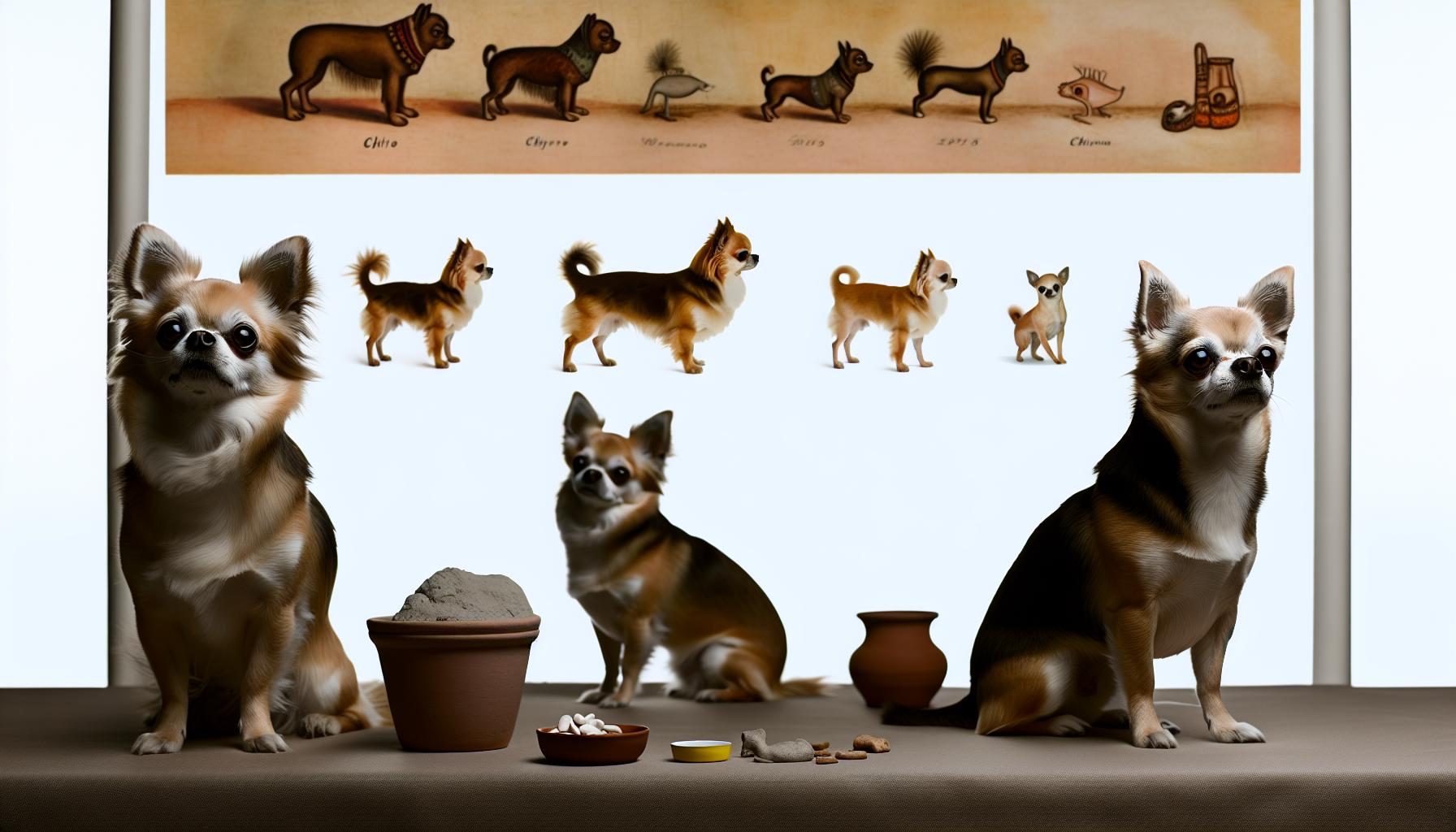
The Role of Chihuahuas in Ancient Cultures
The Chihuahua’s legacy in ancient cultures is rich and profound, weaving a tapestry of companionship, spirituality, and societal roles that few other breeds can boast. Believed to descend from the Techichi dog, this breed played significant roles within societies such as the Toltecs and later the Aztecs. These small, spirited companions were not just pets; they were integral parts of everyday life. In many cultures, dogs were revered as sacred beings, believed to guide souls in their journey to the afterlife, illustrating the deep bond between humans and their canine companions.
One of the most fascinating aspects of Chihuahuas in ancient cultures is their role in religious and spiritual practices. The Techichi were often depicted in ancient artifacts, signifying their importance. They were thought to accompany their owners after death, serving as spiritual protectors. This belief underscored the significance of Chihuahuas in religious ceremonies, where they were sometimes offered as sacrifices to please the gods, showcasing their esteemed status in society.
As a modern Chihuahua owner, you might notice these traits echo in your dog’s behavior today. Their bold and alert nature may very well reflect their historical roles as guardians. These little furballs, despite their size, possess an innate bravery that can be both charming and amusing. For example, many owners find that their Chihuahuas are quick to alert them to any perceived danger, often barking ferociously at the mailman or a visiting neighbor, displaying a protective instinct that can be traced back to their ancient lineage.
Caring for a Chihuahua involves respecting their historical significance while also meeting their modern needs. Ensuring they have a stimulating environment that encourages play, socialization, and mental challenges can help channel their bold energies effectively. Sharing your home with a Chihuahua is not only about companionship but also a continuation of a legacy that spans thousands of years, deeply rooted in culture and significance. By honoring this history, you enrich your bond with your Chihuahua, creating a fulfilling relationship built on mutual respect and love.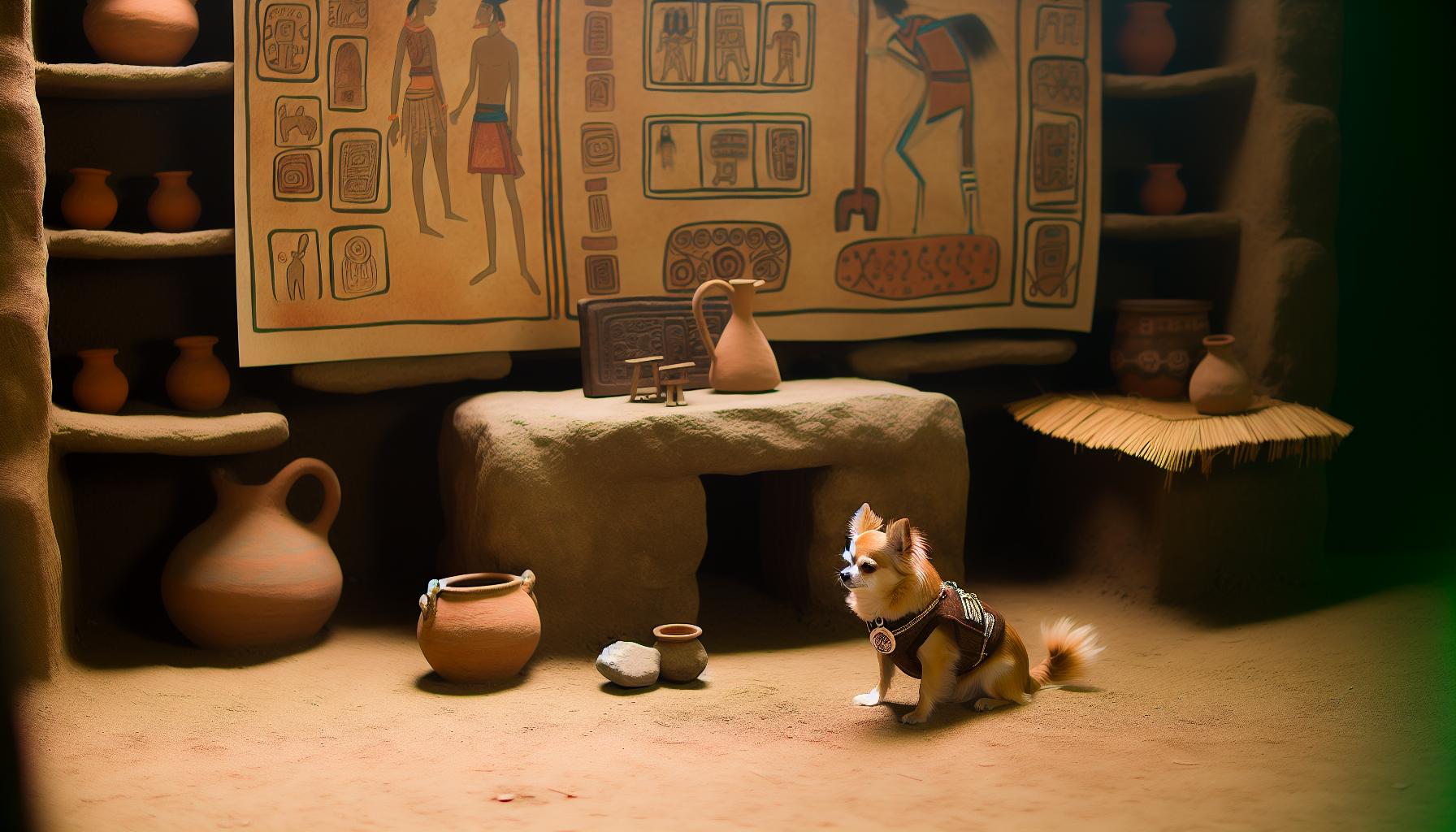
Chihuahuas in Mexico: A Historical Perspective
Chihuahuas are more than just adorable companions; they carry a rich historical significance that can be traced back to ancient Mexico. Believed to have descended from the Techichi, a small companion dog of the pre-Columbian era, Chihuahuas have a lineage that intertwines deeply with the culture and spirituality of ancient Mexican civilizations. The Techichi was integral to the lives of the Toltecs and Aztecs, not only as cherished pets but also as participants in societal rituals and religious practices.
In ancient societies, Chihuahuas were often revered for their spiritual roles. It was believed that these dogs guided the souls of the deceased to the afterlife, acting as companions in the journey beyond. This association elevated their status in households, making them essential members of the family unit. Owners would sometimes sacrifice Techichis in ceremonies, believing these offerings would ensure a smooth transition to the next world, highlighting how deeply embedded these dogs were in the cultural fabric of the time.
Modern Chihuahua owners might find echoes of this historical significance in their pets’ behaviors. Many Chihuahuas exhibit a natural protectiveness, alerting their owners to any unusual sounds or visitors. This instinctual boldness is a direct reflection of their ancient roles as guardians. For instance, a Chihuahua barking at a passerby is not merely a display of annoyance; it’s a nod to centuries of lineage that has shaped their behaviors. This blend of loyalty and alertness is something every owner should consider when caring for their Chihuahua today.
To honor the historical roots of this remarkable breed, it’s essential to create an enriching environment that respects their heritage while addressing their modern needs. Engage them in activities that stimulate their minds and bodies, like interactive toys or training sessions that use positive reinforcement. Not only does this respect their history, but it also fosters a strong bond between you and your canine companion, ensuring that the legacy of love and loyalty continues through generations.
Common Misconceptions About Chihuahua Origins
Chihuahuas have an intriguing history shrouded in myths and misconceptions. One of the most common misunderstandings is that these tiny dogs are a recent breed, popping up in the last century. In reality, Chihuahuas trace their roots back to the Techichi, a small dog revered by ancient Mesoamerican civilizations like the Toltecs and Aztecs. These historical ties reach as far back as 500-900 A.D., underlining their significance long before they became popular in the modern world.
Another misconception is the belief that all Chihuahuas are the same. While many people picture the breed as a single, uniform type, Chihuahuas come in various physical forms and personalities. The breed is often categorized into two main types: the Apple Head with a rounded skull and the Deer Head with a longer, more tapered shape. Moreover, they can have diverse coat types, including smooth and long-haired varieties, each requiring different grooming approaches and care routines.
Some owners also mistakenly assume that Chihuahuas are inherently aggressive because of their bold nature. In truth, any assertiveness often stems from their protective instincts and deep loyalty to their human companions. These traits can be channeled positively with proper socialization and training, ensuring that your Chihuahua grows into a well-adjusted and friendly companion rather than a fearful or overly defensive one.
Finally, many believe that Chihuahuas are purely lap dogs, unsuitable for active living. While they do enjoy cuddling, these spirited little dogs thrive with engaging activities. Regular exercise, mental stimulation, and social interaction are crucial for their well-being. Owners who provide a balance of affection and stimulating playtime can help their Chihuahuas flourish, revealing the rich personality and vibrancy that this beloved breed can offer. Remember, understanding the truths behind these misconceptions can lead to a more fulfilling relationship with your Chihuahua, allowing you both to enjoy the adventures that life together brings.
Understanding the Chihuahua’s Unique Traits
Chihuahuas are far more than just cute little lap dogs; they possess a unique set of traits that make them truly exceptional companions. Their distinct personalities, coupled with their rich history as ancient companions, contribute to their lively nature and the deep bond they often form with their human families. Known for their size, these tiny canines pack a bold spirit and unwavering loyalty, making them beloved by many.
One of the most striking characteristics of Chihuahuas is their vocal nature. Many Chihuahua owners share stories of how their little friends aren’t shy about expressing their needs or displeasure. This can manifest in high-pitched barks aimed at alerting owners to a guest at the door or simply demanding immediate attention. While some may consider this trait a nuisance, it’s essential to remember that this vocalization is a form of communication deeply rooted in their personality and history.
Chihuahuas also come in two primary types: the Apple Head and the Deer Head, each with its own unique charm. The Apple Head variety features a rounded skull, large eyes, and a more pronounced expression, while the Deer Head showcases a more elongated head and often displays a more stoic demeanor. Beyond their physical differences, Chihuahuas exhibit diverse coat types, including smooth and long-haired varieties. Each coat type requires a specific grooming regimen: long-haired Chihuahuas need regular brushing to prevent tangles, while smooth-coated ones benefit from occasional wipes to maintain a healthy sheen.
Moreover, Chihuahuas are incredibly resilient and adaptable, thriving in both small apartments and larger homes. Despite their diminutive stature, they are energetic and playful, needing regular mental stimulation and exercise. Engaging them in interactive play, offering puzzle toys, or taking them on walks not only keeps them healthy but also caters to their curious nature. It’s important for owners to channel their energy positively; for instance, setting up a small agility course can provide both fun and exercise.
As you delight in the company of your Chihuahua, remember that understanding these remarkable traits enhances your relationship. Embrace their quirks, foster their spirited personalities, and provide the love and care these ancient dogs truly deserve. Whether a seasoned owner or a first-time Chihuahua parent, appreciating these unique traits will undoubtedly lead to a fulfilling and joyful companionship.
The Impact of Modern Breeding on Chihuahuas
Modern breeding practices have significantly shaped the Chihuahua, impacting both their characteristics and health. This small breed has gained immense popularity, leading to a wide variety of appearances and temperaments bred to meet the desires of consumers. Many owners, especially those new to the breed, may be surprised to learn about the nuances associated with these changes.
One of the most notable effects of modern breeding is the refinement of distinct physical types, such as the Apple Head and Deer Head varieties. The Apple Head Chihuahua, characterized by a rounded skull and prominent eyes, is often favored for its cuteness, while the Deer Head, with its more elongated shape, can come off as slightly more rugged. Regardless of the type, breeders have often prioritized certain aesthetics over health, leading to genetic predispositions for issues like patellar luxation, heart problems, and eye conditions. New owners should be vigilant about selecting reputable breeders who prioritize ethical breeding practices over mere appearance.
In addition to physical traits, breeding has also influenced behavioral tendencies. Modern Chihuahuas can sometimes exhibit increased anxiety or timidness due to overbreeding in warmer climates for smaller sizes. While Chihuahuas are naturally bold and vocal, excessive breeding may reduce resilience and confidence in some dogs. It’s crucial for owners to engage in early socialization and training, exposing their Chihuahua to various environments and experiences to foster a well-adjusted adult.
Moreover, the rise of “teacup” Chihuahuas has captured the attention of many potential owners, but these extremely small dogs often face severe health challenges. Legitimate concerns about their well-being arise, with increased rates of hypoglycemia, bone fractures, and developmental issues. If you are considering bringing a Chihuahua into your home, remember that size does not equate to a happier or healthier dog. Look for balanced breeding practices that focus on health and temperament rather than merely market trends or the “cutest” appearance.
To navigate these challenges, proactive dog parents can make informed decisions. Invest in health screenings, maintain regular veterinary check-ups, and provide a loving, stable environment that encourages physical and mental well-being. Embrace their spirited nature while being mindful of their needs. Understanding how modern breeding influences your Chihuahua will ensure a healthier, happier companion for years to come.
Chihuahua Coat Types and Their Ancestry
The diversity in Chihuahua coat types not only adds to their charm but also reflects their long and storied history. Chihuahuas are known for their striking looks, which vary between two primary coat types: smooth coat and long coat. Each type has unique traits and historical significance, showcasing the breed’s evolution from ancient companion to modern pet.
Smooth Coat Chihuahuas
Smooth coat Chihuahuas feature short, sleek fur that hugs their tiny bodies, requiring minimal grooming compared to their long-haired counterparts. This coat type is easier to maintain, making it a favorite among many owners. Historically, this type has roots in the ancient civilizations of Mexico, where small dogs resembling Chihuahuas were often revered as sacred companions. Their streamlined appearance not only speaks to their adaptability but also reflects their practical role in various cultures.
Long Coat Chihuahuas
In contrast, long coat Chihuahuas display an abundant, flowing coat that adds elegance and beauty. This type often requires more grooming to prevent tangles and matting. The origins of the long coat variety are believed to have stemmed from crossbreeding with other long-haired breeds, which may have occurred during their journey across different regions and cultures. The long coat can vary in texture, from soft and silky to more coarse, providing a wider range of aesthetic appeal.
Distinctive Patterns and Colors
Both coat types come in an impressive array of colors and patterns, including fawn, black, chocolate, and even merle. These variations showcase the individual flair of each Chihuahua, inviting owners to express personal tastes through their pet’s appearance. Some common coat patterns include:
- Solid: One uniform color.
- Brindle: Stripes of a darker color on a lighter base.
- Spotted: Two or more colors, often with distinct markings.
- Merle: A mottled appearance, often combined with blue or gray tones.
The genetic diversity that has led to these coat types and colors is a testament to the rich history and breeding practices of Chihuahuas. As a breed beloved for their personality and aesthetic appeal, understanding these traits helps owners appreciate not only how Chihuahuas look but also their deep-rooted legacy. Whether your Chihuahua sports a sleek smooth coat or a luscious long coat, each one carries a piece of history within its playful demeanor and vibrant spirit. Embrace their unique traits and enjoy the wonderful companionship they offer!
Health Considerations for Chihuahuas Through Time
Chihuahuas, with their small stature and bold personalities, have been companions to humans for centuries. Understanding their health considerations throughout history reveals how their unique traits and vulnerabilities have shaped their breeding and care. Over generations, Chihuahuas have faced specific health challenges that can be traced back to their ancient origins, making awareness crucial for any owner.
One significant health issue is dental problems, which are prevalent in small breeds. Chihuahuas often have crowding of teeth or misalignments, leading to a higher risk of periodontal disease. Regular dental care, such as brushing and professional cleanings, can make a substantial difference. Many owners note that their Chihuahuas benefit from dental chews, which not only help keep their teeth clean but also satisfy their natural chewing instincts.
Another concern is the breed’s susceptibility to patellar luxation, where the kneecap dislocates. This is common in small dogs, including Chihuahuas. Being aware of your dog’s activity levels and providing support when jumping can help mitigate this issue. As one owner shares, ensuring her Chihuahua, Bella, doesn’t leap off furniture makes a significant difference in managing her knee health.
Chihuahuas also have fragile bones, making them prone to fractures, especially in their early years. Gentle play and supervision during active moments are essential to prevent injuries. As a practical tip, using harnesses instead of collars can help protect their trachea and neck, particularly during walks. Many owners find that lightweight, well-fitted harnesses provide comfort and safety for their little companions on excursions.
Lastly, it’s important to appreciate the Chihuahua’s unique ability to regulate body temperature. Due to their small size, they can easily become cold, requiring protective clothing in chilly weather. Many Chihuahuas enjoy wearing warm sweaters during winter months, ensuring they remain cozy while enjoying outdoor adventures. Recognizing these health traits can lead to a more informed and nurturing experience as you cherish your Chihuahua’s spirited nature throughout their life.
Behavioral Traits: The Bold Nature of Chihuahuas
Chihuahuas are not just tiny dogs; they embody a bold spirit that has captivated their owners for centuries. This fearless demeanor can be traced back to their ancient ancestors, believed to have been companions to the Toltecs and Aztecs. Even in modern households, Chihuahuas exemplify courage far beyond their small stature, often considering themselves the protectors of their families. Their vocal nature, paired with a fierce loyalty, makes them both charming companions and vigilant watchdogs.
Understanding the behavioral traits of Chihuahuas is essential for fostering a positive relationship. First-time owners may be surprised to discover that despite their size, Chihuahuas often carry themselves with confidence, sometimes even challenging larger dogs. This behavior stems from their history as guard dogs, a trait that has been passed down through generations. Socialization from a young age is critical in ensuring that this boldness manifests as confidence rather than aggression. Regular interactions with various people and animals can help your Chihuahua learn appropriate social behaviors, creating a well-rounded pet.
Chihuahuas also express their boldness through their playful antics. Owners often recount stories of their Chihuahuas bravely exploring every nook and cranny of the house or engaging in playful confrontations with toys multiple times their size. Their lively energy is contagious; they thrive on playtime, making it a crucial component of their daily routine. Engaging in games such as fetch or hide-and-seek not only keeps them physically active but also mentally stimulated, allowing their personalities to shine.
Given their unique quirks, it’s important to establish clear boundaries and consistent training. Chihuahuas can sometimes develop a “small dog syndrome,” where they might feel entitled to act more dominantly due to their size. Addressing this behavior early and reinforcing positive actions through rewards can help them understand their place within the family structure, ensuring that their natural boldness is channeled positively. Whether you’re welcoming a new Chihuahua into your home or have had one by your side for years, embracing their spirited nature while guiding them with love and patience will lead to a fulfilling companionship.
Caring for Your Chihuahua: Lessons from History
Chihuahuas, with their rich historical roots, are not only cherished companions today but also hold a prominent place in ancient cultures. These tiny dogs are believed to have originated in Mexico, possibly as early as the 9th century, where they were thought to be revered by the ancient Toltecs and later by the Aztecs. To care for your Chihuahua today, it’s insightful to draw on these historical lessons.
A key aspect of Chihuahua care echoes their origins as companions to humans-strong social bonds. Just as ancient civilizations valued these dogs for their bold spirits and loyalty, modern owners should prioritize building a strong, trusting relationship with their Chihuahuas. Start by engaging them with plenty of affection and attention; it nurtures their emotional well-being. Frequent, gentle socialization, especially with new people or environments, helps them adapt and thrive, ensuring they do not become overly protective or anxious.
Health Considerations
Historically, Chihuahuas served various roles, including that of guard dogs. This lineage means they possess a vigorous spirit, but they can also be prone to certain health issues-particularly dental problems and patellar luxation. Regular veterinary check-ups are crucial. Also, maintain a balanced diet rich in nutrients that support not just their energy needs but also their dental health. Smaller, specific kibble can help reduce tartar buildup, aligning with care practices that would have benefited their ancient ancestors.
Training and Behavior
Training your Chihuahua is an important part of their care, with lessons echoing from the past. Ancient breeders likely focused on instilling a strong sense of loyalty and defense in these dogs. Today, structured training can help channel their natural boldness positively. Use positive reinforcement techniques-praise, treats, and playtime-to encourage good behavior, and be consistent in your commands. A well-trained Chihuahua will be more enjoyable to live with and can exhibit their natural watchdog instincts without being overly aggressive.
In summary, embracing the historical context of your Chihuahua can enhance your caregiving approach. By fostering strong social bonds, prioritizing health, and employing effective training, you allow your Chihuahua to thrive in a nurturing, loving environment. Remember, every time you play or train with her, you’re not just shaping a dog-you’re continuing a legacy that traces back to ancient times, honoring the spirited companions they’ve always been.
Faq
Q: When did Chihuahuas first originate in history?
A: Chihuahuas first originated around 2,500 years ago in Mexico, drawing from ancient breeds like the Techichi. Historical evidence suggests that these small dogs were cherished companions among pre-Columbian cultures, later evolving into the Chihuahua we know today.
Q: What role did Chihuahuas play in ancient Mexican cultures?
A: In ancient Mexican cultures, Chihuahuas were considered sacred animals. They were often believed to guide souls to the afterlife and were commonly used in rituals, showcasing their significance beyond mere companions.
Q: How has the Chihuahua breed evolved over time?
A: The evolution of Chihuahuas reflects a transition from their ancient roots, where they served various functions, to their modern role as beloved pets. Selective breeding over centuries has influenced their size, coat types, and temperament, resulting in the diverse breed we admire today.
Q: What are the unique traits of an ancient Chihuahua compared to modern Chihuahuas?
A: Ancient Chihuahuas tended to be slightly larger and possessed a more varied coat type compared to today’s standardized breeds. Modern Chihuahuas exhibit specific features, such as the recognizable apple-head shape, largely due to selective breeding practices.
Q: Were Chihuahuas associated with any specific tribes?
A: Yes, Chihuahuas were primarily associated with the Toltec civilization. This ancient tribe valued them for companionship and believed they held spiritual significance, influencing their presence in various historical records and artifacts.
Q: How have modern breeding practices affected Chihuahua health?
A: Modern breeding practices for Chihuahuas have led to health concerns such as patellar luxation and dental issues. It’s crucial for owners to select reputable breeders who prioritize health over appearance to mitigate these risks and ensure a happy, healthy pet.
Q: What common misconceptions exist about Chihuahua origins?
A: One prevalent misconception is that Chihuahuas are a recent breed. In reality, their lineage traces back over 2,500 years, and they have deep historical roots in Mesoamerican cultures, dispelling the myth of being a modern creation.
Q: How can I better care for my Chihuahua based on historical practices?
A: To care for your Chihuahua effectively, incorporate elements from historical practices by ensuring a balanced diet, regular vet check-ups, and plenty of physical activity. Additionally, understanding their bold nature can help manage behavior and training effectively.
The Way Forward
Thank you for exploring the fascinating history of Chihuahuas with us! As you’ve learned, this ancient breed has a rich timeline that highlights their unique characteristics and loyal nature. If you’re a proud Chihuahua owner, or considering adding one to your family, understanding their health needs and quirky behavior is essential. Remember, whether your Chihuahua is a spirited apple-head or a charming teacup, each deserves the best care and companionship.
Don’t stop here-dive into our articles on Chihuahua health tips and training advice to ensure you’re providing the best for your furry friend. Join our community by signing up for our newsletter, where you’ll get exclusive tips and resources directly in your inbox! We’d love to hear about your own experiences-feel free to share your insights in the comments below. Your journey with your Chihuahua is just beginning, and together we can explore everything this wonderful breed has to offer!
Get our latest guides, news, and insights highlighted in your Google Search & AI Overviews.