

Understanding when Chihuahua puppies can leave their mom is crucial for their health and development. These tiny, spirited companions thrive in a nurturing environment that fosters their unique needs. Typically, weaning begins around three weeks of age, but timing varies among individual puppies and their mothers. As concerned owners, knowing how and when to support this transition can enhance your puppy’s growth while ensuring they retain that bold, loyal spirit dear to the breed. In this guide, we’ll take you through the weaning timeline, providing insights into what to expect at every stage. Get ready to welcome your new furry friend into a world of love and care that celebrates their vibrant personality!
When Do Chihuahua Puppies Start Weaning?
When it comes to Chihuahua puppies, the weaning process is a crucial milestone that typically begins around three to four weeks of age. This is the time when these tiny, spirited furballs start to transition from their mother’s milk to solid food. Although the exact timing can vary depending on the individual puppy and litter dynamics, it’s essential to begin this process gently and attentively.
At around three weeks old, you might notice your puppy showing interest in your food while observing you eat. This curiosity is an excellent sign that they are ready to explore a new diet! By four weeks, they should start to consume a soft, gruel-like mixture made from high-quality puppy food mixed with warm water or puppy milk replacer. It’s important to introduce food gradually to avoid digestive upset, as Chihuahuas have sensitive stomachs.
During this period, watch your puppy closely for signs of readiness. If your Chihuahua is eagerly lapping up the soft food, it’s a good indication they are ready to wean further. By six to eight weeks, they should be eating solid food consistently and can begin to fully transition away from mom’s milk. This progression not only supports their nutritional needs but also contributes to their social independence, aiding in their development into confident little companions. Always remember, each puppy is unique, so observe their cues and adjust the weaning timeline accordingly!
Understanding the Weaning Process for Chihuahuas
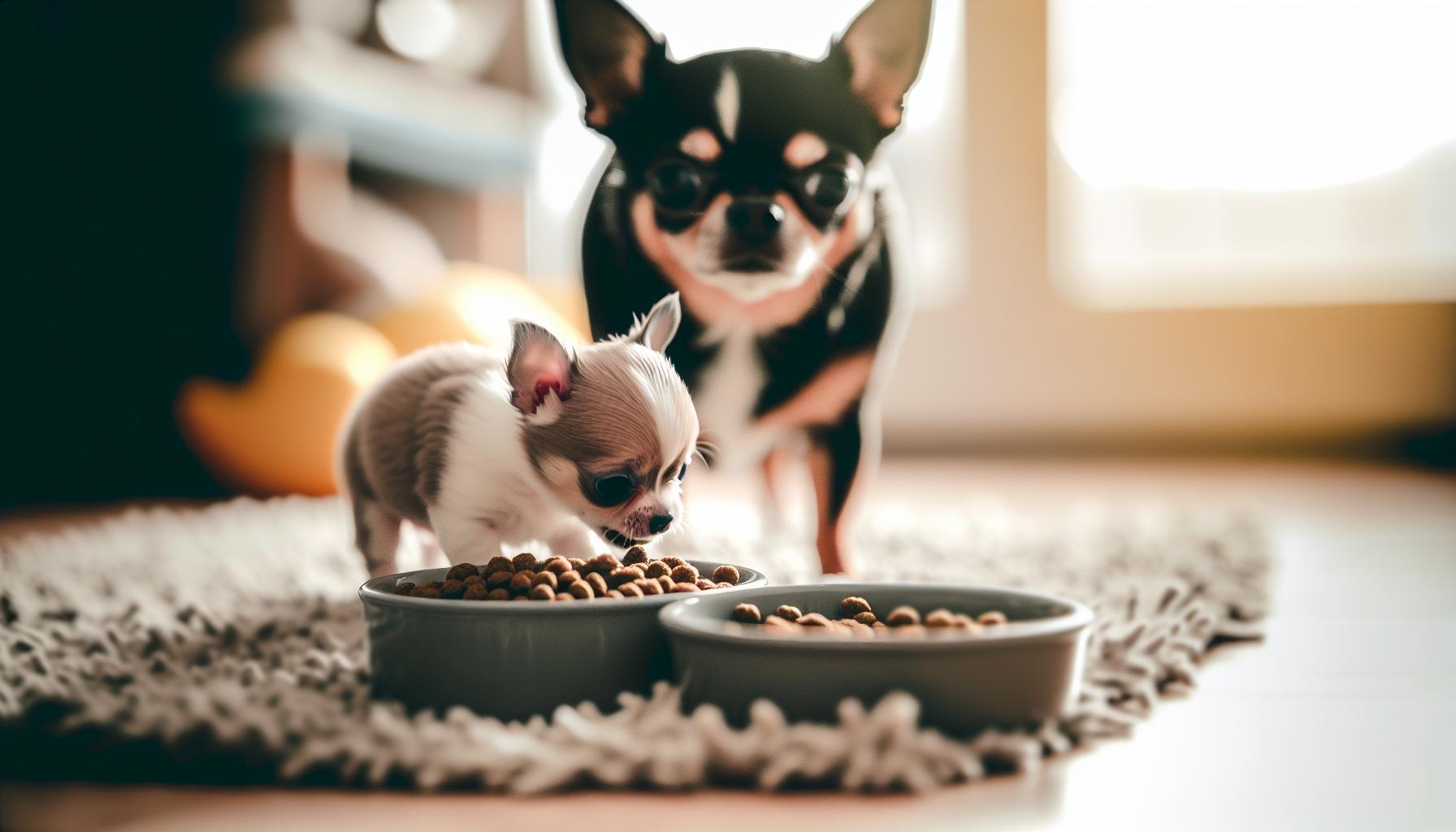
The journey of weaning Chihuahua puppies is a significant and delicate phase that requires both attentiveness and love. This tiny breed, known for their bold personalities, thrives on human interaction and stimulation, even from an early age. By the time your Chihuahua puppy is around three to four weeks old, he is beginning to develop a curiosity about solid food, inspired in part by watching you during mealtimes. This is the perfect opportunity to gently introduce him to the weaning process.
During the initial stages of weaning, it is important to create a positive experience. Start by offering a soft, gruel-like mix made from high-quality puppy food blended with warm water or puppy milk replacer. This mixture should be easy for your puppy to lap up, accommodating his sensitive stomach while paving the way for a smooth transition. Watch closely for signs that he is ready to engage with this new food. If he eagerly laps up the mixture and seems interested in more, it’s a good indication that he is moving along the weaning timeline.
As he approaches six to eight weeks, you can gradually reduce the amount of milk he receives and increase the consistency of his food. At this point, he should slowly transition to solid food. This process not only meets his nutritional needs but also fosters his independence. Remember, each puppy is unique; while some may be ready for solid food sooner than others, others may need a little more time to adjust. Trust your instincts and your puppy’s cues-if he seems hesitant or uncomfortable, allow him to take his time.
Ultimately, the weaning process is as much about emotional readiness as it is about physical nutrition. As your little Chihuahua explores this new phase, socialization becomes crucial. Encourage interaction with both people and other pets, which helps to instill confidence as he grows. A well-weaned puppy is more likely to become a well-adjusted adult dog, and through this early stage, you’re laying the groundwork for a trusting relationship that celebrates the quirky, loyal spirit typical of Chihuahuas. By navigating the weaning process with care and understanding, you’re not just guiding him towards solid food, but nurturing his growth into a loving companion.
Signs Your Chihuahua Puppy is Ready to Leave Mom
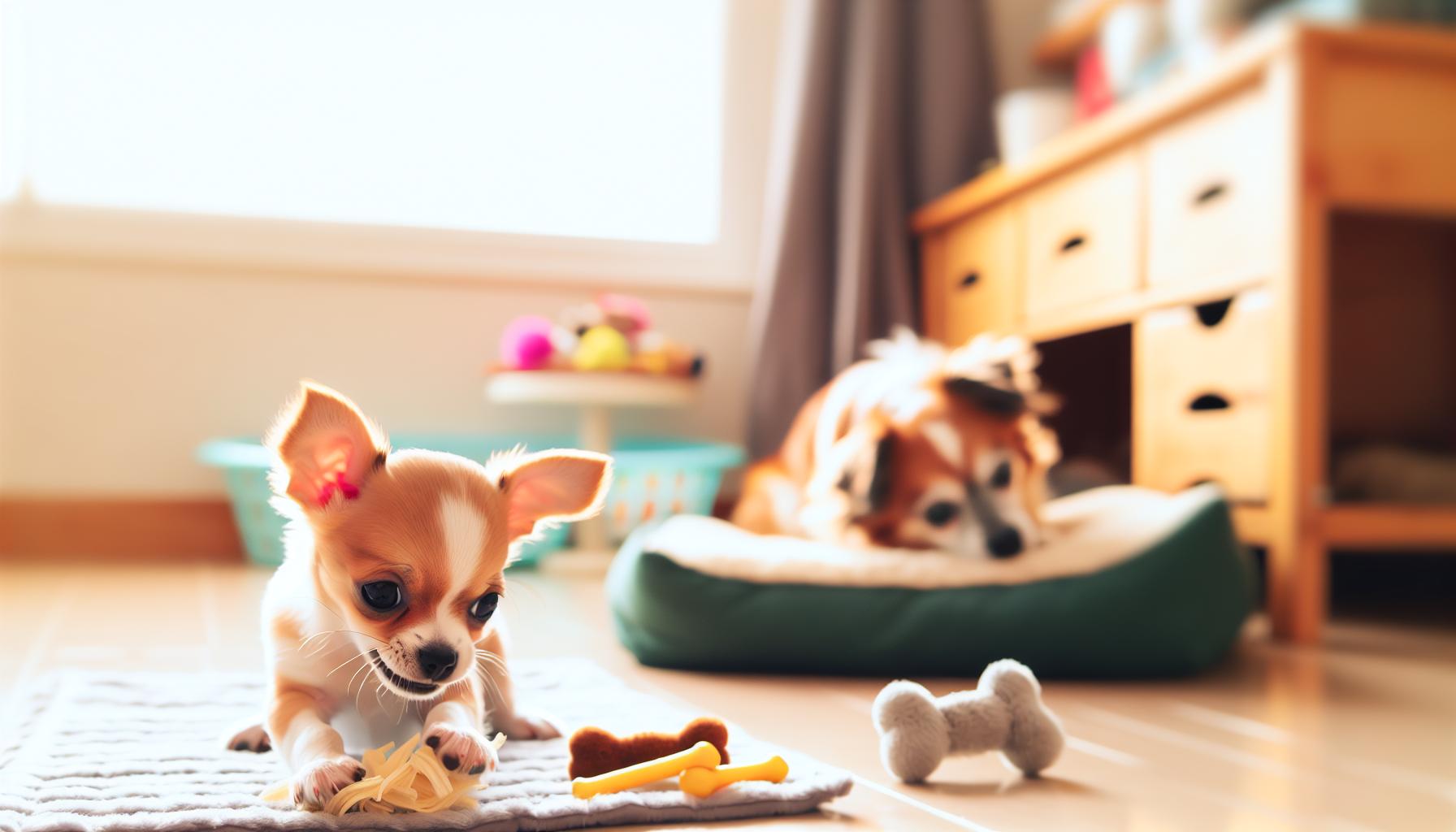
As your little Chihuahua puppy approaches the weaning age, you may start to notice some telltale signs that indicate he’s ready to leave the comfort of mom. It’s an exciting yet bittersweet milestone, and understanding these signs will help ensure a smooth transition.
Around three to four weeks of age, Chihuahua puppies begin to show curiosity toward solid food. You might catch him watching you with keen interest during mealtimes, or even attempting to lap up some gruel when introduced. This is one of the first signs that he is ready to explore food beyond what mom offers. A willingness to explore new tastes and the ability to lap up soft mixtures are key indicators that he is transitioning towards independence.
Additionally, as the weeks progress, observe how often your puppy engages with play and interacts with his littermates. Increased play behavior can indicate that he’s gaining confidence and social skills, both of which are important as he prepares for life outside the nest. Puppies at this stage will often try to assert themselves more, developing their personalities, and this newfound boldness can signal readiness for the next chapter.
In terms of physical readiness, note his overall development. A healthy puppy should be gaining weight consistently, with a rounded belly, shiny coat, and bright eyes. If he’s consistently reaching for food, showing enthusiasm during feeding times, and initiating play, these are strong indicators that he is ready to step away from mom and embrace his new world.
The weaning process isn’t solely about food; it’s also about emotional readiness. Your puppy should be displaying confidence without signs of extreme anxiety when separated from his mother. Soft whines or minor protestations can be typical, but if he becomes overly distressed, he might need a bit more time with mom. Approach this crucial transition with patience and love, guiding him through this important developmental stage while fostering trust and security.
Ideal Weaning Age for Chihuahua Puppies
As Chihuahua puppies grow, the weaning process marks a significant step in their development, typically beginning around the four-week mark. At this age, their natural curiosity leads them to show interest in solid food and to start the vital transition from their mother’s milk to a more varied diet. While it might feel early, this timeline is perfectly suited for those tiny voices and vibrant personalities known to our beloved Chihuahuas.
During the ideal weaning age, which generally spans from around six to eight weeks, puppies become more physically capable and socially engaged. By six weeks, many Chihuahuas will have developed the coordination to eat soft food mixtures effectively and may start to venture away from their littermates. This is when you can begin offering a mixture of high-quality puppy food that is softened to ease their transition. Remember, each puppy is unique-some may be ready a little earlier or later, influenced by their individual development and family dynamics.
It’s also essential to consider the puppy’s emotional readiness. While they may physically be prepared, an emotionally secure puppy is vital for adjusting to a new life without their mother. As you approach this pivotal stage, maintaining a supportive and loving environment will help your Chihuahua puppy feel confident in embracing this new chapter. Gradually introducing them to new experiences, toys, and gentle training can aid significantly during this period, helping them flourish as they take their first steps towards independence.
In essence, while the broad guideposts of six to eight weeks serve as a great baseline, observe your puppy closely to tailor the weaning experience to their needs. Balancing nurturing care with gentle encouragement will ensure your Chihuahua puppy not only thrives but also starts to develop their signature bold and playful personality in their new home.
Steps for a Successful Weaning Journey
Starting your Chihuahua puppy’s weaning journey can be an exciting yet delicate process. These tiny bundles of joy are ready to explore the world of solid food as early as four weeks, and it’s essential to approach this milestone with care to ensure a smooth transition. We want to celebrate their unique traits-each little pup brings a vibrant personality that deserves the best support during this significant developmental phase.
One of the first steps is to create a nurturing environment that encourages curiosity and exploration. Begin by gradually introducing soft, high-quality puppy food. Experts recommend starting with a mixture of dry food soaked in warm water or puppy milk replacer, creating a mushy consistency that’s easy for your pup to nibble. Offering small portions several times a day can help him learn the difference between solid and liquid food while ensuring he doesn’t feel overwhelmed.
Monitor and Support
As your Chihuahua puppy becomes familiar with solid food, keep a close eye on his reactions. If he seems hesitant, try engaging his interest with puppy-safe treats or flavorful, added broths to entice him. Puppies thrive on routine, so setting a consistent feeding schedule helps him understand when to expect meals. Remember, don’t panic if he initially prefers his mother’s milk; many puppies will take their time adjusting.
Emotional support during the weaning process is equally important. Your little one might experience some anxiety apart from his mum and littermates. Ensuring he has cozy spots, like a soft bed or familiar blanket, can help soothe any stress. Engage in gentle play and training to build his confidence as he takes these big steps toward independence. Interactive toys can also provide comfort and stimulate his curious nature, helping distract him during this time of transition.
Above all, celebrate this journey! Document his quirky antics and milestones, whether it’s his first attempts at solid food or the endearing way he sniffs around for more delicious morsels. Each stage of weaning is an opportunity for you both to bond, establishing routines and rituals that will foster a loving and supportive home for your bold little Chihuahua.
Nutritional Needs During Weaning for Chihuahuas
Starting the weaning process for your Chihuahua puppy is a vital step in his growth and development, and nutrition plays a critical role during this transition. As these little ones begin to explore solid food around four weeks of age, the quality of their diet can set the foundation for lifelong health. Puppies require a carefully balanced diet rich in nutrients to support their rapid growth, energy levels, and distinct personalities.
To meet the nutritional needs of a weaning Chihuahua, focus on high-quality puppy food specifically formulated for small breeds. These foods typically contain the right balance of protein, fats, vitamins, and minerals essential for their development. Look for products with meat as the primary ingredient and avoid fillers like corn or wheat, which may not provide the necessary nutrients. When introducing solid food, it can be beneficial to start with a combination of dry kibble soaked in warm water or a puppy milk replacer to create a palatable mush that is easy for your pup to consume.
### Key Nutritional Components
A well-rounded diet should include:
- Protein: Essential for growth and development; look for high-quality animal protein sources.
- Fat: Provides energy and supports healthy skin and coat; DHA (an omega-3 fatty acid) is particularly important for brain development.
- Vitamins and Minerals: Ensure they get a balanced amount of calcium, phosphorus, and other vitamins to aid in proper bone development and overall health.
Keep in mind that Chihuahuas have unique dietary needs due to their size and metabolism. It’s advisable to consult with your veterinarian for personalized recommendations, especially if your puppy shows signs of sensitivities or food allergies. A gradual transition to solid food will help your Chihuahua adapt without gastrointestinal upset.
Supporting your puppy through this nutritional shift doesn’t stop at food quality. Make the experience enjoyable and stress-free. Celebrate his small victories with praise or playtime, reinforcing positive associations with mealtime. By taking the time to understand and cater to your Chihuahua’s weaning needs, you’ll lay the groundwork for a happy, healthy puppy who thrives during this important stage of life.
Common Challenges in Weaning Chihuahua Puppies
Weaning Chihuahua puppies can be a bittersweet journey for both the puppy and the owner. As adorable as they are, these little bundles of energy can face unique challenges during this transition from their mother’s milk to solid food. One primary issue is adjusting to new food textures and flavors. Chihuahuas are known for their discerning tastes, and the switch from a liquid diet to solid kibble can be quite the leap. Some puppies may initially show reluctance to eat new foods, leading to concerns over their nutritional intake.
Another common problem is the potential for digestive upset. These tiny dogs have delicate stomachs, and introducing solid food too quickly can result in diarrhea or vomiting. A gradual transition is essential, so mixing soft food with their milk replacer at first, and slowly increasing the proportion of solid food, can help ease their bellies into the change. This process allows their digestive systems to adapt without overwhelming them.
Socialization during this time can also be tricky. Weaning is not just about food; it can affect their social skills as well. Younger puppies, who’ve spent so much time with their mother and littermates, might feel anxious or isolated when separated. This is where fostering a sense of security becomes crucial. Engaging them in playtime or introducing them to new experiences can help build their confidence. As an owner, consider implementing short socialization sessions with positive reinforcement to encourage exploring their new surroundings.
Lastly, monitoring their health during weaning cannot be overstressed. Chihuahuas may be prone to specific health issues, and changes in diet can sometimes exacerbate existing conditions. Regular vet check-ups during this transition period will help ensure that your puppy grows strong and healthy. Keep an attentive eye on their weight, appetite, and energy levels. If you notice any concerning changes, consult with your veterinarian promptly to address any potential issues before they become serious.
By understanding and preparing for these challenges, you can successfully guide your Chihuahua puppy through the weaning process. Knowing their unique needs will set the stage for a happy, healthy life ahead!
Transitioning to Solid Food for Chihuahuas
Transitioning your Chihuahua puppy from milk to solid food is a significant milestone, often filled with excitement and a bit of anxiety. Chihuahuas, known for their distinctive personalities-be it their sassy barks or unwavering loyalty-benefit from a thoughtful approach during this change. Expecting a smooth sail? Well, it’s often more of a bumpy ride, given their sensitive tummies and eclectic tastes.
To get started, it’s essential to introduce solid food gradually. Begin by mixing soft puppy food with a milk replacer or warm water to create a mushy texture. This way, your little one can acclimate to the new flavors and textures without feeling overwhelmed. Aim for a blend that’s about 75% soft food and 25% liquid initially, progressively increasing the solid portion over several days. This gradual change not only eases digestive discomfort but also maintains their enthusiasm for meals-especially crucial for the discerning Chihuahua palate.
Chihuahuas are inherently curious, so make mealtime engaging! Use a shallow dish to showcase their food, allowing your puppy to explore the kibble without intimidation. Offering the food in a feed toy or puzzle can also be an excellent way to combine mental stimulation with meal times. Owners often share that their puppies are more excited about eating when they have to work a bit for their food. Just remember to keep these sessions calm and encouraging, as too much excitement can lead to anxious eating.
During this transition, keep a close eye on her health and behavior. Some Chihuahuas may experience minor digestive issues, so it’s crucial to watch for signs like watery stools or lack of appetite. Consult your vet if such symptoms persist-they can help rule out any underlying concerns. Emphasizing regular vet check-ups during weaning can safeguard her health journey as she adapts to her new diet.
In the end, transitioning to solid food is more than just a dietary change; it’s an opportunity for bonding. Your supportive presence during meals can help build her confidence and establish trust. With patience and care, this pivotal stage can lead to a lifetime of joyful mealtimes for both of you.
Benefits of Socialization During Weaning
During the weaning process, socialization is a crucial element that can significantly impact your Chihuahua puppy’s development. As they begin to transition from the comfort of their mother’s care to a world filled with new experiences, fostering social skills is essential for their confidence and adaptability. Chihuahuas, with their vibrant personalities, thrive on positive interactions that help shape their behavior and outlook towards other animals and people.
Engaging your puppy with various stimuli-sounds, smells, and sights-during this period aids in developing a well-rounded temperament. Puppies are like little sponges, soaking up experiences that will influence their adult behavior. Introduce him to different environments, such as your backyard, local parks, or pet-friendly stores. Gently exposing him to other vaccinated dogs and different types of people (children, adults, and even elderly individuals) can provide invaluable lessons in social cues. This exposure can prevent the common behavioral issues associated with fearfulness or aggression that some Chihuahuas might exhibit if they aren’t socialized early on.
Here are some practical tips for fostering effective socialization:
- Positive Reinforcement: Encourage good interactions with treats and praise. If your puppy behaves well around new experiences, reward him immediately to reinforce that positive behavior.
- Group Classes: Look for puppy classes that focus on socialization skills. This structured environment can provide safe opportunities for your Chihuahua to mingle with others while under guidance.
- Supervised Playdates: Arrange playdates with other friendly dogs. This can help him learn how to communicate and play appropriately.
- Observe Body Language: Pay attention to your puppy’s reactions. Understanding when he feels uncomfortable or overwhelmed will help you guide him positively.
Socialization during weaning not only aids in behavioral guidance but also builds trust between you and your puppy. As you observe his reactions to new experiences, you become attuned to his needs and preferences, fostering a stronger bond. Puppies that are adequately socialized tend to be more confident and secure as adults, making this early period simple yet profoundly impactful. With careful attention and thoughtful exposure, you can help your Chihuahua grow into a well-adjusted companion who embraces the many adventures life has to offer.
Monitoring Your Chihuahua Puppy’s Health Post-Weaning
As your Chihuahua puppy makes the critical transition from nursing to eating solid food, monitoring her health becomes paramount. This period is not only about adjusting to new food but also about ensuring she stays vibrant and energetic-after all, those tiny paws carry some spirited personalities! Close observation can help you pick up on any changes that could indicate stress or discomfort, making it easier to provide the support she needs.
One of the first things to monitor is her eating habits. It’s perfectly normal for puppies to have a reduced appetite as they get used to new textures and flavors, but if she consistently refuses food for more than a couple of days, it might be time for a vet visit. Keep an eye on her stool quality, as well. Loose stools can occur during the dietary transition, but if diarrhea persists, it could signal an upset stomach or an intolerance to the new food.
Common Health Checks
To keep track of your puppy’s overall health, consider the following guidelines:
- Weight Monitoring: Regularly weigh your puppy to ensure she is gaining weight appropriately. Chihuahua puppies should gain weight steadily, reflecting good health. A weight chart can be useful for tracking her growth against breed standards.
- Energy Levels: Notice her energy levels; playful and curious behavior usually indicates good health. A decline in activity could signal discomfort or illness.
- Coat Condition: A shiny, smooth coat is a sign of a healthy Chihuahua. Dull or thinning fur may hint at nutritional deficiencies or health issues.
- Behavioral Changes: Keep an eye on any changes in mood or behavior. If she becomes more withdrawn or shows signs of distress, it may be worth addressing.
Emotional Considerations
Mental and emotional health is just as critical during this transition. Your puppy may experience anxiety as she leaves her mother and begins to explore her new environment. Providing a comforting space with familiar scents can ease this transition. Toys and a cozy bed can serve as her safe haven, giving her a place to retreat when she feels overwhelmed. Engaging her in short, positive training sessions can also bolster her confidence and reassure her of your support.
Ultimately, open communication with your veterinarian is key during this post-weaning stage. Discuss any concerns you have, especially if your puppy shows signs of distress or if you’re unsure about her diet. Remember, your little Chihuahua needs you more than ever to guide and nurture her as she embarks on this exciting new journey into the world of solid food!
Behavioral Changes in Chihuahua Puppies During Weaning
As Chihuahua puppies embark on the journey from nursing to eating solid food, a range of behavioral changes can be observed. This transition is fundamental not only for their nutrition but also for their emotional well-being. During weaning, your little companion may exhibit a mixture of curiosity, anxiety, and exploration, reflecting the complexity of this new chapter in life.
Initially, it’s common to see some withdrawal in your puppy. She might seek out her familiar spots that remind her of nursing or her mother. This behavior is particularly prominent in the first few days post-weaning. It’s essential to be patient and recognize that her search for comfort is normal. Providing a consistent environment is crucial; think about setting up a cozy area with her favorite blanket or a toy that carries a familiar scent. This can help her feel secure during a period that feels quite overwhelming.
Another interesting change is in their play behavior. Some puppies may become more assertive and curious, exhibiting a playful spirit typical of Chihuahuas. This might mean more bold interactions with toys or an eagerness to engage with each other or with you. It’s a great time to encourage these social skills with gentle play sessions to build confidence. For instance, playtime with soft toys or tug-of-war games can help reinforce positive interactions with people and other pets.
While some puppies thrive, others may show signs of stress during this transition, such as increased vocalization or clinginess. Chihuahua puppies are known for their vocal nature, but excessive barking or whining can indicate anxiety. Monitoring these behavioral shifts is key. If your puppy seems particularly distressed, try redirecting her focus with short training sessions. Positive reinforcement, like treats or praise for calm behavior, can greatly help alleviate anxiety. Remember, your little one looks to you for guidance and reassurance during these changes, so your support is vital.
In sum, observing and understanding these behavioral changes provides insight into your Chihuahua puppy’s emotional landscape during weaning. Each puppy is unique; some may take to solid food with gusto, while others might need a little extra love and comfort. Celebrate their bold spirits and quirks, and provide a nurturing atmosphere to help her navigate this exciting transition into adulthood!
Emotional Support for Chihuahua Puppies Leaving Mom
As Chihuahua puppies take their first steps away from the comfort of their mother, the emotional landscape can be quite complex. These tiny companions, known for their vocal and spirited nature, often experience a whirlwind of feelings during this critical transition. Providing them with emotional support is essential as they navigate the newness of solid food and increased independence. Understanding your puppy’s emotions during this time can help you foster a supportive environment that encourages confidence and comfort.
During the initial days of weaning, your little one may show signs of confusion or distress. It’s common for them to search for familiar scents or spots that remind them of their mother. To help ease their anxiety, create a cozy and consistent environment. Consider setting up a designated space with their favorite blanket or a toy that carries the comforting scent of home. This will give your puppy a sense of security as they adjust to their new routines.
It’s also important to engage positively with your Chihuahua during this period. The act of play can be incredibly beneficial. Chihuahuas thrive on companionship, so gentle play sessions can not only distract them from feelings of anxiety but also reinforce their bond with you. Activities like soft tug-of-war games or simple training exercises can promote confidence and socialization. Remember, as small as they are, Chihuahuas possess a playful and bold spirit-encouraging this through interactive play can enhance their emotional resilience.
Monitoring your puppy’s behavior is essential in providing the right emotional support. Look for signs of distress, such as excessive vocalization or clinginess. If your puppy seems particularly anxious, short training sessions with positive reinforcement-like treats and praise for calm behavior-can be a great way to redirect their focus and provide reassurance. Each interaction plays a foundational role in building trust and comfort in this new phase of life. Always be patient and gentle; your little furball will thrive with your love and support, ensuring they grow into a well-adjusted, happy adult Chihuahua.
Faq
Q: At what age can Chihuahua puppies start eating solid food?
A: Chihuahua puppies can start eating solid food around 4 to 6 weeks old. Introduce soft, moistened puppy food gradually to ease the transition. Monitor their response and ensure they are still nursing from their mom to receive essential nutrients during this period.
Q: How long does the weaning process typically take for Chihuahua puppies?
A: The weaning process for Chihuahua puppies usually spans 3 to 4 weeks. Begin around 4 weeks old, and by 8 weeks, most puppies can be fully transitioned to solid food. During this time, continue offering nursing opportunities for their health.
Q: What are some signs that a Chihuahua puppy is ready to wean?
A: Signs a Chihuahua puppy is ready to wean include increased interest in solid food, chewing on items, and reduced nursing frequency. It’s essential to observe their behavior and ensure they are maintaining a healthy weight while transitioning.
Q: Can Chihuahuas wean earlier than 8 weeks?
A: While it’s possible for puppies to start weaning as early as 4 weeks, weaning before 8 weeks is not recommended. Puppies benefit from the warmth and nutrients of their mother’s milk during these crucial developmental weeks.
Q: How should I introduce solid food to my weaning Chihuahua puppies?
A: When introducing solid food, start with high-quality, soft puppy food. Mix it with water or puppy milk replacer to create a mushy consistency. Gradually reduce moisture as they adapt, ensuring they’re comfortable with the change.
Q: What nutritional needs do Chihuahua puppies have during weaning?
A: During weaning, Chihuahua puppies require high-protein, calorie-rich food to support growth. Look for puppy-specific formulas designed for small breeds to meet their unique dietary requirements effectively.
Q: Are there specific challenges when weaning Chihuahua puppies?
A: Yes, common challenges can include difficulty in transitioning to solid food, refusal to eat, or health issues like diarrhea. Gradual introduction and close monitoring can help manage these challenges; consult your vet if problems persist.
Q: How can I support my Chihuahua puppy emotionally during weaning?
A: Supporting a Chihuahua puppy emotionally during weaning involves providing extra attention, comfort, and socialization. Offer comforting toys and keep a close eye on their behavior to ensure they feel secure during this transition.
In Summary
As you embark on your journey with your new Chihuahua puppy, understanding when they can leave their mother is just the beginning. This crucial weaning period shapes not only their health but also their playful, bold personalities. If you still have questions about puppy care or training tips specifically tailored for Chihuahuas, be sure to check out our resources like “Essential Health Tips for Your Chihuahua” and “Training Your Chihuahua: The Basics” for more insights.
Ready to dive deeper? Sign up for our newsletter for expert advice and join our vibrant community of Chihuahua lovers. Share your thoughts or experiences in the comments below – we’d love to hear from you! Remember, transitioning your tiny companion into the world is a beautiful journey, so stay informed and engaged to ensure a happy, healthy life for your Chihuahua. Keep exploring, and don’t hesitate to seek out the support you need along the way!
Get our latest guides, news, and insights highlighted in your Google Search & AI Overviews.