

Adopting a Chihuahua puppy can be one of the most rewarding experiences, but it comes with unique considerations. These tiny dogs, often bursting with personality, require a dedicated owner who understands their needs-both behavioral and health-related. Did you know that Chihuahuas can be surprisingly vocal and possess a fierce loyalty that often belies their small size? As you ponder adding one of these charming companions to your family, it’s essential to think about their specific traits, such as their propensity for stubbornness or their delicate health. This guide will walk you through the vital factors to consider, ensuring you’re well-prepared to welcome a vibrant little Chihuahua into your life. By understanding their quirks and care requirements, you can create a loving environment that allows your new friend to thrive. Let’s dive into the essential aspects that will help you make an informed decision and embrace the joy of Chihuahua ownership!
What Makes Chihuahuas Unique: A Breed Overview
Chihuahuas are a breed like no other-small in size but mighty in personality. These little companions, often weighing between 2 to 6 pounds, pack a lot of character into their tiny frames. Known for their bold and confident demeanor, Chihuahuas embody the phrase “big things come in small packages.” Their spirited nature makes them loyal friends and, yes, even fierce protectors of their owners.
One reason Chihuahuas stand out is their distinct varieties, such as the apple-head and deer-head Chihuahuas. The apple-head features a rounded skull and a more compact frame, while the deer-head has a longer nose and a taller appearance. Both types showcase a range of coat colors-from the classic fawn to chocolate, black, and even spotted varieties. Their coats can be either smooth or long-haired, adding to the diversity within the breed. This uniqueness makes adopting a Chihuahua not just a choice of breed but an aesthetic experience as well.
Despite their tiny stature, Chihuahuas require a good amount of care and attention. They are prone to certain health issues, such as patellar luxation and dental problems, making regular vet visits crucial. Additionally, early socialization is key to helping your Chihuahua develop a well-rounded personality. They thrive on companionship and tend to be quite vocal, often barking to alert you to anyone approaching your home. This high alertness is typical of the breed, reflecting their role as loyal guardians.
Creating a harmonious living environment for a Chihuahua involves recognizing their needs for both mental stimulation and warmth. These dogs are highly intelligent and enjoy engaging activities such as puzzle toys or simple training exercises. Furthermore, due to their small size and sensitivity to temperature extremes, it’s important to provide a safe, cozy space for your Chihuahua to thrive. By embracing their unique traits and quirks, you’ll not only support your new friend effectively but also enjoy the journey of pet ownership alongside a truly exceptional breed.
Key Health Considerations for Chihuahua Puppies
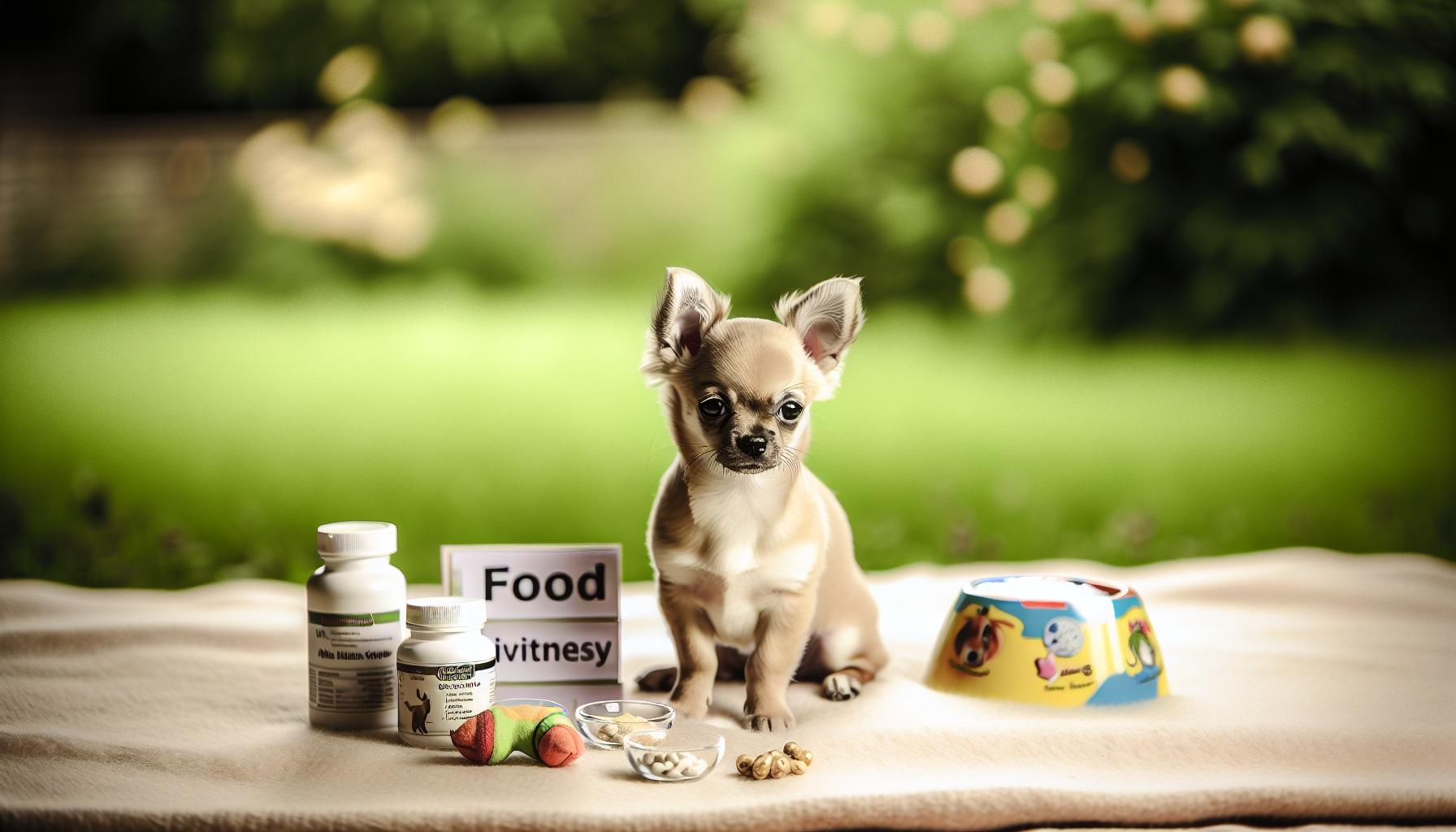
Chihuahua puppies are undeniably adorable, but their petite size comes with unique health considerations that every potential owner should know. One crucial aspect to keep in mind is their predisposition to dental issues; Chihuahuas often suffer from overcrowded teeth because of their small mouths. Regular dental care is vital, including tooth brushing and dental treats specifically designed for small breeds, which can help mitigate these problems. Not only does this promote oral health, but it also prevents painful conditions down the line that could affect your puppy’s happiness and energy levels.
Another common concern for Chihuahua puppies is patellar luxation, a condition where the kneecap dislocates from its normal position. This is particularly important to monitor as your Chihuahua grows. If you notice your puppy frequently limping or holding a leg up, vet attention is necessary. Early diagnosis can lead to effective management techniques, including specialized exercises or even surgery in severe cases.
Chihuahuas are also sensitive to temperature extremes due to their small size and thin coats. This means they are prone to overheating in hot weather and cold stress during winter. Providing a cozy, climate-controlled environment is essential. You might consider purchasing a small dog sweater for colder months or ensuring that he has a cool, shaded area during the summer heat.
Lastly, regular vet check-ups play an indispensable role in your puppy’s overall health. Establishing a good relationship with a veterinarian will allow you to keep up with vaccinations and preventative care tailored to his needs. From weight management to routine screenings for common breed-specific health issues, proactive care will help ensure your little buddy leads a healthy, vibrant life. Embracing these health considerations not only protects your Chihuahua’s well-being but also strengthens your bond as a loving owner dedicated to his happiness.
Understanding Chihuahua Temperament and Behavior
Chihuahuas are more than just pint-sized companions; they are dynamic little beings full of personality and charm. Understanding their temperament and behavior is essential for anyone considering bringing one of these spirited dogs into their home. Known for their fierce loyalty and bold attitude, Chihuahuas often believe they are larger than life, making their small size quite the ironic contrast. As a potential owner, being prepared for their unique quirks will go a long way in fostering a harmonious relationship.
These tiny dogs can be quite vocal, often using their barks to communicate everything from excitement to the alerting of potential threats. Some Chihuahuas are naturally more reserved, while others boast a confident demeanor that draws attention. It’s essential to nurture their natural instincts while ensuring they feel secure in their environment. For instance, if your little one tends to bark at strangers, calmly socializing him with various people can help reduce this anxiety. Regular exposure will allow him to learn that not every visitor poses a threat, fostering a sense of calm and acceptance.
Behavioral Traits
Chihuahuas are known for their intelligence, which can lead to both wonderful companionship and some behavioral challenges. They can quickly learn commands and tricks, but this intelligence also means they may become bored easily. Engage him with interactive toys or training sessions that stimulate his mind. Owners often find success with routine and consistency; clear boundaries make him feel secure and help curb those mischievous tendencies that can sometimes surface.
Socialization is key for this breed. As a Chihuahua owner, creating opportunities for your puppy to interact with other dogs, pets, and people is crucial. This exposure not only helps them become well-rounded but also reduces the likelihood of developing fearful or aggressive behaviors. A well-socialized Chihuahua is a joy to have-playful, confident, and adaptable.
Positive Reinforcement
Learn to harness their unique traits through positive reinforcement. Chihuahuas respond exceptionally well to rewards-based training, which not only helps develop good behaviors but also strengthens the bond between you. For example, if he fetches his toy or performs a trick, a treat or praise encourages him to repeat the desired behavior. This not only enhances your training experience but also creates a positive environment that celebrates his achievements.
In summary, understanding the temperament of Chihuahuas involves appreciating their vibrant personalities, implementing structured training, and promoting positive experiences. Embracing their unique quirks while providing a stable and loving environment will ensure a rewarding journey for both you and your new companion. Being informed and prepared will empower you to navigate their challenges and celebrate the many joys these little dogs bring into our lives.
Essential Training Tips for New Chihuahua Owners
Chihuahuas, with their bold personalities and spirited nature, can be delightful companions, but they need the right training to thrive in your home. Understanding how to effectively train your new Chihuahua ensures a happy, well-behaved pet who can showcase her natural charm. One of the best things about this breed is their remarkable ability to learn, but it also means that if not trained properly, they can develop unwanted behaviors. Start by establishing clear communication from the very beginning.
Training sessions should always be positive and engaging. Chihuahuas respond exceptionally well to positive reinforcement, where treats, praises, and affection are used to reward good behavior. For example, if your little friend sits on command, reward her immediately with a small treat or a cheer of praise. This approach not only helps your Chihuahua learn but also solidifies your bond. Keep training sessions short, lasting about 5 to 10 minutes, as Chihuahuas can lose focus quickly. Use this time to work on basic commands like “sit,” “stay,” and “come,” which are essential for her safety.
Consistency and Routine
Maintaining a consistent routine is crucial for training success. Chihuahuas thrive on predictability, so try to conduct training at the same times each day. This regularity provides a sense of security for your puppy. Establishing clear boundaries is equally important. Be firm yet gentle, and always use the same commands for specific actions to avoid confusing her. For example, if you want her to stop jumping on guests, use a consistent command like “down” and reinforce it every time with positive reinforcement when she complies.
Socialization Is Key
Socialization plays a vital role in shaping your Chihuahua’s behavior. Expose her to a variety of environments, people, and other animals. A well-socialized Chihuahua is usually more adaptable and less prone to fear-based reactions. For instance, arrange playdates with other dogs or visit dog parks. When introducing her to new experiences, be patient and let her set the pace. If she seems anxious, comfort her but also encourage her to engage with the new situation gradually.
Ultimately, training a Chihuahua is not just about obedience; it’s about fostering a trusting relationship. Embrace her unique quirks, whether it’s her vocal nature or her larger-than-life persona, as you guide her through training. With love, patience, and the right techniques, you will cultivate a joyous and fulfilling companionship that celebrates all the wonderful traits that Chihuahuas bring into our lives.
Creating a Safe Home Environment for Your Chihuahua
Creating a safe home for your new Chihuahua is essential, as these tiny treasures can often find themselves in precarious situations, not just due to their size but also because of their curious and adventurous spirits. Chihuahuas are known for their fearless nature, which can sometimes lead them into trouble if the environment isn’t secure. To ensure your home is a haven for her, start by addressing potential hazards that could pose a risk.
One of the first steps is to conduct a thorough inspection of your living space. Look for small gaps where she might squeeze through, such as between furniture or near baseboards. Use baby gates to block off areas where she could unexpectedly tumble down stairs. Remember, Chihuahuas can be quite the jumpers, so secure heavy furniture and keep fragile items out of reach. Keeping floors clear of small objects, such as coins or strings, is also crucial, as these can be choking hazards.
For her safety, invest in a cozy, designated space where she can relax and feel secure-this could be a soft bed placed in a quiet corner, away from foot traffic. Additionally, use non-toxic cleaning products and ensure that any plants in your home are safe for pets. Certain plants can be toxic to dogs, and given her propensity to explore, it’s best to err on the side of caution.
If you leave your Chihuahua alone at home, consider using a crate or a playpen, as it can provide a safe sanctuary, reducing anxiety and preventing any unfortunate accidents. Equip her crate with familiar blankets and toys to make it a comforting space. Moreover, as you grow together, be mindful of keeping her safe during more active times, such as cuddling on the couch or playing with other pets. Always supervise interactions, especially since Chihuahuas can be more vulnerable around larger dogs.
Ultimately, creating a safe environment for your Chihuahua involves thinking ahead about potential risks and actively working to eliminate them. This proactive approach not only helps protect her but also fosters a sense of trust and security, allowing your bond to flourish in a loving, worry-free home. Remember, it’s these small efforts that can make a big difference in her happiness and well-being!
Nutrition Basics: Feeding Your Chihuahua Puppy Right
Feeding your Chihuahua puppy requires careful consideration, as their tiny stature comes with unique health needs and nutritional requirements. Did you know that Chihuahuas have fast metabolisms? This means they need a diet that’s rich in quality nutrients to support their energy levels and overall health. When choosing the right food, look for high-quality puppy formulations specifically designed for small breeds, which will ensure they get the right balance of protein, fat, and essential vitamins.
Establishing a solid feeding routine is essential for your little one’s growth and development. Chihuahuas typically thrive on three small meals a day. This frequent feeding helps maintain their energy levels without overloading their tiny stomachs, which can lead to digestive issues. Be sure to follow the feeding guidelines on the food packaging, as these are tailored to your puppy’s age and weight. It’s also beneficial to monitor her body condition regularly since Chihuahuas can be prone to obesity due to their size and love of treats.
Key Nutritional Components
When selecting food, prioritize the following nutrient groups:
- Protein: Look for real meat as the first ingredient. High-quality protein is crucial for muscle development.
- Healthy Fats: Essential for energy, fats support skin and coat health. Omega fatty acids are particularly beneficial.
- Fiber: A small amount of fiber helps with digestion and keeps your puppy feeling full.
- Vitamins and Minerals: Ensure the food is fortified with necessary vitamins and minerals for optimal growth.
Don’t forget about hydration! Always provide fresh water, especially if she eats dry kibble. Some owners find that adding a bit of water or low-sodium broth to dry food can entice a picky eater and boost hydration.
Lastly, while Chihuahuas are known for their vocal personalities and boldness, they are sensitive to dietary changes. Introduce any new foods gradually within a week to avoid upset stomachs. If you notice unusual behaviors, such as constant whining after meals or food refusal, consult a veterinarian for tailored advice. Feeding your Chihuahua puppy right sets the foundation for a healthy, happy life, allowing her to unleash her vibrant personality for years to come.
Socialization Strategies for Your Chihuahua
To help your Chihuahua thrive, socialization is essential. These little dynamos, known for their bold personalities, can develop into overly protective or anxious dogs if they aren’t exposed to various people, animals, and environments from a young age. Early socialization not only builds your pup’s confidence but also reduces the risk of behavioral problems down the line.
Start socializing your Chihuahua as early as possible, ideally during the critical period of 3 to 14 weeks. Focus on exposing him to different sounds, sights, and experiences in a positive manner. For instance, taking him to pet-friendly parks or busy urban areas where he can encounter a variety of people and dogs can be invaluable. Always monitor his comfort level; if he shows signs of fear, take a step back and gradually reintroduce him to less overwhelming situations.
Incorporate playdates with well-mannered dogs of various sizes to teach him doggy etiquette. Remember, small breeds like Chihuahuas can be easily intimidated by larger dogs, so always supervise interactions. If he’s nervous, consider using treats to encourage engagement. This not only builds positive associations but also strengthens your bond.
H3: Positive Reinforcement Strategies
Using positive reinforcement during socialization will encourage your Chihuahua to embrace new experiences. Offer treats, praise, or his favorite toy when he responds well to new situations. Make each encounter a fun and rewarding experience – perhaps rewarding him when he calmly interacts with a new person or pet.
H4: New Experiences to Include
- Visit dog-friendly cafes or outdoor markets.
- Introduce him to family and friends, especially kids.
- Attend puppy training classes to meet other dogs.
- Expose him to different textures, like grass, sand, and smooth surfaces.
- Carry him in a dog bag or carrier to explore unfamiliar places safely.
Lastly, be patient and consistent. Your Chihuahua may take time to warm up to new experiences, which is perfectly normal. Regular positive interaction will help him flourish, bolstering his confidence and making him the charming, fearless companion we all adore. By celebrating these unique traits, you ensure your Chihuahua grows into a well-adjusted and sociable member of your family.
Grooming Needs: Keeping Your Chihuahua Healthy and Happy
Keeping your Chihuahua looking sharp and feeling good is an essential part of their care. Despite their small size, Chihuahuas can have diverse grooming needs based on their coat type-either short or long. Regular grooming not only enhances their appearance but also contributes to their overall health and well-being.
For Chihuahuas with short coats, the grooming process is relatively straightforward. A weekly brushing with a soft-bristled brush is usually sufficient to remove loose hair and help distribute their natural oils, keeping their skin healthy. Bathing should be done as necessary-typically every few months-but be cautious not to over-bathe, which can strip essential oils. Pay attention to their ears, as Chihuahuas are prone to wax buildup; cleaning them gently with a vet-recommended solution can prevent issues.
Long-haired Chihuahuas, on the other hand, require a bit more attention. Daily brushing is recommended to prevent mats and tangles, especially around their ears and underbelly. Regular trims can help manage their fur and keep it from becoming unmanageable, particularly if you notice that your pup is getting a bit shaggy. When bathing, use a mild, dog-specific shampoo to maintain the health of their skin and coat, rinsing thoroughly to avoid any irritation.
Basic Grooming Tools
To make grooming easier, consider investing in some essential tools:
- Brush: A slicker brush or a pin brush for long-haired dogs; a soft bristle brush for short-haired ones.
- Shampoo: Gentle, hypoallergenic dog shampoo.
- Hair Clippers: Dog clippers for trimming fur when needed.
- Ear Cleaner: Vet-recommended cleaning solution for safe ear care.
- Nail Clippers: Puppy nail clippers or grinders to keep their nails at a comfortable length.
Maintaining your Chihuahua’s dental health is also crucial. Brushing their teeth regularly can help prevent dental disease, a common issue in small breeds. Additionally, providing appropriate chew toys can aid in keeping those pearly whites clean and healthy.
Grooming is not just a chore; it’s an opportunity to bond with your Chihuahua. Turn the routine into a positive experience by offering treats and praise throughout the process. This will help your pup associate grooming with good feelings, making it easier and more enjoyable for both of you. Remember that patience is key-your little friend may need time to get accustomed to the whole process. With love and regular grooming, your Chihuahua will not only look fantastic but also thrive in a happy, healthy coat.
Exercise Requirements for Active Chihuahua Puppies
Chihuahua puppies may be small in size, but they have a big personality and an equally big energy level! As you prepare to welcome one of these spirited companions into your life, it’s essential to understand their exercise needs to keep them healthy and happy. These little bundles of joy are known for being lively and playful, requiring regular physical activity tailored to their fun-loving nature.
Daily walks are a fantastic way to engage your Chihuahua and allow them to explore their surroundings. Although they don’t need extensive exercise like larger breeds, short strolls of about 15 to 30 minutes, combined with play sessions, can meet their energy requirements. It’s also an opportunity to bond and let your puppy socialize, which is crucial for their development. Some Chihuahuas enjoy games like fetch or tug-of-war, which can be easily introduced into your routine. Remember, they are not just tiny couch potatoes; their instincts can drive them to run and play vigorously!
At home, you can create an enriching environment that fosters activity. Setting up a small obstacle course or using toys that stimulate their mind, such as puzzle feeders, can keep them entertained while promoting physical activity. A good owner tip is to use treats to encourage your Chihuahua to navigate through tunnels or jump over mini hurdles, turning exercise into a fun and rewarding game.
Make sure to watch for signs of overexertion, as Chihuahuas can become fatigued more quickly than larger breeds. Keeping your exercise sessions enthusiastic yet brief will help avoid exhaustion. With your attention and care, your active little friend will thrive, showcasing the vibrant spirit that makes Chihuahuas truly special.
Common Challenges When Adopting a Chihuahua
Adopting a Chihuahua can be a rewarding experience, but it’s important to recognize the unique challenges that come with this spirited breed. Chihuahuas are known for their bold personalities, and this can sometimes translate into behaviors that might surprise new owners. One common challenge is their tendency to be quite vocal. These little dogs often have a lot to say, which can be endearing but also annoying, especially in quieter households or if you live in close quarters with neighbors. It’s essential to prepare for this and establish boundaries around barking early on.
Another challenge is their delicate size. Chihuahuas are robust little companions, but they can be strangely fragile compared to larger breeds. This means extra care needs to be taken when handling them, especially around young children or larger pets. It’s important to teach children how to interact gently with their Chihuahua, ensuring they are respected and treated with kindness. Additionally, potential owners should consider the risks of their Chihuahua getting injured by accidents, such as being stepped on or jostled by enthusiastic play. Using a harness when going out can help keep your Chihuahua safe and secure.
Socialization is another critical aspect to focus on. Due to their small stature, it’s easy for Chihuahuas to develop a fearful or anxious demeanor, especially if they aren’t exposed to different people, pets, and environments. These experiences help them grow into well-adjusted adults. Encourage outings and positive interactions with various stimuli, gradually increasing exposure to new experiences in a controlled manner. A Chihuahua’s notorious loyalty can turn into protectiveness-sometimes leading to the perception of being a “one-person dog.” With consistent socialization, however, they can learn to feel comfortable around others.
Lastly, potential Chihuahua owners should be aware of the breed’s predisposition to certain health issues such as dental problems and patellar luxation. Regular veterinary check-ups and dental care, along with ensuring a proper diet and exercise routine, are vital for maintaining their health. Engaging with a community of Chihuahua owners can provide invaluable support and insights, helping first-time owners navigate these challenges and celebrate the joys of Chihuahua life. Embracing the quirks and needs of Chihuahuas ensures a fulfilling companionship that thrives on love, respect, and understanding.
Finding a Reputable Chihuahua Breeder or Rescue
Finding the perfect companion in a Chihuahua starts with selecting a responsible breeder or rescue organization. A well-bred Chihuahua can set the foundation for a happy and healthy relationship, and this process also helps to ensure that you are supporting ethical practices in dog breeding. It’s essential to do your homework and understand the characteristics of Chihuahuas, their health considerations, and the importance of socialization early in their lives.
When searching for a reputable breeder, look for those who are members of recognized breed organizations such as the American Kennel Club (AKC) or the Chihuahua Club of America. These breeders prioritize the breed’s health and temperament. The right breeder will be open about their breeding practices, the health tests performed on the parent dogs, and will welcome your questions. A good sign is a breeder who allows you to visit their facility, meet the puppies’ parents, and observe their living conditions. For example, a caring breeder will often have a clean, safe environment where Chihuahuas are socialized from an early age, reflecting the breed’s need for connection and interaction.
If you’re considering rescue, many organizations are dedicated to saving Chihuahuas in need of homes. Rescues often have a thorough adoption process to match dogs with appropriate families. They provide valuable insights into the Chihuahua’s background, behavior, and any special needs. Talk to the volunteers; they can guide you in finding a dog whose temperament aligns with your lifestyle. Remember to ask about the dog’s health history and any ongoing medical care. Some rescues also foster their dogs, which offers a glimpse into their behavior in a home setting, helping you make a more informed choice.
Before finalizing your decision, ensure you understand the common health issues that may affect Chihuahuas, like dental problems or patellar luxation. A responsible breeder or rescue will provide you with clear information on what to expect regarding health screenings and predictions of future care costs. Once you’ve chosen your furry friend, embrace their unique qualities-like their vocal nature and loyal bonds-while you prepare for a life full of joy and companionship. Making an informed choice in finding your Chihuahua will ultimately pave the way for a rewarding and harmonious relationship.
Preparing for Life with a Chihuahua: What to Expect
Chihuahuas are not just pets; they are dynamic companions with unique personalities that can fill your life with joy and laughter. Preparing for your new furry friend involves understanding their specific needs and behaviors. Chihuahuas, known for their boldness and vibrant temperaments, require a bit of adjustment both in lifestyle and home environment to ensure they thrive.
One of the first things to consider is their health. Chihuahuas may be small, but they have specific health concerns such as dental issues and patellar luxation. Scheduling regular vet check-ups is crucial to catch any potential problems early. Ensure your puppy is up-to-date on vaccinations and discuss spaying or neutering options with your veterinarian.
Socialization is key to raising a well-adjusted Chihuahua. Begin socializing your puppy with various people, other pets, and environments as soon as you bring him home. Frequent outings can help him become accustomed to new experiences, reducing the likelihood of fearful behaviors later. For example, take him to dog-friendly parks and introduce him to friends. Remember, Chihuahuas can be incredibly vocal; they often express themselves through barks. While some barking is normal, early training can help manage excessive vocalization.
Creating a Comfortable Home
To make your home a haven for your Chihuahua, consider their size and safety. Small toys and unobstructed spaces are essential. Set up a comfy area with soft blankets for him to curl up. Ensure potentially dangerous areas, such as stairs and kitchen spaces, are off-limits until he understands boundaries. For active play, ensure you have engaging toys that stimulate his curiosity.
Also, remember Chihuahuas love to be close to their humans. Create bonding moments through activities like snuggling on the couch or gentle play. Their loyalty is unmatched; they thrive on companionship and can suffer from separation anxiety if left alone for long periods.
In terms of training, consistency is vital. Use positive reinforcement techniques to encourage good behavior. For instance, a reward system for basic commands like “sit” and “stay” can effectively reinforce what he learns during training sessions. Regular, short training sessions work best as they cater to your Chihuahua’s attention span.
By considering these elements early on, you lay a strong foundation for a joyful and fulfilling relationship with your Chihuahua. Embrace their natural quirks and personality traits – every yappy bark, tiny jump, and affectionate nudge adds to the wonderful experience of being a Chihuahua owner.
Faq
Q: What is the average lifespan of a Chihuahua?
A: The average lifespan of a Chihuahua is 12 to 20 years, making them one of the longest-living dog breeds. Potential owners should consider this when adopting, as it requires a long-term commitment to their health and well-being.
Q: How do I socialize my Chihuahua puppy effectively?
A: To socialize your Chihuahua puppy, expose them to various environments, people, and pets from a young age. Use positive reinforcement to encourage calm behavior and reward them during interactions. Early socialization is crucial to prevent behavioral issues later on.
Q: Are Chihuahuas suitable for families with children?
A: Yes, Chihuahuas can be suitable for families with children, but supervision is essential due to their small size. Make sure to teach children how to handle and respect the dog’s space. A gentle approach helps foster a positive relationship.
Q: What type of grooming do Chihuahuas need?
A: Chihuahuas require regular grooming, which includes brushing their coat weekly to remove loose hair and prevent matting. Regular dental care is also important due to their small mouths. Familiarize yourself with their specific grooming needs based on their coat type (short or long).
Q: How much exercise does a Chihuahua puppy need?
A: A Chihuahua puppy needs about 30 minutes of exercise daily. This can include short walks or playtime indoors. It’s important to balance play with calm time, as their small size means they can tire quickly.
Q: What dietary considerations should I keep in mind for my Chihuahua?
A: When feeding a Chihuahua, choose high-quality dog food appropriate for their age and size. Portion control is important, as Chihuahuas can easily become overweight. Consult your veterinarian for specific dietary recommendations to maintain their health.
Q: What behavioral issues should I expect with a Chihuahua?
A: Common behavioral issues in Chihuahuas include separation anxiety, barking, and stubbornness. Address these through consistent training and socialization. Understanding their quirky personality helps in management and ensures a happy companionship.
Q: How can I find a reputable Chihuahua breeder?
A: To find a reputable Chihuahua breeder, research online and consult breed clubs. Ask for health clearances, visit the breeder’s facilities, and meet the puppies’ parents. This helps ensure you are adopting a healthy, well-bred puppy. For more details on finding a reputable breeder, refer to our section on “Finding a Reputable Chihuahua Breeder or Rescue.”
In Conclusion
Before you bring a Chihuahua puppy into your home, remember they thrive on love and care as much as any larger breed. This tiny companion is known for his big personality, loyalty, and vocal nature. To enjoy a happy life together, ensure you’re prepared for health considerations, socialization, and training needs tailored to their unique character-whether you choose a spirited apple-head or one with a longer coat.
If you’re still weighing your decision, check out our guides on Chihuahua health care tips and socializing your new puppy for deeper insights. Ready to give your heart to a little Chihuahua? Don’t wait-adopting one today could lead to countless joyful moments! Feel free to share your thoughts or questions in the comments below, and subscribe to our newsletter for more expert tips. Let’s celebrate the joys of Chihuahua companionship together!
Get our latest guides, news, and insights highlighted in your Google Search & AI Overviews.