
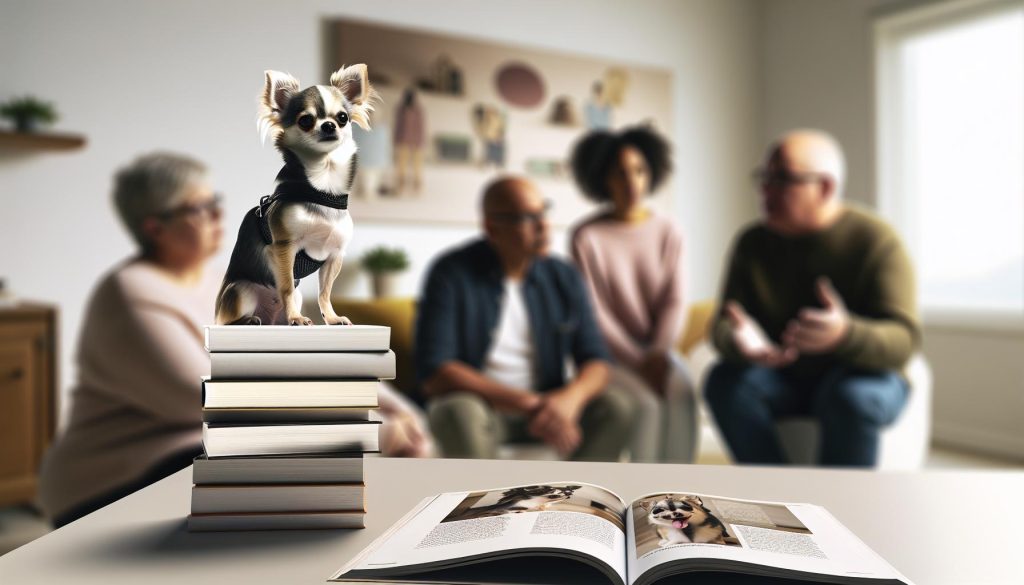
When it comes to caring for your beloved Chihuahua, knowledge is your best ally. These spirited little companions, often weighing just a few pounds, have unique needs and temperaments that demand special attention. As a Chihuahua owner, you might feel overwhelmed by conflicting advice or eager to ensure your furry friend thrives. Understanding what not to do is just as crucial as knowing the right steps to take. Common mistakes can lead to health issues, behavior problems, and needless stress for both you and your dog. By exploring and avoiding these critical care pitfalls, you can nurture a happy, healthy life for your tiny but mighty companion. So, let’s dive in and unlock the secrets to giving your Chihuahua the best care possible, ensuring their quirks and personalities shine brightly!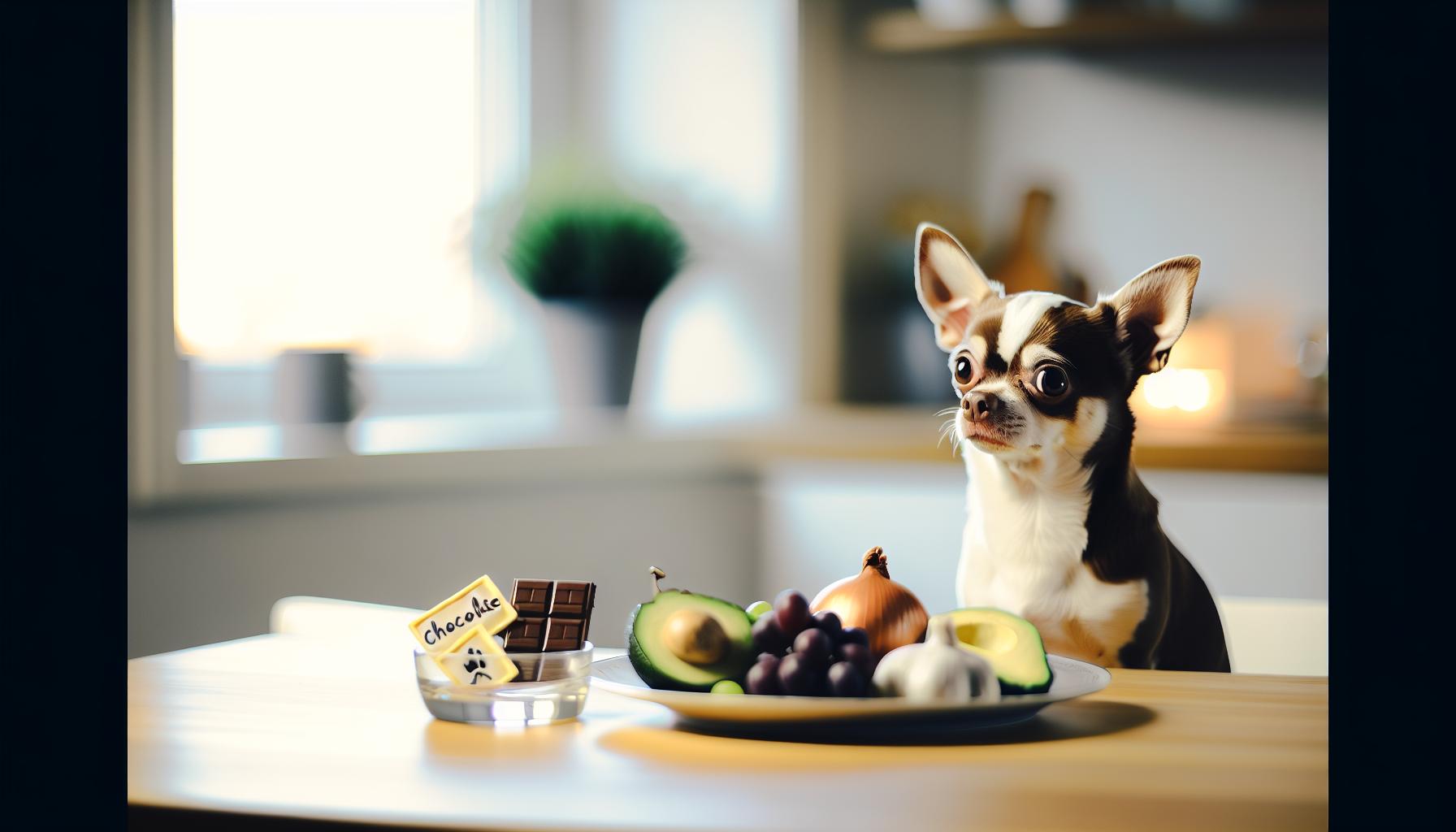
What You Should Never Feed Your Chihuahua
Feeding your Chihuahua can sometimes feel like a tightrope walk, as their tiny bodies are particularly sensitive to what they consume. While many foods that we enjoy can be tempting to offer to our beloved furballs, it’s essential to understand which items can be harmful. For instance, chocolate, which is a well-known villain for all dogs, contains theobromine and caffeine-both toxic to Chihuahuas, potentially leading to serious illness or even death. Just a small amount can be dangerous, so keep those holiday treats far away!
Another surprise for many owners is the danger of grapes and raisins. These seemingly innocent snacks can cause kidney failure in our small companions. Symptoms of toxicity may include vomiting, lethargy, and a lack of appetite, which should prompt an immediate vet visit. Likewise, anything from the onion family-onions, garlic, leeks-can lead to anemia by damaging red blood cells, especially in such a small breed. Even small quantities can be harmful, so it’s best to steer clear of adding seasoning to your Chihuahua’s meals.
Human Food to Avoid
When it comes to human food, be cautious with items like avocados, which contain persin, a substance that can cause vomiting and diarrhea in dogs. Similarly, foods high in fat, such as bacon and fatty cuts of meat, can lead to pancreatitis, a painful condition that often requires veterinary intervention. Always prioritize your Chihuahua’s health by offering only foods recommended by your vet and sticking to high-quality dog food specifically designed for small breeds.
Here’s a quick reference list of items to keep out of your Chihuahua’s diet:
- Chocolate
- Grapes and raisins
- Onions and garlic
- Avocados
- Fatty foods (like bacon)
- Nuts (especially macadamia nuts)
Protecting your furry friend from harmful food is a crucial part of being a loving and responsible owner. With their bold and spirited personalities, Chihuahuas deserve the best care, and a big part of that involves making smart dietary choices that keep them healthy and happy.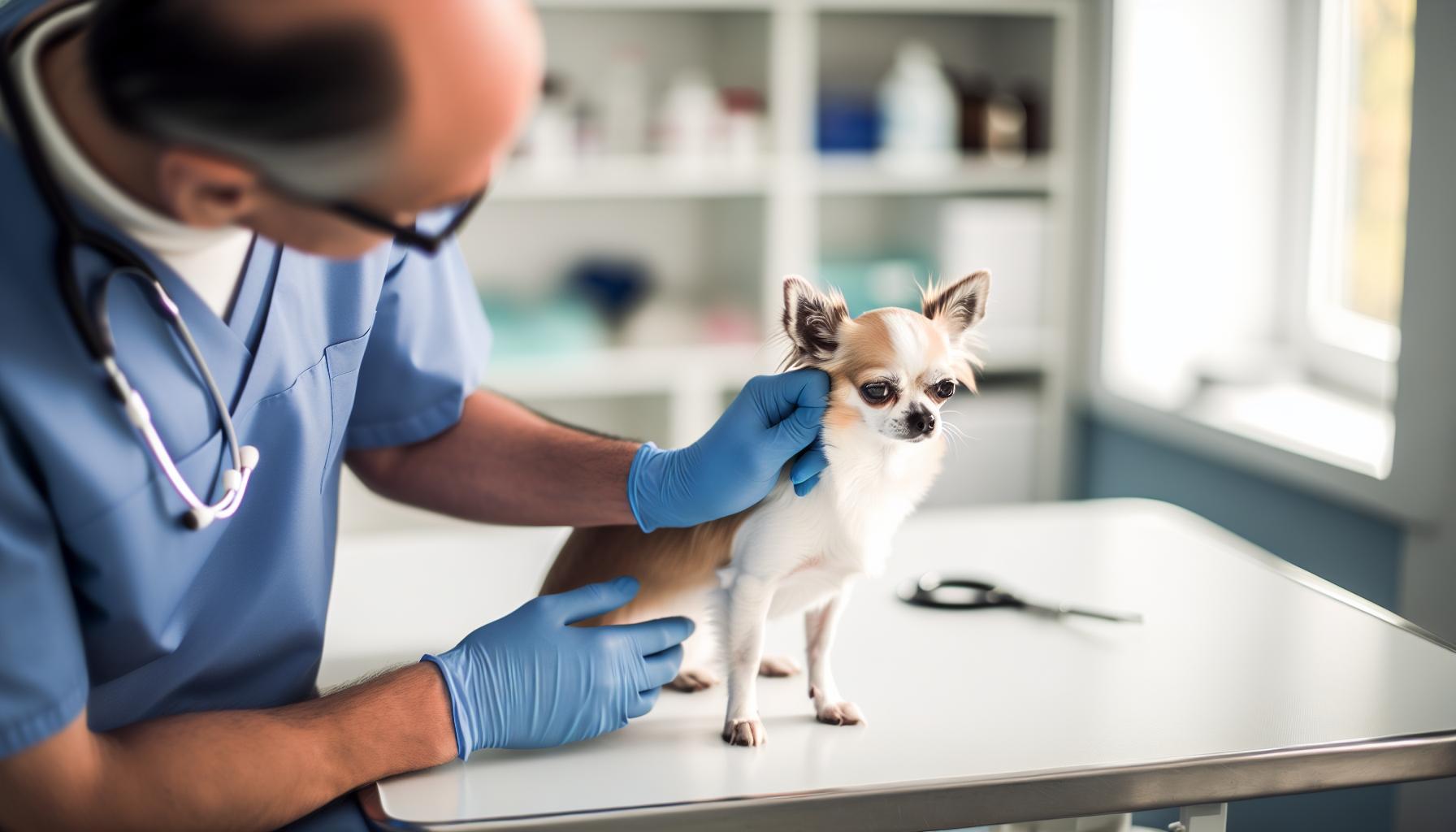
Understanding Common Chihuahua Health Issues
Understanding the unique quirks and vulnerabilities of Chihuahuas is crucial for ensuring their health and happiness. These tiny dogs, known for their bold personalities and loyal nature, are surprisingly prone to specific health issues that every owner should be aware of. A well-informed owner is the best advocate for a Chihuahua’s well-being, and understanding common health problems is the first step in preventing critical care mistakes.
Chihuahuas are predisposed to certain conditions like patellar luxation, where the kneecap dislocates; this can lead to pain and mobility issues. Many owners notice their Chihuahua limping or showing reluctance to jump. Regular vet check-ups can catch these issues early, allowing for management and potentially avoiding surgery. Additionally, be mindful of their dental health-Chihuahuas are particularly susceptible to periodontal disease. Their small mouths often mean crowded teeth, leading to plaque build-up. Incorporating dental chews or regular brushing can make a significant difference.
Also, keep an eye out for heart murmurs, which are common in older Chihuahuas. Regular vet visits can help monitor their heart health, as early detection is key to managing any potential heart conditions. Lastly, hypoglycemia is a serious concern, especially for younger or underweight Chihuahuas. Symptoms can include weakness, lethargy, or even seizures. If your little one seems unusually tired or shows signs of fainting, immediate vet attention is crucial.
By staying informed about these common health issues, you can provide your Chihuahua with the best life possible. Regular exercise, a balanced diet, and regular veterinary care can help manage these conditions and keep your furry friend vibrant and healthy. Remember, a well-cared-for Chihuahua leads to a happy and playful companion, ensuring that their spirited nature shines through every day!
Unleashing the Chihuahua’s Unique Behavior Traits
Chihuahuas are dynamic little companions, often exhibiting personality traits that surprise even seasoned dog owners. These pint-sized pups may be small, but their behaviors can be grand, showcasing loyalty, boldness, and a surprising level of sass. Understanding these unique traits is essential for nurturing a happy and well-adjusted Chihuahua. For example, many owners may notice that their Chihuahua likes to be the center of attention, often barking or prancing around to assert their presence. This vocalization is not merely chatter; it’s your Chihuahua’s way of expressing excitement and engaging with their environment.
Their tendency to be protective can lead to a fierce loyalty that makes Chihuahuas exceptional companions. However, during social interactions, this can become overwhelming if not managed properly. For instance, if you invite friends over, your eager little watchdog may attempt to assert dominance, barking insistently. To handle this, gently introduce your Chihuahua to new people in calm environments, rewarding positive behavior with treats or affection. This not only reinforces good behavior but also helps your furry friend grow into a well-socialized adult.
Chihuahuas are also notorious for their quirky habits, such as burrowing into blankets or exhibiting stubbornness during training sessions. It’s not uncommon for an owner to encounter a little diva refusing to follow a command simply because it’s not in her interest at that moment! Remaining patient and consistent in your approach will yield the best results. Using positive reinforcement techniques, such as clicker training, can enhance your bond while also ensuring your Chihuahua feels secure and eager to learn.
Finally, being aware of their sensitive nature is crucial. Chihuahuas can develop anxiety quite easily, whether it’s from loud noises, sudden changes in environment, or isolation. Pay attention to their body language-if your Chihuahua is shying away or trembling, it might be best to create a safe, quiet space where she can relax. Gradually desensitizing her to those triggers can help mitigate anxiety over time. By understanding and nurturing these unique behavior traits, you will not only enhance her quality of life but also forge an even stronger connection with your beloved companion.
The Right Way to Socialize Your Chihuahua
Socialization is a crucial aspect of raising a happy and well-adjusted Chihuahua. Due to their small size and sometimes bold temperament, these tiny companions can easily become overwhelmed or anxious in new environments. To foster a well-socialized Chihuahua, gradual exposure to a variety of people, pets, and situations is essential. A good practice is to start socialization early, ideally during the puppy stages, but it’s never too late to help your Chihuahua become comfortable in unfamiliar settings.
Begin by introducing your Chihuahua to calm, friendly dogs and people. Choose environments that are not too stimulating-like quiet parks or friends’ homes. Avoid overwhelming your little friend by gradually increasing the level of exposure over time. For example, if you’re visiting a friend with larger dogs, make sure to have your Chihuahua on a leash and close to you, allowing her to observe from a safe distance. If she shows signs of discomfort, take a step back and reassure her with a soothing voice and treats. This reinforcement of positive experiences helps her build confidence and trust.
Establishing a routine can also help. Regular outings to pet-friendly places will provide her with consistent opportunities to interact with varying stimuli. Whether it’s a doggy playdate, a puppy class, or simply a stroll around the neighborhood, each new experience adds to her socialization toolbox. Remember to celebrate small victories-if your Chihuahua barks at someone new but then approaches them with curiosity, reward her with praise and treats to reinforce that behavior.
Lastly, always be observant of your Chihuahua’s body language. Signs such as pinned ears, tail tucked under, or attempts to hide are indicators that she may need a break or reassurance. By recognizing her boundaries and moving at her pace, you can prevent negative associations and nurture a socially adept companion. Socialization is not just about exposure; it’s about helping your Chihuahua feel empowered and secure in her world.
Critical Mistakes in Chihuahua Grooming
Taking care of your Chihuahua’s grooming needs goes beyond a simple bath and haircut; it’s a vital part of their overall health and happiness. Mistakes in grooming can lead to discomfort, skin issues, and behavioral problems in these spirited little dogs. Each Chihuahua has unique grooming needs based on their coat type-be it short-haired or long-haired-and recognizing these can help avoid critical missteps.
One common error is neglecting regular brushing. Chihuahuas, especially those with longer fur, can develop mats and tangles, leading to painful skin irritation. Ensure you use the right tools, like a slicker brush or a comb, depending on their coat. This not only keeps their fur healthy but also allows you to check for signs of fleas, ticks, or skin problems. Bathing too infrequently can also be a mistake. While they don’t require frequent baths, a good bath every month helps remove dirt and oils. Just remember to use a mild, pet-safe shampoo to avoid irritating their sensitive skin.
Another pitfall is ignoring nail trimming. Chihuahuas are small, and long nails can cause discomfort and affect their walking and posture. Regular nail clipping-not just when you hear clicking on the floor-is essential for their comfort. Aim to clip their nails every few weeks, ensuring you avoid cutting into the quick, which can be painful and lead to bleeding. If you’re unsure about this, don’t hesitate to ask your veterinarian for guidance or even to demonstrate the process.
Lastly, be cautious during ear cleaning. Many owners overlook this step, which can lead to wax buildup and ear infections. Use a vet-recommended ear cleaner and a cotton ball, and never insert anything deep into the ear canal. This gentle approach not only keeps their ears clean but also helps you spot potential health issues early. Always be attentive to your Chihuahua during grooming; make it a positive experience with treats and praise, so they learn to associate grooming with love and care. By avoiding these common mistakes, you can ensure your Chihuahua remains not only well-groomed but also feels secure and happy during their grooming routine.
House Training Pitfalls to Avoid
House training your Chihuahua may initially seem challenging, but avoiding common pitfalls can make the process smoother and more enjoyable for both you and your little companion. Many Chihuahua owners get frustrated by accidents indoors, often resulting from the misunderstanding of their unique needs as a breed. Remember, discipline should never be harsh; Chihuahuas are sensitive and can become anxious if punished. It’s essential to establish a positive and consistent routine to encourage good bathroom habits.
One critical mistake is not sticking to a schedule. Chihuahuas thrive on routine due to their small bladders and high energy. Aim to take your pup outside first thing in the morning, after meals, and just before bedtime. Include additional breaks during playtime or when they seem restless. Keeping a consistent schedule helps your Chihuahua know when it’s time to go out, minimizing the likelihood of indoor accidents. Use a specific command or cue when outdoors to associate the action with the command, reinforcing their understanding of what is expected.
Another common error is ignoring signs that your Chihuahua needs to go out. Small but vocal, Chihuahuas may bark, whine, or start pacing when they need to relieve themselves. Pay close attention to these behaviors and respond promptly. If accidents happen frequently, evaluate whether you’re recognizing these signs. Additionally, if your Chihuahua starts to circle or sniff around, these are strong indicators they need a bathroom break.
Finally, don’t underestimate the importance of praise and rewards. When your Chihuahua successfully uses the designated bathroom spot, shower them with affection or give praise. This positive reinforcement will help solidify the behavior and encourage them to repeat it in the future. The key is patience; house training is a process that improves over time with your commitment and understanding of your Chihuahua’s needs.
By being proactive about these house training pitfalls, you can foster a confident, well-adjusted Chihuahua who feels secure and happy in your home. With the right approach, you’ll both enjoy this bonding experience as she becomes more familiar with her surroundings-and her potty routine!
Signs Your Chihuahua Needs Immediate Care
Noticing signs that your Chihuahua needs immediate care can be a lifeline for both you and your little friend. These small dogs can often mask illness, so being attuned to their behavior and physical state is crucial. It’s important to act quickly if you observe anything off. A Chihuahua’s well-being often hinges on your attentiveness, so here’s what to keep a lookout for.
First, be vigilant about changes in their eating or drinking habits. A loss of appetite could indicate digestive issues or other serious health problems. Similarly, if your Chihuahua suddenly begins drinking excessively, it could be a sign of diabetes or kidney disease. Monitor their water intake and food consumption daily; even minor deviations can be significant, especially in such a small breed.
Another key indicator of distress is behavioral changes. If your typically vocal and lively companion becomes unusually quiet, hide much more than usual, or shows signs of lethargy, it’s time to reach out to your vet. Obsessive behaviors, excessive barking, or sudden aggression can also suggest pain or anxiety, which requires professional evaluation.
Pay close attention to physical symptoms, such as vomiting, diarrhea, or coughing. If your Chihuahua displays these signs, especially if they persist or are accompanied by lethargy, it may require immediate care. Additionally, watch out for difficulty breathing or signs of pain, like whining or a reluctance to move. Chihuahuas are known for their bold personalities, but if they show signs of distress, their health may be compromised.
Lastly, monitor their temperature. A Chihuahua’s normal body temperature ranges between 101°F to 102.5°F. If your pup feels noticeably warmer or cooler than this, it’s wise to consult a vet. Sudden changes can indicate infectious diseases or other health emergencies that need immediate attention.
Being proactive about your Chihuahua’s health can ensure a longer, happier life together. Recognizing these signs early can prevent minor issues from escalating into critical emergencies, allowing you to continue enjoying all the quirks and love your little companion has to offer.
Preventing and Handling Chihuahua Anxiety
When it comes to Chihuahuas, their tiny size often belies their giant personalities, and with those personalities can come a fair share of anxiety. It’s a common issue that many owners face, often sparked by their bold, loyal, and sometimes hyper-vigilant nature. Understanding and addressing anxiety in Chihuahuas is essential for their well-being and can prevent critical care mistakes that stem from misunderstanding their needs.
One primary way to prevent anxiety is through consistent routines. Chihuahuas thrive on predictability, which can help them feel secure. Aim to establish regular feeding times, walks, and play sessions. This consistency not only helps your furry friend understand what to expect but also mitigates anxiety caused by sudden changes in their environment. For instance, if you know a big storm is on the way, try to keep their routine as unchanged as possible.
Socialization plays a crucial role in preventing anxiety. Regular exposure to different environments, people, and other pets can help your Chihuahua feel more comfortable and confident in various situations. Start slow: introduce them to new experiences gradually. If your Chihuahua seems anxious around other dogs, consider enrolling in a gentle, positive reinforcement-based obedience class. For example, our friend Lisa introduced her shy apple-head Chihuahua, Bella, to a puppy kindergarten class, which helped Bella gain confidence and learn to interact positively with peers.
In situations where anxiety triggers can’t be avoided-like loud noises or travel-you can help manage your Chihuahua’s stress with calm, reassuring behavior. Your demeanor greatly influences your pup’s feelings. If you remain calm and confident, it signals to your Chihuahua that there is no need to worry. Providing a safe space where she can retreat during stressful situations, like a cozy bed in a quiet room, can also foster a sense of security.
Additionally, consider implementing relaxation techniques. There are various methods, such as using anxiety wraps or calming pheromone diffusers that can provide comfort. Soft background music designed for dogs can also create a soothing environment. For many Chihuahuas, having a comforting item that carries their owner’s scent can be helpful. This not only provides emotional security but can also serve as a distraction during stressful situations.
Always remember, when it comes to your Chihuahua’s anxiety, patience and love go a long way. Being attentive to her unique reactions and adjusting your strategy as needed will ensure she feels comfortable and supported, allowing her bold personality to shine without the shadow of anxiety.
Choosing the Best Exercise Routine for Chihuahuas
When it comes to keeping your Chihuahua happy and healthy, understanding the right kind of exercise is crucial. These little dynamos may be small in size, but they often have huge personalities and abundant energy. Engaging them in the right activities is essential; not only does it help maintain their physical health, but it also contributes significantly to their mental well-being.
The key is to balance exercise with their energy levels and individual personalities. For instance, a young, vibrant apple-head Chihuahua may require more vigorous playtime than a laid-back senior who enjoys leisurely walks or gentle play. A mix of short bursts of energetic play and regular, moderate walks is generally ideal. Aim for at least 30 minutes of exercise each day, but break it down into shorter sessions to keep them engaged and prevent fatigue. Activities like fetch in the backyard, interactive toys that stimulate their minds, or even a brief romp in a secure dog park can work well.
Chihuahuas are also social creatures, so considering their interaction with other dogs can be beneficial. Arranging playdates with other small dogs can provide the social stimulation they need while encouraging healthy exercise. Just remember, supervision is key, as Chihuahuas can sometimes be overwhelmed by larger, more boisterous breeds.
Lastly, keep their safety in mind. Always use a harness rather than a collar during walks, as Chihuahuas have delicate tracheas. Also, on days when the weather is particularly hot or cold, adapt their exercise routine accordingly. Indoor play, such as hide-and-seek or agility exercises using household items, can provide great alternatives during inclement weather. Ultimately, every Chihuahua is unique-listen to their needs and adjust their routine accordingly to ensure they remain both happy and healthy.
Essential Training Techniques for Chihuahua Owners
To ensure your Chihuahua thrives, effective training techniques tailored to their unique temperament are essential. These little companions are not just adorable; they are intelligent, bold, and surprisingly stubborn. Training a Chihuahua requires patience, consistency, and a touch of creativity to channel their exuberant energy and strong will into positive behaviors.
First, it’s vital to establish clear communication. Chihuahuas respond best to positive reinforcement techniques. This involves using treats, praise, and affection to reward desired behaviors rather than punishment for mistakes. For example, if your Chihuahua sits on command, celebrate with a little treat and enthusiastic praise. This approaches not only builds a bond of trust but also encourages her to repeat those good behaviors. Consistency is key; always use the same commands and the same rewards to help her understand what is expected.
Additionally, given their small stature, it’s important to be mindful of their environment. Socialization is crucial from a young age. Expose your Chihuahua to various people, pets, and situations to help her become a well-adjusted companion. A good practice is to arrange playdates with other small dogs where she can learn appropriate social skills without feeling overwhelmed. Be proactive; if she exhibits fear or aggression towards new experiences, gently guide her while offering comfort instead of punishing her fears.
Lastly, incorporating regular training sessions into her daily routine can be beneficial-aim for short but frequent practice sessions, which can be more effective than longer ones. Utilize her natural curiosity and playfulness to make learning a fun activity. For instance, use interactive toys that require problem-solving for treats, or employ agility exercises that stimulate both her mind and body. Remember to be patient; every Chihuahua learns at their own pace, and it’s essential to adapt your method to her personality, whether she’s a sassy apple-head or a more serene deer-head.
In summary, nurturing your Chihuahua’s training is a rewarding endeavor that fosters a deep connection between you and your furry friend. With the right techniques, you’ll not only avoid critical care mistakes but also cultivate a well-mannered, happy companion who truly reflects the vibrant personality of this remarkable breed.
Navigating Vet Visits: What to Expect
Visiting the vet can be a daunting experience for both you and your Chihuahua, especially given their small size and unique health considerations. Understanding what to expect during these visits not only eases your mind but also ensures your little companion gets the best care possible. Remember, your vet is a partner in your Chihuahua’s well-being, so building a good relationship with them is key.
Before you head to the clinic, prepare by gathering essential information. Have your Chihuahua’s medical history, including vaccination records and any recent changes in behavior or health, ready to share with the vet. If you’re noticing worrisome symptoms like increased barking, lethargy, or lack of appetite, jot these down to discuss. Small dogs, such as Chihuahuas, can be prone to specific conditions like patellar luxation or dental disease, so being aware of these can help your vet provide tailored care.
When you arrive, keep in mind that the environment can be overwhelming for Chihuahuas. Their acute senses make them sensitive to new sights and sounds, which may cause anxiety. To mitigate this, arrive early to allow your pup to acclimate and bring along a favorite toy or blanket. This familiar item can provide comfort. During the examination, handle your Chihuahua gently but confidently. Encourage calmness with soothing words and treats-many vets are supportive of positive reinforcement during visits.
After the examination, don’t hesitate to ask questions. Whether it involves dietary recommendations or general care tips tailored for Chihuahuas, your vet is there to help. They can guide you on the proper vaccinations needed for this breed, given their unique health risks, and might provide advice on preventative care tailored to your pup’s specific needs.
Regular vet visits are crucial, not just for routine check-ups, but also for an opportunity to stay ahead of potential health issues. By understanding what to expect and preparing accordingly, you’ll help your Chihuahua feel more comfortable and confident in her visits, ensuring she remains a happy, healthy part of your life.
Emergency Preparedness for Chihuahua Owners
In the blink of an eye, your beloved Chihuahua could face an unexpected medical emergency, whether it’s a minor mishap or a serious health issue. Being prepared is not just smart; it’s essential. Chihuahuas, with their small size and unique vulnerabilities, require special attention in emergency situations. From sudden injuries to signs of distress, knowing what to do can make a life-saving difference.
First and foremost, establishing an emergency action plan is key. This includes having a well-stocked first aid kit specifically equipped for your Chihuahua. Here’s what you should include:
- Bandages and gauze
- Antiseptic wipes or solution
- Thermometer (Chihuahuas can easily get cold)
- Scissors and tweezers
- Emergency contact numbers, including your vet and local animal hospitals
- A copy of your Chihuahua’s medical records
Next, recognize the common signs of emergencies specific to Chihuahuas. These small pups can be vocal and alert you to something being off, but subtle changes are often overlooked. Symptoms such as excessive panting, vomiting, shaking, or difficulty breathing should never be ignored. For example, if your Chihuahua suddenly refuses to eat or seems lethargic, these could be signals of a significant health issue, perhaps even pancreatitis, which is especially common in smaller breeds.
H3: Transporting Your Chihuahua in an Emergency
When you need to get to the vet quickly, ensuring your Chihuahua’s safety while transporting is crucial. Avoid placing him in your lap while driving. Instead, invest in a secure pet carrier. This protects him from harm and minimizes injury during sudden stops or accidents. If a carrier isn’t an option, use a specially designed dog seatbelt to keep him safe and restrained.
Lastly, focus on emotional preparedness. Chihuahuas are incredibly sensitive to their owner’s emotions. Staying calm during an emergency can help your Chihuahua feel more secure. Speak to him in soothing tones, and keep him engaged with gentle touches or treats, if appropriate. Remember, your little companion looks to you for guidance, and your demeanor can significantly affect how he copes with stress.
By preparing adequately, you can ensure that your Chihuahua is not just cared for in emergencies but also that he feels supported throughout the ordeal. Being proactive today means a safer tomorrow for your quick-witted, spirited friend.
Frequently asked questions
Q: What common mistakes should I avoid when training my Chihuahua?
A: Avoid using harsh training techniques; Chihuahuas respond better to positive reinforcement. Keep training sessions short and fun to prevent boredom. Regular socialization is also crucial to avoid fearfulness. For more training tips, check our section on Essential Training Techniques for Chihuahua Owners.
Q: How can I tell if my Chihuahua is stressed or anxious?
A: Signs of stress in Chihuahuas include excessive barking, aggression, or destructive behavior. Monitor their body language; a tucked tail or cowering can indicate fear. For effective anxiety management strategies, see our guide on Preventing and Handling Chihuahua Anxiety.
Q: What are the best practices for bathing my Chihuahua?
A: Avoid over-bathing your Chihuahua, as it can strip natural oils from their skin. Bathe them every 4-6 weeks using a gentle dog shampoo. Always dry them thoroughly afterward to prevent chills, especially in colder months. More grooming tips can be found in Critical Mistakes in Chihuahua Grooming.
Q: What should I avoid when introducing my Chihuahua to new pets?
A: Do not force introductions; allow your Chihuahua to approach new pets at their own pace. Supervise all interactions initially and provide safe spaces for both pets to retreat. For helpful socialization techniques, check out The Right Way to Socialize Your Chihuahua.
Q: How can I ensure my Chihuahua receives a balanced diet?
A: Avoid commercial foods with fillers or artificial additives. Stick to high-quality dog food based on protein, fiber, and essential nutrients, specifically formulated for small breeds. For dietary dos and don’ts, refer to our section on What You Should Never Feed Your Chihuahua.
Q: What are the signs that my Chihuahua needs to see a vet?
A: If your Chihuahua is lethargic, has a loss of appetite, or shows signs of pain, a vet visit is essential. Vomiting, diarrhea, or changes in behavior can indicate health issues. Our article section on Signs Your Chihuahua Needs Immediate Care can guide you further.
Q: Why is regular vet check-up important for my Chihuahua?
A: Regular vet check-ups are vital for early detection of health issues, vaccinations, and dental care. Chihuahuas are prone to specific health problems, so consistent veterinary care ensures their well-being. For more insights on vet visits, visit Navigating Vet Visits: What to Expect.
Q: How can I prevent my Chihuahua from developing separation anxiety?
A: To prevent separation anxiety, avoid making a fuss when leaving or returning home. Create a comfortable safe space with toys and treats. Gradually train them to spend time alone. For more strategies, see our tips in Preventing and Handling Chihuahua Anxiety.
In Retrospect
Thank you for diving into “What Not to Do With a Chihuahua: Critical Care Mistakes.” Remember, understanding your Chihuahua’s unique health needs and behaviors is essential to keeping them happy and thriving. Whether you’re a first-time owner or an experienced enthusiast, avoiding these common pitfalls can make a world of difference in your pet’s life. Don’t wait-take action today to ensure your little companion stays healthy and vibrant!
If you want to learn more about caring for your Chihuahua’s specific needs, check out our helpful guides on common health issues and training tips that every owner should know. Have questions or stories to share? We’d love to hear from you in the comments below! Be sure to subscribe to our newsletter for more expert advice and the latest updates to support your Chihuahua’s wellness journey. You’re not alone in this adventure-let’s celebrate the glorious quirks of our tiny, bold friends together!
Get our latest guides, news, and insights highlighted in your Google Search & AI Overviews.