
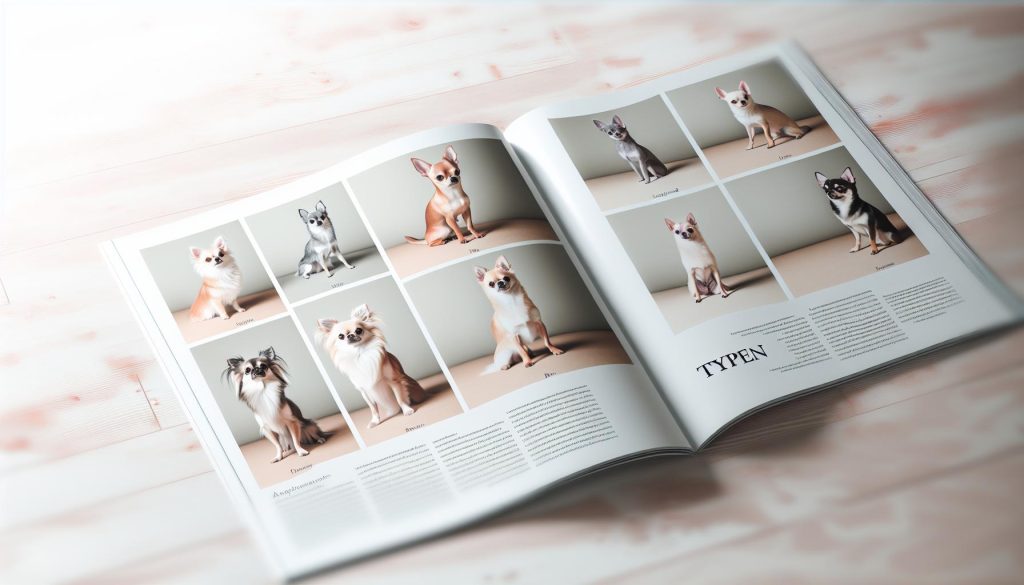
Did you know that Chihuahuas come in a delightful variety of types, each with their own unique personality and charm? Whether you’re a seasoned owner or considering bringing one into your life, understanding the different kinds of Chihuahuas can help you make informed choices about health, care, and training. From the spirited Apple Head with its adorable round face to the sleek Deer Head resembling a miniature fox, each type boasts distinct traits that can significantly impact your pet ownership experience. This guide will not only break down the various Chihuahua types but also explore their behaviors, coat variations, and sizes, ensuring that you find the perfect match for your lifestyle. So, let’s dive in and celebrate the incredible diversity of these tiny, yet bold companions!
What Are the Different Types of Chihuahuas?
Chihuahuas are a captivating breed that come in various forms, each with its unique charm and personality. Known for their spunky nature and loyalty, these tiny dogs can vary significantly in type, including differences in head shape, coat length, and temperament. Recognizing these distinctions can help you connect more deeply with your Chihuahua and cater to their specific needs.
Head Shapes
One of the most prominent distinctions among Chihuahuas is their head shape. There are primarily two recognized types: the Apple-Head and the Deer-Head. Apple-Head Chihuahuas are characterized by their rounded skull, which gives them a fruit-like appearance, and a more pronounced stop (the area where the muzzle meets the forehead). This type often has a more cutesy, child-like look, which many owners adore. On the other hand, Deer-Head Chihuahuas have a longer, more tapered head that resembles that of a deer. They typically possess a straighter back and a more elongated muzzle, giving them a unique elegance. Understanding these differences can enrich your appreciation for your Chihuahua’s breed heritage.
Coat Types
Coat length is another defining factor in Chihuahuas. You will find both short-haired and long-haired varieties. Short-haired Chihuahuas often have sleek, shiny coats that are relatively easy to care for, requiring minimal grooming. Long-haired Chihuahuas, however, sport soft, flowing fur that can be a bit more high-maintenance, needing regular brushing to prevent tangles and mats. Regardless of the coat type, both variations are equally affectionate and spirited, but you may enjoy different grooming routines depending on which one you choose.
Temperament and Tail Traits
Chihuahuas are often bold and vocal, traits that can vary somewhat between types. Typically, Apple-Head Chihuahuas are known for being more temperamental and possess a slightly “sassy” demeanor, while Deer-Head Chihuahuas may exhibit a calmer, more relaxed temperament. These personality traits can influence how your dog interacts with family, friends, and other pets. Additionally, tail traits-whether they have a long, flowing tail or a short, stubbier one-can reflect their mood and confidence levels.
In summary, familiarizing yourself with the different types of Chihuahuas not only enhances your understanding of the breed but also empowers you to provide the best care tailored to your Chihuahua’s specific needs. Whether you’re welcoming an Apple-Head or a Deer-Head into your home, embracing their unique qualities will lead to a rewarding and joy-filled companionship.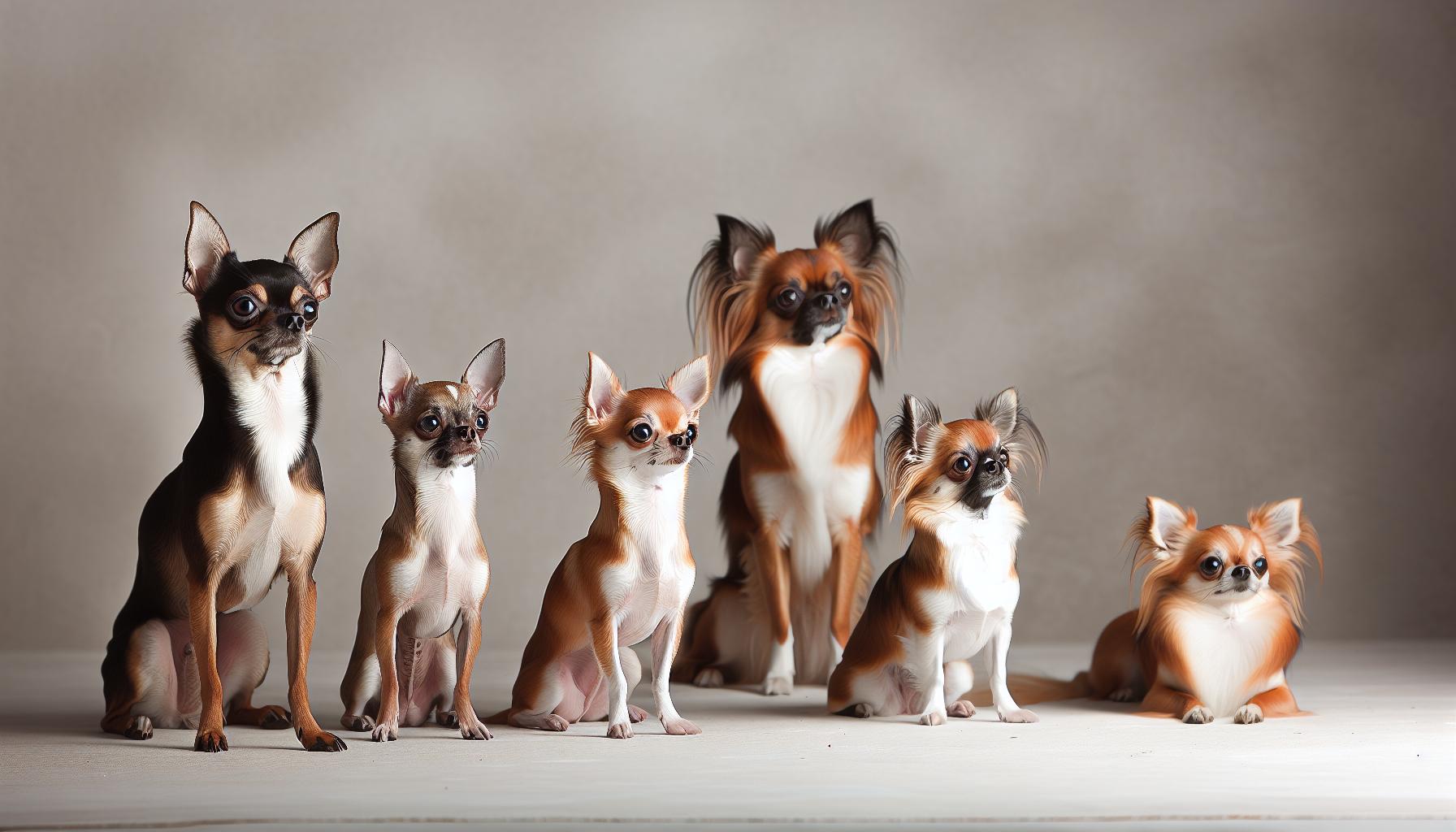
Exploring Chihuahua Varieties: Size and Shape
Chihuahuas come in a delightful variety of shapes and sizes, which is part of what makes this breed so captivating. Generally, these small canines weigh between 2 to 6 pounds and stand about 6 to 9 inches tall at the shoulder. However, their unique characteristics extend beyond their size, as they also showcase fascinating differences in physical appearance based on their head shape.
One of the primary distinctions in Chihuahuas is between the two head shapes commonly recognized: Apple-Head and Deer-Head. Apple-Head Chihuahuas feature a rounder skull and a pronounced stop, giving them a cute and youthful appearance. Their big, expressive eyes and short muzzle add to their charming look, making them a favorite among many dog lovers. In contrast, Deer-Head Chihuahuas possess a longer, more tapered head that recalls the elegance of a deer. Their features tend to be more refined, including a straighter back and a longer muzzle, which can lend them a graceful stature that often surprises people who expect all Chihuahuas to look alike.
When it comes to size, most Chihuahuas remain compact, but you may encounter some that deviate slightly from the traditional smaller range. For instance, while most Chihuahuas fit comfortably in a handbag, you might find a larger specimen that still qualifies as part of the breed but boasts a more robust physique. This variance can influence your choice if you’re considering adopting one. The key is to understand how size might impact your lifestyle-smaller Chihuahuas are often more portable, while larger ones may enjoy more stability and strength, especially for families with children or other pets.
As you embark on this journey of choosing a Chihuahua, remember that each type offers its unique blend of characteristics and quirks. Whether you’re drawn to the soft and cuddly Apple-Head or the dignified and elegant Deer-Head, understanding these variations will help you appreciate the mesmerizing diversity within this charming breed. Embrace their individuality, and you’ll find that each Chihuahua has a personality as vibrant as their appearance.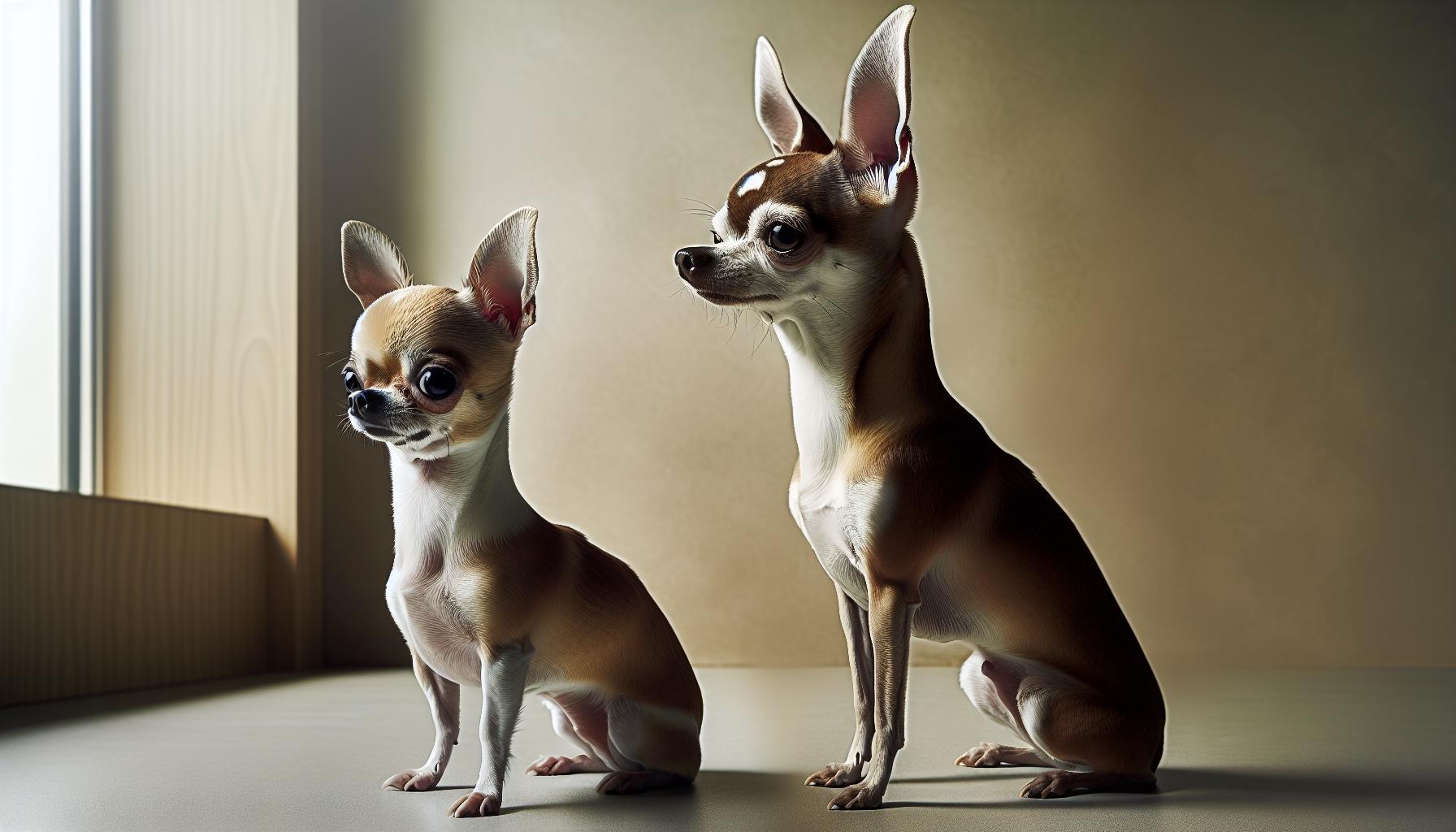
The Unique Differences Between Apple-Head and Deer-Head Chihuahuas
Apple-Head and Deer-Head Chihuahuas present distinct characteristics that make each type unique. Understanding these differences can help you appreciate the charming diversity within the breed and assist you in making an informed decision when choosing a Chihuahua that fits your lifestyle.
Apple-Head Chihuahuas are often recognized by their round skull, pronounced stop, and large, expressive eyes that give them a youthful, adorable look. This head shape contributes to their playful personality, often making them quite vocal and affectionate companions. Their short muzzle is complemented by a stocky body, which adds to their endearing stature. Owners of Apple-Heads frequently mention their loyalty and tendency to bond closely with their humans. For instance, one owner shared that her Apple-Head named Bella follows her everywhere, showcasing the breed’s characteristic attachment.
In contrast, Deer-Head Chihuahuas feature a longer, tapered muzzle and a more refined appearance that resembles a deer, lending them a certain elegance. They typically have a straighter back and a quieter demeanor, which can make them seem less intense than their Apple-Head counterparts. Owners often describe Deer-Heads as having a more laid-back personality, making them great for families wanting a sweet, calm companion. One Deer-Head owner highlighted how his dog, Max, enjoys lounging in the sun rather than engaging in high-energy play, embodying the phrase “small but mighty” in a different way.
Both types require similar care in terms of health, socialization, and training, but their temperament might lead to different approaches. Apple-Heads may thrive in active households where playtime and social activities are frequent, whereas Deer-Heads might appreciate a serene environment where they can feel secure and relaxed. Regardless of the type you choose, embracing their unique qualities will enrich your life and foster a deep bond with your Chihuahua.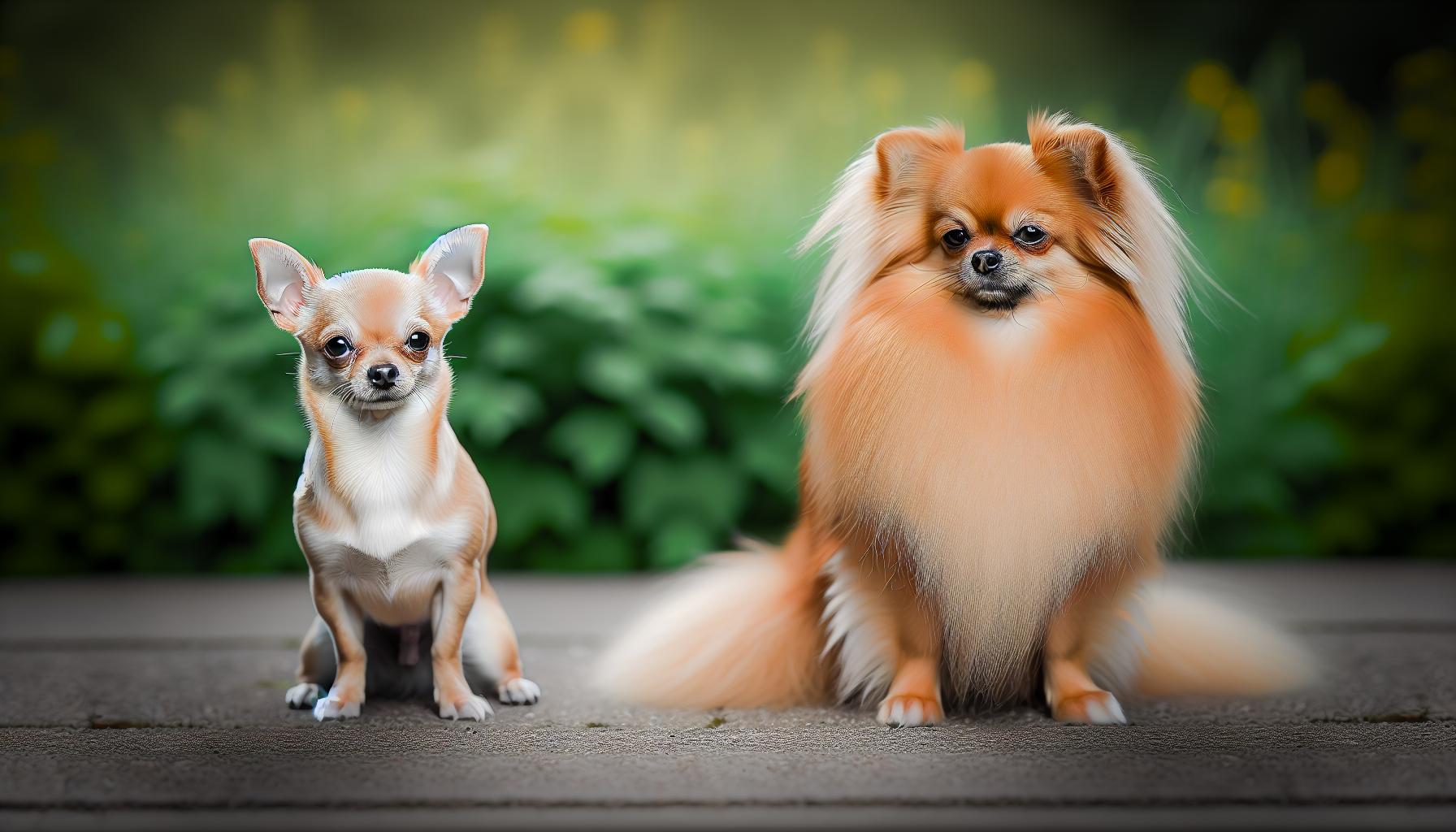
Coat Types: Short-Haired vs. Long-Haired Chihuahuas
Short-haired and long-haired Chihuahuas each bring their own charm and appeal, but they also come with specific grooming and care needs that every owner should consider. Understanding how these coat types differ can help you better prepare for the unique quirks and requirements of your furry friend.
Chihuahuas with short coats are often favored for their ease of maintenance. Their sleek fur lies close to the body, requiring just occasional brushing to remove loose hairs and distribute natural oils. This breed is relatively low-shedding, making them a good choice for those who may have allergies or simply prefer less fur around the house. However, short-haired Chihuahuas are sometimes more susceptible to temperature fluctuations. As such, it’s essential to provide them with appropriate clothing during colder months and avoid prolonged exposure to the cold. One owner proudly shares how her short-haired Chihuahua, Max, effortlessly transitions between cozy indoor lounging and quick outdoor escapades, always looking dapper.
On the other hand, long-haired Chihuahuas captivate with their flowing, luxurious coats, which can range from soft waves to straight and silky strands. These beauties do require more dedicated grooming to prevent matting and tangling. Regular brushing-at least a few times a week-is recommended to keep their fur in prime condition and to reduce shedding. Owners often find joy in bonding with their long-haired companions during grooming sessions, turning what can be a chore into quality time. For example, one long-haired Chihuahua, Bella, has developed a morning routine with her owner that includes brushing while sharing a cuddle, showcasing the affectionate nature of this coat type.
Both coat types benefit from a balanced diet rich in nutrients that promote healthy skin and fur. Ensuring your Chihuahua gets enough Omega-3 fatty acids can improve the overall quality of their coat, whether it’s short or long. Pay close attention to any changes in their skin or coat, as these can indicate underlying health issues. As with all Chihuahuas, proper hydration, regular vet check-ups, and an active lifestyle contribute significantly to your pup’s well-being.
Ultimately, whether you’re drawn to the low-maintenance allure of a short-haired Chihuahua or the regal elegance of a long-haired one, both types are sure to bring immense joy and companionship into your life. Embrace their unique quirks, and you’ll discover just how wonderfully rewarding Chihuahua ownership can be.
Understanding Color Variations in Chihuahuas
Chihuahuas come in a dazzling array of colors, bringing a unique flair to this already charming breed. This diversity in coloration is not just about aesthetics; it can reflect the individual personality and spirit of your furry friend. Understanding the various color patterns can help you choose the Chihuahua that resonates most with your lifestyle and preferences.
Among the most common color variations are:
- Fawn: Ranging from light tan to deep gold, fawn is perhaps the most iconic Chihuahua color. This shade often pairs well with any coat type, adding to their adorable appearance.
- Brindle: This striking pattern features a mix of dark and light stripes, giving each Chihuahua a unique look. Owners often note that brindle Chihuahuas have a bold and lively personality to match their vibrant coat.
- Black: A true classic, black Chihuahuas are sleek and elegant. Often associated with a more reserved temperament, they can also be very affectionate once they feel comfortable.
- Chocolate: Deep and rich, chocolate-colored Chihuahuas tend to have a sweet disposition, often charming everyone around them with their playful nature.
- White: Pure white Chihuahuas exude a regal aura. They are often noted for their gentle demeanor and loyal companionship.
- Blue and Lilac: These rare colors can turn heads! Blue Chihuahuas have a slate-gray tint, while lilac is a lighter, soft gray. Owners often share that their blue and lilac Chihuahuas tend to be rather laid-back.
It’s important to remember that color variations can sometimes carry health implications. For instance, Chihuahuas with merle coats can be prone to vision or hearing issues, which is something to keep in mind when considering your new companion. Regular vet check-ups and a keen eye for any changes in behavior or health can help you ensure your Chihuahua remains healthy and happy.
When choosing a Chihuahua based on color, it’s not just about how they look-consider how their personality and temperament might fit into your home. Some owners find that the vibrant fawn or brindle Chihuahuas tend to be a bit more extroverted, while those with deeper colors like chocolate or black might have a more mellow demeanor. Ultimately, the best choice is the one that aligns with your lifestyle, as every Chihuahua, regardless of color, has the potential to become an irreplaceable member of your family.
The Temperament Differences Across Chihuahua Types
Every Chihuahua has its own distinct personality, shaped by its type, whether it be Apple-Head, Deer-Head, or varying coat types. Understanding these temperament differences can significantly enhance the bond you share with your furry friend and ensure a harmonious environment, especially when integrating a Chihuahua into your home.
Apple-Head Chihuahuas, often characterized by their round heads and shorter muzzles, tend to be more alert and vocal. Their petite size often belies a bold personality. Owners frequently report that Apple-Heads are fiercely loyal to their humans, exhibiting a protective instinct that can be both endearing and comical. For instance, a friend of mine has an Apple-Head named Bella who barks at the mailman with an unwavering determination, embodying the classic watchdog spirit despite her tiny stature.
On the other hand, Deer-Head Chihuahuas are generally perceived as calmer and more laid-back. With their longer snouts and more elongated bodies, they often exhibit a more robust demeanor. Owners might find these Chihuahuas to be more social, adapting well to new environments and visitors. For example, my neighbor has a Deer-Head named Max who loves to greet new friends with enthusiasm, reflecting a temperament that’s often described as gentle and easy-going.
When considering coat types, the difference in temperament can also be noticeable. Short-Haired Chihuahuas, often more energetic and spirited, may require more physical activity to keep them mentally and physically stimulated. In contrast, Long-Haired Chihuahuas might be a bit more temperate in their playfulness, typically relishing cozy cuddle sessions just as much as they enjoy romp sessions in the yard.
It’s essential to recognize that temperament is not solely determined by type; genetics, environment, and early socialization play pivotal roles. Proper training and social experiences can shape any Chihuahua’s personality, helping even the shyest pups to bloom into sociable companions. Whether you prefer the spirited Apple-Head or the mellow Deer-Head, nurturing your Chihuahua’s unique temperament with love and consistency will pave the way for a rewarding companionship filled with loyal love and joyful interactions.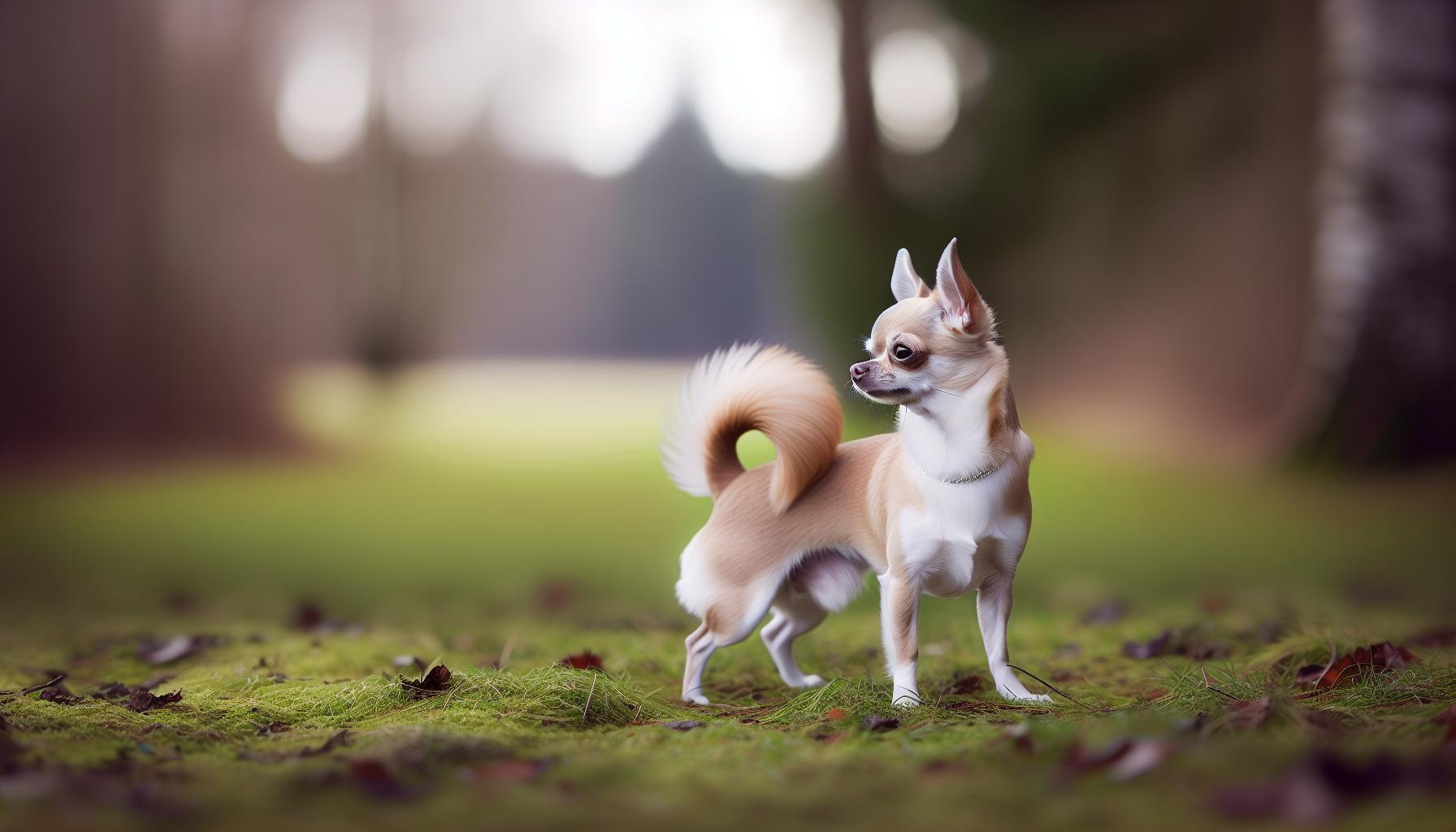
Tail Traits and What They Say About Your Chihuahua
The tail of your Chihuahua is more than just an adorable feature; it serves as a crucial gateway into understanding her mood and personality. Typically, you’ll notice that Chihuahuas have a variety of tail styles ranging from straight and firm to curly and expressive. Each tail trait reflects a different part of their character, providing insights into how they may be feeling in various situations.
Chihuahuas with straight, long tails often display a confident and assertive nature. For instance, if you observe your Chihuahua trotting proudly with her tail high, she’s likely feeling happy and self-assured. This is the tail posture of a dog ready to engage and play, exuding the typical Chihuahua boldness that we all adore. Conversely, a low-hanging tail might signal that your Chihuahua is feeling insecure or submissive. If your pup drops her tail when meeting new people or dogs, taking time to ensure she feels safe can ease her anxiety.
Curly tails can indicate joy and enthusiasm in Chihuahuas. Those with a tightly curled tail often express more playfulness and excitement. If your Chihuahua zooms around the house with her tail curled over her back, it’s a good sign that she’s ready for fun! On the other hand, a tail that is tucked between the legs can reveal fear or stress. Understanding these cues allows you to respond appropriately, making your Chihuahua feel more at ease in her environment.
It’s essential to remember that while these tail traits can provide valuable clues, they are not absolute indicators of a Chihuahua’s emotional state. Individual personalities vary widely within the breed, influenced by factors such as genetics, socialization, and environment. By watching your Chihuahua’s tail alongside other body language signals-like ear position and facial expressions-you can gain a clearer picture of her feelings. This awareness not only deepens your bond but also helps you offer the right support and care that she needs, ensuring she thrives in your home.
Best Care Practices for Each Chihuahua Type
Caring for your Chihuahua can feel like an adventure filled with joy and quirks. Their unique personalities, whether they be the bold apple-head or the more sporty deer-head, require tailored care approaches. Understanding the specific needs of your Chihuahua type is essential for their well-being and happiness.
First, be mindful of their size. Chihuahuas are small but mighty. For apple-head Chihuahuas, who often have larger heads and more delicate frames, gentle handling is crucial. They may be prone to dental issues due to their small mouths, so regular dental care, including brushing their teeth and providing dental chews, is essential. Deer-head Chihuahuas, with their sturdier build, might enjoy a bit more play and activity. Regular exercise, through short walks or playful indoor games, helps keep their energy levels balanced and maintains a healthy weight.
Chihuahuas come with either short or long-haired coats, and each type has its grooming requirements. Short-haired Chihuahuas are relatively low-maintenance, requiring only a brush once a week to remove loose hair and distribute natural oils that keep their skin healthy. Long-haired varieties, however, benefit from more frequent grooming to avoid mats and tangles. Aim for brushing a few times a week, focusing on the undercoat during shedding seasons. Bathe them occasionally, but avoid over-bathing to preserve their skin’s natural oils.
Nutrition plays a significant role in your Chihuahua’s health. Opt for high-quality dog food that fits their specific size and energy requirements. Since these little ones can be prone to obesity, it’s essential to measure their food portions accurately. Many owners find success in splitting daily portions into two meals to keep their Chihuahuas energized without overfeeding.
Lastly, nurturing a positive environment is vital. Chihuahuas thrive in homes where they feel secure, so establishing a safe space with cozy bedding can do wonders for their happiness. Consistent training and socialization are critical, as Chihuahuas can sometimes be wary of new experiences. Introduce them to new people and pets gradually, celebrating their brave moments with treats and praise. This supportive approach fosters confidence and well-adjusted behavior.
By tailoring your care approach to the specific needs of your Chihuahua type, you not only strengthen your bond but also enrich their quality of life. A happy Chihuahua is a cherished companion, eager to share their love and spirited personality with you!
Training Tips for Chihuahuas: Breed-Specific Needs
Training your Chihuahua can be an incredibly rewarding experience, filled with laughter and learning. Known for their vibrant personalities, each type of Chihuahua-be it the bold apple-head or the athletic deer-head-has unique traits that can influence their training styles and needs. Understanding these differences can help you tailor your approach, ensuring that learning is a positive adventure for both of you.
Chihuahuas are spirited little dogs, often displaying a feisty demeanor. This means that for effective training, consistent and gentle reinforcement is crucial. Positive reinforcement techniques, such as praise and treats, work wonders. For example, one owner noted that her apple-head Chihuahua, Bella, became much more responsive when she rewarded her with her favorite treat after every successful command execution. This method not only motivated Bella but also made training sessions a fun bonding time. Conversely, harsh training methods can lead to anxiety or rebellious behavior, especially in such sensitive breeds.
Socialization is also vital for Chihuahuas, who can sometimes exhibit an overly protective nature. Introducing your Chihuahua to new environments, sounds, and people early on helps them grow into confident adults. Take your deer-head Chihuahua, Max, for instance; early exposure to various situations-like dog parks, busy streets, and varied social settings-enhanced his adaptability and reduced his initial skittishness. Ensuring your Chihuahua experiences positive encounters will reduce barking and anxiety over time, fostering a well-adjusted pet.
Lastly, adapt training techniques to suit the coat type of your Chihuahua. Long-haired Chihuahuas might appreciate gentle grooming sessions that double as bonding time. Incorporating commands during grooming can help them see it as a positive experience rather than a chore. For instance, as you brush your long-haired Chihuahua, reward her for staying calm and still. This approach not only keeps her coat healthy but also reinforces good behavior.
In conclusion, understanding the nuances of your Chihuahua’s type and personality is essential for effective training. Whether you’re working with an apple-head or a deer-head, a consistent, gentle approach filled with positive reinforcement and social experiences will help your small companion thrive. Celebrate their spirited nature and watch with joy as they blossom into well-behaved, loving members of your household!
Choosing the Right Type of Chihuahua for Your Lifestyle
Choosing the right type of Chihuahua can profoundly impact your experience as a pet owner. Each Chihuahua variety brings its own unique charm, temperaments, and care requirements. Understanding your lifestyle and how these little dogs fit into it will lead to a rewarding relationship. Whether you’re an active person or someone who prefers quiet evenings at home, there’s a Chihuahua out there that can complement your life beautifully.
For those who lead a bustling lifestyle, the deer-head Chihuahua may be your perfect match. Known for their more robust frame and generally higher energy levels, they thrive in environments where they can engage in play and socialize. They’re often more adventurous, making them great companions on outings or during family activities. If you often have guests over or enjoy taking your pup to dog parks, a deer-head might be the sociable companion you need.
On the other hand, if your home is quieter and you seek a cuddle buddy, the apple-head Chihuahua is a delightful option. These tiny companions are usually more reserved and enjoy lounging on their owner’s lap for hours. Their affectionate nature makes them ideal for individuals or families who value bonding through quiet moments. A cozy evening with a movie can be perfectly paired with an apple-head curled beside you, providing both comfort and companionship.
When considering coat types, think about your capacity for grooming. While both short-haired and long-haired Chihuahuas are relatively low-maintenance compared to larger breeds, long-haired Chihuahuas may require more grooming to prevent tangles. If this sounds daunting, a short-haired Chihuahua would be easier to manage. A dedicated owner, Alice, shares how her short-haired Chihuahua, Buddy, fits seamlessly into her busy schedule – quick baths and minimal shedding keep her home fresh and her time free for other pursuits.
Ultimately, finding the right Chihuahua for your lifestyle involves thoughtful consideration of their personality, energy levels, and grooming needs. Remember, owning a Chihuahua is not just about sharing your home; it’s about incorporating a loyal friend into your daily life. By assessing factors like activity levels and time commitment, you can choose a delightful companion who brings joy and fits harmoniously into your world. With the right choice, your Chihuahua will thrive, and so will your bond!
Common Health Issues Faced by Different Chihuahua Varieties
Chihuahuas, with their petite stature and vibrant personalities, can be a joy to have as companions. However, potential owners should be aware of the health challenges that may arise with these little dynamos. Each variation, be it an apple-head or a deer-head, comes with its own set of considerations. Understanding common health issues pertinent to Chihuahuas can prepare you for a loving, long-lasting life together.
One prevalent issue in Chihuahuas, especially the apple-head variety, is patellar luxation. This condition occurs when the kneecap dislocates or moves out of its normal position. It often manifests as lameness or a skipping gait. Regular check-ups with a veterinarian can help detect this early, and in moderate to severe cases, surgical intervention may be necessary. Owners like Emily, who has a 3-year-old apple-head named Bella, have found that keeping Bella at a healthy weight and providing supportive exercises have helped manage her condition effectively.
Another concern is heart issues, particularly heart murmur and patent ductus arteriosus (PDA), which are relatively common among Chihuahuas. These conditions can lead to serious complications if left untreated. Regular vet check-ups, which include heart health screenings, are crucial in catching any potential problems early on. As puppies, Chihuahuas are particularly susceptible, making it essential to monitor their health closely during those first few years.
Additionally, dental issues are significant in Chihuahuas due to their small mouths. The overcrowding of teeth can lead to periodontal disease, which is painful and can affect their overall health. Brushing your Chihuahua’s teeth regularly, providing dental chews, and scheduling professional cleanings can mitigate these risks. As shared by Mark, an owner of a long-haired Chihuahua, consistent dental care has dramatically improved his pup’s breath and overall well-being.
Lastly, monitoring for hypoglycemia is vital, particularly in young Chihuahuas. Due to their small size, they can quickly experience drops in blood sugar, leading to lethargy or weakness. Owners should ensure their Chihuahua eats regular, balanced meals high in quality protein and healthy fats to maintain energy levels. Always keep candy or sugar-free treats on hand due to their small size and frequent activity levels.
Understanding these health concerns and being vigilant can lead to a happier life for your Chihuahua. Having open communication with your vet and being proactive in your dog’s health care will ensure that you can enjoy your time with your remarkable little friend to the fullest.
Frequently Asked Questions
Q: What are the most common types of Chihuahuas?
A: The most common types of Chihuahuas are Apple-Head and Deer-Head. Apple-Head Chihuahuas have a rounded skull and shaped like an apple, while Deer-Head Chihuahuas have a longer, flatter skull resembling a deer’s head. Understanding these distinctions can help you choose the right companion for your lifestyle.
Q: How do I choose the right type of Chihuahua for my home?
A: Choosing the right type of Chihuahua depends on your living situation and activity level. Apple-Head Chihuahuas are often more affectionate and seek attention, whereas Deer-Head Chihuahuas might be a bit more independent. Consider your home environment and the time you can dedicate to interaction when deciding.
Q: What health issues are common in different Chihuahua types?
A: Health issues can vary by type, but common concerns include heart problems, dental issues, and patellar luxation. Regular vet check-ups and a balanced diet can mitigate some risks. Consulting with a vet knowledgeable about Chihuahuas can provide tailored advice for your pet’s specific needs.
Q: Are there behavioral differences between long-haired and short-haired Chihuahuas?
A: Generally, the coat type does not significantly affect behavior; however, long-haired Chihuahuas may require more grooming, affecting their comfort levels with handling. Both types can be loyal and loving, making socialization and training crucial for good behavior.
Q: What should I know about Chihuahua coat care?
A: Caring for your Chihuahua’s coat requires different approaches. Short-haired Chihuahuas need less grooming, while long-haired ones require regular brushing to prevent matting. Ensure you use the right shampoo and maintain overall skin health to keep your pet comfortable and clean.
Q: Why are Chihuahuas considered a vocal breed?
A: Chihuahuas are known for being vocal due to their strong instincts to alert their owners of any perceived threats. Early training and socialization can help manage excessive barking. Providing plenty of mental stimulation will help reduce vocalization from boredom.
Q: How can I help my Chihuahua adjust to new environments?
A: To help your Chihuahua adjust to new environments, introduce them gradually and create a safe space for them to retreat. Use familiar items like toys and blankets to ease the transition. Patience and positive reinforcement are key to their comfort in new surroundings.
Q: What traits should I look for when choosing a Chihuahua puppy?
A: Look for a puppy that displays curiosity and a happy demeanor. A healthy puppy should have bright eyes, a shiny coat, and be playful. Socialization with other pets and people is essential, so inquire about early interactions from the breeder for a well-adjusted adult dog.
The Way Forward
Now that you’ve explored the diverse types of Chihuahuas, from the charming Apple Head to the elegant Deer Head, it’s clear that this breed has unique characteristics that make them special companions. Remember, whether your focus is on health, behavior, or care, each type offers something unique that caters to different lifestyles. Feeling inspired? Don’t wait-celebrate the Chihuahua’s bold, loving, and quirky personality by sharing your thoughts in the comments below or connecting with fellow enthusiasts in our community!
For more insights into Chihuahua care, check out our guides on “Understanding Chihuahua Behavior” and “Essential Care Tips for Chihuahuas.” As you continue your journey, consider subscribing to our newsletter for the latest tips, resources, and exclusive content tailored just for you and your tiny companion. Join us in this vibrant community of Chihuahua lovers, and let’s make every moment together count!
Get our latest guides, news, and insights highlighted in your Google Search & AI Overviews.