
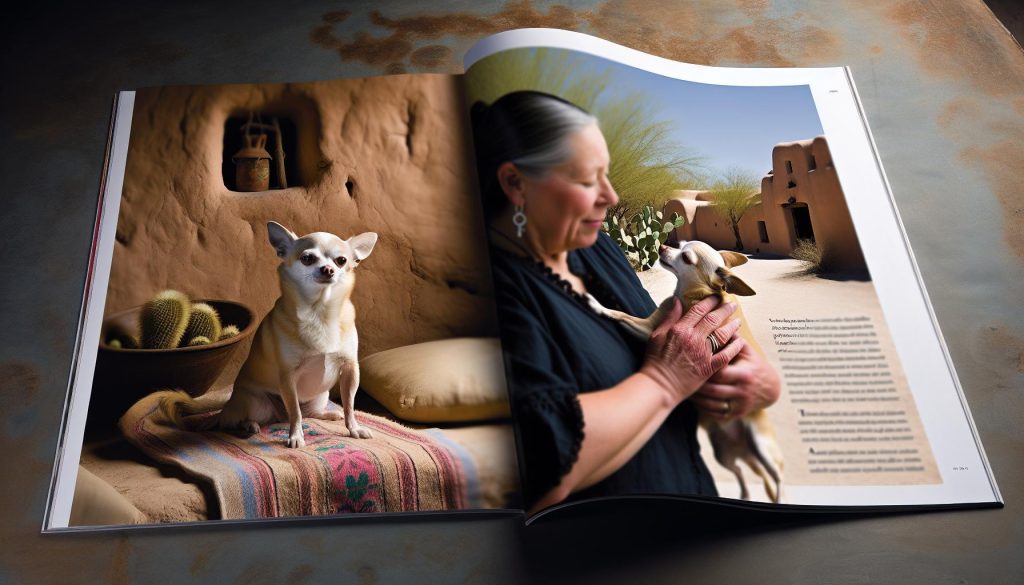
Did you know that Chihuahuas are one of the oldest dog breeds in the Americas, with roots tracing back to ancient civilizations? This tiny breed, packed with personality, is more than just a purse companion; they’re vocal, loyal, and incredibly bold despite their size. Understanding the history and origin of Chihuahuas is essential for both new and experienced owners, as it sheds light on their unique behavior and caring needs. By delving into their fascinating past, you’ll not only appreciate their quirks but also be better equipped to provide the love and care they thrive on. Whether you’re drawn to their charming apple-head look or their spirited nature, this exploration will enhance your connection with your furry friend while ensuring you’re well-prepared for the journey ahead. Join me as we uncover the captivating story of Chihuahuas and celebrate everything that makes them such beloved companions.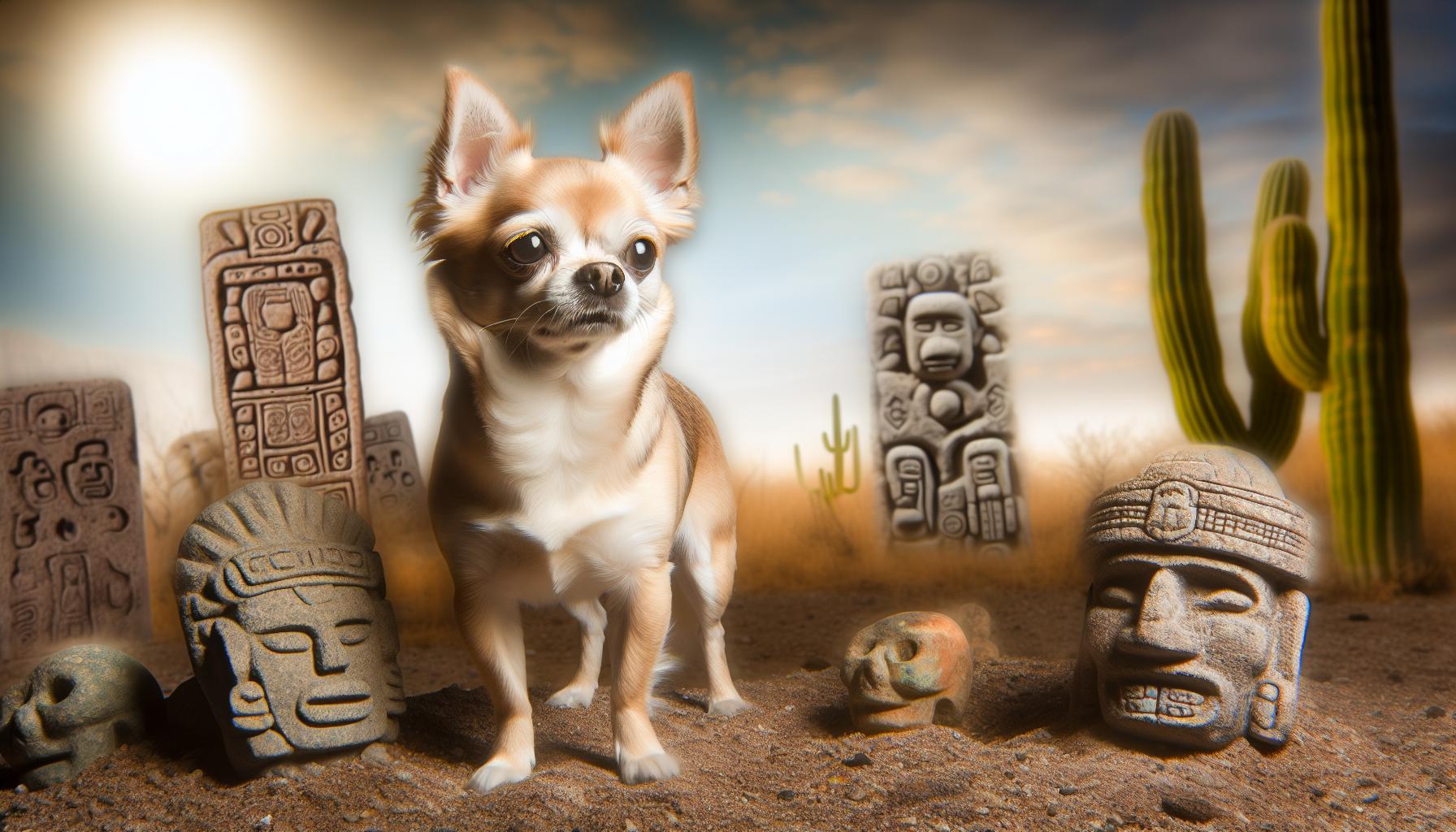
The Fascinating History of Chihuahuas
The Chihuahua, known for its petite size and vibrant personality, has a rich and captivating history that dates back thousands of years. This breed originated in Mexico and is believed to be descended from the Techichi, a companion dog kept by the ancient Toltec civilization. The Techichi was small, resembling modern Chihuahuas, and served as both a companion and a spiritual guide. Archaeological findings suggest that these little dogs were present as far back as 500 BC, indicating they have long been cherished by their human companions.
As the Aztecs rose to power, they embraced the Techichi, integrating them into their daily lives and religious practices. This bond between humans and dogs was profound, as the Aztecs viewed the Techichi as guides to the afterlife. When Spanish explorers arrived in Mexico in the 1500s, they encountered these charming little dogs. Over time, the breed evolved and began to take on more physical characteristics we associate with Chihuahuas today. The name “Chihuahua” itself comes from the Mexican state of the same name, where the breed was first recognized and popularized in the late 19th century.
Chihuahuas made their way to the United States in the early 1900s, quickly becoming a favored companion breed. They were officially recognized by the American Kennel Club in 1904. What truly sets the Chihuahua apart is not just their size but their bold personality. Whether they’re one of the beloved apple-heads with their rounded skulls or the more elongated deer-head type, Chihuahuas are known for their bravery, loyalty, and sometimes feisty demeanor, making them both delightful companions and spirited guardians.
Today, Chihuahuas continue to capture hearts worldwide. Their unique history tied to ancient civilizations adds a sense of richness and esteem to their presence as companion animals. As an owner, understanding this remarkable lineage can deepen your appreciation for your Chihuahua’s quirky behaviors and steadfast loyalty, enriching the bond you share with your furry friend.
Understanding Chihuahua Breed Characteristics
Chihuahuas are not just charming little dogs; they are a bundle of personality compacted into a small frame. Known for their spirited nature, these pups bring joy and energy to any household. With origins tied to ancient Mexico, their unique history contributes to their distinct traits today. Understanding what makes Chihuahuas tick can significantly enhance the experience of owning one, whether you’re a first-time dog parent or an experienced enthusiast.
One of the most striking characteristics of Chihuahuas is their bold demeanor. They often have a larger-than-life attitude, presenting themselves as confident and sometimes feisty despite their tiny size. This breed typically weighs between 2 to 6 pounds and stands about 6 to 9 inches tall, but don’t let their stature fool you. Chihuahuas are highly vocal and fiercely loyal, often forming strong bonds with their owners. As a Chihuahua owner, you’ll likely notice how he or she becomes a protective companion, always alert and ready to stand guard over family and territory.
Chihuahuas come in two primary types: apple-head and deer-head, each with its unique facial structure. Apple-head Chihuahuas feature a rounded skull and short muzzle, while deer-head Chihuahuas exhibit a longer, more elegant face with a flatter profile. These distinctions not only add to their charm but also affect behavior and health, making it vital to understand your dog’s type. Additionally, coat types vary from smooth to long-haired, influencing grooming routines. Smooth-coated Chihuahuas require less maintenance compared to their long-haired counterparts, who need regular brushing to prevent matting.
Health considerations play a crucial role in caring for Chihuahuas. They are prone to certain conditions such as patellar luxation and dental issues, so regular vet check-ups are essential. Adopting good dental hygiene practices early can prevent costly health problems later. Furthermore, their small size makes them susceptible to temperature extremes, so always ensure they are cozy during cold weather and not overheating in the sun.
In essence, embracing the unique characteristics of Chihuahuas-from their boldness and loyalty to their specific care needs-can lead to a fulfilling companionship. With patience and understanding, every moment spent with your Chihuahua can be a delightful reward, as you witness their quirky antics and affectionate nature unfold in the comfort of your home.
Chihuahua Types: Apple-Head vs. Deer-Head
The unique appeal of Chihuahuas extends beyond their charming demeanor; it also lies in their intriguing variety within just two distinct types: the apple-head and the deer-head. Understanding these two types is essential for any Chihuahua enthusiast, as each brings its own personality traits, health considerations, and aesthetic differences that can affect your relationship with your canine companion.
Apple-head Chihuahuas are perhaps the more recognized of the two, often depicted in popular culture. They are defined by their characteristic rounded skull, which gives them that adorable “puppy” look throughout their lives. Their short muzzles and large, expressive eyes add to their charm, making them particularly engaging companions. In terms of personality, apple-head Chihuahuas tend to be affectionate, vocal, and fiercely loyal, forming strong bonds with their owners. However, this strong bond can sometimes lead to possessiveness, so early socialization is recommended.
On the other hand, deer-head Chihuahuas have a slightly different appearance, featuring a longer, more elegant head with a flatter profile. This type often has a more laid-back attitude, which can make them easier for first-time owners to manage. While both types share the same spirited energy and alertness, the deer-head Chihuahuas may exhibit more calmness in various settings. When caring for them, it’s important to consider their slightly different health needs; for instance, deer-head Chihuahuas are less prone to certain congenital issues that apple-heads might face due to their skull shape.
- Apple-Head: Rounded skull, short muzzle, larger eyes; Known for vocal, affectionate nature, potential possessiveness.
- Deer-Head: Longer head, flatter profile; Generally calmer, may have fewer congenital health issues.
Choosing between these two types often comes down to personal preference and lifestyle compatibility. Observing your potential Chihuahua’s personality, energy levels, and comfort with children or other pets will be crucial in making a choice that complements your home environment. Whether you choose an apple-head or a deer-head, you’ll inevitably find joy and companionship in your Chihuahua’s unique traits and spirited charm.
Key Health Concerns in Chihuahuas
Chihuahuas are small, spirited companions with a tendency to capture the hearts of their owners, but their unique traits come with some health concerns that deserve attention. Understanding these potential issues can lead to a healthier, happier life for your little friend. Chihuahuas, particularly apple-heads, are prone to specific congenital conditions due to their distinct head shape. Conditions like hydrocephalus (fluid accumulation in the brain) and patellar luxation (where the kneecap dislocates) can occur. Regular veterinary check-ups and awareness of their physical subtleties can help you catch any health issues early.
Another critical aspect of your Chihuahua’s health is dental care. This breed is notorious for dental problems, including gum disease due to their small mouths. It’s essential to maintain a consistent dental hygiene routine, involving regular tooth brushing and providing dental chews. Owners should also be mindful of possible obesity, which can exacerbate existing health issues. Balancing their diet with appropriate portion sizes is vital. A variety of healthy treats can help, but moderation is key!
Since Chihuahuas are known for their bold and sometimes anxious temperament, they may experience stress-related health problems. Anxiety can manifest in various ways, from digestive issues to behavioral problems; therefore, creating a calm environment can significantly impact their well-being. Engaging activities like structured playtime and training can help manage their energy levels and reduce anxiety.
Here’s a snapshot of common health concerns to watch for:
- Congenital Issues: Hydrocephalus, patellar luxation
- Dental Problems: Gum disease, tooth decay
- Obesity: Ensure appropriate diet and exercise
- Anxiety-related Conditions: Manage stress through routines and activities
Maintaining awareness of these health concerns and working closely with your veterinarian can ensure your Chihuahua remains a vibrant and beloved member of your family. Always consult with your vet at the first sign of trouble, and don’t hesitate to reach out to fellow Chihuahua owners for support and shared experiences. Your commitment and care can make all the difference in your pup’s life!
Behavior Traits That Define Chihuahuas
Chihuahuas are captivating little creatures known for their bold personalities and unwavering loyalty. These tiny companions pack a lot of attitude into their small frames, often behaving in ways that far exceed their size. One of the most distinctive traits of Chihuahuas is their remarkable vocal nature. They are quick to bark, whether it’s alerting you to visitors at the door or simply expressing excitement during playtime. This vocalization can be endearing but also requires training to ensure that their barking doesn’t become overwhelming.
Another defining characteristic of the breed is their intense loyalty. Chihuahuas tend to form incredibly strong bonds with their owners, often becoming very protective. It’s not unusual to have your Chihuahua follow you from room to room, as they want to be close to you at all times. This bond can make them excellent companions, but it also means you need to be mindful about socialization. Exposure to different environments and people is crucial to help them grow into well-rounded adults. Remember, a well-socialized Chihuahua is typically a more confident one, less prone to anxiety and defensive behaviors.
Chihuahuas are also known for their spirited nature – possessing a boldness that’s sometimes surprising! They often see themselves as much larger than they are, which can lead to them taking on bigger pets or even strangers. This fearless quality is part of their charm, but it’s essential to supervise interactions with larger dogs and educate your Chihuahua on proper behavior through consistent training.
Lastly, it’s important to understand that Chihuahuas are sensitive to temperature and require a bit more care regarding their environment. They tend to be cold-natured and appreciate warm blankets or sweaters, especially during chilly weather. Owners should pay attention to their comfort level, as a happy Chihuahua is one that feels secure and cozy in their home.
In summary, Chihuahuas are not only charming companions but also complex little beings with unique personality traits. Embracing their boldness, enhancing their social skills, and ensuring a comfortable environment will help nurture the vibrant spirit of your Chihuahua, leading to a fulfilling companionship.
Socialization Tips for Your Chihuahua
Socialization is one of the most crucial aspects of raising a well-adjusted Chihuahua. These small dogs, with their dynamic personalities and often bold nature, thrive on positive experiences in varied environments. Proper socialization helps them become confident, friendly, and less prone to anxiety or defensive behaviors, which is vital for their happiness and health. Starting early is key; the critical socialization window for Chihuahuas usually falls between 3 and 14 weeks of age. During this time, gentle exposure to different people, animals, and experiences can shape their temperament for life.
Begin socializing your Chihuahua with controlled introductions to new experiences. Aim for a variety of encounters, such as meeting children, other dogs, and different environments. For instance, taking your Chihuahua to a pet-friendly café or a local park can expose him to sounds and sights he might not experience at home. Be mindful of your dog’s reactions-if he seems overwhelmed, give him space and try again later. Short, positive interactions are most beneficial. It’s surprising how even the tiniest gestures, like letting him sniff a new object or see a new person, can build his confidence and curiosity.
Before outings, ensure your Chihuahua is comfortable with his harness or leash. This familiarity can ease anxiety during walks or visits to busy areas. Incorporate training into your socialization efforts; basic commands like “sit” or “stay” help establish a sense of security for your Chihuahua when he’s in unfamiliar surroundings. You might find that positive reinforcement, such as treats or praise, can make these situations more enjoyable.
Lastly, regularly engage with a variety of dog-friendly environments, including playgroups for small breeds. Look for puppy classes in your area where he can interact with other dogs in a structured setting. These experiences can teach him valuable social skills in a safe atmosphere. Always observe his body language; if he gets too overwhelmed, it’s perfectly okay to take a step back and give him time to process the experience. Remember, socialization is not just about exposure-it’s about building a foundation for a happy, well-rounded companion for years to come.
Essential Care: Grooming Your Chihuahua
Grooming your Chihuahua is not just about keeping him looking cute; it’s an essential part of his overall health and well-being. These tiny dogs, whether they have the sleek coat of an apple-head or the longer fur of a deer-head, require regular grooming to maintain healthy skin and a shiny coat. With your Chihuahua’s strong personality, a little grooming can also be a bonding experience that enhances your relationship.
Chihuahuas typically come in two coat types: short-haired and long-haired, and each has its own grooming needs. Short-haired Chihuahuas require less maintenance, needing a gentle brush once a week to remove loose hairs and distribute skin oils. Long-haired varieties will benefit from more frequent brushing-ideally every few days-to prevent tangles and matting, especially around the ears and legs where their hair can be prone to knots. Using a soft-bristle brush or a grooming glove can make the process enjoyable for both you and your pup.
Beyond brushing, regular baths can help keep your Chihuahua’s coat clean. Depending on his activity level, a monthly bath may suffice, but always use a gentle dog shampoo suited for his sensitive skin. After a bath, a thorough drying is necessary, particularly if your Chihuahua has longer hair, to prevent skin irritation. Pay attention to the ears; they can trap moisture, which might lead to infections. Regularly checking and cleaning the ears can prevent issues, and a cotton ball can help remove any buildup gently.
Don’t overlook nail trimming as a key component of grooming. Chihuahuas’ small size means their nails can grow quickly, leading to discomfort if they get too long. Aim to trim them every few weeks or whenever you hear them clicking on the floor. Additionally, regular dental care is crucial; brush your Chihuahua’s teeth several times a week to prevent dental disease, which is common in smaller breeds. If your pup is resistant to the brush, try introducing it gradually with treats, making it a positive experience.
Incorporating grooming into your routine can help instill good habits at an early age. By making it a fun and relaxing activity, you not only keep your Chihuahua looking lovely but also create strong bonds of trust. As every owner knows, grooming is a time to share love and affection with our little companions, allowing their playful yet bold personalities to shine through.
Training Strategies for Chihuahuas: What Works?
Training a Chihuahua can be one of the most rewarding experiences for an owner. These tiny, vibrant dogs carry a surprising amount of personality and intelligence in their little frames. Because Chihuahuas are known for their boldness and can sometimes exhibit stubborn behavior, it’s essential to use effective training strategies that cater to their unique characteristics. With the right approach, you can nurture a well-behaved and confident companion who thrives on positive reinforcement.
Positive reinforcement is the cornerstone of effective Chihuahua training. Whenever your Chihuahua performs a desired behavior, reward him immediately with a treat, praise, or playtime. Consistency is key, so ensure everyone in the household uses the same commands and rewards. For example, if you’re teaching your Chihuahua to sit, say “sit” and gently guide him into position, then reward him as soon as his bottom hits the ground. This method not only encourages good behavior but also strengthens the bond between you and your pup.
Socialization is another critical aspect of training. Chihuahuas can be wary of strangers and other animals, so exposing them early to different environments, people, and pets will help them become well-rounded. Start with short outings and gradually increase exposure to new experiences. For instance, take your Chihuahua to a friendly dog park, or invite friends over to meet him. Always ensure positive interactions-treats and praise reinforce good behavior and help build confidence.
Consistency in training sessions is vital. Keep your training sessions short-just 5 to 10 minutes at a time-and incorporate them into your daily routine. Chihuahuas thrive on routine, and a structured approach helps them learn better. If your Chihuahua seems distracted, it’s a good idea to either switch up your environment or try a different approach to keep his interest. For example, if he’s losing focus indoors, take him outside where there are new sights and smells.
Lastly, patience is crucial. These little dogs can be vocal and may express their desire for attention in quirky ways, whether through yapping or by playfully nipping. Embrace their spirited nature and remember that progress takes time. Celebrate small victories; even if he only responds to one command after several tries, that’s a step in the right direction. Your Chihuahua will thrive in an environment filled with love, routine, and positive reinforcement, ensuring he grows into a delightful companion for years to come.
Nutrition Needs for a Healthy Chihuahua
To keep your Chihuahua thriving, it’s crucial to understand their dietary needs. Given their small size, these vivacious little companions don’t require a lot of food, but the quality is key. A well-balanced diet specifically formulated for small breeds ensures they get the right nutrients for maintaining energy, supporting their rapid metabolism, and keeping their spirits high. Many owners find that feeding a high-quality dry kibble tailored for Chihuahuas helps manage their weight and dental health, as small bites are easier for them to chew and digest.
Chihuahuas, whether they’re the apple-head or deer-head type, generally thrive on a diet rich in protein. Look for options that list meat as the first ingredient, as dogs are primarily carnivorous. A good protein source not only contributes to muscle development and overall health but also supports their energetic lifestyles. Additionally, incorporating some vegetables like carrots or peas can add vitamins and minerals to their diet, but be cautious with any extras and consult your vet to avoid harmful foods.
The daily amount of food can vary depending on your Chihuahua’s age, size, and activity level. On average, an adult Chihuahua might require about 1/4 to 1/2 cup of food daily, divided into two meals. Overfeeding can lead to obesity, a common concern in small breeds, so be attentive to their body condition. If you notice they’re becoming rounder or less active, consider adjusting their portions or increasing exercise. Regular, small training sessions or playful walks can be exciting ways to keep them engaged while ensuring they burn off those extra calories.
Always keep an eye on their hydration, too. Fresh water should be available at all times, especially if you’re feeding them dry kibble. Watch for signs of dehydration, such as lethargy or dry gums. During warmer months, it’s especially important to monitor your Chihuahua’s water intake to keep them cool and comfortable. By focusing on balanced nutrition and proper hydration, you’ll help your little buddy live a longer, happier life filled with playful moments and snuggles.
Common Myths About Chihuahuas Debunked
Many people harbor misconceptions about Chihuahuas, often stemming from their size or appearance. One prevalent myth is that these tiny dogs are inherently aggressive or mean. While Chihuahuas can be feisty, their temperament largely reflects their upbringing and socialization. A well-socialized Chihuahua is loving, loyal, and can get along wonderfully with both people and other pets. Regular interaction with various environments and handling will help debunk this myth and showcase their affectionate nature.
Another common misconception is that Chihuahuas are untrainable. This couldn’t be further from the truth! While they possess a strong-willed spirit, Chihuahuas are intelligent dogs that can learn commands just like any other breed when trained with positive reinforcement methods. Short, engaging training sessions can make learning fun for your little companion. For instance, one proud owner shared how her Chihuahua, Bella, mastered tricks like sit and roll over within weeks when training was paired with tasty treats and lots of praise.
Some believe that Chihuahuas do not require much exercise due to their diminutive size. However, these dogs are energetic and thrive on regular activity to keep them healthy and happy. Daily walks, playtime, and mental stimulation are vital for their well-being. A Chihuahua that doesn’t get enough exercise may develop behavioral issues from boredom. Owners frequently recount how a simple game of fetch in the backyard can unleash their Chihuahua’s spirited personality, filled with joy and exuberance.
Lastly, the myth that all Chihuahuas are delicate and fragile can lead to overprotectiveness. While it’s true they are small, many Chihuahuas are surprisingly robust. They can engage playfully with bigger dogs and enjoy active lifestyles just like other breeds. Ensuring your Chihuahua has plenty of chances to exercise and socialize helps them build confidence and avoid becoming timid. Overall, confronting these myths not only boosts your Chihuahua’s quality of life but also enhances the bond you share with your tiny, yet mighty, companion.
The Perfect Environment for Your Chihuahua
Creating the right environment for your Chihuahua is vital to their happiness and well-being. These tiny dogs, known for their bold personality and loyalty, thrive when their living space reflects their unique needs. A comfortable, safe, and stimulating environment is essential for keeping your Chihuahua engaged and healthy.
Chihuahuas adapt well to both apartments and houses, but their space should offer some essential features. Here are several key elements to consider:
- Cozy resting spots: Chihuahuas love to snuggle, so providing a warm and soft bed in a quiet corner is essential. Consider a smaller dog bed or a blanket in a cozy nook where he can retreat and feel secure.
- Temperature control: This breed is particularly sensitive to extreme temperatures. Ensure your home is comfortably heated in winter and well-ventilated in summer. An extra sweater can help keep her warm during chilly walks.
- Safe play areas: Since Chihuahuas are curious and energetic, they need a secure space to explore. Baby gates can help create boundaries in your home, allowing safe areas for your little explorer.
- Interactive toys: Mental stimulation is crucial for Chihuahuas. Provide a variety of toys, such as puzzles or chew items, to keep her engaged. Rotate toys to maintain her interest and prevent boredom.
One effective way to ensure a happy environment is to establish a daily routine that includes both playtime and calm periods. Many owners find that their Chihuahuas thrive on a schedule, as it provides structure and predictability. For example, a responsible owner like Sarah shares how her Chihuahua, Max, comes alive during evening play sessions, chasing after balls and engaging in games of tug. She makes sure to balance this with quiet time on the couch, where he can cuddle next to her and recharge.
Socialization opportunities also play a significant role in your Chihuahua’s environment. Taking her to dog parks or arranging playdates with other friendly dogs can greatly improve her social skills and reduce anxiety. Just remember to monitor interactions closely, as these tiny dogs can easily be overwhelmed by larger breeds.
Overall, celebrates her vibrant nature while ensuring safety and comfort. By focusing on these key elements, you’ll create a nurturing space where she can thrive.
Why Chihuahuas Make Great Companions
Chihuahuas are more than just small dogs; they’re feisty companions packed with personality. Known for their loyalty and fierce devotion, a Chihuahua will quickly become not just a pet but a true member of your family. Their unwavering love, vibrant character, and even little quirks can light up a room, making them wonderful companions for those who appreciate a lively presence in their lives.
One of the most appealing traits of Chihuahuas is their adaptability. Whether you live in a cozy apartment or a larger home, these tiny dogs can thrive in various environments. Their size is perfect for small living spaces, yet they also share the same exuberance as larger breeds. Many owners find joy in their Chihuahua’s bold nature; for instance, a friend of mine, Jenna, recounts how her Apple-Head, Bella, commands attention during walks with her confident stride and alert demeanor. Bella has a way of turning heads, not just because of her size but due to her engaging personality that invites interaction.
Yet, Chihuahuas are more than just cute; they form strong bonds with their humans. They are known for their protectiveness, often being more alert than larger dogs. A loyal Chihuahua will guard their loved ones fiercely, providing both companionship and a sense of security. It’s not uncommon for them to snuggle close during quiet evenings, providing comfort and warmth. For instance, Richard often shares how his Deer-Head Chihuahua, Max, has saved him from countless lonely nights, always ready to curl up and enjoy a movie marathon together.
As companions, Chihuahuas also bring a unique dynamic to social situations. Their playful spirit can energize any gathering, and they often become the center of attention. This breed thrives on interaction, and their charming antics can easily lighten the mood. Their vocal nature adds another layer of delight; they communicate their feelings-whether enthusiasm, excitement, or even a protective bark-with their squeaky little voices, making every moment spent with them memorable.
In conclusion, the appeal of Chihuahuas lies not only in their size but their larger-than-life personalities. From providing companionship and loyalty to bringing joy and laughter, they fit perfectly into the lives of those who embrace their spirited nature. With proper care, socialization, and love, your Chihuahua can become the perfect little partner in crime, ready to explore life’s adventures alongside you.
Q&A
Q: What are the common health issues in Chihuahuas?
A: Chihuahuas are prone to several health issues, including dental problems, patellar luxation, and heart diseases. Regular vet check-ups, good dental hygiene, and a balanced diet can help prevent many of these concerns. For more on health, see our section on Key Health Concerns in Chihuahuas.
Q: How can I socialize my Chihuahua effectively?
A: To socialize your Chihuahua, expose him to various environments, people, and pets. Start with controlled playdates and short outings. Positive reinforcement during interactions can also help. For detailed tips, refer to Socialization Tips for Your Chihuahua.
Q: What are the differences between Apple-Head and Deer-Head Chihuahuas?
A: The main differences between Apple-Head and Deer-Head Chihuahuas are their head shapes and body structures. Apple-Heads have rounded skulls and larger eyes, while Deer-Heads feature a more elongated shape and longer legs. Learn more about these types in the section on Chihuahua Types.
Q: What should I know before adopting a Chihuahua?
A: Before adopting a Chihuahua, consider their vocal nature and strong attachment to owners. They require consistent training and socialization. Additionally, think about providing a warm environment to accommodate their small size. For more insights, read Why Chihuahuas Make Great Companions.
Q: How do I train my Chihuahua to stop barking excessively?
A: To train your Chihuahua to bark less, identify triggers and use commands such as “quiet.” Reward him for calm behavior. Consistency and patience are key in training. For more effective strategies, check our section on Training Strategies for Chihuahuas.
Q: Are Chihuahuas good family pets?
A: Yes, Chihuahuas can be great family pets, particularly in households with older children who understand gentleness. They are loyal and protective, making them excellent companions. Read more about their behaviors in Behavior Traits That Define Chihuahuas.
Q: What is the typical lifespan of a Chihuahua?
A: The typical lifespan of a Chihuahua ranges from 12 to 20 years, depending on genetics and care. Proper nutrition, exercise, and regular vet visits can promote longevity. For tips on care, visit our Essential Care: Grooming Your Chihuahua section.
Q: How can I prevent obesity in my Chihuahua?
A: To prevent obesity in your Chihuahua, monitor his diet and ensure regular exercise. Serve measured portions of high-quality food and incorporate playtime into daily routines. For nutritional advice, see Nutrition Needs for a Healthy Chihuahua.
Wrapping Up
Thanks for joining us on this journey into the fascinating world of Chihuahuas! We hope you now have a deeper appreciation for these spirited little companions, from their unique apple-head shape to their vibrant personalities. If you’re considering bringing a Chihuahua into your life, remember to think about their health, behavior, and care needs, which we’ve discussed throughout this video.
Don’t stop here! Explore our additional articles on Chihuahua care tips and training strategies to ensure a smooth transition for you and your new friend. Be sure to check out our guide on common health issues for further insight-your Chihuahua deserves the best! Join the conversation by sharing your thoughts below, and if you loved this content, subscribe for more expert tips that celebrate these loyal, feisty dogs. Let’s keep learning and sharing the joy of Chihuahuas together!
Get our latest guides, news, and insights highlighted in your Google Search & AI Overviews.