
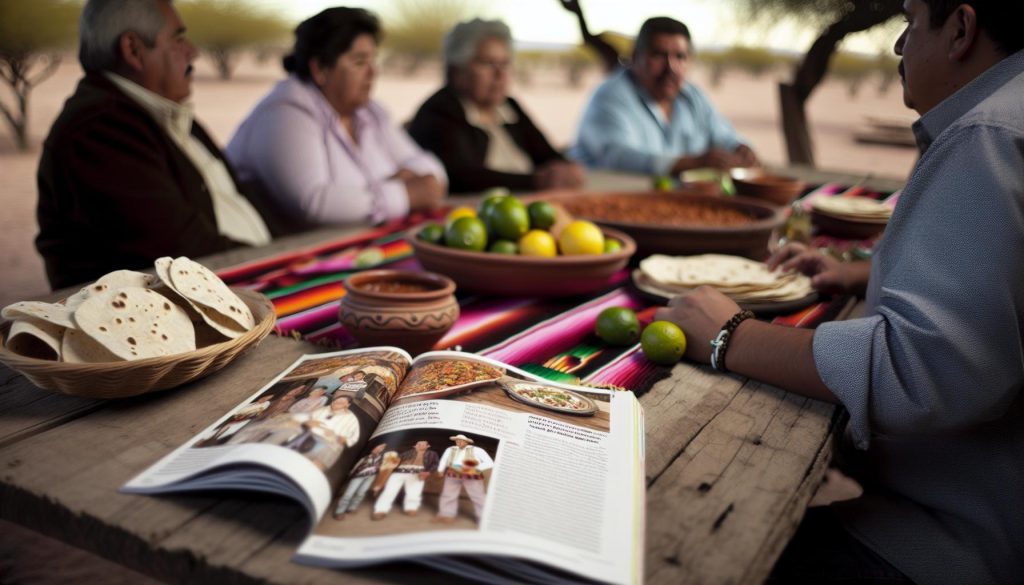
Did you know that Chihuahua Mexican food is as vibrant and diverse as the state it originates from? This regional cuisine not only tells the story of the land and its people but also offers a delightful array of flavors that can satisfy any palate. Exploring Chihuahua’s culinary scene means discovering hearty dishes, rich traditions, and unique ingredients that reflect the area’s culture and history.
Whether you’re a food enthusiast eager to expand your palate or a home cook looking to recreate authentic tastes, understanding Chihuahua Mexican food is essential. From succulent meats to zesty salsas, each regional dish has a tale to tell, connecting you with the heart of Mexico. Dive into this flavorful world and unlock the secrets that make Chihuahua’s cuisine a cherished part of the Mexican culinary heritage. You’re in for a treat!
What Is Unique About Chihuahua Cuisine?
Chihuahua cuisine stands out not only for its distinct flavors but also for its rich tapestry of cultural influences. Rooted in the sprawling landscapes of the state, it combines indigenous traditions with elements from Spanish, Mexican, and American culinary practices. A unique aspect of this cuisine is how it celebrates the simplicity of fresh, locally sourced ingredients, often highlighting the natural flavors of meats, cheeses, and vegetables.
One of the key features of Chihuahua culinary traditions is the use of machaca, or dried beef, which is often rehydrated and cooked into various dishes. This ingredient has deep historical significance, linked to the region’s ranching heritage. Additionally, queso Chihuahua, a creamy, melting cheese, is essential in many recipes, from enchiladas to quesadillas, offering a distinctive taste that’s both rich and satisfying. The cuisine also showcases a variety of chilies, such as the mild yet flavorful chilito norteño, which adds depth without overwhelming heat.
Another fascinating characteristic of Chihuahua’s food culture is the prominence of chilies en nogada, a dish that reflects the festive spirit of the region, particularly during local celebrations. This dish not only tantalizes with its complex textures and flavors but also represents the fusion of indigenous and Spanish influences, bringing together the earthy taste of ground meat and fresh spices, topped with a creamy walnut sauce. Barbecues and communal gatherings around carne asada also emphasize the region’s hospitality and love for sharing food.
Chihuahua cuisine is a vibrant tapestry that caters to hearty appetites while remaining accessible and casual, making it a beloved part of daily life for locals. Whether enjoyed at a bustling street food stall or at a family gathering, the uniqueness of Chihuahua’s culinary offerings continues to delight palates and celebrate its diverse heritage.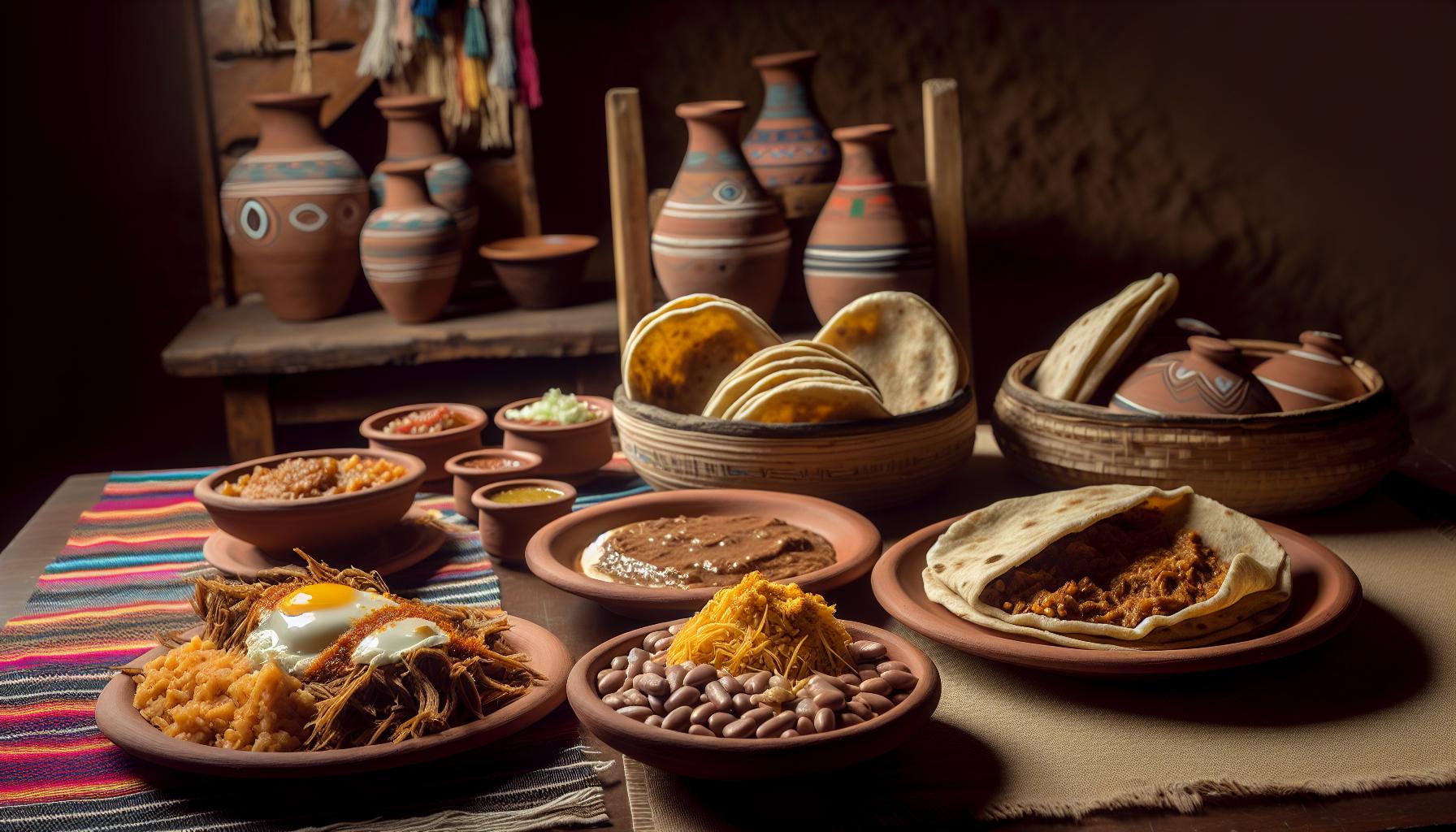
Key Ingredients in Chihuahua Mexican Food
Chihuahua cuisine is a vibrant tapestry of flavors that showcase the region’s rich agricultural heritage and culinary traditions. Central to this culinary landscape are several key ingredients that not only define its unique dishes but also narrate the history and culture of the area. One of the most significant ingredients is machaca, a form of dried and shredded beef that holds deep roots in the region’s ranching history. This versatile ingredient can be found in a variety of meals, from burritos to breakfast dishes, reflecting the practical approach of preserving meat for long periods.
Another standout component is queso Chihuahua, a semi-soft, flavorful cheese that melts beautifully, making it essential in numerous recipes, including enchiladas and quesadillas. Its creamy texture and rich flavor provide a delightful contrast to the spicier elements of the cuisine, like the chilito norteño, a mild chili that enhances dishes without overpowering them. Chihuahua cuisine also makes extensive use of fresh vegetables and herbs that highlight the state’s agricultural bounty.
In addition to these staples, corn remains a cornerstone of many traditional recipes, appearing in various forms, from tortillas to tamales. The region’s abundant livestock contributes to the popularity of carne asada, where beef is marinated and grilled, often served during communal gatherings and celebrations. Such gatherings not only underscore the culinary practices but also reinforce the culture of sharing and hospitality that is central to Chihuahua’s identity.
To immerse yourself in the flavors of Chihuahua, it is essential to understand these ingredients and their roles in creating the hearty, flavorful dishes that locals cherish. By exploring these components, whether at home or in local eateries, you can savor a piece of Chihuahua’s rich culinary heritage.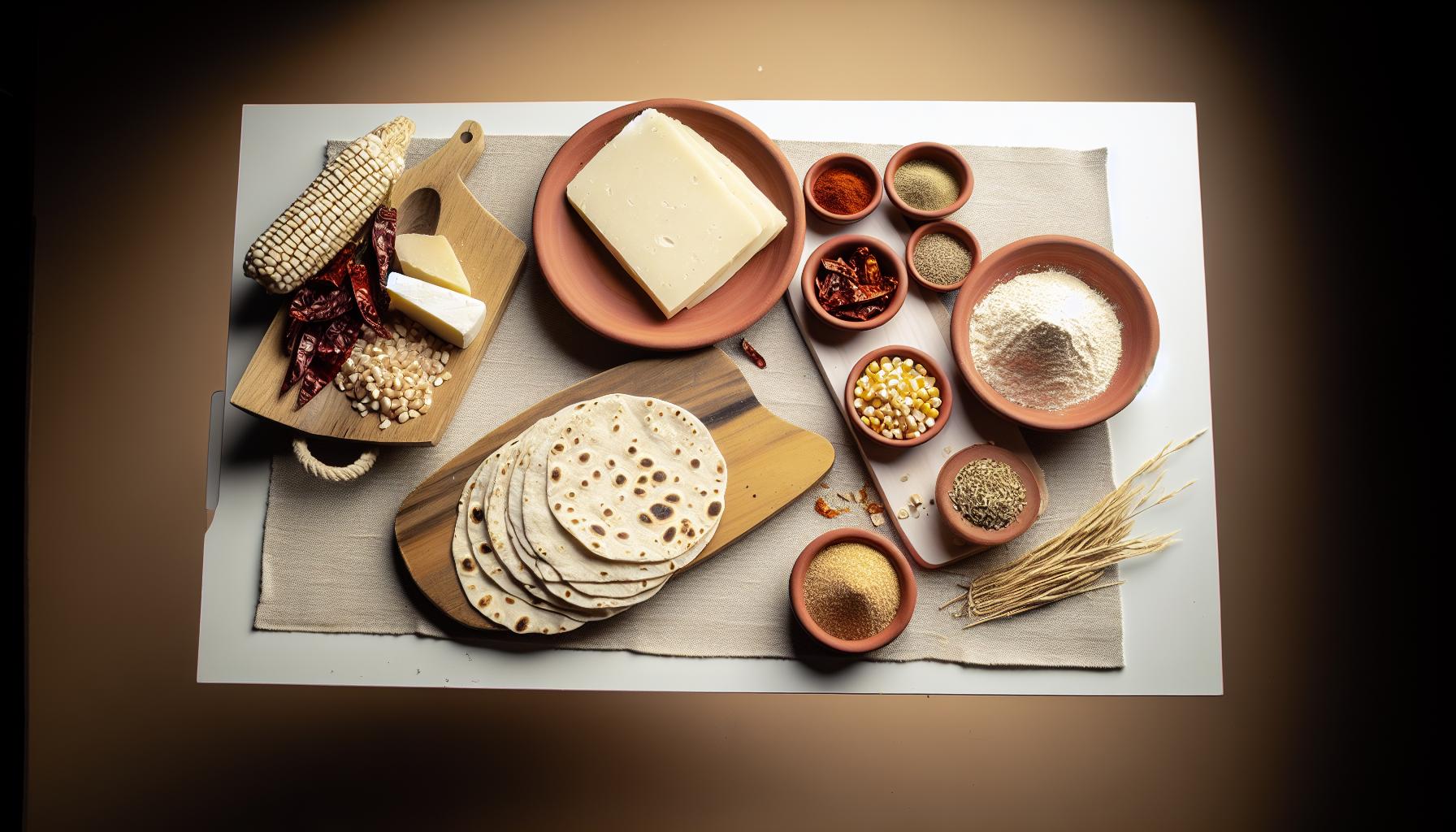
Traditional Dishes: A Culinary Journey
Chihuahua’s culinary landscape is a feast for the senses, deeply rooted in the region’s rich history and agricultural bounty. Traditional dishes are not just recipes; they are a narrative of the culture, climate, and community that defines this northern Mexican state. As you embark on a culinary journey through Chihuahua, you’ll encounter a variety of flavors and textures that reflect both the land and its people.
One of the most beloved traditional dishes is birria, a hearty stew made predominantly from goat meat, seasoned with a blend of spices and served with corn tortillas. This dish is often prepared for celebrations and special occasions, showcasing the communal aspect of Chihuahuan dining. The rich, savory broth is perfect for dipping tortillas, making each meal a shared experience. Another staple is machaca, which refers to marinated, dried beef that is rehydrated and used in tacos, burritos, and breakfast dishes, emphasizing the practicality of preserving meat in a ranching community.
For those with a taste for pasta, fideo is a comforting option that features short, toasted noodles cooked in a rich tomato broth, often accompanied by chiles, vegetables, and sometimes meat. This dish highlights the influence of Spanish cuisine, welcoming warmth and ease into family gatherings. Furthermore, carne asada, or grilled beef, is quintessential at outdoor gatherings, often marinated with lime and spices for a zesty flavor. The communal spirit of sharing food among family and friends resonates deeply through this dish, further cementing the importance of food in Chihuahuan culture.
Signature Sweets
No culinary journey would be complete without dessert. Bunuelos, a crispy fried dough sprinkled with cinnamon sugar, has become a favorite during holidays and festive celebrations. These treats are not just snacks; they evoke a sense of nostalgia and belonging for many Chihuahuans. In addition, churros, often filled with chocolate or caramel, are another street-side indulgence, illustrating the region’s penchant for sweet treats that bring joy and comfort.
As you explore the traditional dishes of Chihuahua, remember that each bite tells a story, connecting loved ones and generation to generation. Whether you’re dining at a local taqueria or recreating these dishes at home, you’re partaking in a legacy that is vibrant, diverse, and full of flavor. Embrace the essence of Chihuahua cuisine, and let it inspire your culinary adventures.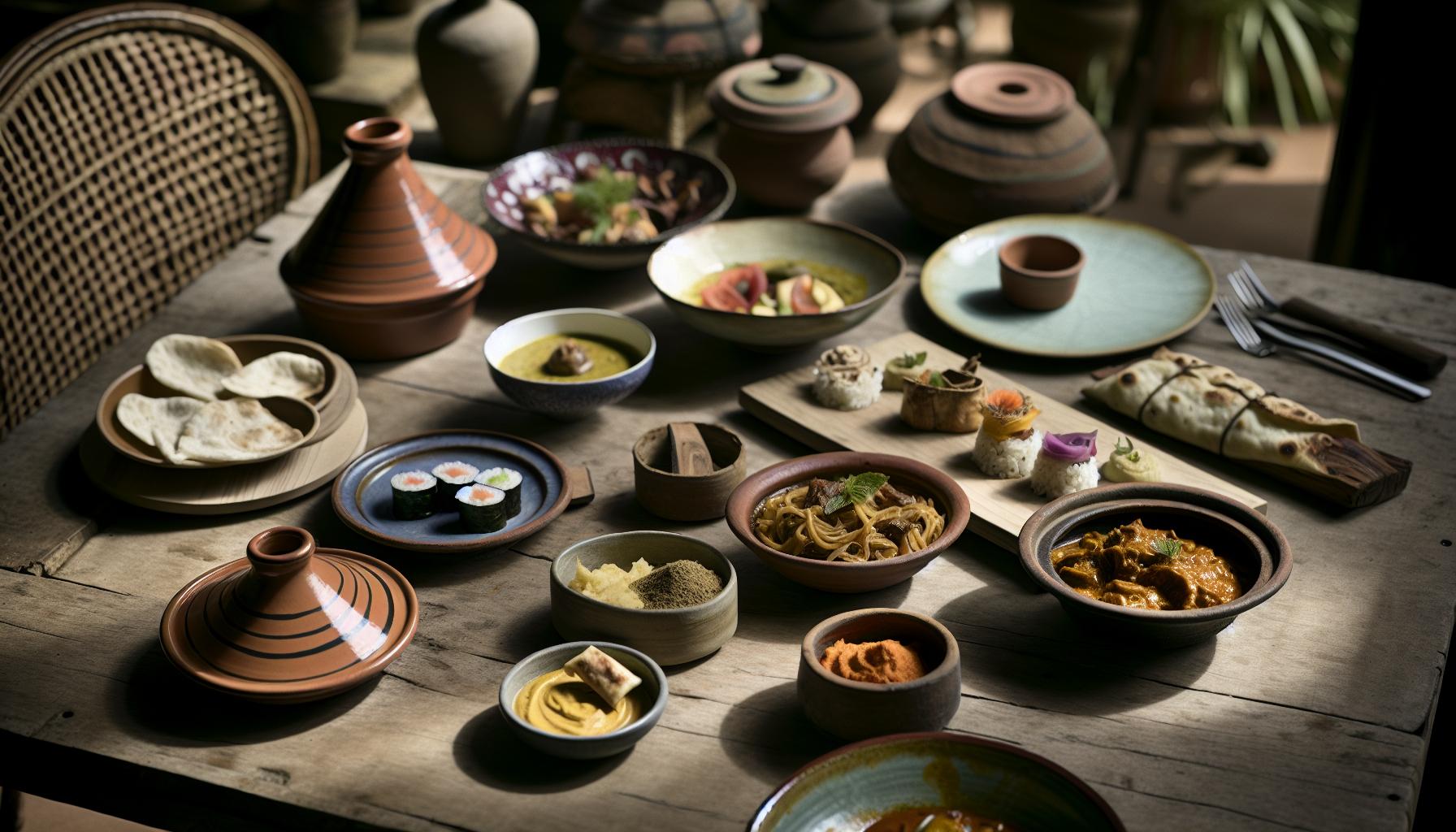
Street Food Delights in Chihuahua
Street vendors in Chihuahua offer a vibrant tapestry of flavors that reflect the heart and soul of the region’s culinary culture. As you walk through bustling markets and lively streets, the air is filled with the enticing aromas of sizzling meats, fresh tortillas, and sweet pastries, drawing you into a world where food is not just sustenance but a celebration of community and tradition.
One of the most beloved street foods is tacos de carne asada, featuring juicy, grilled beef marinated in zesty lime and spices. These tacos are often served with an array of garnishes like pico de gallo, avocado, and fresh cilantro, allowing each diner to build their perfect bite. In many corners of the city, you’ll find stands selling baleadas, a type of thick corn tortilla filled with rich beans, cheese, and scrambled eggs, making for a hearty and satisfying meal on the go.
Another street-side classic is elote, corn on the cob slathered in mayonnaise, cheese, chili powder, and lime. This delicious snack is a must-try during local festivals and everyday outings, embodying the blend of flavors that define Chihuahuan street food. For those with a sweet tooth, churros and buñuelos are often within reach, offering a crispy, sugary treat that perfectly complements the savory flavors of other dishes.
Street food in Chihuahua is not only delicious; it’s also a reflection of the region’s culture and sense of community. Sharing a meal from a street vendor often transforms into a gathering of friends and family, where stories are exchanged and laughter fills the air. Whether you’re a visitor or a local, indulging in these street food delights is a fantastic way to connect with the vibrant spirit of Chihuahua.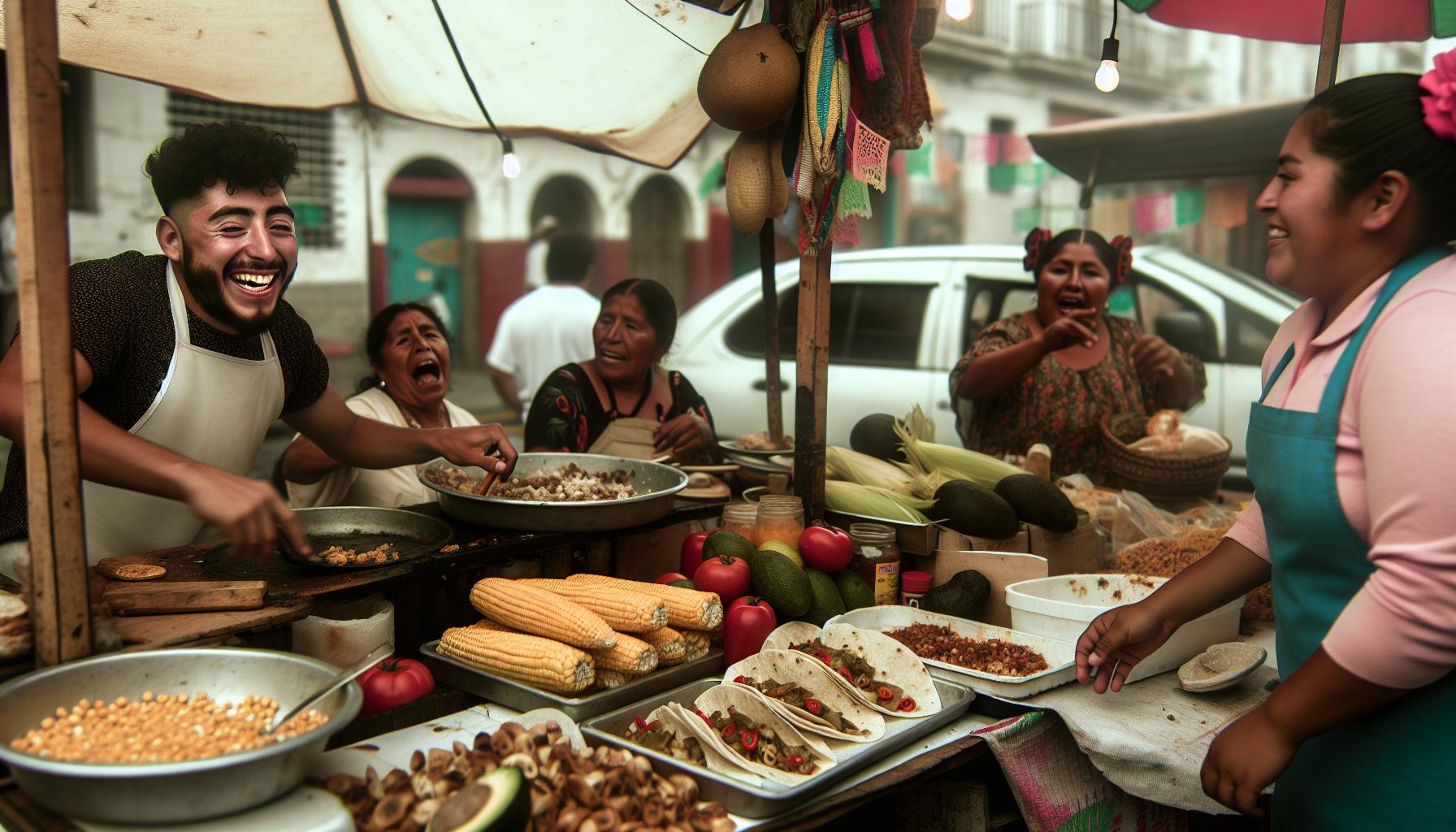
Influence of Indigenous Cultures on Cuisine
Chihuahua’s cuisine is a vibrant reflection of its rich cultural tapestry, deeply influenced by the indigenous peoples who have called this region home for centuries. The area is historically significant, with connections to various native groups, such as the Tarahumara and the Rarámuri, who have contributed unique ingredients and culinary techniques to the local food culture. This melding of traditions creates a distinct culinary identity that combines ancient practices with contemporary flavors.
One of the hallmark ingredients found in Chihuahua’s traditional dishes is corn, which has been cultivated in the region since pre-Columbian times. Local varieties, such as blue corn, are often transformed into tortillas, tamales, and other staple foods. These authentic creations not only showcase the skill of local cooks but also honor the ancient practices of indigenous tribes. Furthermore, beans and chili peppers are also essential components of the local diet, utilized in a variety of forms, from hearty stews to vibrant salsas, highlighting the versatility and nourishment these ingredients provide.
The influence of indigenous cultures extends beyond just ingredients; it permeates cooking methods as well. Traditional techniques such as roasting meats in clay ovens or making masa for tortillas by hand are still widely practiced today. This commitment to maintaining authentic cooking methods allows modern Chihuahuan chefs to pay homage to their ancestors while also innovating with contemporary twists.
The flavors and recipes born from this rich history are celebrated across various culinary events in the region. Each festival and gathering is an opportunity not just to savor these delicious dishes but also to experience the communal aspect of food-a core value in indigenous cultures. In this way, the influence of indigenous peoples is not just a background story; it is an integral part of what defines Chihuahua’s unique culinary landscape today.
Popular Cooking Techniques in Chihuahua
Cooking in Chihuahua is a heartfelt ritual, steeped in tradition and shaped by the use of age-old techniques that reflect the region’s rich culinary heritage. One of the most iconic methods is asado, where meats are roasted over an open flame or grill. This technique brings out the natural flavors of the meat and is often accompanied by homemade salsas, which add vibrant taste and freshness. The experience of cooking outdoors around a fire echoes communal traditions, where families and friends gather to share meals and stories.
Another distinctive technique used in Chihuahua is the preparation of masa for tortillas. Making masa by hand is an art form that begins with nixtamalization, where dried corn is soaked and cooked in an alkaline solution. This process enhances the nutritional value of the corn and adds depth to the flavor. Once prepared, the masa is pressed into thin discs and cooked on a comal, a traditional flat cooking surface. The result is fresh, warm tortillas that are essential to virtually every meal, showcasing the dedication to quality in Chihuahuan cooking.
Clay ovens, or hornos, are also commonly used for baking and roasting. These ovens maintain even heat and provide a unique smokiness to dishes. From tender meats to perfectly baked bread, many local recipes incorporate this ancient method. The use of clay and open flames connects modern cooks with their indigenous roots, emphasizing the importance of community and tradition in preparing meals.
In addition to these methods, many Chihuahuan dishes utilize slow cooking techniques. Stews and braises benefit from longer cooking times, allowing flavors to meld and deepen. Birria, a flavorful stew typically made with goat or beef, is a prime example where patience yields a richly aromatic dish that is often served during celebrations and communal gatherings. This not only reflects the flavors of the land but also the cultural significance of sharing meals among loved ones.
By embracing these traditional cooking methods, chefs and home cooks in Chihuahua not only honor their rich culinary heritage but also weave stories and flavors that connect generations. Whether you’re savoring the smokiness from an asado or enjoying the warmth of a hand-pressed tortilla, each bite is a celebration of culture and community.
Regional Variations: Exploring Local Flavors
Chihuahua’s regional cuisine is a vibrant expression of its diverse landscapes and cultures, creating a unique tapestry of flavors that reflect its history and geography. Each area within Chihuahua showcases its own distinctive ingredients and cooking methods, leading to variations in traditional dishes that highlight local preferences and agricultural products. The vast deserts, mountainous regions, and agricultural valleys influence what ingredients are available, resulting in bold flavors and hearty fare.
In the northern parts of the state, the cuisine is heavily influenced by the arid landscape, favoring meat dishes such as barbacoa and carne asada. Here, cattle ranching contributes to a rich meat culture, with cuts often cooked on an asado, a popular grilling method that infuses the dishes with a smoky flavor. Sides often include roasted vegetables and fresh salsas, emphasizing local agriculture.
Moving south towards the Sierra Madre, a different palette emerges. The cooler climate allows for a variety of produce, including various beans, corn, and chilies. Dishes such as chile relleno, where poblano peppers are stuffed, battered, and fried, highlight the accessibility of local ingredients. Additionally, the native capuline cherries (a type of wild cherry) find their way into desserts and regional beverages, showcasing the area’s natural bounty.
Chihuahua City, the state capital, serves as a melting pot of influences from all over the region. Here, you can savor robust regional specialties like mole and tamales, often accompanied by a refreshing drink of horchata made from rice or nuts. The city is renowned for its street food scene, where vendors offer an array of snacks such as tacos de machaca (dried, shredded beef) or elote (grilled corn on the cob) topped with mayonnaise, cheese, and chili powder.
In addition to these culinary delights, the unique indigenous heritage plays a crucial role in shaping local flavors. Many traditional cooking methods, such as using clay pots for slow-cooking stews, link modern cuisine back to ancient practices. This harmonious blend of indigenous techniques and Spanish influences creates an ever-evolving culinary narrative that is distinctly Chihuahua.
As you explore the regional variations of Chihuahua’s cuisine, you will find that the heart of each dish tells a story-of land, people, and tradition. Whether you’re trying to recreate these flavors at home or visiting a local taquería, embracing the variety and uniqueness of Chihuahua’s food will lead to delicious discoveries and a deeper appreciation for this rich culinary landscape.
Chihuahua’s Culinary Festivals and Events
are a delightful celebration of the region’s rich gastronomic heritage, drawing both locals and visitors eager to savor the diverse flavors of the state. One of the most prominent events is the Feria de la Manzana (Apple Fair), held in the picturesque town of Cuauhtémoc, which boasts a thriving apple-growing industry. Here, you can explore a range of apple-themed dishes, from traditional crafts to innovative desserts that highlight this beloved local fruit.
Another significant event is the Gastronomic Festival of the North, celebrating the unique flavors of northern Mexican cuisine. This festival features local chefs who showcase their culinary skills through cooking demonstrations, tastings, and contests. It’s an excellent opportunity to sample signature dishes such as discada-a mixed meat dish cooked in a large, disc-shaped pan-while mingling with locals and learning about their culinary traditions.
Chihuahua City also hosts the Festival Internacional de la Cocina Mexicana, a vibrant event that highlights not only Chihuahua cuisine but also the rich tapestries of flavors from across the country. Visitors can participate in workshops, enjoy live music, and appreciate the market stalls offering local ingredients that inspire traditional and modern recipes alike.
Food lovers should not miss the Callejoneada Gastronomica, a street food tour that takes place throughout the city. This lively event allows participants to wander through the streets, sampling a variety of offerings from local vendors. From tacos de machaca to elote topped with various toppings, it’s a full sensory experience that emphasizes the region’s street food culture.
These festivals and events are more than just food gatherings; they are communal celebrations that bring people together to share their love for Chihuahua’s diverse culinary landscape. Whether you are a first-time visitor or a seasoned enthusiast, immersing yourself in these experiences will deepen your understanding of the local food culture and leave you with lasting memories of delicious flavors and heartfelt hospitality.
Pairing Drinks with Chihuahua Dishes
When it comes to savoring the flavors of Chihuahua cuisine, the right drink can elevate your dining experience from delightful to extraordinary. This northern Mexican region boasts a rich array of traditional dishes, each with distinct flavor profiles that can be perfectly complemented by various beverages. Here’s how to enhance your meal with the ideal drink pairings.
One of the most popular beverages in Chihuahua is the local *aguas frescas*, refreshing fruit waters that can be made from fruits like hibiscus (*jamaica*), tamarind, or even watermelon. These drinks are perfect companions for spicy or savory dishes, providing a cool, sweet contrast. For instance, pairing *aguas de jamaica* with *tacos de machaca* – a savory dish made from shredded beef – creates a balance that enhances both the taco’s flavors and the drink’s tartness.
Pairing Alcoholic Drinks
If you’re in the mood for something stronger, consider the region’s tequila or mezcal. These spirits carry the depth of local culture and are well-suited for traditional fare. A good mezcal, known for its smoky flavor, pairs wonderfully with grilled meats like *discada*, a hearty mixed meat dish. Similarly, a smooth tequila can complement the rich flavors found in stews such as *cocido chihuahuense*, enhancing the meal’s robust essence.
For those seeking a lighter touch, Mexican beer is an excellent choice. Light lagers can cleanse the palate between bites of heavier dishes, making them a versatile option for a range of Chihuahua’s culinary offerings. Pair a refreshing lager with *quesadillas* or *elote* (grilled corn), letting the beer bring out the sweet and savory notes of the dish.
Dessert and Coffee Pairings
Don’t forget about dessert! Chihuahua is also known for its delectable pastries such as *bunuelos* and *natillas* (a type of custard). A rich coffee, perhaps a local brew, can round out a meal beautifully. The bold flavors of a dark roast will contrast nicely with the sweetness of the dessert, ensuring a satisfying finish to your dining experience.
Exploring the right drink pairings with Chihuahua dishes not only enhances your meal but also connects you to the region’s culture and tradition. Whether you choose a refreshing agua fresca, a robust mezcal, or a simple yet delicious Mexican lager, each sip will enrich your culinary adventure.
Modern Twists on Classic Chihuahua Cuisine
Chihuahua cuisine is a vibrant tapestry of flavors, deeply rooted in tradition yet brimming with opportunities for innovation. As chefs and home cooks alike seek to elevate classic recipes, they infuse them with contemporary techniques and unexpected ingredients that respect the heritage while appealing to modern palates.
Innovating traditional dishes often begins with a focus on presentation and fresh, local ingredients. For example, the beloved discada, a mixed meat dish traditionally prepared in a metal disc over open fire, has found its way into upscale restaurants where it is plated artfully with gourmet garnishes like microgreens and artisanal salsas. The flavors remain true to their origins, yet the visual aspect reflects a new culinary aesthetic that makes the dish appealing to a wider audience.
Similarly, tacos in Chihuahua are experiencing a renaissance, with chefs experimenting beyond the classic fillings. The introduction of fusion elements, such as alternative proteins like jackfruit or even seafood, caters to the growing demand for plant-based options while maintaining the essence of this staple. Tacos de pescado, for instance, featuring grilled fish with a citrus-infused avocado cream, showcase how fresh flavors can evoke traditional roots while aligning with modern dietary preferences.
Another popular trend is the reinvention of desserts that reflect Chihuahua’s culinary history. Traditional sweets such as bunuelos might be given a twist with unexpected flavors like lavender or infusions of local fruits, creating a unique yet familiar experience. These adaptations not only highlight creative techniques but also bring a fresh narrative to age-old recipes, encouraging both nostalgic diners and adventurous eaters to explore the diverse range of Chihuahua’s desserts.
Through these modern interpretations, the spirit of Chihuahua’s cuisine remains alive, inviting exploration and engagement with both its heritage and future. By incorporating local ingredients, modern cooking techniques, and creative flair into traditional dishes, chefs are crafting a culinary landscape that honors the past while paving the way for exciting new flavors and experiences.
Where to Taste Authentic Chihuahua Food
To fully experience the vibrant flavors of Chihuahua’s regional cuisine, exploring the local dining scene is a must. The state is rich in culinary history, offering an array of restaurants and markets where traditional dishes come to life. Notably, the capital city, Chihuahua, serves as a hub for authentic regional fare, showcasing menus that reflect the area’s unique ingredients and cooking styles.
One standout location is El Rincón de los Abuelos, a beloved eatery that specializes in traditional Chihuahua dishes. Locals rave about their discada, a mixed meat dish cooked in a shallow disc, which embodies the flavors of the region. The homey atmosphere and generous helpings make it a great spot for a casual family meal or gathering with friends. Another popular choice is Restaurant La Casona, known for its upscale ambiance and exquisite representation of Chihuahua’s culinary heritage, including flavorful tamales and rich moles that spotlight local ingredients.
For those craving a more casual dining experience, don’t miss the street food scene. Vendors throughout Chihuahua offer authentic tacos de carne asada and quesadillas, which are often paired with refreshing homemade salsas. Be sure to visit the bustling market of Mercado de los Abastos, where you can find various stalls selling local delicacies, fresh produce, and artisanal products. The atmosphere here is electric, and it’s a perfect place to sample various street foods while soaking in the local culture.
Finally, if you’re looking for a unique culinary outing, consider participating in a local food festival or culinary tour. Events like the Feria de la Manzana (Apple Fair) not only celebrate local produce but also showcase the diverse culinary talents of the region, allowing visitors to taste various dishes from multiple vendors. These happenings provide a rich insight into Chihuahua’s gastronomy, blending community spirit with the region’s deep-rooted culinary traditions.
Whether dining in a restaurant, exploring markets, or indulging in street food, each bite of Chihuahua cuisine tells a story of cultural richness and tradition waiting to be savored.
Tips for Cooking Chihuahua-Inspired Dishes at Home
When it comes to capturing the heart of Chihuahua cuisine in your own kitchen, it’s all about embracing fresh ingredients and traditional techniques that honor the region’s rich flavors. Start by sourcing local ingredients whenever possible; the essence of Chihuahua food lies in its use of fresh meats, locally grown vegetables, and herbs. Items like chiles, tomatoes, and corn are staples that can elevate your dishes. Consider visiting a Mexican market to find specialty items like mole pastes or authentic tortillas, which can make a significant difference in your final product.
To recreate beloved traditional dishes, try your hand at making discada. This dish, often cooked in a large disc-shaped pan over an open flame, combines various meats, potatoes, and spices. Cooking it outdoors could replicate that smoky flavor, but if you’re indoors, a large skillet can do the job nicely. Don’t hesitate to get creative-every family has its own twist on the recipe, so add your favorite ingredients or adjust the spice levels to suit your palate.
Explore the world of salsas and dips, which are essential to a Chihuahua meal. Homemade salsas can be a delightful adventure. Start simple with fresh tomatoes, onion, cilantro, lime, and your choice of chiles. Experiment with roasting the ingredients for a deeper flavor; this technique is often employed in street stalls throughout Chihuahua. Pair your salsas with corn tortillas, whether you decide to grill them or serve them fresh.
Lastly, embrace craftsmanship by attempting to make traditional tamales. These delicious bundles of masa filled with meats, cheeses, or even sweets can not only be a fun project but also a delightful treat for gatherings. Remember, making tamales often becomes a festive family affair in Chihuahua; involve your loved ones to share stories or recipes passed down through generations, creating both memorable dishes and cherished moments.
Cooking Chihuahua-inspired dishes at home allows you to bring a taste of this captivating region into your daily meals, deepening your appreciation for its culture and tradition. With these tips, you’re well on your way to creating authentic flavors that celebrate the vibrant culinary heritage of Chihuahua.
Frequently Asked Questions
markdown
Q: What are the main characteristics of Chihuahua Mexican food?
A: Chihuahua Mexican food is known for its hearty flavors and use of local ingredients. Key characteristics include rich meats, spices, and cheeses, often featuring beef, pork, and fresh produce unique to the region. The cuisine is a blend of Spanish and indigenous influences, showcasing vibrant dishes that reflect the area's history and culture.

Q: What traditional drinks pair well with Chihuahua cuisine?
A: Traditional drinks that pair well with Chihuahua cuisine include horchata, a sweet rice-based drink, and agua fresca, made from fruits like hibiscus or tamarind. Additionally, local beers and Mexican wines can complement the rich flavors of the food. For a casual touch, tequila or mezcal can enhance the dining experience.

Q: Are there any popular street foods unique to Chihuahua?
A: Yes, Chihuahua is famous for its street foods such as burritos, tacos de carne asada, and elote (grilled corn on the cob). Street vendors often offer cooked snacks like tamales and quesadillas, showcasing authentic flavors that reflect the culinary diversity of the region.

Q: How does the geography of Chihuahua influence its cuisine?
A: The geography of Chihuahua, characterized by desert and mountainous terrain, influences its cuisine by promoting the use of local ingredients. Residents rely on ingredients that thrive in dry climates, like dried chilies and cacti, which add unique flavors and textures to the dishes that define the region.

Q: What role do festivals play in Chihuahua's culinary culture?
A: Festivals in Chihuahua celebrate the region's culinary heritage, such as the Chihuahua International Festival. These events showcase local dishes, highlight traditional cooking methods, and foster community engagement, allowing residents and visitors to experience the vibrant flavors and hospitality of the region firsthand.

Q: Can you find vegetarian options in Chihuahua cuisine?
A: Yes, Chihuahua cuisine offers various vegetarian options. Dishes like vegetable tamales, quesadillas with cheese and herbs, and chiles rellenos (stuffed peppers) reflect the region's agricultural bounty. Vegetarians can enjoy flavorful meals that highlight fresh, local produce.

Q: What are the key spices used in Chihuahua cooking?
A: Key spices in Chihuahua cooking include cumin, oregano, and red chili powder. These spices are essential for adding depth and complexity to dishes. Fresh herbs like cilantro are also commonly used to enhance flavors and add freshness to many recipes.

Q: How can I learn to cook traditional Chihuahua dishes at home?
A: To cook traditional Chihuahua dishes at home, start by sourcing authentic ingredients like dried chilies and local cheeses. Consider following online recipes or cooking classes that focus on Chihuahua cuisine. Engaging with community forums can help you exchange tips and experiences with other cooking enthusiasts.
To Conclude
Chihuahua Mexican food is a vibrant tapestry of flavors and traditions, each dish telling its own story. Now that you’ve discovered the essence of this regional cuisine, why not explore it further? Consider trying out authentic recipes that bring the heart of Chihuahua into your home kitchen. Don’t miss our guide on “Essential Ingredients in Chihuahua Cooking” and “Top Chihuahua Dishes You Must Try” to enhance your culinary journey!
If you have any questions or want to share your own experiences with Chihuahua cuisine, drop a comment below-we love hearing from our readers! And remember, your feedback helps others discover the joys of this unique culinary landscape. For more insights and updates, subscribe to our newsletter, where we share tips and resources to elevate your Mexican food experience. Dive deeper into the delicious world of Chihuahua Mexican food today-your taste buds will thank you!
Get our latest guides, news, and insights highlighted in your Google Search & AI Overviews.