
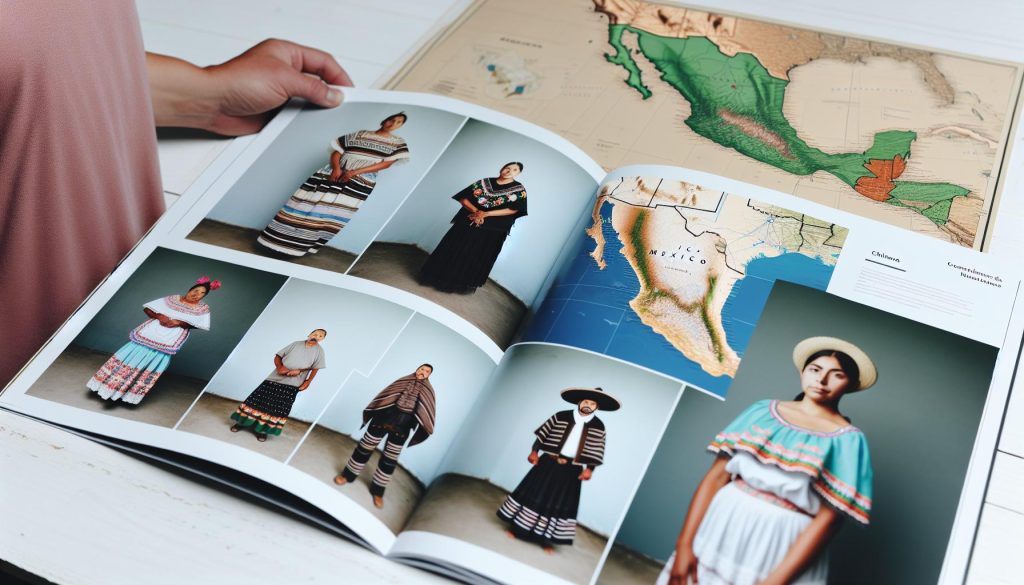
Have you ever wondered if Chihuahua is just a cute little dog breed or also a state in Mexico? That’s a common question for dog lovers and geography buffs alike! The truth is, Chihuahua is indeed a vital state in northern Mexico, renowned for its diverse landscapes and rich culture. Understanding this connection can deepen your appreciation for the breed and its heritage.
In this article, we’ll explore the fascinating geography of the state of Chihuahua, from its breathtaking deserts to its stunning Sierra Madre mountains. You’ll also learn how the characteristics of this region have influenced the beloved Chihuahua breed, making them not only charming companions but also a symbol of Mexican pride. So, let’s dive into the geography of Chihuahua and discover the intriguing facts that make this state, and those tiny dogs, truly special!
Understanding Chihuahua as a State in Mexico
Chihuahua, known as one of the largest states in Mexico, is not only significant in size but also rich in culture and history. Geographically, it is situated in the northern part of the country, bordered by the United States to the north and flanked by the Mexican states of Sonora to the west and Durango to the south. Its vast landscapes range from mountainous regions to arid desert areas, making it a haven for various flora and fauna.
The state has a deep historical background. Originally inhabited by indigenous peoples like the Tarahumara and Rarámuri, it has evolved through significant historical epochs, including Spanish colonization and the Mexican Revolution. This history is reflected in its cities, architecture, and traditions, offering a tapestry of cultural influences that have shaped its identity.
Chihuahua also boasts a diverse cultural significance. It is famous for its contributions to Mexican music and art, particularly in the mariachi and norteño genres. The state hosts numerous cultural festivals and events that celebrate its rich traditions, such as the International Chihuahua Festival, showcasing local talents and bringing together communities.
In terms of climate, Chihuahua experiences a variety of conditions, from the cooler temperatures of its mountainous regions to the warm desert climates in the south. This climatic diversity supports a mix of agricultural practices, including the cultivation of crops such as apples and pecans, which are highly valued in both local and international markets.
Chihuahua’s major cities, such as the capital, Ciudad Chihuahua, and Ciudad Juárez, serve as vibrant urban centers. They are equipped with modern amenities while preserving their historical essence, featuring attractions like the historic Plaza de Armas and the scenic Basaseachic Falls. With a growing economy based on manufacturing, agriculture, and trade, Chihuahua is not just a significant state geographically but also a vital economic player in Mexico, making it an interesting place to explore or settle in.
Geographical Location of Chihuahua
Chihuahua holds the title of the largest state in Mexico, sprouting a diverse geography that ranges from rugged mountains to vast desert landscapes. Nestled in the northern region of the country, it shares a lengthy border with the United States, making it a pivotal location both geographically and historically. The state is framed by neighboring states: Sonora to the west, Durango to the south, and Coahuila to the southeast, creating a unique boundary that contributes to its varied ecosystems.
Chihuahua’s geographical features include the Sierra Madre Occidental mountain range, which runs through the western part of the state. This range is home to some of the highest peaks in Mexico, offering breathtaking views and a variety of outdoor activities such as hiking and rock climbing. Meanwhile, the eastern section transitions into expansive plains and desert areas, where species like the roadrunner and desert tortoise flourish. This blend of environments fosters rich biodiversity and supports an array of agricultural practices, particularly in regions where irrigation is used effectively.
The varying elevations and climates across the state mean that Chihuahua experiences a wide range of temperatures and conditions. From the cooler mountain areas, which can dip into freezing temperatures, to the sun-soaked deserts that bask in heat during the day, each area provides a unique living environment that affects everything from wildlife to human settlement. The capital, Ciudad Chihuahua, is positioned in the central part of the state, serving as a cultural and economic hub that links diverse regions both within the state and beyond.
Overall, understanding the is key to appreciating its cultural heritage, economic activities, and the natural beauty that makes this state a fascinating part of Mexico.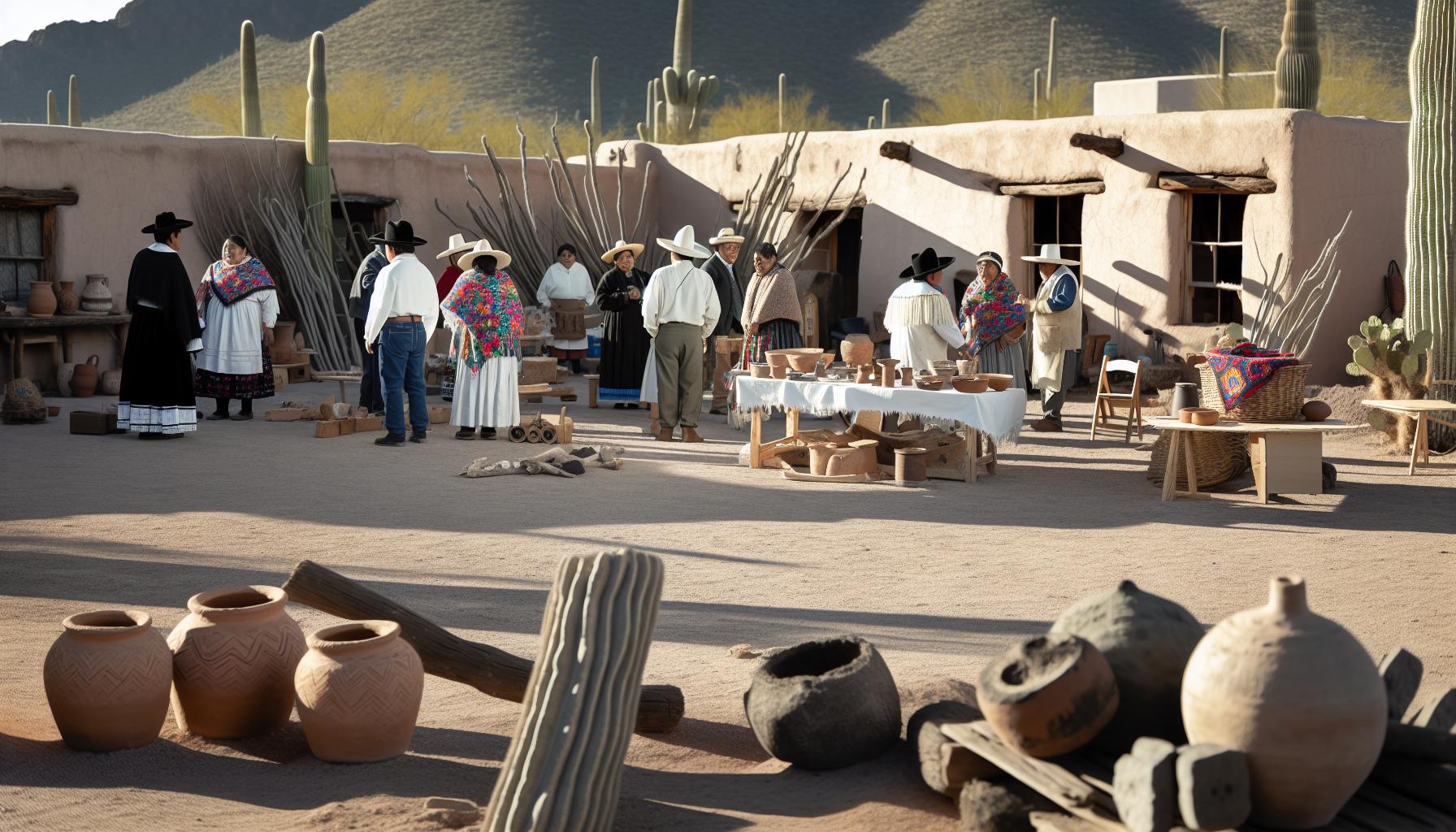
Historical Background of Chihuahua State
The history of Chihuahua State is as rich and diverse as its geography, reflecting a tapestry of cultures and events that have shaped its identity over centuries. Established as part of the Spanish colonial territory in the 16th century, Chihuahua was integral to the expansion of Spanish influence in the northern regions of Mexico. The indigenous peoples of the area, including the Tarahumara and the Conchos, adapted to the vast landscapes before colonization, which included the mountainous Sierra Madre Occidental and the arid plains that characterize the region.
During the colonial period, Chihuahua became a crucial area for mining, particularly silver, which attracted settlers and contributed significantly to the economy. The city of Chihuahua, founded in 1709, emerged as a major administrative and commercial hub. This growth coincided with a tumultuous era, as the struggle for independence from Spain ignited the passion of local leaders like Miguel Hidalgo and José María Morelos. Chihuahua played a pivotal role in the Mexican War of Independence, with many residents actively participating in the fight for freedom.
As the 19th century unfolded, the state experienced significant turmoil due to external influences and internal conflicts. The U.S.-Mexico War (1846-1848) and subsequent treaties resulted in territorial losses for Mexico and heightened tensions in the region. The arrival of the railroad in the late 19th century catalyzed economic development, facilitating trade and migration and further integrating Chihuahua into the national economy.
The 20th century brought about revolutionary changes, as the Mexican Revolution (1910-1920) fostered social and political shifts. Chihuahua State was a focal point during this conflict, with figures such as Pancho Villa emerging as key players advocating for agrarian reform and the rights of the disenfranchised. Today, Chihuahua continues to embody this resilience and spirit of innovation, balancing its historical legacy with contemporary advancements in industry and culture, making it a fascinating state with profound stories waiting to be explored.
Cultural Significance of Chihuahua
Chihuahua is much more than just a geographical region of Mexico; it represents a rich cultural tapestry woven through centuries of history, traditions, and social practices. At the heart of Chihuahua’s cultural significance is its blend of indigenous roots and colonial influences, which have birthed a unique identity that is reflected in its festivals, music, and local customs.
One of the most notable cultural elements is the indigenous influence, particularly from the Tarahumara people, known for their incredible long-distance running abilities and vibrant craftsmanship. They produce intricately woven baskets and artisan textiles that showcase their traditional patterns and colors. This craftsmanship not only preserves their heritage but also supports local economies through art markets and cultural exchanges. Additionally, the music of Chihuahua incorporates both indigenous and Spanish traditions, featuring instruments like the guitarra, violin, and distinctive regional styles that enliven community gatherings and celebrations.
Chihuahua’s festivals further exemplify its rich culture. The Fiesta de la Revolución, held in November, commemorates the Mexican Revolution with parades, traditional food, and folk music, emphasizing the state’s historical significance. Events like the Festival Internacional de Chihuahua, featuring artists from various disciplines, highlight the creative spirit and diversity within the state, fostering a sense of community and national pride.
In cuisine, Chihuahua’s culinary landscape is a celebration of its history and regional ingredients. Dishes such as caldo de menudencias (a rich stew) and machaca (shredded beef) reflect a mix of indigenous techniques and Spanish flavors, making food an essential part of cultural heritage and daily life. Street food markets buzz with activity, serving both locals and visitors who seek authentic culinary experiences.
In conclusion, the is woven into its history, people, food, and celebrations. By embracing its rich traditions while adapting to contemporary influences, Chihuahua stands as a vibrant testament to the resilience and creativity of its inhabitants, inviting everyone to explore and appreciate its unique heritage.
Climate and Natural Features of Chihuahua
Chihuahua, the largest state in Mexico, boasts a rich tapestry of climate and natural features that profoundly influence its ecosystem and the lifestyle of its inhabitants. One captivating aspect of Chihuahua is its dramatic geographical diversity, ranging from vast desert plains to towering mountain ranges. The Sierra Madre Occidental runs through the western part of the state, creating a striking contrast with the arid Chihuahuan Desert that occupies much of the east. This diversity not only shapes the physical landscape but also contributes to a wide variety of plant and animal life.
The climate in Chihuahua is generally characterized by extremes. Summers can be scorchingly hot, particularly in the lower deserts, with temperatures soaring above 40°C (104°F). In contrast, winters can be surprisingly cold, especially in the mountainous regions where snowfall is common. This creates a unique biodiversity, as both desert and alpine species find habitat within the state.
Natural Features
The varied topography of Chihuahua supports a spectrum of ecosystems:
- Forests: The higher elevations host coniferous forests teeming with wildlife, including black bears and a variety of birds.
- Deserts: The Chihuahuan Desert, one of the largest in North America, is home to unique flora such as cacti and yucca plants, as well as fauna like roadrunners and rattlesnakes.
- Water Sources: Despite the arid conditions, rivers such as the Rio Conchos and lakes like Lake Arareko offer vital water resources, supporting life and recreation.
This alternating blend of extremes makes Chihuahua a compelling destination for eco-tourists and outdoor enthusiasts. Hiking trails in the Sierra Madre offer views that are breathtaking, while the desert landscapes provide unique opportunities for stargazing thanks to the low light pollution.
In summary, the contribute to an area rich in biodiversity and cultural experiences. This dynamic environment shapes daily life and activities, making it a state where nature and culture are deeply intertwined. Whether exploring the rugged mountains or the expansive deserts, each visitor can engage deeply with Chihuahua’s remarkable geographical narrative.
Major Cities and Attractions in Chihuahua
Chihuahua, being the largest state in Mexico, is not only rich in geography but also boasts a variety of vibrant cities and attractions that highlight its unique culture and history. One of the most noteworthy cities is *Chihuahua City*, the state capital, known for its colonial architecture and as the birthplace of the Mexican Revolution. Visitors can explore the impressive *Pancho Villa Museum*, dedicated to the revolutionary leader, as well as the historic *Cathedral of Chihuahua*, a stunning example of Baroque architecture.
Another significant urban center is *Ciudad Juárez*, located on the United States border. This bustling city is famous for its cultural festivals, such as the *Juárez International Festival*, which celebrates the diverse arts and music scene. One must not miss the *Monumento a la Mexicanidad*, a monumental art piece representing Mexican culture that serves as a focal point for both locals and visitors alike.
Natural Attractions
Chihuahua is also home to some breathtaking natural attractions. The *Copper Canyon* (Barranca del Cobre), larger than the Grand Canyon, offers stunning landscapes and numerous hiking trails for adventure enthusiasts. Tourists can take the *El Chepe* train, which provides spectacular views of the canyon’s rugged terrain. Additionally, the *Cascada de Bocuengra* nearby is a beautiful waterfall that offers a refreshing escape into nature.
Cultural Experiences
Cultural experiences abound in Chihuahua, making it a fascinating place to visit. The *Chihuahua Museum* showcases the state’s history, featuring everything from prehistoric artifacts to contemporary art. Furthermore, the *Museo de Arte de Chihuahua* exhibits local and national artists, providing insights into the rich artistic heritage of the region.
Whether exploring the bustling streets of Chihuahua City, experiencing the vibrant life of Ciudad Juárez, or marveling at the natural beauty of its canyons and parks, visitors to this state will find a plethora of attractions that reflect both its rich history and contemporary culture. With each city offering its own unique set of experiences, Chihuahua stands out as a remarkable destination within Mexico.
Economy of Chihuahua: Key Industries and Trade
Chihuahua’s economy is a dynamic landscape characterized by diverse industries and a robust trade environment. This state ranks as one of Mexico’s most important economic players, largely due to its strategic location bordering the United States and its abundance of natural resources. The economic activities here are a mix of traditional agriculture, advanced manufacturing, and burgeoning industries, making it a region ripe for opportunities.
One of the key industries in Chihuahua is agriculture. The fertile valleys provide ideal conditions for growing various crops, including alfalfa, cotton, and apples, which are significant for both local consumption and export. Additionally, the state boasts livestock farming, particularly in cattle and goats, contributing to its economy and providing resources to local markets.
Manufacturing is another cornerstone of Chihuahua’s economy. The state has established itself as a hub for international companies, particularly in the automotive and electronics sectors. Numerous maquiladoras (manufacturing plants) are set up along the border, capitalizing on the proximity to the U.S. market. This allows businesses to produce goods at lower labor costs while having easy access to export routes. The town of Ciudad Juárez is particularly notable for hosting a multitude of these manufacturing operations, employing thousands of residents and playing a vital role in the region’s economic health.
Moreover, Chihuahua is experiencing growth in other sectors, such as tourism and renewable energy. The breathtaking landscapes of the Copper Canyon attract adventure seekers and nature lovers, contributing to the local economy through hospitality and service industries. As the demand for sustainable practices increases, investments in solar and wind energy are gaining traction, positioning Chihuahua as a potential leader in renewable energy in Mexico.
Economic diversification across industries has proven beneficial for Chihuahua. The mix of traditional agriculture, innovative manufacturing, and growing sectors presents a promising outlook for sustained economic growth, making it an attractive region for investment and development.
Chihuahua’s Demographics and Population Insights
Chihuahua is not only the largest state in Mexico, but it also boasts a rich tapestry of demographics that highlight the unique character of its population. The state is home to approximately 3.8 million residents, with a diverse mix of ethnic backgrounds, including a significant number of indigenous communities such as the Raramuri (Tarahumara), who are known for their endurance running and vibrant culture. This blend of influences contributes to a dynamic social fabric that is both traditional and modern, making Chihuahua a fascinating place to explore.
The population density varies significantly throughout the state, with urban areas like Ciudad Juárez and Chihuahua City exhibiting a bustling lifestyle, while more rural regions retain a slower-paced, community-oriented atmosphere. Ciudad Juárez, being a border city, serves as a melting pot, with people from various regions converging for work opportunities in manufacturing, commerce, and cross-border trade. This influx has fostered a relative youthfulness in the city’s demographics, with nearly half of its residents under 25 years old.
Another interesting aspect of Chihuahua’s demographics is the balance between urban and rural living. While urban centers are growing rapidly, a sizeable portion of the population still engages in agriculture and livestock farming in the countryside. The state’s extensive rural areas provide a viable lifestyle for families that have deep-rooted traditions in farming and ranching, thereby preserving local customs and practices that date back generations.
The state also experiences significant migration patterns, influenced by economic opportunities and family ties in the United States and other parts of Mexico. This has led to a blend of cultures that is reflected in Chihuahua’s festivals, food, and social events, creating a vibrant community atmosphere where old traditions meet contemporary influences. As Chihuahua continues to develop economically and socially, its demographics will undoubtedly evolve, showcasing an intriguing mix that captures the essence of both Mexican and American cultures.
Transportation and Accessibility in Chihuahua
Exploring this vast state offers an abundance of transportation options that cater to both residents and visitors alike. Chihuahua boasts a well-developed network of roads, making it easy to navigate its expansive landscapes and vibrant cities. Major highways connect the state with other regions of Mexico and the United States, allowing for efficient travel whether you’re heading to urban centers like Ciudad Juárez or exploring the serene countryside.
Public transportation is widely available in Chihuahua, with buses providing extensive coverage across both urban and rural areas. In the cities, various bus services and taxis ensure that residents and tourists can access points of interest without hassle. Additionally, ride-sharing apps have gained popularity, offering a convenient way to traverse the streets without the need for private vehicles. For those who prefer a more leisurely pace, many towns feature bike-sharing programs and pedestrian-friendly pathways, ideal for experiencing the local culture up close.
For longer journeys, the state is served by major airports, including General Roberto Fierro Villalobos International Airport in Chihuahua City and Abraham Gonzales International Airport in Ciudad Juárez. These airports provide domestic flights as well as international connections, making travel to and from this remarkable region effortless. The extensive rail network also facilitates the movement of goods and people, connecting Chihuahua to significant commercial hubs in the north.
In summary, whether you choose to drive, take public transit, or fly, Chihuahua’s transportation landscape is designed to accommodate a variety of needs, ensuring that you can effortlessly explore the state’s rich history, culture, and stunning natural features. With its accessibility, visiting Chihuahua becomes not just a journey but an adventure waiting to unfold.
Exploring the Cuisine of Chihuahua
Chihuahua’s culinary landscape is a delightful blend of tradition and innovation, influenced by its rich history and diverse cultural background. The state is renowned for its hearty and flavorful dishes, which reflect the agricultural bounty of the region. Staple ingredients include wheat, beans, and a variety of meats, making it a paradise for food lovers looking to explore authentic Mexican cuisine.
One of the most notable dishes originating from Chihuahua is Carne Asada, a grilled beef dish that is a must-try. Often served with tortillas and a variety of salsas, carne asada embodies the essence of Chihuahuan cooking-simple, yet rich in flavor. Local specialties also include Chile con Queso, a cheese dip that has become a staple in many Mexican restaurants. This dish showcases the region’s knack for combining robust flavors with comforting textures.
Chihuahua is also known for its sweets, with Gorditas de Nata being particularly popular. These sweet treats made from thick cream are often enjoyed with a cup of coffee, making them a perfect snack or dessert. The state’s baking culture shines through its flour tortillas, which are larger and thicker than their corn counterparts, making them ideal for wrapping around meats and vegetables.
Local markets provide an exceptional opportunity for exploring the state’s offerings. Farmers’ markets often feature fresh produce and artisanal goods, allowing visitors to experience the local flavor in its most authentic form. Pairing your culinary journey with a visit to one of these markets can deepen your appreciation for the land’s agricultural heritage.
In summary, enjoying the cuisine of Chihuahua offers not just a taste of the region but an experience of its vibrant culture and history. From its grilled meats and rich desserts to the bustling energy of local markets, the flavors of Chihuahua are as expansive and diverse as the landscape itself.
Festivals and Events Celebrated in Chihuahua
Chihuahua, a state rich in cultural heritage and vibrant traditions, comes alive during various festivals and events that reflect its unique character. One of the most notable celebrations is the Feria de Chihuahua, held annually in July. This festival features a lively lineup of concerts, traditional dances, and local gastronomy, attracting visitors from all over Mexico and beyond. During the fair, attendees can indulge in authentic Chihuahuan cuisine while enjoying the local artisans’ crafts. The festive atmosphere is adorned with regional music, showcasing the state’s musical talent.
Another significant event is the Día de la Independencia (Independence Day) on September 16, which is celebrated throughout Mexico but takes on a unique flair in Chihuahua. The capital city, also named Chihuahua, hosts grand parades that include colorful floats, folkloric dancers, and mariachis. The event fosters a sense of community, where citizens gather to honor their history with patriotism and pride.
Local traditions shine through during the Navidad (Christmas) season as well. In December, towns across the state are decorated with light displays and often host posadas-a reenactment of Mary and Joseph’s search for lodging. These events typically involve singing, food, and communal gatherings that reinforce community bonds and celebrate heartfelt values of togetherness and charity.
In addition to these larger festivals, numerous smaller celebrations honor local customs, such as the Fiesta de San Isidro in May, which showcases traditional agricultural practices and religious ceremonies dedicated to the patron saint of farmers. Such events underscore the importance of agriculture in Chihuahua’s economy and culture.
Chihuahua’s festivals and events not only celebrate the state’s history and customs but also foster a strong sense of identity and pride among its residents. Whether you’re enjoying the lively music at the Feria de Chihuahua or partaking in the heartfelt traditions of Navidad, these occasions are a testament to the rich tapestry of life in this remarkable state.
Chihuahua State: Comparison with Other Mexican States
Chihuahua, the largest state in Mexico, stands out not just for its size, but also for its unique blend of geographical, cultural, and economic factors which distinguish it from its neighboring states. Located in the northern part of Mexico, it shares borders with the United States to the north and other Mexican states like Sonora and Durango. This strategic location has shaped its culture and economy significantly, fostering a rich mix of influences from both sides of the border. The stark landscapes, from vast deserts to high mountain ranges, vary considerably compared to the tropical conditions found in states like Veracruz or the lush scenery of Chiapas.
One of the most striking differences is Chihuahua’s climate, which ranges from arid to semi-arid, setting it apart from the more humid and tropical states in the south. This distinct climate influences not only the natural features of the area, such as the majestic Sierra Tarahumara, but also the lifestyle of its residents. Agriculture here focuses on crops that can withstand dry conditions, while states like Sinaloa enjoy a more diverse agricultural output due to their favorable climate.
Economically, Chihuahua is a powerhouse known for its manufacturing and export activities, particularly in the assembly of electronics and automotive parts. This industrial focus contrasts sharply with states like Oaxaca, which relies heavily on agriculture and traditional crafts. The economic landscape is also reflected in urbanization patterns; while cities like Tijuana and Guadalajara offer their own unique cultural experiences, Chihuahua’s capital, Ciudad Juárez, is critical for cross-border trade and interaction.
Culturally, Chihuahua is celebrated for its rich indigenous heritage, particularly of the Tarahumara people, who are renowned for their long-distance running abilities and vibrant traditions, such as the unique “Juego de Pelota” (ball game). This cultural richness contrasts with the traditions you might find in Guerrero, where the famous Guelaguetza festival showcases a diverse range of indigenous cultures through dance and music. Each state’s cultural fabric adds to the colorful tapestry of Mexico, with Chihuahua’s traditions providing a unique narrative shaped by its history and geography.
In summary, comparing Chihuahua with other Mexican states reveals a rich interplay of geographical, economic, and cultural elements that define its character. From its rugged landscapes and climate to its robust manufacturing sector and vibrant traditions, Chihuahua not only stands as a pivotal element of northern Mexico but also plays a significant role in the country’s broader identity.
Q&A
Q: What is the capital city of Chihuahua, Mexico?
A: The capital city of Chihuahua is Chihuahua City. It serves as the political and economic center of the state, offering various cultural attractions, historical landmarks, and a vibrant local economy. For more about its major cities, check the section on Major Cities and Attractions in Chihuahua.
Q: How large is the state of Chihuahua compared to other states in Mexico?
A: Chihuahua is the largest state in Mexico, covering an area of approximately 247,455 square kilometers. This notable size makes it larger than many countries, emphasizing its vast landscapes and diverse geographical features.
Q: What are the primary geographical features of Chihuahua?
A: Chihuahua is characterized by vast deserts, mountains, and plateaus. Notable geographical features include the Sierra Madre Occidental mountain range and the Chihuahuan Desert, which significantly influence its climate and environment.
Q: What languages are spoken in Chihuahua, Mexico?
A: The primary language spoken in Chihuahua is Spanish. Additionally, some indigenous languages, such as Tarahumara and Tepehuan, are also spoken by local communities, reflecting the state’s rich cultural heritage.
Q: What type of climate does Chihuahua have?
A: Chihuahua experiences a semi-arid climate, characterized by hot summers and mild winters. The state receives limited rainfall, primarily during the summer months, contributing to its diverse natural habitats.
Q: What industries dominate Chihuahua’s economy?
A: Chihuahua’s economy is primarily driven by manufacturing, agriculture, and mining. The region is known for its large maquiladora industry, which plays a crucial role in its economic growth. For additional details, look into the Economy of Chihuahua section.
Q: Are there any famous festivals celebrated in Chihuahua?
A: Yes, Chihuahua hosts several famous festivals, including the Fiesta de la Revolución and the International Chihuahua Festival. These events celebrate the state’s culture, history, and community spirit, attracting many visitors each year.
Q: How does Chihuahua’s natural environment affect its culture?
A: The natural environment of Chihuahua, with its deserts and mountains, influences local traditions, cuisine, and lifestyles. This connection can be seen in the state’s rich history of indigenous cultures and their adaptation to the diverse landscape. For a deeper understanding, refer to the Cultural Significance of Chihuahua section.
Concluding Remarks
Now that we’ve explored whether Chihuahua is a state in Mexico, remember the fascinating facts that set this region apart. From its vast landscapes to its rich culture, understanding Chihuahua enhances your geographical knowledge. If you’re curious about other Mexican states or want to discover more about their unique features, check out our articles on “The Top 5 Unique States in Mexico” and “Exploring Mexico’s Diverse Geography.”
Don’t forget to subscribe to our newsletter for the latest insights and updates. Engage with us in the comments below-share your thoughts or ask questions! Your participation not only enriches our community but also supports fellow enthusiasts in their learning journey. Discover more and stay connected as you explore the wonders of geography!
Get our latest guides, news, and insights highlighted in your Google Search & AI Overviews.