
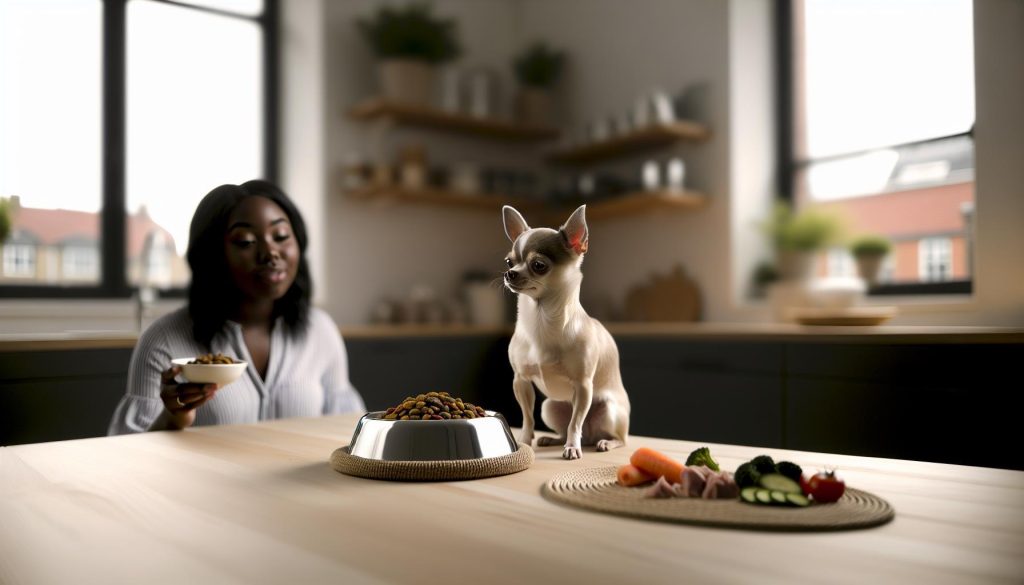
Did you know that Chihuahuas have unique dietary needs due to their small size and high metabolism? As a devoted owner of these tiny, spirited companions, understanding what they eat is essential not only for their health but also for their vibrant personalities. From their playful antics to their loyalty, every aspect of a Chihuahua’s life-especially their diet-contributes to their overall well-being.
In this guide, we’ll explore the perfect diet for Chihuahuas, addressing common concerns such as weight management and nutritional balance. Whether you’re a first-time owner or a seasoned Chihuahua enthusiast, you’ll find valuable insights into feeding strategies that cater to their distinct needs. Join us as we dive into food choices that promote vitality and happiness, ensuring your little friend remains as bold and vocal as ever!
The Nutritional Needs of Chihuahuas: An Overview
Chihuahuas, with their robust personalities and tiny frames, have unique nutritional needs that set them apart from larger breeds. These little companions require a balanced diet rich in high-quality ingredients to support their energetic lifestyles and maintain their overall health. Understanding what makes up a suitable diet for a Chihuahua is crucial for every owner, whether new or seasoned.
Small breed dogs like Chihuahuas have faster metabolisms than larger dogs, meaning they need nutrient-dense food to meet their energy requirements. A typical Chihuahua diet should include a combination of protein sources (like chicken, turkey, and fish), healthy fats (from fish oil or flaxseed), and carbohydrates (such as sweet potatoes and brown rice). These components support not only their energy levels but also their immune systems, skin health, and coat quality. It’s essential to select dog food formulated specifically for small breeds, as it typically contains the right balance of nutrients and smaller kibble size that suits their tiny mouths.
When considering the best diet for your Chihuahua, always keep an eye on common health concerns that can arise in the breed, such as dental issues and heart problems. Foods that promote dental health or are designed to support cardiac function can be beneficial. Additionally, due to their delicate digestive systems, it’s crucial to introduce new foods gradually to avoid gastrointestinal upset. Each Chihuahua is unique, so observing how your furry friend reacts to different foods can help tailor the perfect diet for him or her.
Lastly, remember that hydration is as important as food. Chihuahuas can be prone to dehydration, especially in warmer weather or after vigorous play. Always provide fresh water and consider incorporating wet food into their diet for moisture. A well-balanced diet along with proper hydration and care will ensure that your little companion thrives, embodying all the vibrant characteristics that make Chihuahuas such beloved pets.
Key Ingredients for a Healthy Chihuahua Diet
Chihuahuas may be small, but their nutritional needs are significant and deserve careful attention. These little dogs are known for their vibrant personalities and energetic lifestyles, which means their diet must be rich in high-quality ingredients to support their unique health considerations. Understanding the key ingredients that form a healthy Chihuahua diet can help ensure your beloved companion stays happy, energetic, and healthy.
A well-balanced diet for your Chihuahua should center around premium sources of protein. Chicken, turkey, and fish are excellent animal proteins that fuel energy levels and help maintain strong muscles. These proteins should form the foundation of your Chihuahua’s meals, with lean meats being the primary ingredient in their food. Fish oil is particularly beneficial, providing essential fatty acids that promote a shiny coat and healthy skin, something Chihuahuas can sometimes struggle with.
Carbohydrates should not be overlooked either! Incorporating digestible sources like sweet potatoes, brown rice, and pumpkin contributes to their health by providing vital nutrients and fiber. These ingredients are easy on their delicate stomachs and help with digestion, which is especially important for Chihuahuas who may experience gastrointestinal issues.
Additionally, incorporating healthy fats is crucial. Flaxseed oil or small amounts of coconut oil can support brain health and provide energy, enhancing overall vitality. However, keep an eye on the portion sizes, as Chihuahuas can easily gain weight due to their small size.
Finally, don’t forget about the importance of hydration! While solid food provides some moisture, always ensure fresh, clean water is available. Consider adding wet food to your Chihuahua’s diet to help with hydration while making meals more enticing.
By focusing on quality ingredients-balanced proteins, healthy carbohydrates, and fats-you’re not just feeding your Chihuahua; you’re helping him thrive. Your attention to his diet will yield a happy, healthful companion who shines with personality!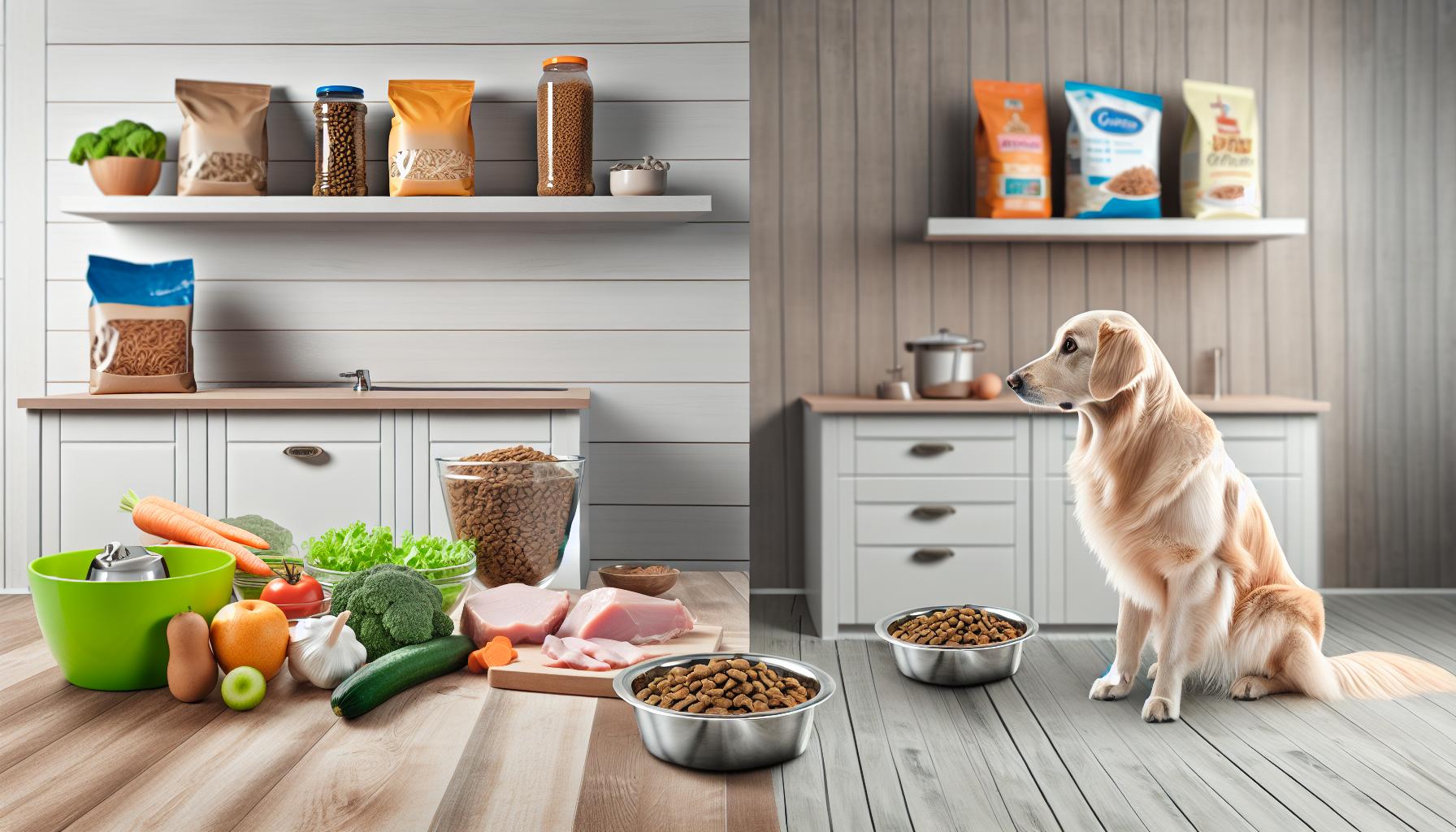
Homemade vs. Commercial Dog Food: What’s Best?
While many Chihuahua owners debate the merits of homemade versus commercial dog food, the key lies in understanding both options to ensure your tiny companion thrives. Chihuahuas have unique nutritional needs, and their food choices can significantly impact their health, energy, and overall happiness. Each approach has its pros and cons, making it essential to assess your lifestyle, your dog’s specific needs, and what he enjoys eating.
Homemade Dog Food Benefits and Considerations
Preparing homemade meals allows you to have complete control over the ingredients used, ensuring your Chihuahua receives high-quality, fresh options tailored to his preferences. For instance, lean proteins like chicken or turkey, combined with digestible carbohydrates and fiber sources like sweet potatoes, can provide a balanced diet. Moreover, homemade food minimizes the risk of fillers or additives that may not agree with your Chihuahua’s sensitive stomach.
However, crafting a nutritious homemade diet comes with challenges. It requires time, research, and a clear understanding of Chihuahua dietary requirements to avoid nutritional deficiencies. As a responsible owner, you should consult your veterinarian or a pet nutritionist to design a homemade recipe that adequately meets your Chihuahua’s caloric and nutritional needs, especially considering his size and energy levels.
Commercial Dog Food Pros and Cons
On the flip side, high-quality commercial dog foods are formulated to meet the nutritional standards set by pet nutrition experts, ensuring that your Chihuahua receives a balanced diet without the guesswork. Many brands now focus on premium ingredients, offering specialized diets for small breeds that cater to your Chihuahua’s needs.
When selecting commercial options, look for dog foods that list real meat as the primary ingredient and avoid those with excessive fillers like corn or soy. While some brands provide excellent options, always check for transparency regarding their ingredient sourcing and nutritional content.
One downside of commercial food is the potential for allergens or ingredients that your Chihuahua may be sensitive to. To minimize this risk, consider trying limited-ingredient formulas and monitor your dog’s response to identify any food allergies.
Ultimately, the choice between homemade and commercial dog food comes down to what suits your lifestyle and your Chihuahua’s specific health needs. Whichever path you choose, ensure that you provide variety, keep an eye on portion sizes, and adjust according to your little one’s age and activity levels. Remember, happy Chihuahuas come from careful, thoughtful feeding choices!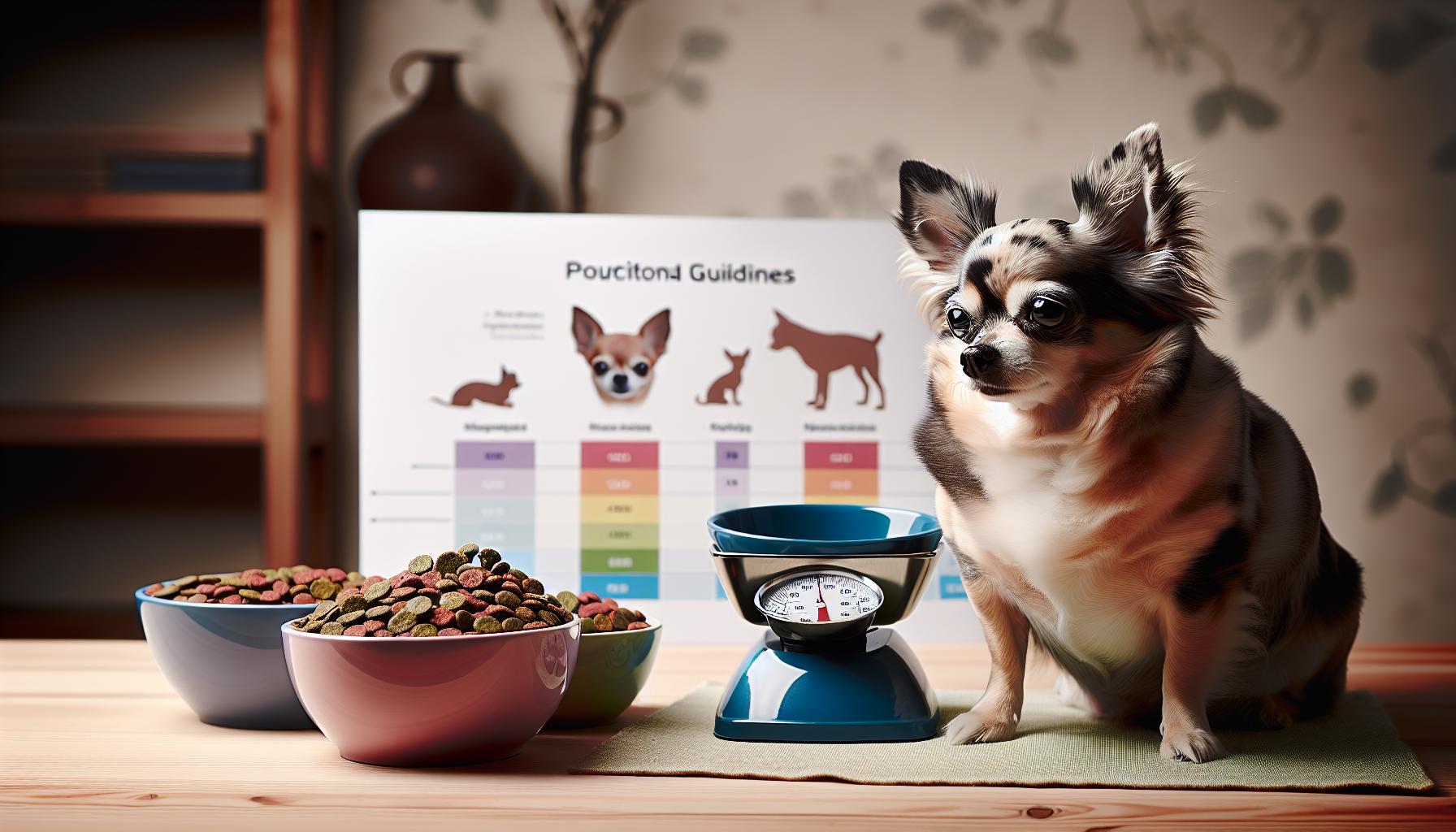
Understanding Chihuahua Portion Sizes: Feeding Guidelines
Understanding how much to feed your Chihuahua is crucial for maintaining his health and preventing obesity, a common issue among small breeds. Given their petite size, portion sizes need to be carefully calculated to avoid overfeeding. A general guideline is to distribute their daily calorie intake into several small meals, typically around two to three, to keep their energy levels stable and support their fast metabolism.
The amount of food your Chihuahua needs will vary based on several factors, including his age, weight, activity level, and overall health. For a healthy adult Chihuahua, you might start with about 1/4 to 1/2 cup of high-quality dry kibble daily, divided into meals. If your little one is less active or has special health considerations, adjusting portions downwards might be necessary. On the other hand, active young Chihuahuas may require slightly more to fuel their energy.
To visualize portion sizes, think of common measuring tools. A standard 1/4 cup measure can give you a good idea of how much food to serve per meal. For instance, if your Chihuahua weighs about 5 pounds, a daily total of 1/4 cup would typically suffice. If he is somewhat heavier, you can increase this to 1/2 cup while monitoring his weight closely. Be sure to consult the feeding guidelines on the dog food packaging, as different brands will have different calorie counts per cup.
It’s also essential to pay attention to your Chihuahua’s body condition. A slight rib prominence with a waist that’s visible when viewed from above is ideal. Owners often make the mistake of focusing solely on the food, neglecting to adjust portions as their Chihuahua ages or changes activity levels. Regular weigh-ins can help you make these necessary adjustments. If your Chihuahua tends to gain weight easily, consider using a kitchen scale to measure food accurately.
Portion control is not just about the quantity of food. Treats for training and rewards should be included within the daily caloric intake. Limiting treats and choosing low-calorie options will help maintain balance. Remember, a little extra attention to portion sizes can go a long way in keeping your beloved Chihuahua vibrant and healthy!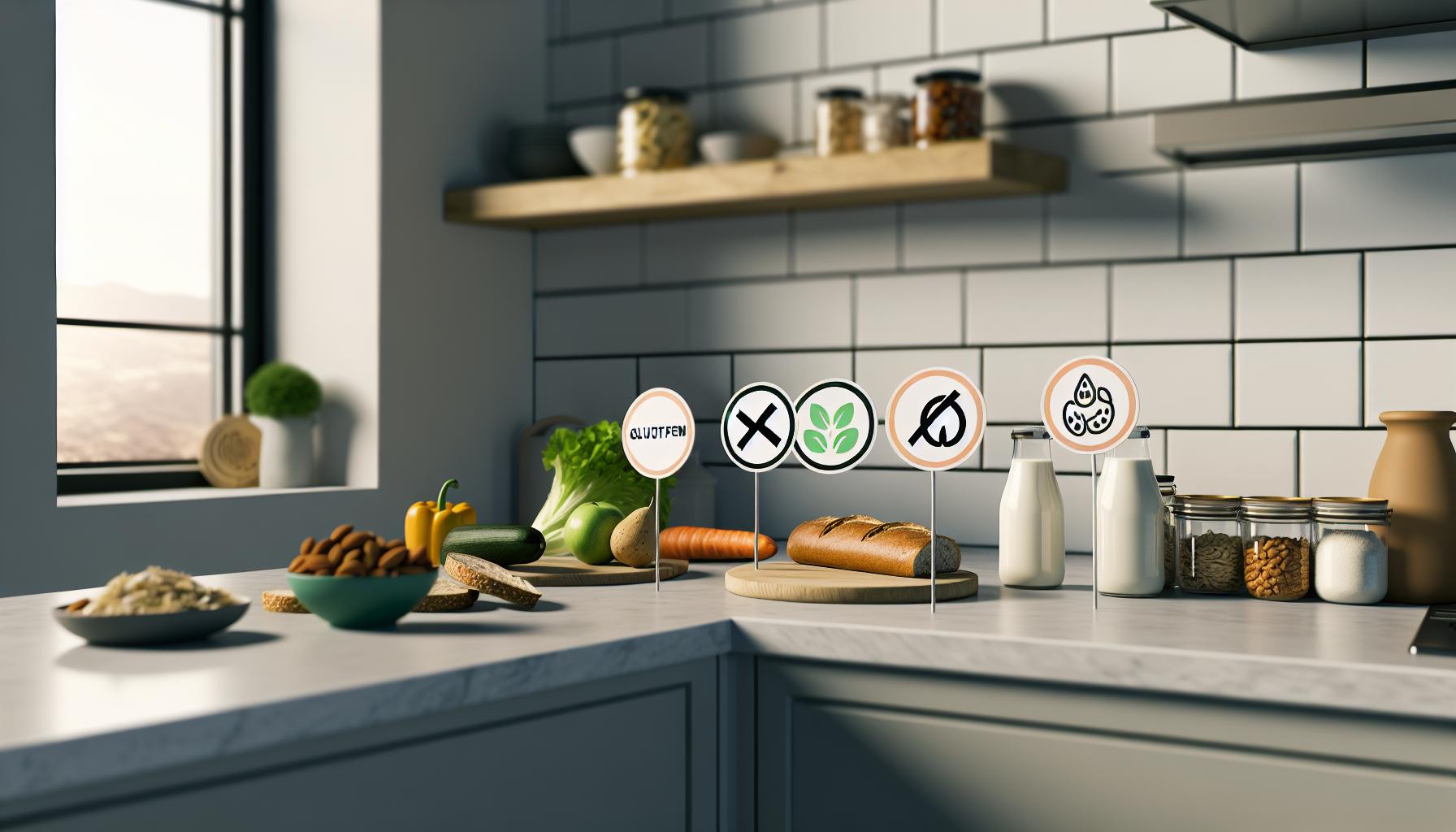
Common Dietary Restrictions and Health Concerns
Chihuahuas, though small, have unique dietary needs that can significantly impact their health and longevity. A common issue among this breed is their propensity for dental problems, including periodontal disease. Some Chihuahuas are prone to food allergies, which can manifest as itching, gastrointestinal upset, or even ear infections. If your little one is showing signs of discomfort or unusual behavior, it could be time to assess what’s on his plate.
Choosing the right food can be tricky. Many commercial dog foods contain fillers or artificial additives that may not agree with your Chihuahua’s sensitive tummy. For instance, grains can sometimes provoke allergies. Owners often find success with limited-ingredient diets or grain-free formulas that focus on high-quality proteins, such as chicken or fish. Always monitor your pup after introducing new foods; even subtle reactions can hint at underlying sensitivities.
Moreover, obesity is a serious concern in Chihuahuas, which can lead to other health issues, including diabetes and joint problems. This breed typically requires a calorie-controlled diet, especially if their activity levels fluctuate. Regular veterinary check-ups can help you keep an eye on your Chihuahua’s weight and overall health. Real-life anecdotes, like the tale of Bella, a 7-year-old Chihuahua who lost weight by switching to a tailored diet and incorporating more playtime, highlight how small changes can have a big impact.
As a Chihuahua owner, understanding your companion’s specific dietary needs is essential. Keep an eye out for , and don’t hesitate to reach out for professional advice or support from fellow Chihuahua enthusiasts.
The Ideal Treats for Tiny Appetites
There’s nothing quite like the joy of watching your Chihuahua wag its tiny tail in excitement over a treat! These little champions of personality deserve snacks that cater not just to their discerning tastes but also to their unique nutritional needs. When selecting ideal treats for your Chihuahua, it’s important to keep in mind their size, weight, and potential health issues, like dental problems or food allergies.
For Chihuahuas, treats should be small, soft, and easy to chew. Look for options that are low in calories to prevent excessive weight gain, which can lead to serious health concerns. Natural, limited-ingredient treats are often a safe bet. These treats usually contain high-quality proteins and are free from harmful fillers or artificial preservatives. Brands specializing in small dog treats often have bite-sized options designed specifically for Chihuahuas.
Here are some popular types of treats to consider:
- Soft Chews: Chewy treats that are easy on tiny teeth and gums can help maintain oral health.
- Training Treats: Look for treats specifically formulated for training, as they are usually low-calorie and highly palatable, making them great for frequent use.
- Freeze-Dried Meat: A single ingredient option like freeze-dried chicken or turkey can be a thrilling and nutritious reward.
- Vegetable Snacks: Small pieces of cooked carrot or sweet potato can serve as a healthy, crunchy alternative.
When introducing a new treat, always monitor your Chihuahua for any signs of allergies or digestive upset. If you’re a new Chihuahua owner, a friend might share how their little Bella lights up at the sight of a small piece of cheese, but it’s essential to be cautious with dairy in some Chihuahuas, as it can cause tummy troubles! Always break down treats into smaller pieces to prevent choking and to extend the joy of treat time.
Remember, the best treats not only reward good behavior but also promote overall health, making treat time a delightful and guilt-free experience for both you and your cherished companion.
Nutritional Supplements for Vibrant Chihuahua Health
Incorporating nutritional supplements into your Chihuahua’s diet can significantly enhance her overall health and vitality. Given their tiny stature and unique health considerations, Chihuahuas may benefit from specific vitamins and minerals that support their well-being. Many owners find that these supplements can be pivotal, particularly for older Chihuahuas or those with specific health concerns. Whether you’re a first-time owner or a seasoned Chihuahua enthusiast, understanding the right supplements can empower you to support your furry friend’s longevity and quality of life.
First, consider a high-quality multivitamin specifically formulated for small breeds. These often include essential nutrients like vitamin E, which supports immunity; B-complex vitamins that aid in energy metabolism; and omega fatty acids, known to promote a healthy coat and skin. A supplement with glucosamine and chondroitin may be beneficial for older Chihuahuas, promoting joint health as their little bones endure the years of playful antics and jumping.
Types of Nutritional Supplements
- Probiotics: These can help maintain digestive health, which is vital for Chihuahuas who are prone to stomach sensitivities. Probiotics can support a balanced gut, improving nutrient absorption and reducing issues like diarrhea.
- Fish Oil: Rich in omega-3 fatty acids, fish oil is excellent for skin health, reducing inflammation, and even enhancing brain function. Many owners report shinier coats and happier dogs after adding fish oil to their diets.
- Dental Chews: Beyond just a treat, these can serve as an essential supplement for oral health, aiding in the prevention of tartar build-up, which is particularly important for small breeds prone to dental issues.
- Joint Supplements: Look for those that include natural ingredients like green-lipped mussel or turmeric. These ingredients can help support mobility and maintain active lifestyles, crucial for a breed known for its spirited nature.
When choosing supplements, always consult with your veterinarian, especially if your Chihuahua has pre-existing health conditions or is on medication. They can guide you on the right dosage and monitor any potential interactions. Remember, while supplements can be beneficial, they should complement a well-rounded diet that includes high-quality dog food and fresh, wholesome treats.
Integrating the right supplements into your Chihuahua’s routine can help her thrive, ensuring she remains that lively, vocal companion we all adore. It’s a simple step that reflects your dedication to her health and happiness, allowing her to continue being the bold little character she is, full of love and mischief!
Hydration: The Importance of Water for Your Chihuahua
Keeping your tiny companion well-hydrated is essential for her overall health and vitality. Chihuahuas, with their small frames and high metabolisms, require consistent access to fresh water to aid digestion, regulate body temperature, and support their active lifestyle. Water plays a crucial role not just in physical health but also in maintaining mental acuity and energy levels needed for engaging in their spirited activities and interactions with you.
To ensure your Chihuahua is drinking enough, always provide fresh, clean water in a bowl that is easy for her to access. Some owners find that their Chihuahuas prefer certain types of bowls; for example, dogs with apple-heads might enjoy lower bowls, while those with longer snouts might prefer taller ones. It’s a simple adjustment that can make a big difference in how much water she consumes. Refill her bowl throughout the day and consider investing in a water fountain, which can intrigue her into drinking more, as many Chihuahuas are attracted to the sound and movement of flowing water.
You might notice that some Chihuahuas enjoy their water mixed with a small amount of low-sodium chicken broth or a splash of tuna juice, which can encourage them to hydrate, especially if they are reluctant drinkers. This little trick not only stimulates her interest but also adds flavor! However, make sure that any additives are safe and healthy for her, avoiding anything with excessive sodium or preservatives.
It’s equally important to monitor her hydration during the warmer months or if she’s particularly active. Chihuahuas can easily become dehydrated, especially when playing outdoors or during warmer temperatures. Signs of dehydration include lethargy, dry gums, and a lack of elasticity in the skin. If you notice these signs, immediately offer her water and consult your veterinarian if symptoms persist. Regular hydration checks are a vital part of keeping her happy and healthy, so stay attentive to her needs and ensure her little water bowl is always full!
Feeding Schedules: When and How Often to Feed
Determining the right feeding schedule for your Chihuahua is essential for her health and well-being. These tiny, spirited companions thrive on routine, and establishing a consistent mealtime helps regulate their metabolism and can greatly reduce anxiety. Whether you have a feisty apple-head or a sleek deer-head Chihuahua, understanding their unique needs will guide you in creating the best dining schedule.
Most adult Chihuahuas benefit from being fed two meals per day, spaced approximately 8-12 hours apart. This can help maintain steady energy levels and prevent the risk of hypoglycemia. Puppies, on the other hand, have different requirements due to their growing bodies and high energy levels. They typically need to eat three to four times a day until they reach six months of age, ensuring they receive the nutrients required for proper development.
When setting feeding times, consider your own schedule as well as your Chihuahua’s daily activities. Are mornings your busiest time? You might choose to feed her around lunchtime instead. It’s also important to keep her meals consistent in terms of both time and portion sizes. For example, maintaining specific times for breakfast and dinner can help regulate her bodily functions and create a sense of security.
Chihuahuas may be vocal about their hunger, but don’t be swayed by those adorable puppy eyes! Stick to measured portions based on her age, weight, and activity level instead of free-feeding. If you prefer to dispense treats throughout the day, be mindful of her total calorie intake to prevent obesity-something that’s a genuine risk for such small breeds.
To summarize, establish a routine that works for you and your Chihuahua while ensuring she gets enough food distributed throughout the day. Adjust portions and feeding times based on her response to meals, and consult your veterinarian if you’re unsure about her specific needs. With time and observation, you’ll find the perfect balance that keeps her healthy, happy, and full of life!
Adjusting Your Chihuahua’s Diet by Age and Activity Level
Adjusting your Chihuahua’s diet according to their age and activity level is crucial for their overall health and happiness. These tiny companions may have small physiques, but their nutritional needs can vary significantly throughout their life stages and based on how active they are. For example, a lively puppy will have different dietary requirements than a more sedentary senior, and even slight changes in activity can influence how much and what they should be eating.
Puppy Nutrition
For those adorable, energetic puppies, nutrition plays a vital role in their growth and development. Chihuahuas typically require three to four meals a day until they reach about six months of age. This frequency supports their rapid metabolism and ensures they’re getting enough energy to explore their world. Look for high-quality puppy food that specifically lists meat as the first ingredient-this is essential for their development. Feeding suggestions might include:
- High-protein kibble or wet food
- Smaller kibble pieces for easier chewing
- Frequent but moderate portion sizes to avoid upsets
As they grow, you can shift to fewer meals per day but maintain a focus on balanced nutrition to support their small but dynamic bodies.
Adult Chihuahuas
Once your Chihuahua becomes an adult around one year old, their diet can transition to two meals a day. Adult Chihuahuas typically thrive on meals that provide sustained energy without leading to weight gain. If your pup is a regular little whirlwind, they may require a slightly higher caloric intake compared to a more sedentary dog. The ideal adult Chihuahua diet includes:
- A balanced mix of protein (chicken, turkey, or fish)
- Healthy fats (like omega-3s for a shiny coat)
- Fruits and vegetables (carrots and blueberries can be great)
Keep an eye on their weight and adjust portion sizes and the richness of the food accordingly. Remember, fat accumulation can sneak up on these small breeds.
Seniors and Weight Management
As your Chihuahua reaches their senior years (typically around 7 years old), their metabolism begins to slow down, and maintaining an appropriate weight becomes even more critical. This is the time to consider a food specifically formulated for senior dogs, which often contains fewer calories and added vitamins and minerals to support aging joints and health. Be sure to focus on:
- Low-calorie options to prevent obesity
- Joint support ingredients like glucosamine and chondroitin
- Increased fiber for digestive health
Monitor their activity level closely; if you notice a decrease in playfulness, it might be time to adjust their diet further.
By tailoring your Chihuahua’s diet as they age and adjusting it according to their activity levels, you will ensure they remain vibrant and healthy companions throughout their lives. Pay attention to their individual needs, observe their behavior, and don’t hesitate to consult your veterinarian for personalized advice anytime you’re in doubt! Proper nutrition is key to celebrating your Chihuahua’s bold spirit and those tiny, charming quirks.
Identifying Food Allergies in Chihuahuas: Signs to Watch For
Chihuahuas can be notoriously sensitive when it comes to their diet, and identifying food allergies can be a pivotal step in ensuring her health and happiness. Just like us, our tiny companions can have adverse reactions to certain ingredients in their food, and being vigilant about the signs is essential. For instance, skin issues or gastrointestinal disturbances can sometimes indicate an underlying food allergy, making it crucial to pay close attention to her behavior after meals.
Common symptoms that might suggest your Chihuahua is experiencing food allergies include:
- Itchy skin: Excessive scratching, biting, or licking can point towards an allergic reaction. Look for red, inflamed areas, especially around the ears, paws, and belly.
- Gastrointestinal problems: Vomiting, diarrhea, or gas can indicate that something isn’t agreeing with her stomach.
- Ear infections: Frequent, recurrent ear infections can also signify a food sensitivity, as the ears are often affected by systemic allergic reactions.
- Changes in behavior: Increased agitation or lethargy may occur if she feels uncomfortable or is in pain due to her diet.
If you notice any of these signs, it’s time to consult with your veterinarian. They may recommend an elimination diet, where you would slowly introduce one ingredient at a time to pinpoint the offending food. Remember, allergies can develop over time, even to foods she’s eaten without issue in the past, so staying observant will go a long way.
Chihuahuas, especially the apple-headed variety, have unique needs, and some may be more prone to allergies than others. Always opt for high-quality dog food that lists real meat as the primary ingredient and is free from fillers or artificial additives. Your commitment to monitoring her diet closely isn’t just about avoiding allergies-it’s about celebrating her health and ensuring that her spirited personality continues to shine bright!
Celebrating Your Chihuahua’s Unique Eating Habits
Every Chihuahua has their own unique palate, and understanding these little vets for flavor is part of what makes caring for them so delightful. Their tiny size, coupled with a bold personality, means they often have a refined taste and may become quite particular about their food. Whether you find your Chihuahua indulging in a treat for being exceptionally cute or engaging in a little negotiation when it comes to dinner, it’s essential to celebrate their delightful eating habits.
Chihuahuas can be vocal about their needs, often expressing excitement or disappointment when it comes to meal times. For instance, a small apple-headed Chihuahua named Bella might dance around her dish when she smells her favorite chicken-flavored kibble, while her buddy Max, a deer-head Chihuahua, might give you the famous “puppy eyes” if he thinks his food is too bland! These endearing quirks make it crucial for owners to take note of what delights their furry friend’s taste buds. A varied diet not only keeps them happy but also contributes significantly to their overall health.
When it comes to snacks, these tiny appetites thrive on small, manageable portions. Consider incorporating fresh fruits like blueberries or small pieces of cooked chicken into their diet for added nutrition and enjoyment. Just remember, moderation is key. Chihuahuas, with their petite frames, can easily overindulge, so it’s wise to keep treats to about 10% of their daily caloric intake. This way, you can pamper them without compromising their health.
Furthermore, reflecting on your Chihuahua’s individual preferences can foster a deeper bond. Take the time to experiment with homemade recipes or special commercial treats that focus on high-quality ingredients. You may discover that your Chihuahua prefers a certain texture or flavor that makes mealtime not only nourishing but a true celebration of their unique personality. After all, each meal is a moment to acknowledge your little companion’s joyful spirit and zest for life, making feeding a shared experience filled with love and delight.
Q&A
Q: What fruits can Chihuahuas eat safely?
A: Chihuahuas can safely enjoy small amounts of fruits like apples (without seeds), blueberries, bananas, and watermelon (seedless). These fruits provide vitamins and hydration. Always introduce new foods gradually and watch for any allergic reactions. For detailed dietary guidelines, refer to “Key Ingredients for a Healthy Chihuahua Diet.”
Q: Can Chihuahuas eat human food?
A: Yes, but with caution. Chihuahuas can eat certain human foods like plain cooked chicken, turkey, or steamed vegetables, but avoid toxic foods like onions, grapes, and chocolate. Moderation is key to prevent digestive issues. For more safe food options, check “The Ideal Treats for Tiny Appetites.”
Q: How often should I feed my Chihuahua?
A: Adult Chihuahuas should be fed twice a day while puppies require more frequent meals (3-4 times). Regular feeding schedules help manage their small appetites and maintain healthy weight. For more tailored feeding advice, see “Feeding Schedules: When and How Often to Feed.”
Q: What are the signs of food allergies in Chihuahuas?
A: Signs of food allergies in Chihuahuas include itchy skin, ear infections, digestive upset, and unusual behavior after eating. If you suspect allergies, consult your vet for appropriate testing and dietary adjustments. For a deeper understanding, refer to “Identifying Food Allergies in Chihuahuas: Signs to Watch For.”
Q: Is grain-free food better for Chihuahuas?
A: Grain-free diets can be beneficial for some Chihuahuas, especially those with grain sensitivities. However, balanced nutrition should take priority. Always consult your veterinarian to ensure the diet meets their specific needs. For a balanced food discussion, explore “Homemade vs. Commercial Dog Food: What’s Best?”
Q: How can I tell if my Chihuahua is overweight?
A: To assess if your Chihuahua is overweight, check for a visible waistline and easily felt ribs. If you can’t feel their ribs without excessive pressure, it may indicate excess weight. Regular exercise and proper diet can help. For additional weight management tips, refer to “Understanding Chihuahua Portion Sizes: Feeding Guidelines.”
Q: Are there any special dietary needs for senior Chihuahuas?
A: Yes, senior Chihuahuas often require lower-calorie diets to prevent obesity and foods rich in fiber to aid digestion. Look for diets formulated for small breeds in their golden years. For tailored nutritional changes, see “Adjusting Your Chihuahua’s Diet by Age and Activity Level.”
Q: What should I do if my Chihuahua refuses to eat?
A: If your Chihuahua refuses to eat, assess their environment for stressors and check for any underlying health issues. Offering fresh food, rotating flavors, or warming their meals may rekindle their appetite. For further assistance, see “Common Dietary Restrictions and Health Concerns.”
Future Outlook
As a proud Chihuahua owner, you know that their needs are unique! Providing the right diet is essential for keeping her healthy and happy. Remember, a balanced diet not only supports her tiny appetite but also enhances her adorable personality. If you’re unsure about the best food options, check out our guide on “The Best Foods for Chihuahuas” and ensure you’re making the best choices for her health.
Don’t let the complexities of nutrition overwhelm you-your commitment to your furry friend makes all the difference. Share your experiences in the comments below or connect with fellow Chihuahua enthusiasts on our community page. And for more expert tips, subscribe to our newsletter for the latest articles on Chihuahua care, behavior, and health. Together, we can make sure your little companion thrives!
Get our latest guides, news, and insights highlighted in your Google Search & AI Overviews.