

Chihuahuas are not just adorable companions; they can also be long-lived dogs, with an average lifespan of 12 to 20 years. Understanding when Chihuahuas typically die isn’t just about numbers; it’s crucial for every owner who wants to provide the best care throughout their lives. As these tiny dogs are known for their bold personalities and unique health challenges, knowing the factors that influence their lifespan can empower you to make informed decisions that enhance their quality of life. From nutrition and exercise to genetics and veterinary care, every aspect plays a role in your furry friend’s longevity. By delving deeper into this topic, you’ll create a nurturing environment that celebrates your Chihuahua’s quirks while ensuring they thrive for as long as possible. So, let’s explore the important factors that contribute to your Chihuahua’s lifespan and unlock the secrets to a longer, healthier life together.
When Do Chihuahuas Typically Pass Away?
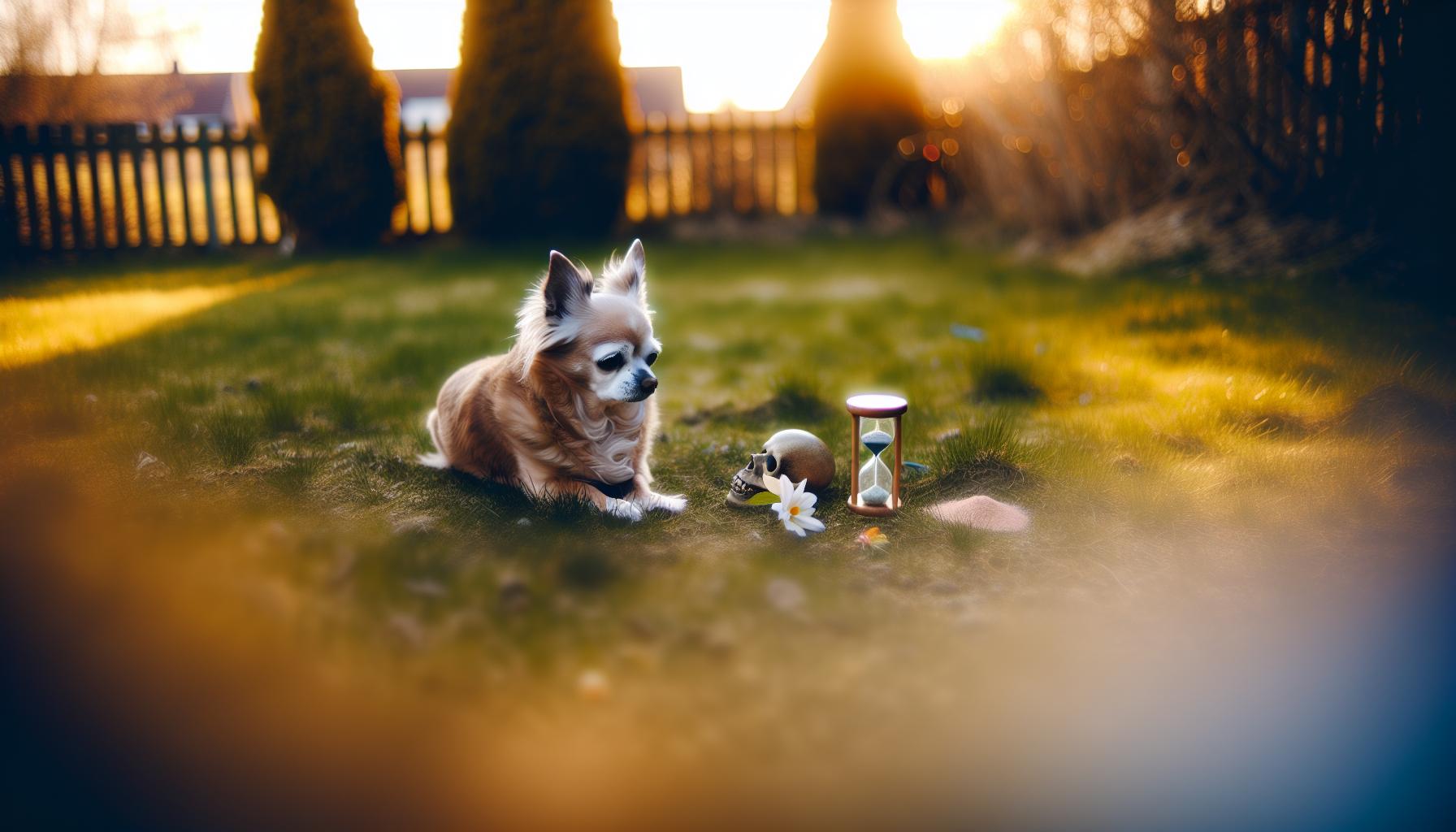
Many Chihuahua owners find themselves pondering the delicate balance of life with these spirited little dogs, especially when it comes to their lifespan. Chihuahuas generally live between 12 to 20 years, with an average of around 15 years. This makes them one of the longer-lived breeds in the canine world. The exact age when a Chihuahua may pass away can vary greatly, influenced by a myriad of factors-including genetics, health, and lifestyle choices made throughout their life.
Making sure your Chihuahua thrives into their senior years involves understanding the nuances that affect their longevity. Genetic predispositions play a significant role; for instance, some Chihuahuas may be bred with health issues in mind, affecting life expectancy. Conditions like heart disease, dental problems, and patellar luxation are common in the breed, and proactive veterinary care can help mitigate these risks. Regular check-ups are crucial for early detection of any potential health problems which could shorten their lifespan.
Diet and exercise are also essential components of extending your furry friend’s life. Balanced nutrition tailored to their specific needs, along with consistent play and exploration, keeps them both physically and mentally stimulated. A healthy Chihuahua is an active Chihuahua; regular walks-even short ones-can enhance their mood and health. Owners often share how their Chihuahuas seem to flourish with routine playtime, which not only keeps them agile but strengthens the bond between owner and pet.
Being aware of the aging signs is crucial to providing the best care in their later years. As Chihuahuas age, they may need adjustments in their diet, routine, and living environment to keep them comfortable. Prioritizing their comfort and health not only makes their golden years enjoyable but also supports a fulfilling life, even in their final days. Embracing the quirks of your loyal companion while nurturing their needs can lead to a rich and rewarding experience, not just during their life but in the memories you create together.
Understanding the Average Lifespan of Chihuahuas
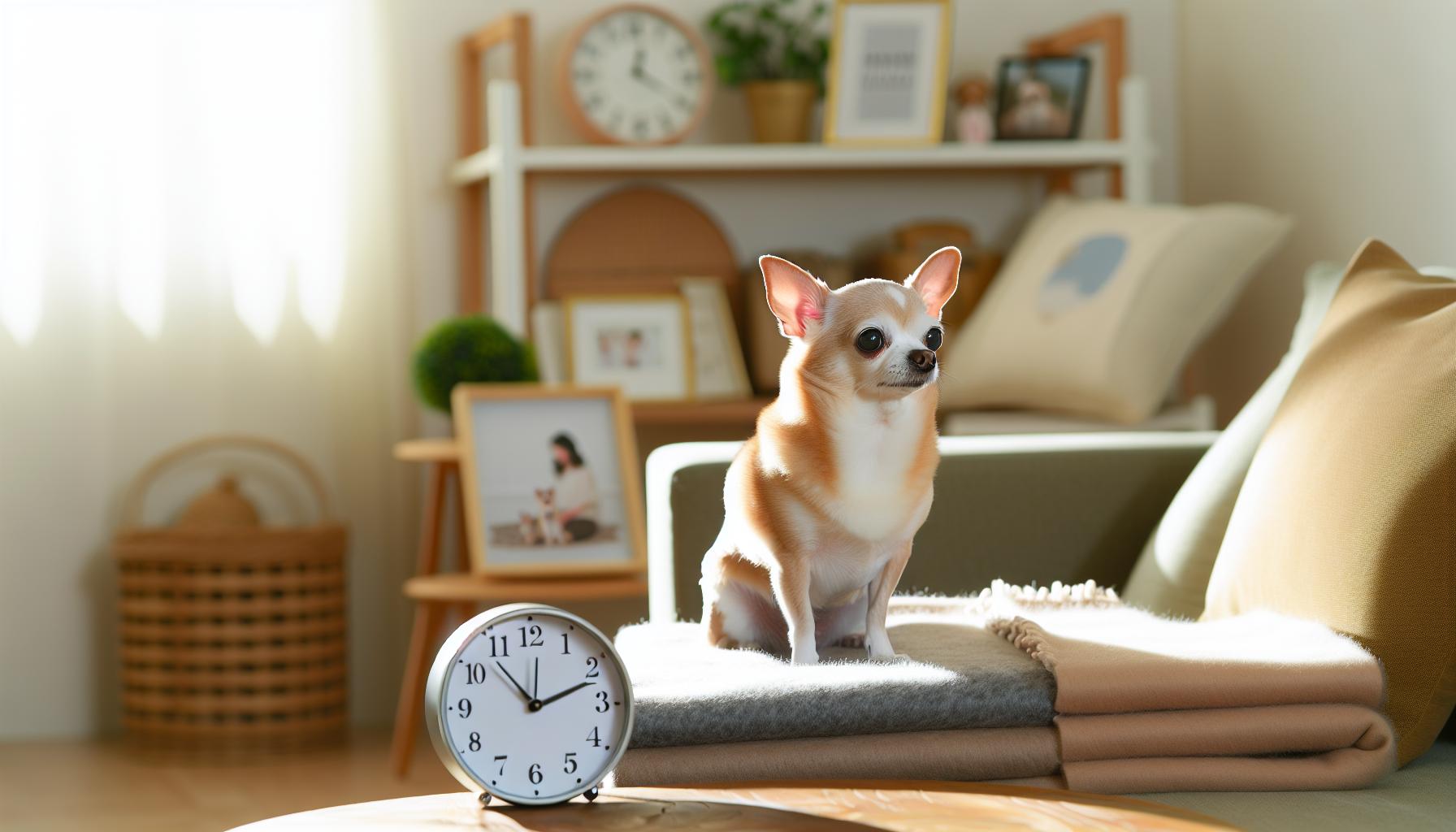
Chihuahuas, with their bold personalities and tiny frames, often captivate the hearts of their owners. When it comes to lifespan, these delightful companions typically live between 12 to 20 years, with an average around 15 years. This impressive longevity places Chihuahuas among the longer-lived dog breeds, giving their owners many years of love and joy. However, predicting the exact age at which your Chihuahua may pass is not an exact science; various factors such as genetics, lifestyle, and health significantly influence their life expectancy.
One of the fundamental aspects of a Chihuahua’s lifespan is its genetics. Certain bloodlines may predispose puppies to specific health issues. For example, Chihuahuas are prone to conditions like heart disease, dental issues, and patellar luxation. This is why it’s essential to choose breeders who prioritize health testing and responsible breeding practices. Regular veterinary check-ups play a crucial role as well; they enable early detection of potential health problems, allowing for timely intervention that could extend your Chihuahua’s life.
Diet and exercise are other vital components of fostering a long, healthy life for your Chihuahua. Their tiny size may mislead some owners into thinking they have minimal exercise needs, but Chihuahuas are active little beings that thrive on play and exploration. A rich diet tailored to their age, size, and activity level supports their overall health. Owners often find that their Chihuahuas flourish with the right combination of nutritious food and regular activity, such as walks or playtime. Not only does this help maintain a healthy weight, but it also keeps their spirits high, which is just as important for longevity.
As you navigate your Chihuahua’s life stages, remember to cherish the quirky moments and unique personality traits that define them. From vocal antics to their unwavering loyalty, each characteristic adds richness to your time together, making every moment valuable. Understanding these facets of your Chihuahua’s lifespan empowers you to provide the best possible care, ensuring that your beloved companion enjoys both a long and fulfilling life.
Key Factors Influencing Chihuahua Longevity

Chihuahuas are often celebrated for their vibrant personalities and remarkable resilience. As a breed, they typically live between 12 to 20 years, with the average lifespan averaging around 15 years. Understanding the key factors influencing their longevity not only helps you prepare for a long life together but also enhances the quality of those years. Various components-ranging from genetics to lifestyle-play a crucial role in determining how long your tiny companion will be by your side.
Genetic Considerations
Genetics heavily influence a Chihuahua’s health and lifespan. Some bloodlines are predisposed to certain health issues, including heart disease and dental problems. For instance, apple-head Chihuahuas may have unique anatomical traits, making them susceptible to respiratory issues. Therefore, opting for a reputable breeder who prioritizes health testing can significantly lower the risk of inherited health concerns, ensuring a longer, healthier life for your Chihuahua.
Health Maintenance
Regular veterinary visits are vital for early detection of health problems. Frequent check-ups allow for vaccinations, dental cleanings, and screenings for common issues like patellar luxation. Keeping up with preventive care can extend your Chihuahua’s lifespan, providing peace of mind for both you and your beloved pup. Additionally, maintaining a watchful eye on your Chihuahua’s behavior for any signs of discomfort or changes can help catch medical issues early.
Nutrition and Exercise
A well-balanced diet specifically formulated for small breeds is essential for maintaining a healthy weight and ensuring your Chihuahua gets the nutrients she needs. High-quality ingredients help support their metabolism and energy levels. Regular playtime and moderate exercise-not just for fun but as a way to maintain cardiovascular health-are equally important. Chihuahuas enjoy daily walks and interactive play, which stimulate their minds as much as their bodies, contributing to a happier and longer life.
Incorporating these factors into your Chihuahua’s routine creates an environment where she can thrive. By addressing health concerns, ensuring proper nutrition, and engaging her playful spirit with exercise, you not only enhance her quality of life but also celebrate the joys and quirks that make Chihuahuas such special companions. Remember, the love and care you provide will significantly influence her longevity and happiness.
Health Concerns Impacting Your Chihuahua’s Lifespan
Chihuahuas, with their spirited personalities and remarkable resilience, can face various health concerns that may impact their lifespan. As a breed with unique attributes, understanding common health issues is essential for providing the best care possible. Many Chihuahuas can live between 12 to 20 years, but certain health factors can shorten this precious time. Knowing what to watch for can help you better protect your tiny companion as they age.
A significant health concern for Chihuahuas is heart disease, particularly mitral valve disease. This condition affects the heart’s ability to function properly, and unfortunately, it’s more common in older Chihuahuas. Regular veterinary check-ups are indispensable. Routine heart screenings can identify problems early, allowing for better management. Look out for symptoms such as coughing, lethargy, or difficulty breathing; these could signal a heart issue that needs immediate attention.
Another prevalent issue in this breed is dental disease. Chihuahuas are prone to dental problems due to their small mouths and crowded teeth. Neglecting their dental health can lead to painful infections and tooth loss, which may affect their overall health and well-being. Ensure you maintain a consistent dental care routine: brush their teeth regularly, provide dental chews, and schedule professional cleanings as needed. Remember, good oral hygiene positively influences not just their teeth, but their heart and overall health too.
Additionally, be aware of patellar luxation, where the kneecap dislocates easily. This painful condition can lead to mobility issues and, in extreme cases, require surgical intervention. Keeping your Chihuahua at a healthy weight through a balanced diet and appropriate exercise is essential for minimizing the risk of joint problems. Consider consulting your veterinarian about an ideal diet tailored to your Chihuahua’s needs, which can help maintain healthy joints.
In addition to regular health care practices, understanding the unique quirks of your Chihuahua can also significantly contribute to their longevity. For instance, their sensitivity to temperature can affect their health; they are prone to hypothermia in cooler weather and overheating in heat. Always ensure they are comfortable and protected from extreme conditions. Regularly assess their living environment to make sure it is safe and inviting, and always keep enrichment activities at the forefront to support their mental well-being.
By addressing these health concerns with vigilance, you not only help extend your Chihuahua’s lifespan but also promote a happier, healthier life. Your attentive care will enhance those beloved moments together, ensuring your loyal companion remains vibrant and cherished for many years to come.
Nutrition and Diet: How to Extend Their Life

Maintaining a nutritious diet is one of the most crucial factors influencing your Chihuahua’s lifespan. These tiny companions thrive on a balanced diet tailored specifically to their needs. It’s essential to remember that not all dog food is created equal; quality matters significantly when it comes to keeping your furry friend healthy and vibrant. High-quality ingredients can help ward off health issues like obesity and heart disease, which are prevalent in the breed.
When selecting food for your Chihuahua, focus on options rich in animal proteins, healthy fats, and essential vitamins and minerals. Look for dog food formulated for small breeds, which often includes a proper balance of nutrients suited to their metabolism. Protein sources such as chicken, fish, or lamb should top the ingredient list. Additionally, incorporating fresh fruits and vegetables, like carrots and blueberries, can provide valuable antioxidants and fiber.
Regular feeding schedules can play a crucial role in your Chihuahua’s overall health. Smaller meals throughout the day, rather than one or two large ones, can help stabilize blood sugar levels and prevent overeating. This feeding strategy is particularly beneficial, as Chihuahuas are prone to dental issues, and smaller pieces of food are easier to chew and digest.
Hydration is Key
Don’t underestimate the importance of fresh water. Always ensure your Chihuahua has access to clean, fresh water, especially after meals and playtime. Proper hydration is vital for their overall health, aiding digestion and preventing urinary tract issues.
In addition to standard kibble, consider healthy treats for training or bonding moments. Opt for low-calorie options like frozen peas or small pieces of apple, ensuring they’re safe for your pup. Remember to adjust meal portions accordingly to maintain a healthy weight.
A well-balanced diet combined with regular vet check-ups will establish a solid foundation for your Chihuahua’s long and happy life. Your conscious efforts to provide quality nutrition not only extend their years but also enhance their overall well-being, wrapped in all the joy they bring you every day.
The Role of Exercise in a Chihuahua’s Health
Chihuahuas, despite their tiny stature, have a vibrant energy that necessitates regular exercise to keep them fit and healthy. Engaging your Chihuahua in physical activity not only helps maintain a healthy weight but also significantly contributes to their overall well-being and longevity. Regular exercise can prevent obesity-a common issue in Chihuahuas due to their small size and propensity to be pampered. Daily playtime, whether in the form of short walks, playdates, or energetic games of fetch, can keep them physically and mentally stimulated.
Incorporating a variety of activities is crucial. Chihuahuas enjoy short bursts of high-energy play, such as chasing balls or toys. Aim for at least 30 minutes of exercise spread out throughout the day. This can include brisk walks around the neighborhood or fun indoor games when the weather doesn’t cooperate. It’s important to note the breed’s penchant for being vocal and bold; this means that while they may love to run, they also enjoy offering their opinions on the speed and direction of the activities. Owners often find joy in this animated participation, which enhances the bond you share with your furry friend.
Building a routine around playtime can also help establish structure in your Chihuahua’s day. Consider using a mix of familiar toys and new ones to keep their interest piqued. Some Chihuahuas respond well to agility training, which can provide both physical exercise and mental challenges. This not only keeps them fit but also nurtures their intelligence. Remember that your little companion thrives on consistency, so try to maintain a regular schedule that includes their favorite activities.
Lastly, be mindful of the signs of fatigue or overheating, especially during warmer months. Chihuahuas are sensitive to temperature and can tire easily due to their small size. Incorporate plenty of breaks during play sessions, and ensure they have access to fresh water. By nurturing your Chihuahua’s need for exercise and engagement, you cultivate a healthy lifestyle that directly contributes to a longer, happier life.
Genetic Factors Affecting Chihuahua Lifespan
Chihuahuas are small in size but can be big in life expectancy, often living anywhere from 12 to 20 years. However, one of the crucial elements determining how long your Chihuahua thrives revolves around genetics. Understanding the genetic factors at play can empower you as a responsible owner to help your little companion live a full and healthy life.
Heredity plays a significant role in the longevity of Chihuahuas. Certain genetic lines may carry predispositions to health issues that can impact lifespan. For instance, some Chihuahuas may be more prone to heart problems, such as patellar luxation and mitral valve disease. These conditions can affect their overall health and may require ongoing veterinary care. As you consider bringing a Chihuahua into your family, it is essential to select a reputable breeder who prioritizes health testing and genetic screening in their breeding program. Engaging with breeders who can provide insights into the health backgrounds of their puppies is invaluable for understanding any potential issues.
In addition to inherited health conditions, the physical traits of Chihuahuas can also influence their lifespan. For example, apple-headed Chihuahuas, known for their rounded heads, may face certain cranial issues that require special attention. Conversely, deer-headed Chihuahuas usually have a more elongated snout and may experience fewer complications related to their skull structure. The appearance and size of your Chihuahua can offer clues about their genetic background and potential health concerns, guiding you in providing care tailored to their specific needs.
Ultimately, while genetics are an influential factor in your Chihuahua’s lifespan, the active measures you take-such as regular health check-ups and monitoring changes as they age-can mitigate risks associated with inherited conditions. Being aware of these hereditary elements and fostering a proactive approach to their healthcare will not only enhance their quality of life but also may extend those precious years you share together. Embracing this journey with your Chihuahua will leave you with rewarding experiences, moments filled with love, and many delightful adventures along the way.
Behavioral Traits and Their Impact on Longevity
Chihuahuas are famously spirited, showcasing remarkable personalities packed into their tiny frames. While their boldness and vocal tendencies contribute to their charm, these behavioral traits also play a significant role in their longevity. Understanding how your Chihuahua’s behavior impacts their health can help you foster a happy and healthy life for your companion.
Chihuahuas thrive on positive social interactions. Their loyalty and attachment to their humans can lead to separation anxiety if they are not adequately socialized or left alone for extended periods. This anxiety can manifest in various ways, such as excessive barking, destructive behavior, or even health issues stemming from stress. To mitigate these concerns, consider gradually introducing your Chihuahua to different environments and people from a young age. Engaging in training classes can also provide socialization opportunities, helping your pup develop the confidence to handle new situations smoothly.
Moreover, Chihuahuas are known for their spirited antics and zest for life, which can positively affect their health. Regular playtime not only strengthens the bond between you and your Chihuahua but also encourages physical activity, keeping them fit and mentally stimulated. Consider incorporating short bursts of play that engage their natural behaviors-such as tug-of-war with toys or interactive puzzles-tailored to your Chihuahua’s preferences. For example, when Bella, a spirited apple-headed Chihuahua, engages in brief, joyful runs around the yard, she demonstrates how active play can uplift spirits while maintaining physical health.
Lastly, remember that Chihuahuas are naturally curious and require mental challenges to thrive. Boredom can lead to undesirable habits that might compromise their well-being. Providing them with varying forms of mental enrichment-like puzzle toys, training games, or even scent work-can keep their minds sharp and reduce anxiety-related behaviors, ultimately supporting a longer, healthier life. Maintain a blend of consistency and variety in your dog’s routine to cater to their dynamic personalities and health needs.
By embracing and understanding these unique behavioral traits, you’re not just enhancing your Chihuahua’s quality of life; you’re paving the way for those coveted years filled with love, mischief, and companionship.
Common Misconceptions About Chihuahua Lifespan
Many people believe that Chihuahuas live much shorter lives than they actually do. This breed can enjoy a lifespan ranging from 12 to 20 years, with many factors influencing their longevity beyond mere genetics. A common misconception is that their small size inherently makes them more fragile or prone to health issues. In reality, Chihuahuas are resilient little creatures, and with proper care, they can thrive well into their senior years.
Another myth centers around the idea that all Chihuahuas are inherently unhealthy or require extensive veterinary care. While like all breeds, they can be susceptible to certain conditions-such as dental problems and patellar luxation-many Chihuahuas remain robust and vigorous with regular veterinary check-ups, a balanced diet, and appropriate exercise. Neglecting these aspects of their care can lead to the very health issues people often associate with the breed.
Furthermore, some new owners mistakenly think that because Chihuahuas are small, they don’t need much exercise. This could not be further from the truth. While their petite size means they may tire quickly, engaging them in daily walks and playtime is essential for keeping them physically fit and mentally stimulated. Short bursts of energetic play, such as fetch or interactive games, are ideal for these little dynamos. For example, many owners have found that their Chihuahuas thrive on routine-an energetic apple-headed Chihuahua named Chico lights up during his daily park outings, demonstrating how crucial activity is for his well-being.
Misunderstandings about their social needs also abound. It’s often thought that Chihuahuas are fine to be left alone for long periods because they are small and independent. In truth, their strong attachment to humans can lead to issues like separation anxiety if they are not socialized appropriately. Early socialization can help to alleviate these problems. Owners who introduce their Chihuahuas to various environments and experiences during puppyhood often find them to be more adaptable as adults, showcasing the breed’s vibrant personality without the anxieties associated with isolation.
By shattering these misconceptions, you can better appreciate the unique vibrancy Chihuahuas bring to our lives and advocate for the right care that allows them to flourish for many happy, healthy years.
Signs of Aging in Chihuahuas to Watch For
As Chihuahuas age, they may start to exhibit a variety of changes that signal it’s time to be more attentive to their needs. These little companions, often full of life and spunk, can face unique challenges as they grow older. One of the first signs of aging you’ll notice is a shift in energy levels. While your Chihuahua may have once been a bundle of energy, he might now prefer to nap more frequently or take shorter walks. This decreased activity may not just be laziness; it could be a sign of joint pain or other discomfort that comes with age.
Another important indicator is changes in eating habits. A senior Chihuahua might become pickier with his food or may not eat as much as he used to. This can be due to dental issues, which are common in this breed, or simply a changing metabolism. It’s wise to monitor his weight; both weight loss and significant weight gain can indicate underlying health issues. If you notice any drastic changes in his appetite, a consultation with your veterinarian is a must.
It’s also worth watching for behavioral shifts. If your once-vocal Chihuahua becomes noticeably quieter or shows signs of anxiety, these could be signs of cognitive decline. Senior dogs may experience confusion or disorientation, such as getting lost in familiar places or being less responsive to commands. Regular interaction and mental stimulation can help keep his mind sharp during these golden years.
Finally, be on the lookout for physical signs of aging. This can include a graying snout, stiff joints, or increased difficulty jumping up or down. Dental issues can manifest as bad breath or difficulty chewing. Keeping up with vet visits will help catch any potential health issues early and ensure your canine companion enjoys the best quality of life possible.
In caring for an aging Chihuahua, your warm, consistent affection will go a long way. Modify activities such as reducing the length of walks while maintaining their regularity, and provide comfortable resting spots. Consider softer food options or dental chews to help with his eating experience. With attentive care, you can ensure that your little buddy continues to thrive well into his senior years, bringing joy and companionship just as he always has.
How to Provide Comfort in Their Golden Years
As your Chihuahua grows older, providing him with comfort becomes a vital part of ensuring his happiness and quality of life. These little bundles of personality-whether they’re sassy apple-heads or long-haired beauties-deserve our support as they navigate their golden years. One of the key aspects of caring for a senior Chihuahua is to create a cozy, safe environment that accommodates his changing physical needs and mental state.
Start by providing soft, supportive bedding. Look for orthopedic pet beds that relieve pressure on his joints, especially if he shows signs of stiffness. Many Chihuahuas enjoy snuggling under blankets, so consider a warm, plush blanket that he can burrow into. Make sure his resting area is quiet and free from drafts, creating a peaceful sanctuary where he can retreat when he’s feeling tired or a bit off.
Incorporating gentle exercise into his daily routine is essential, but it should be appropriate for his energy levels. Shorter, more frequent walks are often better than long walks, as they allow him to enjoy the fresh air without overexerting himself. Light playtime with soft toys can stimulate his mind while keeping his body active, so you’re maintaining both physical and mental health. Remember, though, your Chihuahua knows his limits better than anyone-if he seems fatigued, allow him to rest.
Nutrition plays a crucial role in his comfort and overall longevity. Consult your veterinarian about senior-specific dog food, which is formulated to meet the nutritional needs of older dogs. You might need to shift his diet to softer food options that are easier on his teeth, particularly if he has dental issues common in the breed. Incorporating high-quality, digestible ingredients can make a significant difference in his energy levels and comfort.
Pay close attention to his emotional health as well. Senior Chihuahuas may experience anxiety or confusion as they age, so maintaining a familiar routine can provide a sense of security. Keep engaging with him regularly, using his favorite toys or even teaching him new tricks at a slower pace to keep his mind active. Simple changes in your environment, like ensuring easy access to food, water, and outdoor areas, can significantly enhance his comfort.
Through these thoughtful changes, not only will you enhance your Chihuahua’s comfort, but you’ll also strengthen the bond you share. As he navigates the sunset of his life, your love, patience, and attention will help him feel safe and cherished, bringing joy in every wag of his tiny tail.
Enriching Activities for Aging Chihuahuas
As your treasured Chihuahua ages, engaging him in enriching activities ensures that his golden years are filled with joy and stimulation. These tiny companions thrive on interaction, so it’s crucial to adapt their play and activities to suit their changing energy levels while keeping their sharp minds active.
Start with mental stimulation. Chihuahuas are clever little beings, and puzzle toys can be a fantastic way to challenge their intellect. Look for treat-dispensing toys that require problem-solving; this not only keeps their minds occupied but can also help alleviate anxiety and boredom. Simple games like hide-and-seek with treats can also be enjoyable. Hide small morsels around the house and let your Chihuahua sniff them out. This taps into his natural hunting instinct and provides a rewarding experience.
Gentle Physical Activities
Maintaining physical activity is also essential, but it should be tailored to his needs. Consider short, frequent strolls that allow him to explore his environment without overexertion. A slow-paced walk around the block can be refreshing and gives him the opportunity to interact with other dogs and people, which is vital for his socialization. If he enjoys being outdoors, a fenced backyard offers a safe space for him to wander and explore. Interactive play with soft toys can gently stimulate both his body and mind without causing fatigue.
Social Interaction
Another enriching activity involves socialization. If your Chihuahua is comfortable around other pets, arranging playdates can spark joy and promote social skills. Ensuring he’s exposed to various environments, sounds, and smells can also enhance his adaptability and confidence. Even simple trips to a pet-friendly café or a friend’s house can be exciting adventures.
Lastly, don’t underestimate the importance of affection. Spending quality time cuddling on the couch with a cozy blanket while watching a movie can be just as beneficial as more active forms of play. Your subtle attention will reinforce his emotional well-being, letting him know he’s loved and secure.
By thoughtfully integrating these activities into his daily routine, you ensure that your senior Chihuahua remains physically active, mentally stimulated, and emotionally supported, maximizing his quality of life as he gracefully ages.
Q&A
Q: What is the average lifespan of a Chihuahua?
A: The average lifespan of a Chihuahua is typically between 12 to 20 years. Factors such as genetics, diet, and overall healthcare significantly influence their longevity.
Q: What health issues are common in aging Chihuahuas?
A: Aging Chihuahuas often face health issues like heart disease, arthritis, and dental problems. Regular veterinary check-ups can help manage these conditions as they age.
Q: How can I tell if my Chihuahua is getting older?
A: Signs that your Chihuahua is aging may include reduced energy, changes in appetite, and increased sleep. It’s important to monitor these changes and consult a vet for any concerns.
Q: What should I feed my aging Chihuahua to improve their lifespan?
A: A balanced diet rich in protein, healthy fats, and antioxidants is vital for aging Chihuahuas. Consider feeding them smaller meals more frequently to aid digestion and maintain energy.
Q: How does exercise affect my Chihuahua’s lifespan?
A: Regular exercise is crucial for maintaining a Chihuahua’s health and can extend their lifespan. It helps with weight management and keeps their joints flexible, promoting overall well-being.
Q: Can stress affect a Chihuahua’s longevity?
A: Yes, stress can adversely impact a Chihuahua’s health and reduce their lifespan. Provide a stable environment, regular routines, and positive reinforcement to minimize stress.
Q: What environmental factors should I consider for my Chihuahua’s longevity?
A: It’s essential to create a safe environment for your Chihuahua, away from extreme temperatures and hazards. A comfortable living space contributes significantly to their overall health and lifespan.
Q: How can I make my Chihuahua’s senior years more comfortable?
A: To enhance your Chihuahua’s comfort in their senior years, provide orthopedic bedding, regular vet check-ups, and gentle exercise tailored to their ability. Enriching their environment with toys can also help keep them engaged.
Key Takeaways
As you reflect on the average lifespan of Chihuahuas and the factors that influence their health, remember that your love and care play a critical role in ensuring a long, happy life for your little companion. Each Chihuahua, from the feisty apple-head to the charming deer-head, brings its unique quirks and needs. Implementing regular vet visits, a balanced diet, and plenty of exercise can make all the difference.
Want to dive deeper? Check out our articles on Chihuahua health tips and understanding their behavior for even more insights. And don’t forget to share your experiences in the comments! Your stories enrich our community and help fellow owners feel supported. Stay connected by signing up for our newsletter and be the first to receive expert tips tailored just for Chihuahua owners like you. The joy of sharing your life with a Chihuahua is profound, and every day is an opportunity to create cherished memories together!
Get our latest guides, news, and insights highlighted in your Google Search & AI Overviews.