

Did you know that even though Chihuahuas are tiny, they can be susceptible to serious digestive issues like bloat? This potentially life-threatening condition occurs when gas builds up in the stomach, causing it to distend. As a devoted Chihuahua owner, it’s crucial to understand the signs and risks associated with bloat to keep your furry companion safe. Chihuahuas, with their bold personalities and unique body shapes, can be at higher risk due to factors like rapid eating or stress. By recognizing the symptoms and being aware of preventative measures, you can help ensure your little friend stays healthy and happy. Join us as we explore the intricacies of bloat in Chihuahuas, providing insights and advice to support their digestive health and overall well-being.
Can Chihuahuas Get Bloat? Understanding the Risks
While many people might think that bloat, also known as gastric dilatation-volvulus (GDV), is a condition that primarily affects larger dog breeds, it’s important to recognize that Chihuahuas are not immune. In fact, their small size, unique anatomy, and varying eating habits can make them particularly susceptible to this serious condition. Understanding the risks and being proactive about your little companion’s health can make a significant difference in preventing this potentially life-threatening situation.
Chihuahuas have a compact body structure which, while charming, can lead to complications in their digestive system. As a small breed, their stomachs are proportionately smaller, which means that even a small amount of food or air can cause discomfort. When they eat too quickly or gulp down air while drinking, their stomach can easily expand, and in some cases, it can twist. This is why keeping an eye on how your furry friend consumes their meals is crucial. Implementing slow feeder dishes or feeding smaller, more frequent meals can help reduce the chances of bloat.
Moreover, certain lifestyle factors can increase the risk of bloat in Chihuahuas. For instance, stress can play a significant role. A sudden loud noise, a visit to the vet, or even a change in routine can unsettle your tiny companion, potentially affecting their digestive health. Engaging in rigorous exercise immediately after eating can also elevate this risk. A more gentle approach to exercise-allowing time for digestion before engaging in play-will benefit your Chihuahua’s overall well-being.
Additionally, age and genetics are factors to consider. Older Chihuahuas may be at a higher risk due to age-related digestive issues. Keeping in contact with your veterinarian for regular check-ups can help monitor your Chihuahua’s health and identify any early signs of distress. By understanding these unique risk factors, you’ll be better equipped to protect your beloved furry friend from the dangers of bloat.
The Anatomy of Chihuahuas: Why Size Matters

Chihuahuas are one of the smallest breeds in the dogdom, often weighing around 2 to 6 pounds. This compact size not only contributes to their adorable appeal but also places them at risk for specific health issues, most notably bloat, or gastric dilatation-volvulus (GDV). Their unique anatomy-featuring a delicate skeletal structure and a small, highly elastic stomach-can complicate digestive processes. Recognizing how their size impacts their health is crucial for every Chihuahua owner.
The Importance of Stomach Size
Chihuahuas possess proportionately smaller stomachs compared to larger breeds. This means that even a small amount of food or gas can lead to an uncomfortable buildup. If your loyal companion tends to inhale his meals or gulp water instead of sipping, he may be taking in air along with his food. These actions can cause the stomach to expand rapidly, increasing the risk of bloat. Implementing slow feeders can be a game-changer. These innovative bowls encourage your furry friend to take his time while eating, significantly reducing the likelihood of digestive distress.
Behavioral Considerations
Beyond their anatomy, the tiny stature of Chihuahuas also influences their behavior and environment. They are vocal, bold, and full of personality, traits that often lead to excitement during mealtime or playtime. However, this exuberance can be a double-edged sword. A loud noise or sudden movement can trigger anxiety, impacting your dog’s ability to eat calmly. Creating a serene feeding environment is essential; consider choosing a quiet spot away from household bustle. This approach will not only help meal times be more enjoyable but also minimize the chance of bloat.
Aging and Genetic Predispositions
As Chihuahuas age, their bodies change, and digestive challenges may arise. Older Chihuahuas often experience a decrease in muscle tone, affecting how their digestive systems function. If your Chihuahua is a senior, pay close attention to his eating habits and make adjustments as necessary. Regular vet check-ups can help monitor any health shifts and ensure early intervention if problems arise. By understanding how age and genetics can affect your Chihuahua’s digestive health, you can adapt his care to prevent issues like bloat.
In conclusion, embracing the intricacies of your Chihuahua’s anatomy and their unique behaviors can be incredibly rewarding. By taking proactive steps in their diet, environment, and health management, you not only improve their quality of life but also ensure that they continue to be the vibrant, loyal companions we adore.
What is Bloat? Symptoms Every Owner Should Know
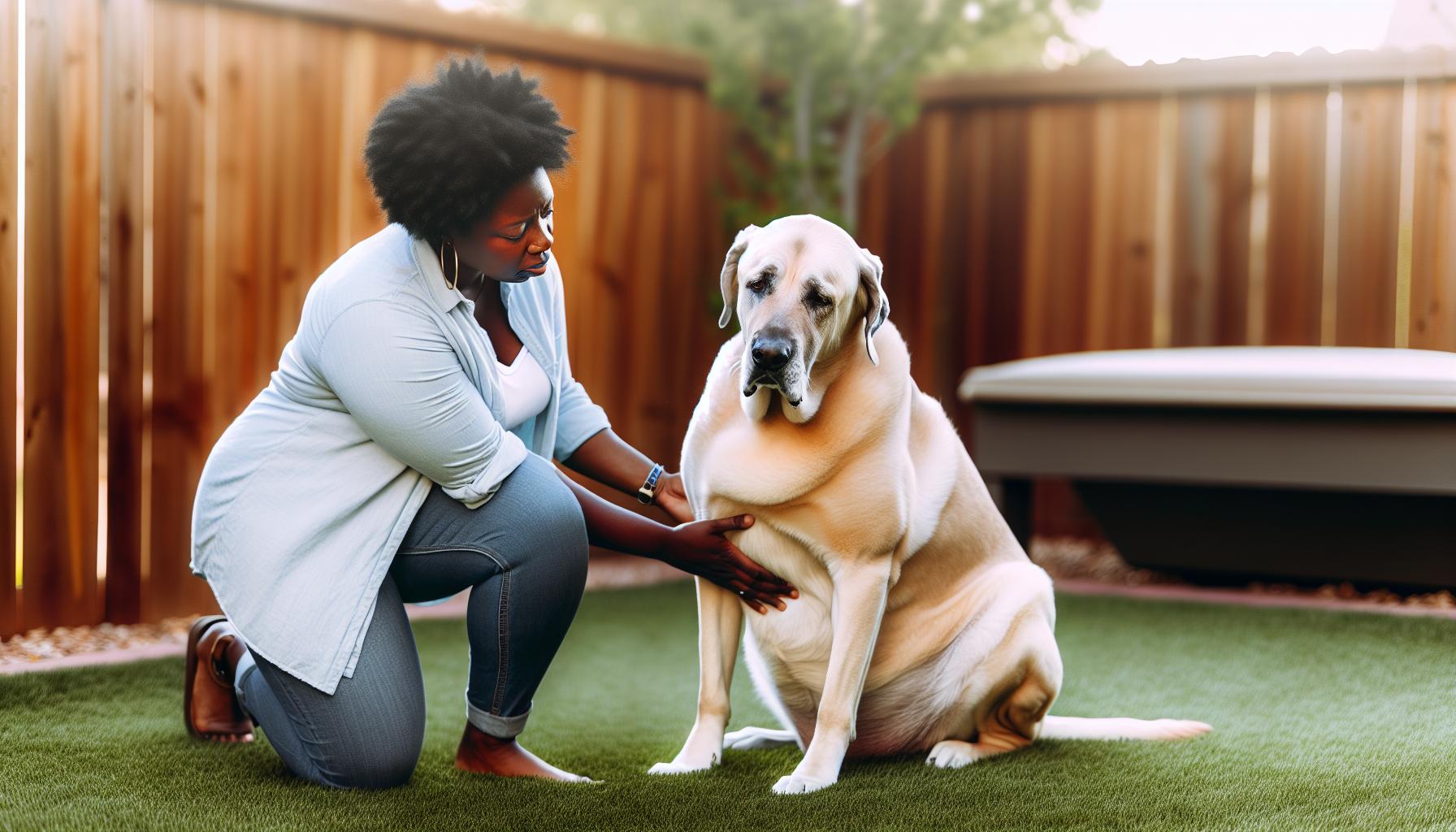
Bloat is a condition that can have dire consequences if not addressed quickly, especially in a delicate breed like Chihuahuas. This issue, known medically as gastric dilatation-volvulus (GDV), occurs when the stomach fills with gas and subsequently twists upon itself, cutting off blood supply and trapping gas. This can happen within a matter of hours, making it a serious concern for Chihuahua owners. Understanding what bloat is and recognizing the symptoms can potentially save your furry friend’s life.
Chihuahuas are independent little souls, often bursting with personality and energy, which can sometimes make them oblivious to their own limits. This feistiness can lead them to eat quickly or overindulge, increasing the risk of bloat. Key symptoms to look for include:
- Distended stomach: This may appear swollen or tense.
- Restlessness: If your Chihuahua cannot find a comfortable position or seems unusually anxious, it could be a sign.
- Unproductive vomiting: Your dog may attempt to vomit but expel nothing; this is a critical warning sign.
- Rapid breathing: An elevated heart rate, or difficulty breathing, can indicate stress on the body.
- Excessive drooling: Increased saliva production can be a response to nausea and discomfort.
If you notice any combination of these symptoms, it’s essential to act swiftly. Many Chihuahua owners have recounted instances where recognizing these signs early mitigated the severity of the situation. For example, one owner shared how her proactive approach to her aging Chihuahua helped catch the early stages of bloat. After noticing her dog’s refusal to eat and unusual pacing, she rushed him to the vet, where immediate treatment was started, ultimately saving his life.
The stakes are high with this condition, but awareness and quick response can serve as your first line of defense. Regular check-ups, attentive observation of your pup’s behavior, and a gentle feeding routine can help manage the risk factors associated with bloat. Your Chihuahua may be small, but the love and loyalty they offer are immense, and being informed is the first step to ensuring their health and happiness.
Identifying the Risk Factors for Your Chihuahua

While the thought of bloat might be unsettling, being aware of the various risk factors specific to Chihuahuas can greatly enhance your ability to prevent this serious condition. These spirited little companions are not just small in size; their unique anatomy and behavior play significant roles in their overall health and vulnerability to digestive issues.
Chihuahuas, particularly those on the smaller side, are predisposed to certain lifestyle habits that increase the likelihood of bloat. One key factor is their eating behavior. Many Chihuahuas, driven by their bold and confident personalities, tend to inhale their food rather than savoring each bite. This rapid ingestion can lead to excess air being swallowed, raising the risk of stomach distension. To mitigate this, consider using slow feeder bowls designed with obstacles that make your furry friend take smaller bites-a simple yet effective way to promote healthy eating habits.
Another contributor to the risk of bloat is the timing of meals and exercise. A common mistake among dog owners is to allow vigorous play or exercise immediately after meals. For Chihuahuas, whose small frames are particularly sensitive, this can be disastrous. Make it a routine to wait at least an hour after feeding before engaging in any high-energy activities. This gives their little tummies time to settle, reducing the chances of bloat occurring.
Chihuahuas also tend to be more sensitive to their environments and stressors. Household changes, visitors, or even loud noises can induce anxiety, which negatively impacts digestion. Owners should be attentive to their pup’s emotional state and create a calm, secure environment. Providing a designated quiet space for your Chihuahua can help reduce stress and its related risks.
Lastly, genetics and breed characteristics cannot be overlooked. Certain Chihuahuas, particularly those with a more apple-shaped head, may have structural variances that affect how their bodies process food and air. Knowing your pup’s lineage and discussing these aspects with your vet can provide personalized insights into their specific risks.
By staying aware of these factors and taking proactive steps to manage them, you can significantly decrease your Chihuahua’s chances of experiencing bloat. Engaging in regular check-ups with your veterinarian, maintaining a balanced diet, and creating a stress-free living environment are all part of loving and safeguarding your spirited companion. Your Chihuahua’s health is a reflection of the love and care you provide, so embrace this journey together!
Preventive Measures for Digestive Health

Chihuahuas are small, lively companions, but their petite size comes with unique health considerations, particularly concerning digestive issues like bloat. As a proud owner of a Chihuahua, ensuring her digestive health is crucial for her happiness and longevity. Implementing effective preventive measures can significantly reduce the risk of bloat and keep your little friend thriving.
One key aspect to consider is how often and how you feed your Chihuahua. Instead of packing her meals into one or two large servings, break the food into several smaller meals throughout the day. This not only helps manage her appetite but also reduces the volume of food in her stomach at any given time, decreasing the chances of stomach distention. Many owners find that using a slow feeder bowl allows their dogs to eat at a slower pace, which can greatly reduce the amount of air ingested during meals. Plus, it turns mealtime into a fun challenge!
Another simple yet effective strategy is to monitor her activity level around mealtime. Chihuahuas, in their typical bold and spirited manner, often want to play right after eating. Encourage a routine where you keep playtime to a minimum for at least one hour post-meal. This buffer allows her stomach to settle and minimizes the risk of bloat. Remember, a calm, quiet environment during feeding can also help her eat in a more relaxed state.
Stress management is another critical element of digestive health in Chihuahuas. These little dogs can be sensitive to their surroundings and may react strongly to changes, loud noises, or even new visitors. Creating a secure and stress-free zone in your home allows her to retreat when feeling anxious. Simple comforts like a cozy bed, familiar toys, and even soft music can create a soothing atmosphere that promotes healthier digestion.
Lastly, regular vet check-ups can help. Discuss specific dietary needs and any observable behaviors with your veterinarian, as they can provide tailored advice based on your Chihuahua’s unique physical traits and history. Being proactive about your Chihuahua’s digestive health can enhance her quality of life, allowing her to continue basking in the warmth of your companionship for years to come. Remember, the more you know, the better you can care for your dear little friend!
The Role of Diet in Preventing Bloat
When it comes to Chihuahuas and their health, diet plays a crucial role in preventing digestive issues like bloat. These tiny dynamos, celebrated for their bold personalities, can be susceptible to bloat, making what goes into their little tummies all the more important. A carefully managed diet not only supports their general health but also helps minimize the risk of this potentially dangerous condition.
To begin with, consider the type of food you choose for your Chihuahua. Selecting a high-quality, well-balanced dog food tailored specifically for small breeds is essential. Look for options that list real meat as the first ingredient, as protein helps with digestion and overall health. Additionally, avoid foods that contain excessive fillers like corn or wheat, which may lead to gas and bloating. It might also be helpful to consult your veterinarian for tailored dietary recommendations based on your Chihuahua’s individual needs and sensitivities.
Portion control is another pivotal aspect in the battle against bloat. Feeding your Chihuahua smaller meals throughout the day not only prevents her from gulping down food too quickly but also minimizes stomach volume. Aim for three to four meals per day rather than the traditional one or two. This will allow her digestive system to process food more effectively. Many owners swear by puzzle feeders or slow feeders, which engage dogs mentally and physically while encouraging them to eat at a slower pace, greatly reducing air intake.
Introducing probiotics into your Chihuahua’s diet can also be a game-changer. Probiotics are beneficial bacteria that help maintain a healthy gut, reducing gas and discomfort. Many dog food brands now incorporate these beneficial ingredients, but you can also discuss with your veterinarian whether a separate probiotic supplement may be beneficial for your furry friend.
Finally, be mindful about food transitions. If you need to switch to a different type of dog food, do so gradually over a week or more to prevent gastrointestinal upset. Mix a small amount of the new food with the old, gradually increasing the new food’s proportion. This gradual process helps her system adjust smoothly, reducing the risk of any sudden digestive distress.
By taking a thoughtful approach to your Chihuahua’s diet, you not only enhance her enjoyment of food but also reinforce her resilience against bloat. As you nurture her with the right nutrition, you’ll bolster her health and vitality, allowing her to continue her charming and energetic antics for years to come.
Recognizing Emergency Signs: When to Seek Help
Chihuahuas are wonderfully spirited companions, but their tiny stature can put them at risk for serious health conditions like bloat. As a devoted owner, being vigilant about their well-being is crucial. Recognizing emergency signs can be a game-changer; immediate action could mean the difference between a scary trip to the vet and a return to your joyful routine together.
Key Signs to Watch For
Certain symptoms may indicate that your Chihuahua is experiencing bloat and needs urgent care. Pay particular attention to:
- Retching or Unproductive Vomiting: If your Chihuahua attempts to vomit but produces nothing, it could be a sign of gastrointestinal distress.
- Swollen Belly: A noticeable distension of the abdomen usually indicates a buildup of gas or fluid.
- Restlessness: If your fur baby can’t seem to settle down or appears anxious, this might mean they are uncomfortable.
- Excessive Salivation: Producing more saliva than usual can indicate nausea or abdominal pain.
- Rapid Heart Rate: Monitoring your Chihuahua’s pulse can reveal underlying issues-any significant increase in heart rate warrants immediate veterinary attention.
- Pale Gums: Lifting your Chihuahua’s lip to check for pale or white gums can be telling; this may signify shock or insufficient blood circulation.
What to Do Next
If you notice any of these signs, don’t wait. Quickly assess the situation:
- Stay Calm: Your Chihuahua can sense your emotions. Keeping a level head will help you make clear decisions.
- Contact Your Veterinarian: Call your vet immediately, and explain the symptoms. If they advise you to bring your Chihuahua in, prepare for a swift trip.
- Transport Carefully: If your Chihuahua has a swollen abdomen, handle her gently. An abrupt movement can exacerbate her discomfort.
Real Owner Experience
Many Chihuahua owners have faced this frightening reality. For instance, Jenna, a Chihuahua parent, noticed her apple-headed pup, Bella, acting restless and retching unsuccessfully. Recognizing the signs they had learned about, she quickly rushed Bella to the vet, where immediate treatment stabilized her. The experience cemented Jenna’s resolve to educate herself and others about bloat, enabling her to be even more attentive in the future.
Your attentive care and understanding of these signals can make a notable difference. By celebrating the lively personality that these bold little dogs bring into your life, you empower yourself with awareness, positioning you to act swiftly should an emergency arise.
Aftercare and Support for Affected Chihuahuas
After a bloat episode, providing your Chihuahua with the right aftercare and support can significantly impact their recovery and long-term digestive health. These small yet spirited companions require your attentive care to bounce back, and knowing how to create a nurturing environment will make all the difference.
Monitoring Recovery
Once your Chihuahua has received veterinary treatment, carefully monitor their recovery at home. Take note of any changes in behavior, appetite, or energy levels. It’s crucial to ensure that he resumes his usual affectionate and bold personality. Common post-treatment signs include slight lethargy or reluctance to eat, but this should improve within a day or two. If his energy levels dip too low or you notice any troubling symptoms returning, don’t hesitate to contact your vet.
Dietary Adjustments
Diet plays a pivotal role in your Chihuahua’s digestive health, especially after a scare with bloat. Transitioning to a more easily digestible diet can aid in his recovery. Consider the following tips:
- Small, Frequent Meals: Feed your Chihuahua several small meals throughout the day instead of one or two large ones. This helps prevent excessive gas buildup while keeping his energy steady.
- High-Quality Food: Opt for high-quality, grain-free dog food that contains easily digestible proteins. Check with your veterinarian for suitable brands or recipes that align with your pup’s specific needs.
- Hydration: Ensure he has access to fresh water at all times, as hydration is vital for recovery. Some pups may prefer water in a shallow bowl for easier access.
- Probiotics: Consult your vet about introducing probiotics into your Chihuahua’s diet. These can help restore healthy gut flora and promote better digestion.
Creating a Calm Environment
Chihuahuas thrive in warm and loving homes. After a bloat episode, providing a calm and comforting environment is essential for his mental well-being. Set up a cozy space for him to rest, complete with his favorite blanket or bed-think of it as his little sanctuary. Reduce any noise or chaotic activity during his recovery period, allowing him to relax.
Consider also engaging in gentle play and short walks as his energy returns. This not only reassures him but also helps gradually strengthen his body. Maintain a close and supportive relationship; your Chihuahua will cherish your nurturing presence as he heals.
Owner Reflection
Many Chihuahua owners, like Mia, recall the cloud of worry they felt during recovery. Mia chose to introduce a carefully balanced diet rich in chicken and sweet potatoes, ensuring her little apple-headed friend, Coco, bounced back beautifully. With consistent monitoring and lots of cuddles, she found that Coco thrived through her attentive care. Your loving hands can foster a supportive recovery, turning recovery time into a bonding opportunity-embracing the spirited bond you share with your small companion.
Common Misconceptions About Bloat in Small Breeds
Bloat is often thought to be a big dog problem, but this misconception puts tiny pups like Chihuahuas at risk. Many owners assume that their small-sized companions are unlikely to experience such a serious condition, but the truth is that Chihuahuas can suffer from bloat just like their larger counterparts. Understanding this issue is crucial for every Chihuahua owner, as their unique physique can make them susceptible to this life-threatening condition.
One prevalent belief is that bloat strikes only after a dog eats a large meal too quickly. While overeating can contribute, factors such as genetic predisposition, anxiety levels, and overall digestive health also play significant roles. For Chihuahuas, who are naturally bold and sometimes anxious, lavish meals can exacerbate the risk, especially if they are prone to gulping down food. Instead, focus on small, frequent meals as a proactive step to mitigate these risks.
Another myth is that bloat is purely a physical issue when, in reality, emotional health plays a role too. Chihuahuas are sensitive little beings with strong attachments to their owners. Stressful situations can impact their digestion-so fostering a calm home environment is essential. Recognizing the signs of stress in your Chihuahua might help you alter their routine or environment to create a more soothing atmosphere.
Educating Yourself and Others
As a responsible Chihuahua owner, it’s essential to educate your friends and family about the signs of bloat in small breeds. Share your knowledge about symptoms such as a swollen abdomen and restlessness, which can often be mistaken for simple discomfort. This awareness can lead to quicker veterinary interventions, saving precious time in critical situations.
In conclusion, it’s vital to debunk the myths surrounding bloat in Chihuahuas and prioritize their digestive health. By understanding that they are at risk and recognizing both physical and emotional triggers, you can take actionable steps to protect your feisty little companion. Always consult with your veterinarian for guidance tailored to your individual dog’s needs, ensuring a happier, healthier life for your cherished Chihuahua.
Expert Insights: Veterinarian Opinions on Chihuahua Bloat
Veterinarians who specialize in small breeds often see misconceptions about bloat leading to unnecessary worry among concerned owners. Surprisingly, Chihuahuas, with their lively personalities and petite size, are not immune to this condition. In fact, many vets advocate for proactive education regarding bloat in these tiny companions to ensure owners can quickly identify and respond to symptoms.
When speaking to these pet experts, a common theme emerges: recognizing the signs of bloat is crucial. Some symptoms unique to Chihuahuas might be subtle due to their size. Owners should be vigilant for signs including a distended abdomen, excessive drooling, or restlessness. As Dr. Emily Gonzalez, a veterinarian with years of experience treating small breeds, notes, “Chihuahuas can be particularly adept at hiding pain, so it’s essential for owners to be observant. If your little friend suddenly becomes less active or refuses food, these could be red flags.”
Addressing Owner Concerns
Concern about bloat can lead to anxiety among Chihuahua owners. This anxiety can, in turn, affect the dog’s emotional well-being. Dr. Mark Hudson emphasizes the importance of a balanced approach: “While it’s vital to be aware of the risks of bloat, it’s also crucial to maintain a stress-free environment for your Chihuahua. Stress can exacerbate digestive issues, so fostering a calm space can help significantly.”
To further safeguard your Chihuahua’s health, consider these recommendations from veterinarians:
- Portion Control: Feeding smaller, more frequent meals can reduce the risk of bloat. Instead of one large meal a day, consider three smaller ones.
- Slow Feeding: Use slow-feed bowls to prevent gulping, which is a common behavior in eager eaters like Chihuahuas.
- Routine Monitoring: Regularly check your Chihuahua’s belly after meals and keep an eye on their behavior, especially after big events like family gatherings, which could be stressful.
- Consult Your Vet: If your Chihuahua has had past digestive issues or displays concerning symptoms, regular vet check-ups can help diagnose potential problems early.
By integrating these practices into your routine, you can not only lessen the risk of bloat but also enhance your furry friend’s overall quality of life. By staying informed and collaborative with your veterinarian, you’ll ensure that your Chihuahua continues to thrive, keeping their bold and spirited personality shining bright.
Personal Stories: Owners Share Their Experiences
There’s something uniquely special about the bond between a Chihuahua and their owner. These little companions, whether they are the spunky apple-head or the delightful deer-head, become an integral part of our lives. But as any seasoned Chihuahua enthusiast knows, in addition to their bold personalities and vocal tendencies, they can also be vulnerable to certain health issues, including bloat. Sharing experiences about bloat can help others navigate the emotional and practical challenges that can come with owning a Chihuahua.
One Chihuahua owner, Sarah, recalls a particularly alarming incident with her beloved apple-head named Bella. “I noticed Bella was unusually restless and started to drool excessively after her meal one evening,” she shares. “At first, I thought she was just being her dramatic self, but remembering what I had read about bloat, I decided to closely monitor her for any changes.” Her vigilance paid off when Bella’s belly began to swell subtly. Sarah immediately consulted her vet, who confirmed early signs of bloat. With prompt intervention, Bella received the care she needed and pulled through.
Another owner, Marco, emphasizes how preventive care can make a world of difference. He adopted a rescue Chihuahua named Leo, who had already shown signs of digestive troubles. “I learned quickly that Leo needed more than just love; he needed a carefully thought-out feeding routine. I shifted to smaller portions, feeding him three times a day instead of one.” Marco also discovered slow-feed bowls. “Leo is a total foodie and would devour his meals in seconds. The slow feeder not only helped reduce his gulping but also made mealtime more enjoyable. Now he savors every bite!”
It’s crucial for Chihuahua owners to remain educated and share insights with one another. Nicole, another passionate Chihuahua mom, advocates for a calm feeding environment. “I always play soft music during meal times because I found that Leo, like my other Chihuahuas, gets anxious with any commotion. Creating a relaxed atmosphere truly helps them digest better.” Nicole’s experience resonates with many; stress can indeed exacerbate digestive issues, making a peaceful environment doubly beneficial.
As stories unfold in the Chihuahua community, the common thread is clear: awareness and proactive measures can significantly impact these little furballs’ health. A shared understanding fosters support, making it easier for both new and experienced owners to navigate potential risks like bloat. Remember, your Chihuahua relies on you to be their advocate and protector, ensuring their life is filled with love, adventure, and health.
Long-term Management of Your Chihuahua’s Digestive Health
Caring for a Chihuahua’s digestive health is an essential part of being a responsible owner, especially given their susceptibility to issues like bloat. These tiny furballs may have bigger-than-life personalities, but their delicate digestive systems require careful consideration and a proactive strategy to maintain their health.
To manage your Chihuahua’s digestive health effectively, focus on their diet and feeding habits. Transitioning your pet to high-quality dog food designed specifically for small breeds can make a significant difference. Look for formulas rich in easily digestible proteins and free from fillers like corn or soy, which can upset their tummies. Brands tailored for Chihuahuas often incorporate nutrients that support a healthier gut flora, aiding in digestion.
### Feeding Strategies
In addition to choosing the right food, how you feed your Chihuahua matters just as much:
- Small, Frequent Meals: Instead of one or two large meals, break their daily ration into three or four smaller portions. This approach helps prevent overeating and reduces the chances of bloat.
- Slow-Feeding Tools: As owners like Marco discovered, slow-feed bowls are fantastic for ensuring your Chihuahua takes their time when eating. Not only does this reduce gulping, but it can also transform mealtime into a more enjoyable experience.
- Calm Eating Environment: Create a peaceful space during feeding times. Consider playing soft music or minimizing noise to help your Chihuahua relax, as stress can impact digestion.
### Regular Vet Check-Ups and Monitoring
Routine veterinary check-ups are vital for all Chihuahuas, especially as they age. Regularly monitoring your pet’s weight and overall health can help catch any digestive issues before they escalate into more serious problems. Don’t hesitate to discuss any changes in your Chihuahua’s eating habits, bathroom routine, or behavior with your vet, as these can be early indicators of digestive trouble.
### Individual Attention and Care
Every Chihuahua is unique, with individual whims and preferences. One owner might find that their apple-head, Bella, thrives on a grain-free diet, while another’s deer-head may behave best with a little fiber added to meals. Keep a close eye on how your furry friend reacts to different foods and adjust accordingly.
Taking the time to understand your Chihuahua’s specific needs can transform your relationship into a more rewarding dynamic. Celebrate their quirks while ensuring their health remains a top priority. After all, a happy and healthy Chihuahua will bring joy and companionship for many years to come.
Frequently asked questions
Q: What are the early signs of bloat in Chihuahuas?
A: Early signs of bloat in Chihuahuas include restlessness, abdominal discomfort, and excessive drooling. If you notice your Chihuahua pacing or attempting to vomit without success, these are critical indicators. Prompt attention is necessary; you can read more about recognizing these signs in the Symptoms Every Owner Should Know section of our article.
Q: How does anxiety contribute to bloat in Chihuahuas?
A: Anxiety can increase the risk of bloat in Chihuahuas by causing rapid eating or drinking. Stressful situations, like loud noises or travel, may lead your Chihuahua to gulp down food or water too quickly. To help, consider providing a calm environment and employing slow feeder bowls. More preventive strategies are detailed in our Preventive Measures for Digestive Health section.
Q: Can Chihuahuas have a food allergy that mimics bloat symptoms?
A: Yes, food allergies can cause symptoms similar to bloat, such as vomiting and abdominal pain. If you suspect an allergy, consult your veterinarian. They might recommend an elimination diet to pinpoint the allergen. Refer to our Identifying the Risk Factors for Your Chihuahua section for further guidance.
Q: Are certain dog breeds more prone to bloat than Chihuahuas?
A: While Chihuahuas can get bloat, larger breeds like Great Danes and Boxers are more commonly affected. However, all dogs can develop this condition. Understanding your Chihuahua’s unique anatomy and size can help in monitoring their digestive health. For more information, see our The Anatomy of Chihuahuas: Why Size Matters section.
Q: When is bloat considered an emergency for Chihuahuas?
A: Bloat is an emergency when your Chihuahua exhibits severe symptoms like a swollen abdomen, rapid breathing, or lethargy. If these signs are present, seek veterinary help immediately. Early intervention is crucial. Check our Recognizing Emergency Signs: When to Seek Help section for more information.
Q: Can a high-fiber diet help prevent bloat in Chihuahuas?
A: A high-fiber diet can aid in digestion and help prevent bloat in Chihuahuas by promoting regular bowel movements. Always consult your veterinarian before making dietary changes to ensure it meets your Chihuahua’s nutritional needs. You can learn more about this in our The Role of Diet in Preventing Bloat section.
Q: What emergency treatments are available for Chihuahuas with bloat?
A: Emergency treatments for bloat in Chihuahuas typically involve decompression of the stomach, often through a tube, and sometimes surgery. Quick veterinary attention is vital for recovery. Our Recognizing Emergency Signs: When to Seek Help section can help you understand the importance of acting fast.
Q: How can I reduce the risk of bloat during feeding times?
A: To reduce the risk of bloat, serve your Chihuahua smaller, more frequent meals, and use a slow feeder. Avoid vigorous exercise immediately before or after meals. Implementing these practices can greatly enhance your pet’s digestive health. More tips can be found in our Preventive Measures for Digestive Health section.
In Conclusion
As a devoted Chihuahua owner, understanding the risk of bloat is essential for keeping your little one healthy and happy. Remember, early detection and proper care can make all the difference. Share your thoughts and questions in the comments below – we love hearing from fellow Chihuahua enthusiasts! For more insights, check out our guides on “Chihuahua Nutrition Tips” and “Recognizing Health Issues in Chihuahuas” to empower yourself with knowledge that enhances your furry friend’s well-being.
Don’t forget to subscribe to our newsletter for the latest care tips directly to your inbox, and explore our shop for Chihuahua-friendly products that can help you provide the best life for your loyal companion. Together, let’s ensure our Chihuahuas thrive – because they deserve all the love and attention we can give!
Get our latest guides, news, and insights highlighted in your Google Search & AI Overviews.