

Did you know that Chihuahuas, despite their tiny size, are known for their big personalities and can live anywhere from 12 to 20 years? Understanding the lifespan of your beloved Chihuahua is vital, not just for planning their care, but also for preparing for the joy and challenges that come with this unique breed. As a proud Chihuahua owner, you’ll want to know how to maximize their health and happiness throughout their lives. Factors like genetics, diet, and lifestyle play crucial roles in your furry friend’s longevity. In this article, we’ll explore what you can do to ensure your little companion thrives as long as possible, celebrating their vocal, loyal, and sometimes bold nature. Let’s dive deeper into the average lifespan of Chihuahuas and the tips you need to help your cherished pet live a vibrant, full life.
Determining the Lifespan of a Chihuahua: Key Factors to Consider
Chihuahuas are known for their large personalities packed into tiny bodies, and while they might be small, they can surprise you with their longevity. On average, a Chihuahua’s lifespan ranges from 12 to 20 years, which is impressive compared to many larger dog breeds. However, several key factors play a significant role in determining how long your beloved furry friend will be by your side.
Genetics has a profound impact on your Chihuahua’s lifespan. Just like humans, dogs inherit traits from their parents. A history of health issues in your dog’s lineage may indicate future problems, but this isn’t definitive. Regular health screenings can help detect potential conditions early.
Nutrition and Diet: The food you provide is crucial. A diet rich in high-quality nutrients leads to better overall health. Aim for a balanced diet suitable for his age and size. Avoid giving excessive treats, particularly those high in calories.
Lifestyle and Exercise: Regular exercise is vital for your Chihuahua’s physical and mental well-being. Short walks, playtime, and engaging activities can help maintain a healthy weight and prevent obesity-related ailments. Chihuahuas are particularly prone to dental issues, so incorporating dental care routines into playtime can further support their longevity.
Preventative Healthcare: Don’t underestimate the importance of routine veterinary check-ups. These visits can catch health problems such as heart disease, patellar luxation, or dental disease before they become serious. Vaccinations and preventive treatments for parasites are equally essential for keeping your Chihuahua healthy.
By understanding these factors, you can proactively enhance the quality and length of your Chihuahua’s life, ensuring that their bold spirit continues to shine alongside you for many years to come.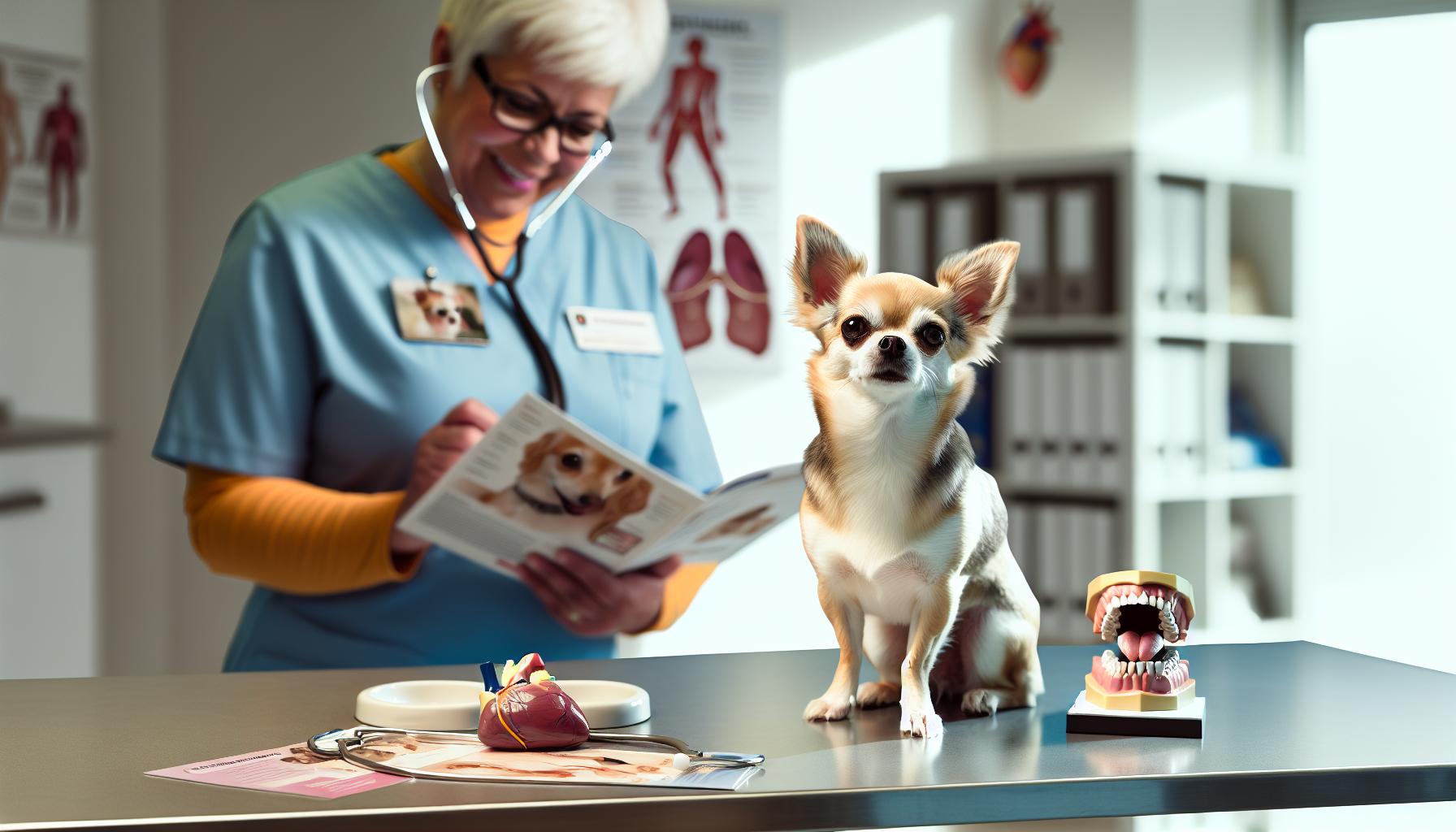
Common Health Issues Affecting Chihuahuas
Chihuahuas are vibrant little companions with big personalities, but their small frames can make them susceptible to certain health issues. Knowing what to watch for is crucial for every proud owner. Common health challenges that can affect your Chihuahua include dental disease, heart problems, patellar luxation, and hypoglycemia. Early detection and proactive care can make all the difference in maintaining your furry friend’s health and happiness.
Chihuahuas are famous for their cute smiles, but those tiny teeth can lead to big problems if not properly cared for. Dental disease is one of the most prevalent issues in the breed. Regular dental care is vital; brushing your Chihuahua’s teeth at least a couple of times a week can help prevent gingivitis and tooth loss. You might also consider dental treats designed to reduce tartar buildup. Additionally, scheduling professional cleanings with your vet will ensure she keeps that adorable smile healthy.
Another significant concern is heart disease, particularly congestive heart failure, which often develops as Chihuahuas age. Symptoms to look for include coughing, difficulty breathing, and lethargy. Regular vet check-ups can help catch these issues early. If your Chihuahua shows changes in behavior or health, don’t hesitate to consult your veterinarian.
Patellar luxation, or dislocated kneecaps, is another condition prevalent in this breed. It can cause limping or skipping while walking. Keeping your Chihuahua at a healthy weight and ensuring she doesn’t engage in high-impact play can help reduce the risk. If you notice her limping, gentle resting periods are a must, and it’s wise to discuss any concerns with your vet.
Lastly, Chihuahuas can experience hypoglycemia, particularly when they are young or stressed. Ensuring she eats regular meals and receives balanced nutrition can help maintain stable blood sugar levels. If your pup becomes lethargic or shaky, offering a small amount of honey or a glucose solution can provide quick relief.
By staying alert to these common health issues and focusing on preventive care, you can contribute to a long, healthy life for your Chihuahua. Every little step counts in keeping your spirited companion happy and vibrant through the years!
Nutrition Tips for a Long and Healthy Life
A well-balanced diet is key to ensuring that your Chihuahua lives a long and vibrant life. These tiny companions may be small in stature, but their nutritional needs are just as important as those of larger breeds. Due to their unique metabolism and susceptibility to certain health issues, tailored nutrition is crucial. Start by choosing high-quality dog food specifically formulated for small breeds. Look for options that list real meat as the first ingredient and avoid fillers like corn and soy. This ensures that your Chihuahua receives essential nutrients without unnecessary empty calories.
Regular meal schedules are another important aspect of your Chihuahua’s nutrition. Unlike some dogs that can free-feed, it’s often better for Chihuahuas to have structured meal times. Divide their daily food intake into two or three meals to help maintain stable blood sugar levels, particularly to prevent hypoglycemia. If your pup ever displays signs of lethargy or weakness, it may be time to ensure she’s eating regularly enough to avoid these dips in energy.
Consider Special Nutritional Needs
Chihuahuas can face specific challenges, such as dental issues and weight gain. For dental health, consider incorporating dental chews into their routine, which can help reduce plaque and tartar buildup. Soft foods may be preferable for older Chihuahuas, especially those with sensitive gums or missing teeth. Ensure that whatever you’re feeding is easy for them to chew.
To prevent obesity, be mindful of their treat intake. While it’s tempting to spoil your little one, treats should not make up more than 10% of their daily caloric intake. Instead of processed treats, consider healthier options like carrots or green beans, which can be both delicious and beneficial to their health.
Hydration is Key
Don’t overlook the importance of hydration! Always provide fresh water to keep your Chihuahua hydrated, as dehydration can lead to serious health problems, especially as they age. A well-hydrated Chihuahua not only looks healthier but also functions better overall.
By paying close attention to their dietary needs, you can nurture your Chihuahua’s health and help extend their lifespan. Each small choice you make in their diet contributes significantly to a long and happy life with your faithful furry friend.
Importance of Regular Veterinary Checkups
Regular veterinary checkups serve as the cornerstone of your Chihuahua’s health and longevity. These tiny, charismatic companions require a proactive approach to medical care to manage their unique health needs. Chihuahuas are prone to certain congenital issues, such as patellar luxation, dental problems, and heart diseases, which can be caught early with routine visits. Ideally, you should schedule annual checkups, more frequently as your dog ages, to monitor any potential concerns closely.
During these visits, your veterinarian will perform crucial health assessments, including weight checks, dental examinations, and vaccinations. Maintaining a healthy weight is especially important for Chihuahuas, as even a small gain can lead to significant health issues, such as diabetes or joint pain. Regular checkups help detect weight fluctuations early, allowing for timely dietary adjustments. Additionally, since Chihuahuas often face dental concerns due to their small mouths and densely packed teeth, your vet can offer preventive recommendations or professional cleanings to keep their pearly whites in top shape.
Don’t overlook the importance of vaccinations and parasite control. Chihuahuas, like all dogs, need certain vaccinations to protect against common and potentially fatal diseases. Your veterinarian can create a customized vaccination schedule based on your pup’s lifestyle and health, ensuring they receive the necessary protection throughout their life. Furthermore, discussing flea, tick, and heartworm prophylaxis during checkups is essential, particularly as they can significantly affect a small dog’s overall health.
Involving your veterinarian in your Chihuahua’s care not only enhances their health but strengthens your bond with them. Consider this: Regular checkups foster a team-based approach to your Chihuahua’s health, allowing you to learn more about their specific needs and adjust as they age. This ongoing relationship with a veterinary professional can guide you in making better health decisions, from nutrition and exercise to recognizing changes in behavior. An informed owner is an empowered one, ensuring your loyal companion lives a long, happy life by your side.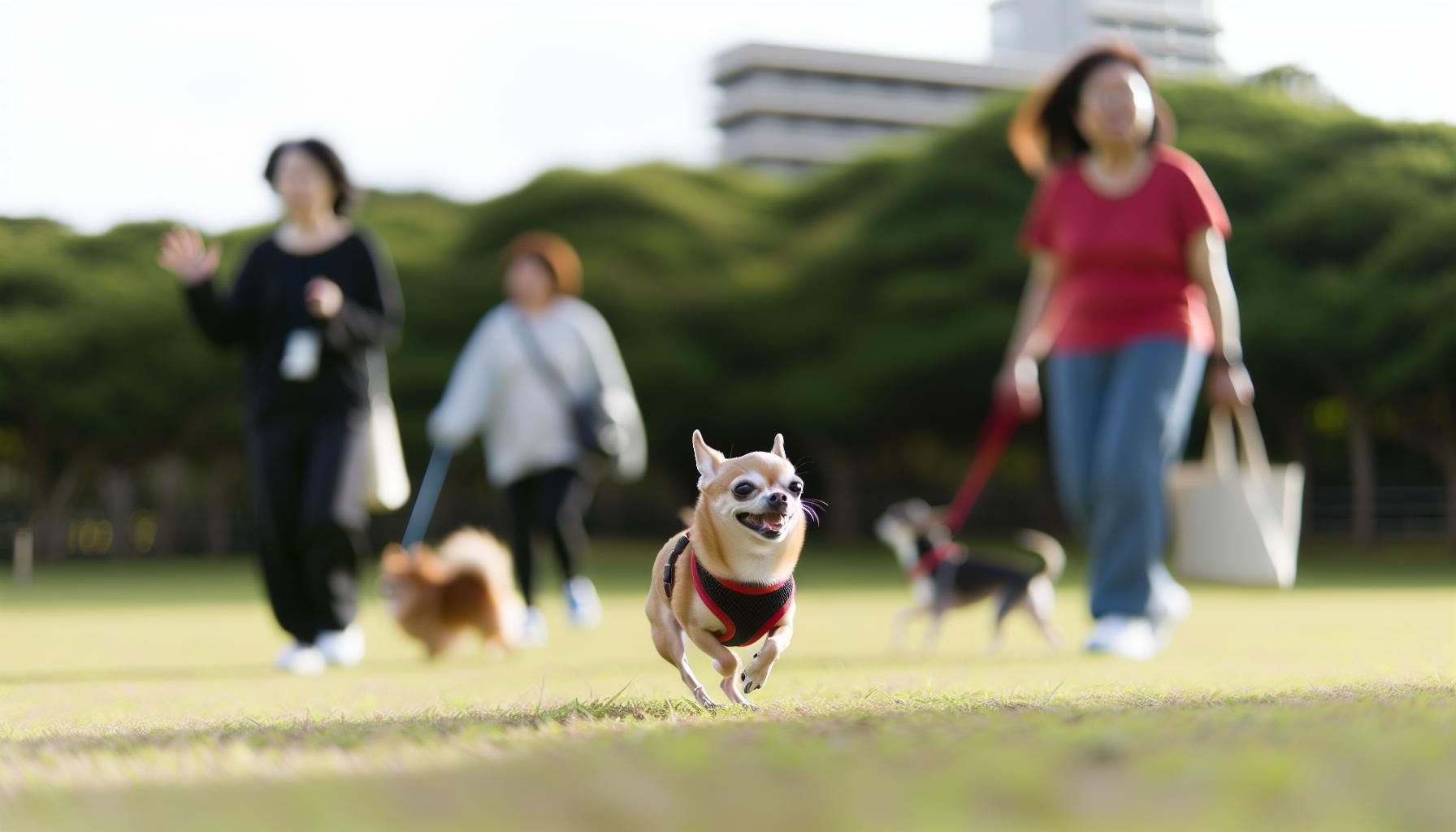
The Role of Exercise in Chihuahuas’ Longevity
Having a Chihuahua means inviting an energetic spirit into your life, and you might be surprised to learn just how crucial regular exercise is for his long-term health and happiness. Despite their small stature, Chihuahuas are full of personality and energy, and keeping them active plays a significant role in increasing their lifespan. When you think about it, a well-exercised Chihuahua is not just a happy one-he’s also less prone to various health issues like obesity, heart disease, and joint problems.
Daily walks, playtime, and even interactive games can significantly contribute to your Chihuahua’s well-being. It’s not just about keeping him fit; exercise also provides mental stimulation which is essential for his cognitive health. Chihuahuas thrive on routine and familiarity, but mixing up your exercise routine can keep things exciting for him. For instance, consider incorporating puzzle toys that challenge his mind, or try short agility courses in your backyard to keep him engaged and active.
Additionally, remember that every Chihuahua is different; factors like age, weight, and health status influence how much activity your little friend will need. Puppies are naturally more energetic and may require longer play sessions, while older dogs benefit from shorter and gentler walks. Regular exercise not only fosters physical health but is also a fantastic opportunity for bonding. Imagine taking your Chihuahua for a stroll around the neighborhood-it’s a daily adventure that strengthens your connection while keeping him healthy and happy.
Incorporating these activities into your daily routine can help you easily monitor any changes in his behavior or fitness level over time. An attentive owner will notice if he seems to be slowing down or if he struggles with regular activities. These could be early signs of aging or underlying health issues that might require a vet visit. By ensuring your Chihuahua gets plenty of exercise, you are investing in his overall quality of life, encouraging a longer and more fulfilling journey together.
Understanding Your Chihuahua’s Behavior as They Age
As your Chihuahua ages, you’ll likely notice shifts in his behavior that reflect his changing needs and capacities. Understanding these behavioral changes is essential for providing the love and care he deserves during his golden years. Chihuahuas, with their boldness and feisty personalities, may become a bit more reserved or cautious as they mature. This is natural and can often be linked to health changes or simply the wisdom that comes with years.
Calmness and Contentment
One of the most noticeable shifts in an aging Chihuahua is a move towards a calmer demeanor. Where he once pranced around with boundless energy, you might find him opting for cozy naps in his favorite sunny spot. This shift doesn’t mean he is unhappy or less vibrant; it’s a sign of maturity. Many owners report that their senior Chihuahuas develop a more affectionate and relaxed approach to life, often enjoying quiet moments together instead of high-energy play sessions.
Changes in Socialization
As Chihuahuas age, their social behavior can also evolve. They may become more selective about their interactions with other dogs and people. While a spirited young Chihuahua might charge up to every new face, you might notice your older friend considering his options more carefully. This is quite normal. Encourage positive interactions by supervising playdates and ensuring that he feels secure and not overwhelmed during new encounters.
Communication Shifts
Aging may also bring changes in vocalizations. Some Chihuahuas become more vocal as they age, expressing their opinions about everything from meal times to the delivery person. On the other hand, some may start to communicate less, which can be puzzling. Be mindful of these changes; a sudden decrease in barking could indicate discomfort or diminished hearing. Regular check-ins and gentle reassurance can help reaffirm your bond and encourage him to express himself.
Monitoring Cognitive Health
It’s essential to watch for signs of cognitive changes, such as disorientation or changes in sleeping patterns. Some senior Chihuahuas experience cognitive decline, which can manifest in ways like forgetfulness or confusion. Engaging him in puzzle toys or gentle training exercises can stimulate his mind and help maintain cognitive function.
Being attentive to these evolving characteristics not only helps you adjust expectations but also deepens your bond. After all, every wag of the tail, no matter how small, deserves to be celebrated. Remember, your aging Chihuahua still has a lot of love to give, and with your support, his twilight years can be some of the most rewarding times of your journey together.
Creating a Comfortable Living Environment for Senior Chihuahuas
Creating a warm and inviting space for your senior Chihuahua is essential to ensure her comfort and happiness as she ages. As these little dogs reach their golden years, they may face changes in mobility, sensory perception, and even behavior. Making small adjustments around the house can significantly enhance her quality of life, allowing her to feel secure and cherished.
Start with her sleeping area. A cozy, supportive bed is crucial for her comfort, especially as older Chihuahuas may develop joint issues like arthritis. Look for a orthopedic dog bed that offers both warmth and support. Providing a spot away from drafts and direct heat sources is important, as seniors can be sensitive to temperature changes. Consider placing her bed in a quiet corner where she can relax without frequent disturbances, allowing for undisturbed nap times which are vital for her overall health.
Creating a Safe Space
Safety is paramount. Chihuahuas are small and sometimes a bit wobbly on their feet as they age. Removing any unnecessary obstacles around the house will help prevent slips and falls. Ensure that pathways are clear, and consider using non-slip mats in areas where she frequently walks, like tiled floors or near the water and food bowls. Adding ramps or steps can also assist her in navigating furniture or getting up on her favorite spots, keeping her independence intact.
Environmental Enrichment
Even though your Chihuahua may slow down, mental stimulation is still important. Create a stimulating environment with gentle toys meant for older dogs, like soft squeaky toys or interactive puzzle games that encourage her to think without too much strain. A little outdoor time is also beneficial; a warm sunlit patch in the yard can be a perfect spot for her to enjoy the fresh air. Always supervise her during outside time, especially if she tends to wander or interacts with other animals.
Customizing your home environment to meet your senior Chihuahua’s needs reinforces your bond and ensures her twilight years are filled with love and tranquility. Remember, attentive care and a few thoughtful adjustments can make a world of difference for her well-being, allowing her personality to shine even brighter as she ages.
Signs Your Chihuahua Might Be Aging: What to Watch For
As your beloved Chihuahua ages, it’s essential to recognize the subtle signs that indicate he may be entering his golden years. These little companions have a remarkable ability to adapt to their changing needs, but that doesn’t mean you shouldn’t be vigilant. Understanding the signs of aging can help you provide the best care possible, ensuring that his twilight years are filled with love, comfort, and dignity.
One of the first indicators you might notice is a change in activity levels. If your Chihuahua, known for his boundless energy and playfulness, begins to prefer lounging on the couch over a game of fetch, it may be time to evaluate his health. Also, watch for increased hesitation when jumping on or off furniture. As he ages, he may develop joint stiffness or arthritis, making movement more challenging. Subtle changes in behavior, such as becoming less vocal or declining social interactions, can also signal that he’s not feeling his best.
H3: Physical Signs to Look For
Aside from behavioral shifts, physical changes can offer clues about your Chihuahua’s age. Keep an eye out for the following:
- Changes in Weight: Weight gain or loss can indicate underlying health issues.
- Coat Condition: A dull or thinning coat may signal nutritional deficiencies or hormonal changes.
- Dental Health: Bad breath or difficulty eating may result from dental disease, common in older Chihuahuas.
- Vision and Hearing: Look for signs of decreased vision or hearing, such as confusion in familiar environments or increased startle responses.
Regularly assessing these aspects can help you stay ahead of potential health problems.
H3: Emotional and Cognitive Changes
As Chihuahuas grow older, they might also experience cognitive decline, sometimes referred to as canine cognitive dysfunction. Symptoms may include disorientation, disrupted sleep patterns, or a decreased interest in play and interaction. If you notice your Chihuahua seeming lost in familiar places or barking at nothing, these could be signs of age-related cognitive changes. In such cases, keeping a consistent routine and offering mental stimulation through puzzle toys can help maintain his cognitive health.
Recognizing these signs early can drastically improve your Chihuahua’s quality of life. Regular veterinary checkups and open communication with your vet about these observations will empower you to manage your dog’s health proactively. Remember, your vigilant care can make all the difference for your furry companion as he navigates the challenges of aging.
How to Support Your Chihuahua’s Health in Their Golden Years
Supporting your aging Chihuahua through their golden years involves a blend of attentive care and love. As these little warriors with hearts of gold reach their senior stage, typically around the age of seven, their needs will shift. It’s essential to proactively address health concerns while ensuring they continue to enjoy life to the fullest.
One of the best ways to support your Chihuahua is through nutrition. Providing high-quality, age-appropriate dog food can help manage weight and ensure they receive essential nutrients. Look for diets specifically formulated for senior dogs, as these often contain added vitamins and minerals beneficial for joint health and cognitive function. Moreover, consider including omega fatty acids, which can promote a healthy coat and skin, often a concern as your Chihuahua ages. Remember, introducing new foods should be done gradually to avoid digestive upset.
Regular veterinary checkups become paramount. Schedule at least bi-annual visits so your veterinarian can assess your Chihuahua’s health, monitor for common age-related issues like heart disease or dental problems, and adjust any medications. Your vet can also provide guidance on vaccinations and preventive care tailored to your dog’s specific health profile. It’s a good idea to keep detailed records of any changes you observe in behavior or health, which can aid your vet in tailoring the best health plan.
Exercise plays a crucial role in maintaining your Chihuahua’s overall health and mental sharpness. While your dog may not be as spry as before, establishing a gentle, consistent exercise routine can greatly enhance their quality of life. Short walks or light play sessions can help maintain mobility without overexerting them. Additionally, engaging in brain-stimulating activities, like puzzle toys or simple training exercises, will keep their mind sharp and can reduce the risks of cognitive decline.
Lastly, consider the comfort of your Chihuahua’s living environment. Providing cozy bedding, easy access to water and food, and a safe, familiar space is vital for their well-being. If your aging Chihuahua struggles to leap onto the couch or your bed, think about adding ramps or steps to improve accessibility. This not only boosts their confidence but also protects their joints from unnecessary strain.
By paying close attention to your Chihuahua’s needs and adapting your care strategies, you can ensure he continues to enjoy his golden years with love, comfort, and dignity.
Life Expectancy Comparisons: Chihuahuas vs. Other Breeds
When it comes to lifespan, Chihuahuas are remarkable little companions, often living longer than many other dog breeds. While the average lifespan of a Chihuahua ranges from 12 to 20 years, several factors influence this longevity, including genetics, health care, and lifestyle choices. Chihuahuas tend to enjoy an impressive life expectancy, particularly when compared with larger breeds, which typically live shorter lives. For example, larger breeds like Great Danes may only live 7 to 10 years due to their size-related health issues, while the robust nature of Chihuahuas, despite their tiny stature, often leads to a much longer life.
Factors Affecting Longevity
Chihuahuas are known for their spirited energy and resilience. However, they’re not immune to health conditions that can affect their lifespan. Common health issues include heart disease, dental problems, and patellar luxation. Regular veterinary check-ups become crucial, especially as your Chihuahua ages. By staying ahead of potential health issues, you can ensure her life is not only lengthy but filled with comfort and vitality.
Another important factor impacting longevity is nutrition. Just like humans, dogs thrive on balanced diets rich in essential nutrients. High-quality dog food tailored for small breeds can enhance your Chihuahua’s health, supporting everything from robust digestion to a shiny coat. Remember, a well-fed Chihuahua is often a happy and healthy one!
Chihuahuas vs. Other Breeds
When placing Chihuahuas alongside other small breeds, they often hold their ground well in terms of lifespan. For instance, Dachshunds might average around 12 to 16 years, while Pomeranians tend to live about 12 to 16 years too. Interestingly, both breeds share some susceptibility to health issues like obesity, which can shorten their lifespans. Thus, when providing a loving home for a Chihuahua, owners can take comfort in knowing they’re supporting a breed known for its longevity, providing an opportunity for a shared, vibrant life.
In summary, caring for a Chihuahua involves thoughtful attention to health, diet, and regular vet visits, all contributing to that enviable longevity. By embracing their unique traits while providing the best possible care, you foster a bond that stands the test of time. Every moment with your spirited companion will become a cherished memory as you celebrate their long and fulfilling life together.
Real Owner Stories: Caring for Aging Chihuahuas
As your Chihuahua approaches her golden years, the bond you share becomes even more precious. Owners often recount the joys and challenges of caring for their aging companions, filled with delightful quirks and unwavering loyalty. Take, for instance, Sarah, whose 15-year-old apple-head Chihuahua named Bella still exudes that spunky personality but has started to slow down. Bella’s favorite pastime-snuggling with Sarah on the couch-now requires a little more effort. To support Bella’s comfort, Sarah invested in a cozy orthopedic dog bed, providing her with relief and a familiar spot to relax.
A vital aspect of caring for elderly Chihuahuas is understanding their evolving health needs. James shares that his 14-year-old long-haired Chihuahua, Coco, had developed joint stiffness. He introduced gentle stretches before their walks and switched to a high-quality food enriched with joint supplements. Not only did this help alleviate her stiffness, but it also invigorated her spirit. Regular vet visits are also essential, as James found after discussing Coco’s change in appetite. A quick dental check revealed a common problem among Chihuahuas: dental disease. After a professional cleaning and a fitted dental chew for home use, Coco’s appetite and overall health improved remarkably.
Offering mental stimulation is just as crucial as physical care. Linda, an experienced Chihuahua owner, tells how she adapted her playtime routine with her aging Chihuahua, Max. Instead of high-energy fetch games, they now enjoy puzzle toys and scent games that engage his mind without overexerting him. This shift not only keeps Max active but also strengthens their bond through rewarding interaction.
As we celebrate these loving tales, it’s clear that the journey with your aging Chihuahua is enriched with adaptations and compassion. By sharing stories of care and adjustments, we support one another in providing the best for our tiny companions as they gracefully age. Whether it’s through thoughtful nutrition, regular vet check-ups, or adjusted playtime, these actions speak volumes of our love and commitment to their well-being, ensuring each moment spent together is cherished.
Celebrating Your Chihuahua’s Life: Keeping Track of Milestones
There’s something incredibly special about watching your tiny Chihuahua grow and thrive throughout their life. Marking milestones not only helps you appreciate the moments you share but also gives you insights into their health and happiness. From their first bark to reaching their senior years, each stage deserves celebration and recognition. As responsible owners, we can create meaningful ways to honor these milestones and ensure their golden years are filled with love and joy.
Documenting Key Milestones
Keeping a record of your Chihuahua’s milestones can be both rewarding and fun. Consider creating a scrapbook or digital photo album that highlights important events such as:
- First birthday celebration
- Special training achievements (like mastering ‘sit’ or ‘stay’)
- Funny moments and quirky habits captured in pictures
- Veterinary check-ups and health improvements
- Adventures at the dog park or during travel
These snapshots serve as a reminder of their unique personality and the joy they bring into your life.
Celebrating Health Milestones
As your Chihuahua ages, it’s vital to mark health-related achievements as well. Acknowledge the completion of vet visits, vaccinations, or successful treatments for common health issues such as dental disease or joint stiffness. Owners like James, who commemorated Coco’s improved health after introducing joint supplements, illustrate the importance of these milestones. You can even create a calendar that tracks vet appointments and health check-ups, ensuring that you never miss a crucial moment.
Creating Rituals for Special Days
Establishing special rituals for your dog’s birthday or ‘gotcha day’ can strengthen your bond and create lasting memories. Prepare their favorite meal or treat, set up a play-date with their canine friends, and indulge them with a cozy afternoon of snuggling. These rituals not only celebrate your Chihuahua’s life but can help monitor their health and well-being as they age. Remember, each birthday signifies time spent together-a cause for reflection as well as celebration!
By embracing and documenting the various milestones in your Chihuahua’s life, you create a rich tapestry of memories that honor their unique journey. Whether through photographs, special celebrations, or health records, each moment contributes to the deeper understanding of your cherished companion’s needs, ensuring that every tail wag and playful bark is appreciated to the fullest.
Q&A
Q: What factors influence the lifespan of a Chihuahua?
A: Several factors can influence a Chihuahua’s lifespan, including genetics, diet, exercise, and regular veterinary care. Typically, Chihuahuas that receive consistent health check-ups and a balanced diet live longer. It’s essential to monitor their health and provide adequate physical activity to enhance their longevity.
Q: How can diet affect my Chihuahua’s lifespan?
A: A nutrient-rich diet is crucial for extending your Chihuahua’s life. Feeding high-quality dog food that suits their age and health needs promotes better digestion and overall wellness. Supplements, like omega fatty acids, can also support heart health, which is vital as they age.
Q: What are common signs that my Chihuahua is aging?
A: Common signs of aging in Chihuahuas include decreased energy levels, weight changes, changes in behavior (like increased aloofness), and potential dental issues. You may also notice mobility problems. Being proactive in addressing these changes can significantly enhance their quality of life.
Q: How often should I take my Chihuahua to the vet as they age?
A: As your Chihuahua ages, it’s recommended to visit the vet at least twice a year for regular check-ups. These visits can help detect health issues early, ensuring prompt treatment and better management of any chronic conditions.
Q: What health issues are Chihuahuas more prone to as they age?
A: Older Chihuahuas are often prone to heart disease, dental problems, and obesity. They may also experience joint issues and vision problems. Regular veterinary check-ups can help monitor these potential health risks effectively.
Q: How does exercise contribute to my Chihuahua’s longevity?
A: Regular exercise is vital for a Chihuahua’s health as it helps maintain a healthy weight and improves cardiovascular health. Daily short walks or play sessions can keep them active and deter obesity, which is linked to various health issues in aging dogs.
Q: What should I consider when creating a comfortable environment for my aging Chihuahua?
A: Ensure your aging Chihuahua has a warm, quiet place to rest, away from drafts and loud noises. Soft bedding, easily accessible food and water, and non-slip surfaces can greatly enhance their comfort and safety at home.
Q: How can I celebrate my Chihuahua’s milestones as he ages?
A: Celebrating your Chihuahua’s milestones can be done through special treats, outings, or even a small gathering with friends and family. Consider creating a scrapbook or photo album to commemorate their life stages, showcasing their unique personality and cherished moments.
Insights and Conclusions
Thank you for exploring the life expectancy and care of our beloved Chihuahua companions! With their vibrant personalities and compact size, these little dogs can bring so much joy. Remember, a healthy diet, regular vet check-ups, and exercise are key to maximizing your Chihuahua’s lifespan. If you’re a new owner, consider checking out our guides on “Chihuahua Health Tips” and “Understanding Chihuahua Behavior” to help you navigate your journey together.
Don’t hesitate to share your thoughts or questions in the comments below. We love hearing from fellow Chihuahua parents! For more insights, join our newsletter for updates on caring for these unique little furballs. Together, let’s ensure our Chihuahuas thrive in health and happiness for many years to come!
Get our latest guides, news, and insights highlighted in your Google Search & AI Overviews.