

Have you ever noticed that your Chihuahua seems to be on the larger side compared to others? It’s not just a quirky trait; oversized growth in Chihuahuas can be a sign of underlying health factors worth exploring. Understanding why your precious pup might be bigger than expected is crucial for their health and well-being. From genetic influences to dietary habits, several factors can contribute to your Chihuahua’s size. As a devoted Chihuahua owner, you want the best for your furry friend. This guide will delve into the reasons behind oversized growth, helping you navigate potential health issues while celebrating the unique charm of your beloved companion. Let’s uncover the fascinating world behind their size and ensure your Chihuahua stays happy and healthy!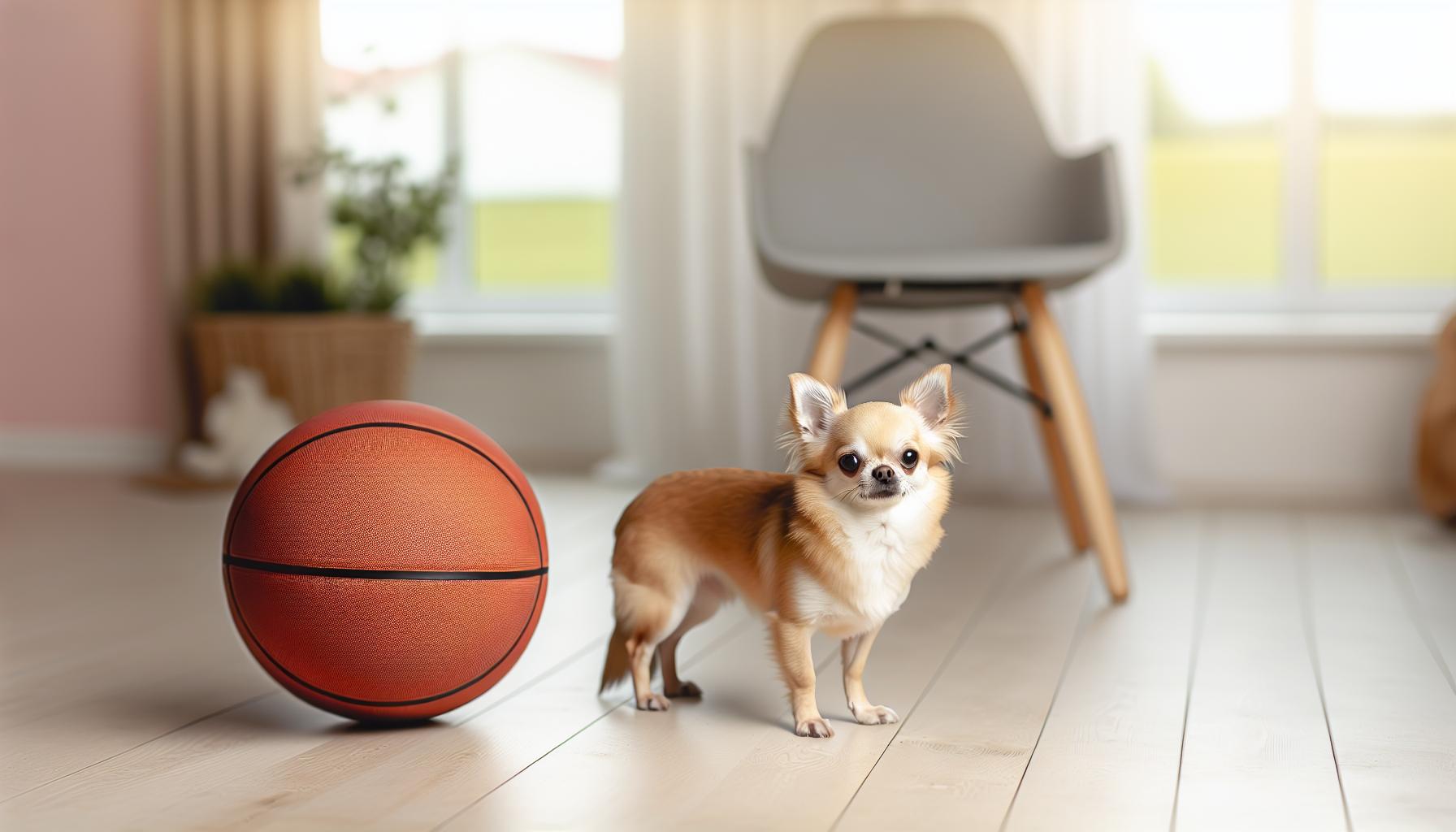
Why Is My Chihuahua Growing Larger Than Expected?
Chihuahuas are known for their tiny stature, but what happens when your furry friend outgrows their expected size? It can be surprising and concerning when a Chihuahua, typically weighing between 2 to 6 pounds, begins to tip the scales towards the larger side. Understanding the reasons behind their growth is essential in addressing any potential health issues and ensuring their well-being.
Several factors can contribute to an oversized Chihuahua. Firstly, genetics play a strong role. If your Chihuahua’s parents were larger than the breed standard, it’s likely your pup may also inherit that size. Additionally, there are different types of Chihuahuas, such as the apple-head and deer-head varieties, which can slightly differ in their growth patterns. It’s important to consider that slight variations in size can reflect both breed characteristics and individual genetic backgrounds.
Another crucial aspect to consider is diet. Overfeeding or offering a diet high in calories can lead to weight gain, causing even a Chihuahua to exceed their typical size. Adopting a balanced diet suitable for their age and size, along with regular exercise, will help maintain healthy growth. Monitoring their food intake and ensuring they remain active with daily playtime can prevent unnecessary weight gain.
Lastly, health issues can also play a part in your Chihuahua’s growth. Conditions such as hypothyroidism or hormonal imbalances may lead to increased size and weight. Regular check-ups with a veterinarian are vital to monitor your Chihuahua’s health and address any concerns. This proactive approach helps ensure that their growth is healthy and prevents any underlying health issues from going unnoticed.
By understanding these factors, you can better care for your unique Chihuahua and celebrate their vibrant personality, no matter their size.
Understanding Chihuahua Size Variations
While Chihuahuas are often adored for their petite sizes, it’s not uncommon to find one that surprises you by growing larger than expected. The truth is, size variations amongst Chihuahuas can stem from a mix of genetics, nutrition, and health factors. Understanding the dynamics of these variations can help you ensure your furry friend remains healthy, regardless of size.
Genetics, as you might expect, plays a significant role in the size of your Chihuahua. Each pup’s growth potential is inherited from its parents. If both parents happen to be on the larger side or if there’s a history of oversized Chihuahuas in the lineage, it’s likely your pup will follow suit. Moreover, the type of Chihuahua can influence size; for example, apple-headed Chihuahuas tend to have a more compact build compared to their deer-headed cousins, which can grow relatively taller and longer. It’s fascinating to witness how individual puppy personalities and quirks are often mirrored by their unique physical traits.
Another critical aspect to consider is nutrition. Many owners may unknowingly overfeed their Chihuahuas, particularly since the breed is often considered “cute” at any size. However, a balanced diet tailored to their specific needs is essential. Make sure you provide high-quality dog food with appropriate portions for their age and energy level. Frequent, small meals can help in monitoring their intake and preventing excessive weight gain. Regular playtime also plays a vital role; keeping your Chihuahua active can significantly contribute to maintaining their optimal size and health.
Lastly, keep an eye out for any unusual growth patterns. If your Chihuahua suddenly grows larger without a clear reason, it may be wise to consult a veterinarian. Conditions like hypothyroidism can lead to unexpected weight gain and should be addressed promptly. Regular veterinary check-ups are invaluable for monitoring your pup’s growth and health, ensuring any underlying issues are managed early on.
By paying attention to these factors, you can better navigate the wonderful complexities of your Chihuahua’s growth, celebrating their unique traits along the way.
Common Health Issues Leading to Oversized Chihuahuas
Understanding why your Chihuahua might be growing larger than expected can be a concern for many owners. While Chihuahuas are known for their diminutive size, certain health issues can lead to unexpected growth. Recognizing these conditions early can help ensure your furry friend stays healthy and happy.
One of the most common health issues that can cause weight gain in Chihuahuas is hypothyroidism, a condition where the thyroid gland does not produce enough hormones. This can lead to symptoms including lethargy, hair loss, and, importantly, weight gain. Owners may notice their Chihuahua becoming less playful and gaining a little extra fluff. Regular check-ups with a veterinarian can help monitor hormone levels through blood tests, which is crucial for managing this condition.
Another health concern to consider is Cushing’s disease, or hyperadrenocorticism, caused by an overproduction of cortisol. This condition can also result in dramatic weight gain, particularly around the abdomen, and may be accompanied by increased thirst, frequent urination, and thinning skin. If you observe such symptoms, it’s essential to consult with your vet for proper diagnosis and treatment options.
Diet plays a pivotal role in a Chihuahua’s health, and obesity can result from overfeeding or a lack of exercise. Be mindful of your pup’s dietary habits-Chihuahuas often appear cute and begging for more, but it’s crucial to stick to appropriate portion sizes. Weight gain can stress their joints, leading to developmental issues, particularly in smaller dogs. Maintaining a balanced diet and regular exercise not only helps manage weight but also keeps your Chihuahua healthy and energetic.
Lastly, genetic factors might also contribute to unexpected growth. If your Chihuahua comes from a lineage where larger sizes were present, this can influence their growth as well. As an owner, keeping an eye on your pup’s growth and seeking veterinary advice can help identify any underlying issues and ensure you provide the best care tailored to your Chihuahua’s needs. By understanding these health factors, you’ll be better equipped to support your larger-than-expected friend and celebrate the unique charm they bring to your life.
Nutritional Factors: The Role of Diet in Growth
Understanding how crucial diet is to your Chihuahua’s development can shed light on unexpected growth patterns. Nutrition not only fuels their playful antics but also influences their overall size and health. You’ll soon discover that what goes into your pup’s bowl can determine just how big she grows, especially considering breed predispositions and daily activity levels.
Chihuahuas are notoriously known for having dainty appetites, yet they can quickly pack on extra pounds if their diet isn’t carefully managed. It’s essential to monitor portion sizes and caloric intake. While your little companion might beg for more at mealtime, adhering to recommended serving sizes is key. For example, a Chihuahua typically requires about 1 cup of high-quality dog food daily, divided into two meals. Overindulging can lead to obesity, stressing their joints and causing health complications.
Balanced Diet for Healthy Growth
A balanced diet is critical for maintaining a healthy weight. Ensure that your Chihuahua’s food is rich in essential nutrients, such as proteins, healthy fats, and appropriate carbohydrates. Look for:
- High-quality protein: Essential for muscle development and overall health. Foods like chicken, turkey, and fish work wonders.
- Healthy fats: Important for energy and skin health. Omega fatty acids are fantastic for maintaining shiny coats.
- Vitamins and minerals: Crucial for supporting their immune system and bone health.
Real Owner Experience
Consider the tale of Lucy, a feisty apple-head Chihuahua. Her owner, Mary, initially fed her commercial kibble without checking the ingredients. Lucy started to gain weight, not just from her love of treats, but because of the calorie-dense food lacking necessary nutrients. After switching to a premium grain-free diet and monitoring portions, Lucy not only lost weight but regained her energy and playfulness. A simple diet overhaul allowed her to flourish while keeping her size within healthy limits.
By taking into account both the quantity and quality of food, you can significantly impact your Chihuahua’s growth trajectory. Celebrate her individuality by tailoring her diet to meet her unique needs, ensuring she stays the vibrant, sassy soul you adore. And don’t forget, regular exercise combined with a thoughtful diet is the best recipe for a happy, healthy Chihuahua.
Genetics and Size: What Determines Your Chihuahua’s Growth?
A Chihuahua’s size is often influenced significantly by genetics, making it a fascinating aspect of this spirited breed. While the typical weight range for Chihuahuas is between 2 to 6 pounds, some individuals may grow larger than expected, raising questions among their owners. Genetic backgrounds play a crucial role in determining how big your Chihuahua might grow, as traits passed down from their lineage directly affect their size and build.
Chihuahuas come in various types, including the apple-head and the deer-head varieties, each with characteristic differences in appearance. Apple-head Chihuahuas often have a more rounded skull and tend to maintain a trimmer physique, while deer-head Chihuahuas exhibit longer noses and may appear slightly larger. These physical traits are tightly linked to their genetic make-up, which can lead to variations in size. Furthermore, irresponsible breeding practices may produce larger Chihuahuas due to the mixing of genes not typically found within the single breed standard. Always ensure that your pup comes from a reputable breeder who prioritizes genetic health and proper sizes in their breeding program.
Additionally, consider the impact of hybridization. Chihuahuas are sometimes bred with other dog breeds, resulting in mixed breeds that can lead to unexpected growth patterns. For instance, a Chihuahua crossed with a Pomeranian may yield an offspring larger than a purebred Chihuahua, showcasing how genetics can introduce a variety of traits, including size. This diversity can enhance the personality of your pet, yet it can also lead to confusion around size expectations.
Embracing your Chihuahua’s uniqueness means understanding the family traits that contribute to their growth. Take the time to learn about your pup’s lineage, and you may discover fascinating insights into her size. With a little curiosity and knowledge about your Chihuahua’s genetic background, you can appreciate the blend of traits that makes her a one-of-a-kind companion.
Behavioral Impacts of Size on Your Chihuahua
While many Chihuahuas are known for their petite size, it’s not uncommon for some to grow larger than expected. This increase in size can influence their behavior significantly, impacting how they interact with their environment and the people around them. A bigger Chihuahua often carries itself with a boldness that can be surprising, leading to a different set of behavioral quirks compared to smaller counterparts.
Larger Chihuahuas might show more confidence, often thinking they are invincible despite their size. This trait can make them particularly vocal and assertive, especially when it comes to guarding their territory or protecting their owners. Owners frequently report that their oversized Chihuahuas display a spirited demeanor, initiating play with big dogs or standing their ground during encounters at the dog park. Understanding this behavior is crucial; it’s important to reinforce positive behaviors and socialize them properly since their more considerable presence can sometimes intimidate smaller dogs or young children.
Socialization and Training
Socialization plays a vital role in a bigger Chihuahua’s development. Early and ongoing exposure to various environments, people, and other animals can help them adapt well. Here are a few strategies that can work wonders:
- Playdates: Arrange meetings with dogs of various sizes to promote positive interactions.
- Training Classes: Enroll in classes that cater to both small and large breeds, focusing on obedience and social skills.
- Rewards-Based Training: Use treats and praise to encourage good behavior, especially when playing with larger companions.
Owners often find that larger Chihuahuas can take on roles such as family protectors with endearing fierceness. Their natural instinct to guard is amplified by their larger size. However, this can lead to overprotectiveness if not appropriately managed. Encourage calm behavior through structured training and expose your furry friend to different situations, helping alleviate unnecessary anxious behaviors.
In the end, every Chihuahua, regardless of size, has a unique personality that can shine through when given the proper attention and training. By embracing their quirks and adapting your approach based on their size and behavior, you’ll foster a loving, confident companion who thrives in every circumstance. Remember, regardless of whether your Chihuahua is an apple-head or a deer-head, their spirit and loyalty are what truly define them.
The Importance of Regular Veterinary Check-Ups
Regular veterinary check-ups are essential for ensuring your Chihuahua’s health and well-being, especially if he is growing larger than expected. Many owners may overlook this aspect of care, thinking that as long as their dog seems active and happy, everything is fine. However, those routine visits can unveil underlying health issues that may contribute to unintended weight gain or growth spurts, ensuring that your little companion stays healthy and vibrant.
During these check-ups, your veterinarian can monitor your Chihuahua’s weight, assess his overall physical health, and provide tailored advice on diet and exercise. Conditions like hypothyroidism or heart disease can sometimes manifest as unexpected size increases. Early detection of these issues greatly improves the chances of effective treatment. For instance, a fellow Chihuahua owner shared how her vet discovered an underlying thyroid problem during a routine visit, allowing them to promptly address it and help her dog return to a healthier size.
Additionally, regular check-ups foster a trusted relationship with your veterinarian, which is invaluable for first-time and seasoned dog owners alike. These visits provide a platform for addressing any concerns about your Chihuahua’s growth patterns, behavior changes, and overall demeanor. A proactive approach can help you catch health concerns before they escalate. During these sessions, you can also ask your vet about proper nutritional guidelines specific to oversized Chihuahuas, as their dietary needs may differ from those of their smaller counterparts.
Ultimately, maintaining a schedule for veterinary visits is not just about addressing health issues as they arise-it’s about being part of your Chihuahua’s wellness journey. Regular check-ups set a foundation for lifelong health, ensuring that your beloved companion remains the joyful, spirited friend you cherish.
When to Be Concerned About Your Chihuahua’s Size
If your Chihuahua is growing larger than expected, it’s crucial to pay attention to specific signs that indicate whether this change should be a cause for concern. While Chihuahuas can vary significantly in size, a sudden or excessive increase in weight may suggest underlying health issues, especially if accompanied by changes in behavior or physical appearance. For instance, if your little buddy starts to show lethargy or has difficulty engaging in typical activities like walking or playing, it could be a signal that something is amiss.
Common warning signs to look out for include:
- Unusual Weight Gain: If your Chihuahua’s weight exceeds the breed standard by a notable margin, it warrants a veterinary consultation.
- Behavior Changes: Increased aggression, withdrawal, or signs of discomfort can indicate health issues.
- Respiratory Issues: Difficulty breathing, coughing, or persistent panting can point to obesity-related complications.
- Waste Production Changes: Changes in bowel movement frequency or consistency can reflect dietary or health concerns.
Consulting with a veterinarian is essential not just for diagnosing potential health problems but also for developing a tailored care plan. Regular weigh-ins can help you track changes. Additionally, sharing your observations can provide your vet with valuable context, facilitating a more comprehensive evaluation of your Chihuahua’s health.
As a devoted owner, you also want to consider the breed’s unique personality traits. Chihuahuas often display a bold and expressive nature, which can make behavior changes even more apparent. Real-life experiences from fellow Chihuahua owners reveal that maintaining an open dialogue with veterinarians can positively influence health outcomes. One owner recounted how recognizing minor changes in her dog’s energy levels prompted a vet visit, leading to early detection of a thyroid issue.
Engaging with your vet about your concerns not only helps ensure your Chihuahua remains healthy but also nurtures that special bond between you and your furry friend. Celebrating her personality and understanding her quirks are part and parcel of being a Chihuahua owner-stay vigilant, and embrace the joy of having a spirited companion, no matter her size!
Practical Tips for Managing an Oversized Chihuahua
If your Chihuahua is tipping the scales beyond the typical weight range, managing their size can be a rewarding journey that enhances both their health and quality of life. While oversized Chihuahuas can be just as charming and full of personality as their smaller counterparts, keeping their well-being in check is essential. Here are some practical tips to help you navigate this important aspect of your Chihuahua’s care.
Start with a tailored diet plan. Overweight Chihuahuas often come from previously feeding habits that were a bit too generous. Shift to a high-quality dog food that specifies balanced nutrition tailored for smaller breeds. Look for options that have a moderate calorie count to prevent excess weight gain, as well as added protein to maintain muscle mass. Many pet owners have seen success by portioning meals and using a measuring cup to ensure accurate servings. Consider using a food diary or an app to track calorie intake, which can help you stay on target.
Regular exercise is vital. Although Chihuahuas are known for their bold personalities, they can benefit immensely from daily physical activity. Aim for at least 30 minutes of moderate exercise each day. Short walks, interactive play sessions with toys, or even gentle games of chase can significantly contribute to your pup’s fitness. A fellow Chihuahua owner shared that incorporating puzzle toys not only provided mental stimulation for her larger Chihuahua but also helped expend energy in a fun, engaging way. Be sure to adjust the intensity based on your Chihuahua’s comfort level, as over-exertion can lead to health issues.
Weight management should include routine vet visits. Regular check-ups can help identify any underlying health issues that might contribute to weight gain. Your vet can provide tailored advice on appropriate weight goals and monitor progress. They can also offer tips on other strategies, such as safe treats (carrots and green beans make great low-calorie options). Consistent communication with your vet fosters a partnership that keeps your Chihuahua thriving.
Lastly, embrace the distinct character of your larger Chihuahua. Oversized Chihuahuas often retain the big personalities of their smaller kin. Celebrate the quirks of your spirited companion-whether it’s their love for snuggling or their sassy attitude when trying to get your attention. By keeping health in focus while enjoying their unique traits, you’ll not only improve their physical health but also strengthen the bond between you two. Remember, size may vary, but a loving home is what every Chihuahua truly needs.
Highlighting the Unique Charm of Larger Chihuahuas
Larger Chihuahuas possess a unique charm that endears them to their owners, often making them just as lovable as their petite counterparts. Their spirited personalities shine even more brightly when packed into a bigger frame, creating an adorable and sometimes hilarious juxtaposition. You may find that your oversized Chihuahua, despite their extra weight, still embodies the same bold, confident demeanor that the breed is known for. With their big hearts and larger-than-life attitudes, these pups seem to practically glow with personality.
One captivating aspect of owning a larger Chihuahua is their capacity for affection and loyalty. Many owners report that these dogs, often described as “velcro” pups, have an extraordinary knack for cuddling and forming deep bonds. For instance, a Chihuahua named Max, who tips the scales at nearly 10 pounds, is known to curl up next to his owner every night, providing warmth and companionship. His owner describes him as “a little teddy bear” who demands cuddles as if he were a much larger dog, making the experience all the more delightful.
Additionally, their amusing antics can provide endless entertainment. Larger Chihuahuas can often surprise you with their bravery and sassy confidence, engaging in behaviors that leave you chuckling. One owner shared how her 9-pound fur baby, Bella, loves to “stand down” against much larger dogs at the park, barking fiercely until they back off. This fearless attitude highlights a quintessential Chihuahua trait: the belief that size is merely a number and that character speaks volumes.
In embracing your larger Chihuahua, you also have the opportunity to advocate for their well-being-this heightens the bond you share. Supporting their unique needs, from tailored diets to engaging exercise routines, ensures that their larger-than-average size doesn’t overshadow their vibrant personality. Their exceptional characters and quirks, from the demanding way they nudge for treats to the loyal look they give you when they want to play, make larger Chihuahuas truly special companions that just ask to be adored. Celebrate their individuality, and enjoy the unique experiences they bring to your life!
Real-Life Experiences: Stories from Other Chihuahua Owners
Many Chihuahua owners have delighted in the unique personality traits their larger companions bring to their lives. For instance, Lisa, who has a Chihuahua named Toby tipping the scales at 10 pounds, shares how his size has enhanced their cuddle sessions. She affectionately describes him as her “little bear,” who loves to snuggle under the blankets and demand attention. Despite his size, Toby retains all the sass and spunk typical of the breed, often barking at the neighbor’s cat as if he were a much larger protector. Lisa’s experience underscores how larger Chihuahuas often embody the bold nature of their breed, maintaining the fierce spirit that makes them so endearing.
Similarly, Ben, a seasoned Chihuahua owner, recounts the adventures he shares with his 9-pound Chihuahua, Daisy. He notes that larger Chihuahuas often exhibit surprising courage, which can lead to amusing encounters. One day at the park, Daisy defended Ben against a notably larger dog who dared to encroach on her territory. With an indignant bark and a fierce stance, Daisy asserted herself, demonstrating that her size never diminishes her heart or determination. This spirited behavior is not uncommon among oversized Chihuahuas, reminding owners that their dogs often don’t see themselves as small, but rather as bold individuals ready to take on the world.
As you navigate the joys and challenges of having a bigger Chihuahua, listening to stories from other owners can be reassuring. Real-life tales highlight how these dogs maintain unique personalities despite their size. Each oversized pup has its quirks, whether it’s their playful energy or their tendency to climb into your lap unexpectedly, drawing laughter and affection from friends and family alike. As these stories unfold, they encapsulate the essence of owning a larger Chihuahua-filled with love, loyalty, and a dash of humor that only our four-legged friends can bring.
Embracing Your Unique Chihuahua: Size and Personality
Many Chihuahua owners quickly discover that each dog is a vibrant personality wrapped in fur, with a blend of quirks that make them special, regardless of size. Larger Chihuahuas, in particular, tend to amplify these characteristics, showcasing not just their physical presence but also their larger-than-life spirits. For instance, a Chihuahua tipping the scales at 10 pounds might still think of himself as a tiny protector, barking fiercely at anything that dares cross his path. This spirited nature is a hallmark of the breed, reminding us that it’s not the size that counts, but the heart within.
When welcomed into your home, a bigger Chihuahua can be just as affectionate, playful, and vocal as their smaller counterparts. Many owners report that their larger pups have an added dose of boldness. For example, Jenna shares the story of her 12-pound Chihuahua, Max, who never hesitates to leap into play with much larger dogs at the park. His confidence often surprises newcomers, demonstrating that an oversized Chihuahua can embody the traditional fierce loyalty of the breed. Owners often find these dogs to be immensely loving; their unique size often leads to intensified cuddle sessions, transforming these Chihuahuas into the ultimate lap companions.
As you embrace your larger Chihuahua, it’s important to recognize and celebrate this uniqueness. While many might adhere to the traditional view of Chihuahuas being petite, your dog defies that stereotype with charm and flair. Understanding the common challenges associated with size, such as potential health concerns or behavioral quirks, empowers you to provide the best care for your furry friend. Engaging with a supportive community of Chihuahua enthusiasts allows for shared experiences and insights, making the journey all the more enjoyable. Your oversized Chihuahua is not just a pet; he’s a vibrant character with the ability to bring joy, laughter, and unforgettable memories to your life.
Faq
Q: Why is my Chihuahua growing faster than normal?
A: If your Chihuahua is growing faster than expected, it might be due to genetic factors or a nutrient-rich diet. Ensure you provide balanced nutrition and consult your vet for tailored advice to keep their growth in check.
Q: What health problems can cause oversized Chihuahuas?
A: Certain health issues, like hormonal imbalances or joint disorders, can contribute to your Chihuahua’s oversized growth. Regular veterinary check-ups are essential to monitor their health and catch any potential problems early.
Q: How can I tell if my Chihuahua’s size is a concern?
A: Look for signs like excessive weight, difficulty moving, or lethargy. If your Chihuahua seems abnormally large or is experiencing discomfort, consult your veterinarian to rule out any health concerns.
Q: What role does diet play in my Chihuahua’s growth?
A: Diet significantly impacts your Chihuahua’s growth. Providing a high-quality, breed-appropriate diet can help manage their weight and growth rate. Discuss dietary needs with your vet for optimal results.
Q: Can stress affect my Chihuahua’s growth?
A: Yes, stress can influence your Chihuahua’s growth by disrupting their hormonal balance. Create a calm environment for them and monitor for any behavioral changes that may indicate stress.
Q: Is it common for Chihuahuas to be different sizes?
A: Yes, Chihuahuas can vary significantly in size due to genetics and breeding practices. Understanding these variations can help you better care for your unique pet and their specific needs.
Q: When should I seek professional help for my oversized Chihuahua?
A: If your Chihuahua’s size is accompanied by health issues like difficulty breathing, joint pain, or drastic changes in behavior, it’s important to seek veterinary guidance promptly.
Q: What are some tips for managing an oversized Chihuahua?
A: To manage an oversized Chihuahua, focus on providing appropriate exercise, a balanced diet, and regular vet visits. Daily walks and controlled playtime can help maintain a healthy weight and prevent health issues.
To Wrap It Up
Understanding why your Chihuahua has grown larger than expected can be both intriguing and concerning. Remember, oversized growth can stem from genetics or health factors, and ensuring his overall well-being is crucial. If you’re still uncertain about his size, it might be beneficial to consult with a veterinarian to rule out any potential health issues.
To learn more about optimal care for your beloved companion, explore our articles on Chihuahua health tips and training strategies. Don’t miss out on sharing your experiences with other Chihuahua enthusiasts in the comments below-your insights could help fellow owners! For the latest tips and updates, consider signing up for our newsletter. Your little furball deserves the best, and together, we can ensure he thrives. Keep exploring, and let’s celebrate the unique traits that make Chihuahuas so delightful!
Get our latest guides, news, and insights highlighted in your Google Search & AI Overviews.