
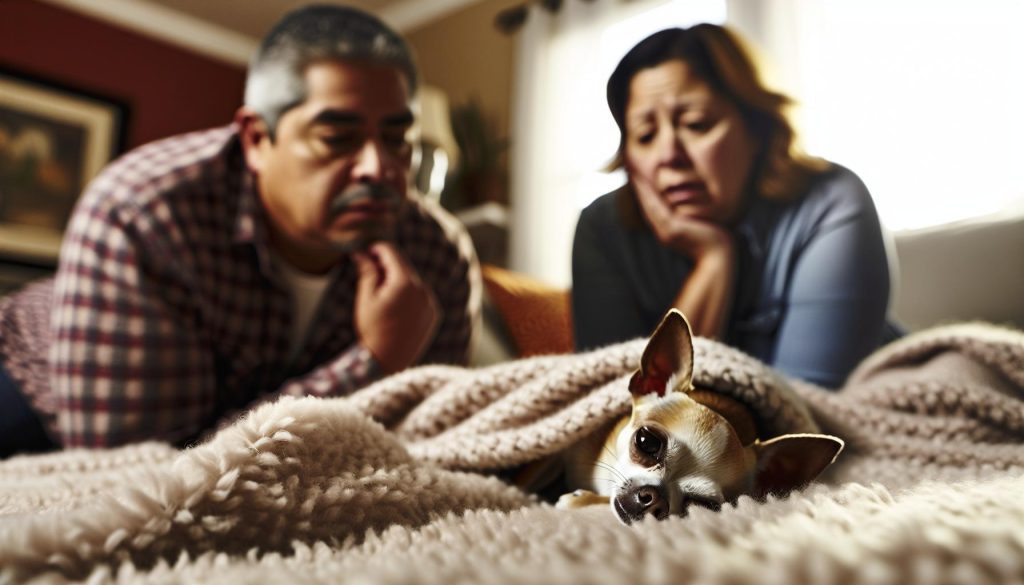
As a devoted Chihuahua owner, you know how lively and spirited these tiny companions can be. However, when your furry friend shows signs of illness, it can be worrisome. Recognizing the warning signs that indicate your Chihuahua may be sick is crucial for their health and well-being. With their unique personalities and vulnerabilities, understanding what to look for can make a significant difference in prompt care. Whether it’s an apple-head with a bold bark or a smooth coat that loves to snuggle, every Chihuahua deserves attention at the first signs of discomfort. By being vigilant and informed, you can act quickly, ensure the right care, and continue to enjoy the joy and loyalty that Chihuahuas bring to our lives. Let’s delve into the key warning signs to watch for, so you can keep your beloved companion healthy and happy.
Recognizing Common Illness Signs in Chihuahuas
Chihuahuas, those charming little companions known for their larger-than-life personalities, often communicate their discomfort in subtle ways. As a devoted owner, being able to recognize the signs of illness in your Chihuahua is crucial for ensuring their health and happiness. One of the first indicators of potential trouble can be a change in behavior; for example, if your normally spunky apple-head suddenly becomes lethargic or seems uninterested in play, it might be time to investigate further.
Pay close attention to your Chihuahua’s eating and drinking habits. A decreased appetite or increased thirst can signal various health issues. Additionally, monitor any changes in bathroom habits-straining during elimination or unusual stool quality should raise red flags. Also, take note of any new vocalizations or signs of anxiety, which can often indicate discomfort or distress. Watch for physical symptoms as well: excessive scratching, coughing, or sneezing can point to allergies or respiratory problems, while drooling or difficulty in moving could suggest dental issues or joint pain.
It’s not just the big changes that matter. Sometimes, the small details can make all the difference. If your Chihuahua’s coat appears dull or if there are unexpected weight fluctuations-either loss or gain-these could be signs of underlying health concerns. Keeping a watchful eye on these symptoms allows you to act quickly, which can be vital for keeping your Chihuahua healthy and happy.
In summary, being attuned to your Chihuahua’s little quirks and any shifts in their usual behavior, eating habits, and physical appearance will empower you as an owner. This vigilance not only fosters a deeper bond between you and your furry friend but also ensures that they receive the utmost care when they need it the most.
Understanding Chihuahua-Specific Health Issues
Chihuahuas, with their petite size and bold personalities, are prone to a variety of health issues that can be unique to the breed. Being aware of these susceptible conditions is vital for any owner wanting to keep their little friend healthy and thriving. One of the hallmark issues in Chihuahuas is patellar luxation-a dislocation of the kneecap, which can cause lameness or a noticeable limp. This condition often manifests when your Chihuahua runs or jumps, leading to a sudden halt as they try to adjust their stride. Regular, moderate exercise can help maintain muscle tone around the knees, but be cautious of activities that could risk injury.
Another significant concern is heart disease, particularly mitral valve disease, common in older Chihuahuas. This condition can develop silently, so it’s crucial to monitor for signs such as a persistent cough, difficulty breathing, or fatigue during play. Regular veterinary check-ups become essential not only for vaccinations but for early detection of heart problems through routine exams-especially as your Chihuahua ages.
Chihuahuas also have a propensity for dental issues due to their small mouths, which can lead to overcrowded teeth and subsequent decay. Consequently, you might notice bad breath, swollen gums, or difficulty chewing as indicators that dental care is needed. Implementing a dental hygiene routine that includes brushing and providing dental treats can promote better oral health.
Hypoglycemia is another condition to watch for, particularly in puppies and very small adults. Low blood sugar can cause weakness, lethargy, and even seizures. Always have a small supply of high-sugar treats on hand, such as honey or Karo syrup, to administer in case of a sudden drop.
Lastly, Chihuahuas are sensitive to temperature changes. They can easily become chilly due to their small size and short coats. This exposure can lead to illnesses like respiratory infections. Ensuring that your Chihuahua is kept warm during colder months and avoiding overly strenuous activity in heat can protect them from these climate-related issues.
In summary, understanding these Chihuahua-specific health concerns empowers you as an owner to take proactive measures. Keep a close eye on your furry friend, and don’t hesitate to consult your veterinarian should you notice any unusual behaviors or symptoms. Your little companion relies on you to provide the best care and attention, so being informed is key to their well-being.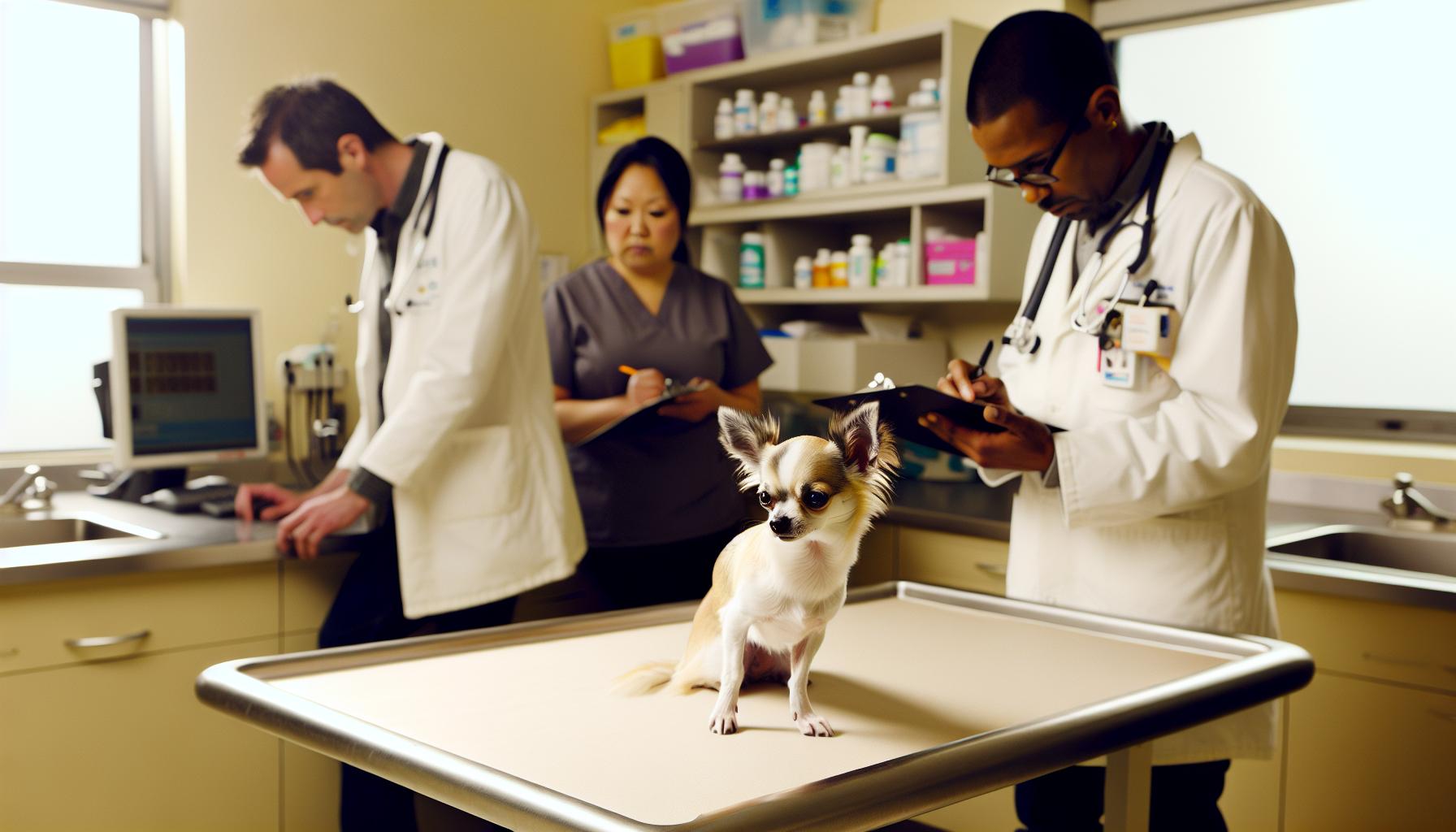
Top Health Concerns for Your Chihuahua
Chihuahuas are vibrant, spirited companions, but this small breed comes with its own set of health challenges that every owner should be aware of. Understanding these issues can significantly enhance your ability to provide the best care for your furry friend. Regularly monitoring your Chihuahua for specific signs can help you catch potential health problems early, ensuring a happier and healthier life for your little buddy.
One of the primary concerns is patellar luxation, a common issue in Chihuahuas due to their small size and conformation. This condition involves the dislocation of the kneecap, causing lameness or a noticeable limp. If you notice your Chihuahua suddenly halting during play or favoring a leg, it might be worth a visit to the vet. Regular, moderate exercise helps maintain muscle tone but be careful with activities that could lead to injury, especially in older dogs.
Another significant health issue is heart disease, particularly mitral valve disease, which often goes unnoticed until advanced stages. Watch for signs like a persistent cough or unusual fatigue during walks. As your Chihuahua ages, even a slight change in behavior warrants a conversation with your veterinarian. Early intervention through regular vet visits can help manage potential heart issues effectively.
Dental health is another crucial area for Chihuahuas, who are particularly prone to dental problems due to their compact mouths. Look for signs of gum redness or difficulty chewing, which can indicate issues needing attention. Establishing a dental care routine, including regular brushing and dental chews, can help keep your Chihuahua’s teeth and gums healthy.
In younger or smaller Chihuahuas, be vigilant about hypoglycemia, or low blood sugar. Symptoms may include weakness, confusion, or even fainting. Always carry high-sugar treats like honey or special canine gels when you’re out, just in case your furry friend needs a quick energy boost. This is especially vital for those adorable teacup Chihuahuas who can be more prone to this condition.
Lastly, keep a close watch on your Chihuahua’s response to temperature changes. They are particularly sensitive due to their size and short coats. Ensure your pet stays warm during colder months and avoid strenuous activity during hotter days. Simple measures, like providing a cozy blanket or a protective coat, can prevent unnecessary illness.
By staying proactive and informed about these potential health concerns, you can help ensure your Chihuahua remains the lively, loyal companion you cherish. Regular veterinary check-ups and being attuned to your dog’s unique behaviors will arm you with the knowledge needed to keep your little one healthy and happy through all stages of life.
Behavioral Changes Indicating Sickness
Chihuahuas, with their vibrant personalities and unwavering loyalty, often communicate their needs and emotions through their behavior. A sudden change in your Chihuahua’s typical demeanor can be one of the first indicators that something isn’t right. For instance, if your usually spunky little friend starts to hide away or displays signs of lethargy, these shifts can be important signals of underlying health issues.
Watch for specific behaviors that deviate from the norm. For example, if your Chihuahua, who thrives on playtime, suddenly shows disinterest in their favorite toys or refuses to join family activities, it may indicate discomfort or pain. Here are other behaviors to monitor:
- Increased Irritability: A sweet Chihuahua that becomes snappy or aggressive may be in pain or feeling unwell.
- Excessive Barking: While vocalization is part of their charm, incessant barking can signal distress or discomfort.
- Changes in Appetite: A sudden lack of interest in food or treats can be a red flag; Chihuahuas typically enjoy their meals!
- Changes in Bathroom Habits: If your pup is having accidents indoors or seems to struggle when doing their business, it could indicate an issue.
Loyal Chihuahuas often form strong bonds with their owners, and they can pick up on your moods, too. If they start seeking more cuddles or seem unusually clingy, it could be their way of expressing stress or need for reassurance during a tough time. Don’t underestimate the bond you share-your Chihuahua knows when something is off in their world.
Regularly checking in on your Chihuahua’s behavior can make a significant difference in catching health issues early. As responsible pet owners, being vigilant about these changes allows you to provide the care and support your cherished companion needs, ensuring that their vibrant spirit stays strong and healthy for years to come.
When to Consult a Veterinarian for Your Chihuahua
If your Chihuahua starts displaying unusual signs or symptoms, it’s crucial to know when to seek professional help. Given their petite size, Chihuahuas can often be prone to health issues that require quick intervention. Paying attention to your little companion’s behaviors can make all the difference in maintaining their health and well-being.
First, if your Chihuahua exhibits any of the following behaviors, it’s time to consult a veterinarian:
- Persistent Vomiting or Diarrhea: Occasional tummy upset is normal, but repeated episodes can lead to dehydration and point to more serious issues.
- Difficulty Breathing: If your Chihuahua is wheezing, coughing, or has noticeable trouble breathing, do not delay in seeking help.
- Extreme Lethargy: A major change in energy levels-such as refusing to play or engage in normal activities-might indicate underlying health problems.
- Pain or Discomfort: Signs like whimpering when moving, excessive licking of a specific area, or reluctance to be handled could suggest pain.
- Changes in Eating Habits: If your usually enthusiastic eater suddenly refuses food or exhibits drastic changes in appetite, it could signal illness.
- Behavioral Changes: Increased irritability, aggression, or withdrawal from social interaction can often indicate that something is wrong.
As a responsible pet owner, it’s essential to trust your instincts. If something feels off, don’t hesitate to schedule an appointment with your veterinarian. Early intervention can be critical in preventing more significant health issues down the road.
Additionally, remember that Chihuahuas are particularly susceptible to certain conditions, like dental problems or patellar luxation. Regular check-ups can help catch these issues before they escalate, so maintaining a schedule for veterinary visits is beneficial. Keeping a close watch on your Chihuahua’s health and behaviors empowers you to ensure a happy, healthy life for your little friend!
Essential Home Care for a Sick Chihuahua
Caring for a sick Chihuahua requires a gentle, attentive approach that considers their unique needs and vulnerabilities. These little dogs are known for their vibrant personalities and boundless loyalty, but their petite size also makes them susceptible to health issues, often requiring owners to step in with a bit more care when illness strikes.
Start by creating a comfortable space for your Chihuahua to rest. A cozy, quiet corner with soft bedding will help her feel secure during this time. If she has a favorite blanket or toy, keep those nearby; familiar comforts can provide a sense of normalcy. Remember, Chihuahuas thrive on warmth, so consider wrapping her in a light blanket or keeping her close to you, where she can relish your calming presence and warmth.
Nutritional support is vital for recovery. Offer small, easy-to-digest meals tailored to her condition. If she’s struggling to eat due to nausea, try plain boiled chicken or rice, as these can be gentler on her stomach. Make sure fresh water is always accessible-hydration is crucial! If your little one is feeling up to it, adding broth to her food can entice her to eat. For example, one Chihuahua owner found that mixing a bit of low-sodium chicken broth into their pet’s kibble encouraged her to eat when she otherwise wouldn’t.
Monitor her health closely. Keep a record of her symptoms, behaviors, and any changes in appetite or activity level. If her condition worsens or new symptoms arise, don’t hesitate to reach out to your veterinarian. The proactive approach not only helps catch issues early but also reassures your furry friend that she’s loved and cared for during this challenging time.
Lastly, be mindful of your Chihuahua’s emotional well-being. They can be sensitive to their environment, and illness can cause anxiety. Provide plenty of gentle reassurance, perhaps with quiet conversations or soft petting, to help ease her worries. Remember, your presence alone can be a powerful balm as she navigates through recovery.
Nutritional Needs for a Recovering Chihuahua
Caring for a recovering Chihuahua requires a delicate balance of nutrition that helps her regain strength and energy. These spirited little companions, known for their bold personalities, can face unique health challenges, making their dietary needs especially important during recovery. When your Chihuahua is under the weather, her appetite may wane, and that’s where your understanding of her nutritional needs truly shines.
Focus on providing easy-to-digest meals tailored to her specific condition. For example, if she’s vomiting or experiencing digestive upset, bland foods like plain boiled chicken or white rice can be soothing on her stomach. These foods are gentle and provide essential protein without overwhelming her system. Remember to introduce small portions gradually, as overfeeding can lead to further discomfort.
Stay vigilant about hydration. Chihuahuas are at risk for dehydration, especially when they’re not eating well. Always ensure she has access to fresh, clean water. Consider offering low-sodium chicken or beef broth to entice her to drink more. Many Chihuahua owners have found success with this simple trick; it not only adds flavor but can also make her meals more palatable if mixed in with her food.
To further support her recovery, you can explore commercial recovery diets specifically formulated for sick pets. Brands often offer products that cater to the nutritional needs of pets recovering from illness, ensuring they receive appropriate nutrients, vitamins, and minerals.
Lastly, keep a close eye on her preferences. Chihuahuas, known for their strong personalities, often have specific likes and dislikes. For instance, if she once relished her kibble but is now turning her nose up at it, consider complimentary toppings like plain pumpkin or carrot puree to enhance the flavor. Tailoring her meals to her current cravings can significantly improve her eating experience and overall recovery. Your attentiveness to her dietary needs will not only nourish her body but also reassure her during this challenging time.
Preventative Measures for a Healthy Chihuahua
Chihuahuas, those charming dynamos wrapped in small packages, thrive on love and attention, but they also need a solid foundation of preventative measures to stay healthy. Establishing a proactive approach to your Chihuahua’s care can stave off many common health issues and ensure a longer, more vibrant life. Regular exercise, a balanced diet, and consistent vet check-ups are key components that every owner should embrace.
Regular Vet Visits
One of the most critical aspects of preventive care is maintaining regular veterinary appointments. At least once a year, your furry friend should see the vet for a wellness exam. These visits allow your veterinarian to catch any potential health issues early on, such as dental problems or heart conditions that are common in Chihuahuas. Ensure your vet discusses vaccinations and parasite control tailored to your Chihuahua’s lifestyle and needs. If she seems a bit more lethargic than usual, or if her appetite drops, don’t wait for the yearly check-up; consult your vet sooner.
Balanced and Nutritious Diet
Nutrition plays an essential role in maintaining your Chihuahua’s health. These little powertools require a diet that supports their high energy levels and unique metabolism. Look for premium quality dog foods specially formulated for small breeds-these will have the right blend of nutrients without overloading her tiny stomach. Pay attention to ingredients and avoid fillers like corn and wheat, which are harder for Chihuahuas to digest. You might even consider including fresh foods in her diet, like plain, cooked vegetables, which can boost her vitamin intake.
Exercise and Mental Stimulation
Keeping a Chihuahua physically and mentally engaged is vital for preventing obesity and behavioral issues. Daily short walks can work wonders-these little ones often love to strut, showing off their personalities along the way. Engage her in play activities that include toys, agility challenges, or puzzle feeders that stimulate her mind while rewarding her with some tasty treats. It’s not just about physical health; mental engagement contributes to overall well-being and can help mitigate anxiety or boredom.
Grooming and Dental Care
Chihuahuas often have specific grooming needs, especially if your companion has long hair or is a short-haired applehead. Regular brushing will help reduce shedding, and occasional baths will keep her coat shiny and healthy. Don’t forget about dental hygiene-small breeds like Chihuahuas are prone to dental disease. Establish a brushing routine using dog-safe toothpaste. If she’s resistant, consider dental chews or regular dental cleanings from your vet to keep her mouth healthy.
By taking these steps, you aren’t just treating your Chihuahua like a beloved pet; you’re investing in her long-term health and happiness. These little companions have big hearts and deserve the best care possible, so staying proactive will keep her tail wagging and her spirit high!
Spotting Allergies and Sensitivities in Chihuahuas
When it comes to Chihuahuas, understanding their unique health vulnerabilities, including allergies and sensitivities, is essential for any loving owner. These little dynamo dogs may be small in stature, but their health needs are significant. Allergies can manifest in various ways and recognizing these signs early can help ensure your furry friend stays comfortable and happy. Keep a close eye on any unusual behaviors or changes in your Chihuahua, as these can often be indicators of an allergic reaction or sensitivity.
One common sign of allergies in Chihuahuas is excessive scratching or licking, particularly around the paws, ears, or abdomen. If you notice your Chihuahua is constantly nibbling at her skin or has developed a rash, it may be time to investigate further. Many Chihuahuas suffer from environmental allergies that can be triggered by pollen, dust mites, or molds. Additionally, food allergies can occur, often manifesting as gastrointestinal upset or skin irritations after consuming certain ingredients. Be vigilant about your dog’s diet and any new treats you introduce; keeping a food diary can help identify triggers.
Environmental factors can also play a significant role in your Chihuahua’s comfort. Regular cleaning of your home, including washing bedding and vacuuming carpets, can help reduce allergens. Consider using air purifiers and maintaining a dust-free environment to help mitigate sensitivities. If your Chihuahua tends to have seasonal allergies, taking precautions during peak allergy seasons, like minimizing outdoor time, can also help.
In cases where you’ve identified potential allergens or your Chihuahua shows ongoing signs of irritability or discomfort, it’s important to consult with your veterinarian. They can recommend specific allergy testing or potential treatments, which may include antihistamines, changes in diet, or other interventions. Keeping anxiety levels low is essential; providing a safe, comfortable environment can help soothe her during challenging times. Remember, a proactive approach and attentive observation can go a long way in ensuring your Chihuahua lives a happy, healthy life.
The Importance of Regular Check-Ups for Chihuahuas
Regular veterinary check-ups are crucial in maintaining the health of your Chihuahua, especially since these tiny dogs can encounter a unique set of health challenges. Did you know that Chihuahuas are prone to dental issues due to their small mouths? This breed’s susceptibility to periodontal disease can lead to pain and other serious health concerns if left unchecked. Regular visits to the vet help catch these issues early, preventing progression and ensuring your furry friend remains happy and healthy.
During your vet visits, your Chihuahua will receive essential preventive care. This includes vaccinations, which protect against common diseases, and dental check-ups that can prevent the development of painful oral conditions. It’s an opportunity for your veterinarian to perform a thorough examination, assess weight, and discuss your dog’s diet and lifestyle. As a Chihuahua owner, understanding the breed’s specific health needs makes these regular check-ups even more critical. For instance, a vet can monitor for obesity, which is a risk factor for several diseases in Chihuahuas, including heart problems and arthritis.
Moreover, regular visits to your veterinary clinic provide an avenue to discuss any behavioral changes you might have noticed. Chihuahuas are known for their vocal, lively personalities; any shifts in their usual behavior can often indicate underlying health issues. Whether they become lethargic, lose their appetite, or start exhibiting signs of anxiety, these changes are important red flags that require professional attention.
Lastly, fostering a strong relationship with your veterinarian can enhance your Chihuahua’s health management. Many owners find comfort in working closely with a vet who understands their knowledge of the breed. Consider asking your vet for tips tailored specifically for Chihuahuas, as they can provide insights into nutrition, common behavioral issues, and overall wellness that cater to your beloved companion. Remember, being proactive through regular check-ups is your best defense in keeping your Chihuahua healthy and thriving.
Natural Remedies and Supportive Care for Chihuahuas
When your Chihuahua is feeling under the weather, natural remedies can play a supportive role in their recovery. These little dogs, with their bold personalities and affectionate nature, often respond well to gentle care that helps them feel comfortable and secure during times of illness. Understanding what you can do at home can make a significant difference in their recovery process and emotional wellbeing.
One effective approach to supporting your sick Chihuahua includes maintaining a cozy and quiet environment. Chihuahuas are sensitive to their surroundings, and a calm atmosphere can help alleviate their stress while they recover. Use soft bedding where she can rest undisturbed, and keep the temperature regulated since small breeds can be particularly prone to feeling cold. Ensure she has access to fresh water at all times, as staying hydrated is crucial, especially if she has a decreased appetite.
Incorporating gentle nutrition can also aid in her recovery. Look for easy-to-digest foods such as boiled chicken and rice or specialized bland diets that are veterinarian-approved. Offer small, frequent meals rather than large portions to encourage her appetite without overwhelming her system. Introducing bone broth can also be beneficial-it’s nutritious, hydrating, and often appealing to finicky eaters.
Here are some natural remedies you might consider, but always consult with your veterinarian before trying new treatments:
- Probiotics: These can help restore gut health, especially if your Chihuahua has been on medication.
- Coconut oil: A small amount can improve skin health and shimmer while offering anti-inflammatory properties.
- Herbal supplements: Ingredients like ginger can aid in nausea, while chamomile can have a soothing effect.
Always observe your Chihuahua closely when introducing anything new, and maintain open lines of communication with your vet. Each dog is unique, so what works wonders for one may not be effective for another. With your love and care, your little companion can navigate her illness and return to her sassy, playful self in no time!
Emotional Wellbeing: Comforting Your Sick Chihuahua
Caring for a sick Chihuahua requires not just physical support but also emotional nurturing. These little companions are known for their vibrant personalities, and when they are feeling unwell, it’s essential to reassure them that they’re safe and loved. Chihuahuas, with their bold and sometimes dramatic flair, often express their discomfort in ways that are hard to miss. However, their recovery is not only about addressing physical ailments but also about tending to their emotional needs.
To create a comforting environment, ensure that your Chihuahua has a cozy, quiet space all to herself. As sensitive creatures, they are easily stressed by changes in their surroundings. Providing soft blankets, a calming bed, and keeping the room at a moderate temperature will help her feel secure. Soft, soothing voices, gentle strokes, and familiar toys can all serve as reminders of home while she recovers. You might recall how your Chihuahua loves curling up on your lap during cooler evenings; replicating that intimate bonding time can help immensely.
Engage in gentle, reassuring activities that can distract her from pain or discomfort. Short, calm play sessions with her favorite toys or light massages can promote relaxation. You might find that she enjoys a bit of soft music or the sounds of nature playing in the background. Also, incorporating her favorite treats in small portions can help brighten her spirits-maybe a bit of boiled chicken or a piece of plain pumpkin to entice her appetite while offering a taste of normalcy.
Ultimately, the key is consistency and presence. Monitor her closely for any signs of distress, but also encourage her moments of play and joy when she shows interest. By doing this, you reinforce the affection and security that are crucial for her emotional wellbeing. In these moments, your Chihuahua will recognize her strength and the bond you share, encouraging her to bounce back to her lively self.
Frequently asked questions
Q: What are the first signs to notice if my Chihuahua is unwell?
A: The first signs to notice include *decreased appetite*, *lethargy*, and changes in behavior such as hiding or unusual vocalization. Early recognition is vital to address potential health issues quickly, so monitor your Chihuahua closely for any sudden changes [[ARTICLE SECTION: Recognizing Common Illness Signs in Chihuahuas]].
Q: How can I tell if my Chihuahua has allergies?
A: Common allergy signs in Chihuahuas include *itchy skin*, *ear infections*, and *excessive sneezing*. If you suspect allergies, consult your veterinarian for appropriate tests and recommendations to provide relief to your pup[[ARTICLE SECTION: Spotting Allergies and Sensitivities in Chihuahuas]].
Q: What specific health issues should I be aware of for Chihuahuas?
A: Chihuahuas are prone to several health issues, including *heart disease*, *dental problems*, and *patellar luxation*. Regular vet check-ups can help monitor these conditions and keep your Chihuahua healthy[[ARTICLE SECTION: Understanding Chihuahua-Specific Health Issues]].
Q: When is it critical to take my Chihuahua to the veterinarian?
A: It’s critical to consult a veterinarian if your Chihuahua exhibits serious symptoms such as *persistent vomiting*, *diarrhea*, *difficulty breathing*, or *severe lethargy*. Prompt veterinary attention can prevent complications and improve outcomes [[ARTICLE SECTION: When to Consult a Veterinarian for Your Chihuahua]].
Q: Can my Chihuahua recover from sickness at home?
A: Yes, many Chihuahuas can recover at home with proper care, including *rest, hydration*, and a suitable diet. Monitor their progress and ensure they are comfortable. However, always follow your vet’s advice, especially for serious conditions [[ARTICLE SECTION: Essential Home Care for a Sick Chihuahua]].
Q: What role does nutrition play in my Chihuahua’s recovery?
A: Nutrition is crucial during recovery as it helps rebuild strength and supports the immune system. Providing high-quality, easily digestible food tailored to your Chihuahua’s needs can facilitate a quicker recovery [[ARTICLE SECTION: Nutritional Needs for a Recovering Chihuahua]].
Q: How often should I schedule check-ups for my Chihuahua?
A: Regular check-ups every *6-12 months* are recommended for Chihuahuas, depending on their age and health status. These visits help catch potential issues early, ensuring a longer, healthier life [[ARTICLE SECTION: The Importance of Regular Check-Ups for Chihuahuas]].
Q: What natural remedies are safe for my sick Chihuahua?
A: Natural remedies such as *ginger* for nausea or *coconut oil* for skin issues can be beneficial. Always consult your veterinarian before trying new treatments to ensure they are safe and appropriate for your Chihuahua [[ARTICLE SECTION: Natural Remedies and Supportive Care for Chihuahuas]].
In Retrospect
Understanding when your Chihuahua is unwell is crucial in ensuring his health and happiness. Always stay observant for any warning signs like unusual behavior, appetite changes, or lethargy. Prompt attention can prevent minor issues from escalating into serious health concerns. For more insights on maintaining your pup’s well-being, check out our posts on common Chihuahua health issues and how to create a supportive home environment.
Don’t hesitate to contact your veterinarian if you notice any concerning symptoms-your quick action can make all the difference. Join our community of Chihuahua enthusiasts by signing up for our newsletter for tips and shared experiences, keeping you informed and connected. Share your thoughts or experiences in the comments below; every Chihuahua has a story, and your insights could help a fellow owner. Let’s keep celebrating our tiny warriors together!
Get our latest guides, news, and insights highlighted in your Google Search & AI Overviews.